La Table de Boris occupies a quietly significant address at Schaartor 1 in Hamburg's Speicherstadt-adjacent waterfront zone, where the city's appetite for French-inflected dining meets its port-city directness. The restaurant positions itself within Hamburg's upper-tier creative dining circuit, drawing regulars who cross-reference it against the city's heavier hitters before returning on their own terms.
Pearl is the En Primeur Club membership app — saves, bookings, and concierge access live there. Same editors, same standards.
- Address
- Schaartor 1, 20459 Hamburg, Germany
- Phone
- +4917623151480
- Website
- boriskasprik.com
- Directions
- Get directions
 Saves & bookings on Pearl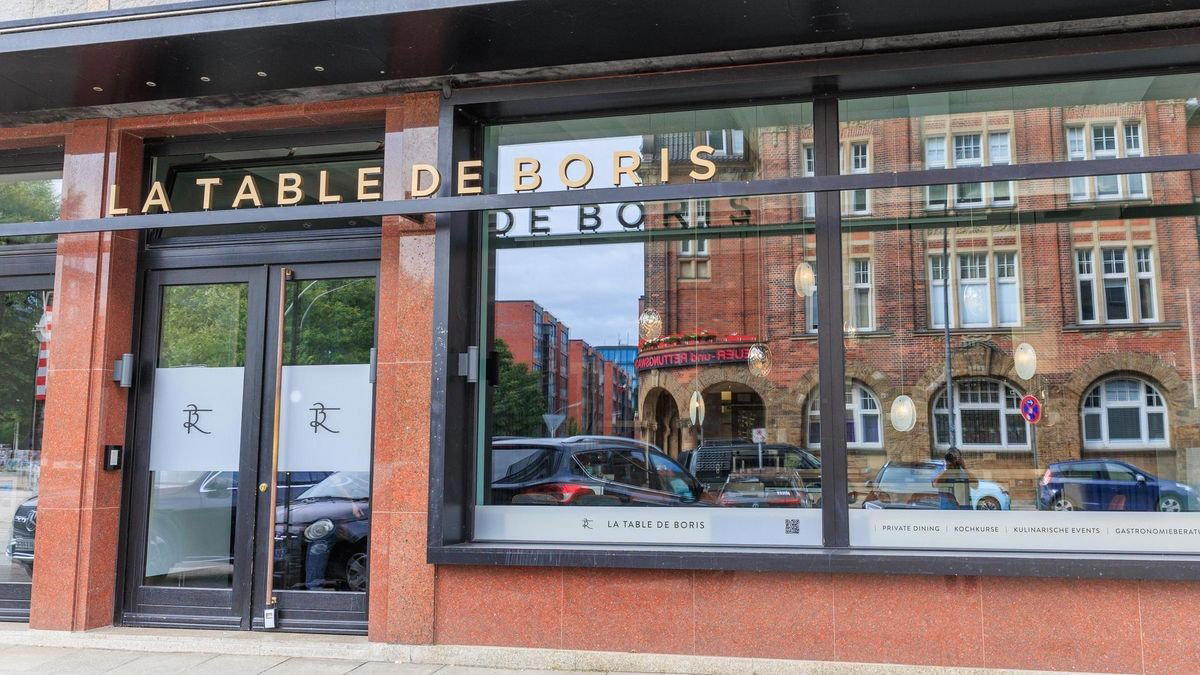
Where the Elbe Makes Its Presence Felt
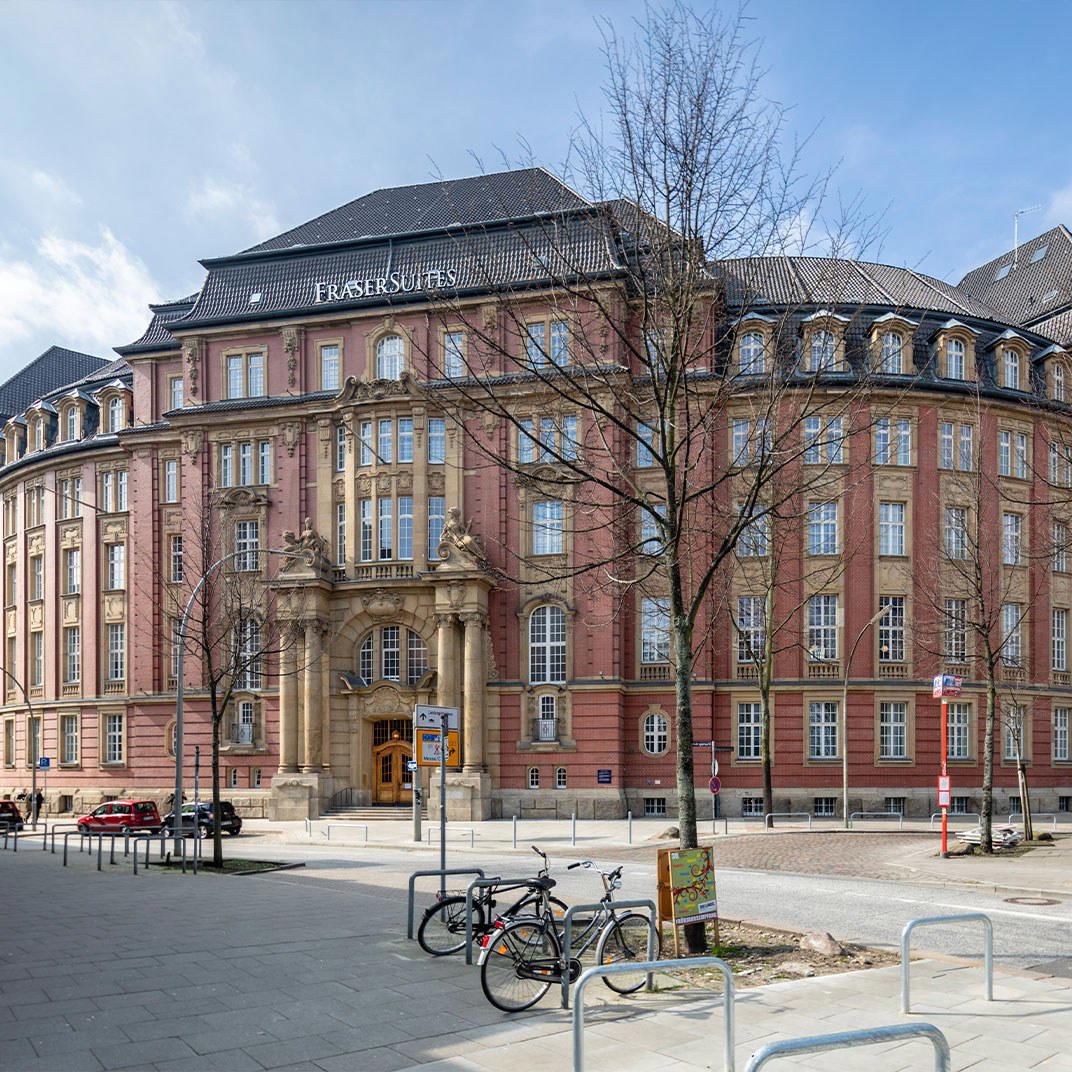
Hamburg's relationship with water is architectural as much as geographic. Along the Schaartor corridor, the city presents one of its older faces: brick facades that have absorbed decades of harbor air, streets that narrow toward the canal edge, and a particular quality of northern light that arrives flat and silver off the water. La Table de Boris is a Modern French Fine Dining restaurant at Schaartor 1, 20459 Hamburg, Germany, priced at about $410 per person.
The Speicherstadt and its surrounding blocks have evolved into a zone where the industrial past and a certain culinary seriousness coexist without apparent tension. That context matters when you consider where La Table de Boris lands in Hamburg's dining geography. The Schaartor address signals a venue that expects its guests to arrive with intent.
Hamburg's French-Leaning Upper Tier
Germany's port cities have historically been more receptive to French culinary influence than their inland counterparts, and Hamburg is no exception. The city's upper-end dining circuit includes addresses like Restaurant Haerlin, which holds Michelin recognition and anchors the classic French side of the market, and The Table Kevin Fehling, which operates at the creative extreme with three Michelin stars and a format built around theatrical precision. Between those poles sits a tier of restaurants that draw on French technique without the full apparatus of the grand occasion dinner.
La Table de Boris operates in that intermediate register. The name itself signals a French orientation, and in a city where that cue carries specific weight, it places the restaurant in a recognizable lineage. Hamburg diners who have worked through the 100/200 Kitchen format or spent evenings at bianc's modern Mediterranean counter tend to land at the restaurant as a point of comparison rather than a point of arrival.
The Sensory Register of a Waterfront Room
Waterfront dining rooms in northern European port cities carry a particular sensory signature. Sound behaves differently near the canal: the ambient hum of the city recedes, and what replaces it is a mix of water movement, distant vessel noise, and the specific quiet that comes when a neighborhood has cleared of its daytime foot traffic. Along the Schaartor, evenings arrive with a particular stillness that is not silence so much as a reduced frequency range.
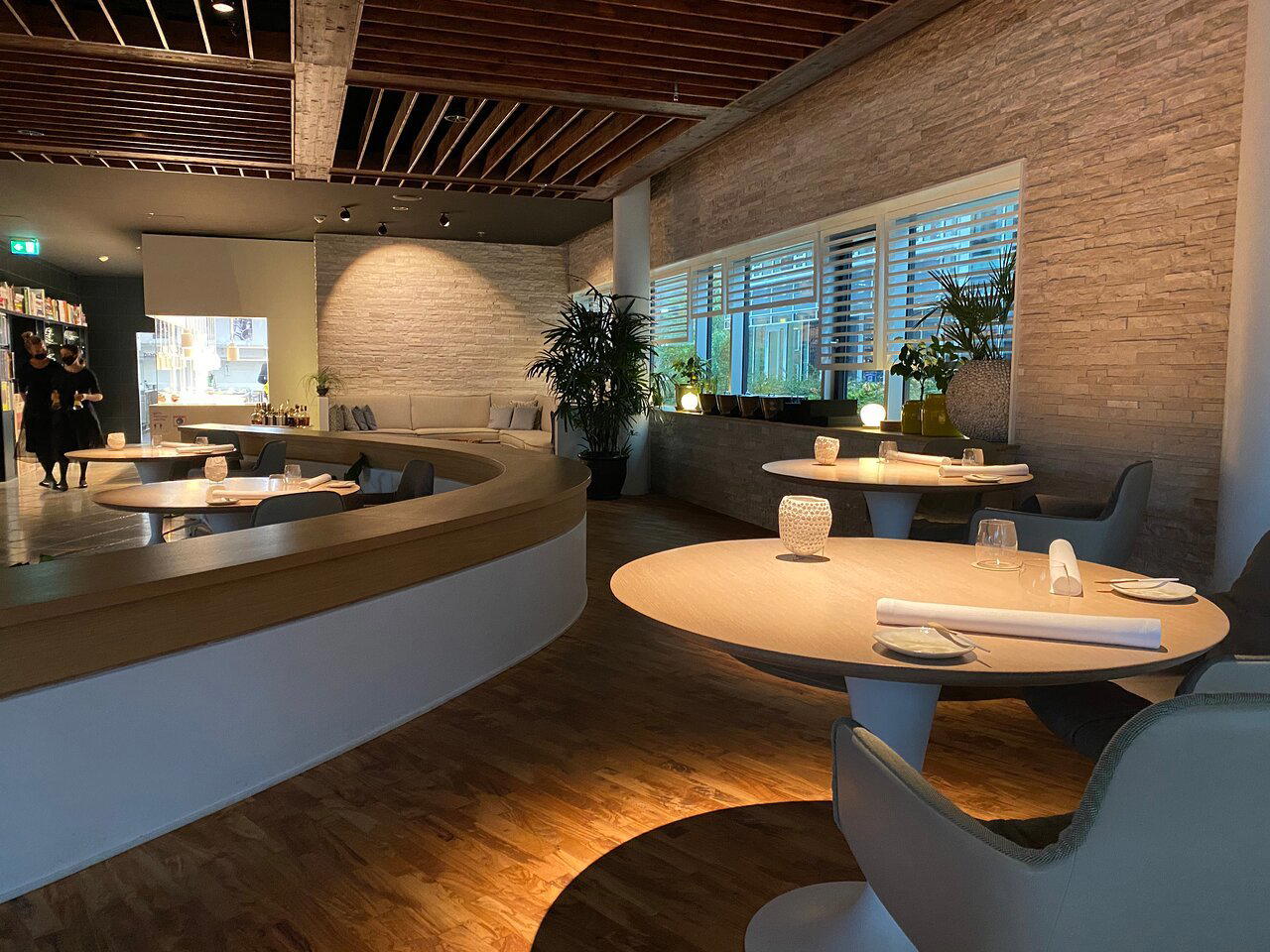
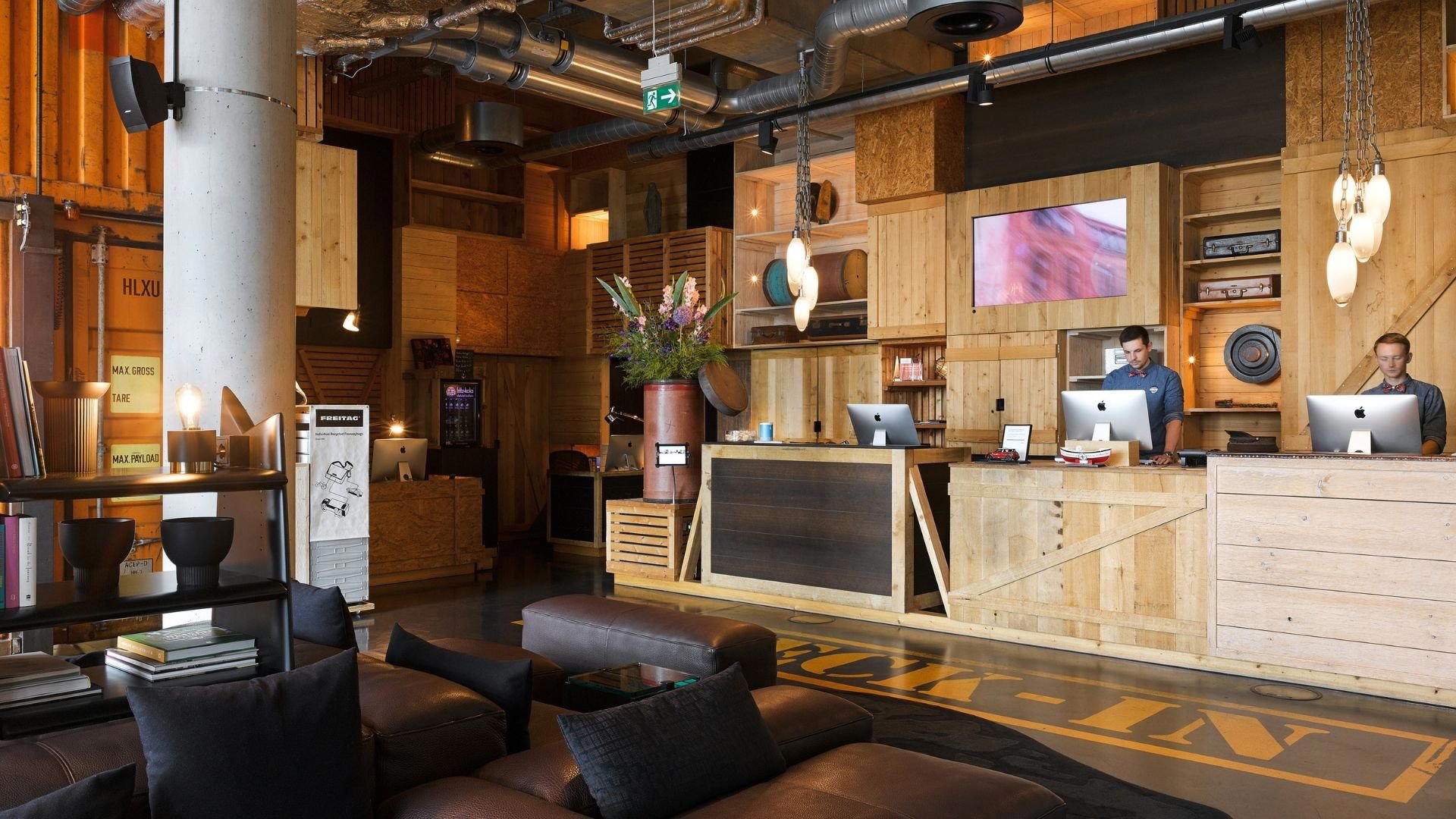
Within that acoustic environment, a room's interior choices become more audible in the literal sense. The clink of glassware, the low register of table conversation, the movement of service staff between kitchen and dining room: these constitute the score of the meal. Hamburg's better dining rooms understand this, which is why the city's serious restaurants tend toward restraint in their room design rather than the high-contrast interior statements more common in Berlin or Munich. A venue at Schaartor 1 is working with the neighborhood's existing sensory texture rather than against it.
Across Germany's fine dining circuit, the rooms that age leading are those built around material honesty: wood that shows its grain, stone that carries temperature, light sources positioned to extend rather than flatten the space. That principle connects Hamburg's Schaartor corridor to other German dining addresses that have found durable identity through restraint, from Schwarzwaldstube in Baiersbronn to Waldhotel Sonnora in Dreis.
Where La Table de Boris Sits in the Hamburg Competitive Set
Hamburg's upper dining tier has consolidated around a smaller number of high-commitment formats in recent years. The city's most awarded addresses, including The Table Kevin Fehling with its three-star standing, operate on booking timelines that extend months ahead and price points that restrict the frequency of visits for most diners. Below that level, a cluster of restaurants competes for the guest who wants seriousness without the full ceremonial weight of a multi-star occasion.
Lakeside draws guests toward a German-lakeside identity, while bianc has developed a Mediterranean reference point that sets it apart from the French-oriented houses. The restaurant, with its French nominal identity and Schaartor address, occupies a different quadrant of that map: more classically oriented in its signals, more geographically specific in its setting. For the Hamburg guest constructing an evening itinerary, the restaurant sits in a comparable set that includes French-trained kitchens and rooms built for extended dinner service rather than rapid turnover.
Germany's broader fine dining circuit provides useful calibration. The kind of cooking that emerges from French-trained kitchens in port-city contexts tends to emphasize precision and product sourcing over theatrical format. Compared to the dessert-forward experiment of CODA Dessert Dining in Berlin or the narrative ambition of JAN in Munich, a French-leaning Hamburg address like La Table de Boris occupies a more classically anchored position.
Planning a Visit
The Schaartor address places the restaurant within walking distance of the Rödingsmarkt U-Bahn station, making it accessible from central Hamburg without requiring private transport. The waterfront location and the character of the surrounding streets suggest that arriving with time to walk the canal edge before dinner is a reasonable approach: the neighborhood reads differently on foot than it does as a transit point.
For Hamburg diners building an itinerary that extends beyond a single evening, the restaurant pairs logically with the city's other French-oriented addresses. Guests traveling through Germany more broadly and wanting reference points for how Hamburg's French-leaning rooms compare to their counterparts elsewhere might look at Vendôme in Bergisch Gladbach or Victor's Fine Dining by Christian Bau in Perl as datapoints for what French technique produces at different levels of the German market.
Peers in This Market
Comparable venues nearby, for context on price, style, and recognition.
| Venue | Cuisine | Price | Notes |
|---|---|---|---|
| La Table de BorisThis venue — the venue you are viewing | Modern French Fine Dining | $$$$ | Not listed |
| Flum | Classic French Brasserie | $$$ | Rotherbaum |
| chez l'ami TORTUE | Exclusive French Fine Dining | $$$$ | Neustadt |
| Criss Studio Polish-Jamaican | Polish-Jamaican Fusion | $$$$ | Neu Lokstedt |
| [m]eatery | Modern Steakhouse | $$$ | Neustadt |
| Der erdbeerfressende Drache | Modern Fusion Small Plates Omakase | $$$ | Rotherbaum |
Continue exploring
More in Hamburg
Restaurants in Hamburg
Browse all →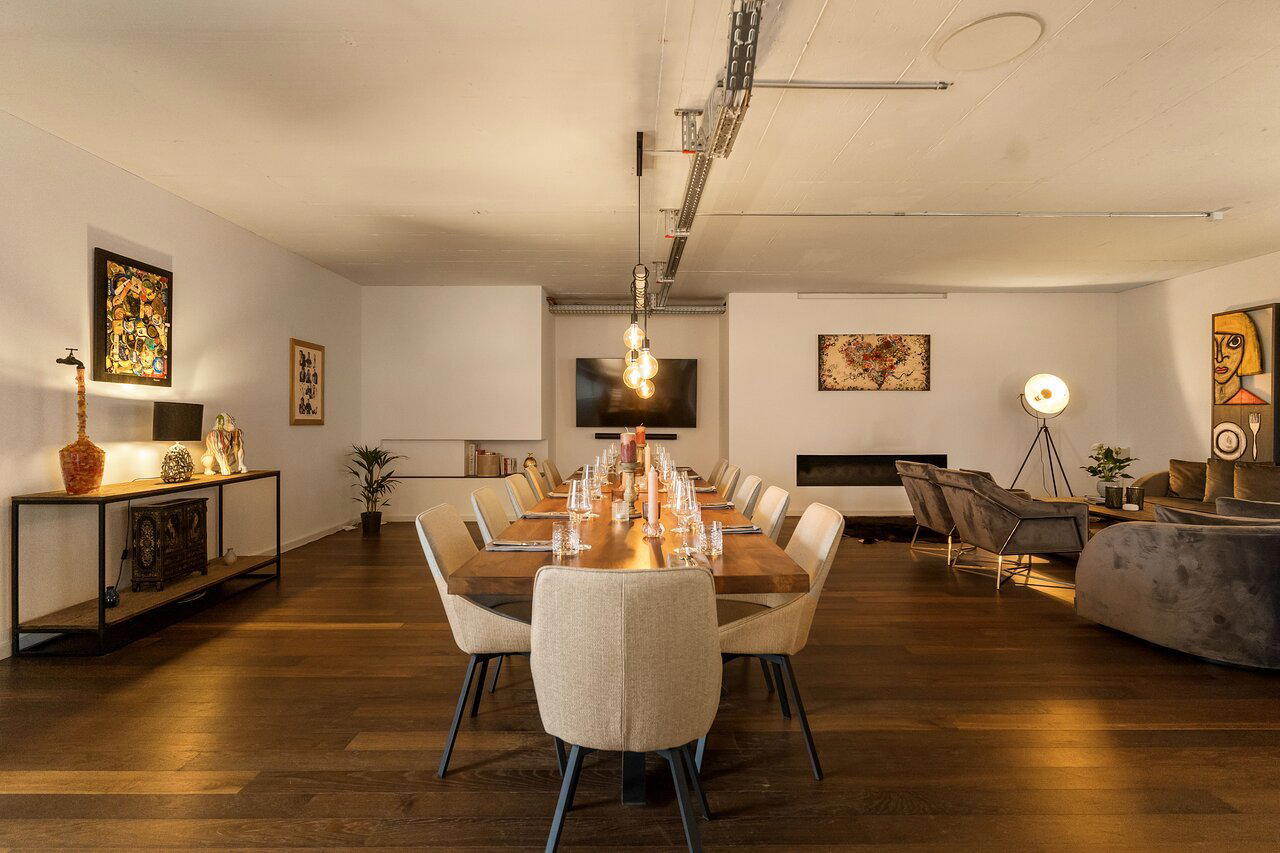
At a Glance
- Elegant
- Intimate
- Sophisticated
- Modern
- Special Occasion
- Private Event
- Celebration
- Open Kitchen
- Private Dining
- Standalone
- Sommelier Led
- Local Sourcing
- Waterfront
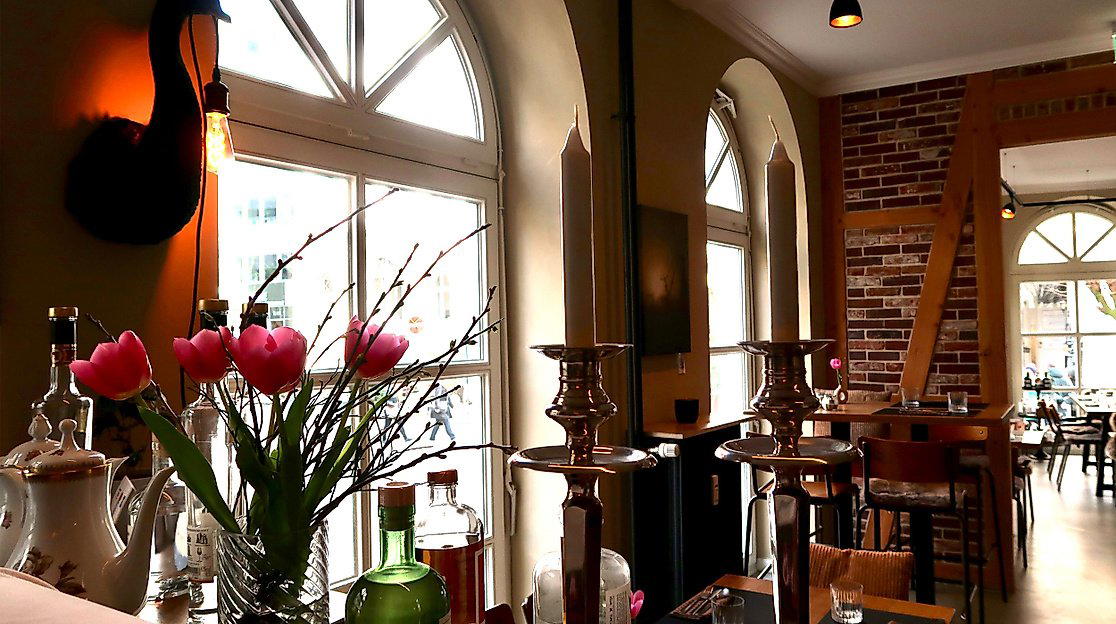
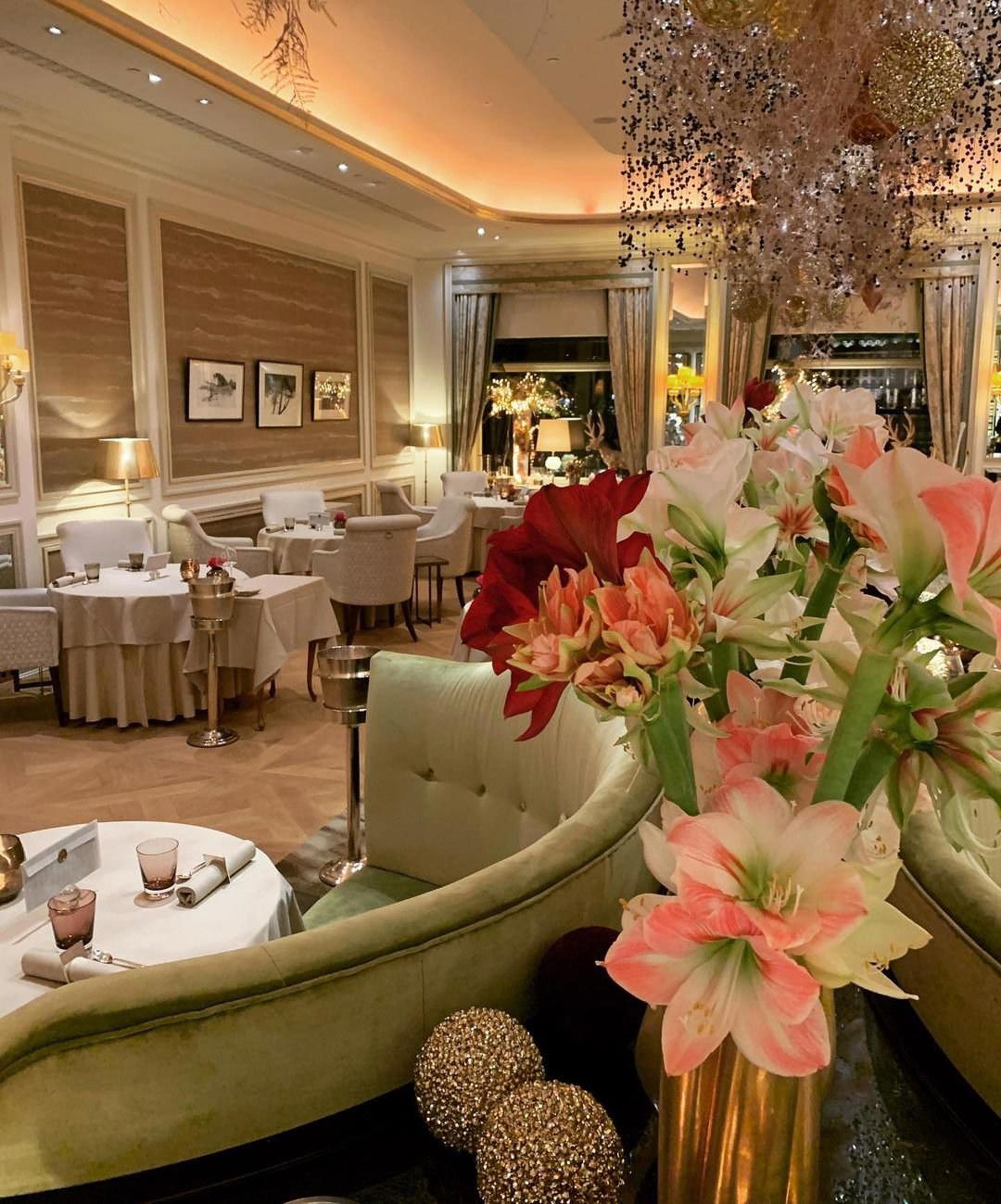
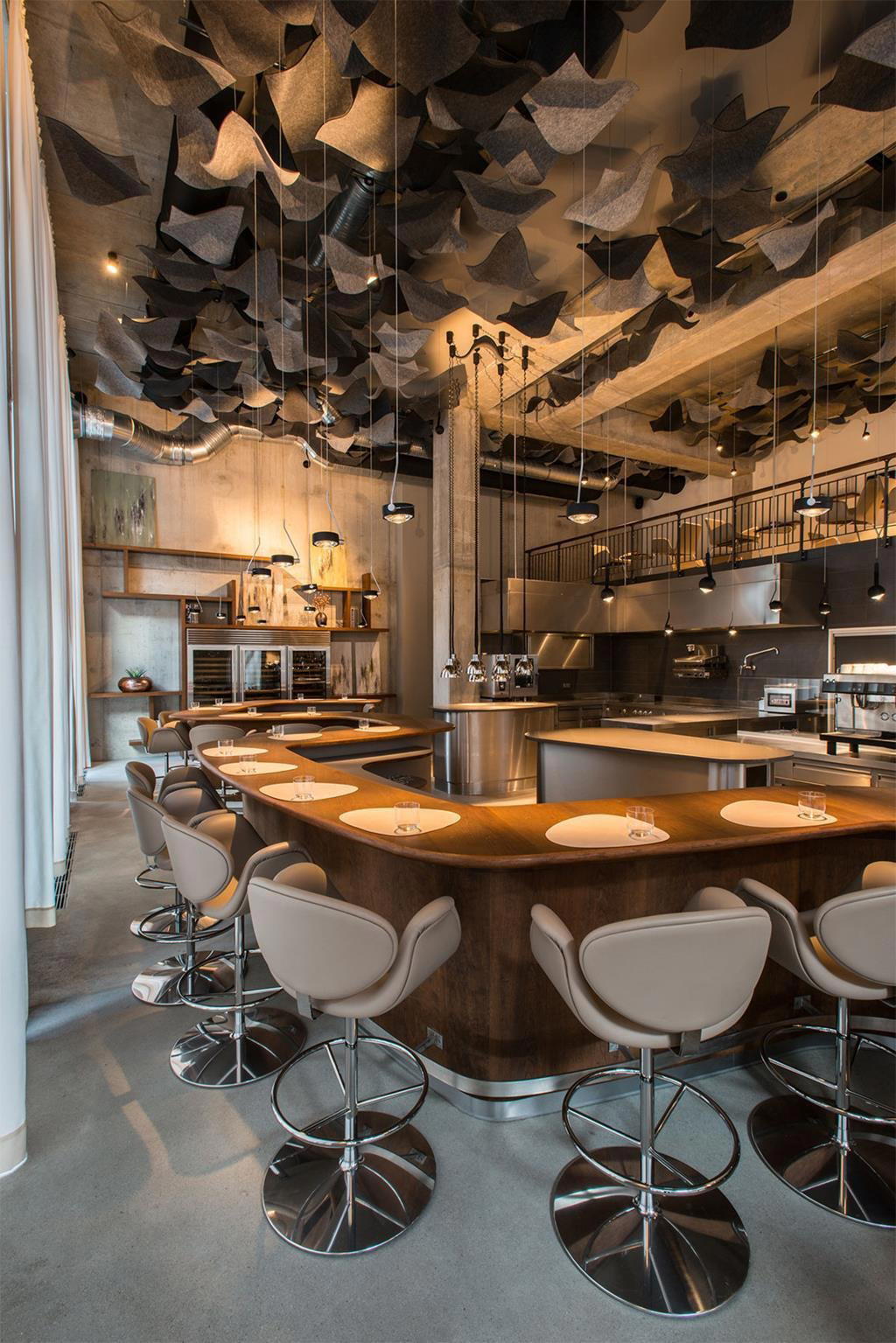
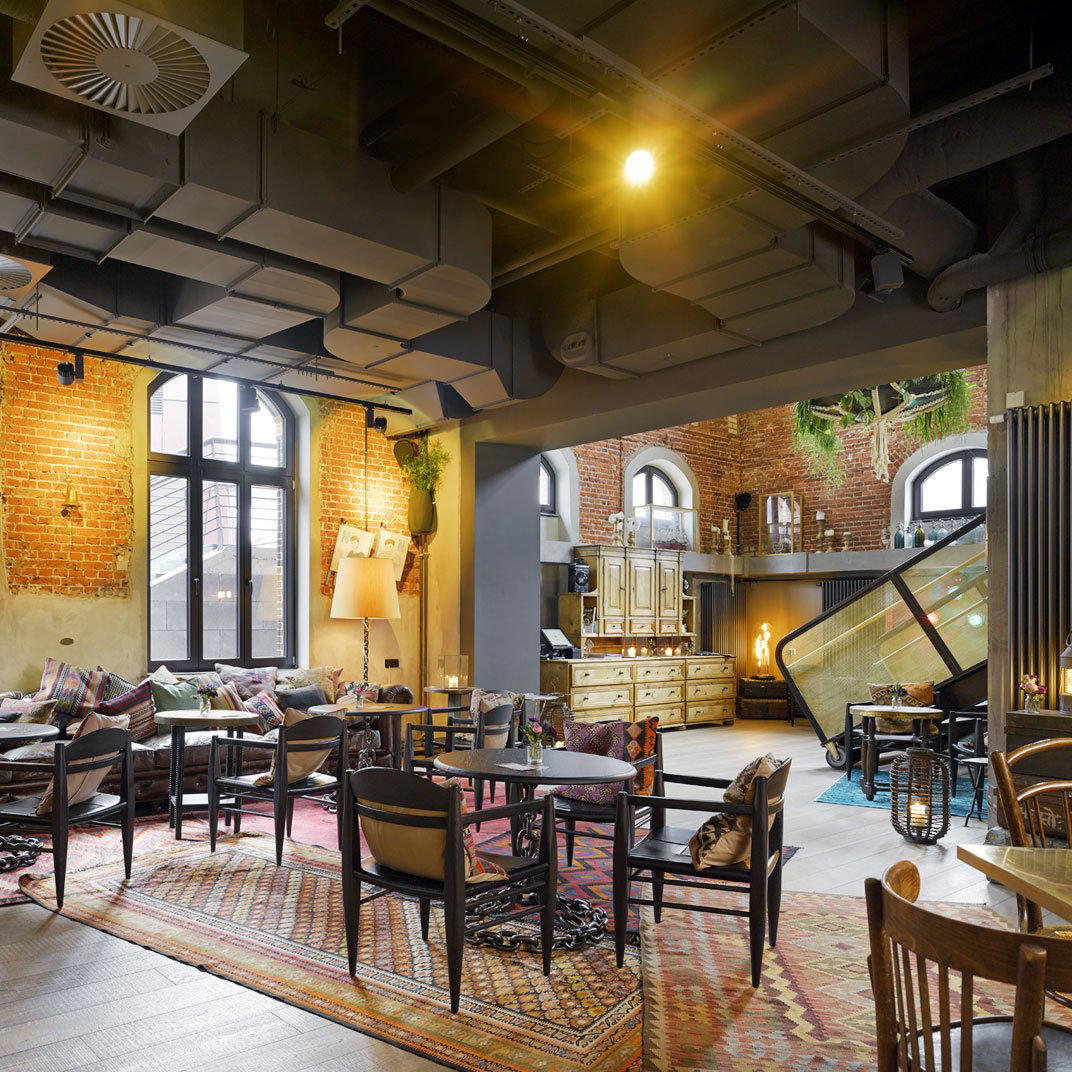
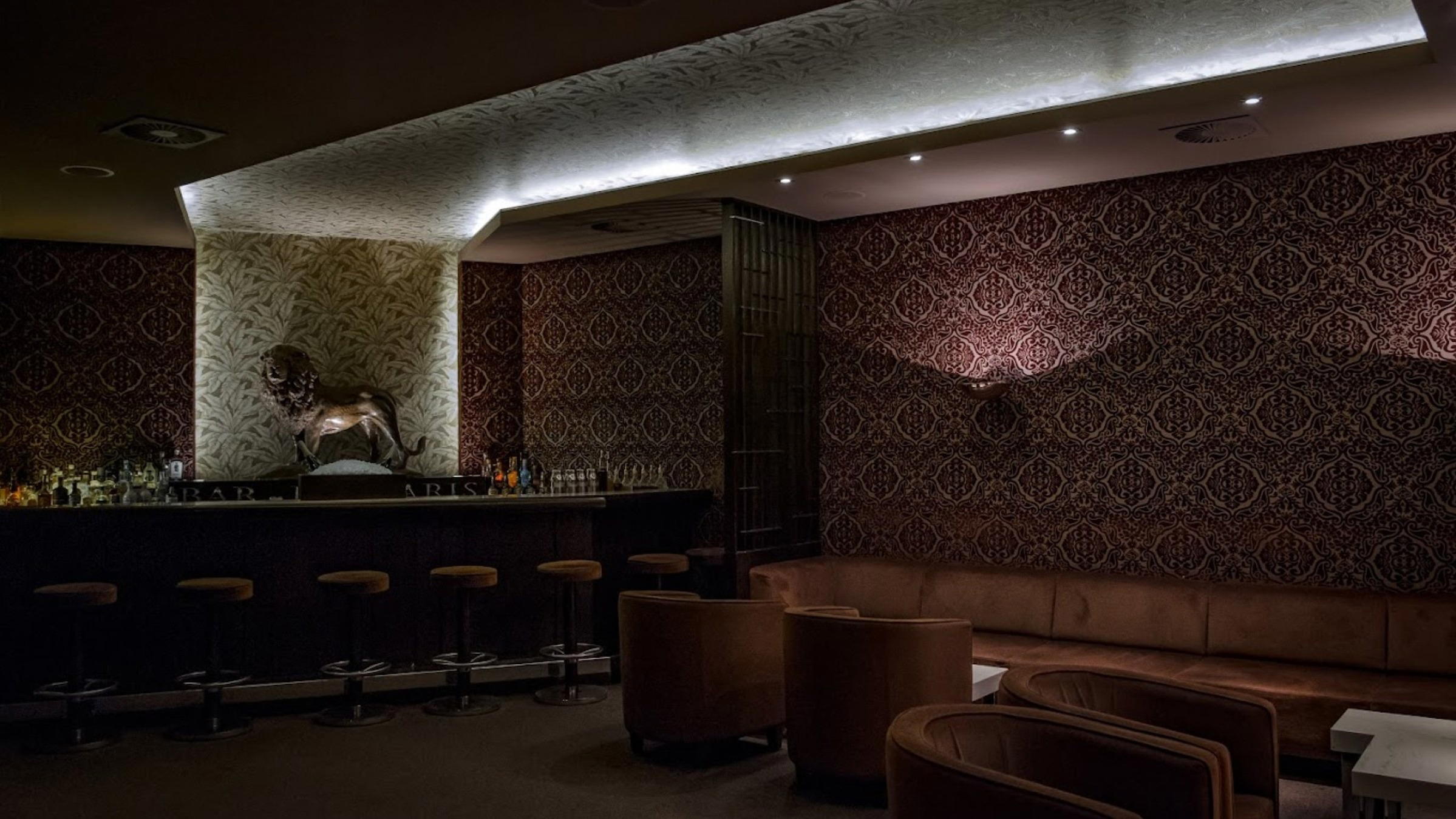
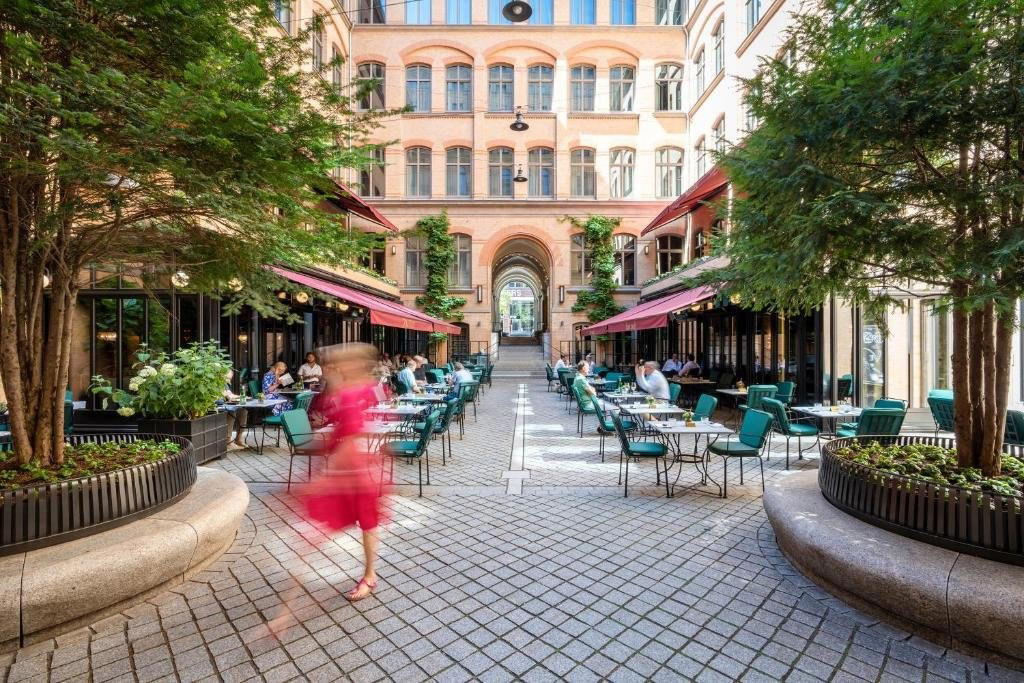
Warm, meticulously detailed atmosphere with rectilinear design, precise table settings, and guests seated around an imposing oak table in a ground-floor space between historic and modern Hamburg neighborhoods.