At Stadthausbrücke 10, chez l'ami TORTUE occupies a Hamburg address that places it steps from the Alster canal network and within the city's established fine-dining corridor. The restaurant's Franco-inflected name signals a kitchen operating in the tradition of French-influenced European cooking that has long anchored Hamburg's upper-tier dining scene. For a city that rewards knowing where to look, it warrants serious attention.
Pearl is the En Primeur Club membership app — saves, bookings, and concierge access live there. Same editors, same standards.
- Address
- Stadthausbrücke 10, 20355 Hamburg, Germany
- Phone
- +494033441400
- Website
- tortue.de
- Directions
- Get directions
 Saves & bookings on Pearl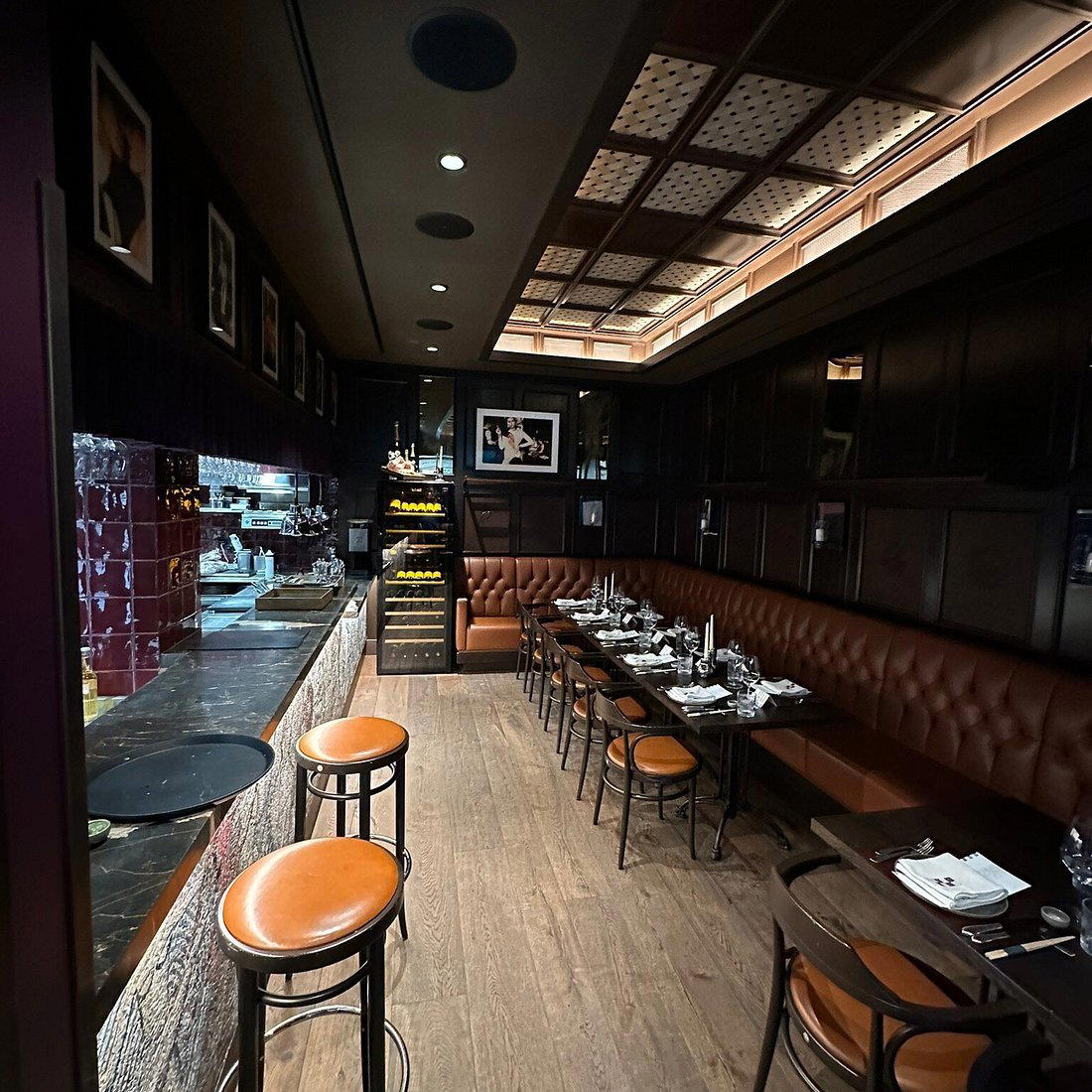
Hamburg's Fine-Dining Corridor and Where TORTUE Sits Within It
Stadthausbrücke, running along the southern edge of the Binnenalster, is not a street that accumulates restaurants by accident. Hamburg's most serious dining addresses tend to cluster along the canal-adjacent neighbourhoods of the Innenstadt and Neustadt, where the architecture is dense, the clientele expects precision, and kitchens have to earn their position within a compact but genuinely competitive comparable set. chez l'ami TORTUE, at number 10, occupies this zone without apology.
The Franco-German hybrid in the name, 'ami' drawn from the French tradition of the neighbourhood address, 'Tortue' carrying both the hotel name and a certain slowness-as-virtue that French culinary culture has long associated with careful cooking, positions the restaurant within a specific lineage. Hamburg has a longer-standing relationship with French-influenced cuisine than most German cities outside Munich and Düsseldorf, and the upper tier of its restaurant scene reflects that: several of its most recognised addresses draw from classical French structure while adapting for contemporary German product and taste.
Among Hamburg's established fine-dining cohort, the room here competes with addresses like Restaurant Haerlin, which carries Michelin recognition and a long-running reputation for classical French cooking, and The Table Kevin Fehling, a three-Michelin-star counter-format operation that represents the city's most technically ambitious end of the spectrum. 100/200 Kitchen occupies a different register, more casual but still ingredient-driven, while bianc and Lakeside each represent distinct takes on the €€€€ price band. TORTUE slots into this field as a hotel restaurant operating with fine-dining intent, a category that Hamburg has historically been willing to take seriously.
The Setting: Hotel Dining Done on Its Own Terms
Hotel restaurants in European cities occupy an awkward middle ground. Many are designed primarily for guests who prefer not to leave the building, producing cooking that is technically proficient but editorially inert. The better ones use the hotel infrastructure, the kitchen scale, the service depth, the wine cellar capacity, to do something that a standalone 40-cover room cannot. The question for any hotel dining room is which camp it occupies.
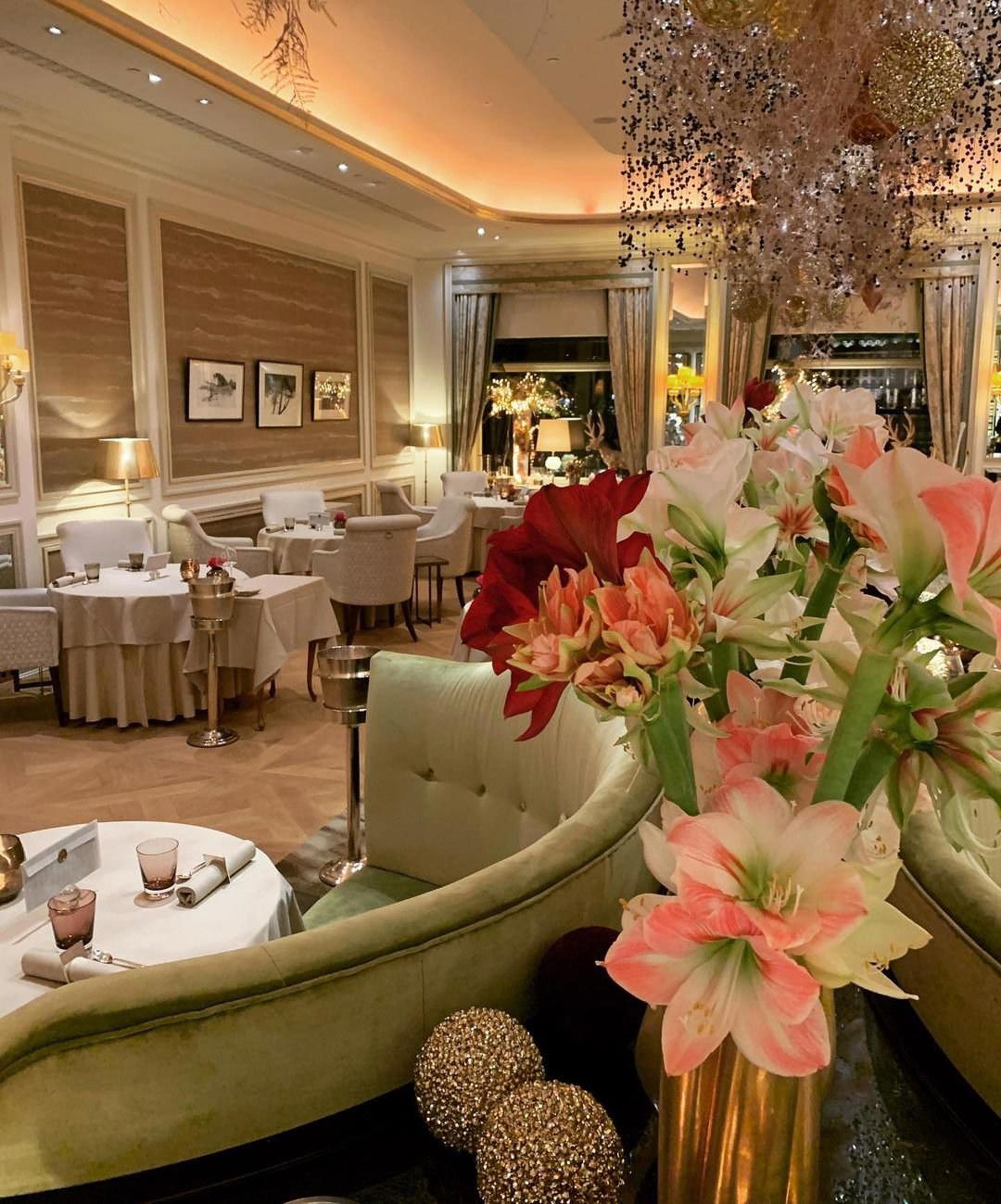
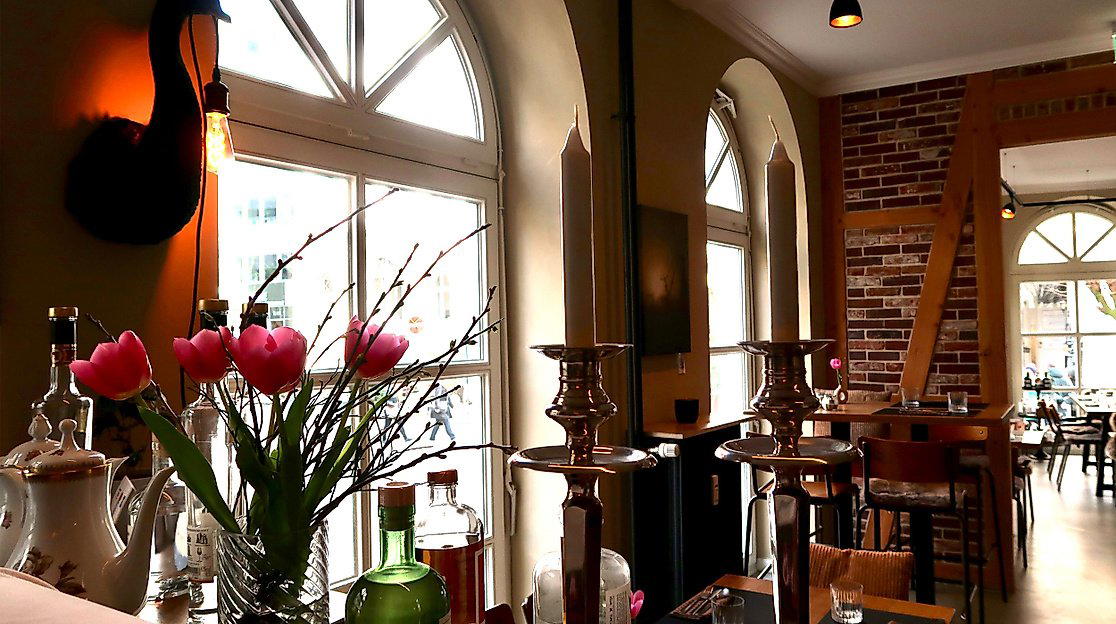
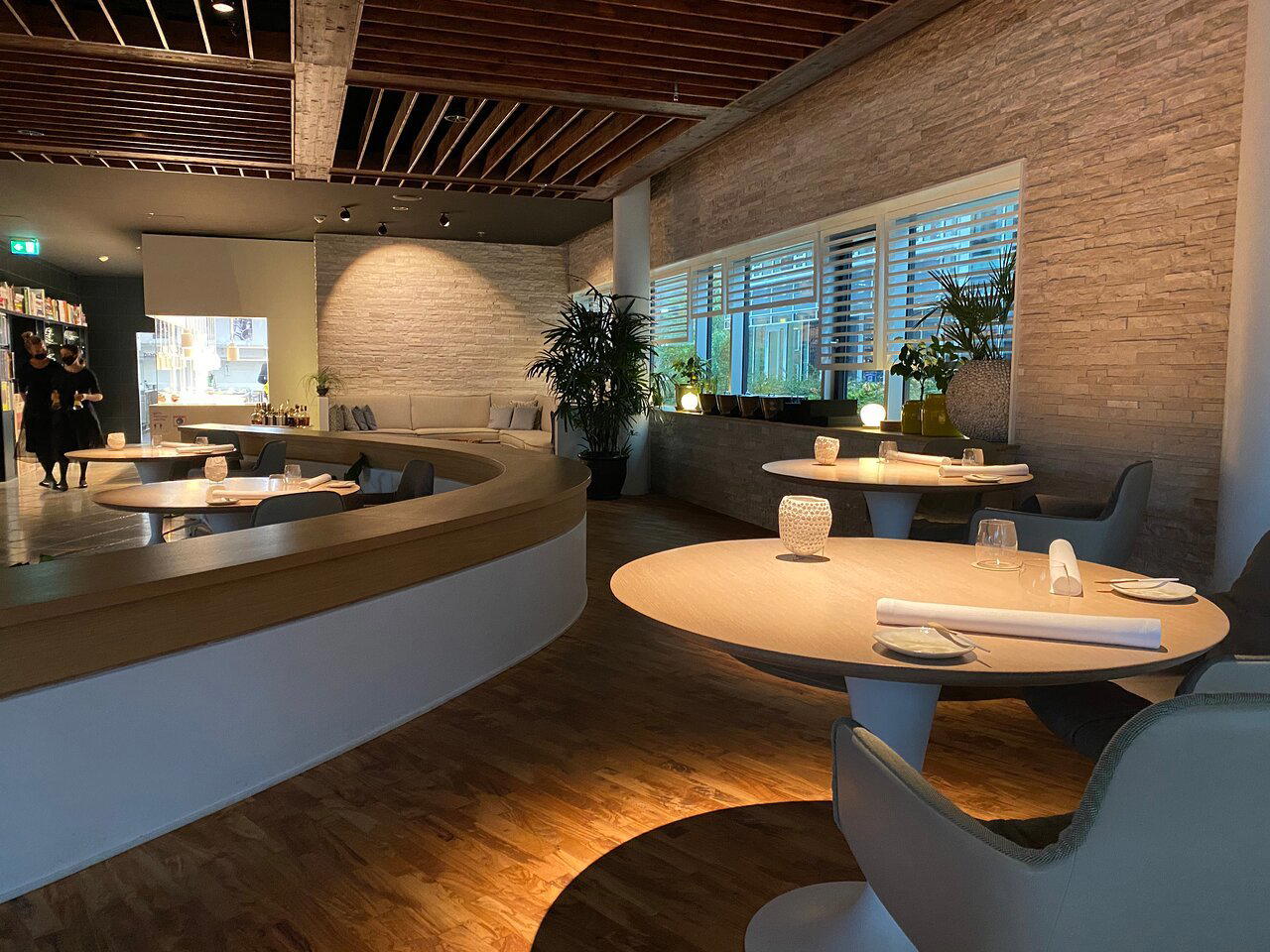
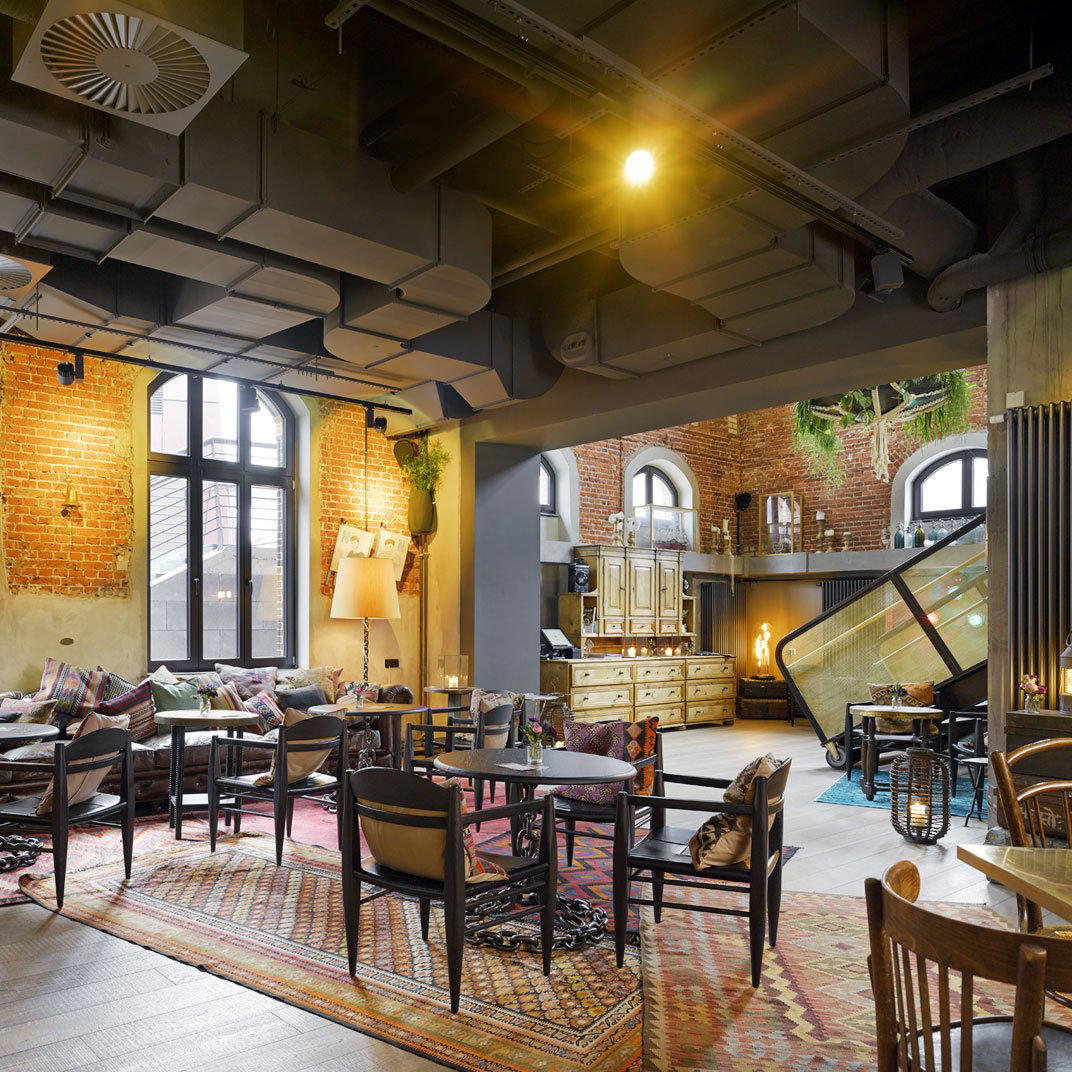
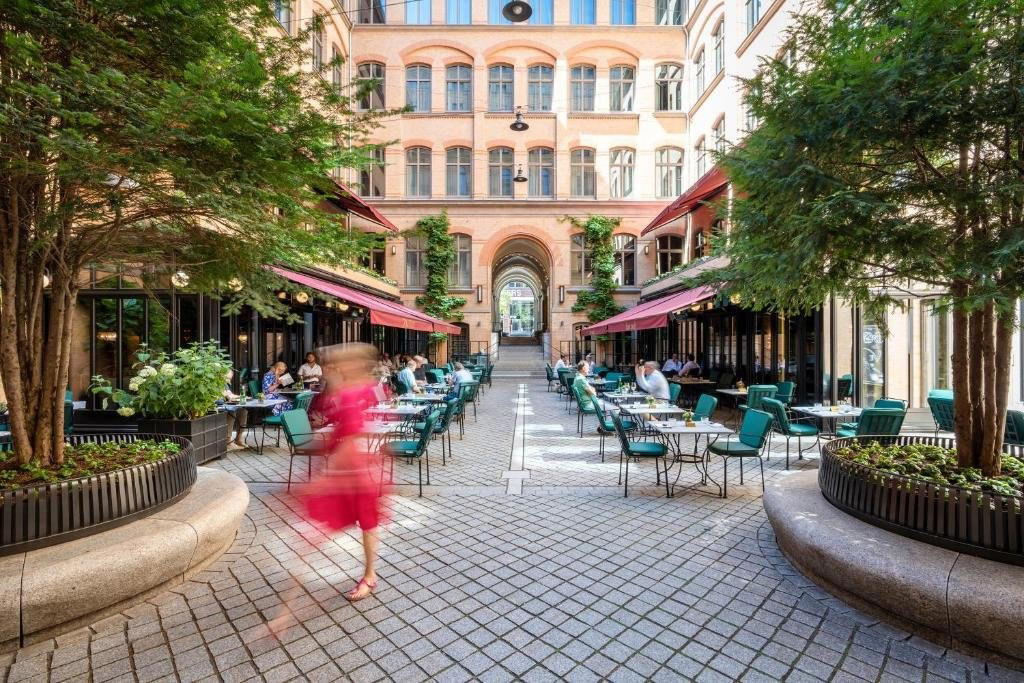
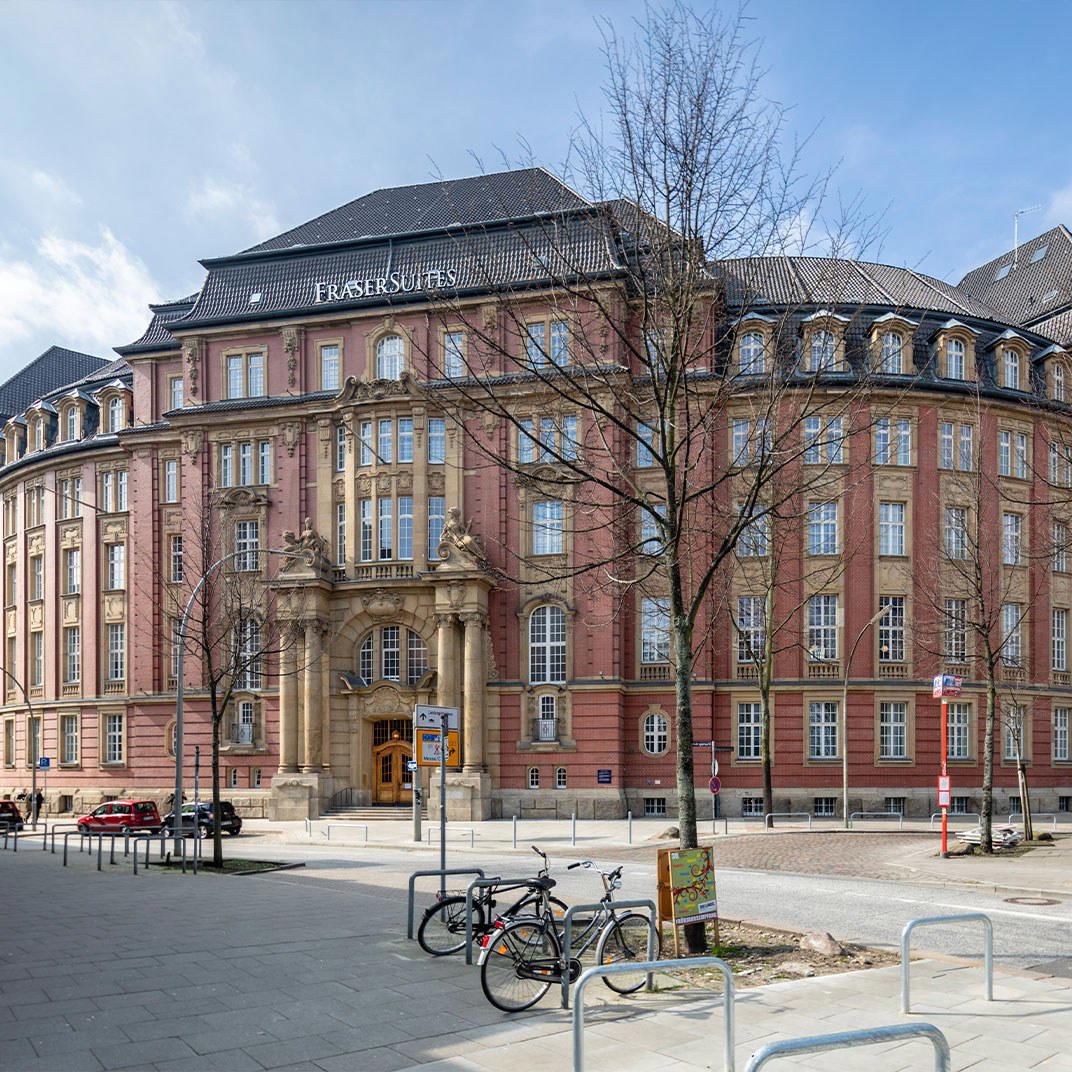
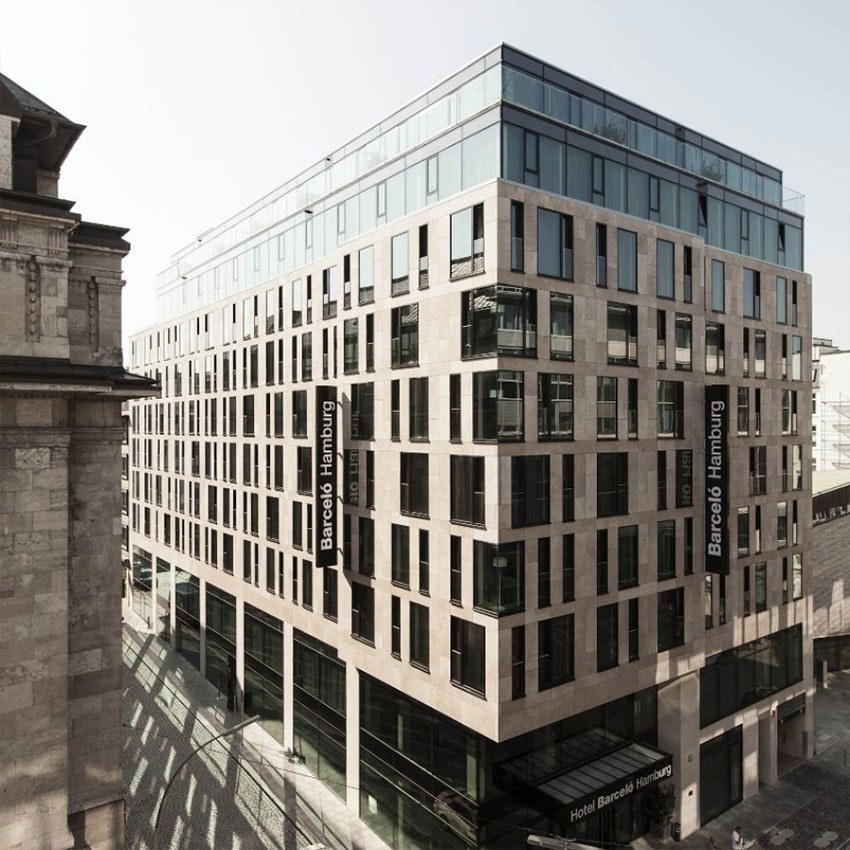
The Hotel Tortue Hamburg was positioned from the outset as a design-led property rather than a conventional business hotel, and its food and beverage programming reflects that orientation. The building itself, a converted early-twentieth-century structure on Stadthausbrücke, provides an interior architecture that leans into exposed materials and considered spatial planning rather than the generic luxury vocabulary of marble and gilt. The dining environment inherits this sensibility: the room reads as deliberate rather than merely decorated.
The dining program here is not a loss-leader amenity. It functions as a destination within the hotel's overall positioning, which places it alongside comparable European hotel restaurants that have sought to draw local clientele rather than subsist on captive guests. The parallels elsewhere in Germany are instructive: Aqua in Wolfsburg and Vendôme in Bergisch Gladbach both demonstrate that hotel-anchored kitchens can sustain serious culinary ambition over the long term, provided the operator treats the restaurant as a genuine investment rather than a hotel amenity.
The Team Dynamic: When Front-of-House Is the Argument
In kitchens operating at this level, the case for a restaurant is rarely made by the food alone. The interaction between the kitchen's output, the sommelier's ability to frame and extend it, and the front-of-house capacity to read a room and modulate accordingly is what separates dining that is merely accomplished from dining that is worth returning to. This is the editorial angle that matters most at TORTUE.
French-influenced European kitchens have a long tradition of treating service as a discipline equal in rigour to the cooking. The classical brigade system, at its leading, produces a front-of-house that is proactive without being intrusive, technically informed without being pedagogical. The structural conditions, a hotel operator invested in its dining identity, an address that attracts guests already primed for formal hospitality, and a price tier that demands commensurate service, are in place.
The sommelier function is particularly relevant in Hamburg's fine-dining context. Germany's wine culture has matured considerably over the past decade, with northern German restaurants increasingly building lists that move beyond the predictable Rheingau Riesling anchors toward serious Burgundy, natural producers, and domestic bottlings from Mosel, Pfalz, and Baden that reward attention. For reference points in how German fine-dining kitchens integrate wine service at the highest level, Schwarzwaldstube in Baiersbronn and Waldhotel Sonnora in Dreis represent the depth that the category can reach. Closer in spirit to the urban hotel-restaurant format, JAN in Munich shows how a mid-sized fine-dining room balances kitchen ambition with approachable service rhythm.
Internationally, the benchmark for how kitchen, sommelier, and floor operate as a genuinely integrated team remains French in origin. Le Bernardin in New York City is one frequently cited example of a kitchen where service is not the supporting act but an equal contributor to the experience. On the more experimental end of service format, Lazy Bear in San Francisco has demonstrated how chef-to-guest communication can itself become a structural element of the meal. Neither is a direct peer, but both mark the range within which serious dining teams operate.
Hamburg Fine Dining in Broader Context
Germany's fine-dining scene has diversified considerably since the Michelin guide expanded its German coverage. Cities once seen as secondary to Munich and Düsseldorf, Hamburg among them, have developed more textured restaurant cultures, with room for creative formats like CODA Dessert Dining in Berlin and technically focused operations like ES:SENZ in Grassau and Schanz in Piesport alongside more classical addresses like Victor's Fine Dining by christian bau in Perl and Bagatelle in Trier. Hamburg's contribution to this field runs through its port-city identity, an openness to international influence, a supply chain shaped by Northern European seafood, and a dining public that has historically been willing to spend at the leading end.
Know Before You Go
Accolades, Compared
Comparable venues nearby, for context on price, style, and recognition.
| Venue | Cuisine | Price | Awards | Notes |
|---|---|---|---|---|
| chez l'ami TORTUEThis venue — the venue you are viewing | Exclusive French Fine Dining | $$$$ | Not listed | Not listed |
| Le Canard | Contemporary French Fine Dining | $$$$ | Michelin Plate | Neumuehlen |
| Anna Sgroi | Sicilian Italian Fine Dining | $$$$ | Not listed | Anscharhoehe |
| Criss Studio Polish-Jamaican | Polish-Jamaican Fusion | $$$$ | Not listed | Neu Lokstedt |
| Süllberg - Seven Seas | Modern French Seafood Fine Dining | $$$$ | Not listed | Marienhoehe |
| Grill Royal Hamburg | Premium Steakhouse & Grill | $$$$ | Not listed | Hamburg-Altstadt |
Continue exploring
More in Hamburg
Restaurants in Hamburg
Browse all →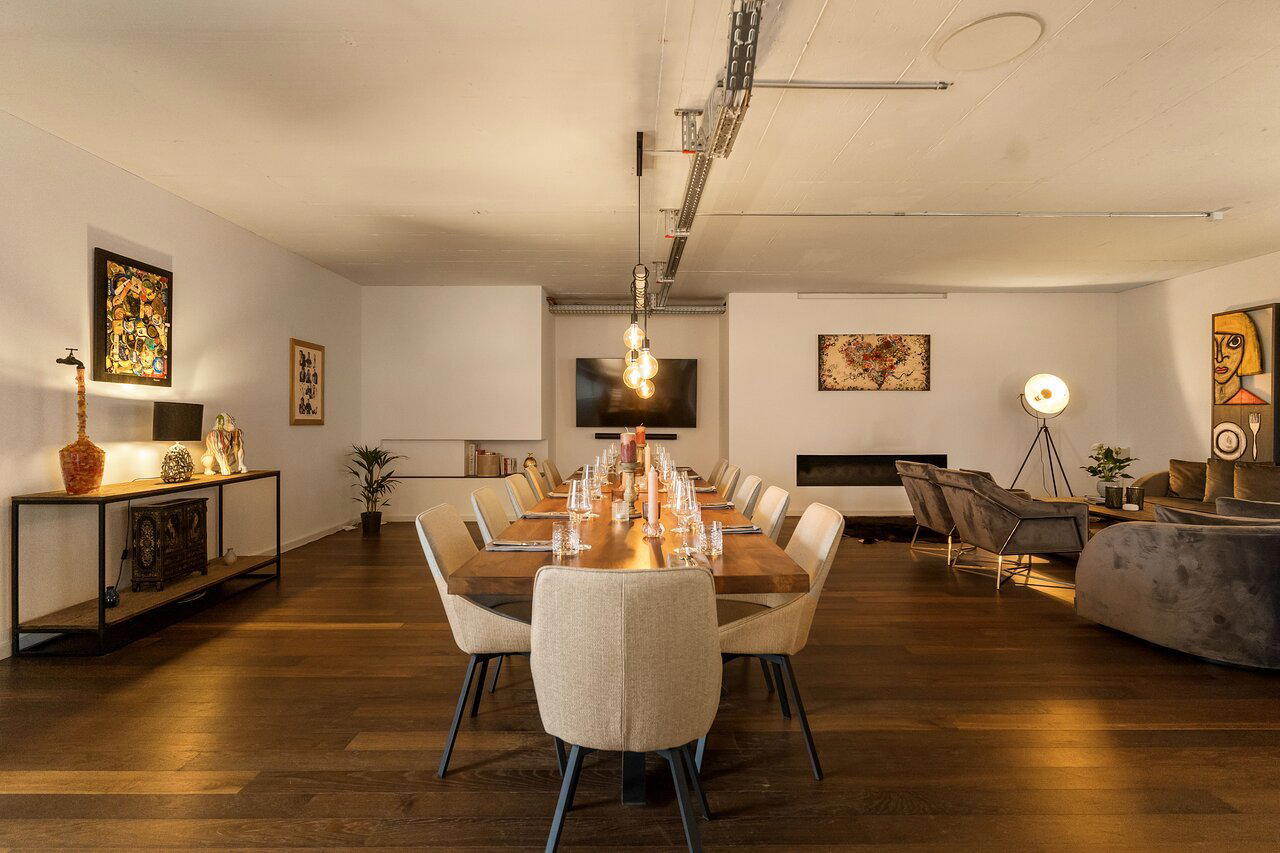
At a Glance
- Romantic
- Intimate
- Elegant
- Cozy
- Sophisticated
- Date Night
- Special Occasion
- Business Dinner
- Private Dining
- Extensive Wine List
Current opening hours
- Monday
- Closed
- Tuesday
- 6–10 PM
- Wednesday
- 6–10 PM
- Thursday
- 6–10 PM
- Friday
- 6–10 PM
- Saturday
- 6–10 PM
- Sunday
- Closed
Hours can change for holidays and private events. Last verified .
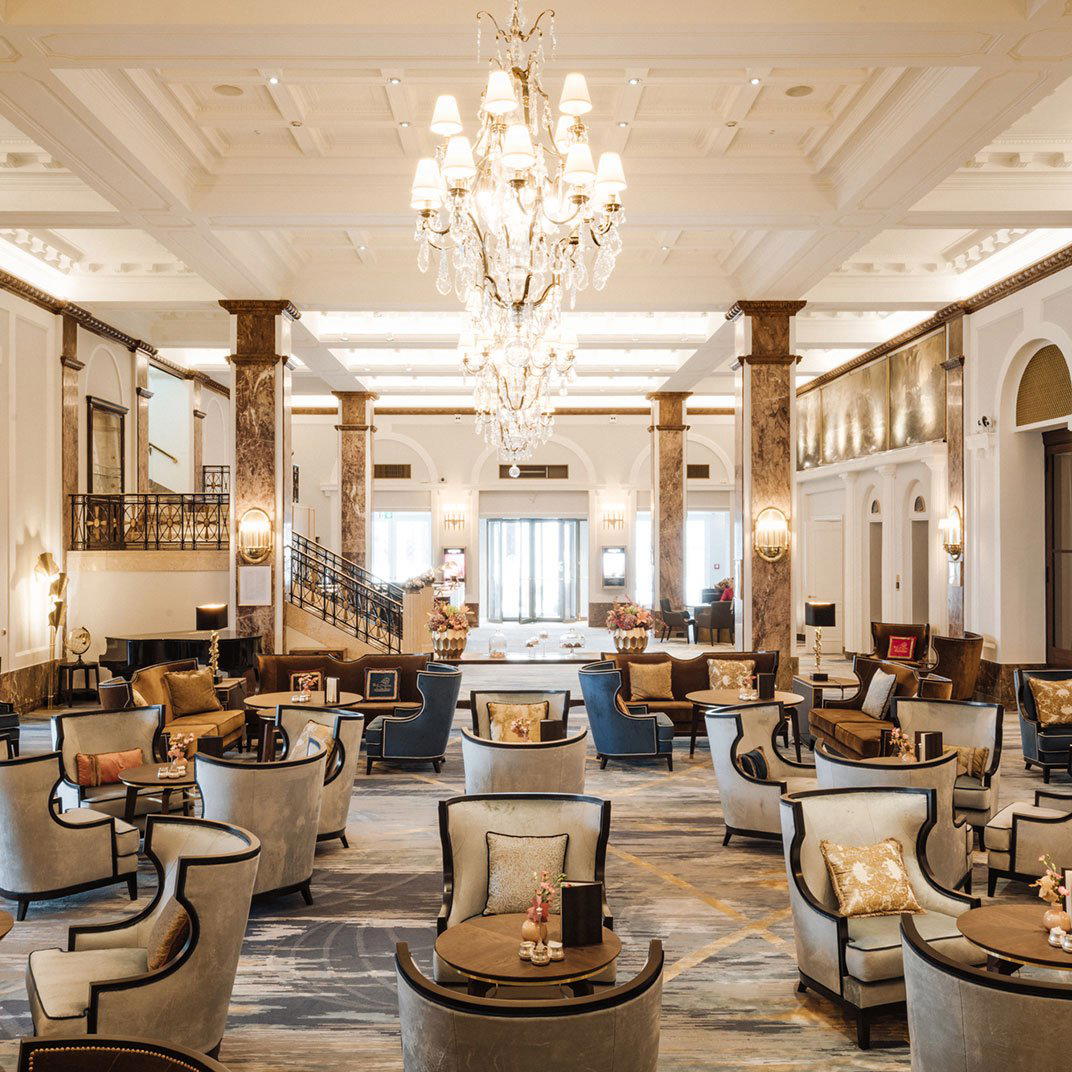
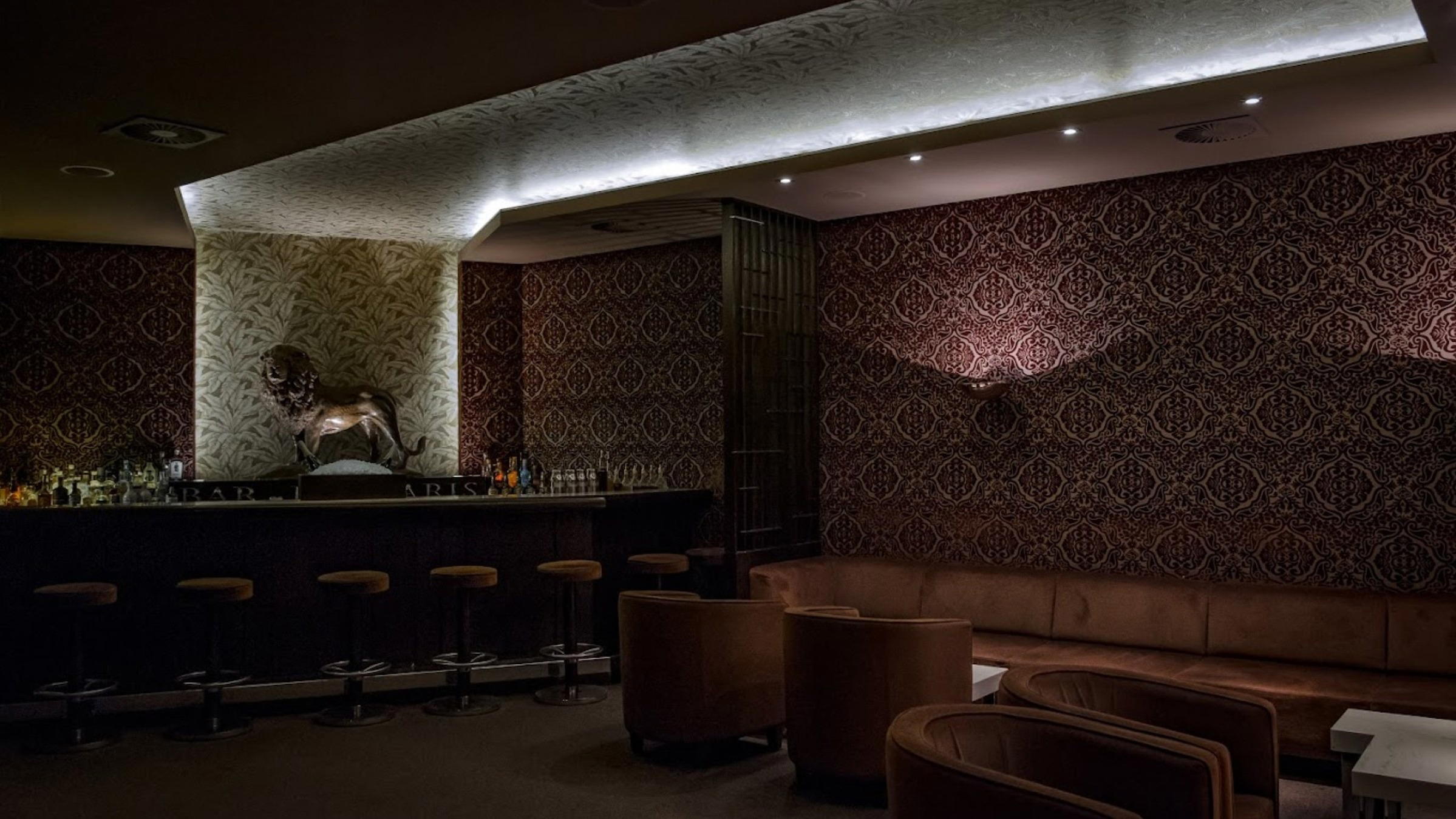
Candlelit dining in luxurious leather seating with dignified furnishings and fine silver cutlery, creating a romantic and private atmosphere.