

Jimmy's sits on Leirfallsgata 6 in Oslo's Grünerløkka district, a neighbourhood that has quietly become the city's most dependable stretch for neighbourhood dining outside the fine-dining corridor.
Pearl is the En Primeur Club membership app — saves, bookings, and concierge access live there. Same editors, same standards.
- Address
- Leirfallsgata 6, 0550 Oslo, Norway
- Phone
- +4793470011
- Website
- jimmysoslo.no
- Directions
- Get directions
 Saves & bookings on Pearl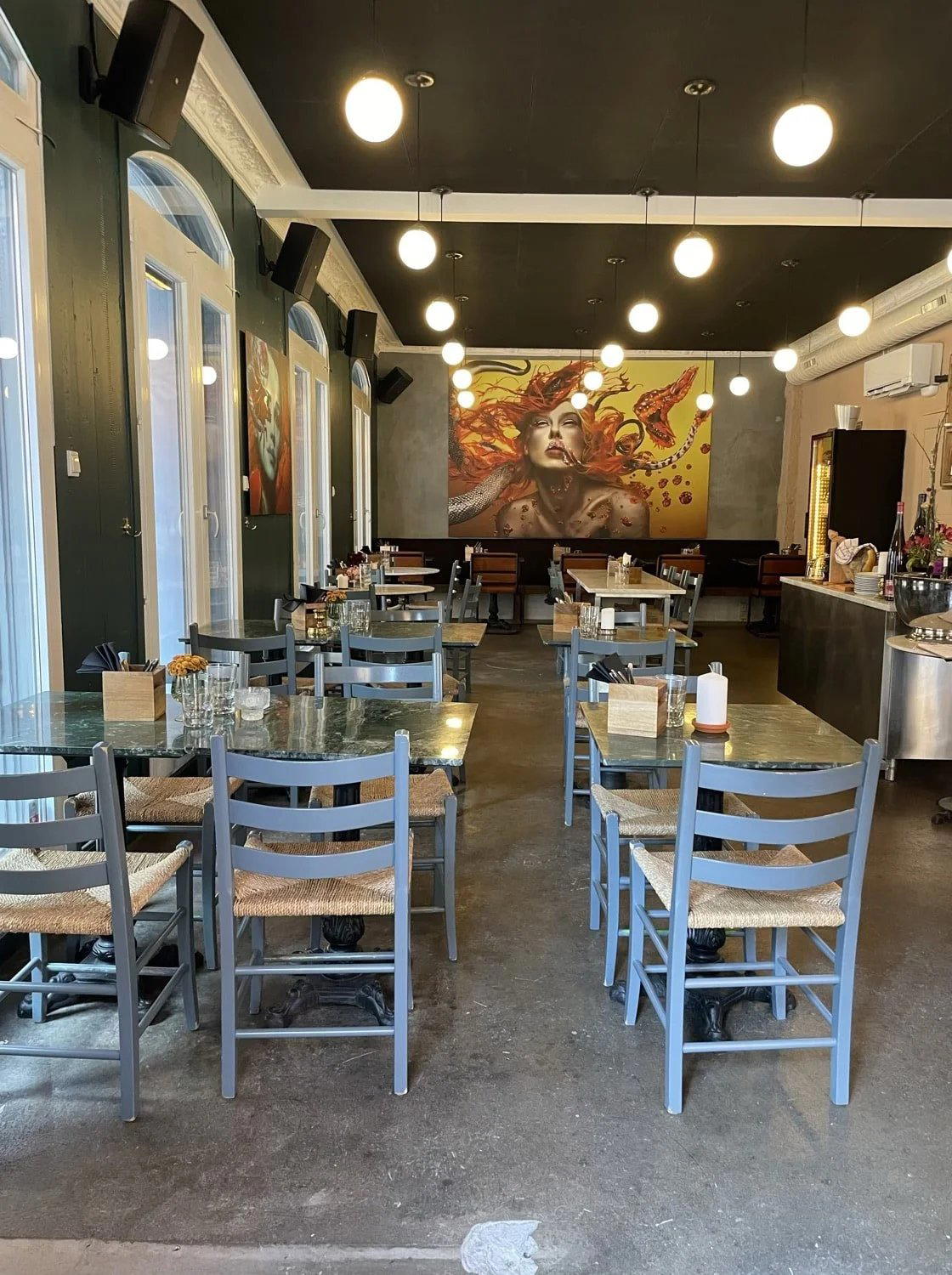
Oslo's Neighbourhood Tier and Where Jimmy's Sits
Oslo's dining conversation tends to collapse into two poles: the internationally recognised fine-dining circuit anchored by places like Maaemo and Kontrast at the leading, and the fast-casual end that serves the city's lunch economy. The middle tier, where neighbourhood restaurants operate without Michelin scaffolding or PR machinery, is harder to map but often more revealing about what a city actually eats on a given Tuesday. Jimmy's is a Swedish Bistro at Leirfallsgata 6, 0550 Oslo, Norway. Jimmy's on Leirfallsgata 6 sits in that middle register, in the eastern stretch of Grünerløkka, a district that has spent the better part of two decades shifting from post-industrial dormitory to one of the city's most actively used dining and drinking neighbourhoods.
Grünerløkka's food character is worth understanding before you arrive. Unlike the Aker Brygge waterfront, which orients itself toward visiting Norwegians and international tourists, or the Majorstuen corridor, which runs toward the formal and the expensive, Grünerløkka absorbs a more mixed crowd: working residents, younger professionals, design-adjacent creatives, and the kind of international visitors who cross-reference neighbourhood blogs before they cross-reference hotel concierge lists. The result is a dining scene that has to earn repeat custom rather than tourist throughput. Venues that survive here tend to offer something the immediate neighbourhood actually wants, which is a more demanding filter than it might first appear.
The Cultural Register of the Casual Oslo Table
Norwegian food culture has historically split along a clear line: the ceremonial and the functional. Formal occasions warranted elaborate preparations, while everyday eating stayed close to simple, seasonal, and preserved ingredients. What has shifted in cities like Oslo over the last decade is the space between those poles. Neighbourhood restaurants now occupy a cultural position that the country's food tradition didn't have a vocabulary for two generations ago, the kind of room where you go not for occasion but for habit, where the cooking is considered without being ceremonial.
That shift has produced a generation of Oslo venues that don't map cleanly onto international genre categories. They're not bistros in the French sense, not izakayas, not gastropubs. Bar Amour represents one version of this: the wine-bar-adjacent room where the food punches above its apparent register. Hot Shop represents another: the modern-Nordic idea pushed into a more accessible price bracket. Mon Oncle occupies the French-inflected corner of that same tier. The restaurant, from its Grünerløkka address, appears to operate within this broader neighbourhood-restaurant moment, a venue where the local context shapes the offer as much as any single culinary tradition.
Across Norway's dining cities, this neighbourhood tier has developed with regional character. RE-NAA in Stavanger and FAGN in Trondheim anchor their respective cities at the fine-dining end, but below them, the neighbourhood layer does the quieter work of making a city feel lived-in rather than curated. Oslo's version of that layer is geographically concentrated in a handful of streets, and Grünerløkka's Leirfallsgata is among them.
Approaching the Address
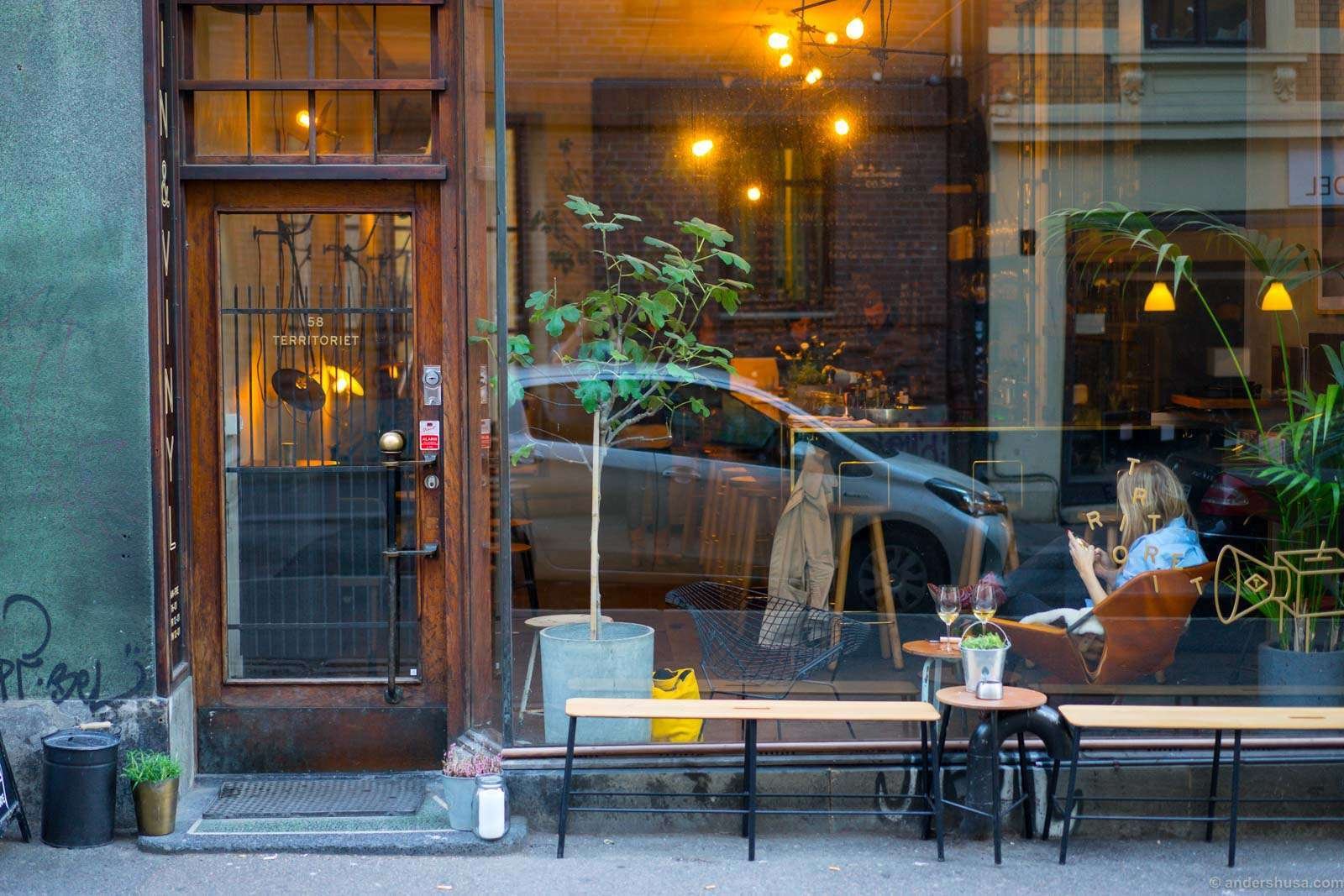
Leirfallsgata sits in the northern part of Grünerløkka, away from the denser concentration of bars and cafés around Olaf Ryes plass. The street has a residential weight to it, brick apartment blocks, a slower pedestrian pace than the main drags, that makes a working restaurant feel less like a destination and more like something the neighbourhood chose to keep. That physical context matters. In cities with strong neighbourhood-dining cultures, from Copenhagen's Nørrebro to Tokyo's Shimokitazawa, the less-trafficked street is often where the more honest version of the scene lives, unperformed for an audience that needs convincing.
For visitors oriented toward Norway's more remote dining experiences, the contrast is instructive. Venues like Anita's Sjømat in Lofoten or Under in Lindesnes draw from the country's extraordinary coastal geography. Gaptrast in Bergen and Hardanger House in Jondal anchor different parts of the western fjord experience. Aurora Restobar in Kirkenes, Fiskekrogen in Henningsvær, Børsen Spiseri in Svolvær, and Underhuset in Reine extend the map further into the archipelago. Oslo's neighbourhood tier, by contrast, is about urban density and local habit, a different kind of Norwegian dining experience, no less legitimate for being less photogenic.
The restaurant has a minimal public footprint: no listed awards, no confirmed chef credentials in the public record. That absence is itself a data point. In a city where the restaurants that want to be found make themselves findable through booking platforms, press coverage, and social presence, venues that operate without those signals typically serve a loyal local base rather than an itinerant dining audience. The international comparison is useful here: in New York, the gap between a room like Le Bernardin and a neighbourhood spot that doesn't appear in any formal ranking is enormous in terms of infrastructure, but the neighbourhood spot often has more repeat customers per seat. Atomix sits at the tasting-menu apex; the rooms below it sustain a different kind of loyalty. Oslo works similarly.
What this means practically for a visitor: the restaurant is worth treating as a local investigation rather than a confirmed destination. Arrive without strong expectations about format or price, and assess on the basis of what the room is actually doing. That's a different posture than you'd take toward Maaemo or Kontrast, where the parameters are known in advance.
Planning a Visit
The restaurant is at Leirfallsgata 6, 0550 Oslo. The address places it in the northern Grünerløkka pocket, reachable on foot from the Schous plass tram stop in under ten minutes. The restaurant is recommended for reservations, and its regular hours are Mon: 4 PM to 1 AM; Tue: Closed; Wed to Fri: 4 PM to 1 AM; Sat and Sun: 1 PM to 1 AM.
Pricing, Compared
Comparable venues nearby, for context on price, style, and recognition.
| Venue | Cuisine | Price | Notes |
|---|---|---|---|
| Jimmy'sThis venue — the venue you are viewing | Fredensborg, Swedish Bistro | $$ | Not listed |
| Michaels | Briskeby, Mediterranean Brasserie | $$ | Not listed |
| Tranen | Fredensborg, Modern Italian Pizza | $$ | Not listed |
| Koie Ramen | Grünerløkka, Authentic Japanese Ramen | $$ | Not listed |
| Prindsen Hage | Vaterland, Street Food Garden | $$ | Not listed |
| Fuglen | Not listed | $$ | Oslo Sentrum, Specialty Coffee & Cocktails |
Recognition history
Dated appearances from independent guides and award organizations, with the underlying list record or original source where available.
Opinionated About Dining Newly Added European Restaurants
Opinionated About Dining
Opinionated About Dining Casual in Europe Recommended
Opinionated About Dining
Star Wine List
Star Wine List
Continue exploring
More in Oslo
Bars in Oslo
Browse all →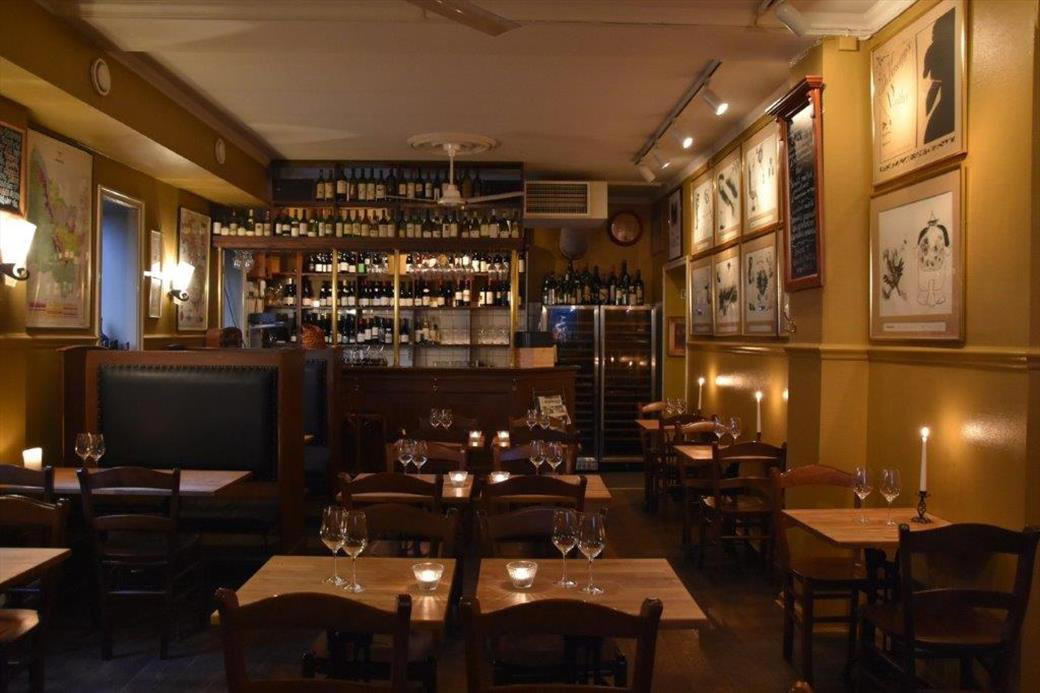
At a Glance
- Lively
- Trendy
- Cozy
- Casual Hangout
- Date Night
- Group Dining
- Open Kitchen
- Extensive Wine List
Current opening hours
- Monday
- 4 PM–1 AM
- Tuesday
- Closed
- Wednesday
- 4 PM–1 AM
- Thursday
- 4 PM–1 AM
- Friday
- 4 PM–1 AM
- Saturday
- 1 PM–1 AM
- Sunday
- 1 PM–1 AM
Hours can change for holidays and private events. Last verified .
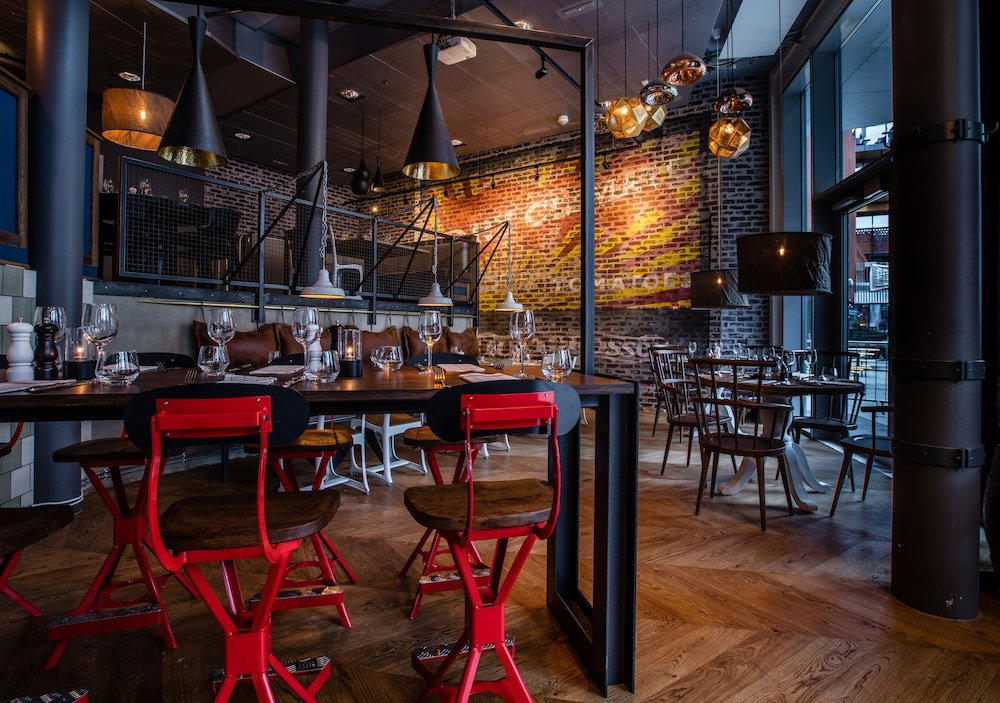
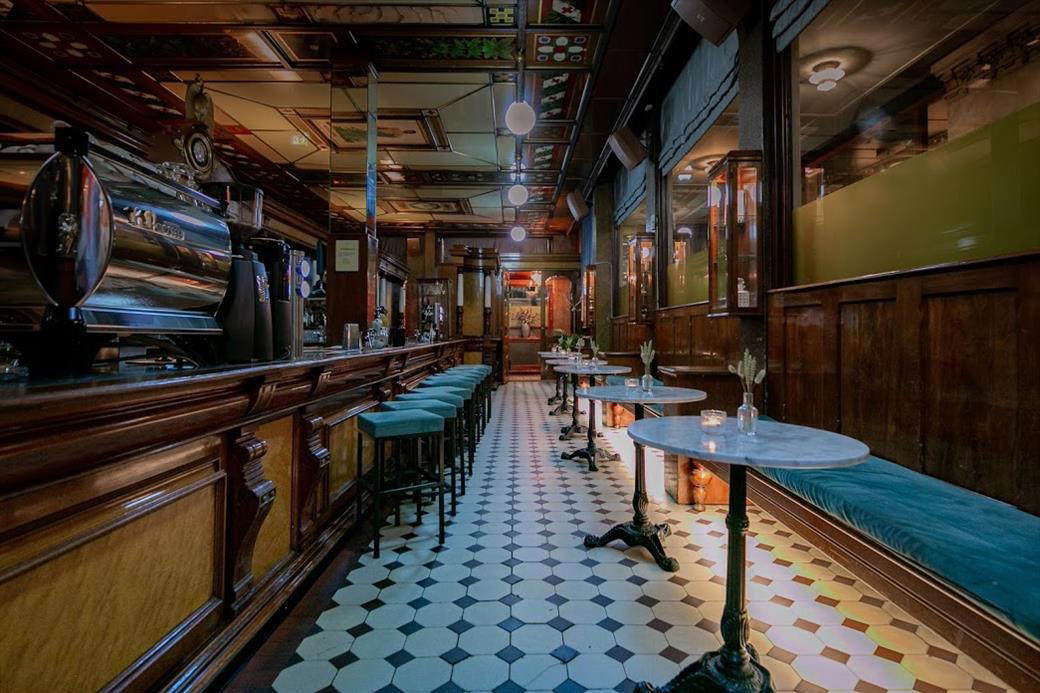
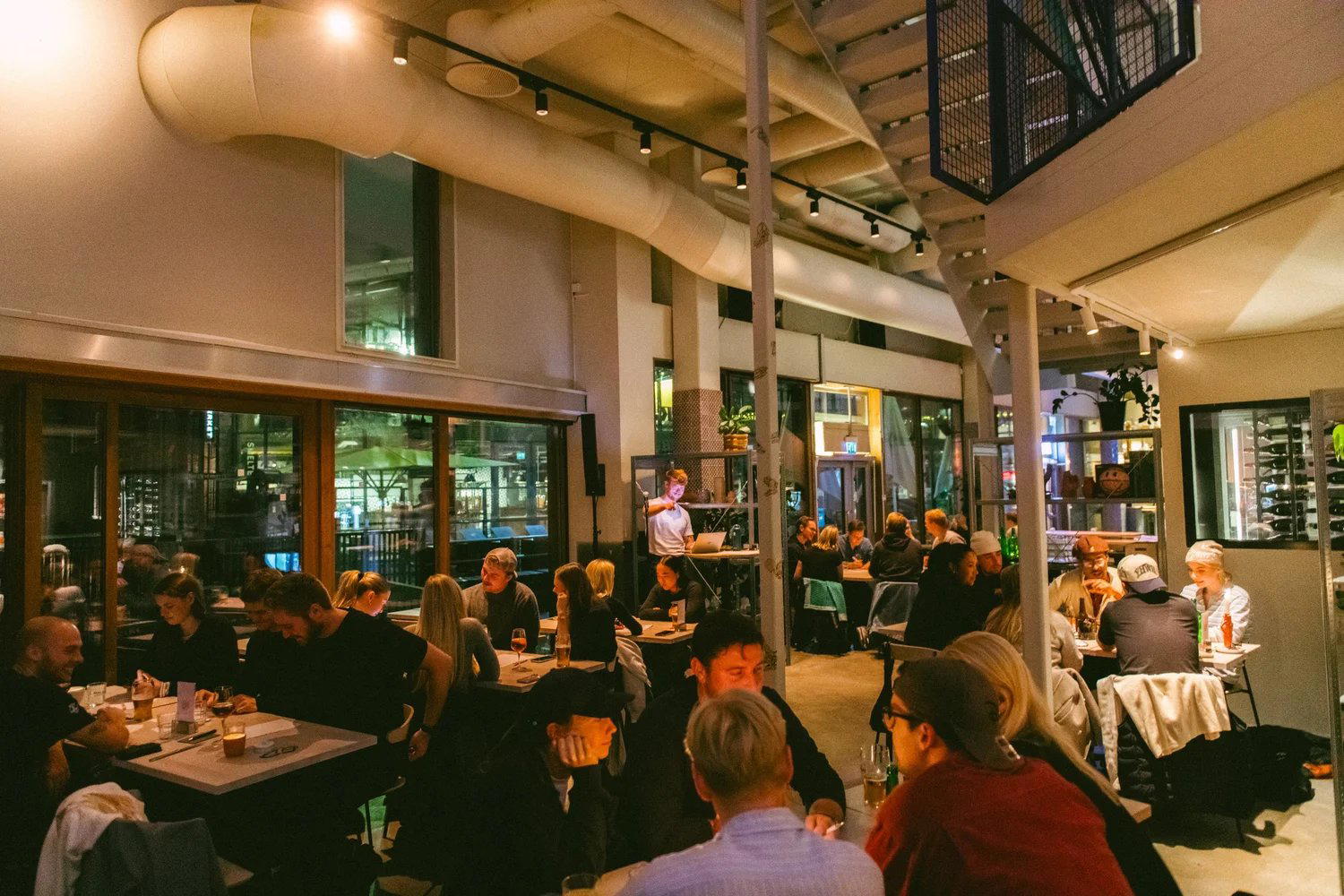
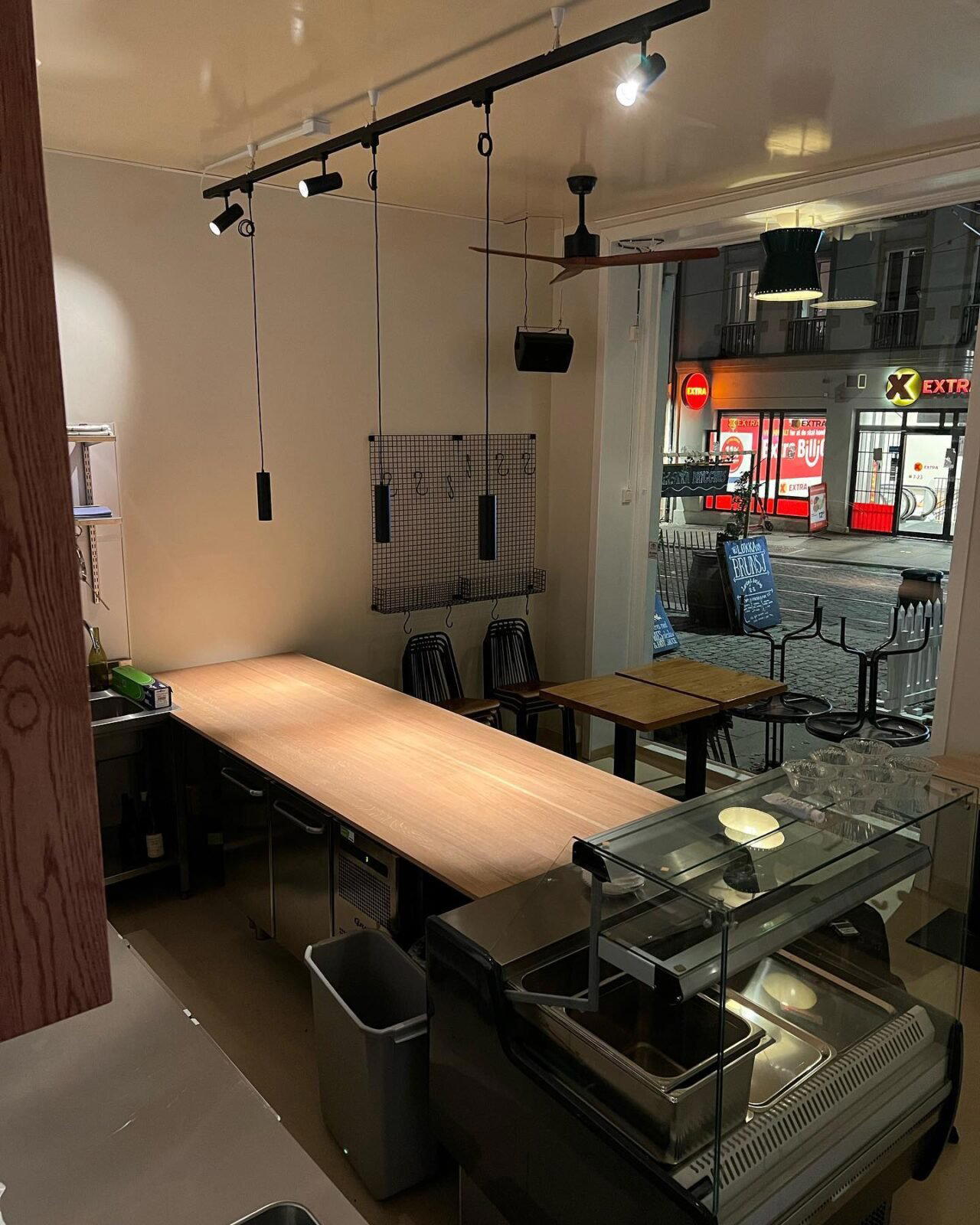
Warm and inviting with lively chatter, lively atmosphere, and a casual bistro feel.