
A compact Totsuka ramen counter with self-made noodles, 13 seats, and repeat selection in Tabelog’s Ramen Kanagawa 100 for 2024 and 2025. Jikaseimen Kamikaze belongs to Yokohama’s serious suburban ramen circuit: low spend, short lunch service, no reservations, and a format where noodle craft matters as much as broth.
Pearl is the En Primeur Club membership app — saves, bookings, and concierge access live there. Same editors, same standards.
- Address
- 1202 Gumizawacho, Totsuka Ward, Yokohama, Kanagawa 245-0062, Japan
- Phone
- +81 45-881-7701
- Website
- twitter.com
 Saves & bookings on Pearl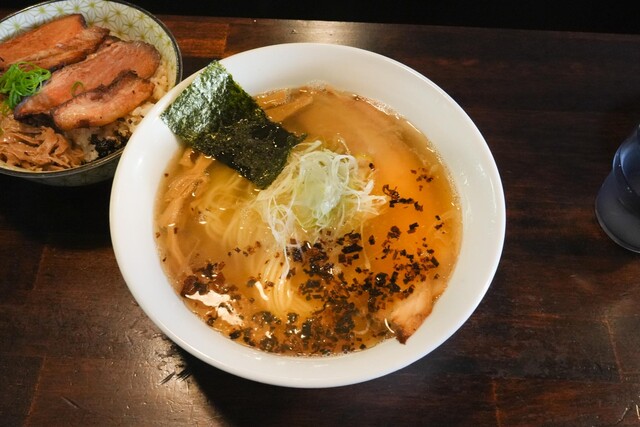
Approach Totsuka’s Gumizawacho area and the Yokohama ramen map feels different from the station-front clusters of Isezakicho or Kannai. The rhythm is suburban, practical, and lunch-led: small rooms, short services, regulars who know the drill, and shops judged by consistency more than theatre. Here, Jikaseimen Kamikaze belongs to the ramen houses where the noodle itself carries the argument.
Yokohama’s ramen reputation is often reduced to ie-kei, the pork-and-soy style tied to the city’s postwar appetite for density and speed. That shorthand misses how broad Kanagawa ramen has become. Across the prefecture, serious shops compete on house-made noodles, cleaner broths, regional flour choices, and formats closer to craft production than casual fast food. Totsuka is not the obvious district for travellers chasing a single-name ramen stop, which is why this address tells a sharper story about where the scene has gone.
House-made noodles define the Kanagawa ramen conversation here
The name gives away the key point: jikaseimen means self-made noodles. In contemporary ramen, that matters. Noodle-making controls texture, hydration, cut, aroma, and how the bowl behaves over the few minutes ramen is meant to be eaten. Shops that make their own noodles take on a production burden many peers outsource, changing the competitive frame. The question becomes less “which broth style is this?” and more “how closely are noodle and soup engineered together?”
Jikaseimen Kamikaze has been selected for Tabelog Ramen Kanagawa 100 in both 2024 and 2025, a useful signal in a prefecture where ramen depth extends well beyond Yokohama Station. Its Tabelog score is 3.74, and the listing places it among Kanagawa ramen specialists rather than general casual dining. The benchmark is not a broad restaurant crowd; it is a field of noodle houses where minor differences in extraction, seasoning, and noodle structure are noticed quickly.
The low price band says something about ramen’s democratic craft economy in Japan. A shop can work with self-made noodles, run a 13-seat room, earn specialist recognition, and remain in the sub-¥1,000 listed range. That equation is increasingly rare in premium dining, but ramen keeps a sharper link between technical effort and everyday access. For travellers used to tasting menus as the signal of seriousness, Kanagawa ramen is a useful corrective.
Compared with Yokohama peers such as Bay & Leaf Yokohama, China Soba Ya Honten, Ramen Moriya. and Yukiguni, this address reads as part of a local ramen circuit rather than a one-stop destination model. The city’s noodle culture is not organized around a single centre. It spreads across residential wards, transit nodes, and bus-linked pockets, rewarding diners who treat Yokohama as more than the Minato Mirai waterfront.
A small lunch room built for solo diners, families, and quick judgment
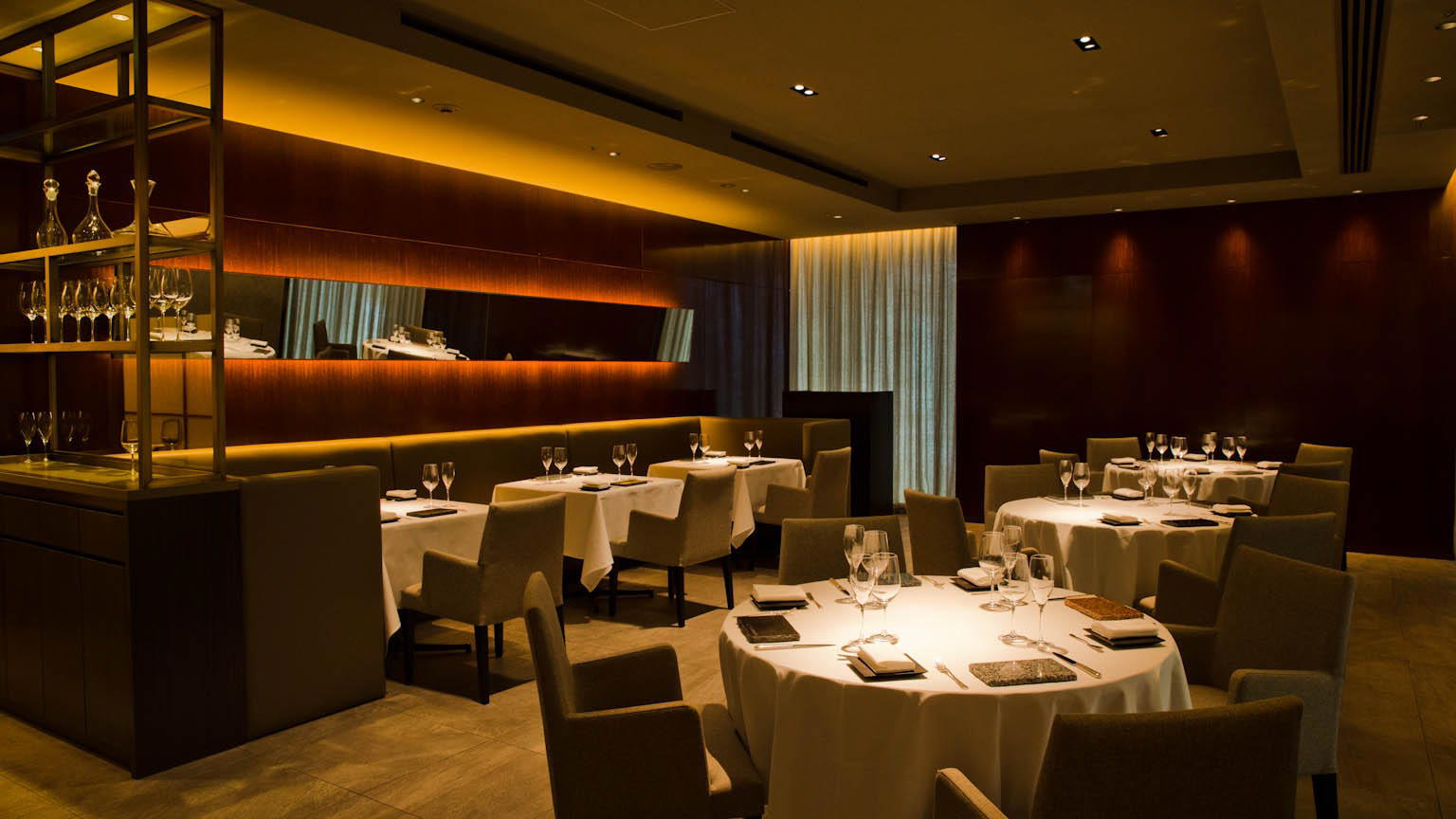
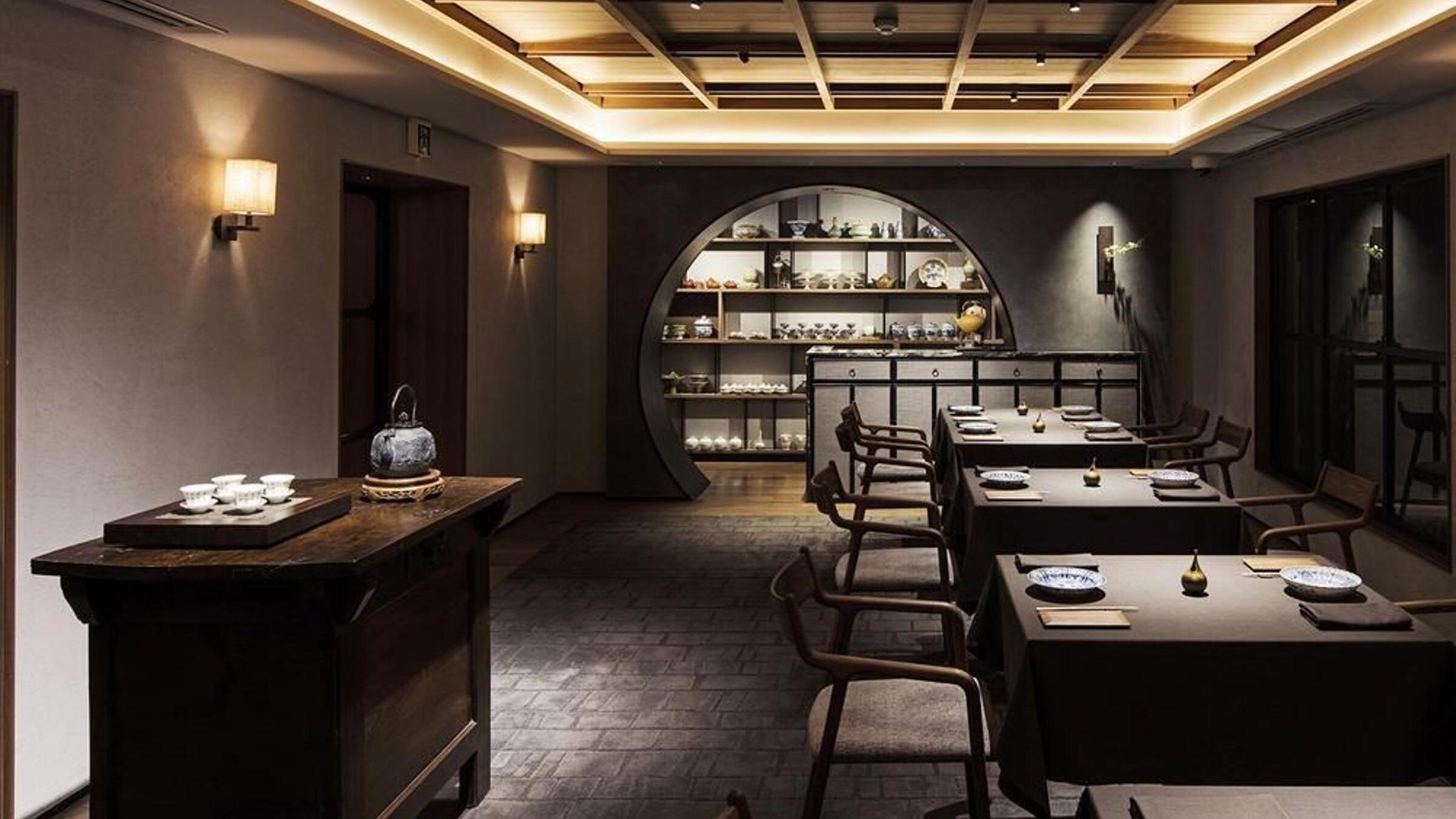
The compact room has 13 seats: seven counter seats and six table seats. Counter seating keeps ramen in its natural solo-dining register, while the tables make the shop workable for families; the listing explicitly marks it as family friendly and solo dining friendly. This is not luxury by conventional markers. It is a disciplined everyday format where turnover, concentration, and the bowl do the heavy lifting.
The no-reservations policy fits the genre. Serious ramen in Japan often runs on queue logic rather than booking systems, and diners should read that as format, not inconvenience. Short daytime hours, closure on Tuesday, and “open until sold out” point to a shop calibrated around a limited production cycle. The implication is simple: lunch planning matters, especially for anyone crossing Yokohama specifically for the bowl.
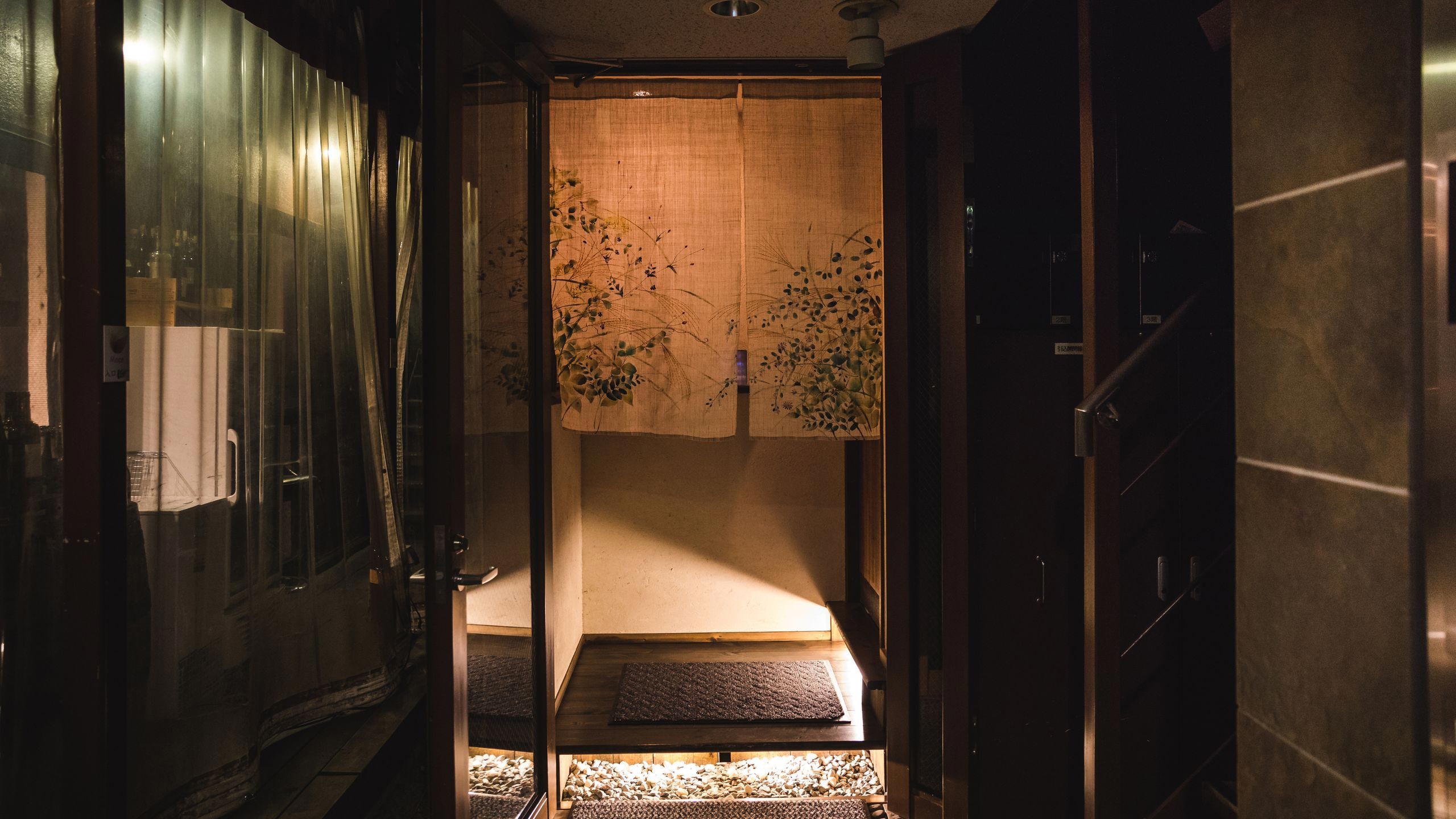
Payment is another reminder that ramen culture can remain stubbornly analog. Credit cards, electronic money, and QR payments are not accepted, so assume cash. Parking is available, and access is more suburban than central: from Totsuka Bus Center, take a Kanagawa Chuo Kotsu bus toward Dream Heights or Fujisawa Station North Exit, then walk a short distance from Shindo Oosakaue. That logistical texture is part of the appeal for serious ramen diners. Some of Kanagawa’s strongest noodle addresses sit outside the easy tourist grid.
For a wider read on the city, place this stop beside other Yokohama dining formats rather than treating ramen in isolation. Skewer houses such as 1000 (Yakitori (Grilled chicken skewers)), Chinese-rooted rooms such as Aichun, curry specialists such as Ajowan and Alpenjiro Honten, and everyday local counters such as Anzen Shokudo show the same Yokohama pattern: high-quality eating is distributed, not concentrated in one dining district.
How to place it in a Yokohama food itinerary
Do not force this into a luxury dining day. Ramen is a precision lunch, and this shop rewards diners who keep the surrounding schedule lean. Use it as a Totsuka anchor, then build the day around Yokohama’s wider food geography: central-city dining, Chinatown, station-area drinking, or Kamakura and Shonan if the route continues south. The value is seeing how a suburban ramen counter can sit inside the same serious dining conversation as higher-spend restaurants.
Visitors mapping Yokohama by category can start with Our full Yokohama restaurants guide, then layer the trip with Our full Yokohama hotels guide, Our full Yokohama bars guide, Our full Yokohama wineries guide, and Our full Yokohama experiences guide. For regional contrast, nearby and wider Japan references range from -Grilled beef Sukiyaki- KAMAKURA TANUKIAN 鎌倉 たぬき庵 in Kamakura and (Shoku) Vietnam in Kawasaki to Tokyo, Osaka, Kumamoto, and Sapporo addresses such as. 鮪と炭火焼き うお炭 秋葉原店 in Tokyo.cafe in Osaka.know in Kumamoto, and [Curry Senmon Ten] Maruyama Kyoju. in Sapporo. Japanese food culture also travels well abroad, with counterpoints in Los Angeles and Pasadena at Jōdo Saké Bar in Los Angeles and Onigiri Time in Pasadena.
The verdict is narrow, which is right for ramen: seek this out if house-made noodles are the point of the meal, not a side note. Jikaseimen Kamikaze is not translating ramen into a premium Western dining script. It sits in the Japanese counter tradition where sourcing, production, and timing are compressed into one bowl, and where the strongest evidence is the craft delivered at an everyday price.
Comparable Spots, Quickly
Side-by-side context: comparable cuisine and price.
| Venue | Cuisine | Price | Notes |
|---|---|---|---|
| Jikaseimen KamikazeThis venue — the venue you are viewing | Traditional Japanese Ramen | $ | Not listed |
| つけめん 頑者 新横浜ラーメン博物館店 | Tsukemen (Dipping Ramen) | $ | Shin-Yokohama |
| Ramen Jiro Yokohama kannai ten | Jiro-style Ramen | $ | Naka |
| Ramen Free Birds | Specialty Ramen Shop | $ | Sakae |
| Ramen Sugita Ya Honten | Traditional Yokohama Iekei ramen | $ | Isogo |
| Kikuya Curry | Japanese & Sri Lankan-style Curry House | $ | Naka |
Recognition history
Dated appearances from independent guides and award organizations, with the underlying list record or original source where available.
Tabelog 100 #47 · No. 47
Tabelog · Tabelog 100 - Ramen - KANAGAWA - 2025








At a Glance
- Cozy
- Solo
- Casual Hangout
- After Work
- Standalone
Current opening hours
- Monday
- 11 AM–2:45 PM
- Tuesday
- Closed
- Wednesday
- 11 AM–2:45 PM
- Thursday
- 11 AM–2:45 PM
- Friday
- 11 AM–2:45 PM
- Saturday
- 11 AM–2:45 PM
- Sunday
- 11 AM–2:45 PM
Hours can change for holidays and private events. Last verified .
Compact, no-frills local ramen shop near the Hakone Ekiden Totsuka relay point, with a functional counter-style setting and a lively, fast-turnover atmosphere at lunchtime.