
An eight-seat counter near Waseda, Jikasei Chuka Soba Toshioka belongs to Tokyo’s serious ramen tier without adopting luxury-restaurant pricing. Its Tabelog Ramen TOKYO 100 selections from 2019 through 2025, counter-only format, and Benten lineage explain why regulars treat it less as a casual stop than as a disciplined lunch ritual.
Pearl is the En Primeur Club membership app — saves, bookings, and concierge access live there. Same editors, same standards.
- Address
- 東京都新宿区弁天町20
- Website
- tabelog.com
 Saves & bookings on Pearl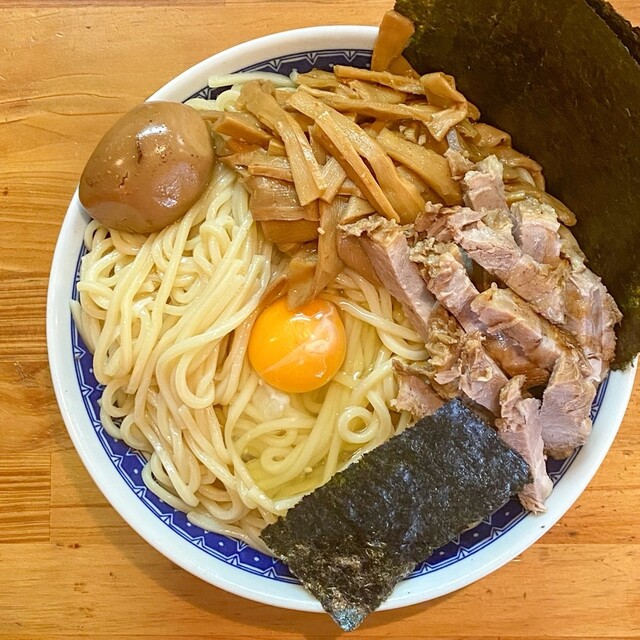
Approaching Bentencho from Waseda, Tokyo’s ramen map shifts quieter: fewer neon clusters, more residential edges, and small counter addresses where the room sets the rules before the bowl arrives. Eight seats, a ticket machine, and a short lunch window create a rhythm regulars know. This is not station-basement ramen tourism or a late-night chain; it is the compact Tokyo format where repetition, timing, and restraint matter.
Jikasei Chuka Soba Toshioka sits in that narrower tradition. The category is ramen and tsukemen, but returning diners are not chasing variety for its own sake. The appeal is counter culture built on consistency: the same address, constrained capacity, cash-first mechanics, and expectation that the diner arrives prepared. In a city where ramen can be casual, obsessive, regional, or technical, this version rewards habit.
Eight seats, one counter, and the discipline of Tokyo ramen regulars
Tokyo’s serious ramen counters often operate more like craft workshops than restaurants in the Western sense. The room is small, the exchange efficient, and the meal designed around one seat turning over at the right pace. At Jikasei Chuka Soba Toshioka, the counter-only format shapes the experience. Regulars do not come to linger; they come because the format removes distraction.
The JPY 1,000 to JPY 1,999 price band matters. Tokyo has plenty of five-figure special-occasion dining, from sushi counters to yakitori rooms and Italian tasting menus. Compared with venues such as Shiomi, CRAZY BRAVO, Piatti Castellina, and Tori Takuchu, this address operates in a different economy: low-ticket, high-commitment, and capacity-constrained. Entry is modest; the real cost is planning and patience.
That distinction is central to Tokyo ramen. Prestige is not always expressed through long menus, private rooms, wine lists, or formality. It can appear through narrow hours, no reservations, and a room that makes every diner part of the production logic. A bowl in this bracket can carry more local gravity than a far more expensive meal if the shop has earned repeat attention from specialists and regulars.
The awards record supports that reading. Jikasei Chuka Soba Toshioka was selected for Tabelog Ramen TOKYO 100 in 2025, with selections also listed from 2019 through 2024. In Tokyo ramen terms, that continuity signals durability, not a short burst of online attention, and places the shop in a competitive group where consistency across years is harder than one crowded season.
Benten lineage and the ramen tradition behind the queue
The key biographical detail is brief but useful: the owner trained for 12 years at Benten and is listed as its only disciple. That is not a sentimental origin story; it locates the counter within a specific Tokyo ramen genealogy. Benten’s influence gives returning diners a framework for what they pursue here: a style with enough history for the counter to feel like continuation rather than reinvention.
Ramen regulars read shops through lineage as wine drinkers read domaines or sushi diners read apprenticeships. Training history does not guarantee greatness, but it explains why a small shop can command loyalty without broad hospitality signals. Discipline is transmitted through repetition: stock, noodles, portions, service pace, and the unwritten etiquette of sitting down, ordering, eating, and leaving space for the next person.
The menu categories are ramen and tsukemen, the dipping-noodle format with its own Tokyo following. Without claiming specific bowls, the presence of both matters because it places the shop within a style where texture, temperature contrast, and noodle structure carry much of the appeal. Regulars tend to know what they came for before reaching the machine; indecision is not the house language.
For wider Tokyo context, compare the city’s range rather than judging everything by price. A diner might move from curry at 3 Chome no Curry Ya San to yakitori at 124. KAGURAZAKA (Yakitori), casual visual-theatre cafe culture at 2D Cafe, or Shinjuku dining at 12/10 Shinjuku ten. The ramen counter belongs to the same city, but its values differ: fewer choices, less polish, more dependence on timing.
How to read the practical side without missing the point
The practical details are culture, not footnote. Reservations are unavailable, and once the shop is full, ticket purchase is not possible. The ticket machine accepts 1,000-yen bills and coins; currency exchange is not accepted. Credit cards, electronic money, and QR code payments are not accepted. For travelers used to frictionless Tokyo payments, preparation changes the meal.
The address is in Bentencho, Shinjuku, near Waseda, with access from Waseda Station on the Tokyo Metro Tozai Line and Ushigome-Yanagicho on the Oedo Line. The shop is listed as open Monday through Saturday for lunch, with Sunday closed, though hours can change. The lack of parking fits the area and format. Solo dining is an advantage, not a compromise, because one counter seat is easier than moving a group together.
Editorial recommendation is simple: treat this as a Tokyo ramen counter for diners who understand constraints. It is not for a leisurely group lunch, a first-date room, or a traveler wanting English-language handholding. It is compelling for someone mapping Tokyo through small, disciplined food rooms where awards, lineage, and local repetition meet at a price far below the city’s formal dining tier.
Tokyo’s dining range is broad enough that this counter should sit beside other formats, not beneath them. For broader planning, see Our full Tokyo restaurants guide, plus city guides for Our full Tokyo hotels guide, Our full Tokyo bars guide, Our full Tokyo wineries guide, and Our full Tokyo experiences guide. Nearby and wider Japan references include. 鮪と炭火焼き うお炭 秋葉原店, -Grilled beef Sukiyaki- KAMAKURA TANUKIAN 鎌倉 たぬき庵 in Kamakura.cafe in Osaka.know in Kumamoto, (Shoku) Vietnam in Kawasaki, [Curry Senmon Ten] Maruyama Kyoju. in Sapporo, and [ki:] in Kyoto. For Japanese food culture abroad, Jōdo Saké Bar in Los Angeles and Onigiri Time in Pasadena show how different the format becomes once it leaves Tokyo’s small-counter grammar.
Awards and Standing
Comparable venues at the same tier for side-by-side context.
| Venue | Cuisine | Price | Notes |
|---|---|---|---|
| Jikasei Chuka Soba ToshiokaThis venue — the venue you are viewing | Ramen & Tsukemen Counter | $ | Not listed |
| 福田家 | Japanese Conveyor Belt Sushi | $ | Chiyoda |
| Gyusuji Curry Chiisana Curry Ya | Japanese Beef Tendon Curry & Curry Udon | $ | Shinjuku |
| Okashi Dokoro Sasama | Traditional Japanese Wagashi Shop | $ | Chiyoda |
| Mizuho | Traditional Japanese wagashi (mame daifuku specialty) | $ | Shibuya |
| Takemura | Traditional Japanese sweets café (kanmi-dokoro) | $ | Chiyoda |
Recognition history
Dated appearances from independent guides and award organizations, with the underlying list record or original source where available.
Tabelog 100 #41 · No. 41
Tabelog · Tabelog 100 - Ramen - TOKYO - 2025











At a Glance
- Energetic
- Classic
- Cozy
- Solo
- Casual Hangout
- After Work
- Chefs Counter
- Standalone
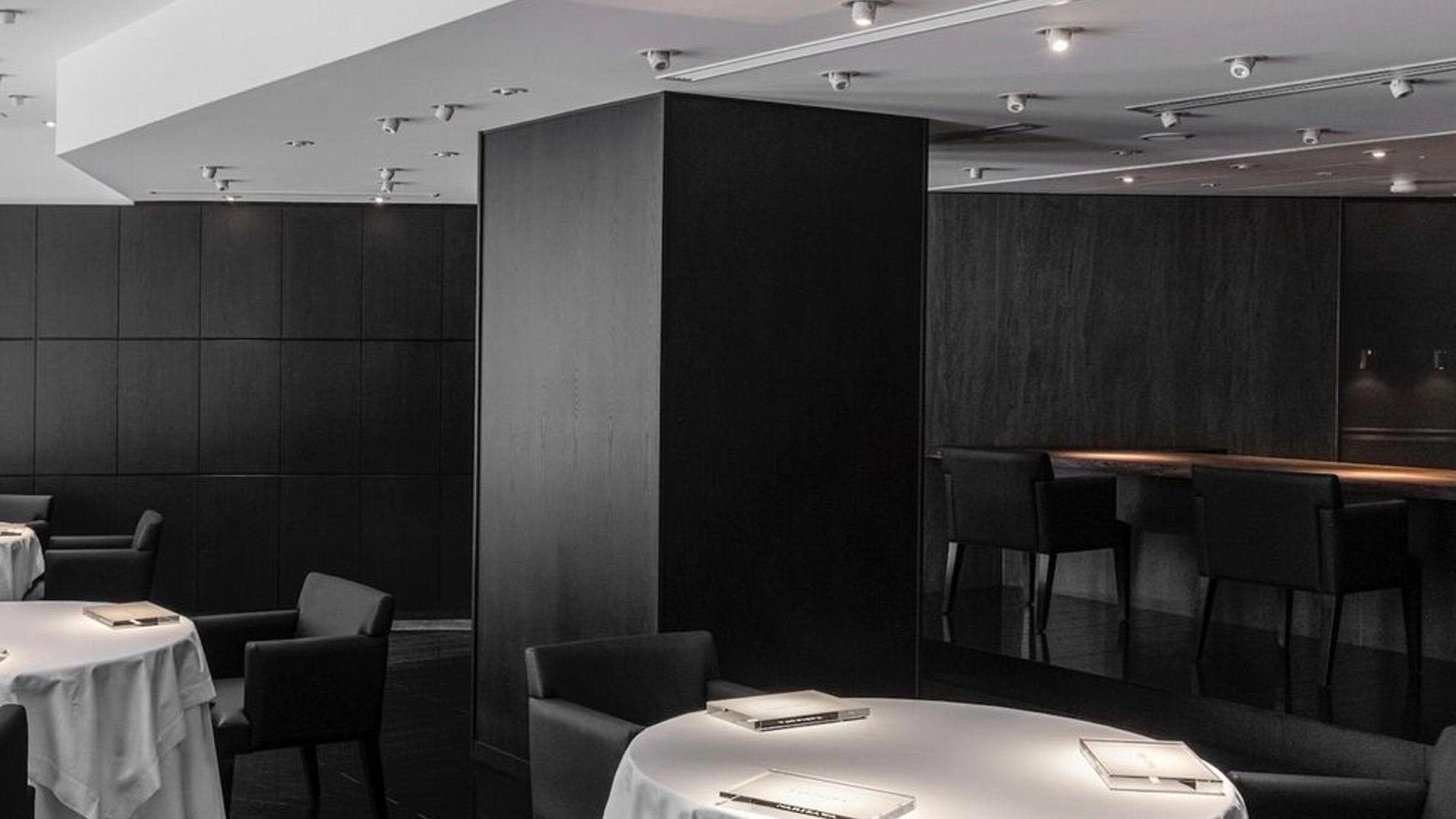
A small, non-smoking 8-seat counter-only ramen shop with a simple, no-frills interior, lively queue-driven atmosphere, and a focused, solo-diner-friendly vibe typical of classic Tokyo ramen counters.