
Okashi Dokoro Sasama belongs to Tokyo’s quieter wagashi culture: small-format, craft-led sweets that sit closer to seasonal craft than café dessert. Its Tabelog 100 selection for Tokyo Japanese traditional sweets in 2023 gives it a useful signal in a category where ingredient handling, wrapping, gifting etiquette, and timing matter as much as the counter experience.
Pearl is the En Primeur Club membership app — saves, bookings, and concierge access live there. Same editors, same standards.
- Address
- Japan, 〒101-0051 Tokyo, Chiyoda City, Kanda Jinbocho, 1 Chome−23
- Phone
- +81 3-3294-0978
- Website
- sasama.co.jp
- Directions
- Get directions
 Saves & bookings on Pearl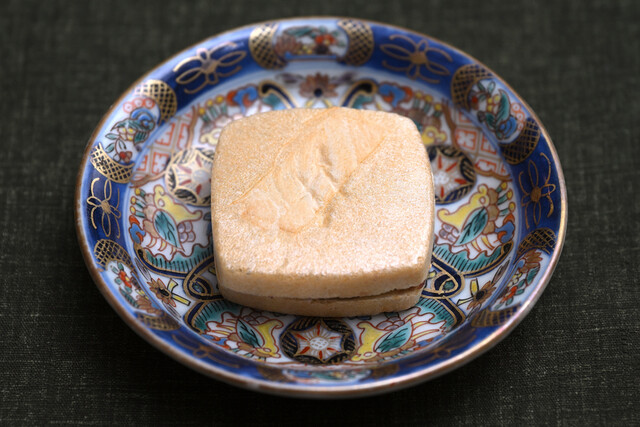
Jinbocho changes texture block by block: bookshops, curry counters, coffee rooms, university foot traffic, then old Tokyo confectionery. Wagashi shops here are not built for spectacle. They work through restraint, seasonality, and centuries of ingredient discipline: rice flour, bean paste, sugar, agar, chestnut, sesame, and tea. Okashi Dokoro Sasama belongs to that register, where the point is not a long tasting menu but the precision of a small purchase made at the right moment.
Tokyo’s dessert culture is often read through pâtisserie, parfait salons, and character cafés, but wagashi follows another logic. The sweets are calibrated for tea, gifting, and the calendar rather than maximal sweetness. A good shop is judged by texture, proportion, and how cleanly the filling, dough, or jelly carries its base ingredients. Sasama’s selection for Tabelog 100 Japanese traditional sweets / Japanese sweets cafe Tokyo 2023 places it among peers where craft reputation counts more than dining-room drama.
Jinbocho's sweets culture is about restraint, not display
Jinbocho is better known for second-hand books and curry than confectionery, which is why wagashi fits. The neighbourhood rewards narrow specialists. Nearby comparison venues such as Kitchen Nankai Chiyoda kanda jinbou ten and Curry & Wine Bistro Beppinsha Ochanomizu ten sit in the same low-price, high-regularity orbit, while Tea House TAKANO, Koseto Coffee Ten, and Milonga Nuova map the area’s older tea-and-coffee habits. A traditional sweets shop is not an outlier; it is part of Jinbocho’s culture of small rooms, repeat customers, and limited fuss.
Sourcing matters because wagashi leaves little room to hide weak materials. Bean paste, the backbone of many Japanese sweets, depends on bean quality and control of moisture and grain. Mochi and other rice-based preparations reveal texture immediately. Agar-based sweets depend on clarity and set. Seasonal motifs may change, but the test is constant: can a shop make sweetness feel measured rather than heavy? That separates a souvenir from a serious confection.
Okashi Dokoro Sasama is classified as Japanese traditional sweets, with take-out as the basic format. Experienced Tokyo diners know how to read that. This is not a café for lingering; it is a confectionery errand, tea pairing stop, or gift purchase folded into a day in Kanda and Jimbocho. Its Tabelog score of 3.81, plus repeated Tabelog 100 appearances for sweets and wagashi categories in 2018, 2019, 2020, 2022, and 2023, is a stronger signal than décor language in this genre.
What the recognition says about the craft tier
Tabelog’s Hyakumeiten lists are useful in Japan because they capture categories global award systems often ignore. Michelin can define a city’s high-end dining conversation, but says less about everyday specialist shops. Wagashi needs another lens: continuity, consistency, ingredient discipline, and local trust. A Tokyo confectionery selected for the 2023 Japanese traditional sweets / Japanese sweets cafe list is being compared with shops built on small-format craftsmanship rather than service choreography.
That matters for travellers who plan Tokyo around sushi counters, tempura, ramen, and cocktail bars. Wagashi sits upstream of many Japanese dining rituals. It explains bitterness and sweetness in tea service, seasonality without menu theatrics, and the Japanese habit of treating packaging and portion as part of the experience. In luxury travel terms, it is a modest transaction with high cultural yield.
The Jinbocho comparison set sharpens the point. Kitchen Nankai Chiyoda kanda jinbou ten works in the same sub-¥1,000 band, while several nearby cafés sit in the JPY 1,000 to JPY 1,999 range. Sasama’s listed average price below JPY 1,000 places it in the accessible tier, but price does not make execution casual. Traditional sweets operate on fine margins of texture and timing; the lower ticket means the craft is embedded in daily urban life, not staged as luxury.
How to fold it into a serious Tokyo food day
Use a wagashi stop as a hinge between heavier meals. Jinbocho’s curry culture, old coffee rooms, and book district rhythm make the area easy to pair with lunch, browsing, and a mid-afternoon tea plan. For broader Tokyo planning, Our full Tokyo restaurants guide gives the wider dining frame, while Our full Tokyo bars guide and Our full Tokyo hotels guide help place the stop inside an evening or hotel-neighbourhood itinerary.
Travellers building a day across the city can contrast wagashi with Tokyo’s sharper contemporary or casual formats: . 鮪と炭火焼き うお炭 秋葉原店 for tuna and charcoal-grill cooking, 12/10 Shinjuku ten for Shinjuku dining energy, 124. KAGURAZAKA (Yakitori) for skewers in a neighbourhood with deeper evening character, 2D Cafe for visual café culture, and 3 Chome no Curry Ya San for another reading of Tokyo comfort food.
For a wider Japan itinerary, the contrast becomes clearer. -Grilled beef Sukiyaki- KAMAKURA TANUKIAN 鎌倉 たぬき庵 in Kamakura shows the ceremonial pull of beef sukiyaki outside Tokyo;.cafe in Osaka.know in Kumamoto, (Shoku) Vietnam in Kawasaki, [Curry Senmon Ten] Maruyama Kyoju. in Sapporo, and [ki:] in Kyoto each point to regional dining habits rather than one national style.
International comparisons help too. Jōdo Saké Bar in Los Angeles and Onigiri Time in Pasadena translate parts of Japanese food culture for California audiences, but a Tokyo wagashi shop works from the source tradition. For non-restaurant planning, Our full Tokyo wineries guide and Our full Tokyo experiences guide round out the city beyond the table.
The editorial case is simple: make room for wagashi because it explains Tokyo through scale. Okashi Dokoro Sasama is a small stop with serious category credentials, a take-out format, and a price tier close to daily life. In a city where luxury often means scarcity and ceremony, craft can also arrive wrapped for the walk back to the station.
Where It Fits
Side-by-side context: comparable cuisine and price.
| Venue | Cuisine | Price | Notes |
|---|---|---|---|
| Okashi Dokoro SasamaThis venue — the venue you are viewing | Traditional Japanese Wagashi Shop | $ | Not listed |
| Kitchen Nankai (キッチン南海) | Classic Yoshoku Katsu Curry | $ | Jimbocho |
| Buta Daigaku (豚大学) | Grilled Pork Bowl (Butadon) | $ | Shimbashi |
| Menya Suzuharu | Ramen / Tsukemen | $ | Bunkyō |
| Kanmidokoro Mitsubachi Honten | Traditional Japanese sweets café (anmitsu & kakigori) | $ | Bunkyō |
| Baika Tei Kagurazaka honten | Japanese Traditional Sweets | $ | Shinjuku |
Recognition history
Dated appearances from independent guides and award organizations, with the underlying list record or original source where available.
Tabelog 100 #27 · No. 27
Tabelog · Tabelog 100 - Japanese traditional sweets / Japanese sweets cafe - TOKYO - 2023









At a Glance
- Classic
- Quiet
- Intimate
- Solo
- Family
- Casual Hangout
- After Work
- Historic Building
- Standalone
- Design Destination
- Local Sourcing
Current opening hours
- Monday
- 9:30 AM–6 PM
- Tuesday
- 9:30 AM–6 PM
- Wednesday
- 9:30 AM–6 PM
- Thursday
- 9:30 AM–6 PM
- Friday
- 9:30 AM–6 PM
- Saturday
- 9:30 AM–6 PM
- Sunday
- Closed
Hours can change for holidays and private events. Last verified .
Traditional Japanese confectionery shop atmosphere with a small, quiet storefront focused on take-out, emphasizing classic aesthetics and craftsmanship rather than dine‑in comfort.