
Tokyo’s sweet-shop culture rewards restraint: shaved ice, wagashi, tea, and old neighbourhood rooms that do not behave like dessert counters in luxury hotels. Takemura belongs to that older Kanda-Awajicho register, with Tabelog 100 recognition for Tokyo Japanese sweets cafés in 2023 and a format built around seated tea-room pacing rather than spectacle.
Pearl is the En Primeur Club membership app — saves, bookings, and concierge access live there. Same editors, same standards.
- Address
- Japan, 〒101-0041 Tokyo, Chiyoda City, Kanda Sudacho, 1 Chome−19
- Phone
- +81 3-3251-2328
- Website
- visit-chiyoda.tokyo
 Saves & bookings on Pearl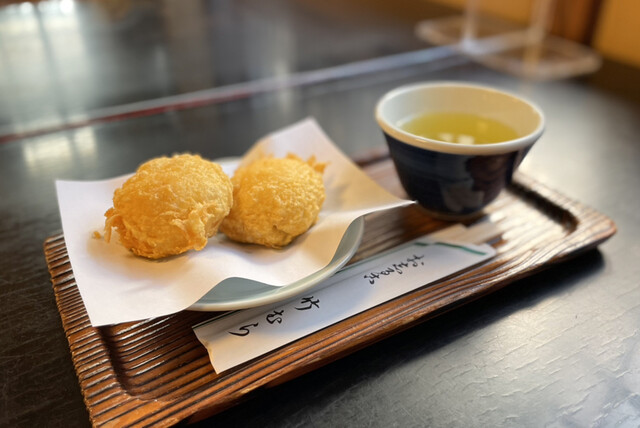
Approaching the old commercial grid around Kanda and Awajicho, Tokyo changes register. The louder dining signals, neon, basement signs, elevator restaurants, thin out into stationery shops, soba rooms, curry counters, and sweet cafés run on habit rather than performance. Here, Takemura reads as surviving Tokyo grammar: a house-style Japanese sweets room paced by tea, shaved ice, wagashi, and the soft discipline of a short visit.
That matters because Tokyo dessert culture is often misunderstood from outside Japan. It is not only patisserie precision or seasonal fruit parfaits. The older pleasure is quieter: sweetness calibrated to tea, texture treated as seriously as flavour, and a room where lingering has limits. The categories here, Japanese traditional sweets, kakigori, and a sweets café format, place the shop in the city’s kanmi-dokoro tradition, not the Western dessert bar category. For travellers building a Tokyo eating day around contrast, this differs from a full meal at 124. KAGURAZAKA (Yakitori), a curry stop such as 3 Chome no Curry Ya San, or a seafood-led casual address like . 鮪と炭火焼き うお炭 秋葉原店. It is a pause, not dinner’s replacement.
Kanda's older sweet-shop rhythm, not a hotel dessert performance
Tokyo has dense high-end dining, but its sweets cafés follow another status code. Recognition comes from consistency, local memory, and specialist focus rather than tasting-menu theatre. Takemura’s selection for the Tabelog 100 Japanese traditional sweets and Japanese sweets café list for Tokyo in 2023 places it inside a competitive citywide field of wagashi and kanmi specialists, not a general café ranking. Its Tabelog score of 3.76 further signals standing on a platform where small increments matter.
Kanda-Sudacho strengthens that reading. This part of Chiyoda has long favoured practical, genre-specific rooms: soba, curry, Chinese cooking, coffee, and sweets, often within walking distance of multiple rail lines. Nearby, Kanda Yunrin sits in a more expensive meal bracket, Topca Kanda honten occupies a curry lane, CHOPIN shares the low-cost café register, and Kanda Yabu Soba represents the soba lineage defining the district’s food identity. Takemura’s role is narrower: a traditional sweets interlude in a neighbourhood many visitors know more for old Tokyo lunch culture than late-night dining.
The sensory cue is restraint. A Japanese sweets café does not need a modern brunch room’s volume or themed-interior aggression. The experience is reading the room’s rules: where photography is acceptable, how long a table turns, how quietly orders move from counter to seat. The house asks guests not to photograph inside the restaurant, while allowing photographs of ordered items at the table. This is not a minor etiquette footnote; it preserves the atmosphere. The sweet remains visible, but the room is not turned into content.
What the format teaches about Tokyo sweets
Wagashi and kakigori occupy different moods, yet both depend on balance. Traditional Japanese sweets work through measured sugar, bean, rice, agar, and seasonal reference; shaved ice rewards temperature, syrup restraint, and speed of service. A room handling both belongs to a Tokyo lineage where dessert is neither an afterthought nor inflated into a grand occasion. It has its own etiquette and timing.
That explains how a modest price band and awards recognition coexist. In Tokyo, serious eating is not always priced as luxury. Enduring food forms, soba, curry, onigiri, kissaten coffee, and sweets, can hold deep local credibility at everyday tariffs. Compared with design-forward cafés such as 2D Cafe, expect different value: less novelty, more continuity. The appeal is not modernisation, but keeping the grammar legible.
Tokyo also rewards sequencing. This sweets café works after a savoury lunch, between neighbourhood errands, or before an evening plan elsewhere. It fits a Chiyoda day considering Kanda’s curry and soba culture, then broader planning through Our full Tokyo restaurants guide. For travel beyond restaurants, the same editorial logic applies across Our full Tokyo hotels guide, Our full Tokyo bars guide, Our full Tokyo wineries guide, and Our full Tokyo experiences guide: Tokyo is clearer when each stop is chosen for what it reveals about a category, not just name recognition.
How to use Takemura in a serious Tokyo itinerary
Takemura is strongest as a low-ceremony cultural stop for travellers who care about food traditions outside the tasting-menu economy. The seating count is compact enough to preserve a controlled room, yet not so tiny that the format becomes an endurance test. Reservations are unavailable, so the decision is about choosing a sensible moment and respecting the room’s pace. Payment is cash-oriented, and the no-smoking policy fits the sweets-and-tea setting.
The house is also family friendly, not always true in specialist Tokyo dining. Children are welcome, and the category is more accessible than counters built around alcohol, raw fish, or long omakase pacing. Still, etiquette matters: the photo rule, compact room, and traditional sweets format require a quieter visit than a novelty café circuit.
For a wider Japan plan, the contrast is instructive. A sweets stop in Kanda has little in common with beef sukiyaki in Kamakura at -Grilled beef Sukiyaki- KAMAKURA TANUKIAN 鎌倉 たぬき庵 in Kamakura, café culture in Kansai at.cafe in Osaka, Kumamoto’s contemporary casual scene at.know in Kumamoto, Vietnamese cooking in the Tokyo orbit at (Shoku) Vietnam in Kawasaki, Sapporo curry at [Curry Senmon Ten] Maruyama Kyoju. in Sapporo, or Kyoto’s smaller contemporary rooms such as [ki:] in Kyoto. Abroad, the comparison stretches further: Jōdo Saké Bar in Los Angeles and Onigiri Time in Pasadena show how Japanese formats travel, while Kanda’s sweets rooms show how much meaning remains in the original urban setting.
The editorial case is clear: this is for travellers seeking Tokyo’s quieter food intelligence, found in genre rooms with no need to explain themselves loudly. Takemura’s value lies in restraint: traditional sweets, shaved ice, a neighbourhood room, and enough outside recognition to justify the detour without making it a trophy hunt.
Budget Reality Check
Comparable venues by price and recognition.
| Venue | Cuisine | Price | Notes |
|---|---|---|---|
| TakemuraThis venue — the venue you are viewing | Not listed | $ | Not listed |
| Fukuo Shoten | Not listed | $ | Chiyoda, Traditional Japanese sweets and agar jelly shop |
| Spice Palette | Taitō, Japanese curry house | $ | Not listed |
| Kamezawa Do | Not listed | $ | Chiyoda, Japanese Confectionery (Wagashi) |
| Asakusa Naniwaya | Not listed | $ | Taitō, Traditional Japanese taiyaki & kakigori café |
| Taiyaki Wakaba | Not listed | $ | Shinjuku, Traditional Japanese taiyaki & wagashi shop |
Recognition history
Dated appearances from independent guides and award organizations, with the underlying list record or original source where available.
Tabelog 100 #6 · No. 6
Tabelog · Tabelog 100 - Japanese traditional sweets / Japanese sweets cafe - TOKYO - 2023







At a Glance
- Classic
- Cozy
- Well Known
- Quiet
- Solo
- Casual Hangout
- After Work
- Family
- Historic Building
- Design Destination
- Standalone
- Local Sourcing
- Street Scene
Current opening hours
- Monday
- Closed
- Tuesday
- 11 AM–8 PM
- Wednesday
- 11 AM–8 PM
- Thursday
- 11 AM–8 PM
- Friday
- 11 AM–8 PM
- Saturday
- 11 AM–8 PM
- Sunday
- Closed
Hours can change for holidays and private events. Last verified .
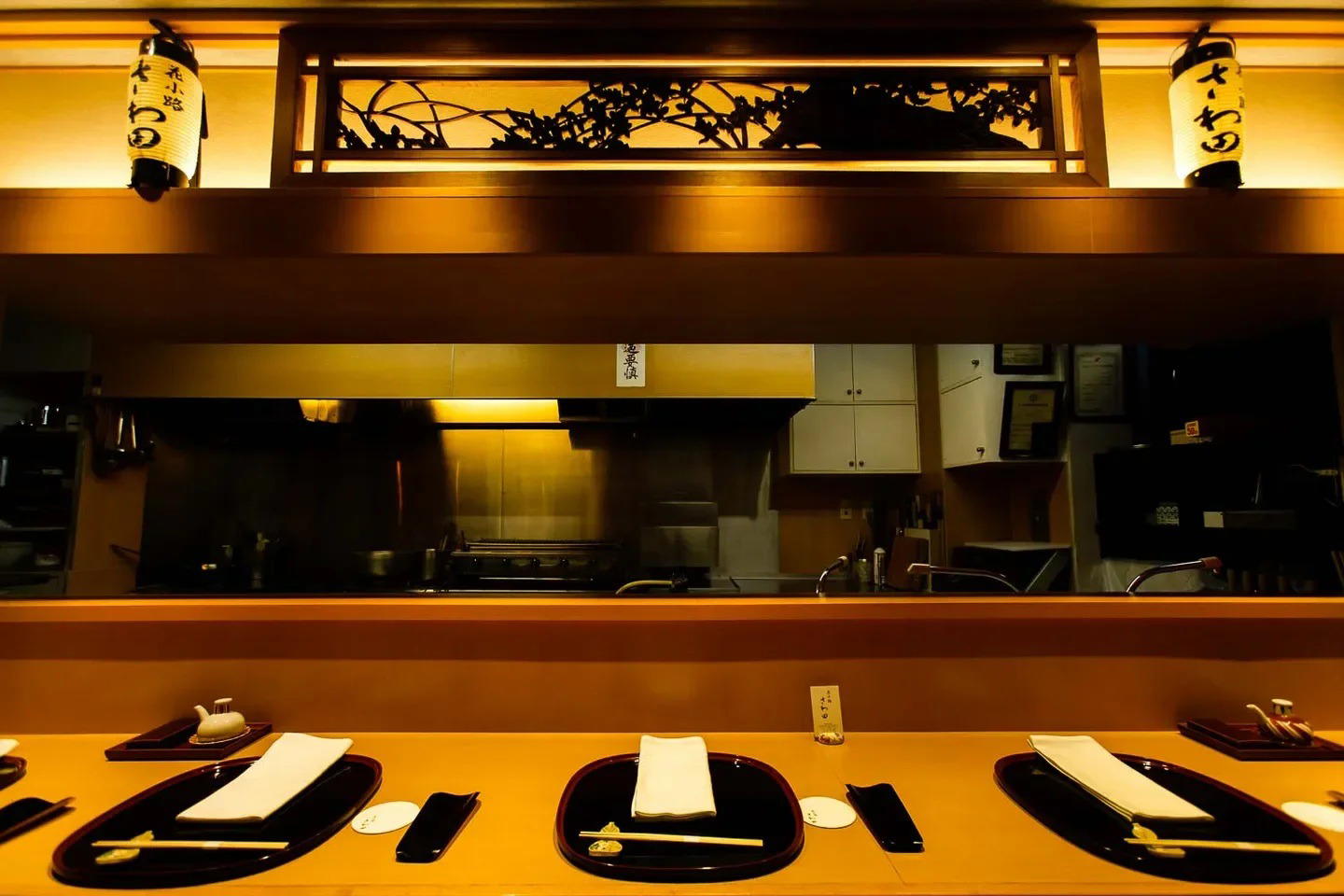
A nostalgic, old-Tokyo sweet shop atmosphere inside a 1930 wooden three‑story building with carved bamboo-and-plum balcony details and paper lanterns, quietly tucked in Kanda’s backstreets and filled with the calm, homey feel of a classic neighborhood tea house.