
jibunchi places Kanazawa’s Italian dining in a local-produce register rather than a copy of Tokyo formality. The 20-seat, reservation-only restaurant is recognized in Tabelog Italian WEST 100 for 2025, with a JPY 10,000–14,999 dinner range and a format that suits diners who care about pacing, wine, and Ishikawa ingredients.
Pearl is the En Primeur Club membership app — saves, bookings, and concierge access live there. Same editors, same standards.
- Address
- 石川県金沢市中央通町11-49
- Phone
- +818089962830
- Website
- tabelog.com
 Saves & bookings on Pearl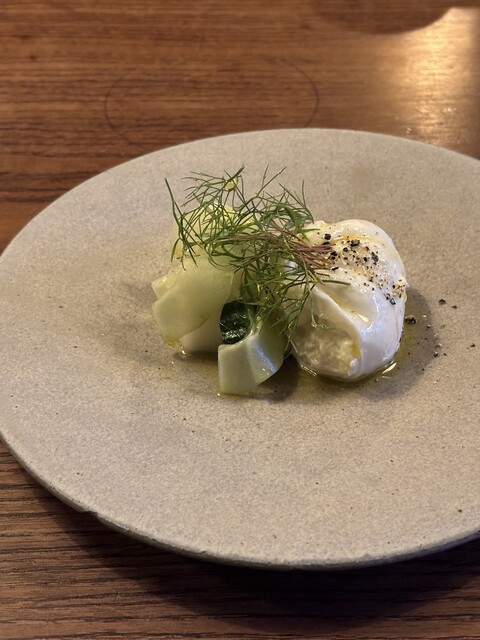
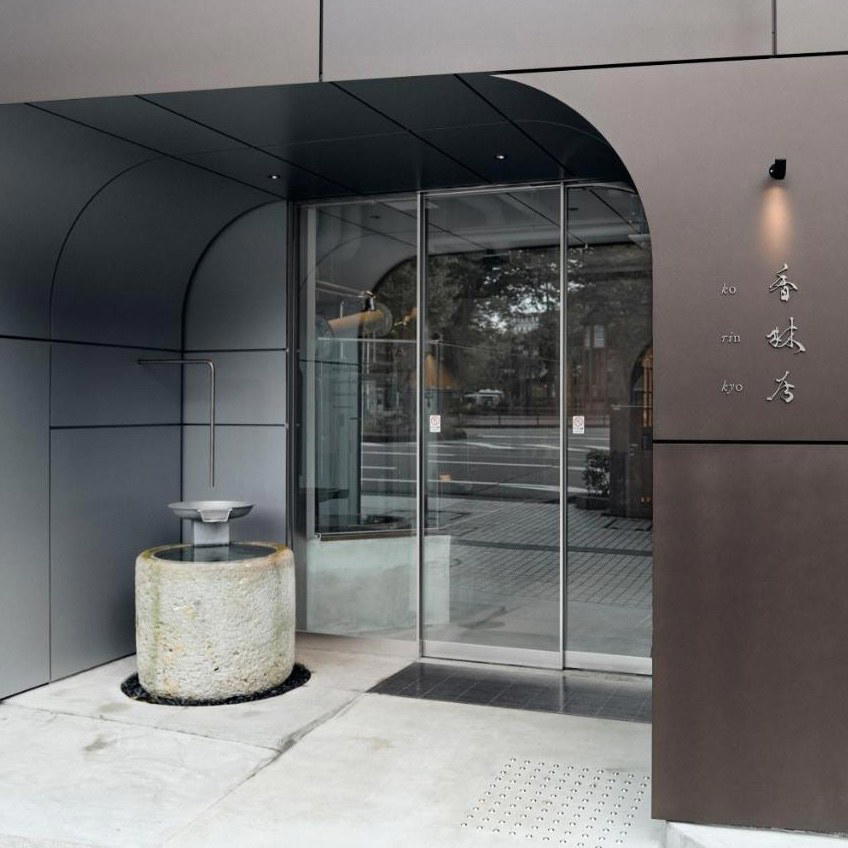
Central Kanazawa often makes serious restaurants feel domestic before formal: narrow approaches, low-key frontages, and rooms where counter seating matters as much as table service. Italian cooking here is not just imported technique; it reads Ishikawa through vegetables, rice, mountain ingredients, seafood culture, and a drinking rhythm that can move between wine and nihonshu without apology.
jibunchi sits in a smaller Kanazawa category: an Italian restaurant with local sourcing at the center and a meal structure that rewards diners who settle in. Its selection for Tabelog Italian WEST 100 in 2025 is a clear external signal, but the more interesting point is what it says about regional Italian dining in Japan. Outside Tokyo and Kyoto, stronger Italian rooms often argue for place through supply lines, not spectacle.
Kanazawa Italian cooking, read through Ishikawa ingredients
The city’s dining identity is usually introduced through sushi, kaiseki, wagashi, and market cooking, but Italian restaurants have become a persuasive parallel language for local produce. At this tier, the question is not whether pasta appears or the cooking looks Italian enough, but how the kitchen handles regional materials without turning them into tourism shorthand.
Here, the available description points to a produce-led kitchen: local ingredients, eggs from chickens raised at the chef’s family farm in Kahoku, homegrown rice, vegetables, charcoal-grilled meat dishes, and mountain ingredients gathered by staff with hunting licenses. Those details move the restaurant beyond generic trattoria comfort toward a Kanazawa-specific version of Italian dining. The format is not kaiseki in Italian clothes; it reads as Italian technique organizing Ishikawa supply.
That makes jibunchi a useful counterpoint to the city’s broader restaurant map. Diners building a Kanazawa itinerary might place it beside other local choices in Our full Kanazawa restaurants guide, then compare how different genres handle the same regional confidence. A sweet stop such as Amanatto Kawamura shows the city’s older confectionery grammar, while 333, Aburi Niku Garan, Ajiraku Yumemi, and 1/3 HAMBURGER FACTORY sit in different registers of local appetite.
The meal is built around pacing, not performance
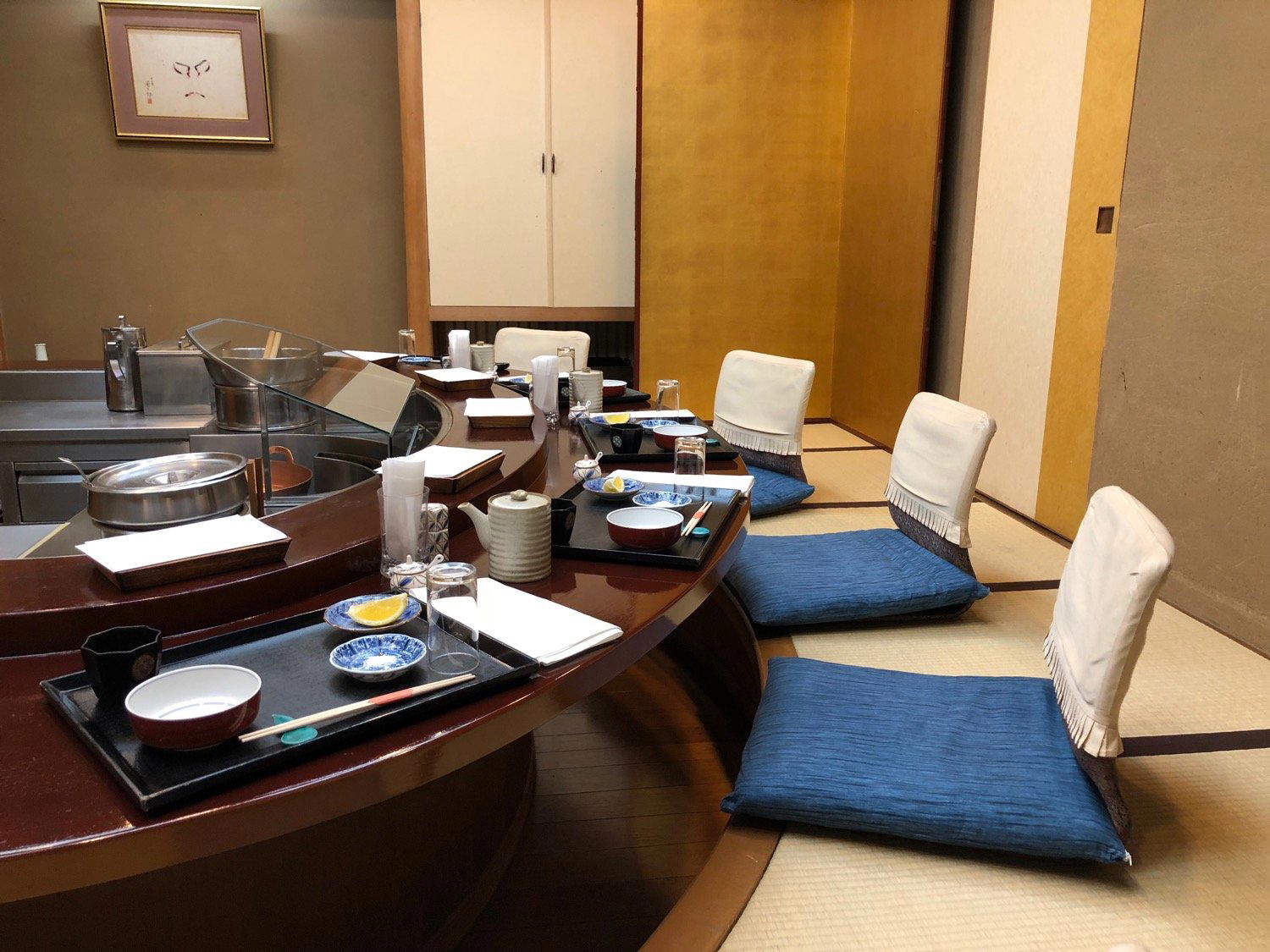
The dining ritual is defined by constraint. Twenty seats create a narrow margin between intimacy and pressure, and counter seating changes the tempo: service must be attentive without becoming theatrical, while the kitchen’s sequence becomes part of the room’s rhythm. In Kanazawa, where many serious meals prize calm pacing, that scale suits a dinner built through gradual accumulation rather than a single showpiece.
The drinks program reinforces that rhythm. Wine is a stated focus, a sommelier is available, and the cellar is listed at around 600 bottles. Nihonshu also appears, a telling Kanazawa detail. In many Japanese Italian restaurants, wine is the default prestige language; here, sake alongside wine suggests broader compatibility with local eating habits. That flexibility suits mountain products, rice, vegetables, and charcoal-grilled meats, where pairing may not point neatly toward Italy.
Restaurant’s Tabelog score of 3.76 and 2025 WEST 100 Italian selection place it in a recognized regional bracket, but Kanazawa’s competitive set is more nuanced than one award line. タワラ, Sakai, tawara, Uva Uva, and くら竹 show how compact and varied the city’s European-leaning dining scene can be. Within that field, jibunchi’s argument is ingredient visibility and small-room discipline. It is less for diners chasing a grand dining-room statement than for those wanting a composed, adult dinner backed by a local supply chain.
That distinction matters for visitors planning more than one night. Kanazawa rewards variety: a refined restaurant dinner one evening, bar-focused drinking the next, and a day shaped by craft, markets, or architecture. For the wider trip frame, Our full Kanazawa hotels guide, Our full Kanazawa bars guide, Our full Kanazawa wineries guide, and Our full Kanazawa experiences guide place dinner inside the city rather than as an isolated booking.
Who should put it on a Kanazawa dining itinerary
This is a strong choice for diners who prefer regional specificity over imported luxury cues. The appeal lies in how the meal balances Italian structure with Ishikawa sourcing, supported by a serious wine cellar and a room small enough for deliberate pacing. The JPY 10,000–14,999 dinner range places it above casual Italian dining but below the higher-ticket tasting-menu band represented by regional peers including tawara at JPY 15,000–19,999.
The practical fit is narrow in a good way. It suits couples or small groups comfortable with a reservation-only dinner and seating preferences handled by the room’s flow. Private rooms are not part of the format, but private use is available for up to 20 people, making the restaurant more flexible for a full-room dinner than its modest scale suggests. Non-smoking policy, credit-card acceptance, and the absence of parking matter for planning, especially for visitors moving between hotels and restaurants by taxi.
For readers comparing Japanese dining across cities, Kanazawa’s appeal is how it resists flattening into one genre. A trip can move from local Italian to beef, sushi, sweets, and bar culture without losing the city’s emphasis on craft and supply. Beyond Kanazawa, the broader EP Club map stretches from -Grilled beef Sukiyaki- KAMAKURA TANUKIAN 鎌倉 たぬき庵 in Kamakura and. 鮪と炭火焼き うお炭 秋葉原店 in Tokyo to.cafe in Osaka.know in Kumamoto, (Shoku) Vietnam in Kawasaki, and [Curry Senmon Ten] Maruyama Kyoju. in Sapporo. For a trans-Pacific contrast in Japanese drinking and casual formats, Jōdo Saké Bar in Los Angeles and Onigiri Time in Pasadena show how differently Japanese reference points travel.
The verdict is simple: choose jibunchi when dinner is not about collecting a famous name, but seeing how Kanazawa’s ingredients behave inside a disciplined Italian frame. The room is small, recognition is current, and the meal’s interest lies in ritual: reservation, seated pacing, local materials, and a drinks program built for a long evening.
Where It Fits
Nearby venues at a similar price tier for orientation.
| Venue | Cuisine | Price | Notes |
|---|---|---|---|
| jibunchiThis venue — the venue you are viewing | Contemporary Italian with Kanazawa Local Ingredients | $$$ | Not listed |
| Uva Uva | Natural Wine Italian | $$$ | Kanazawa |
| Medicinal Food Café Cien Gallery | Medicinal Japanese Café | $$$ | Not listed |
| リストランテ スギヤマ | Contemporary Italian with Kanazawa Influences | $$$ | Kanazawa |
| Sushi-ya Kozakura | Traditional Sushi Omakase | $$$ | Kanazawa |
| Shusui Daigo | Japanese Izakaya | $$$ | Kanazawa |
Recognition history
Dated appearances from independent guides and award organizations, with the underlying list record or original source where available.
Tabelog 100 #70 · No. 70
Tabelog · Tabelog 100 - Italian - WEST - 2025
Continue exploring
More in Kanazawa
Restaurants in Kanazawa
Browse all →
At a Glance
- Elegant
- Cozy
- Romantic
- Modern
- Intimate
- Date Night
- Special Occasion
- Business Dinner
- Group Dining
- Family
- Celebration
- Private Event
- Open Kitchen
- Private Dining
- Standalone
- Wine Cellar
- Design Destination
- Extensive Wine List
- Sommelier Led
- Sake Program
- Corkage Allowed
- Farm To Table
- Local Sourcing
- Sustainable Seafood
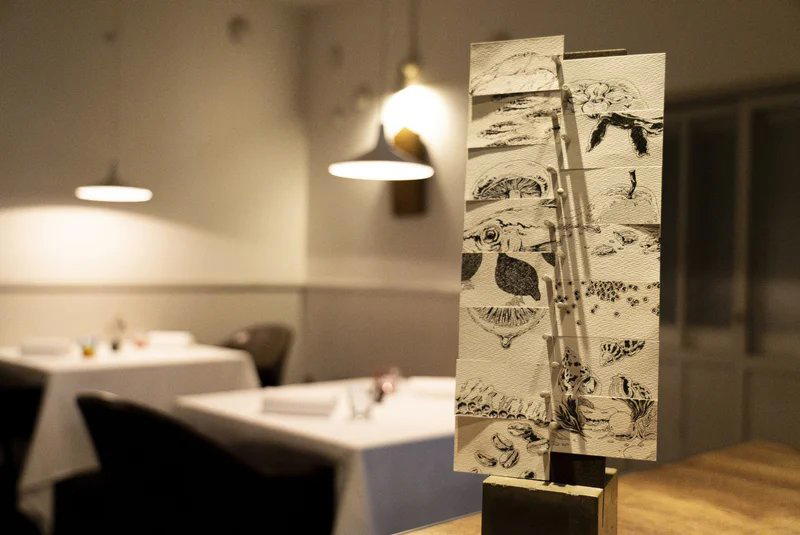
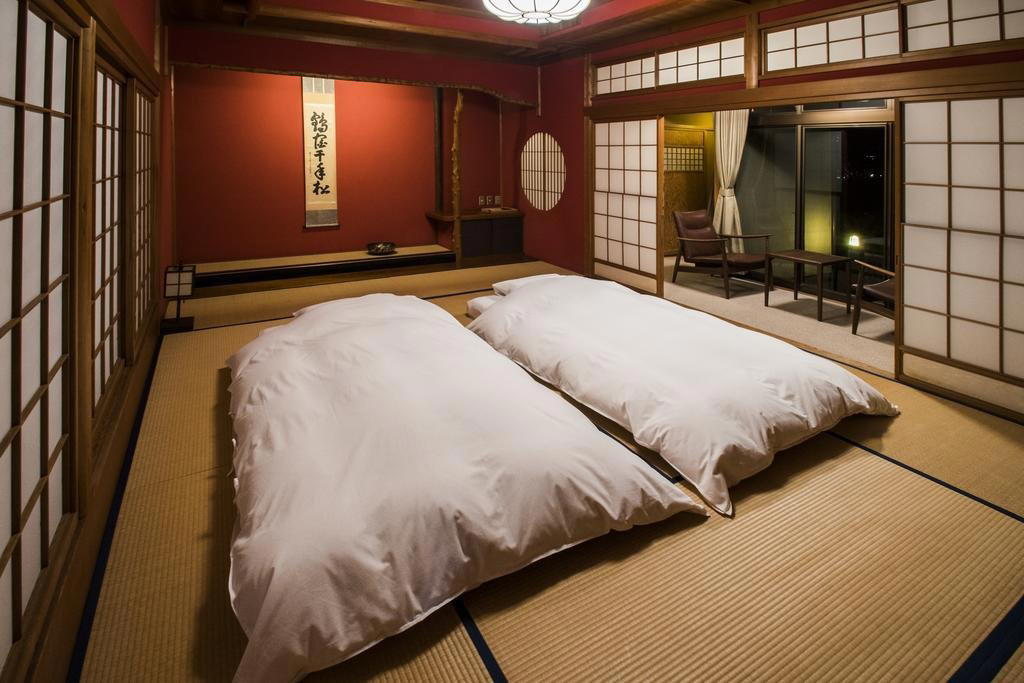
An elegant yet relaxed hideout-style house restaurant with an open kitchen and charcoal grill, creating a warm, aromatic, and lively atmosphere that still feels cozy and intimate for dates, anniversaries, and small gatherings.