
Sushi-ya Kozakura is an eight-seat Kanazawa sushi counter shaped by reservation-only pacing, counter etiquette, and the city’s access to serious seafood. Selection for Tabelog Sushi WEST “Tabelog 100” in 2021, 2022, and 2025 places it in the regional conversation rather than the tourist circuit.
Pearl is the En Primeur Club membership app — saves, bookings, and concierge access live there. Same editors, same standards.
- Address
- 15-21 Showamachi, Kanazawa, Ishikawa 920-0856, Japan
- Phone
- +81 76-213-8558
- Website
- tabelog.com
 Saves & bookings on Pearl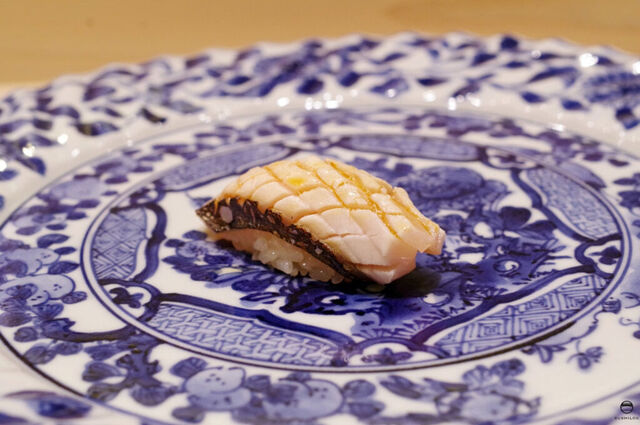
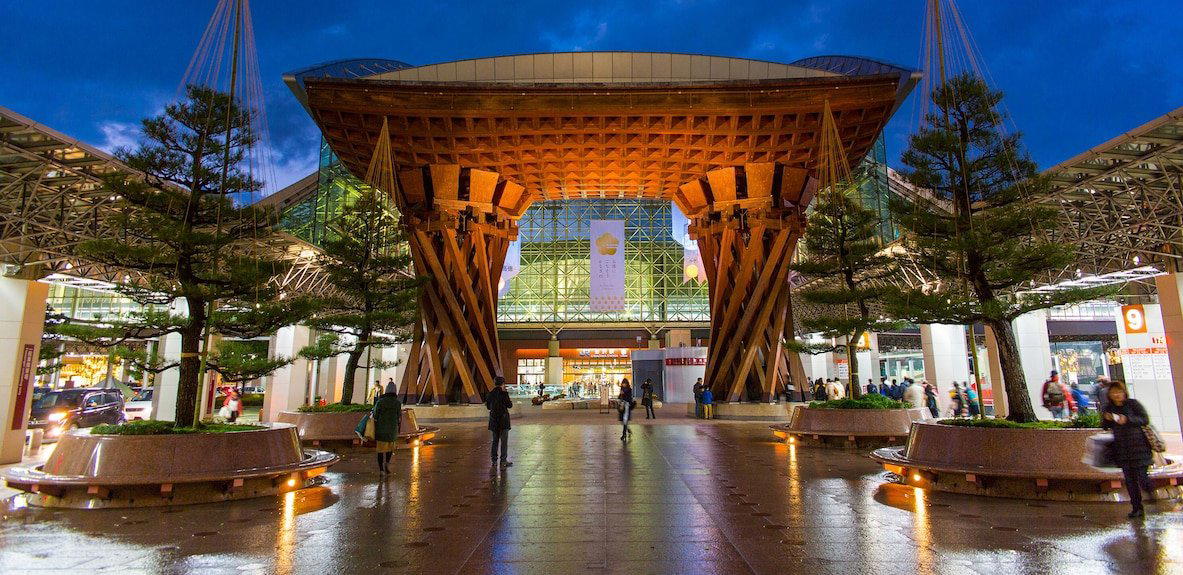
Showamachi sits close to Kanazawa Station, but the rhythm changes at an eight-seat sushi counter. Conversation drops, timing matters, and the meal is governed less by menu browsing than trust in sequence. In Kanazawa, that ritual carries different weight from Tokyo’s trophy-counter culture: the city looks to the Sea of Japan, Noto Peninsula, and Hokuriku’s long preservation habits, so sushi is judged by season, handling, rice temperature, and the discipline of a small room.
Sushi-ya Kozakura fits that compact register. It is reservation-only, counter-only, selected for Tabelog Sushi WEST “Tabelog 100” in 2021, 2022, and 2025, and holds a Tabelog score of 3.81. In a city where serious sushi needs no theatrical excess, those signals matter. The format asks diners to follow the counter’s pace: arrive ready, avoid over-ordering the experience with questions, and let the progression make its argument.
Kanazawa sushi is built on proximity, restraint, and counter discipline
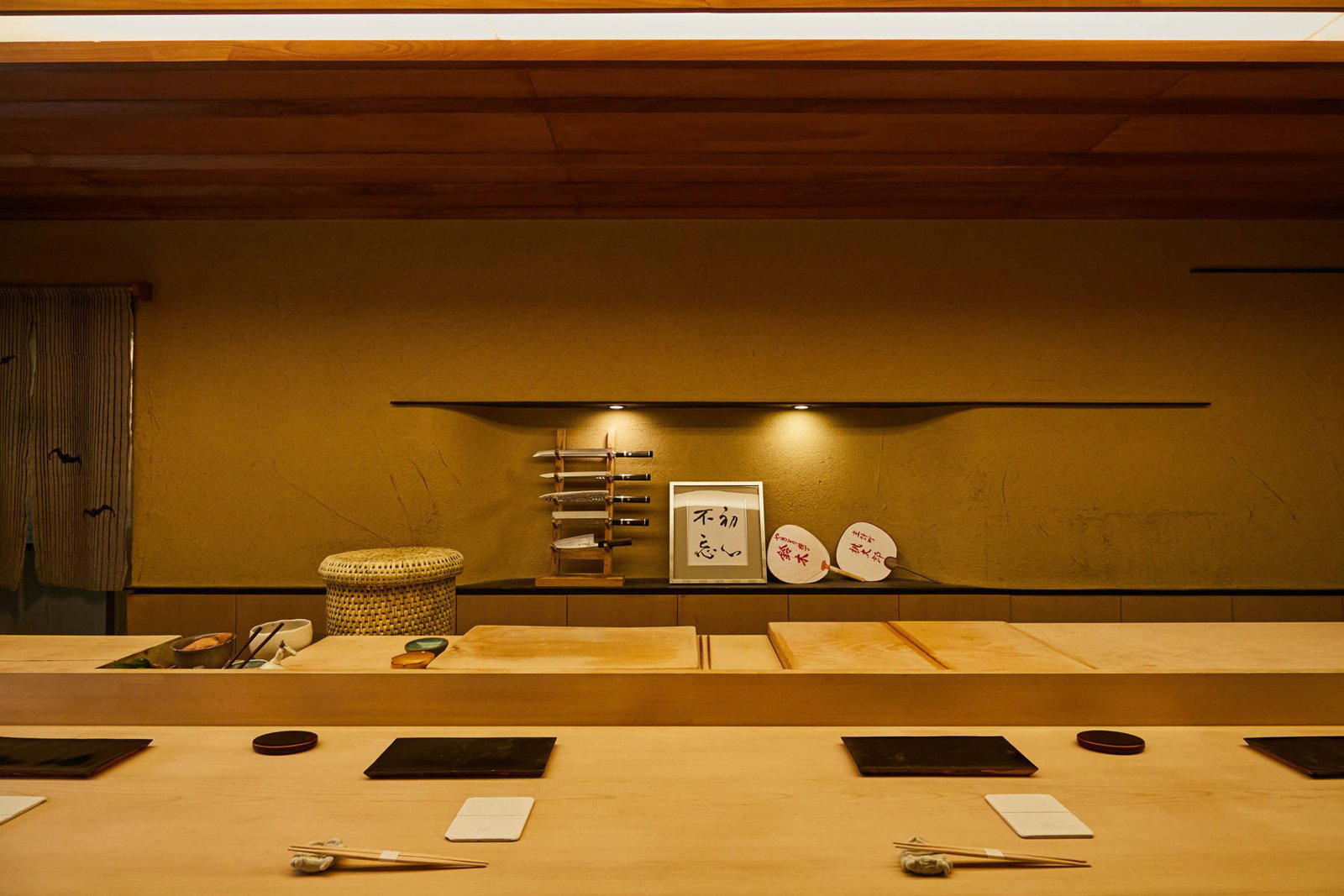
Kanazawa’s sushi culture is not a provincial echo of Ginza. It has its own grammar, shaped by Sea of Japan seafood, Hokuriku sake, and diners who distinguish polish from noise. Better counters reward restraint: fewer seats, shorter sightlines, and a meal dependent on the chef’s timing rather than decorative luxury. An eight-seat room is not novelty; it is the correct scale when seconds matter.
The local comparison set is varied. Komatsu Yasuke sits outside the metro conversation as a sushi reference point, while Kanazawa also supports premium beef, teppanyaki, casual sweets, and station-adjacent dining. Aburi Niku Garan occupies a lower spend tier than a serious sushi counter, while BIRD sits closer to special-occasion planning. The distinction helps: sushi at this level is not simply dinner, but a paced counter exchange, priced and structured around concentration.
The ritual is social. Counter sushi in Japan gives diners a visible role: punctuality, restrained perfume, moderate drinking, and attention to pacing are not decorative manners; they protect the experience for eight people in one room. The absence of private rooms reinforces this. Everyone shares the same sightline, sequence, and quiet pressure to read the room.
Kanazawa’s broader dining map frames the decision. Travelers can use Our full Kanazawa restaurants guide for the city’s restaurant spread, then compare lighter or more casual addresses such as 1/3 HAMBURGER FACTORY, 333, Ajiraku Yumemi, and Amanatto Kawamura. Those links do not compete with the sushi ritual; they show how different Kanazawa feels between a sweet shop, a casual table, and a counter where structure is the point.
The meal belongs to the counter, not the menu
At this level, the question is not what to order first. The counter format shifts control from diner to sequence, temperature, and tempo. Eight seats allow attention without turning the meal into performance. The diner sees enough to understand the work, but the evening is not a show.
Drink choices reinforce the regional frame. Sake, shochu, and wine are listed, with particular attention to sake. In Kanazawa, seafood and rice are rarely separated from the drinking culture around them. A restrained sake pairing can make more sense than an aggressive wine-led approach, especially for diners who want Japanese cadence rather than international fine-dining rhythm.
The Tabelog Sushi WEST recognition places the restaurant inside a western Japan sushi conversation, not a general luxury ranking. For travelers, that suggests a counter assessed among regional sushi specialists, not rewarded for hotel-level service cues or broad international visibility. It also separates this meal from nearby premium categories such as Aburi Niku Garan or teppanyaki formats, where pleasure is more overtly about heat, richness, and spectacle.
Etiquette is firmer here than at many casual Kanazawa addresses: children under college age and people who are not working adults are not admitted. That makes the room adult, quiet, and expectation-led, fitting a meal built around small gestures rather than convivial sprawl. Private use is available, but the essential experience remains counter dining, not banquet dining.
How to place it within a Kanazawa itinerary
Sushi-ya Kozakura suits a traveler wanting one serious Kanazawa counter meal without turning the trip into a checklist of trophy reservations. The city rewards that approach. Spend other meals on sweets, casual Japanese cooking, markets, bars, or ryokan-style hospitality, then reserve the counter for a night when attention is available. For lodging context, Our full Kanazawa hotels guide is useful; for post-dinner drinking, see Our full Kanazawa bars guide. Travelers extending the food theme beyond restaurants can also scan Our full Kanazawa wineries guide and Our full Kanazawa experiences guide.
The practical judgment is simple: this is a small, formal sushi counter with regional credibility and limited tolerance for improvisation. It is better for diners who understand shared-counter etiquette than for groups seeking flexible pacing. Credit cards are accepted, electronic money and QR payments are not, and there is no private-room buffer for a casual evening. Nearby coin parking exists, but the station-side geography makes it easy to plan as part of a central Kanazawa night.
For readers comparing Japanese dining across cities, the contrast is instructive. A sukiyaki meal such as -Grilled beef Sukiyaki- KAMAKURA TANUKIAN 鎌倉 たぬき庵 in Kamakura, a Tokyo izakaya-grill address like. 鮪と炭火焼き うお炭 秋葉原店 in Tokyo, or a casual Osaka stop such as.cafe in Osaka all operate by different rules. So do.know in Kumamoto, (Shoku) Vietnam in Kawasaki, and [Curry Senmon Ten] Maruyama Kyoju. in Sapporo. Even overseas Japanese-adjacent addresses such as Jōdo Saké Bar in Los Angeles and Onigiri Time in Pasadena clarify the point: the Kanazawa sushi counter is not about abundance or novelty. It is about submitting to sequence, reading the room, and letting a small counter define the night.
Where It Fits
Nearby venues at a similar price tier for orientation.
| Venue | Cuisine | Price | Notes |
|---|---|---|---|
| Sushi-ya KozakuraThis venue — the venue you are viewing | Traditional Sushi Omakase | $$$ | Not listed |
| Medicinal Food Café Cien Gallery | Medicinal Japanese Café | $$$ | Not listed |
| Sushi Ikuta | Seasonal Edomae-Style Sushi Omakase | $$$ | Kanazawa |
| Koide | Traditional Japanese Izakaya & Sake Bar | $$$ | Kanazawa |
| Yakitori Manjiro | Yakitori counter in Kanazawa | $$$ | Kanazawa |
| Itaru Honten | Traditional Kanazawa Izakaya & Seafood | $$ | Kanazawa |
Recognition history
Dated appearances from independent guides and award organizations, with the underlying list record or original source where available.
Tabelog 100 #48 · No. 48
Tabelog · Tabelog 100 - Sushi - WEST - 2025
Continue exploring
More in Kanazawa
Restaurants in Kanazawa
Browse all →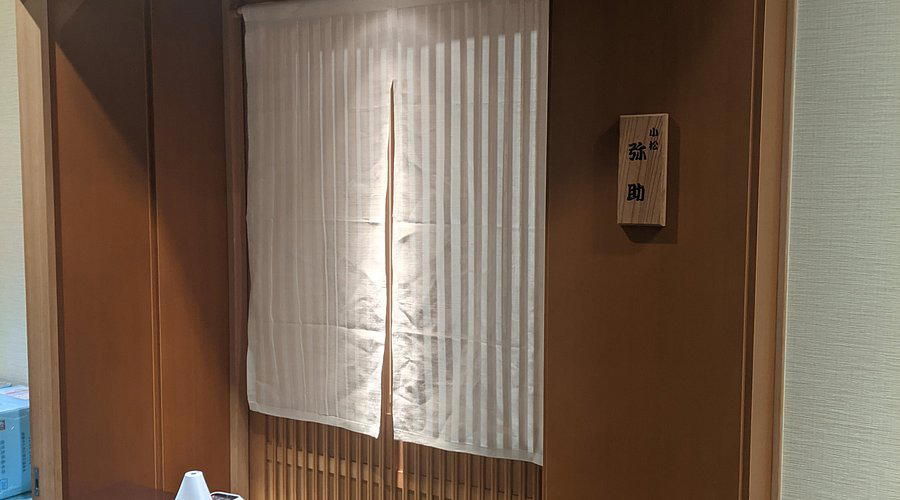
At a Glance
- Intimate
- Quiet
- Classic
- Sophisticated
- Special Occasion
- Date Night
- Business Dinner
- Solo
- Chefs Counter
- Standalone
- Sake Program
- Local Sourcing
- Sustainable Seafood
Current opening hours
- Monday
- 12–1:30 PM, 6–9 PM
- Tuesday
- 12–1:30 PM, 6–9 PM
- Wednesday
- Closed
- Thursday
- 6–9 PM
- Friday
- 12–1:30 PM, 6–9 PM
- Saturday
- 12–1:30 PM, 6–9 PM
- Sunday
- 12–1:30 PM, 6–9 PM
Hours can change for holidays and private events. Last verified .
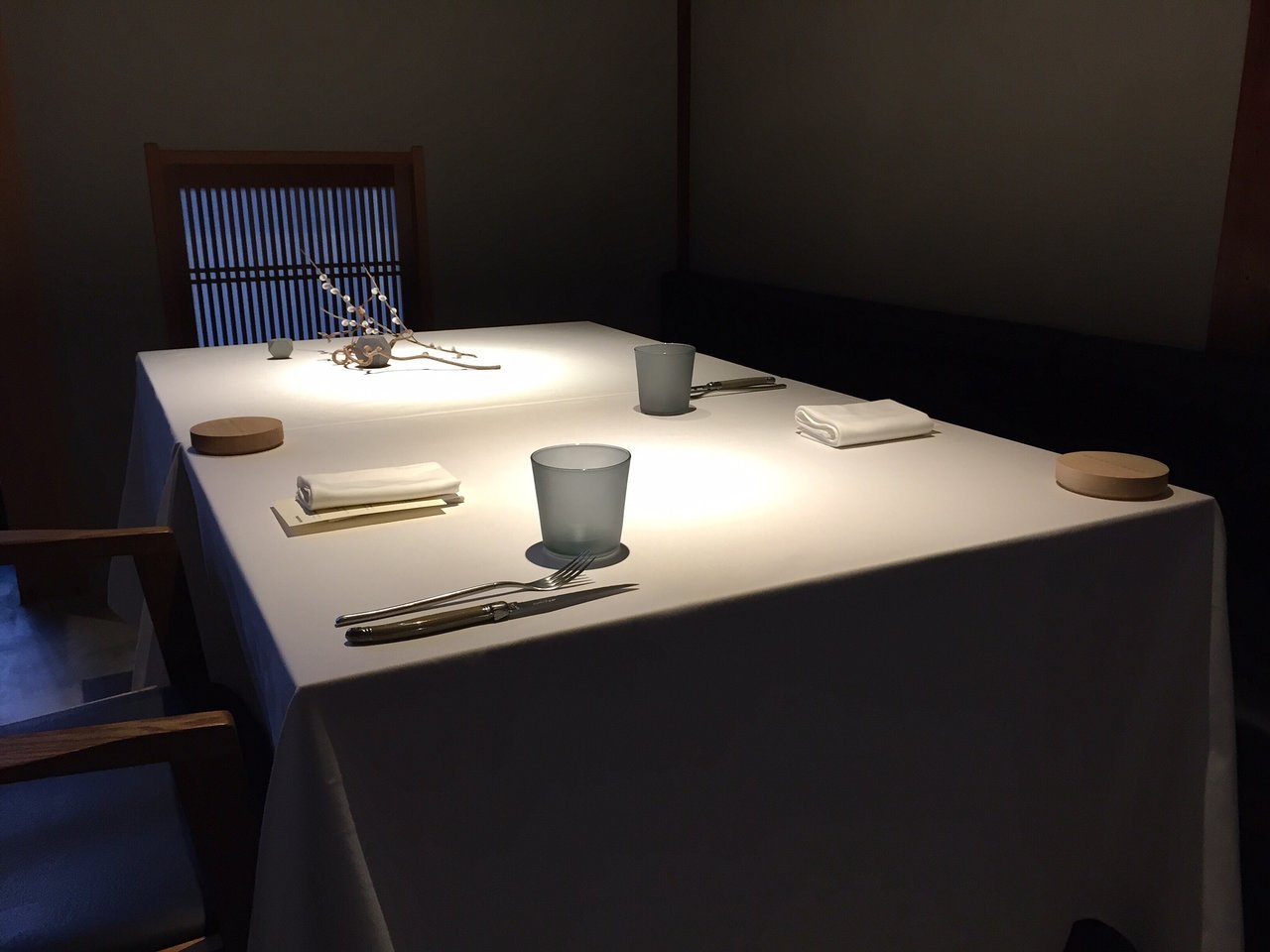
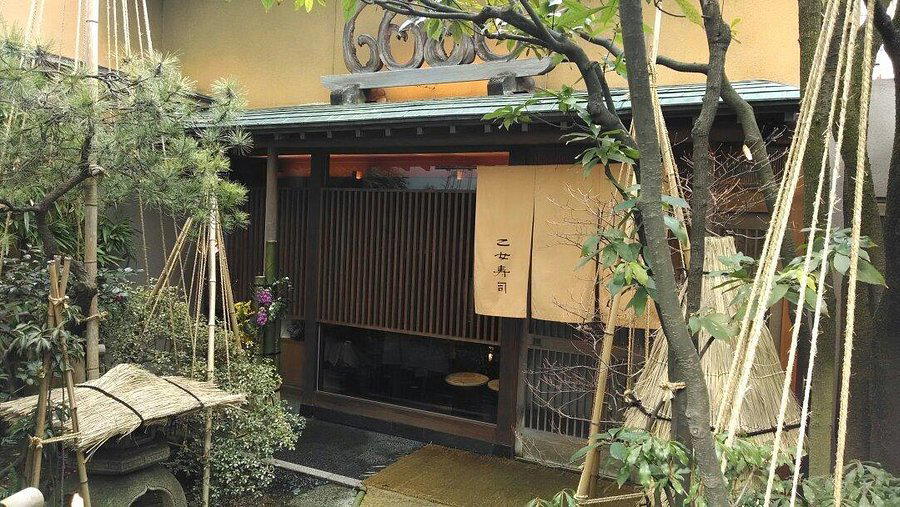
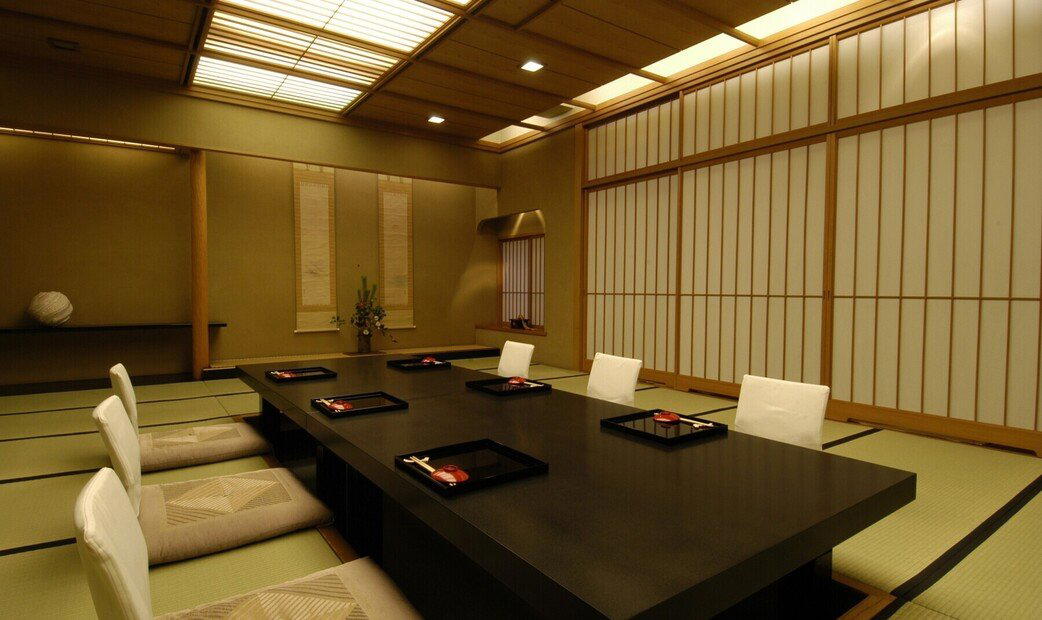
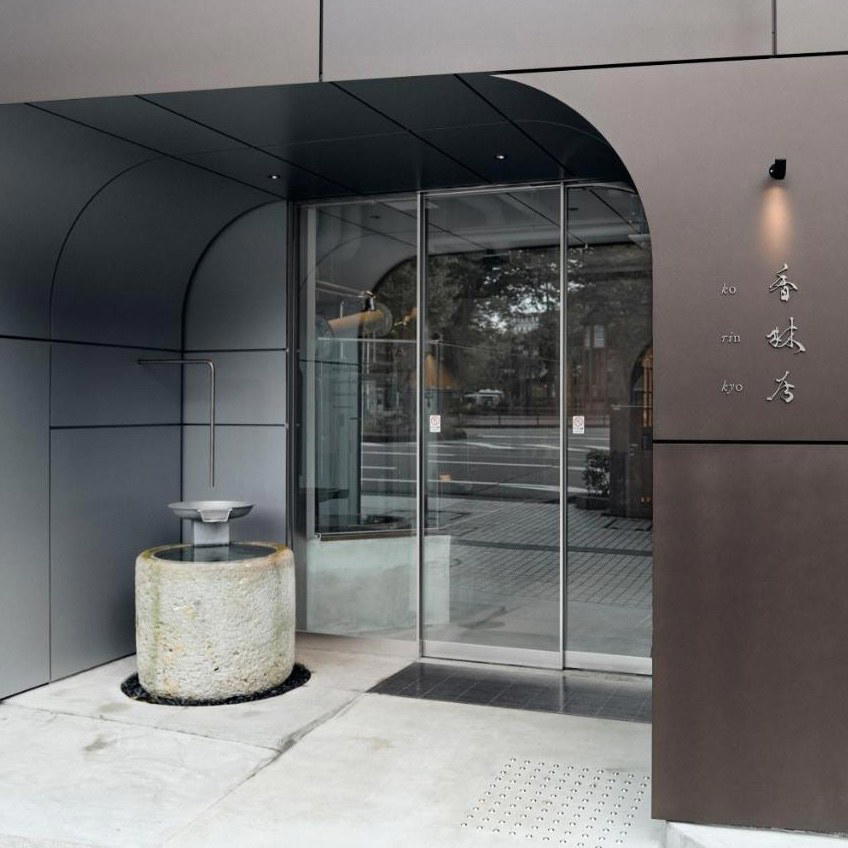
A compact, wood-and-black-interior counter setting that feels calm, intimate, and focused on the sushi experience.