Located on Hallesche Strasse in Berlin's Kreuzberg district, Layla occupies a corner of the city's increasingly serious dining scene where Middle Eastern and Mediterranean influences have found a confident foothold. The address places it within walking distance of several of Berlin's most discussed fine-dining rooms, making it a natural stop for visitors building a considered itinerary across the capital's southern neighbourhoods.
Pearl is the En Primeur Club membership app — saves, bookings, and concierge access live there. Same editors, same standards.
- Address
- Hallesche Str. 10, 10963 Berlin, Germany
- Phone
- +4949308010660
- Website
- layla-restaurant.com
- Directions
- Get directions
 Saves & bookings on Pearl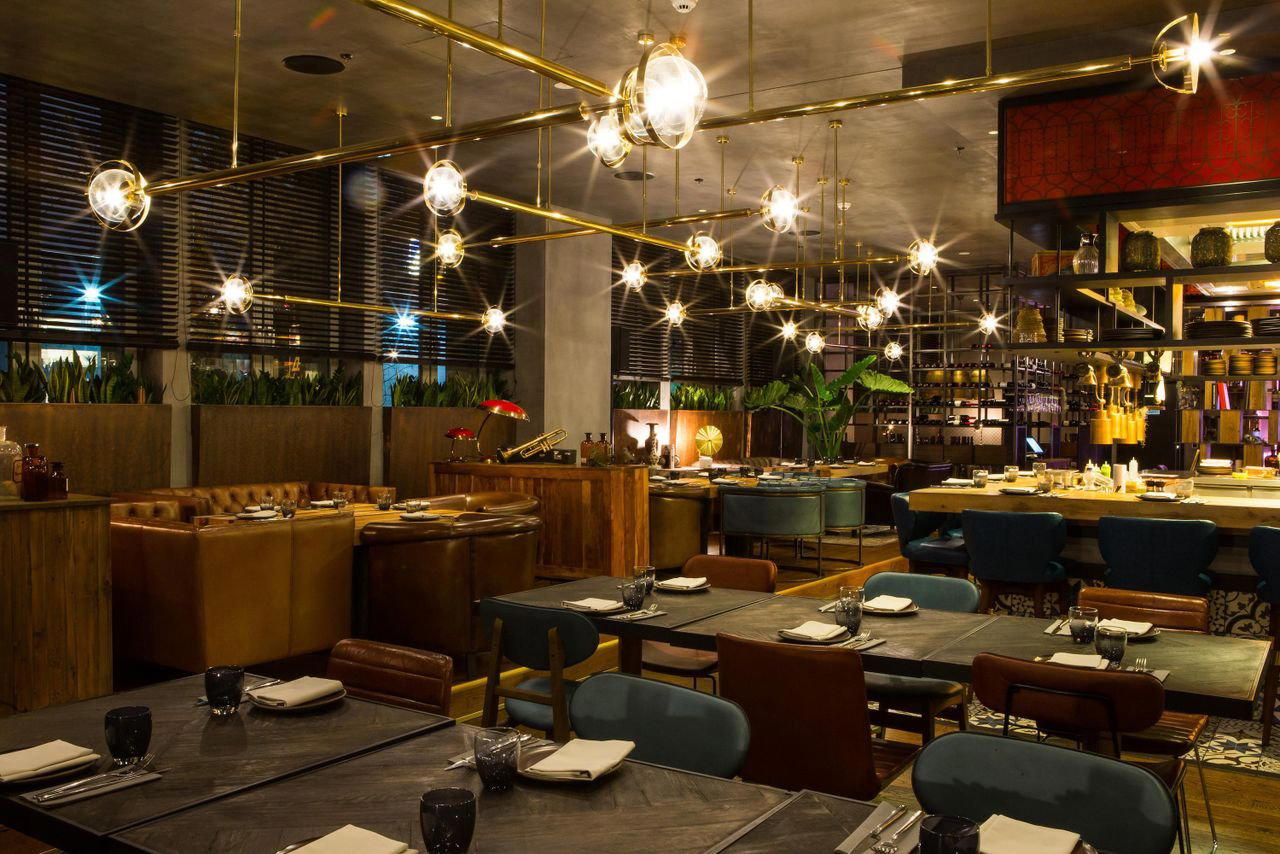
Where Kreuzberg's Dining Ambitions Meet the Southern Arc
Berlin's fine-dining geography has shifted considerably over the past decade. While Mitte and Prenzlauer Berg once absorbed most of the critical attention, a quieter consolidation has been happening along the southern corridor running through Kreuzberg and into Schöneberg. Hallesche Strasse sits within that corridor, close enough to the Landwehrkanal to carry a neighbourhood feel that the more tourist-heavy central districts have long since shed. Layla is a restaurant at Hallesche Str.
The physical approach along Hallesche Strasse is low-key by design. This is not a neighbourhood that signals ambition through façade theatrics. The building stock is largely postwar, the street pace unhurried, and the surrounding blocks suggest a local clientele rather than one bussed in from hotel concierge lists. Inside, the contrast between exterior modesty and interior intention is the kind of pivot that Kreuzberg has made a minor art form. The dining room operates at a remove from the street's ambient noise, which in practice means a room pitched at conversation rather than performance.
The Service Architecture: Front-of-House as Editorial Voice
In the better rooms across Berlin's current fine-dining tier, the division between kitchen ambition and floor execution has narrowed significantly. At Nobelhart & Schmutzig, for instance, the counter format means the team functions almost as a single unit, with front-of-house acting as direct intermediaries for the kitchen's sourcing decisions. Rutz has built a comparable integration between its wine program and tasting menu structure. The pattern across this tier is consistent: the sommelier and the front-of-house team are not accessories to the kitchen but active contributors to the guest's reading of the food.
At Layla, the editorial angle is similar. Venues working with Middle Eastern and Mediterranean registers in a European fine-dining context face a specific communication challenge: the flavour grammar is less codified for many guests than, say, a French or Japanese framework. That gap is typically closed not by menu notes alone but by floor staff who can translate the sourcing logic, the spice decisions, and the structural thinking behind a dish sequence. Where the kitchen provides the argument, the front-of-house provides the vocabulary. When those two functions align, the result is a meal with a coherent internal logic rather than a series of individually interesting plates.
This dynamic mirrors what has made certain rooms in comparable European cities compelling. Le Bernardin in New York City has sustained its position partly through a front-of-house culture that treats the guest's understanding as a deliverable, not an afterthought. Closer to home, FACIL has maintained consistency across its service tier even as the broader Berlin scene has cycled through trends. The lesson from both is that team coherence, across kitchen, floor, and cellar, tends to outlast individual moments of culinary novelty.
Berlin's Middle Eastern and Mediterranean Register
Berlin has absorbed Middle Eastern culinary influence more thoroughly than most comparable European capitals, partly through the longstanding communities that shaped Kreuzberg's food culture from the 1970s onward, and partly through a more recent wave of chefs working that tradition into formal dining contexts. The city's casual-to-fine spectrum in this cuisine type is unusually wide: the same postcodes that contain particularly discussed falafel and shawarma counters in Germany also now contain rooms where that heritage is being rethought at a higher technical register.
The broader European moment for this cuisine is well documented. London's Arab and Israeli-influenced dining rooms generated sustained critical attention through the 2010s, and that attention has gradually recalibrated expectations for what a serious Middle Eastern-influenced restaurant looks like in a major city. Atomix in New York City demonstrates a related dynamic for Korean fine dining: the moment when a cuisine moves from ethnic neighbourhood staple to critical conversation piece is rarely a clean transition, but the rooms that navigate it successfully tend to be those that treat the tradition as a living framework rather than a fixed aesthetic.
Layla's position on Hallesche Strasse places it at an interesting intersection of these forces. The address carries Kreuzberg's accumulated cultural weight without requiring the venue to perform it. For the broader Berlin scene, this represents a maturation point: rooms that can reference a tradition without reducing it to decoration are the ones that tend to generate the kind of word-of-mouth that drives sustained bookings rather than opening-week traffic.
Placing Layla in the Berlin Fine-Dining Tier
Berlin's recognised fine-dining rooms cluster into a relatively tight peer group. CODA Dessert Dining holds Michelin recognition for a format built around dessert as the structural frame for an entire meal, a genuinely narrow niche. Restaurant Tim Raue operates in the Asian-influenced high end. The pattern across these rooms is a willingness to commit to a specific culinary argument rather than offer a broadly approachable European menu. Layla's Kreuzberg location aligns it with this directional tendency without placing it inside the Mitte concentration.
For guests building a broader German itinerary, context matters. The Michelin-starred rooms that attract destination dining traffic operate differently outside Berlin: Aqua in Wolfsburg, Schwarzwaldstube in Baiersbronn, and Vendôme in Bergisch Gladbach each represent a more classical European high-end format. JAN in Munich, ES:SENZ in Grassau, and Victor's Fine Dining by Christian Bau in Perl extend that map further. Waldhotel Sonnora in Dreis, Restaurant Haerlin in Hamburg, Schanz in Piesport, and Bagatelle in Trier complete a national picture in which Berlin's contribution is less about classical technique than about conceptual range. Layla's address in Kreuzberg places it on the conceptual end of that spectrum.
Planning a Visit
Hallesche Strasse 10 is accessible from multiple U-Bahn lines, with Hallesches Tor (U1, U3, U6) one direct connection. The surrounding blocks include several other evening venues, which makes the address workable as part of a longer evening rather than a standalone destination requiring a taxi back. Reservations are recommended, and the restaurant is open nightly from 6 to 10 PM. Dress code is smart casual.
City Peers
Comparable venues nearby, for context on price, style, and recognition.
| Venue | Cuisine | Price | Notes |
|---|---|---|---|
| LaylaThis venue — the venue you are viewing | Modern Middle Eastern Mediterranean Fusion | $$$ | Not listed |
| Yafo | Modern Israeli | $$$ | Kreuzberg |
| Sama Beirut | Authentic Lebanese Street Food | $$ | Kreuzberg |
| Jemenitisches Restaurant | Authentic Yemeni | $$ | Neukolln |
| Saint Farah | Modern Levantine | $$ | Scheunenviertel |
| Bobbe Speisesalon | Kosher Israeli-Mediterranean | $$$ | Wilmersdorf |
Continue exploring
More in Berlin
Restaurants in Berlin
Browse all →
Bars in Berlin
Browse all →
Hotels in Berlin
Browse all →

At a Glance
- Trendy
- Elegant
- Modern
- Sophisticated
- Date Night
- Special Occasion
- Open Kitchen
- Craft Cocktails
- Local Sourcing
Current opening hours
- Monday
- 6–10 PM
- Tuesday
- 6–10 PM
- Wednesday
- 6–10 PM
- Thursday
- 6–10 PM
- Friday
- 6–10 PM
- Saturday
- 6–10 PM
- Sunday
- 6–10 PM
Hours can change for holidays and private events. Last verified .
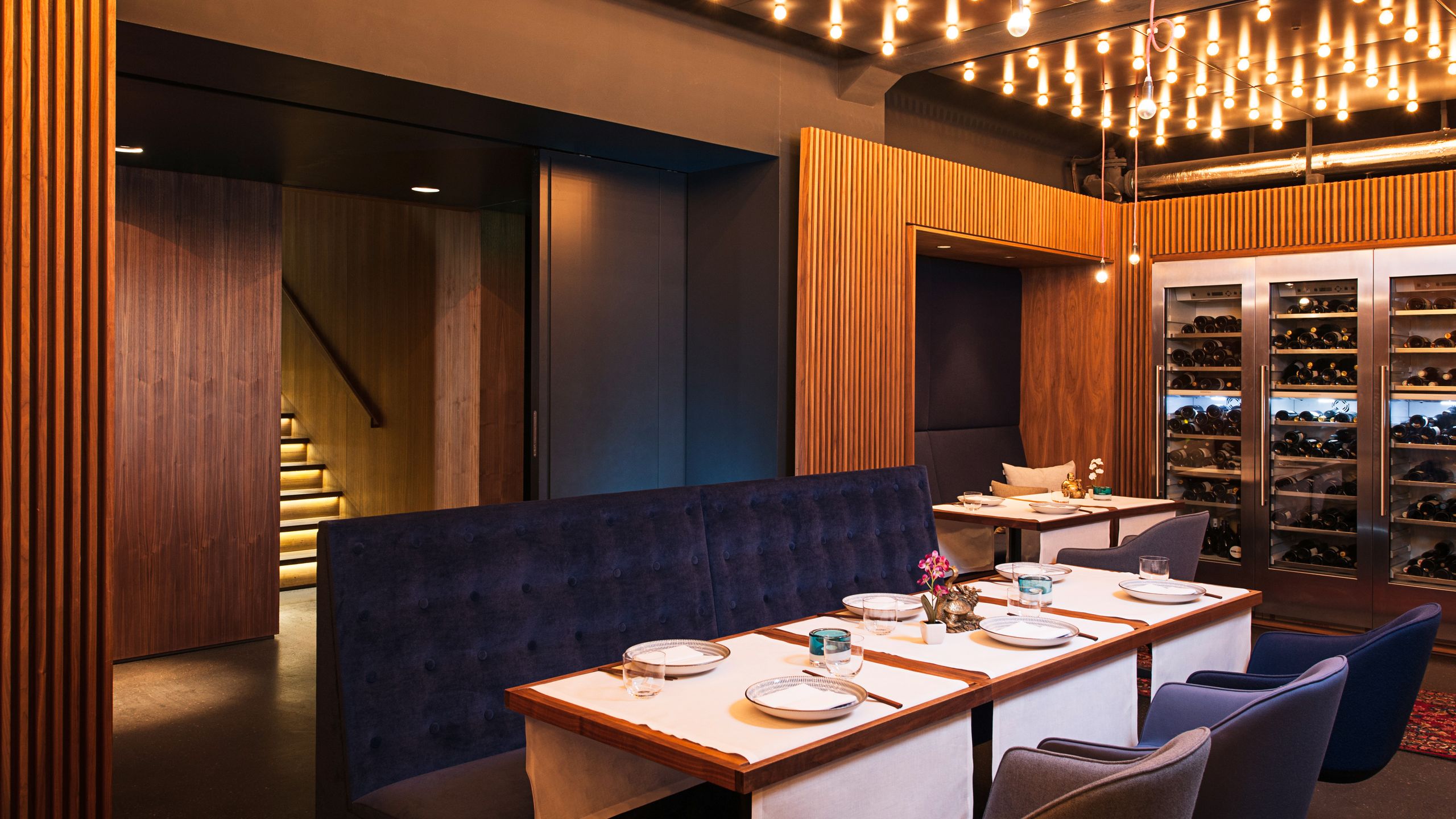
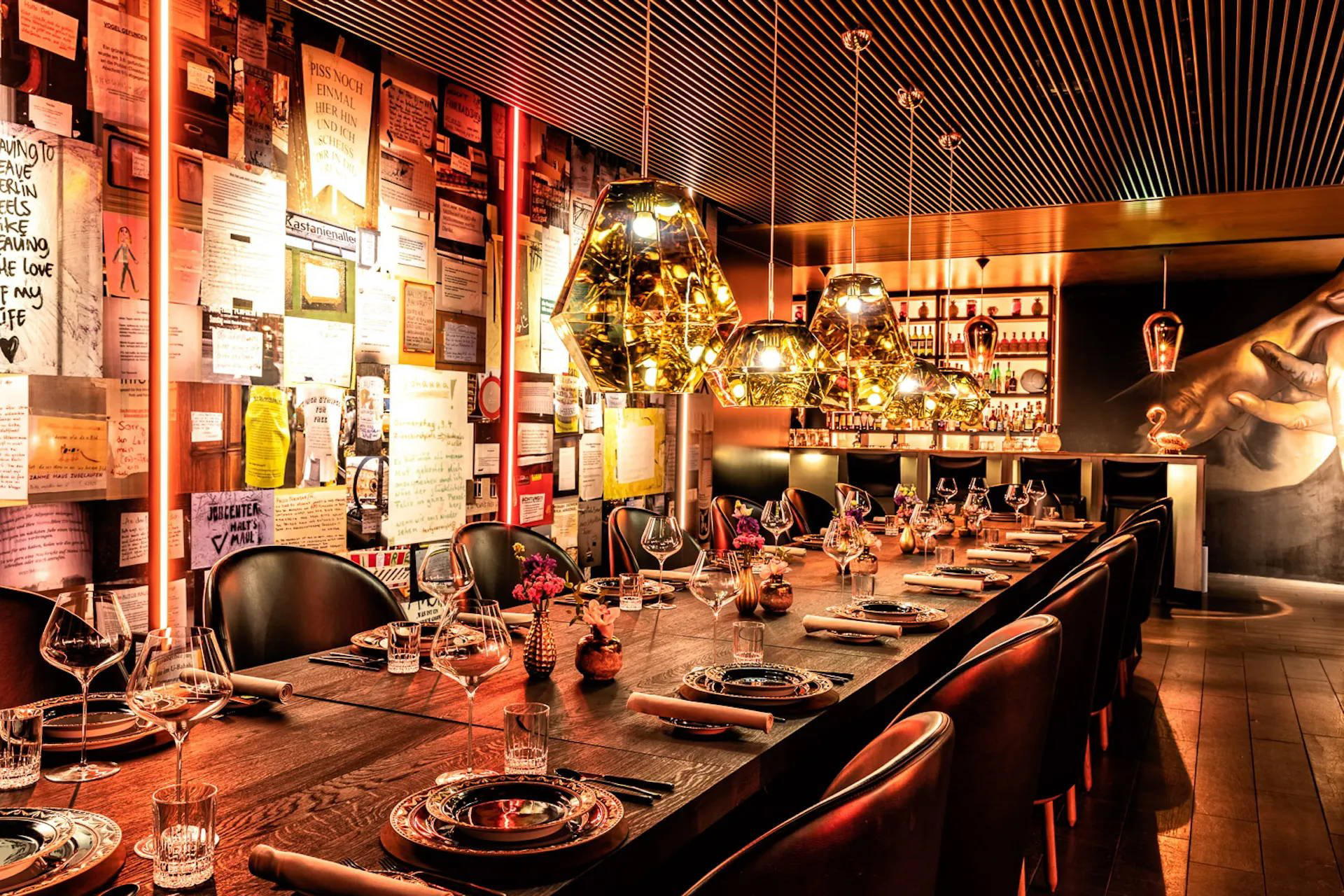
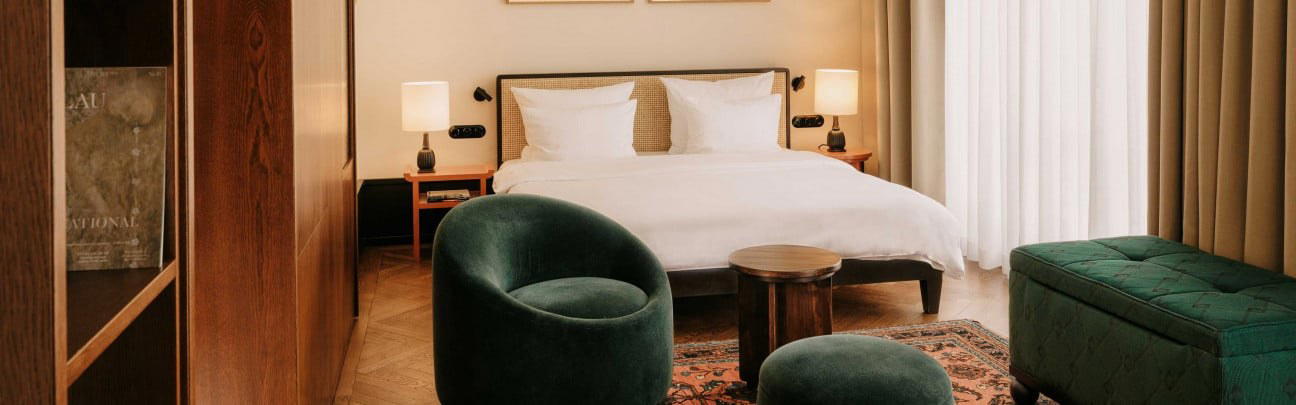
Tasteful contemporary interior with oriental accessories creating a glamorous, warm atmosphere without kitsch.