Korean BBQ at Pilestredet 63A sits in a neighbourhood where Oslo's dining scene has steadily diversified beyond its New Nordic axis. J2 Korean BBQ brings the tableside grill format to a city more accustomed to tasting menus and smørrebrød, offering a distinctly different register of communal eating. For Oslo visitors moving beyond the Michelin circuit, it represents a practical alternative in the Bislett area.
Pearl is the En Primeur Club membership app — saves, bookings, and concierge access live there. Same editors, same standards.
- Address
- Pilestredet 63A, 0350 Oslo, Norway
- Website
- j2restaurant.no
- Directions
- Get directions
 Saves & bookings on Pearl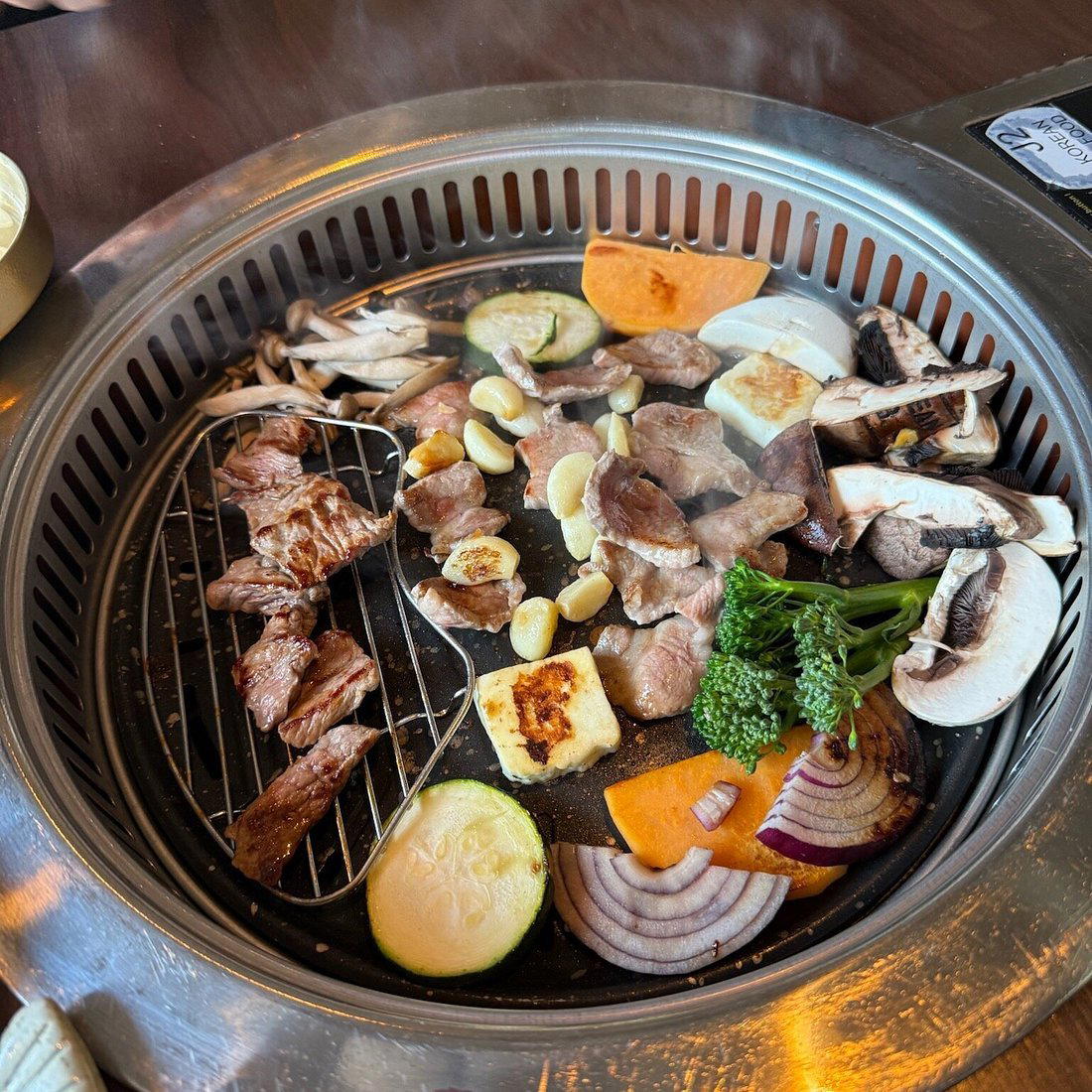
Grilling at the Table: Korean BBQ's Place in Oslo's Expanding Dining Scene
J2 Korean BBQ is a Modern Korean BBQ restaurant in Oslo, Norway. Oslo's restaurant identity has long been anchored by its New Nordic tradition, with venues like Maaemo and Kontrast setting a tone of foraged ingredients, restrained plating, and tasting-menu formality. But the city's dining map has been shifting. The neighbourhood around Pilestredet, running north from the city centre toward Bislett, has drawn a more varied mix of casual formats, and it is within that context that J2 Korean BBQ operates at number 63A. Korean BBQ as a category asks something different of a dining room: the table itself becomes the cooking apparatus, the meal unfolds communally rather than sequentially, and the sourcing of the protein is the central variable separating a credible operation from a generic one.
What the Korean BBQ Format Demands From Its Ingredients
The tableside grill format, as it has evolved from its origins in Korean jip-style restaurants, is unusually transparent. Unlike a kitchen that can correct errors in seasoning or technique before a plate reaches the table, Korean BBQ places the raw product directly in front of the diner. Fat marbling in the beef, the cut geometry of pork belly, the freshness of accompanying banchan: these are visible and tactile from the first moment. That transparency makes sourcing a non-negotiable rather than a selling point. In Seoul's premium samgyeopsal houses, the thickness of the pork belly slice and the provenance of the beef are the primary quality signals; the same logic applies anywhere the format is taken seriously.
Oslo is not an obvious city for this format. Norwegian beef production exists but is not typically associated with the high-fat marbling that Korean BBQ rewards, and the import logistics for well-sourced Korean-style cuts add cost and complexity that many casual operations avoid. Where a kitchen-cooked dish can mask sourcing gaps through technique, a tableside grill cannot. This is the central editorial question any Korean BBQ restaurant in a non-Korean city must answer: where does the protein come from, and does the operation take that question seriously?
The Bislett Area and Oslo's Casual Dining Tier
Pilestredet 63A sits in a part of Oslo that functions as a connector between Majorstuen to the west and Grünerløkka to the east, an area that has absorbed a steady stream of neighbourhood restaurants operating in the mid-range register. This is a different competitive environment from the tasting-menu tier occupied by Maaemo or the creative casual format at Bar Amour.
Within Oslo's broader restaurant geography, the Korean BBQ category remains thin. The city has developed stronger representation in Japanese, Thai, and Middle Eastern formats, making J2 Korean BBQ one of a small number of operators working this specific tradition. For a city that otherwise handles its dining diversity through modern creative formats and the occasional French reference point like Mon Oncle, a full Korean BBQ operation occupies a relatively uncrowded position.
Planning a Visit: Practical Considerations
Pilestredet is accessible from central Oslo without difficulty; the street runs parallel to Hegdehaugsveien and is within walking distance of the Bislett area tram stops. As with most neighbourhood restaurants in this part of Oslo, arriving with a reservation during peak dinner hours is advisable, particularly on weekends when the area's residential catchment fills casual dining rooms quickly. For the Korean BBQ format specifically, timing matters: the meal tends to extend across multiple rounds of grilling, and a table that feels unhurried at 7pm can become pressured if the kitchen has a firm last-seating policy. Reservations are recommended, and the restaurant is open Tuesday and Wednesday from 6 to 8:30 PM, Thursday through Saturday from 5 to 11 PM, and closed Monday and Sunday.
Oslo's dining costs reflect the city's general price positioning among European capitals: even mid-range restaurants operate at a price point that would qualify as premium in most other European cities. Korean BBQ in this context, with its protein-forward menu structure, tends to land in a range that makes it a considered rather than spontaneous choice for most visitors. For travellers who have spent time at venues like Atomix in New York, one of the more serious Korean fine-dining operations in the world, the restaurant operates in a recognisably different tier: communal, casual, and grill-centric rather than tasting-menu-structured. That is a meaningful distinction, not a criticism.
Norwegian Dining Beyond Oslo
For visitors spending time beyond the capital, Norway's restaurant geography rewards exploration. RE-NAA in Stavanger holds serious critical recognition in the Nordic fine-dining tier. FAGN in Trondheim and Gaptrast in Bergen each represent their cities' more considered dining options. Along the coast, Under in Lindesnes has drawn international attention for its submerged dining room format. Further north, Anita's Sjomat in Lofoten, Fiskekrogen in Henningsværet, Aurora Restobar in Kirkenes, Børsen Spiseri in Svolvær, and Underhuset in Reine cover a range of formats from seafood-specialist to northern-atmosphere dining. Hardanger House in Jondal represents the small-property rural category.
Comparison Snapshot
Comparable venues nearby, for context on price, style, and recognition.
| Venue | Cuisine | Price | Notes |
|---|---|---|---|
| J2 Korean BBQThis venue — the venue you are viewing | Modern Korean BBQ | $$$ | Not listed |
| Campo de' Fiori | Authentic Roman Italian | $$$ | Homans Byen |
| Prima Fila | Authentic Italian with Norwegian ingredients | $$$ | Vika |
| SKAAL Matbar | Modern European Small Plates | $$$ | Fredensborg |
| Palate | Mediterranean Grill with Scandinavian Influences | $$$ | Vaterland |
| B VIN | European Wine Bar | $$$ | Enerhaugen |
At a Glance
- Modern
- Cozy
- Trendy
- Date Night
- Group Dining
- Special Occasion
- Open Kitchen
- Extensive Wine List
- Local Sourcing
Current opening hours
- Monday
- Closed
- Tuesday
- 6–8:30 PM
- Wednesday
- 6–8:30 PM
- Thursday
- 5–11 PM
- Friday
- 5–11 PM
- Saturday
- 5–11 PM
- Sunday
- Closed
Hours can change for holidays and private events. Last verified .
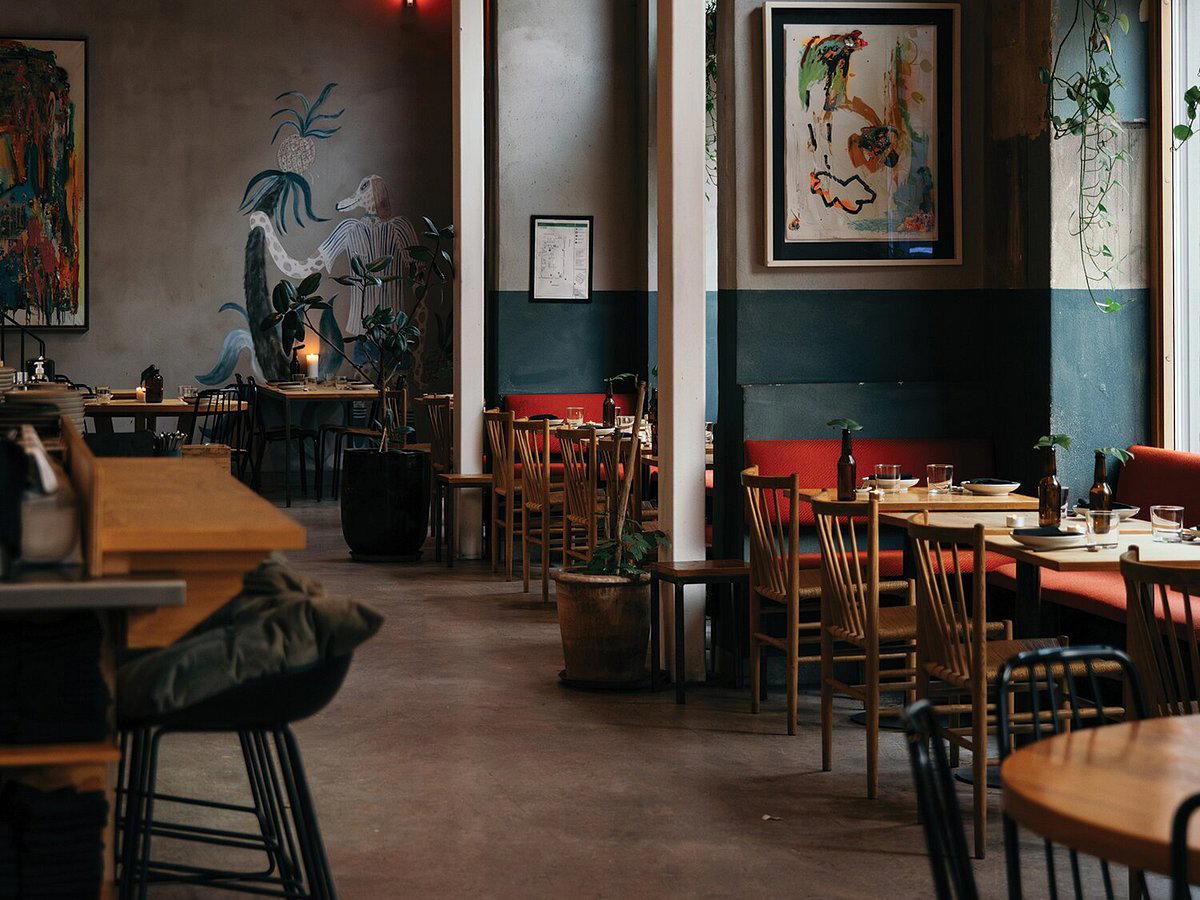
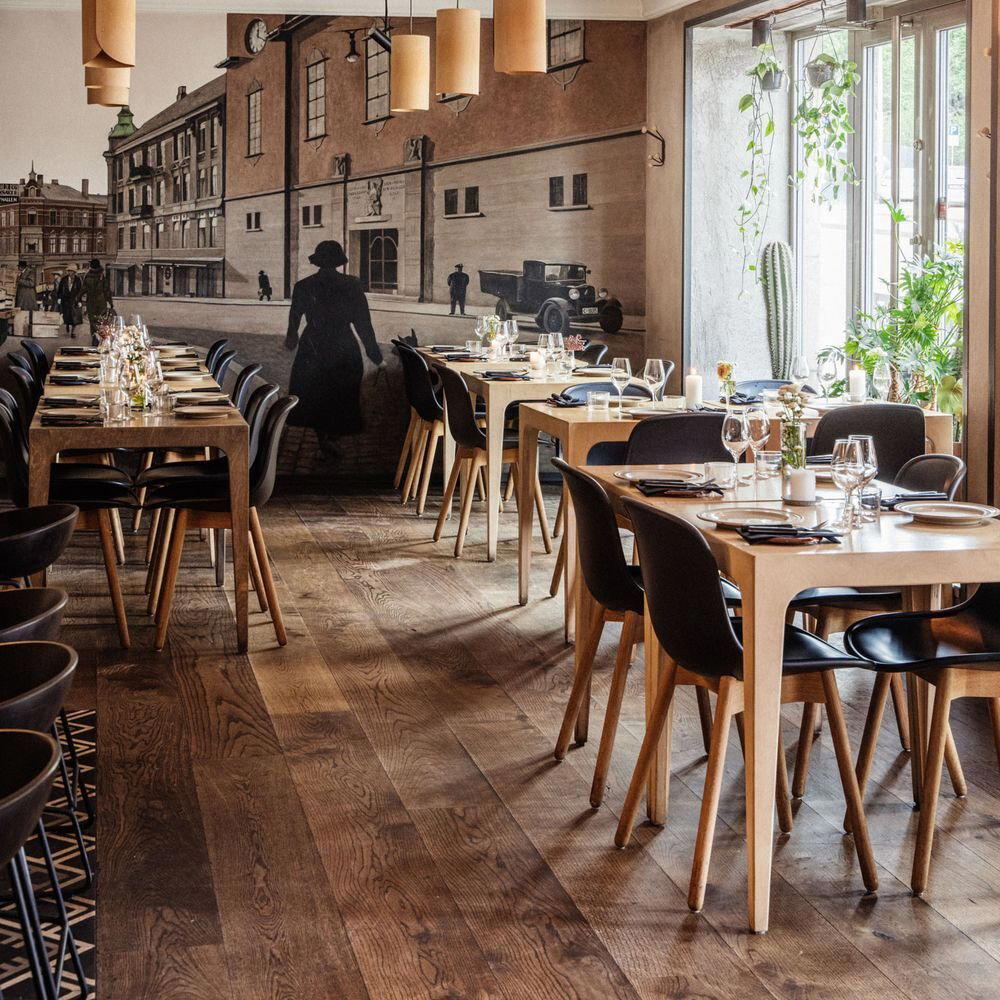
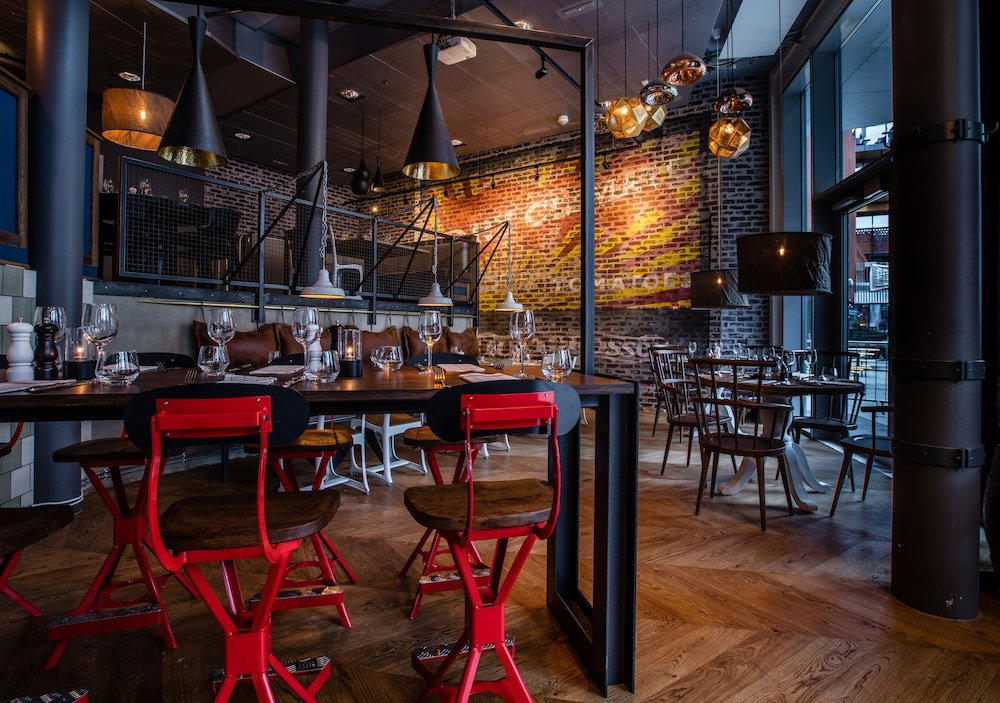
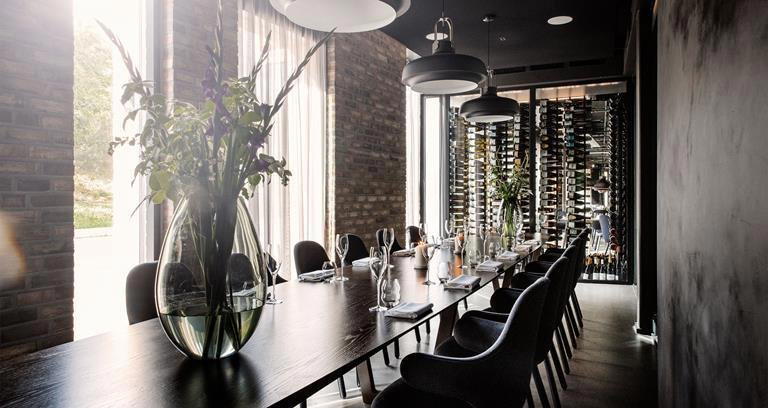
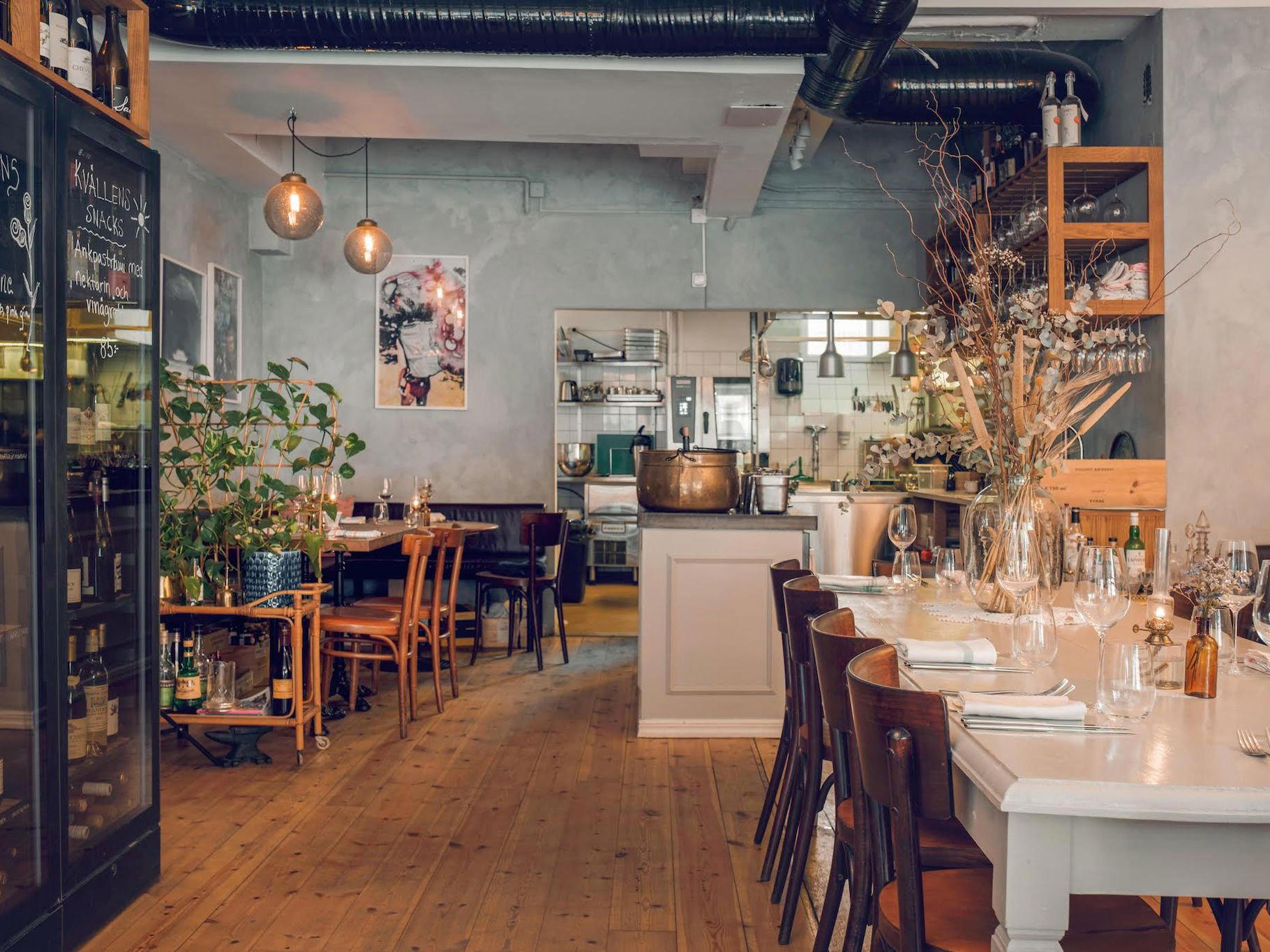
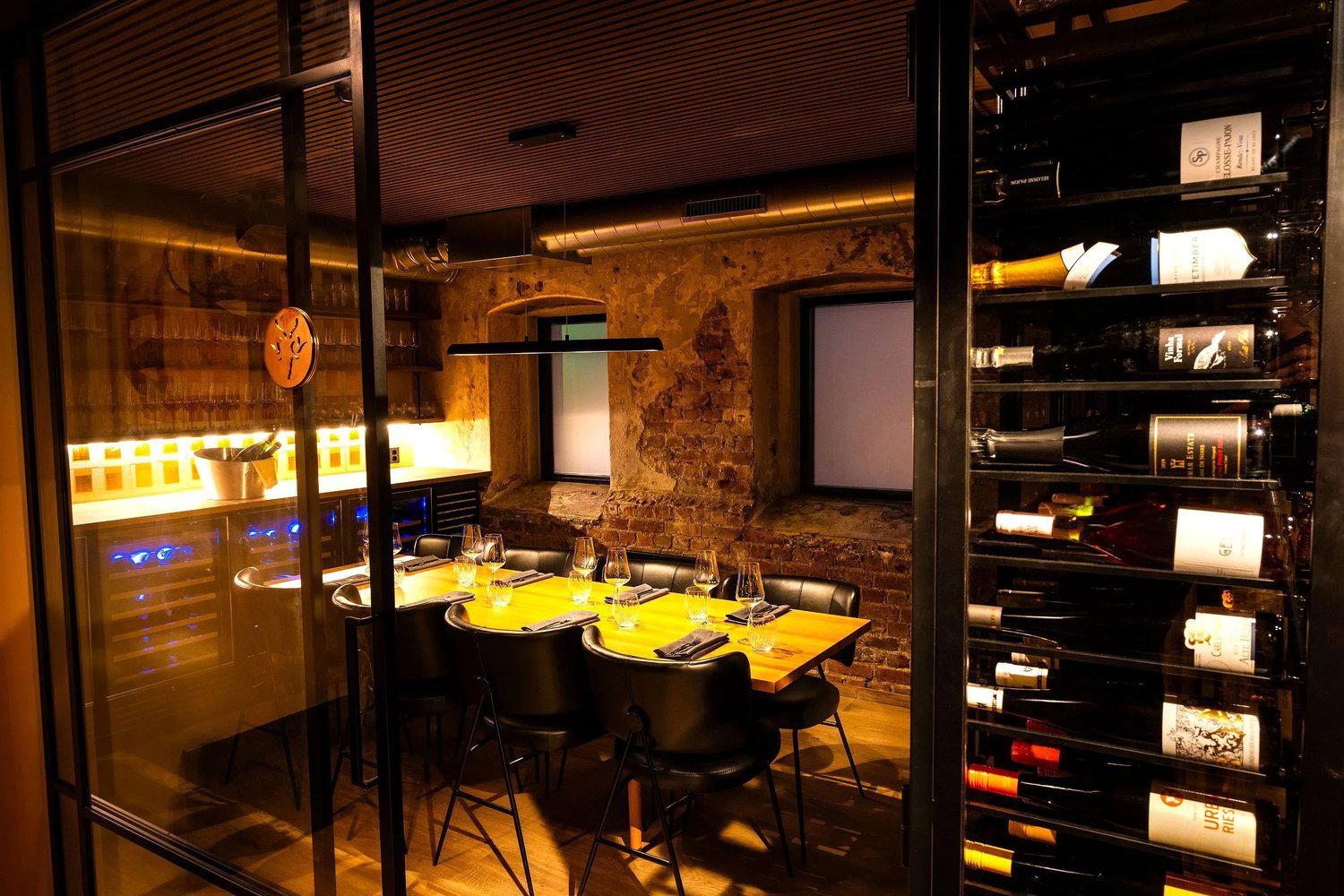
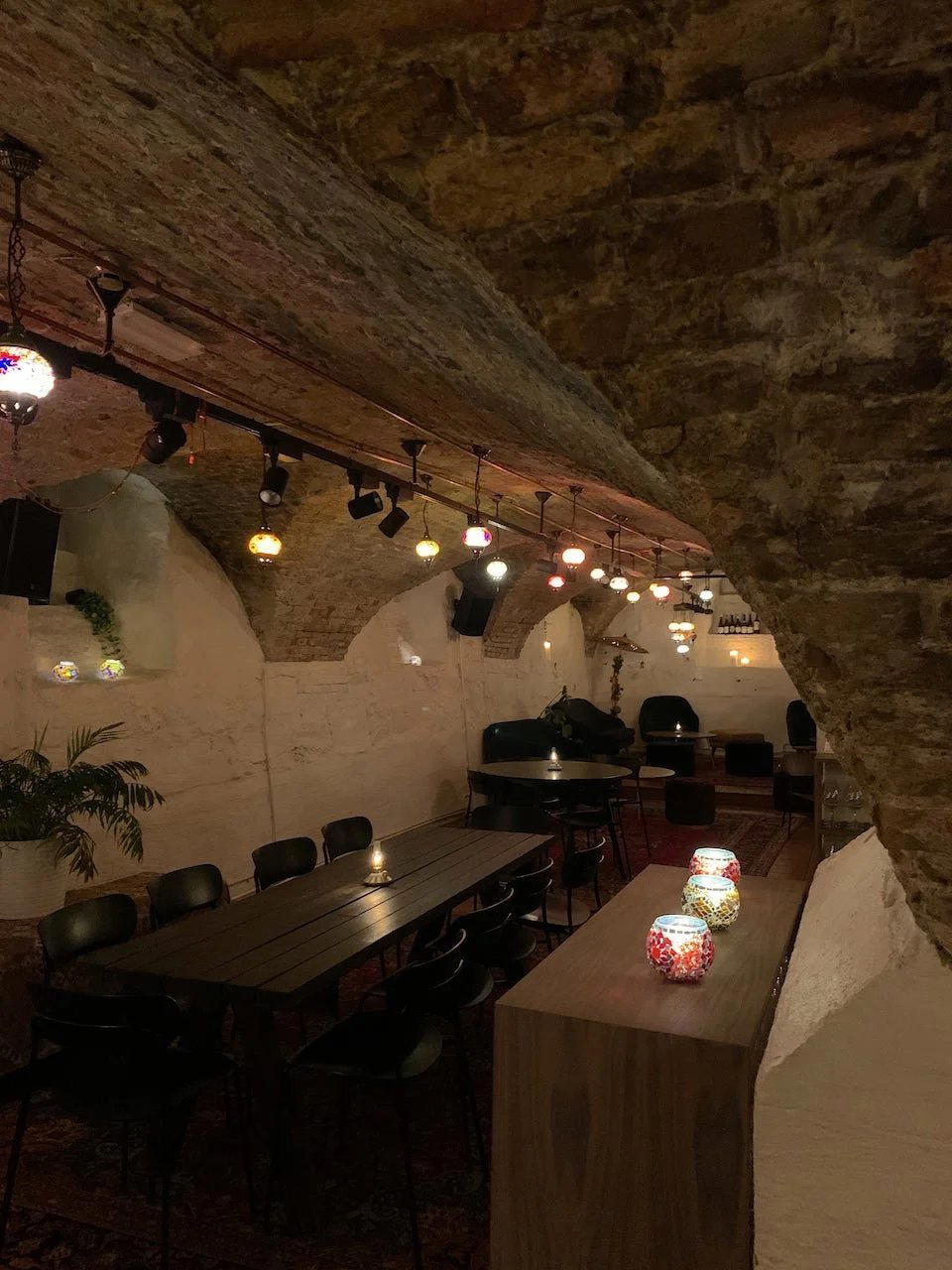
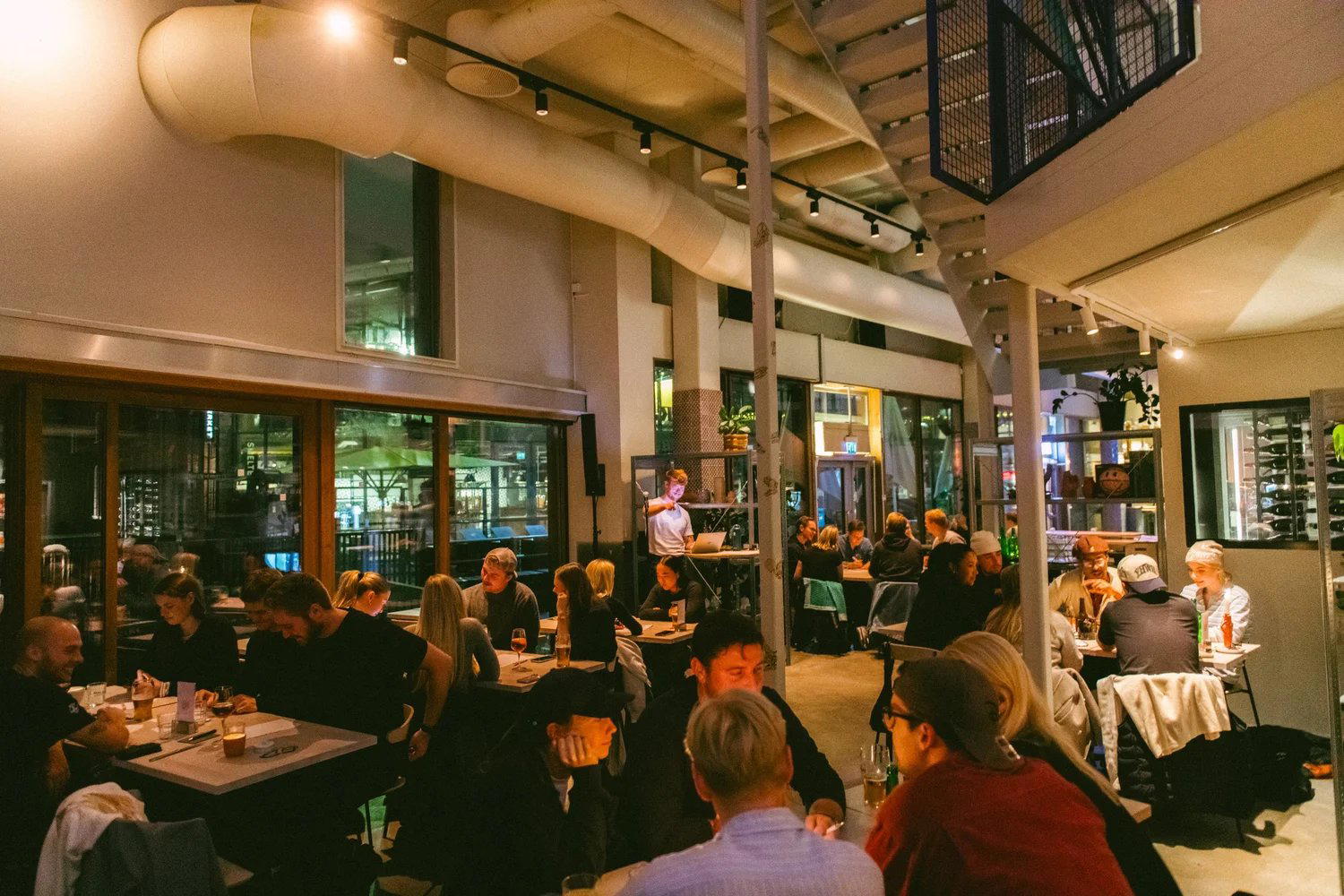
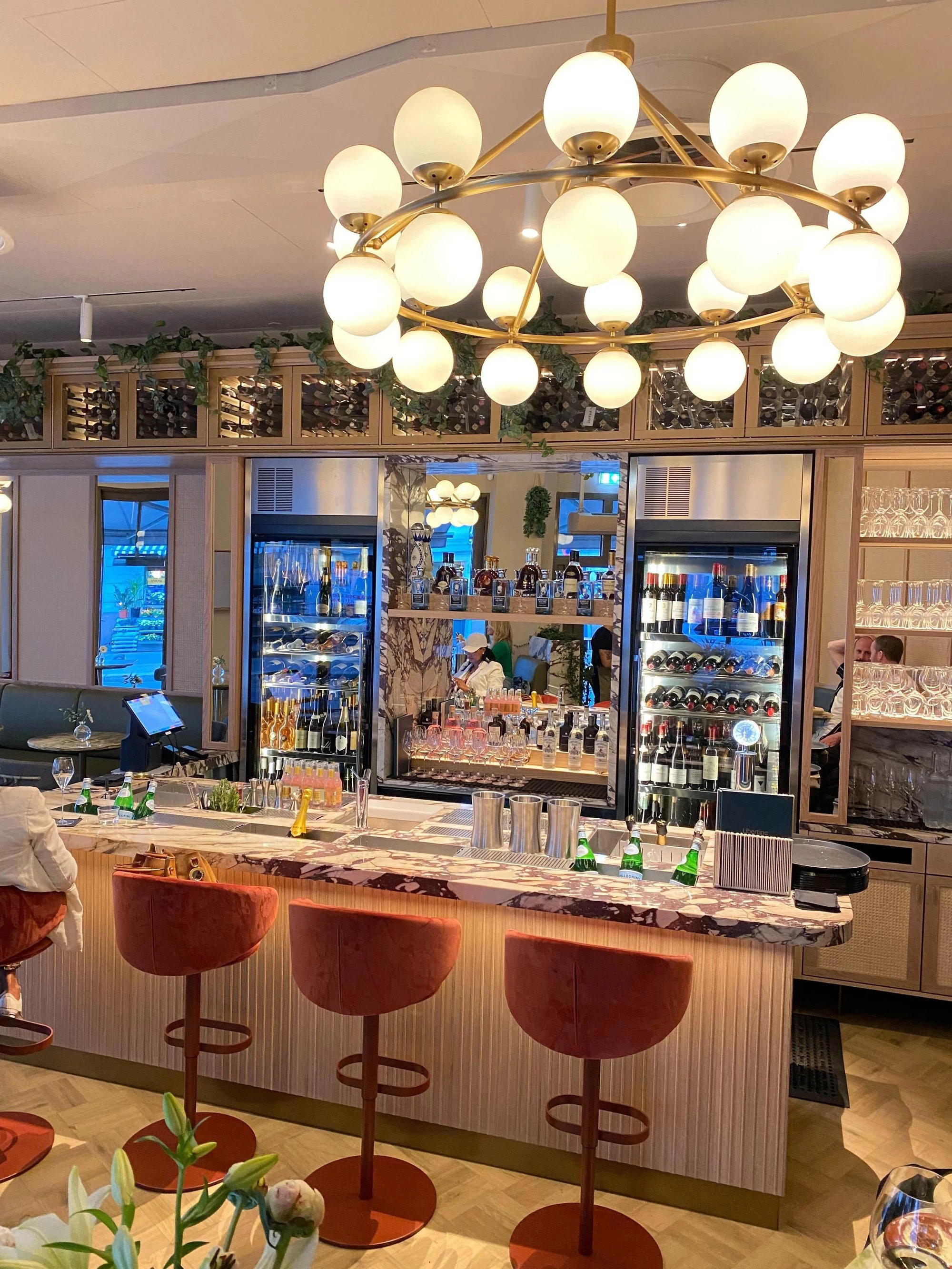
Cozy and intimate small space with a modern Korean atmosphere.