Izär

Izär brings Spanish culinary grammar to Ipanema at a price point that sits well below Rio's Michelin-starred tier, earning a Michelin Plate in 2024. On Rua Garcia d'Ávila, one of the neighbourhood's more composed commercial streets, it operates as a considered alternative to the Brazilian-focused fine dining that dominates the city's recognition circuit.
Pearl is the En Primeur Club membership app — saves, bookings, and concierge access live there. Same editors, same standards.
- Address
- Rua Garcia d'Avila, 118 - Ipanema, Rio de Janeiro - RJ, 22421-010, Brazil
- Phone
- +55 21 98385-7051
- Website
- linktr.ee
- Directions
- Get directions
 Saves & bookings on Pearl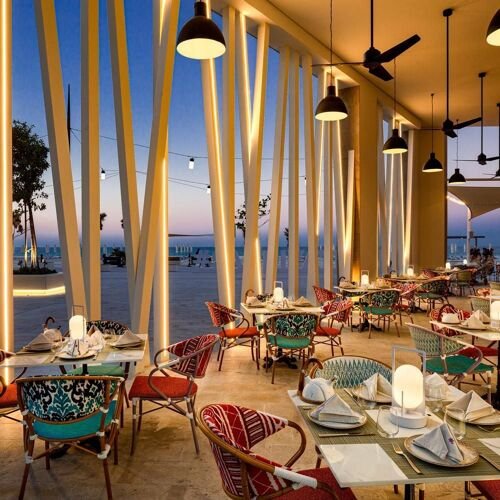
Spanish Cuisine in a Brazilian Context
Rio de Janeiro's recognised dining scene tilts heavily toward Brazilian and Italian references. The starred addresses, from Lasai and Oteque at the leading end to Oro and Casa 201, cluster around contemporary Brazilian produce or European frameworks filtered through local ingredients. Spanish cooking, as a distinct culinary tradition rather than a background influence, occupies a narrower lane. Izär, holding a 2024 Michelin Plate, operates in that lane on Rua Garcia d'Ávila in Ipanema, at a price point ($$) set at about $50 per person.
That positioning matters for what the menu can and should do. Spanish cuisine's real register runs from the austere and technique-driven to the communal and produce-led, with a structural logic quite different from the tasting-menu formalism that defines Rio's fine dining. The question at a mid-price Spanish address in this city is whether the kitchen commits to that logic or softens it into something more generically accessible. Izär's Michelin recognition, modest as a Plate rather than a star, signals that the guide found cooking worth noting, even if not yet at the level of Cipriani or the starred Brazilian houses.
What the Menu Structure Says
Spanish menus carry architectural assumptions that differ from French or Italian frameworks. Sharing formats, a sequence moving from cold preparations through warm small plates to larger main-course dishes, and a strong emphasis on preserved and cured ingredients are structural norms rather than stylistic choices. Where a Brazilian tasting menu reads as a linear authored narrative, a Spanish menu tends toward lateral abundance: more dishes at smaller scale, more decision-making by the table, more negotiation between courses. That model travels well to informal registers, which is part of why it suits a mid-range format.
At the $$ price point, the menu architecture at Izär would be expected to draw on Spain's more accessible canon: cured meats, conservas, egg-based preparations, rice dishes, and grilled proteins where sourcing rather than transformation does most of the work. The discipline required here is one of selection and calibration rather than technical showmanship. Getting the bread and fat right, sourcing the right preserved ingredients, and timing a rice correctly are less glamorous than a starred kitchen's interventions, but they are harder to fake. The kitchen appears to meet those demands with some consistency.
Spanish cooking's geographic breadth also creates menu choices with real consequences. The Basque Country, Catalonia, Castile, and Andalusia have sufficiently distinct traditions that a Spanish restaurant's menu signals a regional orientation, whether stated explicitly or implied through what appears on the plate. ZURRIOLA in Tokyo represents the Basque-focused end of the Spanish diaspora dining spectrum, where the kitchen's regional allegiance is explicit in both technique and sourcing. Arco by Paco Pérez in Gdańsk demonstrates how Spanish culinary frameworks can operate in contexts even further removed from the Iberian base. Izär's version of Spanish cooking in Rio is a different kind of transplant exercise, operating in a city that offers a strong competing pull toward local ingredients and where the Spanish tradition is not embedded in the wider restaurant culture the way Italian references are.
Ipanema as a Setting
Rua Garcia d'Ávila functions as Ipanema's most composed retail and dining corridor, running parallel to the beach but far enough from it to attract a neighbourhood clientele rather than tourist traffic alone. The street carries a quieter register than the beach-adjacent options, and restaurants here tend to draw residents and repeat visitors rather than the transient crowd that gravitates toward the seafront. For a Spanish address working in an unfamiliar culinary tradition, that audience is a practical advantage: diners who know what they are ordering and why they are there.
Compared to what you find at the same price tier elsewhere in Brazil, the Spanish positioning in Rio represents a specific bet. Manga in Salvador, Manu in Curitiba, and Mina in Campos do Jordão each anchor their cooking in Brazilian regional identity. D.O.M. in São Paulo built one of the country's most recognised addresses around exactly that local rootedness. Izär takes the opposite approach, maintaining a foreign culinary identity in a city with a strong sense of its own food culture. The 2024 Michelin Plate suggests that bet has found an audience.
Where Izär Fits the Rio Dining Map
Rio's Michelin circuit at the starred level requires serious financial commitment. The two-star houses and the strong one-star addresses sit at the $$$$ tier, with tasting menus and the booking complexity that goes with that format. The mid-range space, the $$ and $$$ tier, is less curated by international recognition, and finding cooking with genuine culinary intent at that level takes more local knowledge. Izär's Plate recognition is the guide's signal that this is a kitchen with a point of view, sitting in a price bracket where the competition is mostly undifferentiated.
Beyond Rio, the Michelin-recognised Brazilian dining scene extends across several cities. Castelo Saint Andrews in Gramado and Orixás in Itacaré represent the range of formats and registers that the guide now tracks across the country.
Planning a Visit
Izär sits on Rua Garcia d'Ávila, 118, in Ipanema, accessible from the Ipanema-General Osório metro station on Line 1, which is a short walk from most of the neighbourhood. The $$ pricing means a full meal for two lands well within the budget of a single cover at the starred houses, making it a practical option for a secondary evening during a longer Rio stay or as a first entry point into the neighbourhood's dining scene. Given the 4.7 rating and the Michelin Plate attention, table availability at peak times warrants a reservation rather than a walk-in approach, particularly on weekend evenings when Ipanema's restaurant strip operates at full capacity. Booking in advance is the direct approach.
Just the Basics
Comparable venues nearby, for context on price, style, and recognition.
| Venue | Cuisine | Price | Notes |
|---|---|---|---|
| IzärThis venue — the venue you are viewing | Leblon, Modern Spanish Paella and Tapas | $$$ | Not listed |
| Rufino Parrilla | Leblon, Authentic Argentinian Parrilla | $$$ | Not listed |
| Lilia | Centro, Modern Brazilian Creative | $$$ | Not listed |
| Chez Claude | Leblon, Franco-Brazilian Bistro | $$$ | Not listed |
| Haru Sushi Bar | Copacabana, Japanese Sushi & Omakase | $$$ | Not listed |
| Térèze | Not listed | $$$ | Lapa, Contemporary French with Brazilian Influences |
Recognition history
Dated appearances from independent guides and award organizations, with the underlying list record or original source where available.
Michelin Plate
Michelin
Continue exploring
More in Rio de Janeiro
Restaurants in Rio de Janeiro
Browse all →
Bars in Rio de Janeiro
Browse all →



At a Glance
- Modern
- Trendy
- Date Night
- Special Occasion
- Open Kitchen
- Corkage Allowed
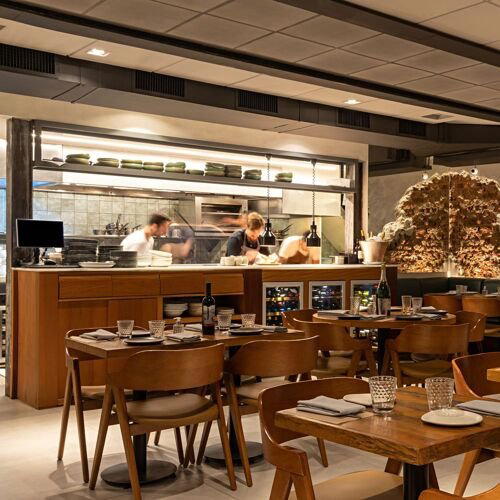
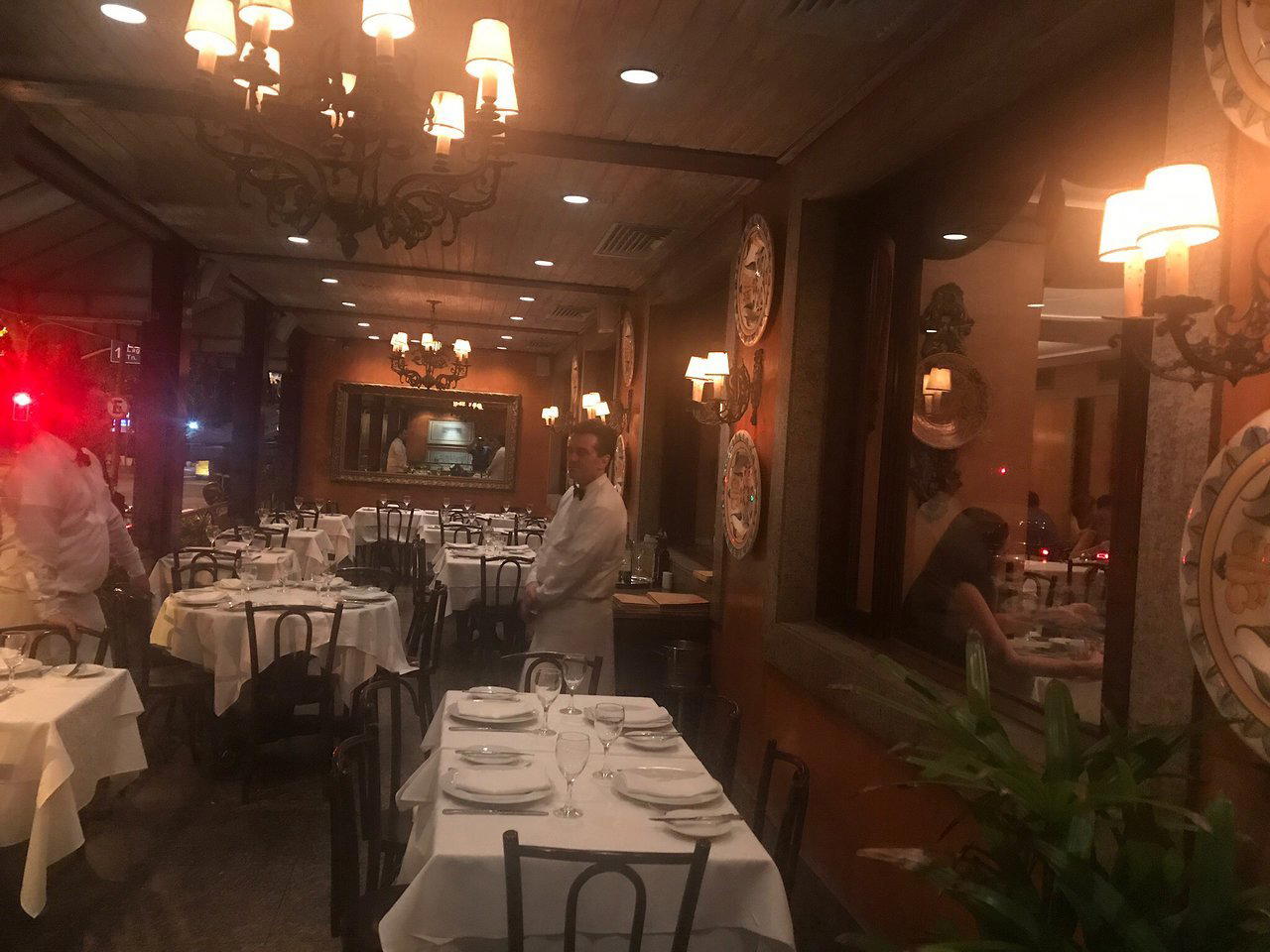
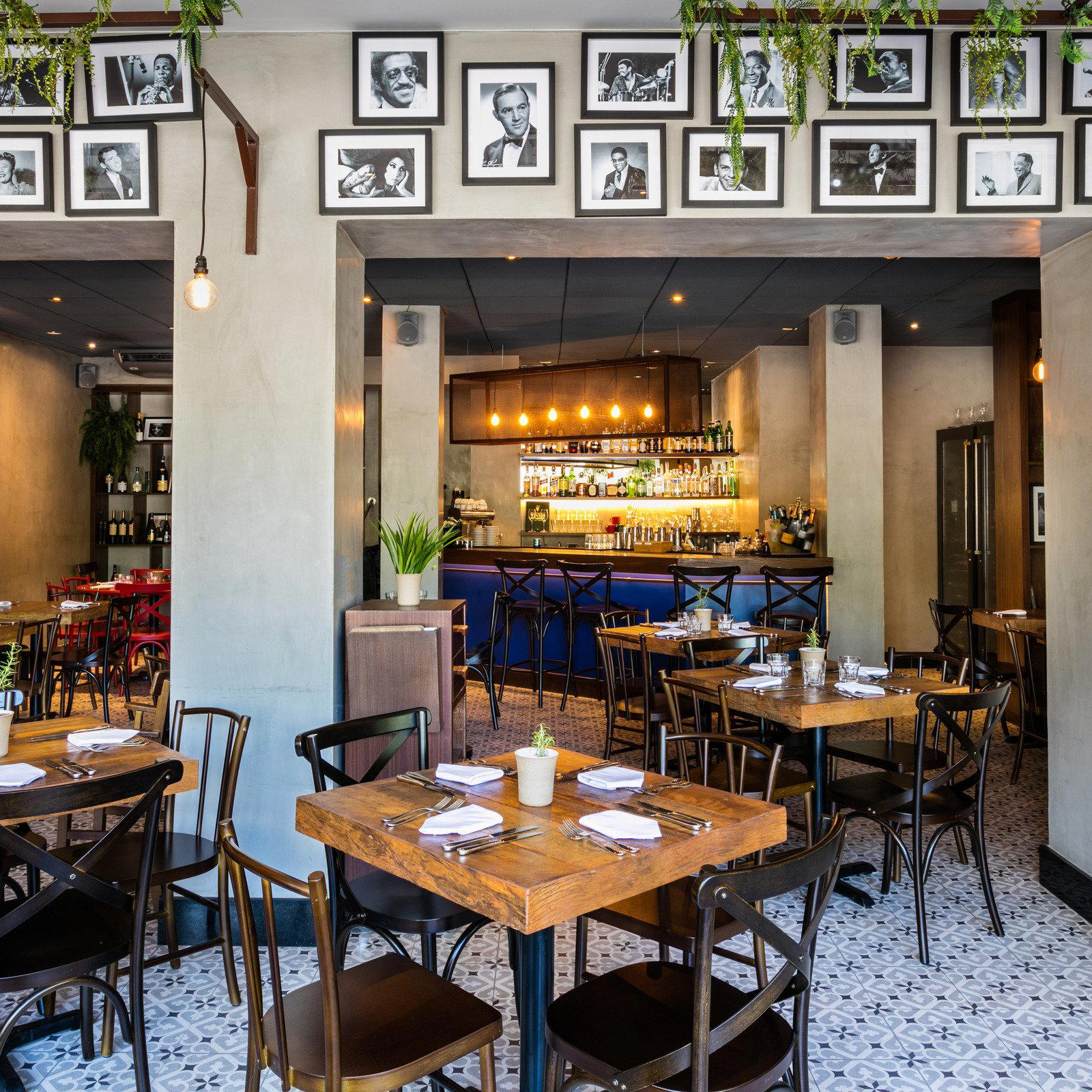
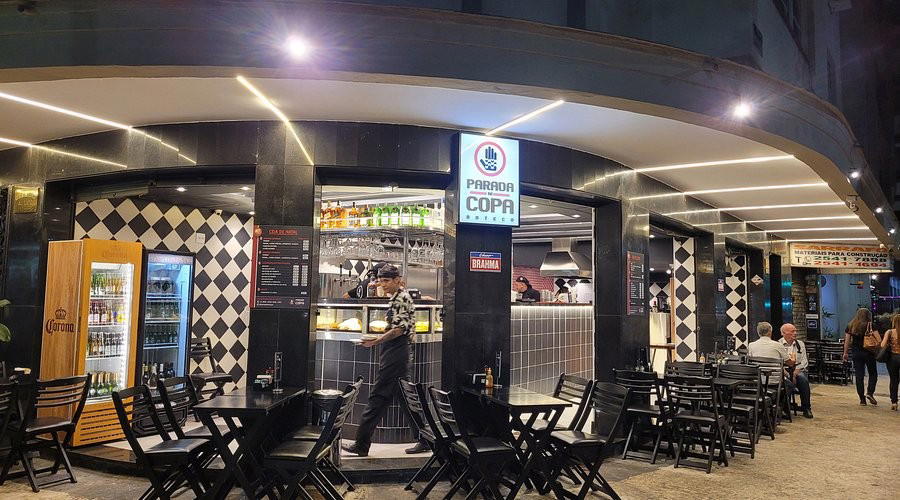
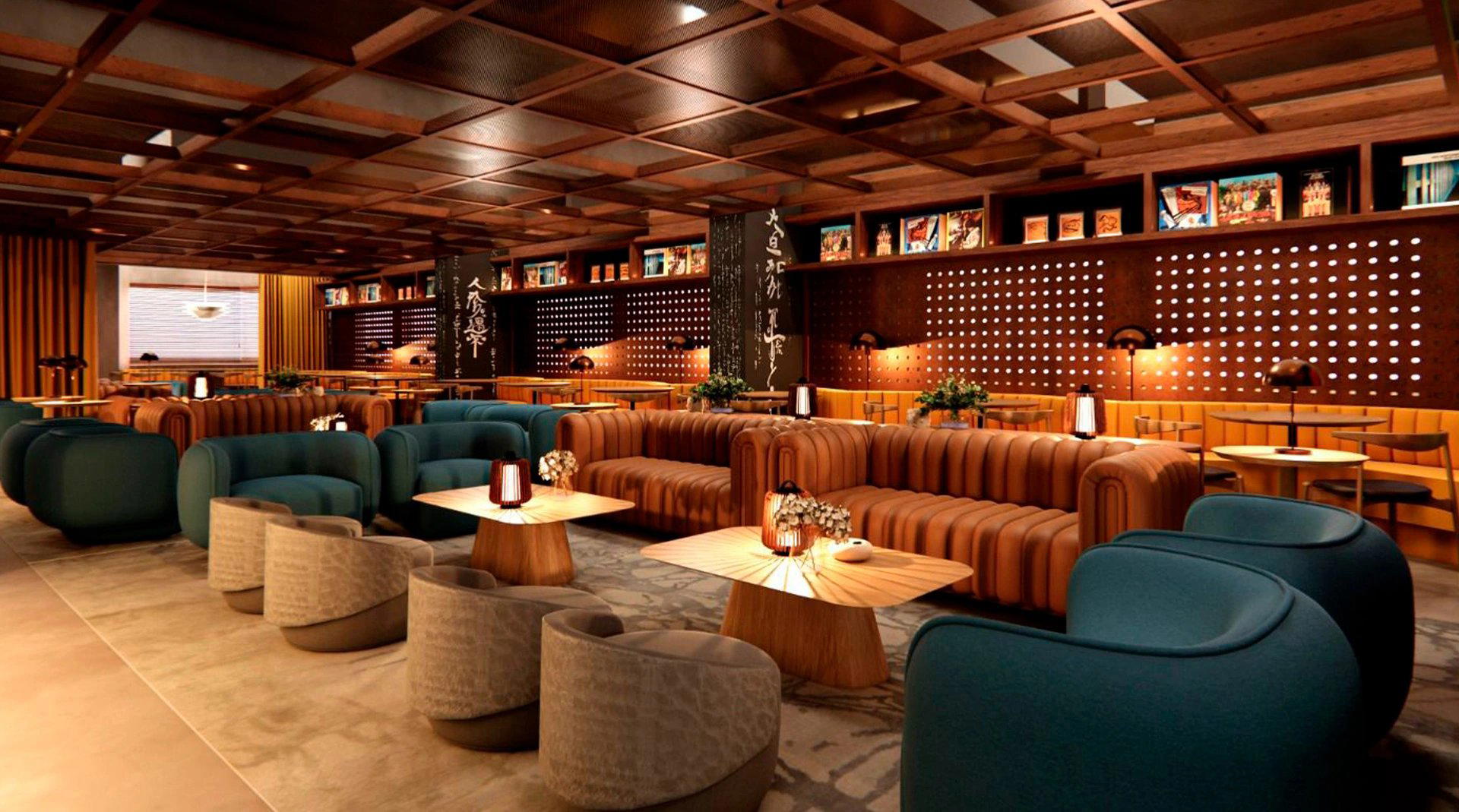
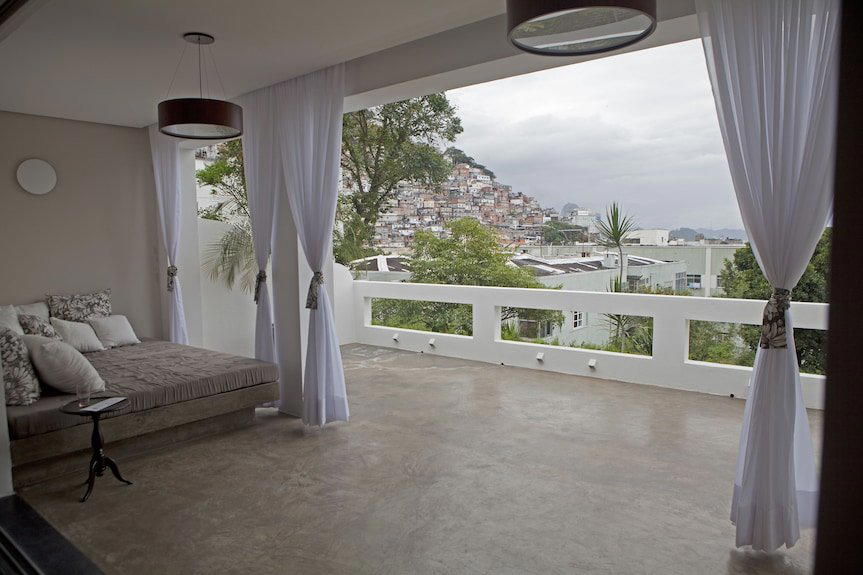
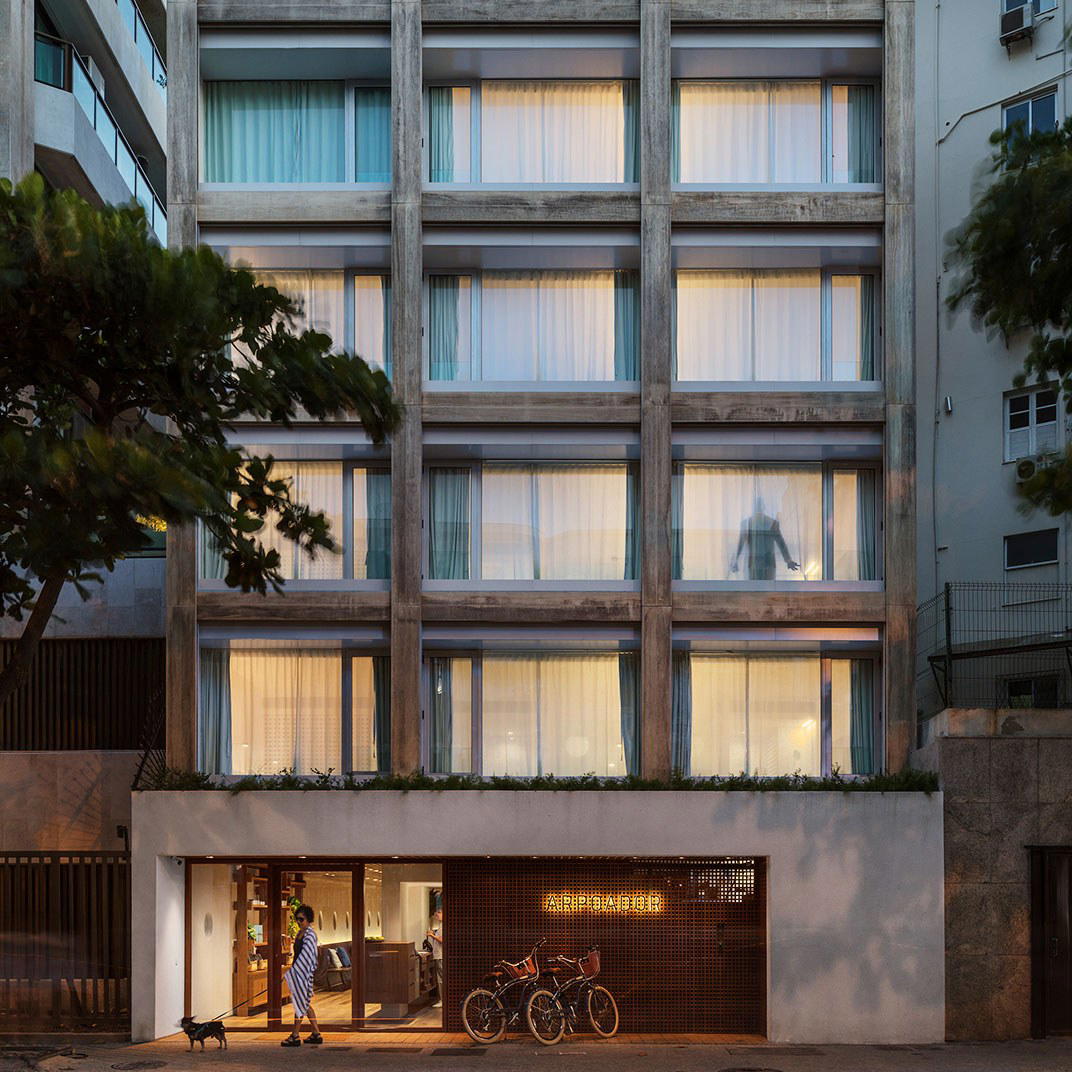
Bright, modern, and spacious interior with stone walls, charming decor, pleasant atmosphere, and semi-open kitchen.