On Augustenstraße in Stuttgart's West district, Italo Disco occupies a corner of the city where neighbourhood regulars set the pace rather than visiting gastronomes. The name signals a sensibility: knowing, a little playful, rooted in a particular era of European popular culture. It draws a crowd that returns on rhythm rather than occasion, which in Stuttgart's mid-range dining scene carries its own form of credibility.
Pearl is the En Primeur Club membership app — saves, bookings, and concierge access live there. Same editors, same standards.
- Address
- Augustenstraße 70, 70178 Stuttgart, Germany
- Phone
- +4971141492791
- Website
- italodisco.pizza
- Directions
- Get directions
 Saves & bookings on Pearl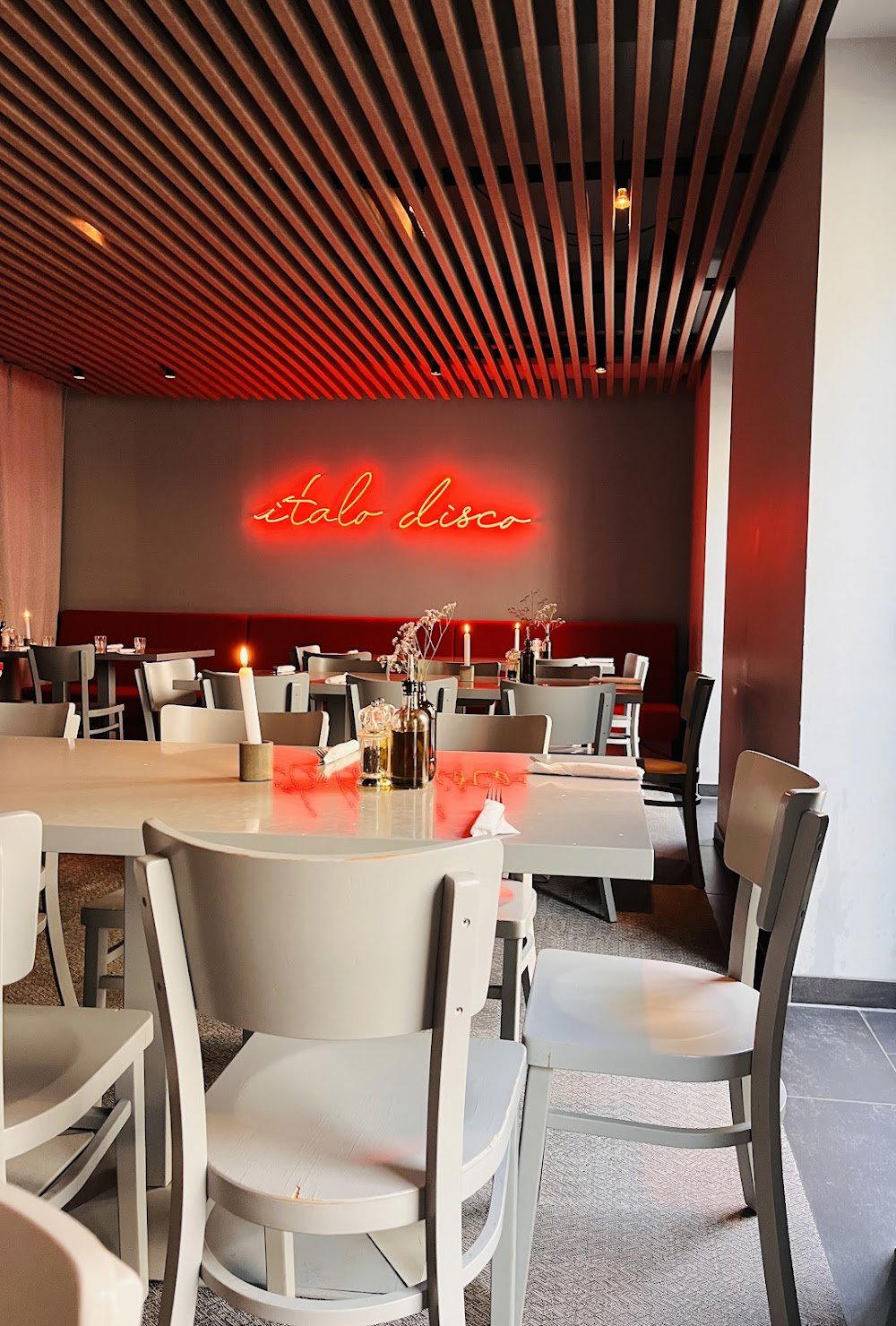
Stuttgart West and the Rhythm of the Return Visit
Augustenstraße runs through Stuttgart's Westend like a long argument about what a neighbourhood bar-restaurant should be. The street holds a particular density of places that exist primarily for their regulars, venues where the first visit is a test and the second is the point. Italo Disco, at number 70, operates in that register. The name alone, borrowed from a genre of synthesiser-driven pop that was too commercial for critics and too European for American radio, signals a certain self-awareness, a willingness to be liked without needing to be taken seriously on anyone else's terms.
Stuttgart's dining scene has a fault line running through it. On one side sit the formal tasting-menu houses: Speisemeisterei, Délice, and 5 represent a tier of fine dining that anchors the city's Michelin standing and prices accordingly. On the other side is a stratum of neighbourhood places that sustain themselves not through accolades but through habitual use, places that regulars treat less like a destination and more like a standing arrangement. Italo Disco operates closer to that second category, which in a city with Stuttgart's engineering-industry wealth and relatively conservative dining culture is a considered position to occupy.
What Regulars Actually Know
The regulars' relationship with a place like this tends to encode information that no review captures cleanly. They know which nights are worth the room and which are quieter; they know when to arrive without a reservation and when to call ahead. They know, in the way that only repeated exposure teaches, which items on the menu are consistent and which are subject to the kitchen's mood or the season's supply. None of that knowledge is on the wall. It accumulates in the body through visits, which is precisely what a neighbourhood format is designed to produce.
Stuttgart's Westend has a particular character among the city's quarters. It is denser and more pedestrian than the hillside residential zones, and it holds a higher concentration of independently operated food and drink venues than the city centre's more corporate stretch. The creative dining that defines places like Der Zauberlehrling and Hegel Eins operates in a different register, but they share with Italo Disco an address philosophy: the neighbourhood itself is part of the offer, not just a postcode.
Across Germany, the venues that sustain the loyal clientele tend to be those that resist the logic of the occasion meal. CODA Dessert Dining in Berlin and JAN in Munich both command attention through format innovation and critical recognition, which is one kind of durability. The durability of a regulars' place is different: it accrues through consistency and familiarity rather than through novelty, and it is less vulnerable to shifts in critical taste. Germany's broader restaurant culture, from Aqua in Wolfsburg to Schwarzwaldstube in Baiersbronn, rewards both models, but they require entirely different operational philosophies.
The Italian Reference and What It Implies
The Italo prefix in the name is not incidental. Italian-inflected dining in German cities has a long and occasionally awkward history: the category spans everything from authentic regional cooking to the pan-European approximations that filled the gaps left by postwar migration patterns. Stuttgart, like Frankfurt and Munich, has a substantial Italian community whose influence on the city's food culture is older and more textured than the casual-dining category suggests. A name like Italo Disco positions itself somewhere in that conversation, with enough irony in the disco suffix to signal that the reference is affectionate rather than earnest. Whether the kitchen bears that out is a matter the regulars would be better placed to judge than a single visit allows.
The high end of Italian-influenced fine dining in Germany, represented at places like Vendôme in Bergisch Gladbach or Victor's Fine Dining in Perl, works with Italian techniques and product sourcing at a level of formality and price that places them firmly in the destination-dining category. Waldhotel Sonnora in Dreis, ES:SENZ in Grassau, and Schanz in Piesport define a tier of German fine dining where the price, format, and critical attention are mutually reinforcing. The restaurant operates without that scaffolding, which is not a deficit so much as a different kind of structural logic. Restaurant Haerlin in Hamburg, Le Bernardin in New York, and Atomix in New York anchor their reputations through award cycles and critical continuity. A neighbourhood venue in Stuttgart West anchors its through something less legible and more durable: the fact that the same people keep showing up.
Planning a Visit
The restaurant is on Augustenstraße 70 in Stuttgart's Westend, a quarter that is walkable from the central station and well-served by the city's tram network. The venue sits in a neighbourhood that rewards arriving without a fixed agenda: the street has enough going on that an early drink elsewhere before or after is direct.
What It’s Closest To
Comparable venues nearby, for context on price, style, and recognition.
| Venue | Cuisine | Price | Notes |
|---|---|---|---|
| Italo DiscoThis venue — the venue you are viewing | Trendy Neapolitan-Style Pizza & Pasta | $$ | Not listed |
| Restaurant Empore | Italian Market Hall Restaurant | $$ | Gablenberg |
| Il Quinto Quarto | Authentic Italian Trattoria | $$$ | Berg |
| CQ Flavour | Authentic Sichuan & Chongqing Chinese | $$ | Asemwald |
| Er Vaquita | Authentic Spanish Seafood | $$ | Heslach |
| La Bamboo | Authentic Sri Lankan | $$ | Heslach |
Continue exploring
More in Stuttgart
Restaurants in Stuttgart
Browse all →
Bars in Stuttgart
Browse all →

Hotels in Stuttgart
Browse all →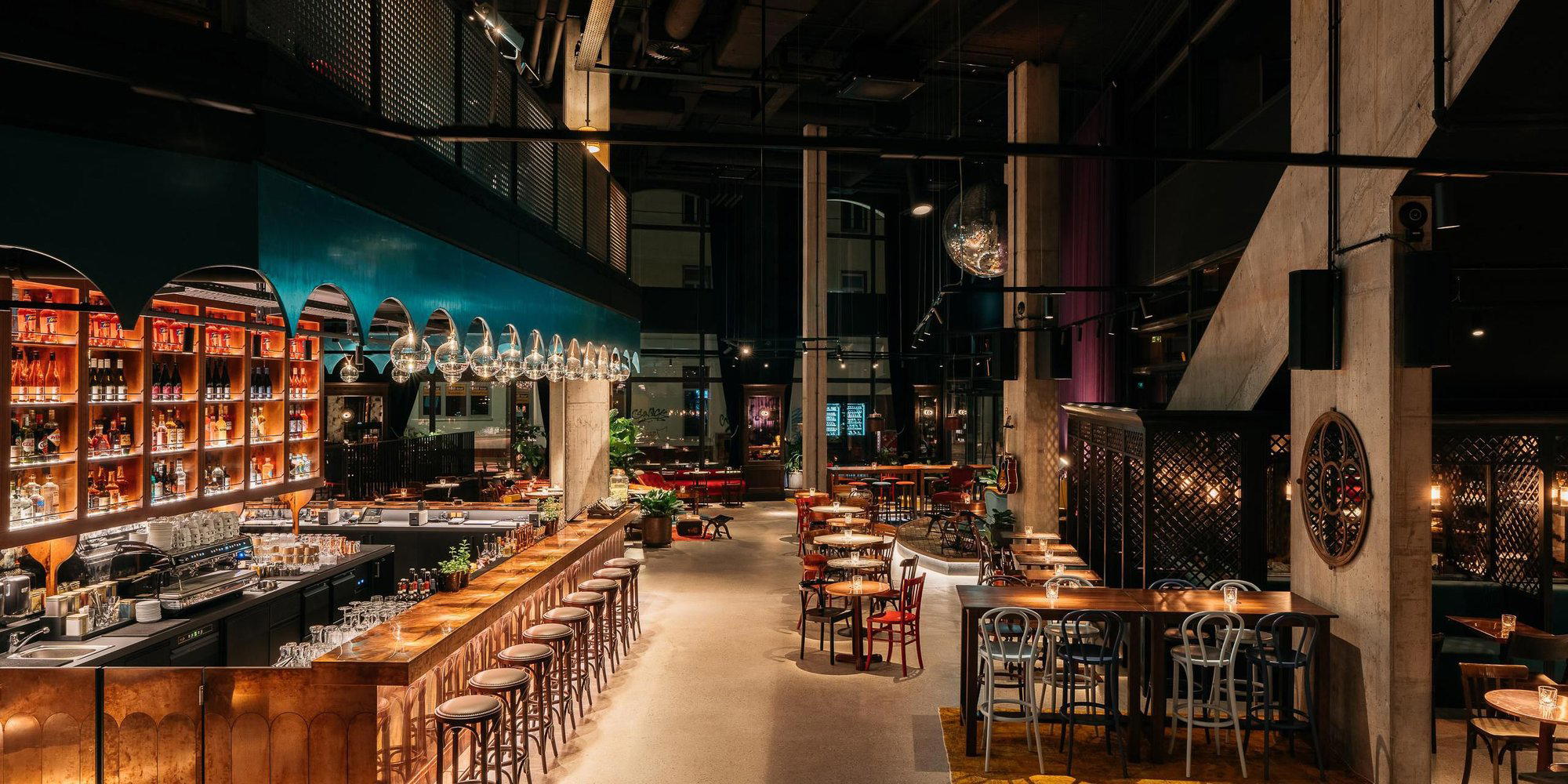

At a Glance
- Trendy
- Lively
- Energetic
- Casual Hangout
- Group Dining
- Date Night
- Open Kitchen
Current opening hours
- Monday
- 5–11 PM
- Tuesday
- 5–11 PM
- Wednesday
- 5–11 PM
- Thursday
- 5–11 PM
- Friday
- 5 PM–12 AM
- Saturday
- 5 PM–12 AM
- Sunday
- 5–11 PM
Hours can change for holidays and private events. Last verified .
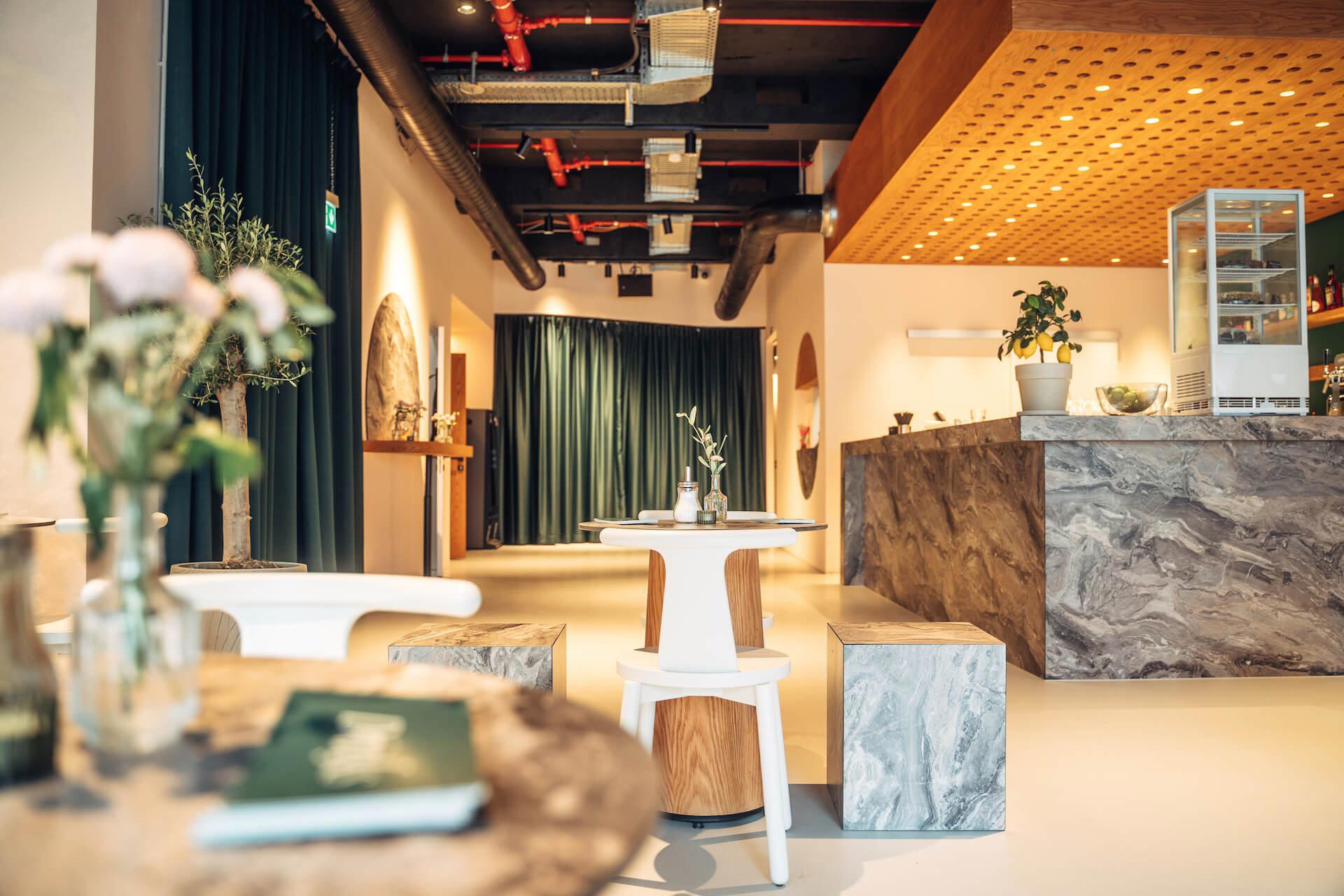
Energetic and hip atmosphere with spritzy beats from the DJ booth at the entrance, lively music, and a fun party feel during dinner.