La Bamboo occupies a corner of Stuttgart's Schwabstraße 129 that rewards the curious rather than the obvious. The address sits outside the city's established fine-dining cluster, placing it in a different register from the Michelin-decorated rooms closer to the centre. What that means for the visitor depends on what they are looking for in Stuttgart's dining spread.
Pearl is the En Primeur Club membership app — saves, bookings, and concierge access live there. Same editors, same standards.
- Address
- Schwabstraße 129, 70193 Stuttgart, Germany
- Phone
- +497116332820
- Website
- labamboo-stuttgart.de
- Directions
- Get directions
 Saves & bookings on Pearl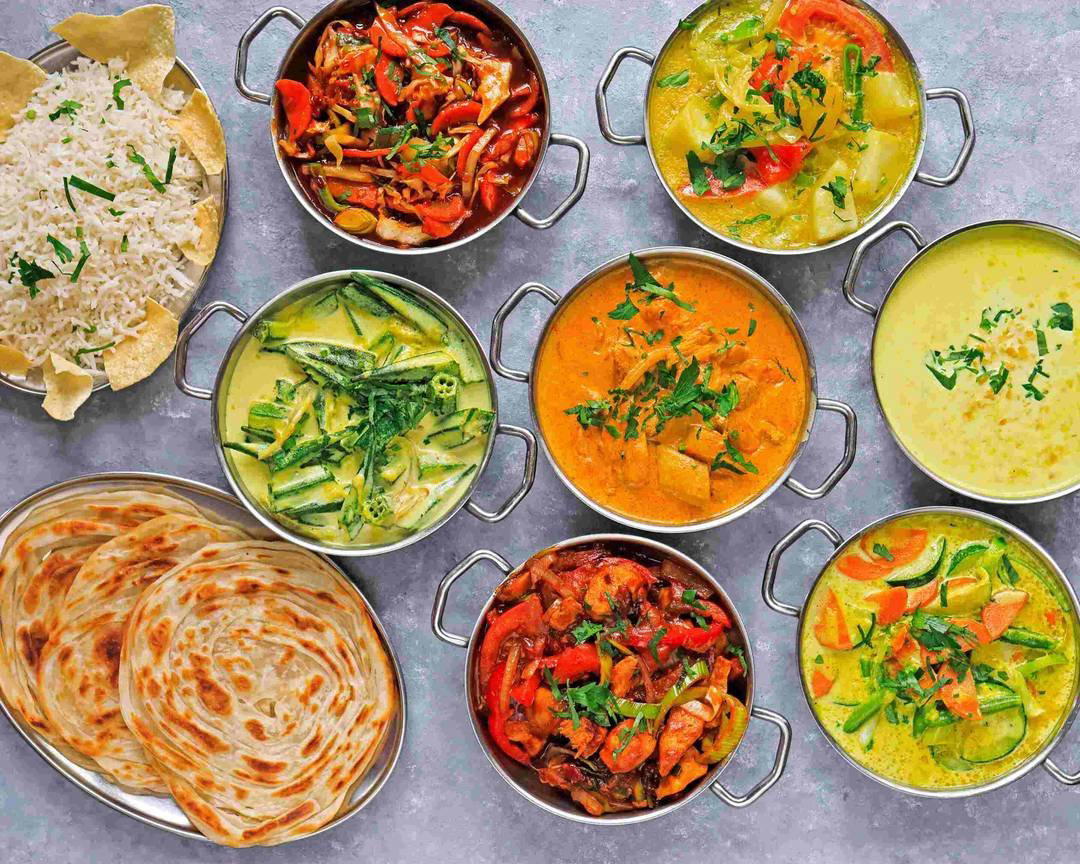
A Different Register on Schwabstraße
Stuttgart's restaurant geography has a logic to it. The Michelin-starred rooms, from Speisemeisterei to 5, tend to cluster around the city's wealthier residential quarters and its refined parkland belt, occupying spaces that reinforce a certain expectation before you even sit down: high ceilings, deliberate lighting, the weight of a room that has been designed to signal occasion. La Bamboo, at Schwabstraße 129 in the 70193 postal district, operates outside that gravitational pull. The address places it on a working street in the western residential spread of the city, closer to where Stuttgart actually lives than to where it performs for visitors.
That distinction matters more than it might first appear. In cities where fine dining and casual eating occupy entirely separate territories, a venue at this kind of address tends to signal one of two things: either an established neighbourhood fixture that has built its following over years of consistent cooking, or a newer project using off-centre rent to do something that wouldn't survive in a more expensive postcode. The Schwabstraße corridor has seen both, and it has produced some of the more interesting eating in the city as a result.
The Physical Container
The design approach at La Bamboo is relevant here because the name itself sets a visual expectation. Bamboo as an interior material or motif has had a long and complicated career in European restaurants: deployed cheaply, it reads as dated pan-Asian theming; handled with restraint, it can anchor a genuinely warm, textured interior. German cities in particular went through a phase in the 1990s and early 2000s when bamboo-inflected dining rooms proliferated alongside the broader expansion of Asian-influenced cooking, and many of those spaces have since been renovated into something less immediately categorisable.
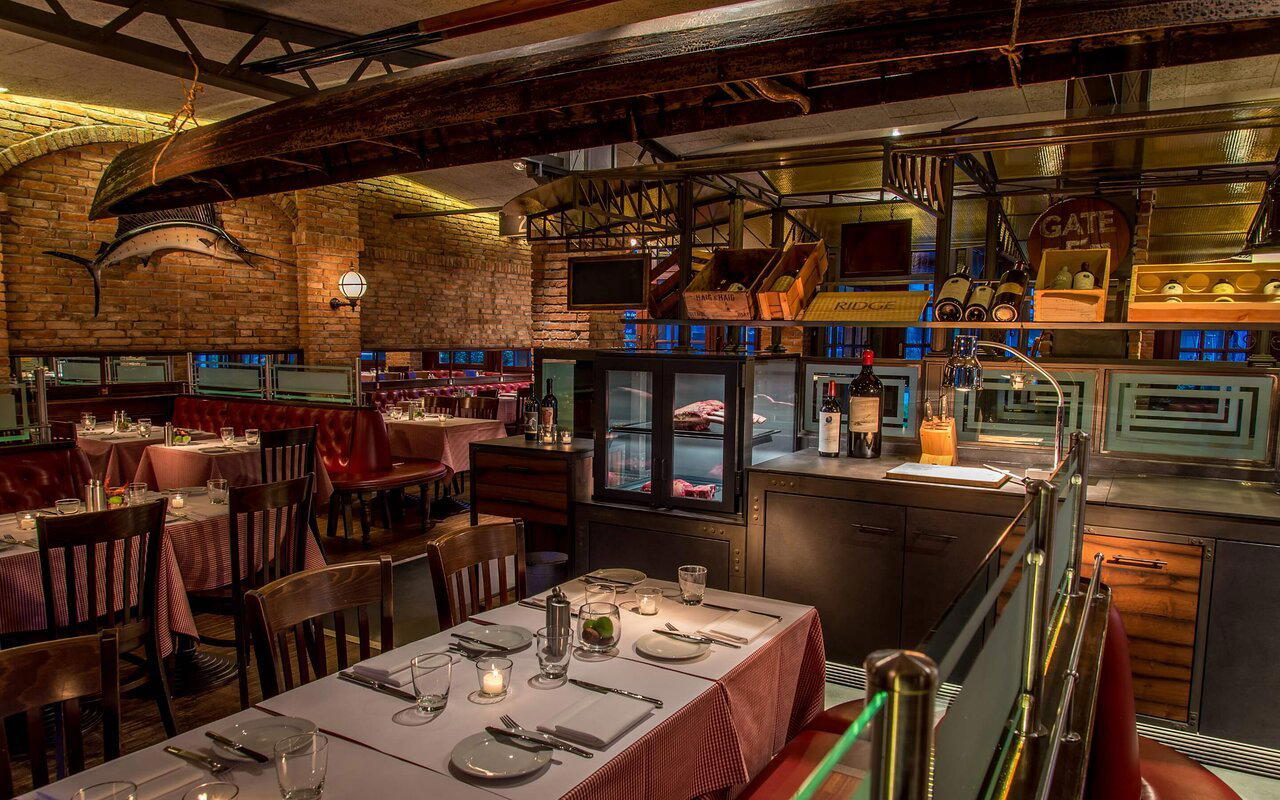
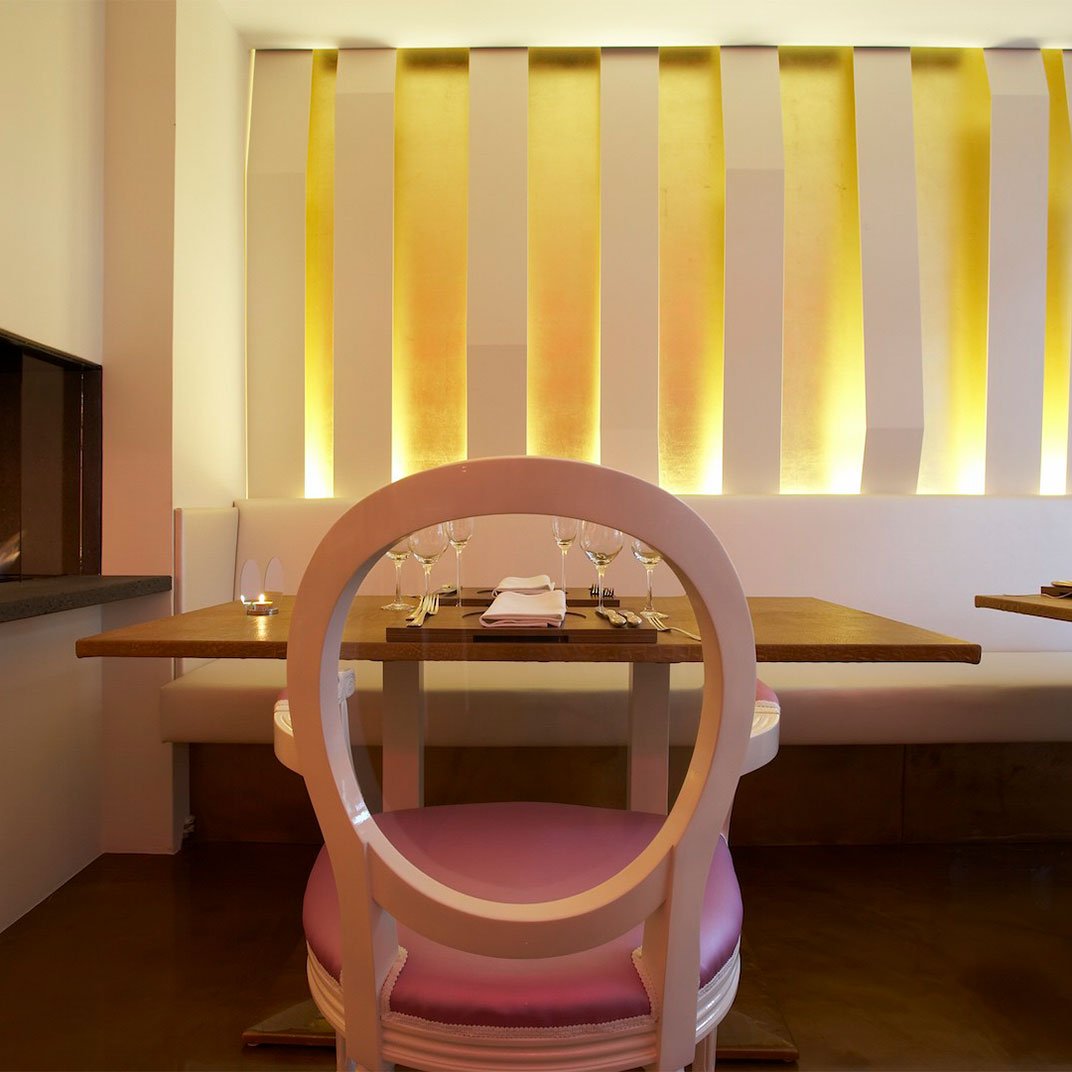
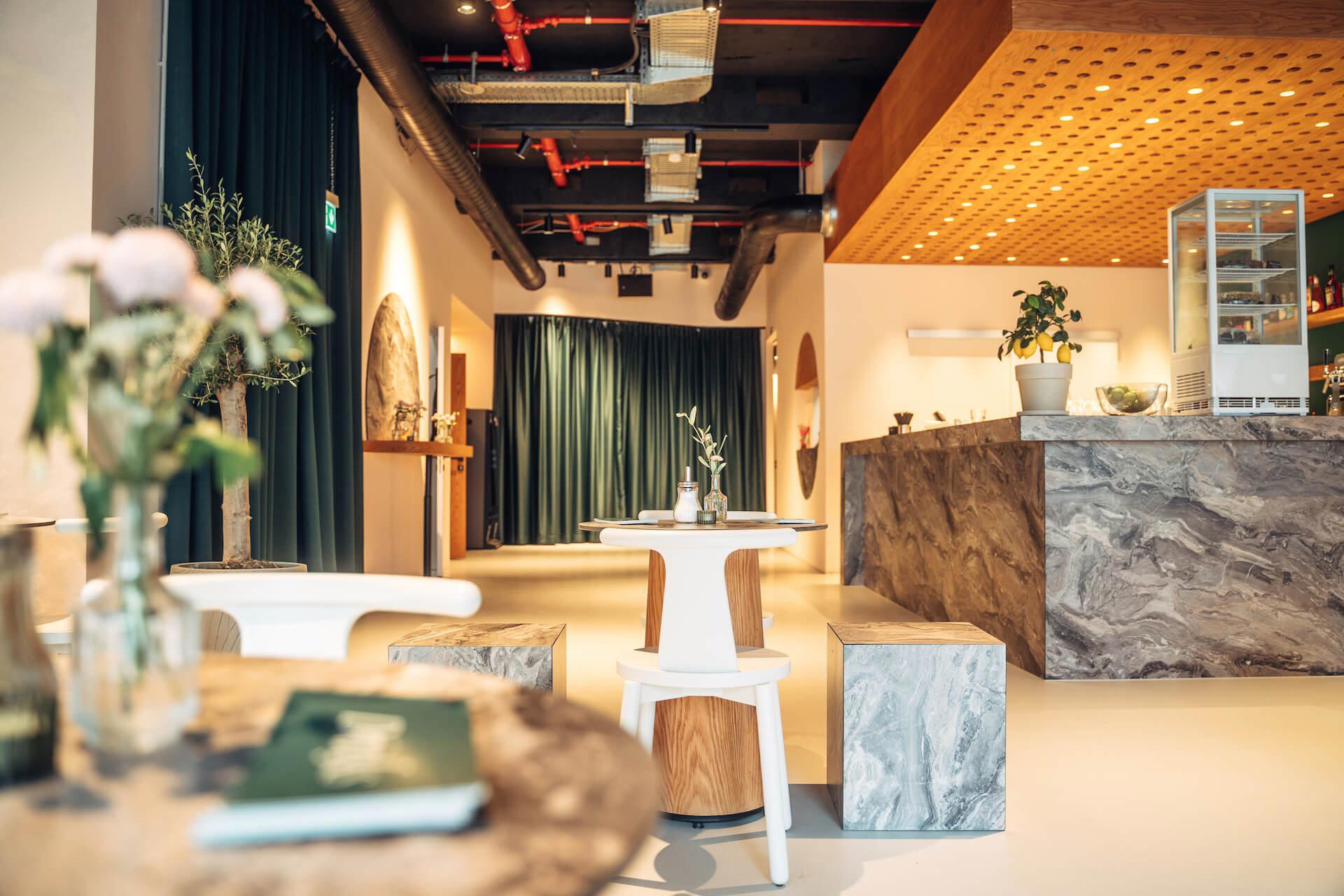
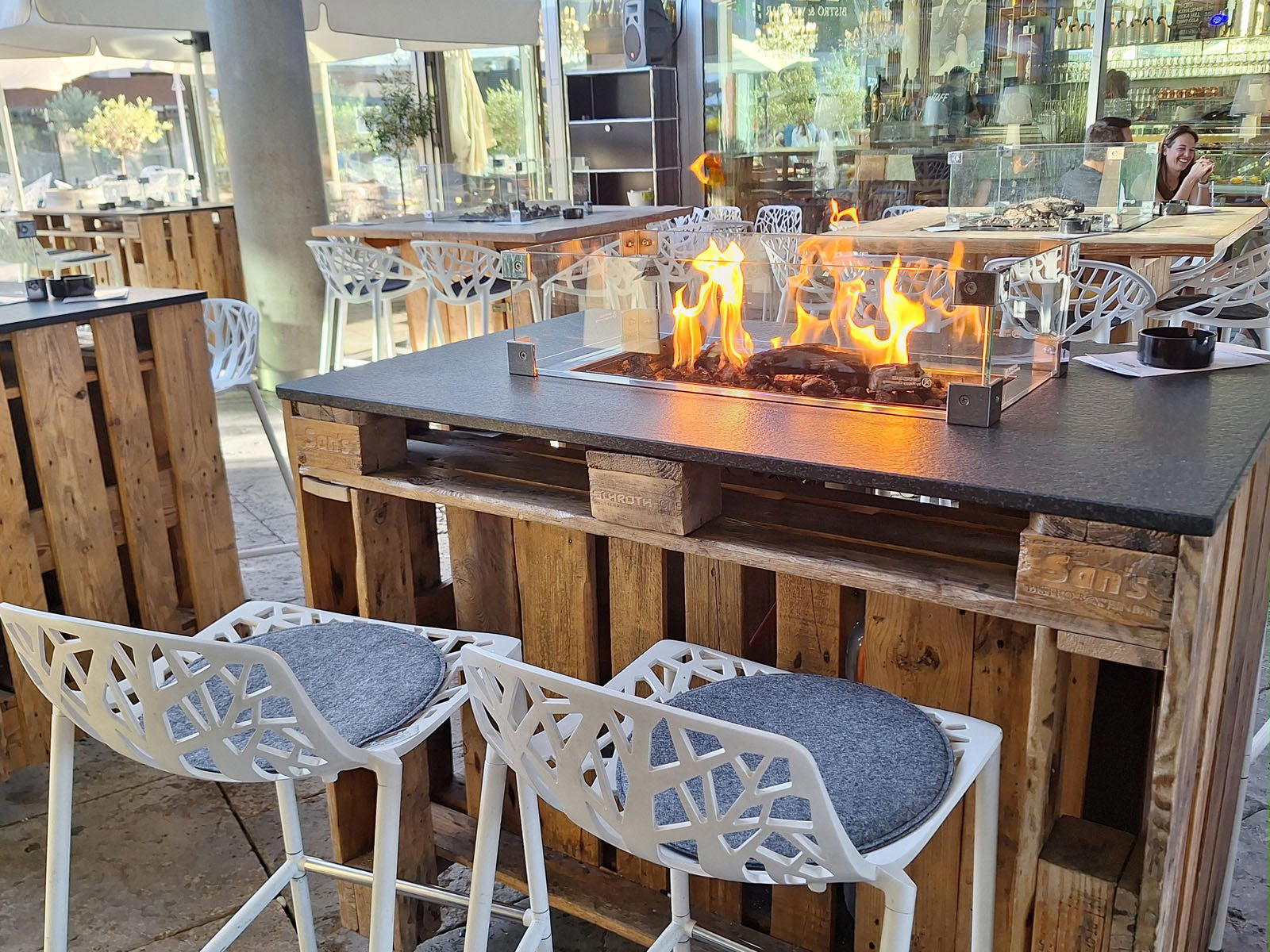
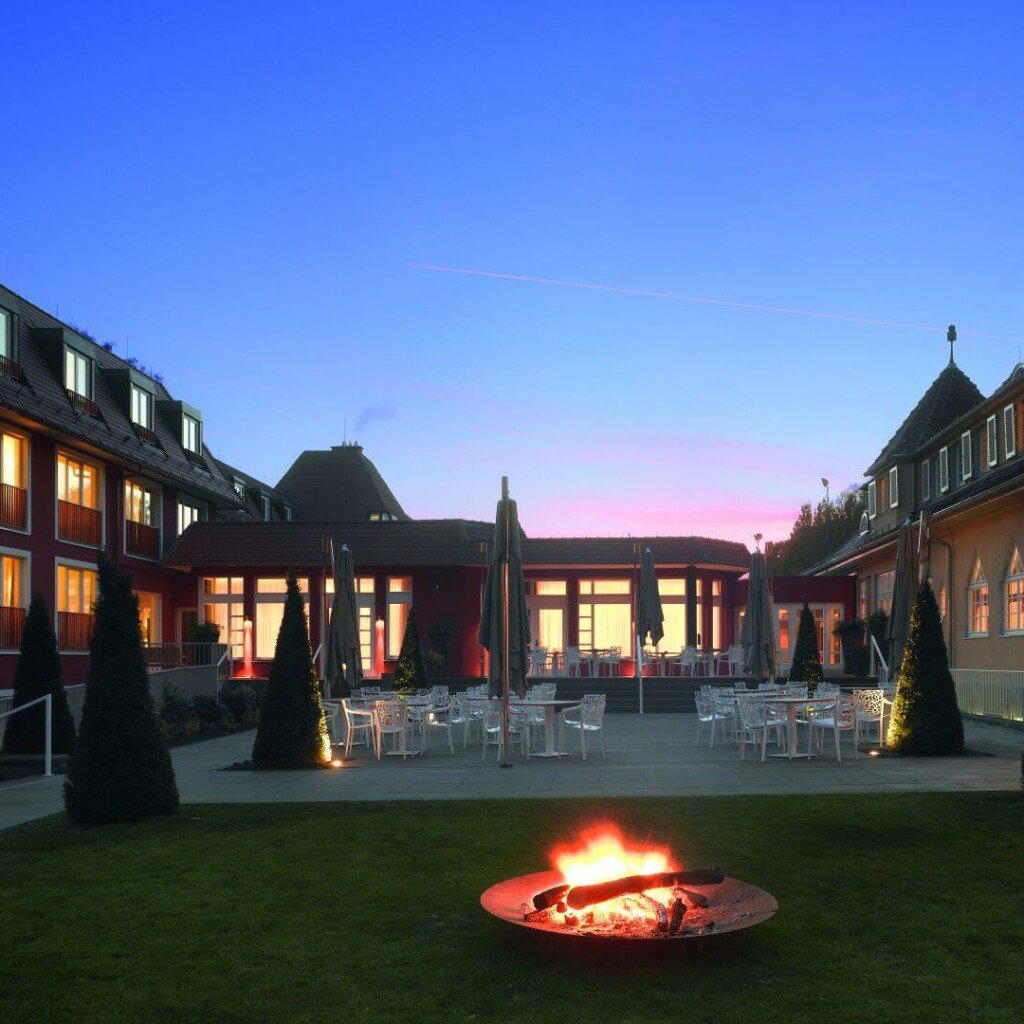
What that means for La Bamboo's interior in its current form is not something the available record can confirm with the specificity EP Club requires for interior description. What can be said is that a restaurant on a residential street in this part of Stuttgart is more likely to favour a modest, practical setting. The neighbourhood context, the address format, and the scale implied by a single street-level premises all point toward a room where the atmosphere derives more from the energy of a regular clientele than from architectural spectacle. That is not a limitation; in many cases it is precisely what makes a neighbourhood room worth returning to, in a way that a formally designed destination restaurant is not.
For readers oriented toward the design-led end of Stuttgart's dining, Der Zauberlehrling and Délice represent the creative end of the city's more deliberately staged rooms. Hegel Eins occupies a different position again. The restaurant sits outside all of those reference points, which is part of what makes it worth noting separately.
Stuttgart's Wider Dining Context
Stuttgart is not Germany's most discussed dining city internationally, but it carries more weight than its relative obscurity suggests. Baden-Württemberg as a region has long produced serious cooking: the Black Forest corridor that connects Stuttgart to Baiersbronn, home to Schwarzwaldstube, is one of the more concentrated fine-dining zones in the country. The state's wine production, centred on Württemberg reds and the Kaiserstuhl whites to the southwest, provides a local cellar that most comparable German cities cannot match.
Against that backdrop, Stuttgart's neighbourhood restaurants carry a different kind of interest. The city's dining scene at the leading end competes with serious rooms elsewhere in Germany, including Aqua in Wolfsburg, Vendôme in Bergisch Gladbach, and Victor's Fine Dining by Christian Bau in Perl. But the mid-tier and neighbourhood layers are where a city's daily food culture actually shows itself, and Stuttgart's residential districts have historically supported a range of cooking that doesn't always make it into international coverage.
The restaurant's position on Schwabstraße fits that pattern. It is the kind of address that a local resident discovers through proximity and returns to through habit, rather than one that appears on the shortlist of an international food traveller working from a guide. Whether that represents an opportunity or a limitation depends entirely on what the reader is after. For those spending time in the western residential districts of Stuttgart rather than moving between the city's headline rooms, it is a more relevant data point than its profile might suggest.
Planning a Visit
The address is in Stuttgart-West, and the street itself is a main artery with parking available at residential rates. Visits to this part of the city pair naturally with the neighbourhood's café culture and the proximity of the Eugensplatz area, which gives the western district a more local feel than the city centre's pedestrian zones.
For readers building a wider Stuttgart itinerary, the full Stuttgart restaurants guide maps the city's dining by neighbourhood and tier. ES:SENZ in Grassau, Schanz in Piesport, and Waldhotel Sonnora in Dreis represent the kind of serious regional cooking that makes Baden-Württemberg and the neighbouring states worth treating as a culinary region rather than a collection of individual city stops. Further afield, JAN in Munich, Restaurant Haerlin in Hamburg, CODA Dessert Dining in Berlin, and international references including Le Bernardin in New York City and Atomix in New York City offer calibration points for readers tracking serious cooking across a broader geography.
Where It Fits
Comparable venues nearby, for context on price, style, and recognition.
| Venue | Cuisine | Price | Notes |
|---|---|---|---|
| La BambooThis venue — the venue you are viewing | Authentic Sri Lankan | $$ | Not listed |
| Fruchttick | Healthy Salads & Bowls | $$ | Gablenberg |
| Burger Brothers | American Burgers | $$ | Gablenberg |
| Weinstube Zur Kiste | Traditional Swabian German | $$ | Gablenberg |
| I LOVE SUSHI | Japanese Sushi Bar | $$ | Heslach |
| Andalucia-Casamuu | Authentic Spanish Tapas & Paella | $$ | Heslach |
Continue exploring
More in Stuttgart
Restaurants in Stuttgart
Browse all →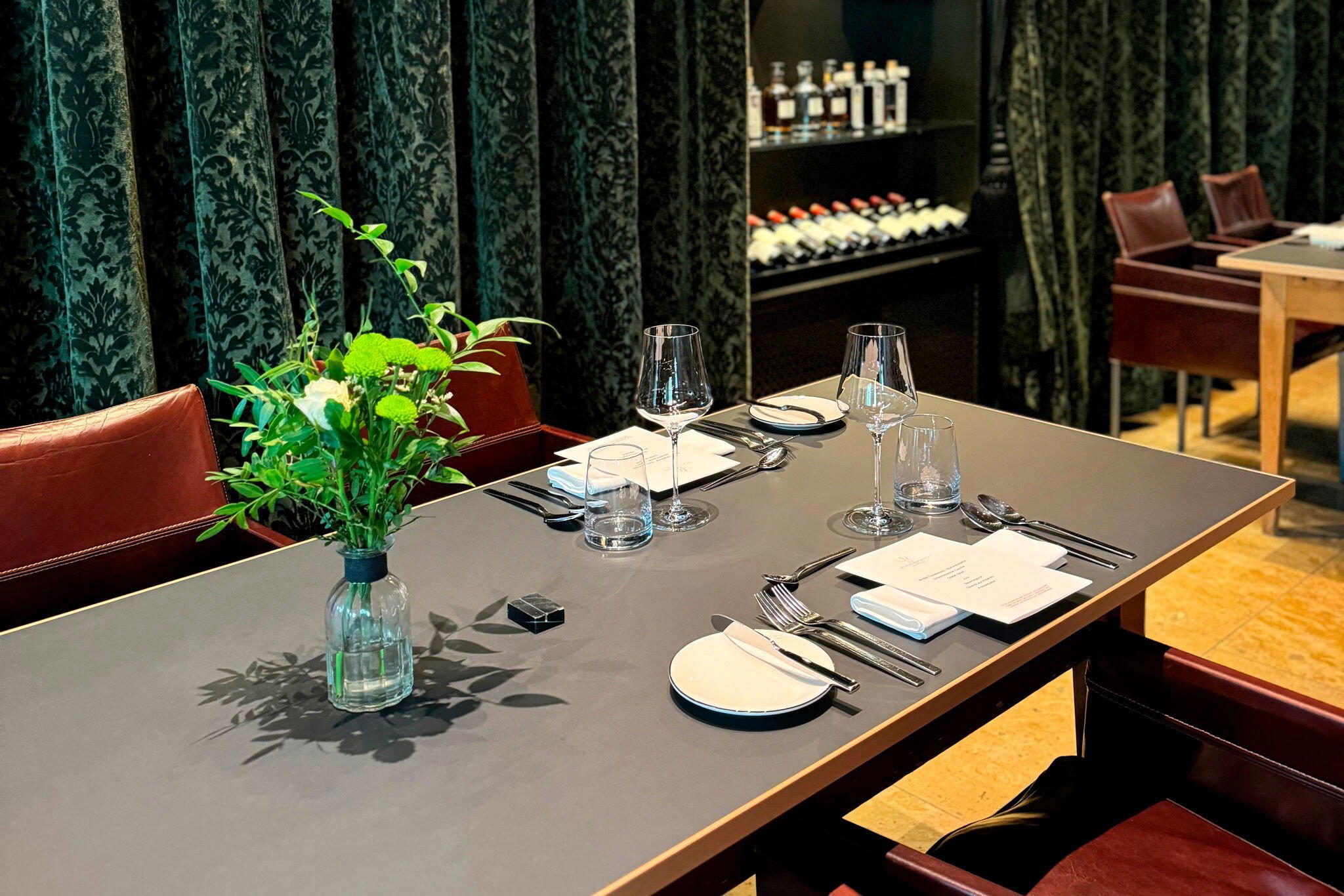
Bars in Stuttgart
Browse all →
Hotels in Stuttgart
Browse all →

At a Glance
- Cozy
- Modern
- Elegant
- Casual Hangout
- Date Night
Current opening hours
- Monday
- 11:30 AM–2:30 PM, 5–11 PM
- Tuesday
- 11:30 AM–2:30 PM, 5–11 PM
- Wednesday
- 11:30 AM–2:30 PM, 5–11 PM
- Thursday
- 11:30 AM–2:30 PM, 5–11 PM
- Friday
- 5–11 PM
- Saturday
- 11:30 AM–3:30 PM, 5–11 PM
- Sunday
- 11:30 AM–3:30 PM, 5–11 PM
Hours can change for holidays and private events. Last verified .
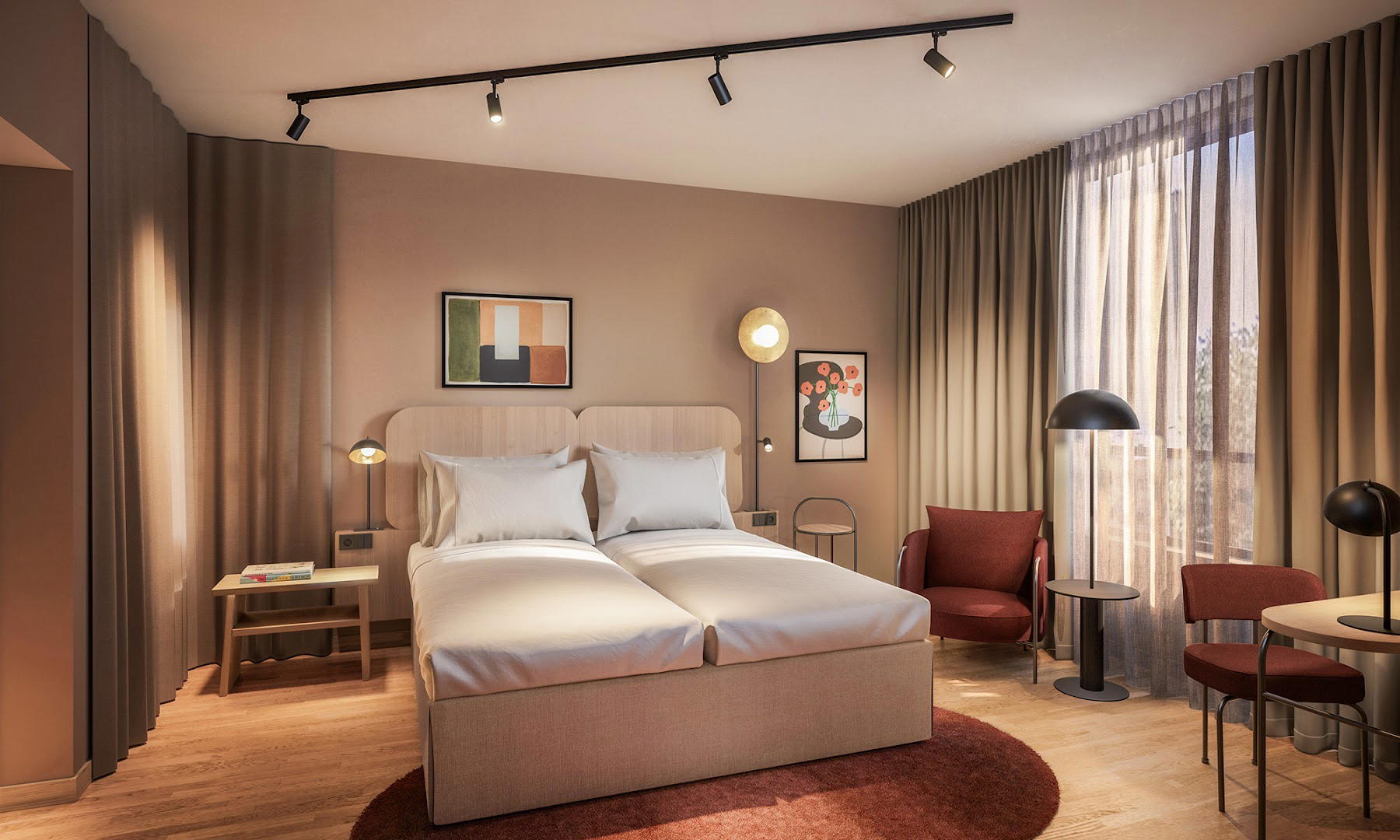
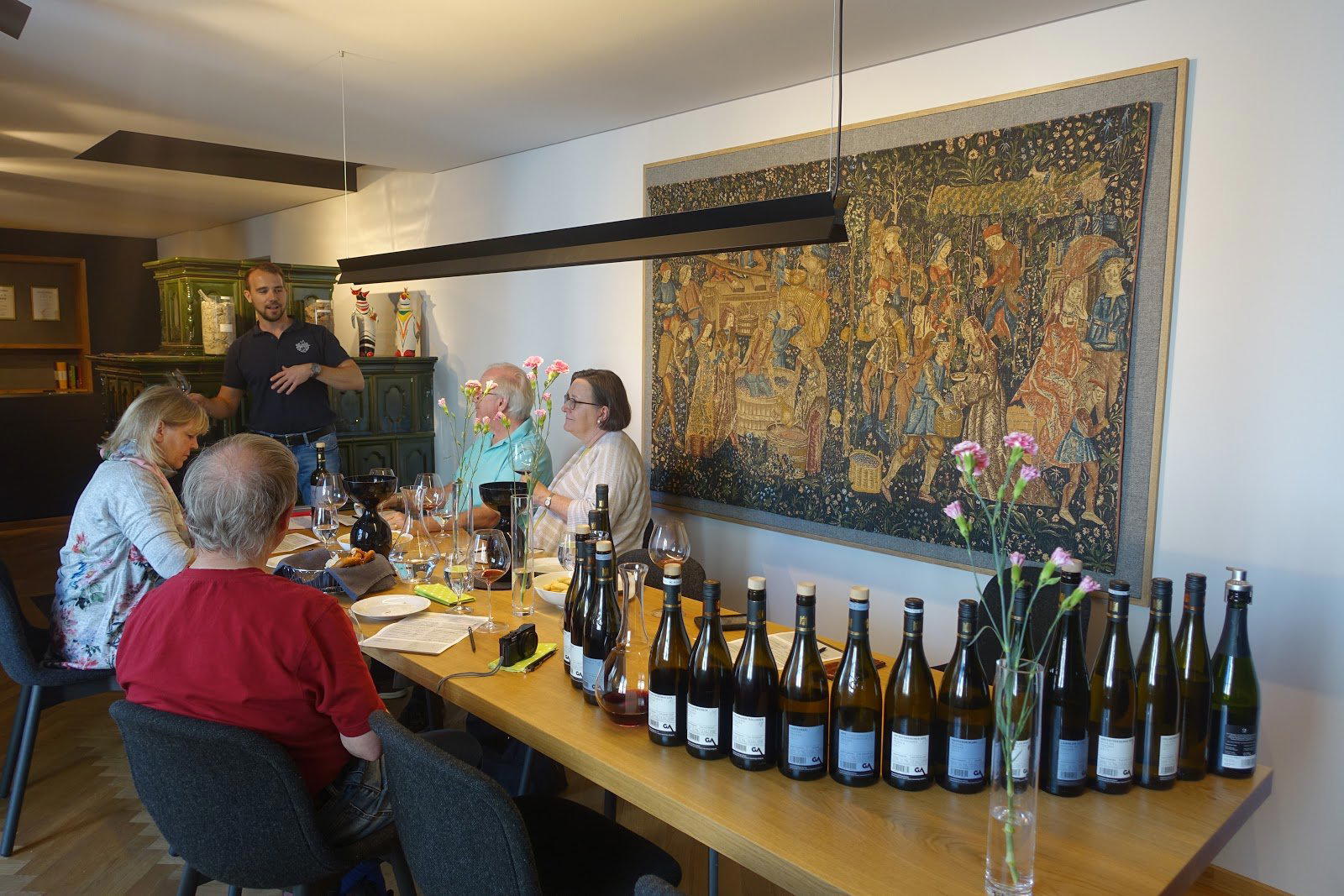
Clean, minimalist design with Sri Lankan wall art, elephant ornaments, and traditional music creating an authentic, cozy atmosphere.