Il Quinto Quarto sits on Parlerstraße in Stuttgart's West district, drawing on the Italian tradition of cucina povera, the so-called 'fifth quarter' of the animal, the offal and lesser cuts that demand the technique and earn the loyalty. In a city where fine dining skews toward French-inflected modernism, this address represents a rarer editorial position: a menu built around conviction rather than comfort.
Pearl is the En Primeur Club membership app — saves, bookings, and concierge access live there. Same editors, same standards.
- Address
- Parlerstraße 110, 70192 Stuttgart, Germany
- Phone
- +49 711 1654330
- Website
- quintoquarto-restaurant.de
- Directions
- Get directions
 Saves & bookings on Pearl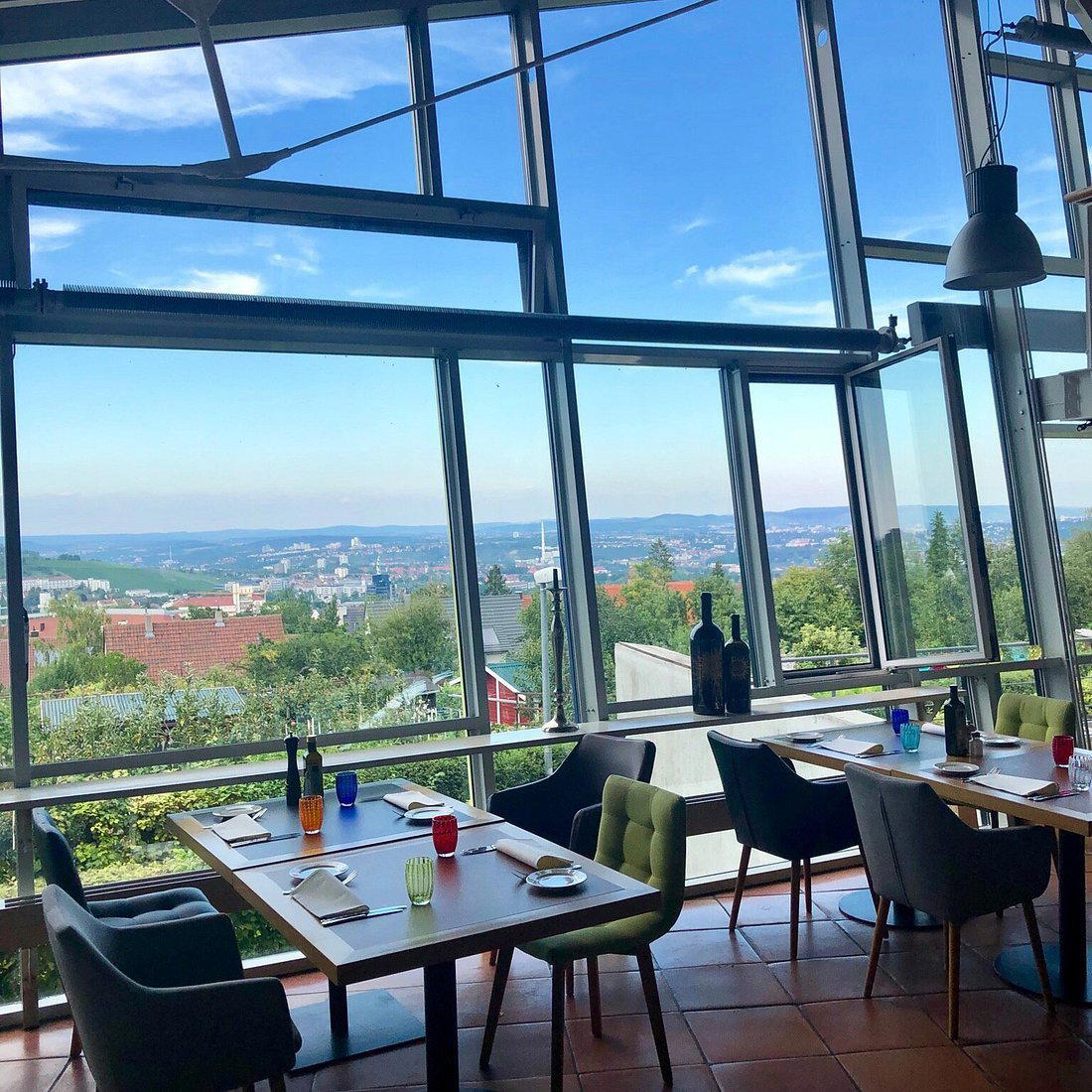
Stuttgart's Offal Tradition and Where Il Quinto Quarto Fits
Stuttgart's restaurant scene has long oriented itself around polished French-German fine dining. Properties like Speisemeisterei and Délice anchor the high end with creative menus and multi-course formats built for occasion dining. Against that backdrop, the Italian concept of quinto quarto, the fifth quarter, the offal cuts left after the four prime sections of an animal are divided, represents a genuinely distinct editorial position in the city. A restaurant named for that tradition is making an argument about what deserves to be taken seriously at the table.
In Rome, the quinto quarto is a culinary tradition with roots in the working-class slaughterhouse districts of Testaccio, where butchers and laborers took home the cuts no one else wanted and turned them into some of the city's most technically demanding dishes. Trippa alla romana, coda alla vaccinara, rigatoni con la pajata, these are dishes that require patience, knowledge of heat, and an understanding of how connective tissue and organ meat respond to long cooking. Transplanting that framework to Stuttgart, a city more associated with Swabian Linsen mit Spätzle and refined tasting menus, is a deliberate act of positioning.
What the Name Tells You About the Menu Architecture
A restaurant's name is its first editorial statement, and Il Quinto Quarto's is unusually specific. It doesn't gesture toward Italy in a general sense, it points to a precise tradition within Italian cooking that most diners outside Rome or Florence would need to look up. That specificity signals something about how the menu is likely to be structured: around ingredients that require explanation, dishes with provenance worth tracing, and a kitchen that expects its guests to meet it partway.
The quinto quarto tradition organizes itself by cut rather than by protein or cooking method. A menu built along these lines tends to group dishes by their demands on technique, cured and cold preparations alongside braises and slow cooks, with the occasional raw or barely cooked offal dish that tests both kitchen confidence and guest willingness. This is a fundamentally different logic from the modern tasting-menu format, where progression is typically built around flavor arcs and visual contrast. It's closer to the Italian osteria model: a menu that reads like an argument for a particular way of eating, where the guest's job is to order broadly and share.
In Stuttgart, where restaurants like 5 and Der Zauberlehrling operate within recognizable creative fine-dining frameworks, an offal-driven Italian concept occupies a different tier of reference entirely. The comparison set isn't other Stuttgart restaurants so much as it is the Roman trattorie that treat pajata and trippa as the point of highest craft, not as a curiosity alongside safer proteins.
Parlerstraße and the Stuttgart West Character
The address, Parlerstraße 110, in Stuttgart's Westend district, matters for understanding the restaurant's positioning. Stuttgart West is one of the city's more residentially dense and locally oriented neighborhoods, distinct from the glossier commercial dining corridors closer to the Schlossplatz. Restaurants that take root here tend to be operationally leaner and more community-anchored than their counterparts in the city center. The neighborhood rewards consistency over spectacle, which suits a cucina povera concept well: this is food that improves on repetition, where a regular guest builds a relationship with the kitchen over many visits rather than treating the restaurant as a destination for a single occasion.
This neighborhood dynamic places Il Quinto Quarto in a broader European pattern, visible in cities from Lyon to Madrid, where rigorous cooking often happens not in the formal dining corridor but in smaller rooms on quieter streets, run on the logic of the neighborhood restaurant rather than the destination venue. For context on what that pattern looks like at its ceiling, consider the contrast with destination-driven properties like Schwarzwaldstube in Baiersbronn or Aqua in Wolfsburg, restaurants that operate explicitly as travel objectives. Il Quinto Quarto reads as something different: a local anchor that rewards proximity.
Cucina Povera in a German City
The broader question of how cucina povera translates outside Italy is worth examining. In cities like Berlin, where CODA Dessert Dining has demonstrated that unconventional menu architecture can sustain serious critical attention, or in Hamburg, where Restaurant Haerlin operates within a more classical frame, the appetite for deliberate, tradition-grounded cooking exists. Germany's dining public has shown consistent appetite for cooking that positions itself as a counter-argument to contemporary fine-dining formulas.
For a restaurant dedicated to quinto quarto tradition, the challenge in a German context is partly educational and partly logistical. Sourcing the right offal cuts with appropriate freshness and provenance is harder outside Italy, and building a guest base comfortable with ordering kidney, liver, tripe, and sweetbreads requires the kind of gradual trust-building that takes years, not months. The restaurants that do this well in northern European cities tend to operate with high repeat-guest rates and limited seats, building loyalty through consistency rather than novelty.
Compared to the creative fine-dining addresses that anchor Stuttgart's high end, Hegel Eins among them, the restaurant operates with a focused argument for a specific culinary tradition, made through repetition and refinement of a core set of dishes. That's a harder sell in the short term and a more durable one over time.
Planning Your Visit
The restaurant is located at Parlerstraße 110 in Stuttgart's Westend, reachable from the city center via U-Bahn. Given the neighborhood character and the style of cooking, this is a restaurant best approached on a weekday evening or a relaxed Saturday lunch. Booking in advance is recommended.
Travelers building a German dining itinerary around this kind of regionally rooted, tradition-driven cooking might also consider Schanz in Piesport, ES:SENZ in Grassau, or for a contrast in scale and ambition, Vendôme in Bergisch Gladbach and Victor's Fine Dining by Christian Bau in Perl. For reference points on how offal-forward and tradition-anchored menus read at the international level, Le Bernardin in New York and Atomix in New York demonstrate what deep commitment to a culinary tradition looks like when it reaches critical mass, and JAN in Munich and Waldhotel Sonnora in Dreis offer southern German and Rhineland comparators for the regional context.
The Short List
Comparable venues nearby, for context on price, style, and recognition.
| Venue | Cuisine | Price | Notes |
|---|---|---|---|
| Il Quinto QuartoThis venue — the venue you are viewing | Berg, Authentic Italian Trattoria | $$$ | Not listed |
| L'Artista | Asemwald, Authentic Neapolitan Pizza | $$ | Not listed |
| Capriccio | Not listed | $$$ | Gablenberg, Authentic Italian with Neapolitan Pasta |
| Rotenberger Weingärtle | Obertuerkheim, Modern Swabian | $$$ | Not listed |
| Andiamore | Not listed | $$ | Gablenberg, Customizable Italian Pizza & Pasta |
| NOA Restaurant | Gablenberg, Modern Middle Eastern | $$$ | Not listed |
Continue exploring
More in Stuttgart
Restaurants in Stuttgart
Browse all →
Bars in Stuttgart
Browse all →

Hotels in Stuttgart
Browse all →

At a Glance
- Elegant
- Cozy
- Classic
- Date Night
- Business Dinner
- Family
- Celebration
- Open Kitchen
- Extensive Wine List
Current opening hours
- Monday
- 11:30 AM–11 PM
- Tuesday
- 11:30 AM–11 PM
- Wednesday
- 11:30 AM–11 PM
- Thursday
- 11:30 AM–11 PM
- Friday
- 11:30 AM–11 PM
- Saturday
- 11:30 AM–11 PM
- Sunday
- 11 AM–9 PM
Hours can change for holidays and private events. Last verified .
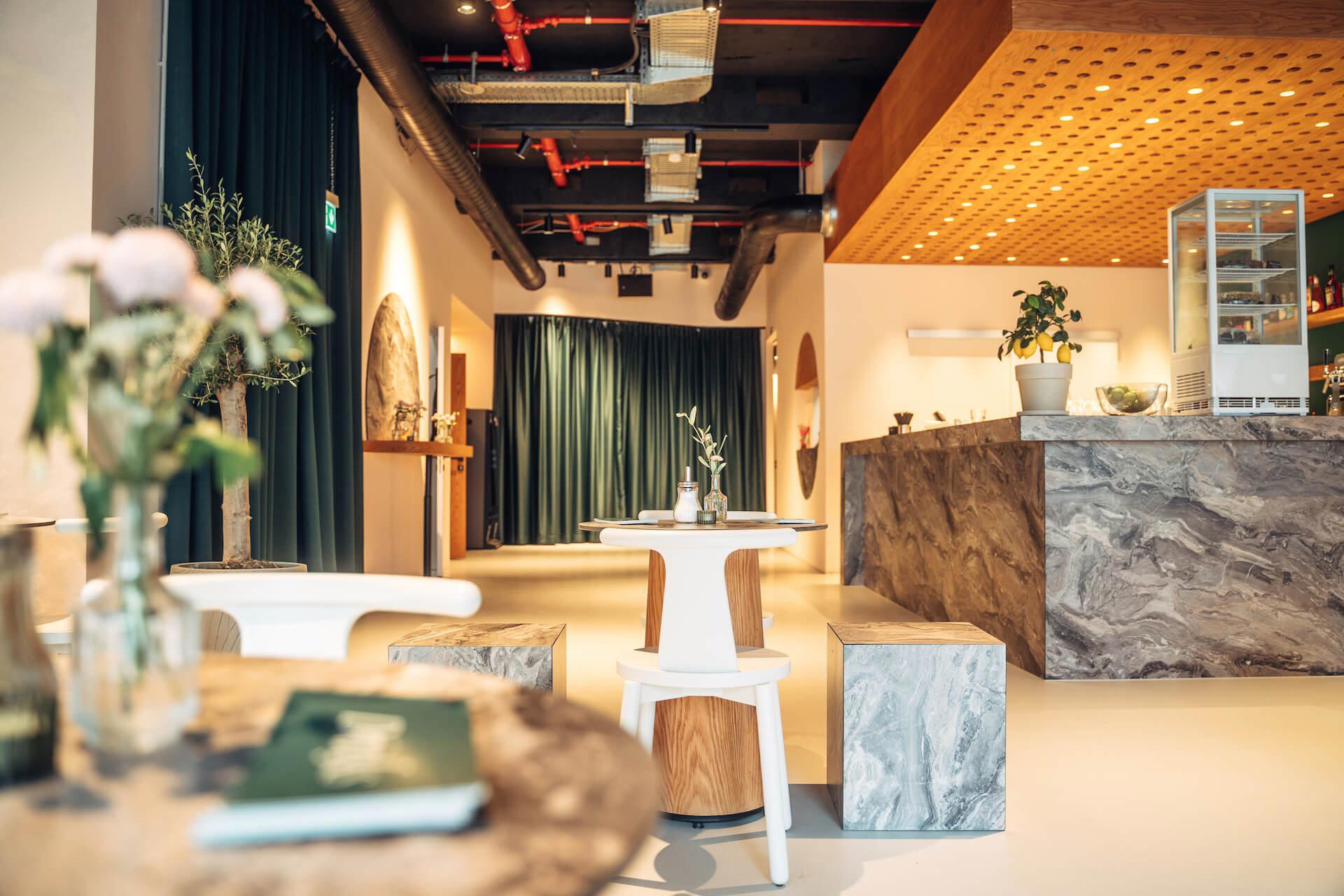
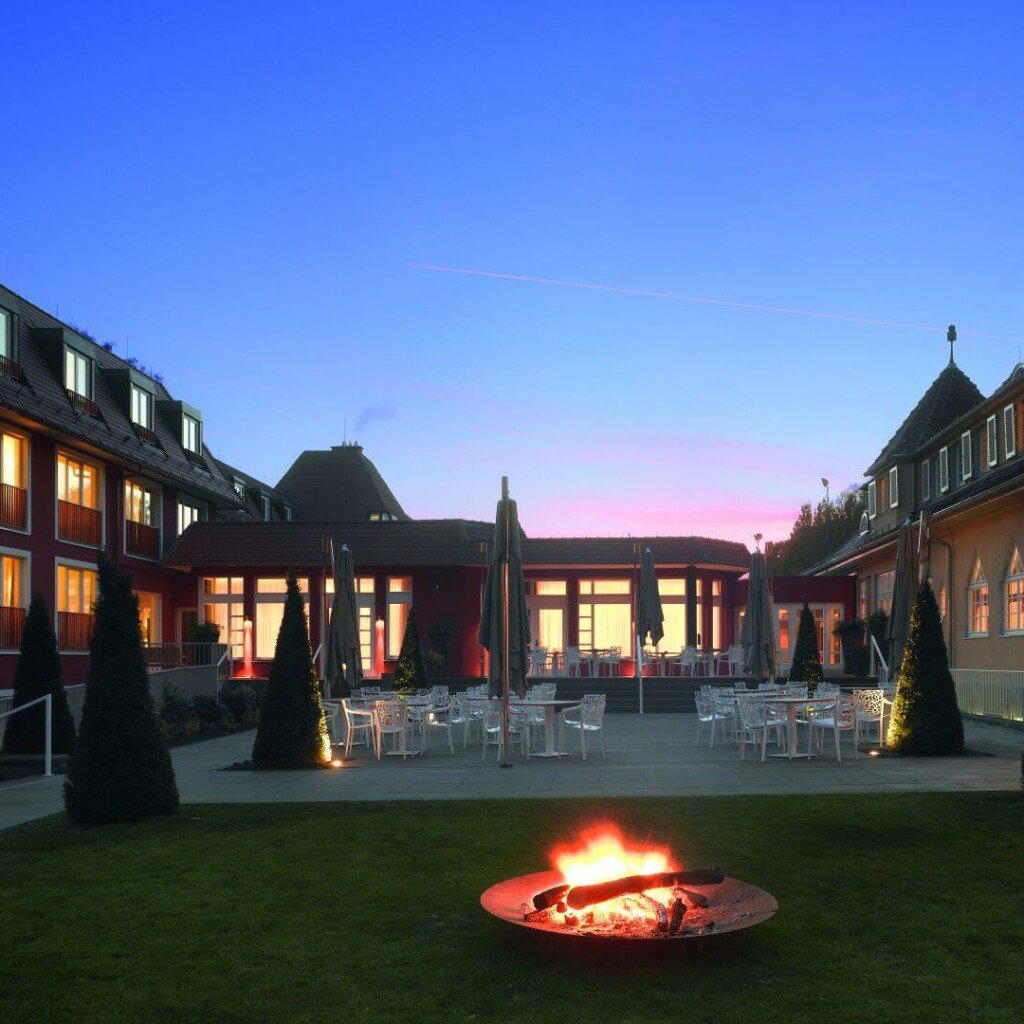
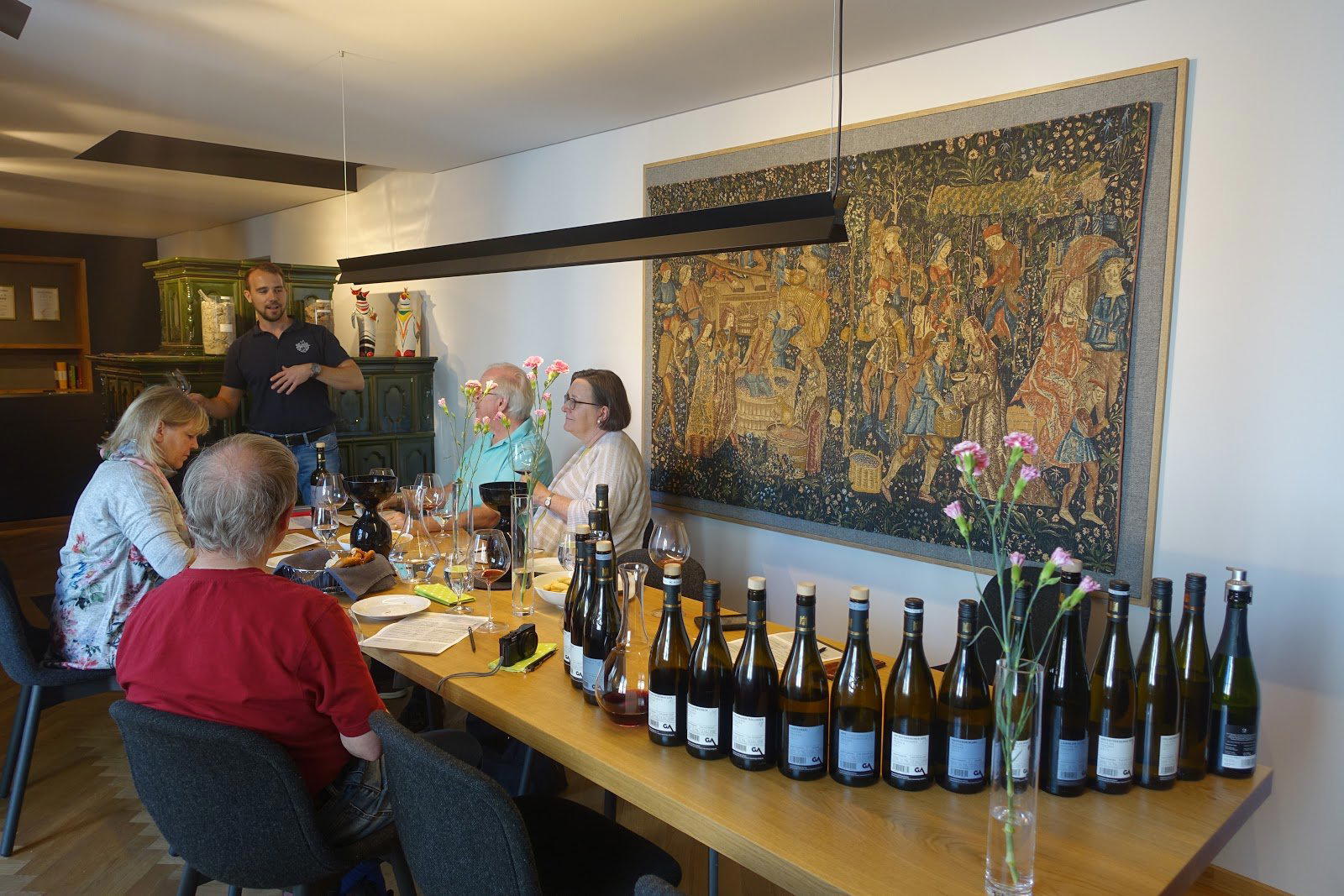
Warm, elegant decor with pleasant atmosphere suitable for conversations and special occasions.