Inja sits on Avinguda de Barcelona in Montornès del Vallès, a town in the Vallès Oriental comarca northeast of Barcelona that represents a different register of Catalan dining from the city's well-documented restaurant scene. With limited public data available, the full picture of Inja's format, price point, and kitchen approach remains to be established, but its address places it in a region defined by market-driven cooking and proximity to serious local produce.
Pearl is the En Primeur Club membership app — saves, bookings, and concierge access live there. Same editors, same standards.
- Address
- Av. de Barcelona, 37, 08170 Montornès del Vallès, Barcelona, Spain
- Phone
- +34931446116
- Website
- inja.es
 Saves & bookings on Pearl
Dining Beyond the Barcelona Orbit
The Vallès Oriental comarca sits roughly twenty kilometres northeast of Barcelona's Eixample, close enough to draw from the city's professional kitchen networks yet far enough removed that its restaurants operate on entirely different terms. Towns like Montornès del Vallès rarely appear in the international dining press that cycles through Gracia and Poblenou, but that absence reflects coverage patterns more than culinary reality. The area is part of a broader Catalan inland corridor where local sourcing is less a marketing position than a practical default: the Mercat de Santa Caterina in Barcelona and the comarca's own producers have long supplied kitchens that work closer to the origin of the ingredient. Inja, at Avinguda de Barcelona 37, sits inside that geography.
The Sourcing Argument for Inland Catalonia
Spain's high-end restaurant conversation has been dominated for years by venues operating at the outer edge of technique and concept. El Celler de Can Roca in Girona sits roughly sixty kilometres north and has defined what Catalan creative cooking looks like at its most ambitious. Cocina Hermanos Torres in Barcelona operates a two-Michelin-star kitchen built explicitly around seasonal Catalan produce. Azurmendi in Larrabetzu has made ingredient provenance central to both its menu and its public identity. These venues establish the reference points against which sourcing-led cooking in the wider region is measured.
What defines the Vallès Oriental as a dining zone is the compression of supply chain. The comarca borders the Montseny natural park and its agricultural fringe, and kitchens operating here have access to mushrooms, game, poultry, and market vegetables on terms that Barcelona restaurants managing longer logistics chains cannot replicate. Whether a given kitchen capitalises on that proximity is a question of kitchen philosophy, but the structural advantage is geographic fact. That context is the relevant frame for understanding what a restaurant in Montornès del Vallès can do that restaurants twenty kilometres closer to the coast cannot.
The Wider Spanish Fine Dining Map
Situating Inja within the broader Spanish restaurant conversation requires some cartographic honesty. The country's most-discussed kitchens operate at considerable distance: Arzak in San Sebastián and Mugaritz in Errenteria define the Basque benchmark; DiverXO in Madrid operates in a category of conceptual provocation largely its own; Asador Etxebarri in Atxondo has built an international reputation around live-fire and hyper-local sourcing that draws visitors specifically for its ingredient specificity. Further south, Aponiente in El Puerto de Santa María and Quique Dacosta in Dénia demonstrate what Mediterranean coastal sourcing looks like at award level. Noor in Córdoba and Atrio in Cáceres show how regional Spanish kitchens outside the Basque-Catalan axis have built their own credentialed identities.
The Catalan inland dining scene, by contrast, has produced fewer internationally profiled names but maintains a strong local restaurant culture rooted in the comarca system. Martin Berasategui in Lasarte-Oria and Ricard Camarena in València offer comparative examples of how chefs operating outside major urban centres have built sustained critical recognition. Casa Marcial in Arriondas and Cenador de Amós in Villaverde de Pontones represent the non-metropolitan Spanish kitchen at its most focused. The Vallès Oriental is positioned to participate in that same pattern, and Inja occupies a street address that sits within that possibility.
What the Address Tells You
Avinguda de Barcelona is Montornès del Vallès's main arterial connector, running through a town of roughly ten thousand residents that sits between the Besòs river valley and the lower Montseny foothills. The town is accessible by the R2 Nord line from Barcelona's Passeig de Gràcia in under forty minutes, which makes it plausible as a destination meal from the city without requiring a car. That logistical reality shapes who a restaurant here can realistically serve: locals who eat there regularly, and Barcelona-based diners prepared to make the deliberate trip.
Restaurants that succeed in this position tend to do so either by offering something the city cannot replicate (ingredient access, space, quiet, price value) or by drawing a committed neighbourhood clientele that sustains the kitchen independently of destination dining traffic. Both routes are viable. The towns of the Vallès Oriental have historically supported strong local restaurant cultures precisely because they are not passage points on tourist itineraries, which means the kitchens that survive there do so on the strength of repeat local custom rather than passing volume.
Planning Your Visit
Inja is recommended for reservations, follows a smart casual dress code, and is open Tuesday through Sunday from 1 to 4:15 PM and 8 to 11:30 PM; it is closed on Monday. The address at Avinguda de Barcelona 37, 08170 Montornès del Vallès is confirmed. Reaching the town from central Barcelona via the R2 Nord Rodalies line is the most practical approach for visitors without a vehicle, with journey times typically under forty minutes from Passeig de Gràcia. Visitors travelling from further afield can plan around the same practical details: reservations are recommended, the dress code is smart casual, and the restaurant is open Tuesday through Sunday with a midday and evening service.
Comparable Venues
Comparable venues nearby, for context on price, style, and recognition.
| Venue | Cuisine | Price | Awards | Notes |
|---|---|---|---|---|
| InjaThis venue — the venue you are viewing | Japanese Sushi | $$ | , | |
| Grasshopper Ramen Bar | Traditional Japanese Ramen | $$ | , | Sant Pere, Santa Caterina i la Ribera |
| konkai sushi House | Japanese Sushi with Asian Fusion | $$$ | , | la Dreta de l'Eixample |
| Sushi Saki | Japanese Sushi Buffet | $ | , | Sant Pere, Santa Caterina i la Ribera |
| Sato i Tanaka | Authentic Japanese Sushi | $$$ | la Dreta de l'Eixample | |
| Koikoi Sushi | Japanese Sushi Fusion | $$ | , | el Baix Guinardo |
Continue exploring
More in Montornes Del Valles
Restaurants in Montornes Del Valles
Browse all →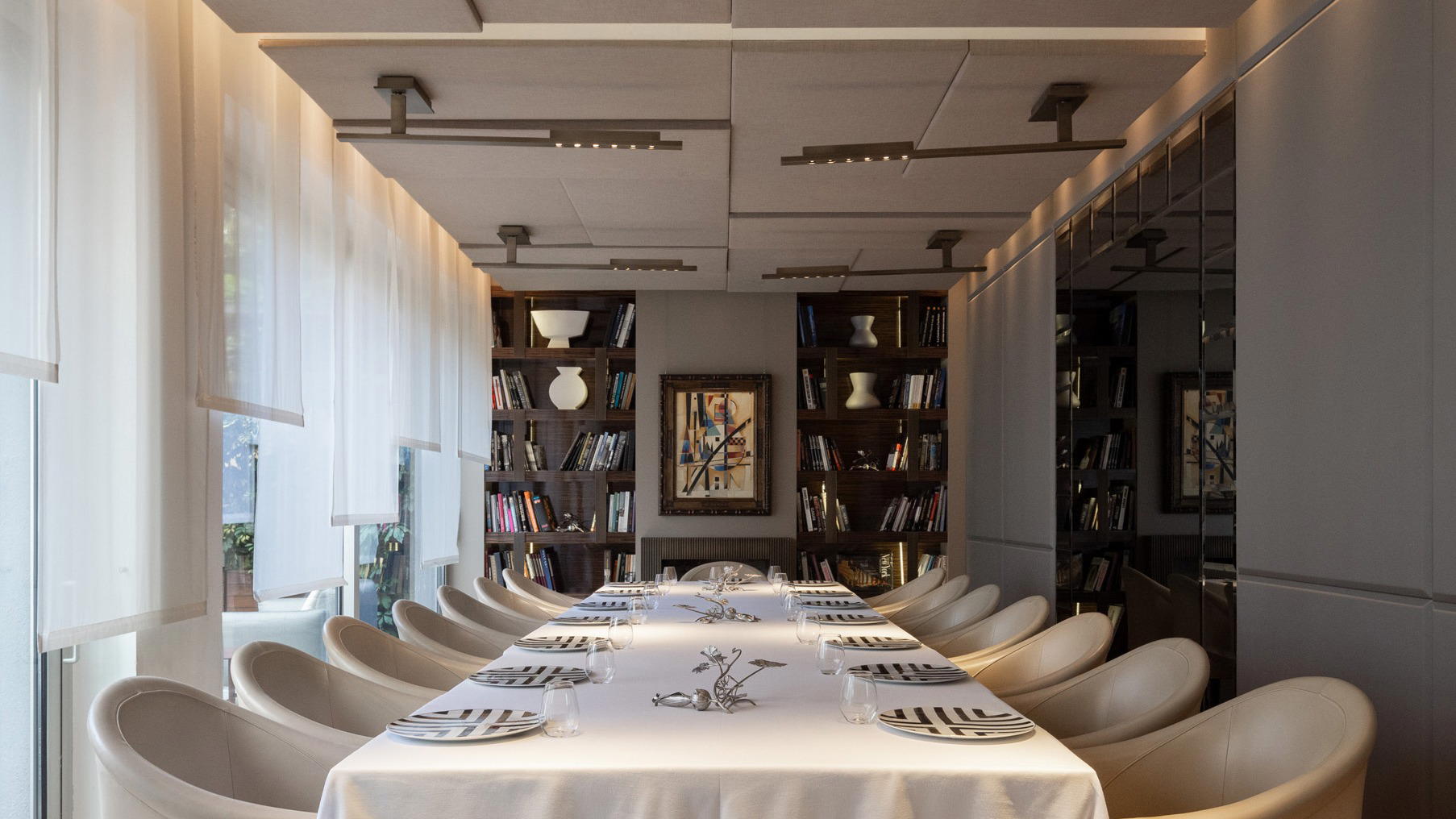
Bars in Montornes Del Valles
Browse all →

Hotels in Montornes Del Valles
Browse all →

At a Glance
- Modern
- Cozy
- Intimate
- Family
- Casual Hangout
- Terrace
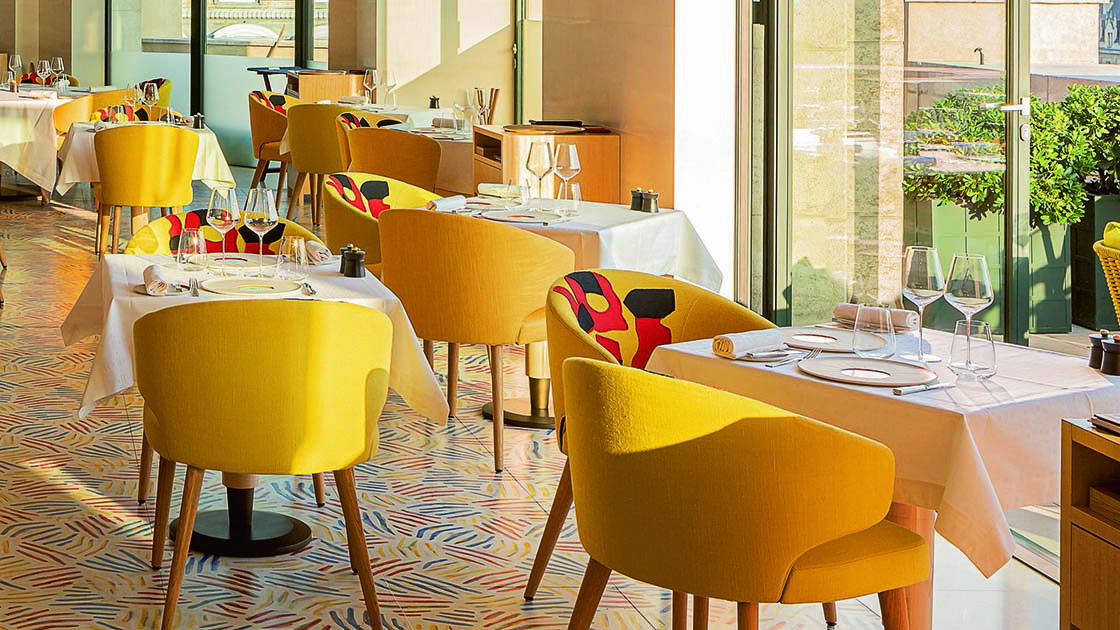
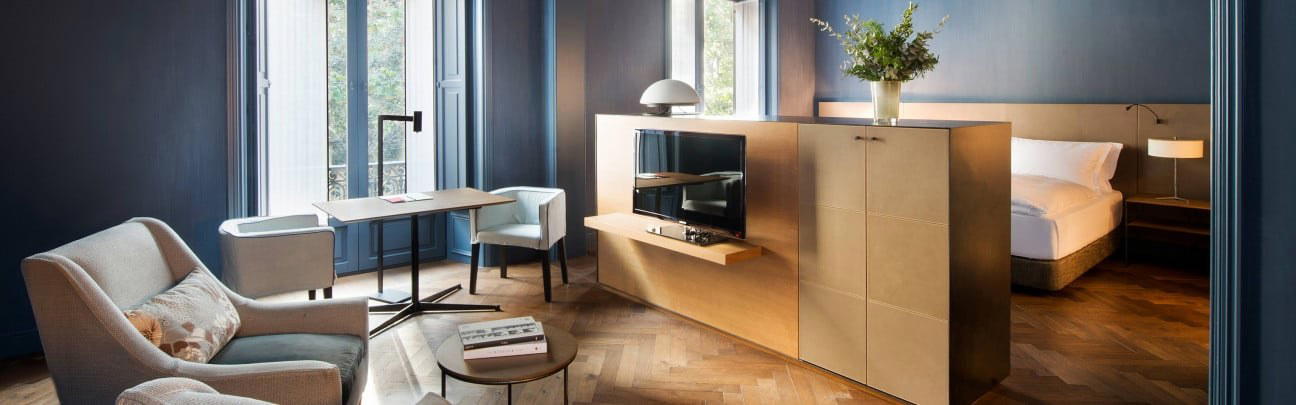
Nice cool Japanese atmosphere, cozy and intimate with options for indoor or terrace dining.