Konkai Sushi House occupies a quiet stretch of Eixample's Roger de Flor, bringing Japanese counter technique to a city whose food culture has long prioritised Mediterranean produce. Where Barcelona's top creative tables operate at €€€€ tasting-menu scale, Konkai works at a different register, applying imported precision to local seafood in a format shaped more by Tokyo than the Ramblas.
Pearl is the En Primeur Club membership app — saves, bookings, and concierge access live there. Same editors, same standards.
- Address
- Carrer de Roger de Flor, 222 Bis, Eixample, 08013 Barcelona, Spain
- Phone
- +34931560414
- Website
- konkaisushi.es
- Directions
- Get directions
 Saves & bookings on Pearl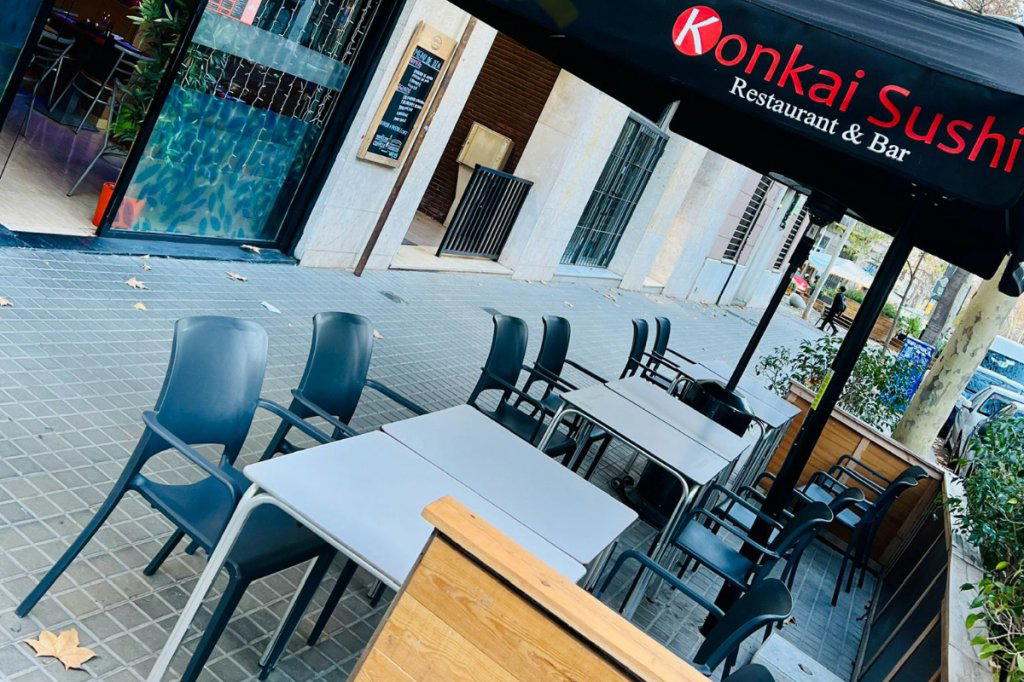
Japanese Precision in a Mediterranean City
Eixample was designed for density and order, Cerdà's grid, wide pavements, interior courtyards that trap afternoon light. Carrer de Roger de Flor runs through that geometry without much fanfare, a residential stretch where the neighbourhood does its actual living rather than its performing. Konkai Sushi House sits at Carrer de Roger de Flor, 222 Bis, in Barcelona's Eixample.
That address sits inside one of Europe's most competitive fine-dining cities. Barcelona's leading tables, from Disfrutar and Enigma to Cocina Hermanos Torres and Lasarte, operate at the expensive end of progressive European cuisine, with Michelin stars, long tasting menus, and price points to match. Japanese-format restaurants occupy a different tier in that conversation, quieter in press terms, but increasingly confident in positioning.
The Technique-Produce Intersection
The broader argument for Japanese counter technique applied to Mediterranean seafood is not a new one, but it remains genuinely interesting. Spain's coastal waters produce ingredient quality that competes with Japan's leading markets: red prawns from Palamós carry sweetness and oceanic depth that needs almost no intervention; Galician sea urchin runs briny and clean; Atlantic bluefin tuna from the south, as seen at places like Aponiente in El Puerto de Santa María, sits at a level where Japanese aging and temperature discipline only heightens what is already there. The question any sushi operation in Spain faces is how deliberately it engages with that produce, rather than importing the Japanese pantry wholesale.
That intersection, when handled with care, produces something that neither a traditional Edomae counter in Tokyo nor a standard Barcelona seafood restaurant would generate. The Spanish-Japanese hybrid is not a gimmick, it is a genuinely distinct product category, one that counters in Madrid and Barcelona have explored with growing seriousness over the past decade. DiverXO in Madrid works a related tension between Asian structure and Spanish ingredient logic, though at an entirely different scale and register. In the counter format specifically, the discipline of omakase service, where the chef's sequencing and knife work drive the experience, places a high premium on the quality of what arrives on the plate, with nowhere to hide behind sauce or composition.
Barcelona's Japanese Counter Scene
Barcelona has developed a meaningful cohort of Japanese and Japanese-influenced restaurants over the past fifteen years, tracking a pattern visible in other major European cities: as Japanese food culture gained critical recognition globally, the first wave of generic sushi bars gave way to more considered operations focused on product sourcing, counter format, and controlled menus. Cities like London, Paris, and Copenhagen went through similar progressions. Barcelona's version is shaped by the availability of notable local seafood, the presence of a dining public accustomed to product-forward cooking through its deep Catalan culinary culture, and proximity to Spain's broader avant-garde restaurant tradition, represented by destinations like El Celler de Can Roca in Girona and Mugaritz in Errenteria.
The Eixample district itself has become one of the more interesting residential dining areas in the city, sitting between the tourist-heavy old town and the upper residential neighbourhoods. Restaurants here tend to address a local audience, working professionals, design-industry residents, repeat diners who know what they want, rather than the broader leisure market. That shapes the kind of operation that can sustain itself at this address. ABaC in the upper city and the starred operations further afield suggest the range of what the Barcelona market supports, but Eixample's Japanese counter proposition sits in a more contained competitive niche.
Local Seafood, Global Method
The editorial argument for following Japanese rice-to-fish ratios and temperature protocols with Mediterranean shellfish is ultimately about coherence. Technique without appropriate product is theatre; product without technique can be careless. The counters that work in this format, and a comparison to Atomix in New York City, which applies Korean culinary logic to global luxury produce, or to Le Bernardin in New York City, where French classical precision meets Atlantic seafood, shows how broadly this principle travels, are the ones where the method genuinely serves the ingredient rather than overriding it.
Spain's wider seafood geography matters here. Palamós prawn season runs from spring into summer; percebes from the Galician coast arrive in their leading form through the colder months; local sea bass and bream follow Mediterranean patterns tied to water temperature. A counter operation that tracks those rhythms rather than locking in a static menu gains a seasonal honesty that reflects both the Japanese tradition of responding to what the market offers and the Mediterranean instinct for cooking to the calendar. Spanish chefs with serious records in this kind of produce-led thinking, from Quique Dacosta in Dénia to Ricard Camarena in València, have spent careers demonstrating what happens when Mediterranean coastal produce meets structured technique. The counter-sushi format applies a different structural vocabulary to the same raw material.
For those building a Spain-wide itinerary around serious cooking, the country offers a concentration of creative restaurant talent at the highest level: Arzak in San Sebastián, Azurmendi in Larrabetzu, Martin Berasategui in Lasarte-Oria, and Atrio in Cáceres each represent distinct regional expressions of what Spanish cuisine has built over the past three decades. Barcelona's Japanese counter scene is a smaller, quieter chapter within that story, but it draws on the same notable raw material that makes the broader narrative worth following.
At a Glance
Comparable venues nearby, for context on price, style, and recognition.
| Venue | Cuisine | Price | Notes |
|---|---|---|---|
| konkai sushi HouseThis venue — the venue you are viewing | Not listed | $$$ | Not listed |
| Ikibana | Sant Antoni, Japanese-Brazilian Fusion | $$$ | Not listed |
| Nomo Galvany | Not listed | $$$ | Sant Gervasi - Galvany, Modern Japanese Sushi |
| Carlota Akaneya | el Raval, Japanese Sumibiyaki | $$$$ | Not listed |
| Koikoi Sushi | el Baix Guinardo, Japanese Sushi Fusion | $$ | Not listed |
| Público | Not listed | $$$ | l'Antiga Esquerra de l'Eixample, Modern Mediterranean Market Grill |
Continue exploring
More in Barcelona
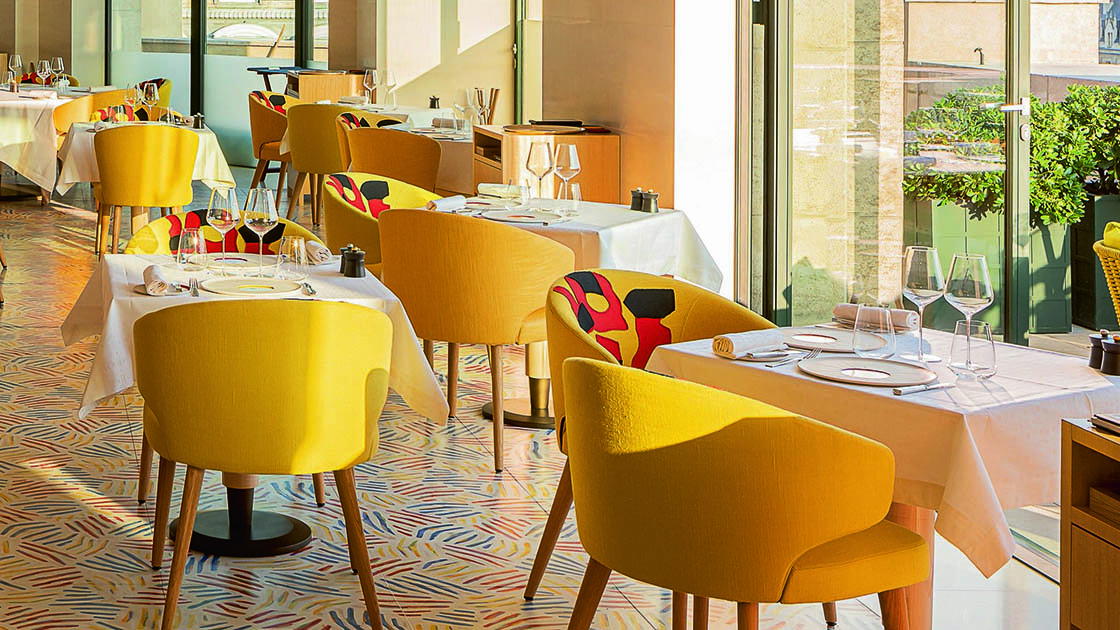
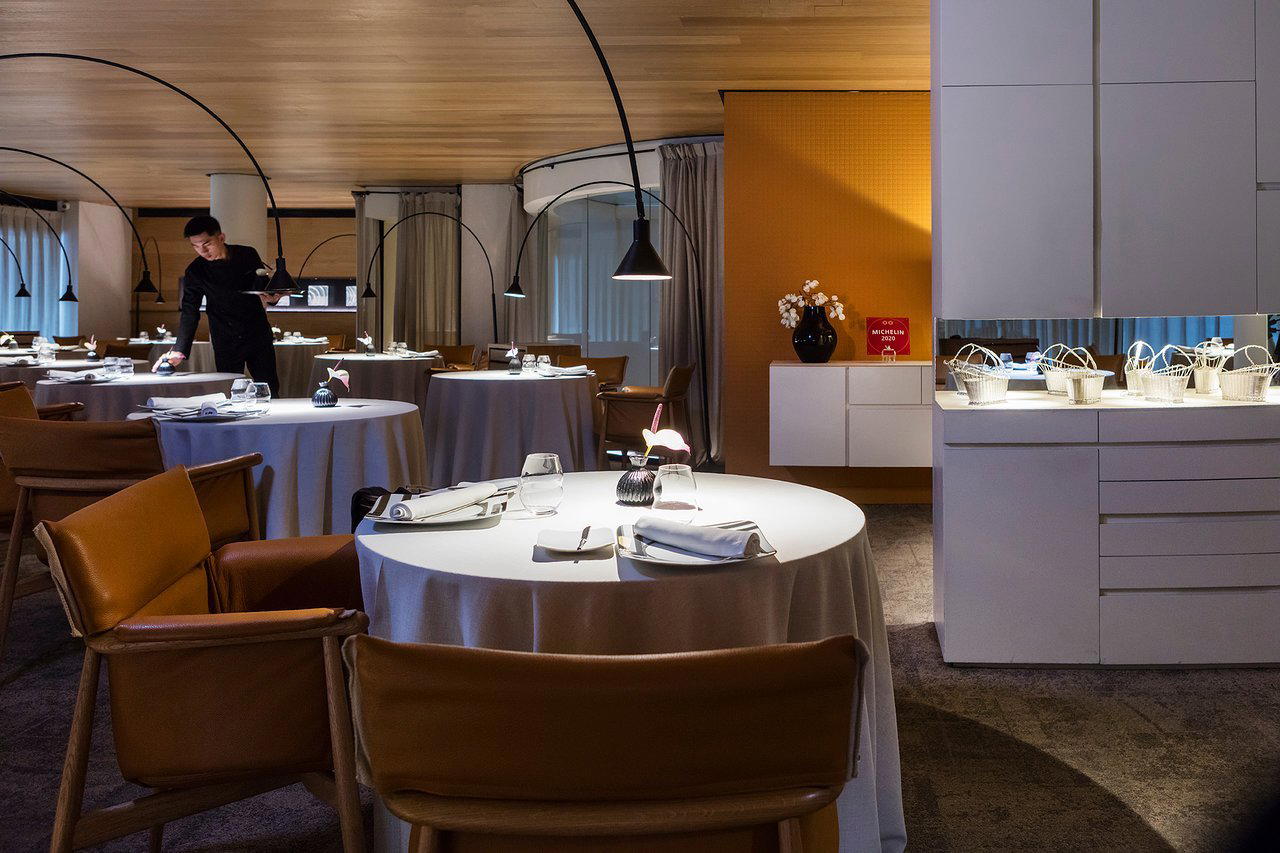
Restaurants in Barcelona
Browse all →
Bars in Barcelona
Browse all →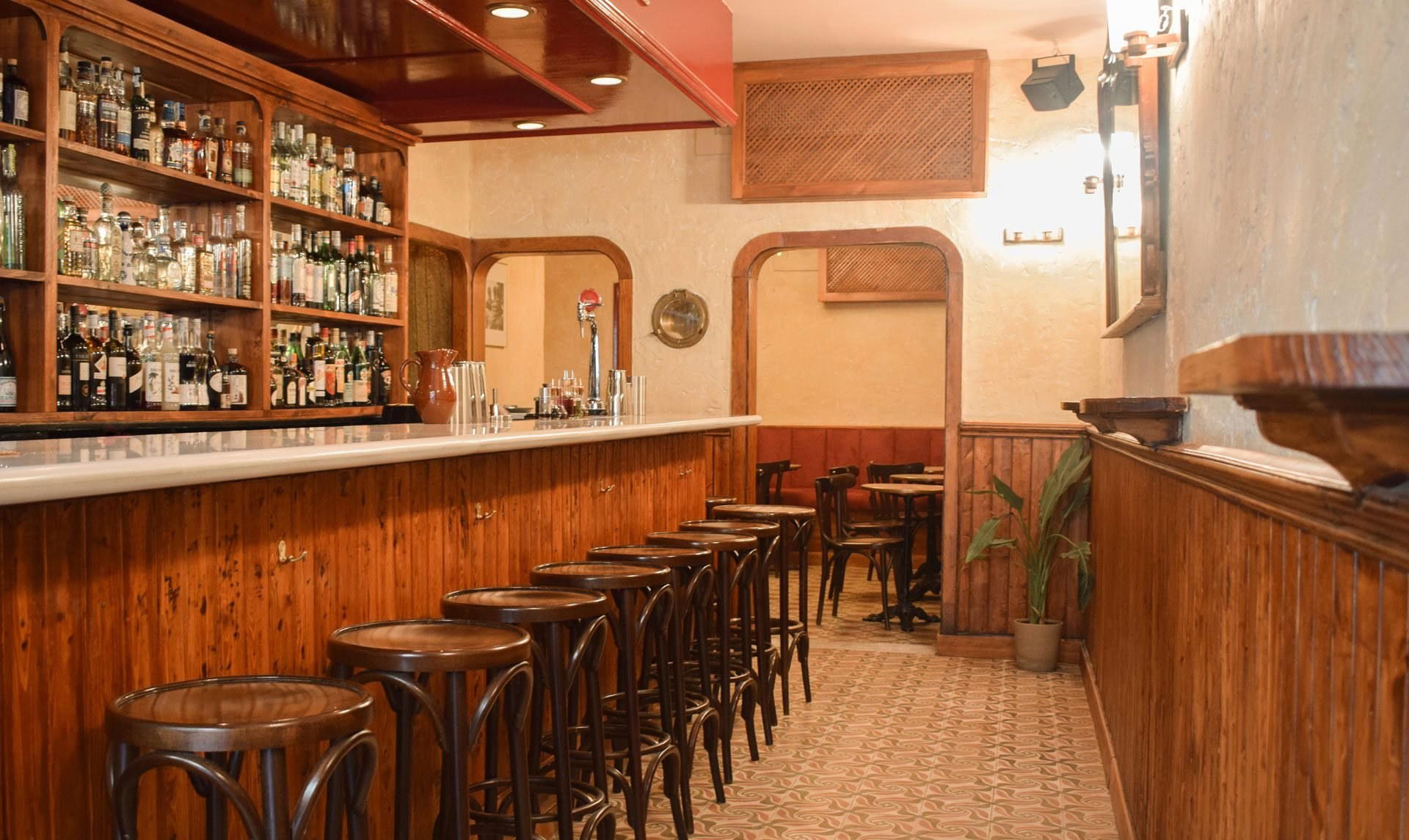
Hotels in Barcelona
Browse all →
At a Glance
- Cozy
- Intimate
- Modern
- Casual Hangout
- Group Dining
- Terrace
Current opening hours
- Monday
- 12 PM–12 AM
- Tuesday
- 5:30 PM–12 AM
- Wednesday
- 12 PM–12 AM
- Thursday
- 12 PM–12 AM
- Friday
- 12 PM–12 AM
- Saturday
- 12 PM–12 AM
- Sunday
- 12 PM–12 AM
Hours can change for holidays and private events. Last verified .
Simple and comfortable interior with an intimate terrace, offering a cozy and welcoming atmosphere.