FOCO sits on Carrer de l'Encarnació in Gràcia, the Barcelona neighbourhood that has become a testing ground for restaurants operating outside the city's headline fine-dining circuit. The address places it among a cluster of smaller, independently driven rooms where the kitchen-to-floor dynamic matters as much as the plate. Expect a format shaped by collaboration rather than solo authorship.
 Discover on Pearl
Pearl is the En Primeur Club membership app — saves, bookings, and concierge access live there. Same editors, same standards.
- Address
- Carrer de l'Encarnació, 52, Gràcia, 08024 Barcelona, Spain
- Website
- focobcn.com
Gràcia's Quieter Register
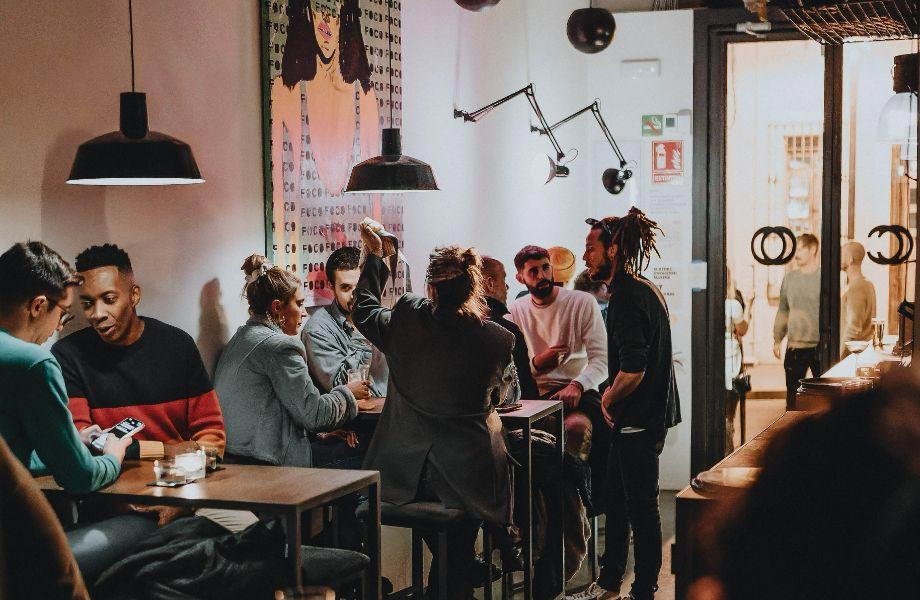
Barcelona's fine-dining conversation tends to orbit the same coordinates: the Eixample blocks where Lasarte and ABaC operate, the converted industrial spaces that house Cocina Hermanos Torres, and the technically baroque rooms like Disfrutar and Enigma that have defined the city's international reputation over the past decade. Gràcia sits at a remove from all of that. The neighbourhood's streets are narrower, the pace slower, and the dining culture historically more rooted in neighbourhood loyalty than destination traffic. FOCO is a modern cocktail bar in Gràcia, Barcelona, with a Google rating of 4.8 and an average price of about $26 per person. FOCO, at Carrer de l'Encarnació 52, occupies that register deliberately.
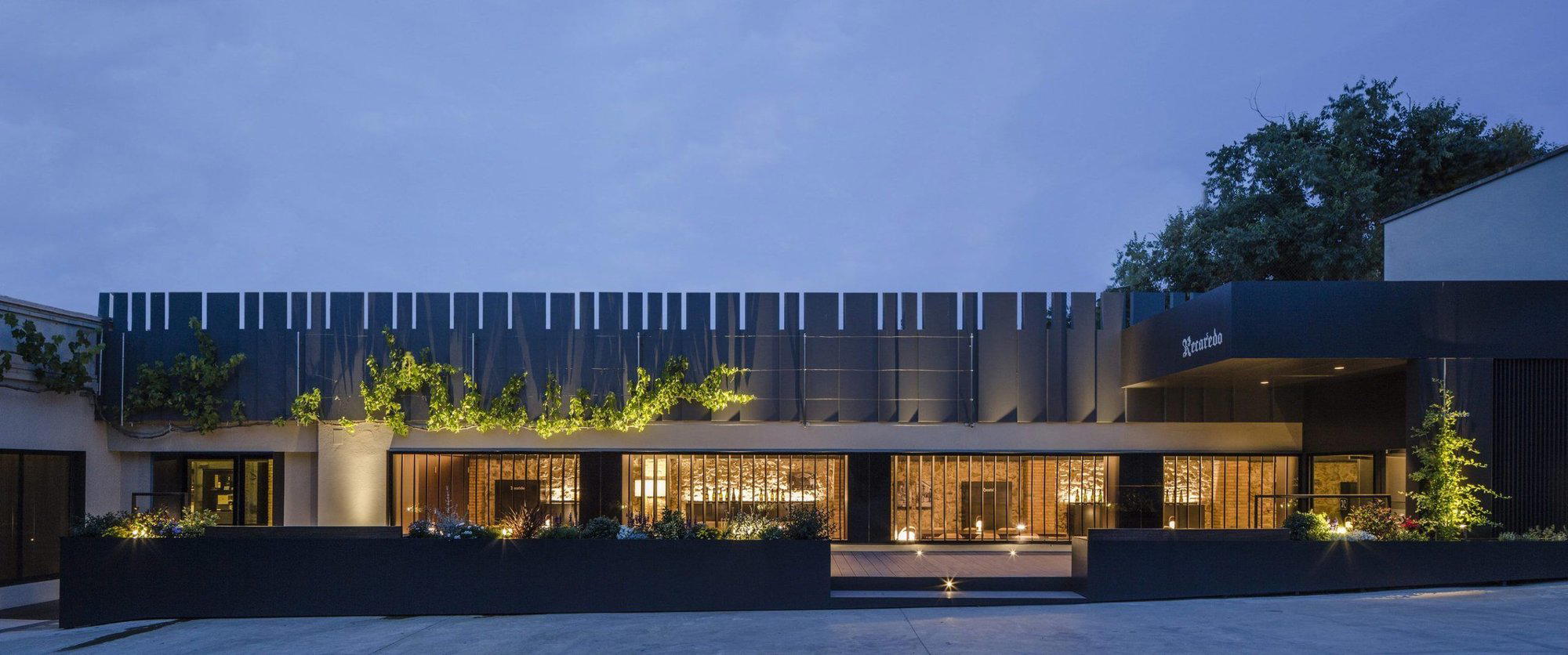
Approaching from the lower end of the street, the address reads as residential before it reads as culinary. That contrast, between the domestic scale of the block and what happens inside, is common to the most interesting rooms working in this tier of European dining. The physical environment sets expectations that the kitchen then negotiates against. In Gràcia, where the surrounding streets offer everything from traditional Catalan taverns to casual natural-wine bars, a room that operates with precision has to earn its position through what arrives on the table, not through architectural spectacle.
The Team Behind the Room
Across Spain's broader creative-dining circuit, the restaurants that have sustained the most critical attention are rarely solo projects. El Celler de Can Roca in Girona built its reputation on the explicit division of labour between three brothers, each owning a distinct domain. Mugaritz in Errenteria operates through a research-collective model where no single voice dominates. Even in larger international contexts, the shift away from the singular-chef-as-auteur model has been pronounced: Le Bernardin in New York City and Lazy Bear in San Francisco both function through structured team frameworks where front-of-house, sommelier, and kitchen operate as a visible system rather than a hierarchy masked by white tablecloths.
FOCO sits within that broader pattern. The editorial angle that applies here is not the biography of any single individual but the dynamic between kitchen and floor, how the room reads a table, how wine pacing is managed relative to course rhythm, and how front-of-house narrates without over-explaining. In a neighbourhood dining context, where the room size tends to be smaller and the team therefore more visible in its operations, those dynamics become the primary texture of the experience. You notice the timing between a plate being cleared and the next pour. You notice whether the person describing a dish knows it from the kitchen or from the dining room. FOCO operates in a scale where those details are hard to hide and harder to fake.
Where It Sits in Barcelona's Creative Tier
Barcelona currently runs two parallel tracks in creative dining. The first is the internationally credentialed, Michelin-recognised circuit: Disfrutar, Lasarte, Cocina Hermanos Torres, and ABaC anchor that tier, with price points and booking lead times that signal their position within Spain's wider fine-dining infrastructure. The second track is less codified: smaller rooms, often without national awards attention, running creative or modern menus for a predominantly local audience that is sophisticated enough not to need the Michelin shorthand as a quality filter. FOCO belongs to that second track.
That positioning carries specific implications. The pressure to perform for international reviewers or awards inspectors is lower, which can produce either complacency or a more honest version of what the kitchen actually wants to do. The leading rooms in this tier across Spain, and there are strong regional examples in València and further afield at places like Atrio in Cáceres, tend to produce menus that feel less curated for external validation and more calibrated for a specific, returning clientele. The tradeoff is lower visibility on international booking platforms and less pre-arrival information available to first-time diners.
Seasonal Timing and the Gràcia Dining Calendar
Gràcia is one of Barcelona's most active neighbourhood dining districts during the spring and autumn shoulder seasons, when the city's resident population dominates tables ahead of summer tourist volume. The Festa Major de Gràcia in mid-August transforms the neighbourhood's streets into a public event space, which affects both foot traffic and restaurant pacing significantly. Visiting in September or October, when the festival crowds have cleared but the weather remains conducive to evening dining, tends to produce a more settled neighbourhood experience. Spain's broader creative-dining calendar also concentrates activity in those months: the country's serious restaurant scene, from Quique Dacosta in Dénia to Arzak in San Sebastián and Azurmendi in Larrabetzu, runs at full capacity through the autumn before seasonal closures and menu resets in winter.
At the neighbourhood scale where FOCO operates, seasonal rhythm matters in a more immediate way. The market infrastructure of Gràcia, including the Mercat de l'Abaceria on Travessera de Gràcia, gives kitchens in the area direct access to produce cycles that a larger, more logistically complex restaurant cannot respond to as quickly. That proximity to the market calendar tends to shape menu decision-making in ways that a printed dish list cannot fully capture.
For broader context on Spain's creative-dining tier, the regional comparison extends naturally to Martin Berasategui in Lasarte-Oria, Aponiente in El Puerto de Santa María, and DiverXO in Madrid, all of which operate in a different scale and format from the Gràcia neighbourhood model but define the national benchmark against which Barcelona's smaller creative rooms are implicitly measured.
Peers Worth Knowing
Comparable venues nearby, for context on price, style, and recognition.
| Venue | Cuisine | Price | Notes |
|---|---|---|---|
| FOCOThis venue — the venue you are viewing | Modern Cocktail Bar | $$$ | |
| Lasun restaurant | Authentic Nepalese | $$ | la Sagrada Familia |
| La Tavernicola | Authentic Argentine Steakhouse | $$ | el Poblenou |
| NUTS Indulgence Club | Cocktail Bar with Premium Tapas | $$$$ | l'Antiga Esquerra de l'Eixample |
| Del Claris Terrace | Innovative Modern Mediterranean | $$$ | la Dreta de l'Eixample |
| Nu Bcn | Modern Asian Fusion with Sushi | $$$ | Sant Gervasi - Galvany |
Continue exploring
More in Barcelona
Restaurants in Barcelona
Browse all →
Bars in Barcelona
Browse all →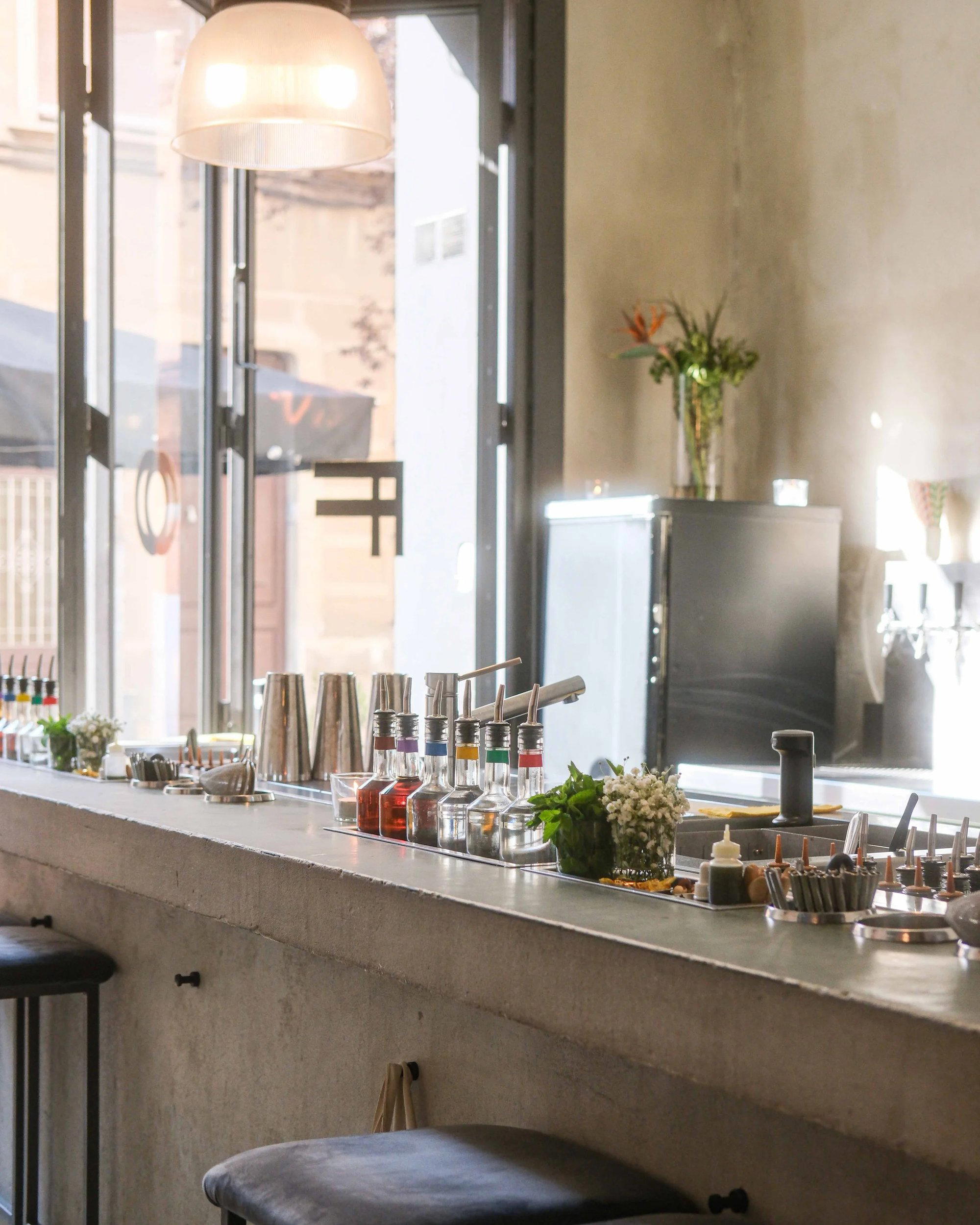
Hotels in Barcelona
Browse all →
At a Glance
- Modern
- Trendy
- Cozy
- Casual Hangout
- Date Night
- After Work
- Open Kitchen
- Craft Cocktails
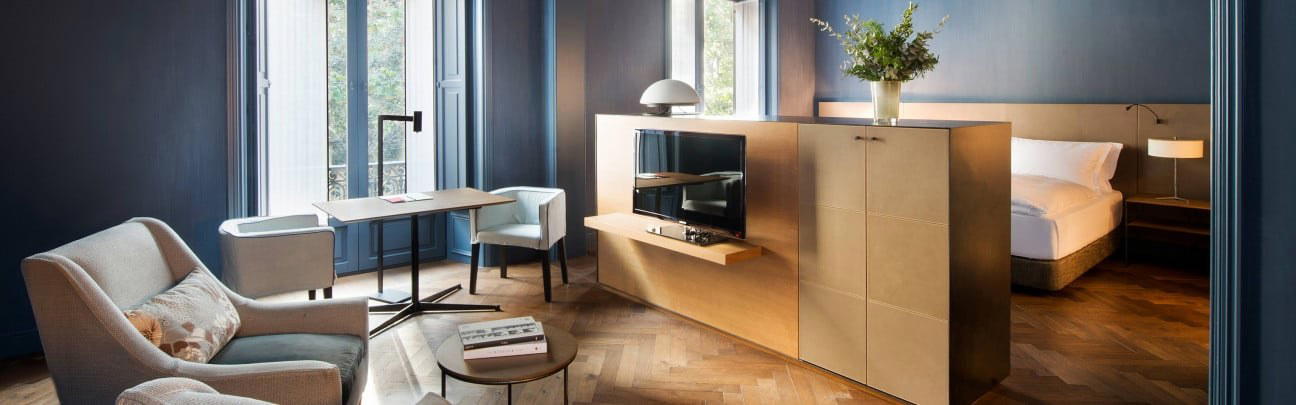
Laid-back atmosphere with contemporary, minimalist, somewhat industrial interior and warm natural light.