Ramen in Barcelona occupies a curious position: a Japanese staple transplanted into a city with its own fierce culinary identity. Grasshopper Ramen Bar, on Plaça de la Llana in the El Born district, sits within that tension. For a neighbourhood that has absorbed wave after wave of international influence without losing its character, a serious ramen counter feels less like an intrusion and less like a novelty than it might elsewhere.
Pearl is the En Primeur Club membership app — saves, bookings, and concierge access live there. Same editors, same standards.
- Address
- 08003, Plaça de la Llana, 9, 08003 Barcelona, Spain
- Phone
- +34 935 00 50 81
- Website
- mosquitotapas.com
- Directions
- Get directions
 Saves & bookings on Pearl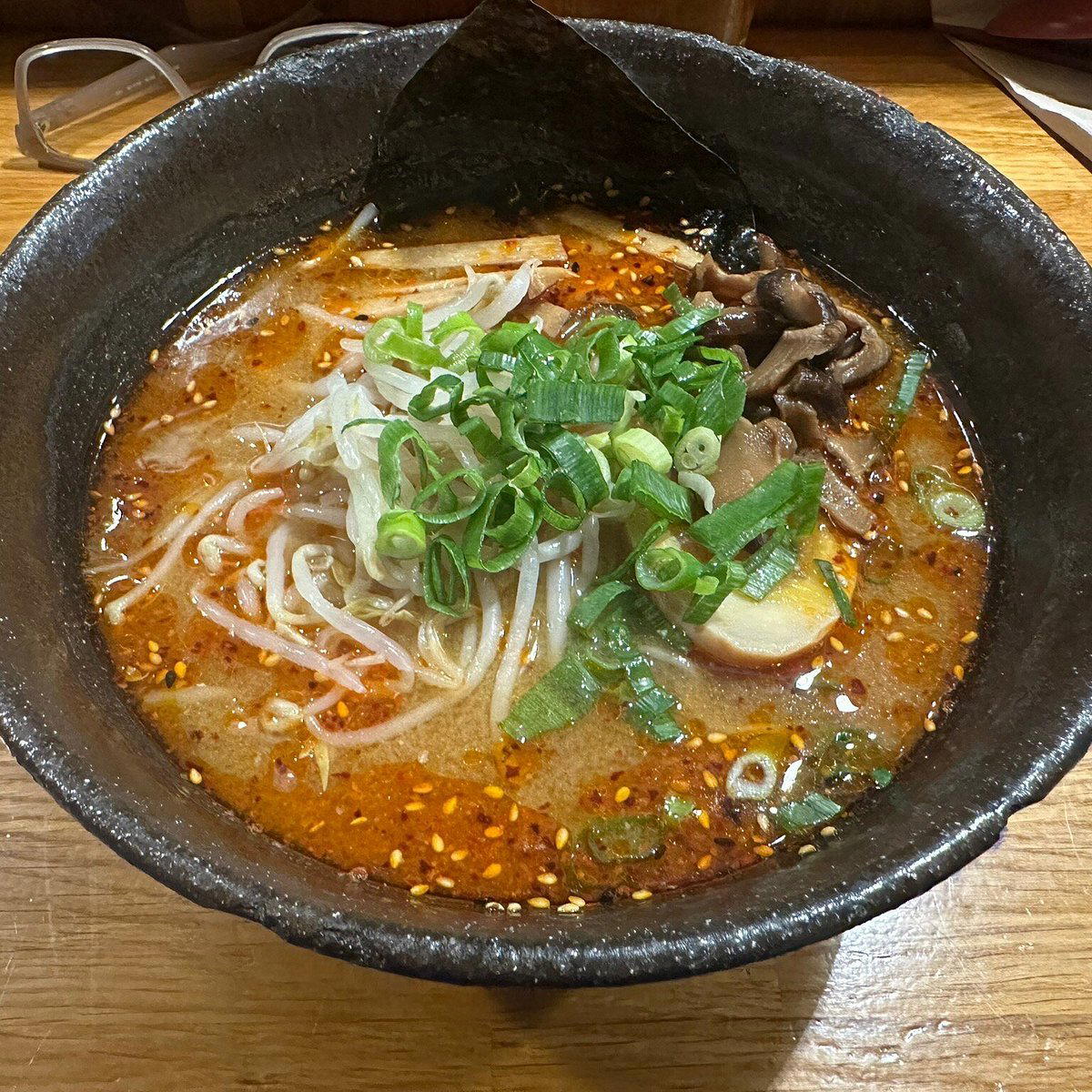
El Born and the Logic of Ramen in Barcelona
Grasshopper Ramen Bar is a restaurant in Barcelona's El Born serving Traditional Japanese Ramen, with a casual dress code and a price tier of about $20 per person. Plaça de la Llana sits in the older grain of El Born, a neighbourhood that has cycled through working-class market culture, creative reinvention, and a more recent wave of culinary ambition that places it alongside Gràcia and the Eixample as one of the city's most internationally attentive dining districts. The streets around the Basílica de Santa Maria del Mar have absorbed sushi counters, natural wine bars, and Southeast Asian kitchens without much visible strain. Ramen fits that pattern. It is not a category that arrives in Barcelona as a curiosity, the city's appetite for technically serious Japanese food has grown steadily over the past decade, and the bar for what passes as credible now sits considerably higher than it did when the first bowls appeared in the early 2010s.
Grasshopper Ramen Bar, at Plaça de la Llana 9, operates inside this context. The address puts it at a slight remove from the densest tourist corridors of El Born, closer to the Sant Pere end of the neighbourhood, where the foot traffic is more local and the dining choices skew toward the considered rather than the convenient. That geography shapes the expectation before the door opens.
What Ramen Means as a Form, and Why It Travels
Ramen's cultural history complicates any direct reading of it as a Japanese export. The dish has Chinese origins, absorbed into Japanese food culture during the Meiji and Taisho periods before being standardised and proliferated in the post-World War II decades, when cheap, filling bowls became central to urban recovery. The version that now commands serious money in cities from London to Los Angeles to Barcelona is a different animal from that, a craft category with its own competitive hierarchies, apprenticeship structures, and regional orthodoxies.
In Japan, ramen is intensely localised: Sapporo's miso-forward style, Hakata's tonkotsu, Tokyo's shoyu, Kyoto's chicken-based lighter broths. Each has a logic tied to geography, ingredient availability, and historical accident. When ramen travels, those distinctions rarely travel with the same fidelity. What tends to survive is the commitment to broth depth, the long-simmered stocks that define the category, alongside the interplay between noodle texture and tare seasoning. Barcelona's better ramen kitchens have understood this, and the conversation in the city has shifted from whether ramen belongs here at all to which approaches are being executed with the discipline.
Spain's own culinary culture provides an unexpected point of reference. The Spanish instinct for stock as a foundation, whether in cocido madrileño or Catalan escudella, means that a serious broth-forward bowl is not entirely alien to how diners here already think about soup. That shared logic doesn't make ramen Spanish, but it does make it legible in a way that cuts across cultural distance.
The El Born Setting and What It Signals
Dining in El Born has sorted itself into recognisable tiers over the past few years. At the leading end, Barcelona's creative restaurants, Disfrutar, Enigma, ABaC, Lasarte, and Cocina Hermanos Torres, anchor a fine-dining scene that competes with the broader Spanish constellation that includes El Celler de Can Roca in Girona, Mugaritz in Errenteria, and Quique Dacosta in Dénia. Below that tier, the neighbourhood sustains a denser, more informal layer: wine bars, pintxos counters, small-plate kitchens, and the growing category of internationally-rooted casual dining to which a ramen bar belongs.
Grasshopper Ramen Bar operates in that informal register. The Plaça de la Llana address is walkable from the Jaume I metro station, a short walk places you at the heart of El Born's dining grid, with onward access to the Gothic Quarter and the waterfront. For visitors building an itinerary around the neighbourhood, it slots naturally into an evening that might begin with vermouth in a nearby bar and end at a natural wine list further along the same streets.
How Barcelona's Ramen Scene Positions Itself
Barcelona is not Tokyo, and its ramen offerings do not pretend to the same density of specialisation. What the better kitchens here have developed is a coherent sense of their own position: not attempting to replicate the hyperspecialised regional styles of Japan's ramen districts, but building technically grounded bowls that hold up against informed scrutiny. The standard of comparison has also risen because Barcelona diners travel more, eat more broadly, and return with higher expectations than they did ten years ago.
The city's broader Japanese food culture provides useful context. Sushi counters at the higher end of the market, competing with the sort of omakase experiences now available in London and Paris, have raised awareness of technique and sourcing in ways that filter down. A diner who has eaten at a serious sushi counter in Eixample is more likely to ask whether the dashi in their ramen broth is made properly, or whether the noodles are produced in-house. That raised baseline has been quietly beneficial for the category as a whole.
Spain's wider culinary moment adds further texture. The country's restaurant culture, anchored by figures operating at places like Arzak in San Sebastián, Martin Berasategui in Lasarte-Oria, Aponiente in El Puerto de Santa María, Azurmendi in Larrabetzu, Ricard Camarena in València, Atrio in Cáceres, and DiverXO in Madrid, has built a general culture of ingredient seriousness and technique ambition that has permeated well beyond fine dining. International reference points like Le Bernardin in New York City and Lazy Bear in San Francisco show how craft-casual formats can hold serious technical ambitions without the formality of a tasting menu, a model that ramen bars in cities like Barcelona increasingly follow.
Planning a Visit
Grasshopper Ramen Bar is located at Plaça de la Llana 9, 08003 Barcelona, in the Sant Pere section of El Born. The nearest metro access is Jaume I on Line 4. The restaurant is open Monday through Sunday from 1 to 4 PM and 7:30 to 11 PM. The restaurant is walk-in friendly, and the dress code is casual.
Quick Comparison
Comparable venues nearby, for context on price, style, and recognition.
| Venue | Cuisine | Price | Notes |
|---|---|---|---|
| Grasshopper Ramen BarThis venue — the venue you are viewing | Traditional Japanese Ramen | $$ | Not listed |
| Kak Koy | Japanese-Catalan Fusion Robatayaki | $$$ | Barri Gotic |
| Can Kenji | Japanese Izakaya with Mediterranean Fusion | $$ | la Dreta de l'Eixample |
| Restaurant Sushi Taller | Authentic Japanese Sushi | $$ | Sant Gervasi - la Bonanova |
| La COCO | Japanese-Mediterranean Fusion | $$ | la Vila de Gracia |
| SAGÀS Pagesos i Cuiners | Catalan Farm-to-Table Sandwiches and Tapas | $$ | Sant Pere, Santa Caterina i la Ribera |
Continue exploring
More in Barcelona
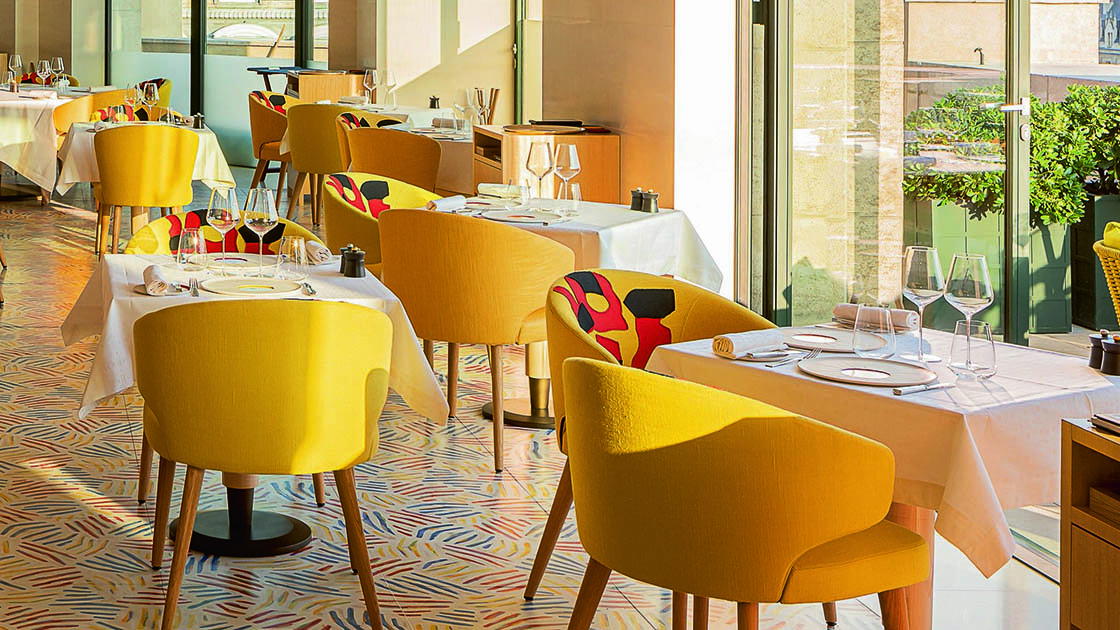
Restaurants in Barcelona
Browse all →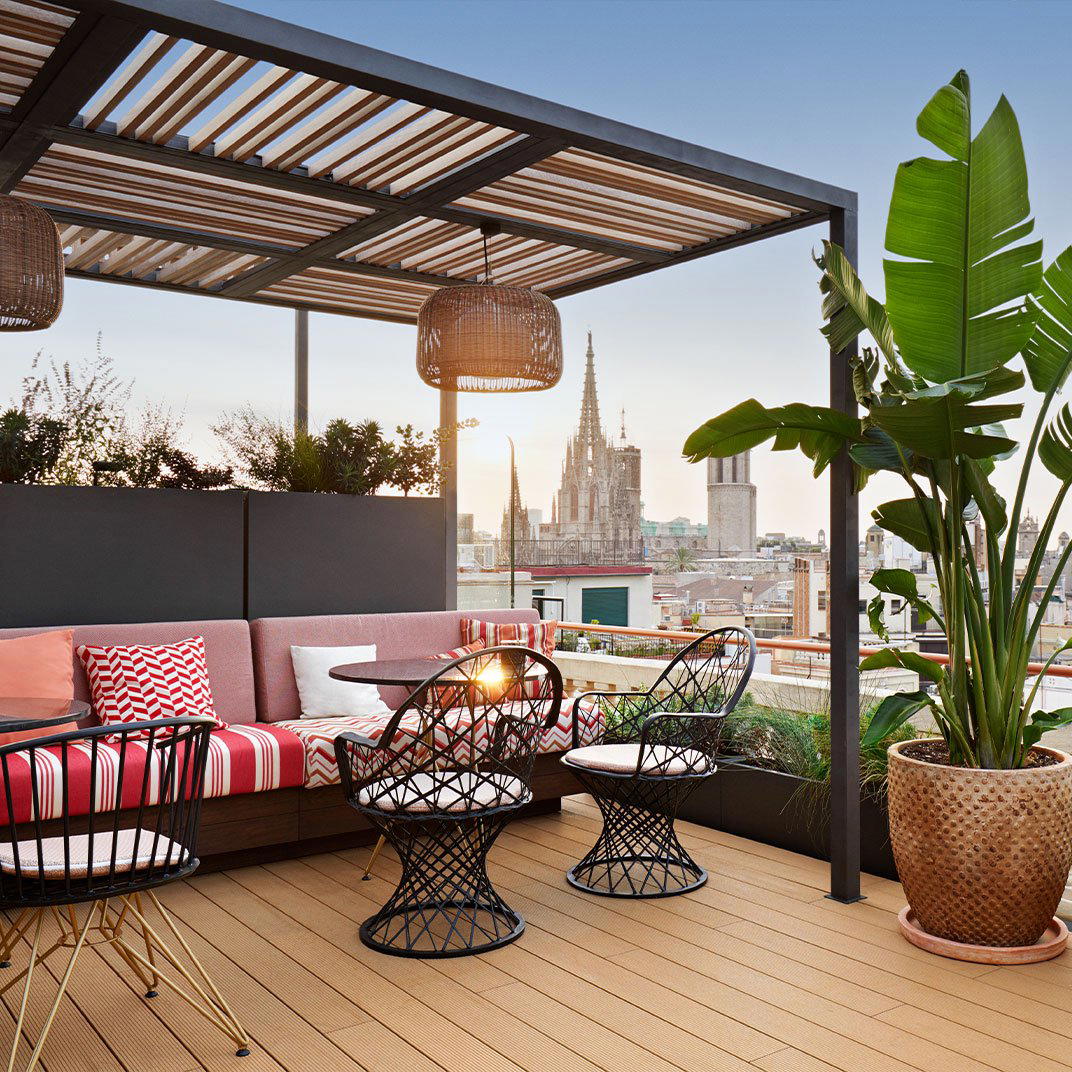
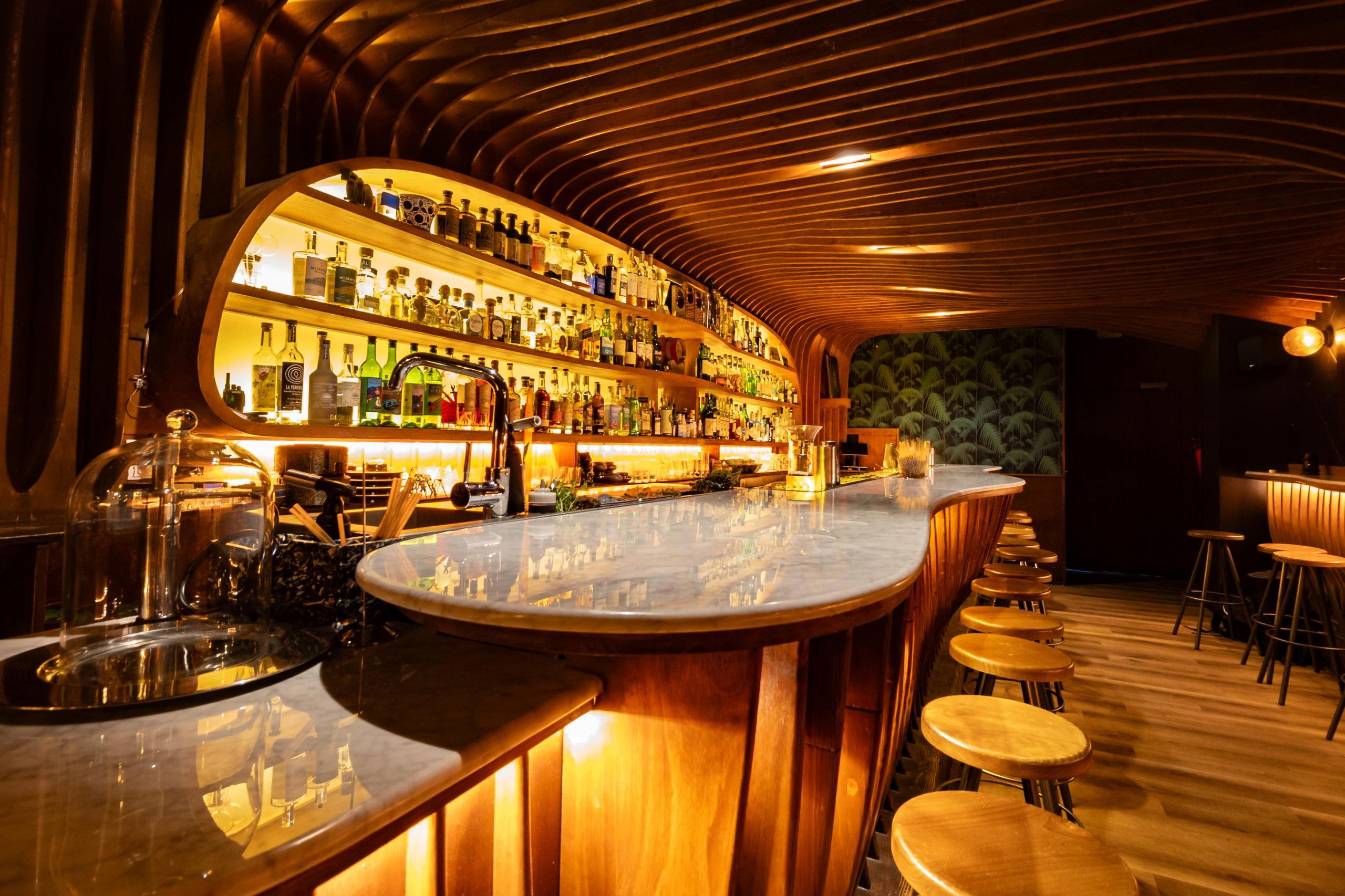
Bars in Barcelona
Browse all →
Hotels in Barcelona
Browse all →



At a Glance
- Cozy
- Trendy
- Intimate
- Casual Hangout
- After Work
- Beer Program
- Sake Program
Current opening hours
- Monday
- 1–4 PM, 7:30–11 PM
- Tuesday
- 1–4 PM, 7:30–11 PM
- Wednesday
- 1–4 PM, 7:30–11 PM
- Thursday
- 1–4 PM, 7:30–11 PM
- Friday
- 1–4 PM, 7:30–11 PM
- Saturday
- 1–4 PM, 7:30–11 PM
- Sunday
- 1–4 PM, 7:30–11 PM
Hours can change for holidays and private events. Last verified .
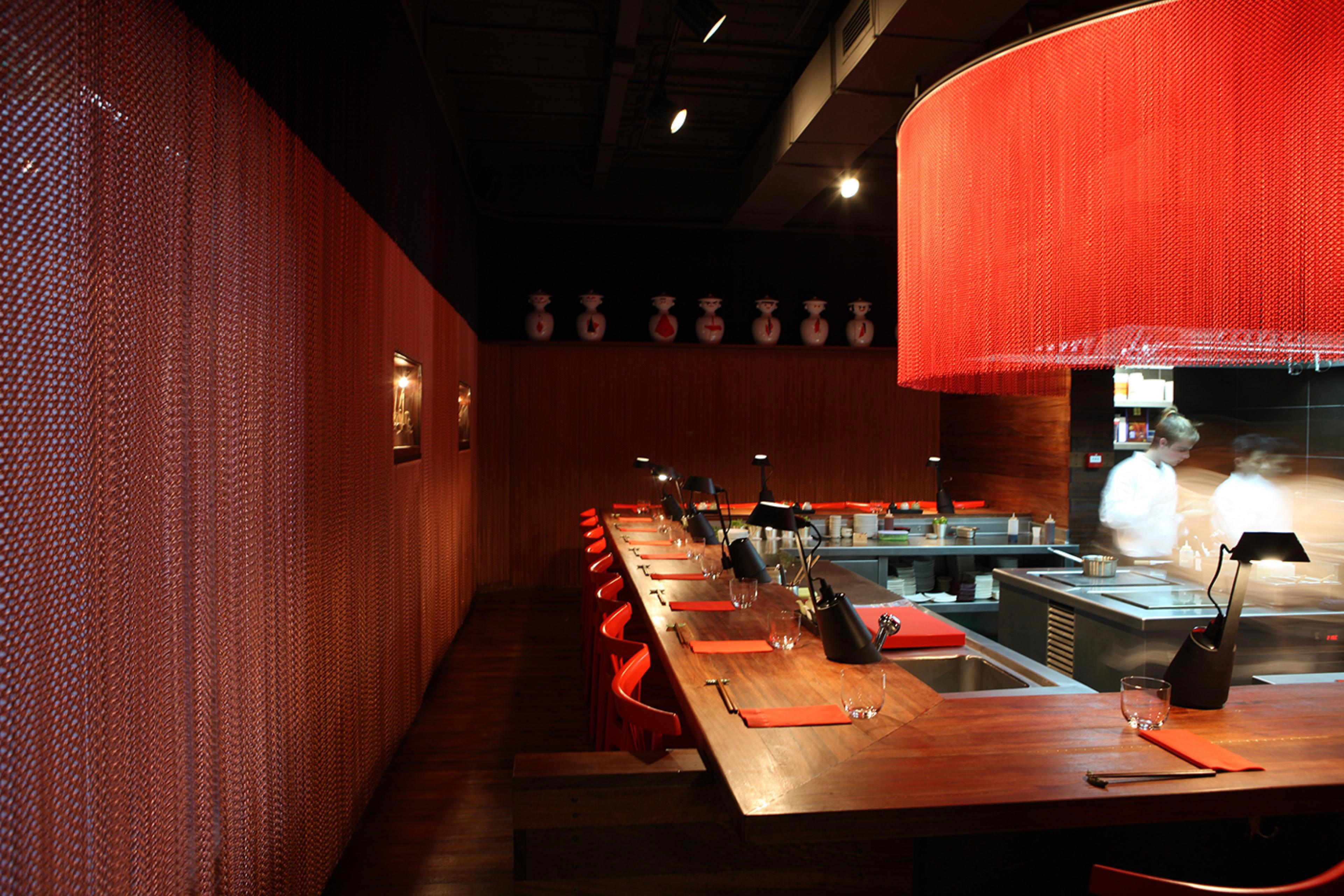
Cozy, homely, and friendly atmosphere with a long wooden counter reminiscent of Kyoto ramen bars.