
Tabelog 100 #9
Our verdict
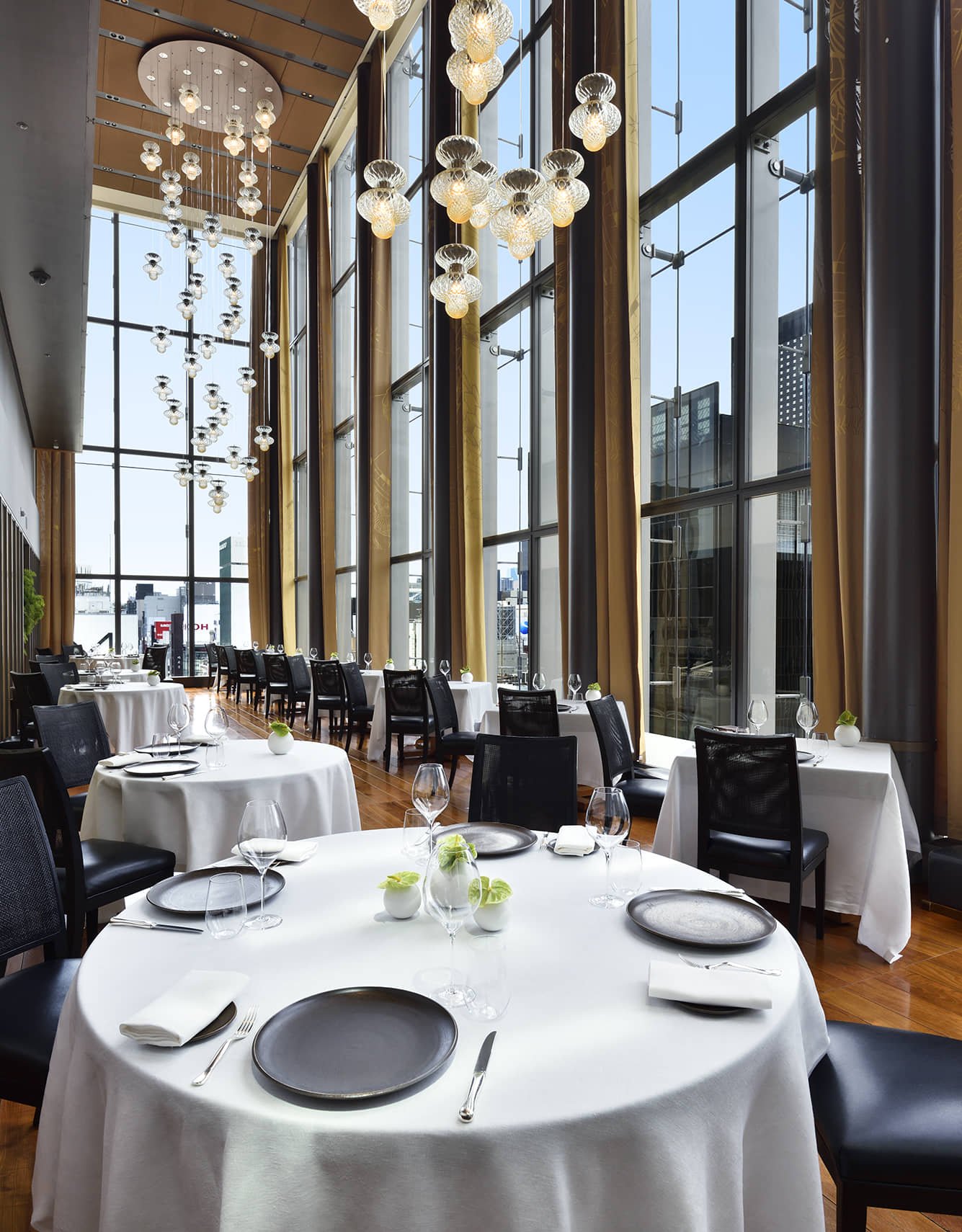
On the ninth floor of the Bvlgari Hotel in Ginza, Luca Fantin's restaurant occupies a particular position in Tokyo's Italian dining conversation: a kitchen that treats Japanese ingredient sourcing as the structural argument of every plate. The address alone places it among the highest-stakes dining rooms in the district, where Italian technique and Japanese producers operate as co-authors rather than counterparts.
The menu
What to order
- Menù Luca Fantin
- Sea urchin pasta
- Risotto with radicchio
Where Ginza's Altitude Meets Italian Discipline
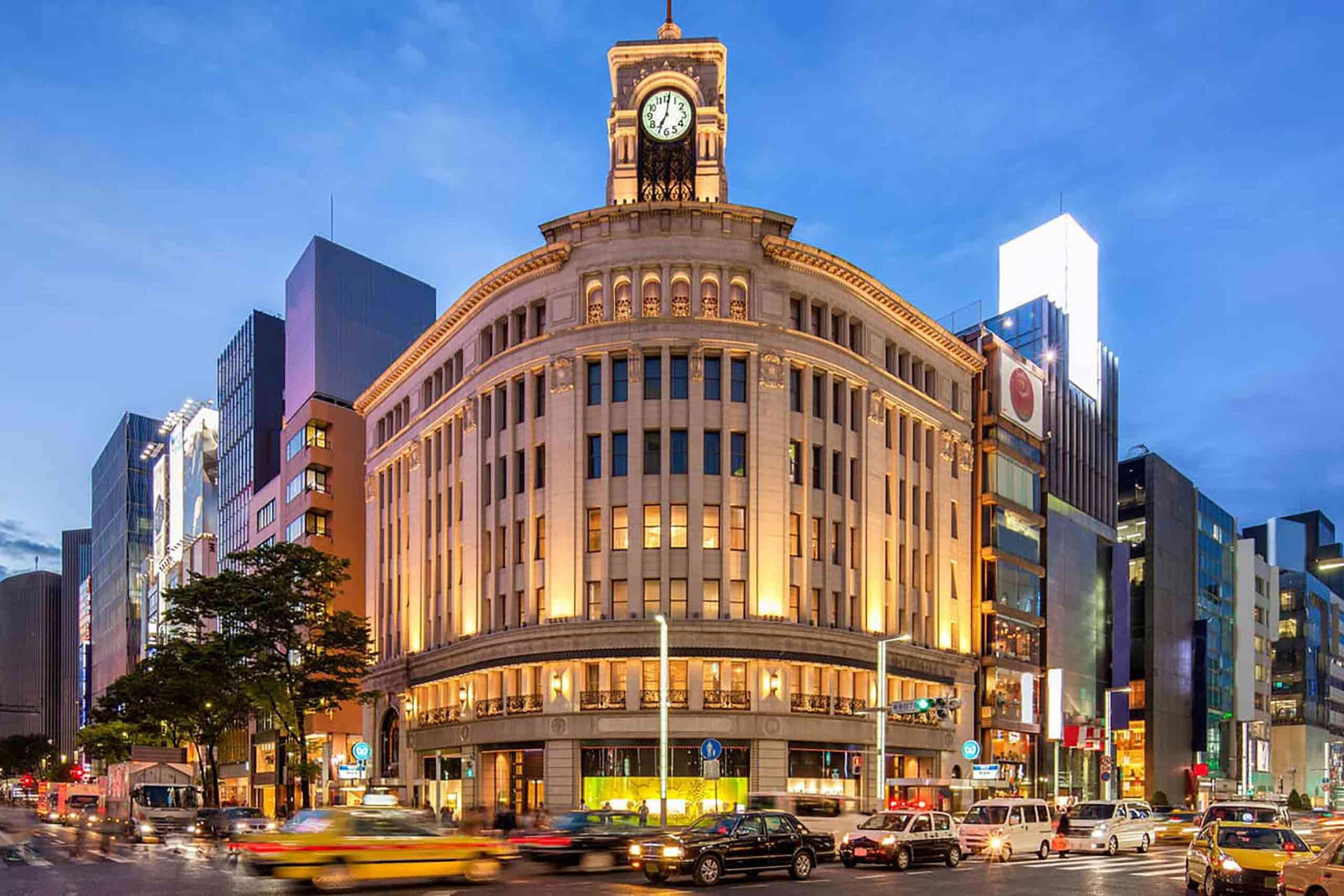
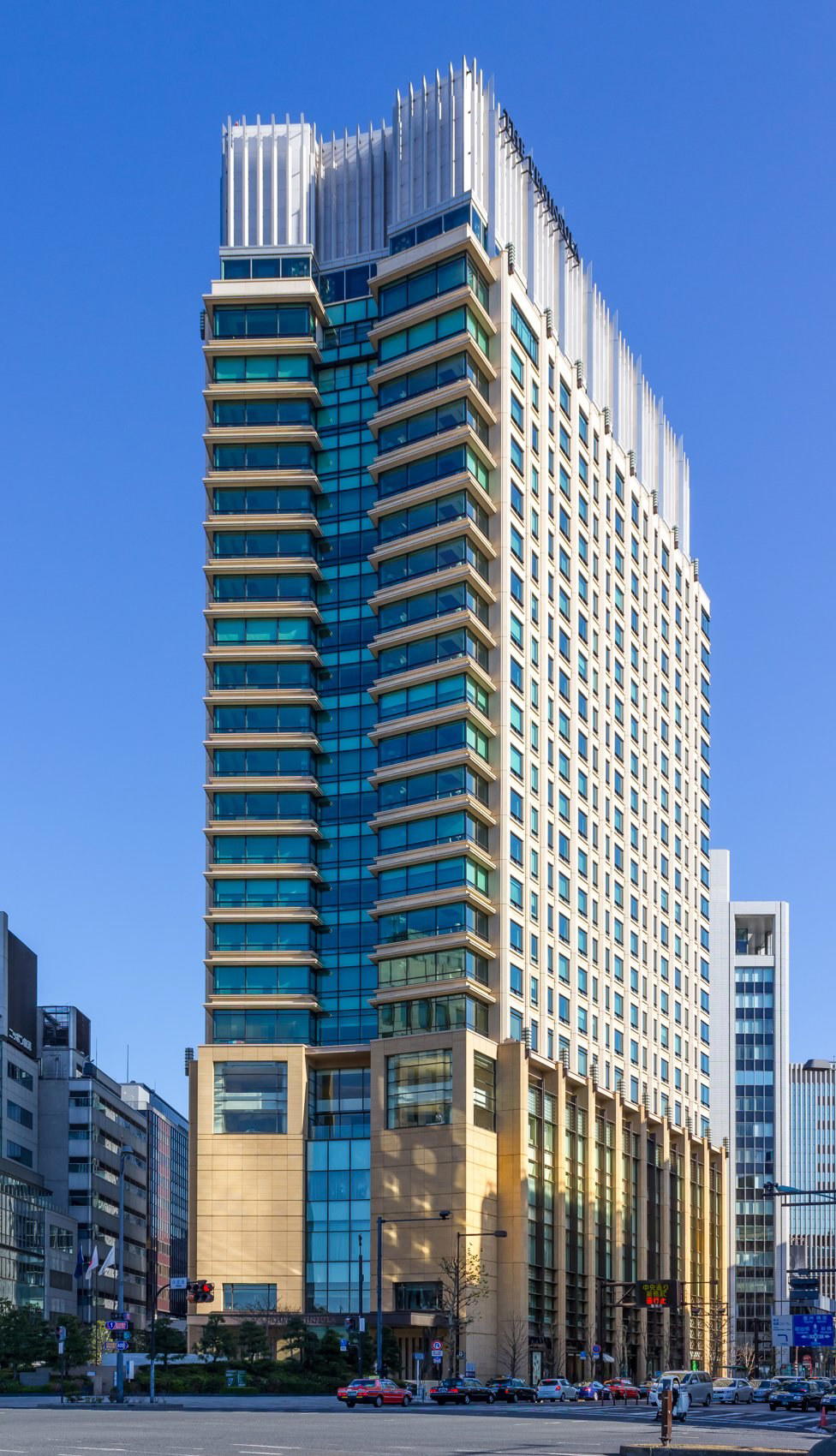
Tokyo's ninth-floor dining rooms carry a specific weight. The city has a long habit of placing its most considered restaurants above street level, separating them physically from the noise of commerce below and asking guests to commit, to a lift, to a reservation, to an occasion. The Bvlgari Hotel's address on Chuo-dori in Ginza, one of the world's most commercially dense boulevards, amplifies that dynamic. Arriving here, you pass through the hotel's ground-floor stillness before ascending to a room that looks out over the district's geometry of glass and light. The physical approach is part of the argument: this is not a casual detour.
Ginza's fine dining tier has always operated at a remove from the approachable. The neighbourhood houses some of Tokyo's most exacting omakase counters, including Harutaka, where the commitment to seasonal sushi is total and uncompromising. Il Ristorante sits in that same altitude bracket, but as a different proposition: Italian cooking, filtered through the logic of Japanese ingredient culture. It is not a novelty format, the restaurant has held that position for over a decade, but it remains a specific one, and understanding it requires understanding what that filtration actually means in practice.
The Sourcing Argument at the Centre of Every Plate
Japanese ingredient culture operates on a different premise than its European counterpart. Where Italian cooking has historically built its identity around regional provenance, the particular DOP of a cheese, the appellation of an olive oil, Japanese producers supply with a specificity that borders on obsessive. Farmers in Hokkaido manage their soil conditions for single restaurant accounts. Fishermen in Kyushu time their catches to kitchen schedules. The logic that governs a kaiseki kitchen at RyuGin, where seasonal produce is treated as the non-negotiable starting point of any menu, has migrated, at this address, into the grammar of Italian cooking.
What that produces is a kitchen working from Japanese produce as primary material, with Italian technique as the organising framework. This is a meaningful distinction. Italian cooking done in Japan with imported European ingredients is a replication exercise. Italian cooking rebuilt around what Japanese producers supply, their vegetables, their seafood, their livestock, requires the chef to reconsider classical references from the ground up. The dish changes because the ingredient changes, and the ingredient is sourced with the same rigour a Tokyo soba master applies to buckwheat.
This approach puts the restaurant in a peer conversation that extends beyond Tokyo's Italian dining category. The same sourcing logic drives French kitchens like L'Effervescence and Sézanne, where European technique meets Japanese producer relationships. Across these rooms, the pattern is consistent: the kitchen's identity is defined less by its national cuisine flag and more by the depth of its supply chain relationships.
The Broader Pattern of European Technique in Japan
Italy-in-Japan is a format that has matured significantly since the 1980s, when Italian dining in Tokyo meant faithful reproduction of Northern Italian trattoria models. The current generation of kitchens operating under an Italian banner in the city has largely abandoned that replication model in favour of a more synthetic approach, one that treats Japanese geography as a new regional identity. This mirrors what has happened to French cooking in Japan, where chefs trained in Lyon or Paris have built menus around Tohoku vegetables and Kyushu seafood, creating a cuisine that reads as French but sources as Japanese.
The Bvlgari address adds a hotel-dining dimension that is worth considering separately. Luxury hotel restaurants in Japan occupy a complicated position. The international brand context can work against the editorial credibility that standalone restaurants accumulate through chef identity and word-of-mouth bookings. But the strongest hotel kitchens in Tokyo, and this is one of them, have earned recognition on cooking terms, not hospitality terms. That separation matters when assessing where a restaurant sits relative to its independent peers, like Crony, which operates within a different French-Italian creative register entirely.
Beyond Tokyo, the same sourcing-led European cooking model appears at kitchens like HAJIME in Osaka and akordu in Nara, where European reference points meet Japan's regional agricultural specificity. The geographic spread of this approach, from Goh in Fukuoka to aki nagao in Sapporo, confirms that it is a national dining pattern rather than a Tokyo-specific phenomenon. Smaller producers in regions like Akita, represented by kitchens such as affetto akita, are part of the same supply-chain story, feeding produce upward to Tokyo's highest-end rooms.
Planning Your Visit
The restaurant sits on the ninth floor of the Bvlgari Hotel Tokyo, at 2-7-12 Ginza, Chuo City. Ginza is accessible by metro from multiple lines, with Ginza Station a short walk from the hotel entrance on Chuo-dori. For a room at this address and price tier, advance reservations are standard practice, booking several weeks ahead is advisable, particularly for weekend evenings. Dinner is the primary occasion format here, though lunch service, where offered, typically represents a more accessible entry point to the kitchen at a reduced price relative to the evening tasting format.
Guests considering Ginza's broader fine dining context should note that the neighbourhood rewards planning across multiple meals. A counter dinner at Harutaka and an evening at Il Ristorante represent two distinct expressions of the district's top tier, sushi's quiet precision alongside Italian cooking rebuilt through Japanese produce. Both require the same advance commitment. For travellers mapping Tokyo's full restaurant range, our complete Tokyo restaurants guide covers the city's tiers in detail, from kaiseki at RyuGin to the creative French work at L'Effervescence. Internationally, the same sourcing discipline that defines this kitchen appears in different form at Le Bernardin in New York and Lazy Bear in San Francisco, where ingredient sourcing similarly anchors the editorial identity of the kitchen.
Frequently asked questions
How do I find Bvlgari Il Ristorante - Luca Fantin?
Bvlgari Il Ristorante - Luca Fantin is located at Japan, 〒104-0061 Tokyo, Chuo City, Ginza, 2 Chome−7−12 9階, Tokyo.
How does Bvlgari Il Ristorante - Luca Fantin fit into Tokyo's broader Italian dining scene?
Italian dining in Tokyo has evolved well beyond faithful regional reproduction, and Bvlgari Il Ristorante represents the format at its most considered: European technique applied to Japanese seasonal ingredients, located at 2-7-12 Ginza in Chuo City within one of the city's most architecturally deliberate hotel properties. The Ginza address places it among Tokyo's highest-concentration zones for serious destination dining, where kitchen credentials and sourcing philosophy carry as much weight as the room itself.
What dish is Bvlgari Il Ristorante - Luca Fantin famous for?
No single signature dish is publicly documented in a way that would allow a reliable claim here. What the restaurant is consistently associated with is a broader approach: Italian preparations built almost entirely around Japanese seasonal produce, fish, and proteins. That sourcing philosophy shapes every plate, making the menu a moving target that shifts with the Japanese agricultural calendar rather than anchoring on one fixed dish.
Can I walk in to Bvlgari Il Ristorante - Luca Fantin?
Walk-ins are not a realistic expectation at a restaurant of this profile inside the Bvlgari Hotel Tokyo in Ginza. Demand at hotel dining rooms of this tier in central Tokyo consistently outpaces available covers. Reservations made well in advance are the standard approach; contacting the hotel directly through official channels is the most reliable route to securing a table.
What makes Bvlgari Il Ristorante - Luca Fantin worth seeking out?
The restaurant occupies a specific position that few others in Tokyo hold: a serious Italian kitchen operating at hotel-dining scale, on the ninth floor of the Bvlgari Hotel Tokyo at 2-7-12 Ginza, with a sourcing argument built around Japanese ingredients rather than imported European ones. That tension between Italian culinary structure and Japanese produce culture is the defining proposition. It sits within a Ginza dining scene that rewards altitude and considered quietness over street-level bustle.
Comparison Snapshot
A quick peer list to put this venue’s basics in context.
| Venue | Cuisine | Price | Awards | Notes |
|---|---|---|---|---|
| Bvlgari Il Ristorante - Luca FantinThis venue (the venue you are viewing) | Modern Italian with Japanese Ingredients | Not listed | Tabelog 100 #9 | Not listed |
| Harutaka | Edo-Style Omakase Sushi | $200–300 | 3 Michelin Stars · World's 50 Best #76 | Sushi |
| L'Effervescence | Modern French with Japanese Influences | $200–300 | 3 Michelin Stars · World's 50 Best #69 | French |
| RyuGin | Modern Kaiseki | $500+ | 3 Michelin Stars · World's 50 Best #41 | Kaiseki, Japanese |
| Crony | Modern French with Japanese Influences | $150–200 | 2 Michelin Stars · World's 50 Best #34 | Innovative, French |
| Den | Modern Japanese Kaiseki | $150–200 | 2 Michelin Stars · World's 50 Best #51 | Innovative, Japanese |
Recognition history
Dated appearances from independent guides and award organizations, with the underlying list record or original source where available.
Tabelog 100 #9 · No. 9
Tabelog · Tabelog 100 - Italian - TOKYO - 2025
Continue exploring
More in Tokyo
Restaurants in Tokyo
All restaurants in Tokyo →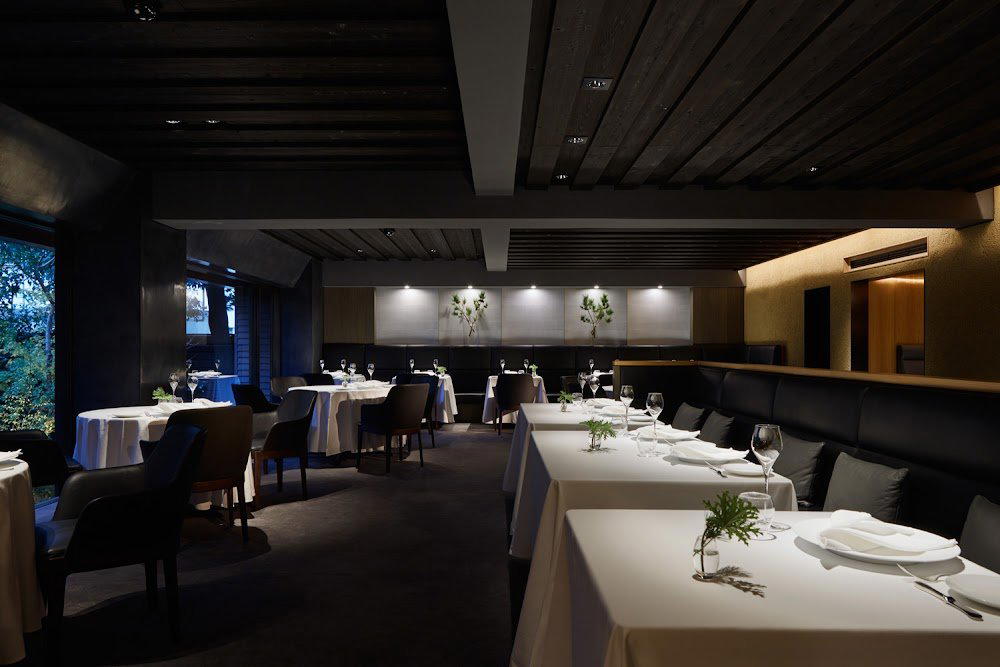








Bvlgari Il Ristorante - Luca Fantin
The wine
- Wine program
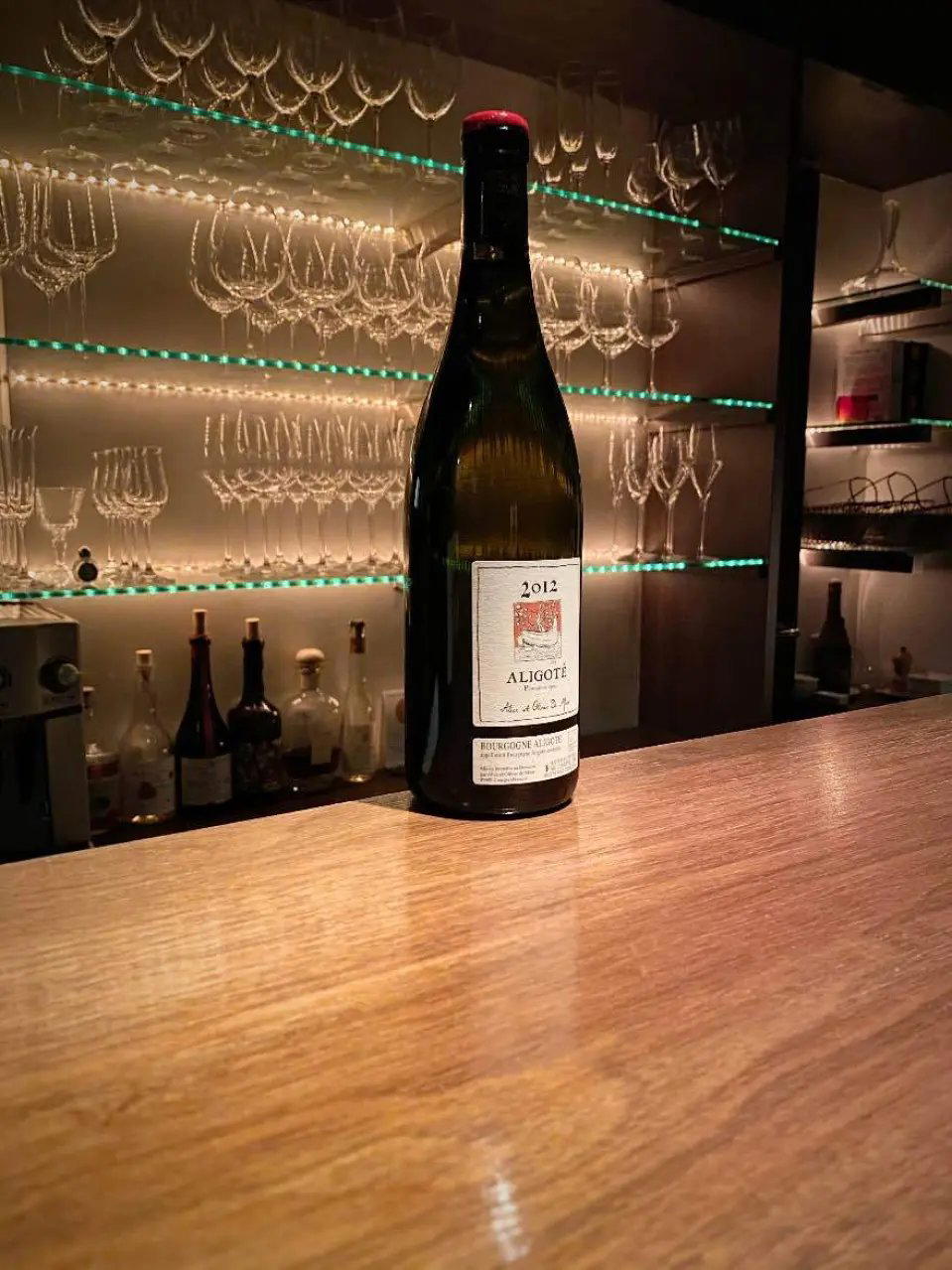
- Deep wine list
- Extensive wine list
- Sommelier-led
Details
- Elegant
- Sophisticated
- Ornate
- Special Occasion
- Date Night
- Business Dinner
- Hotel Restaurant
- Extensive Wine List
- Sommelier Led
- Local Sourcing
- Street Scene
- Tasting Menu
- Wine
- Sake Program
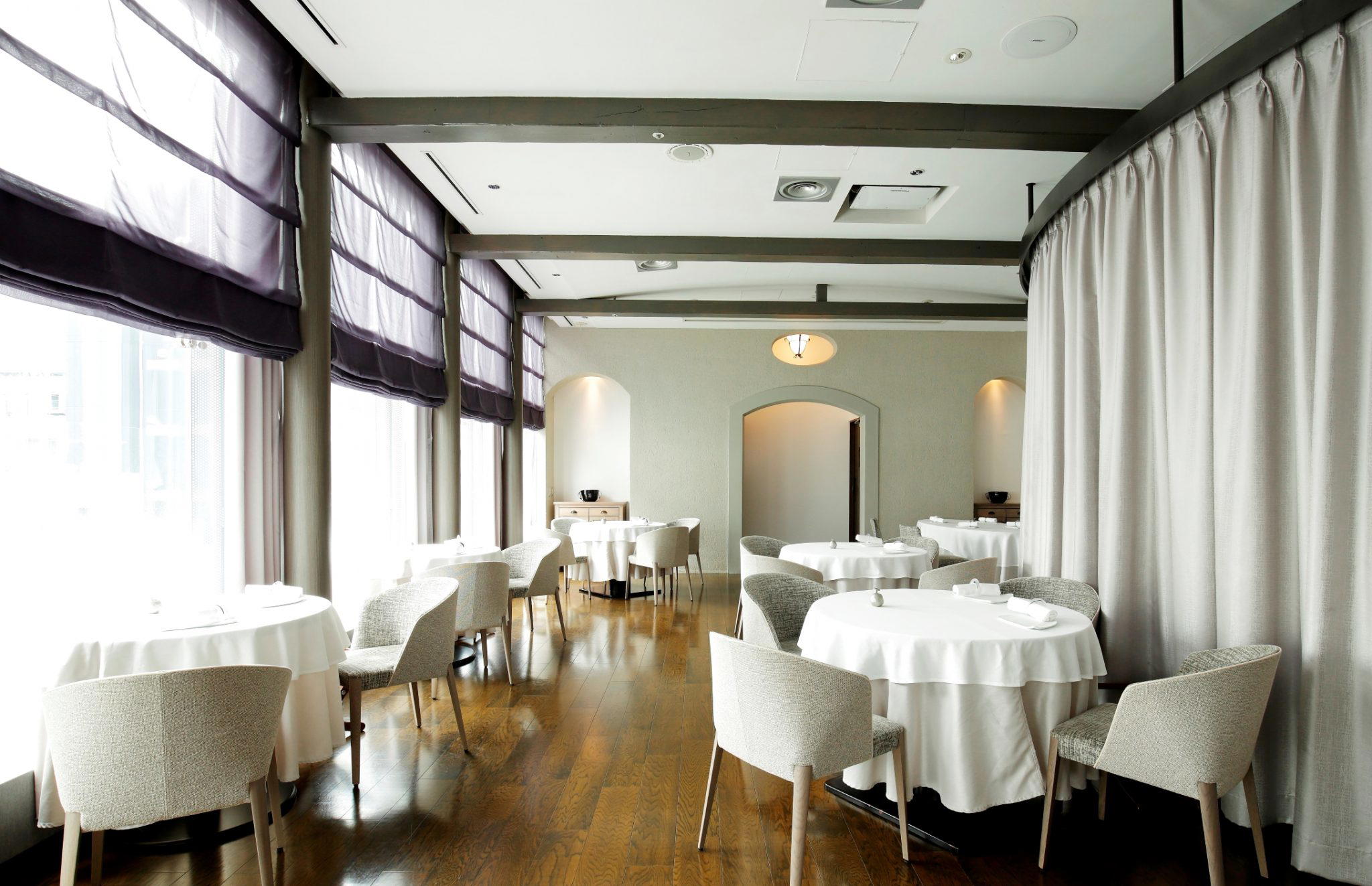
Sophisticated and luxurious interior on the top floor with floor-to-ceiling windows offering views over rooftops, combining Italian warmth with Japanese restraint.