
Tabelog 100 #37
Our verdict
Inari Futaba belongs to Kyoto’s older sweet-shop rhythm: quick, compact, and tied to shrine-side foot traffic rather than long-form dining. Its Tabelog 100 selection for Japanese traditional sweets and sweets cafés in WEST 2023 gives the small takeaway format a serious credential, while the focus on wagashi and daifuku keeps the experience grounded in everyday Kyoto rather than ceremony.

Pearl is the En Primeur Club membership app, where members save venues, book tables and use the concierge.
The menu
What to order
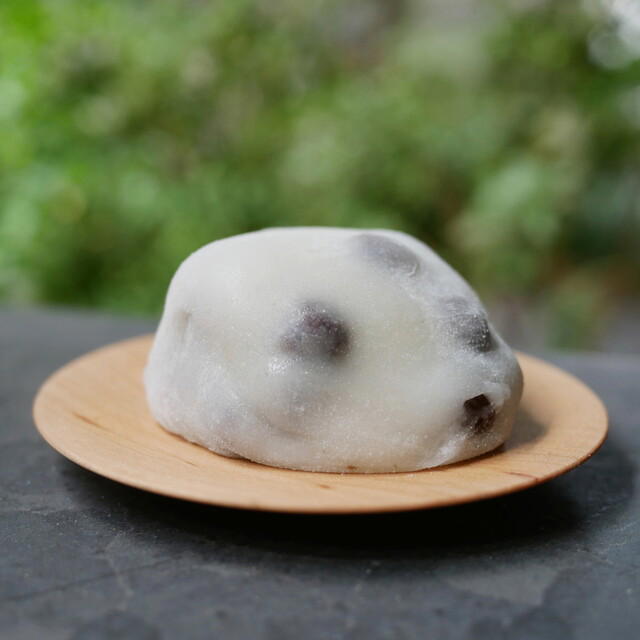
- Mame Daifuku
- Ichigo Daifuku
- Ohagi
- Ohagi (three-color varieties)
The approach to a Kyoto sweet shop is movement: station exits, temple- and shrine-bound walkers, small counters, and the stop-start rhythm of people buying something portable before or after sightseeing. Here, wagashi is not a plated dessert course but a short transaction, seasonal habit, and local craft scaled for the hand. Inari Futaba fits that older Kyoto grammar: a takeaway sweet shop where eating often happens between transit and a day’s route, not across a long table.
Kyoto’s sweet tradition has never belonged only to formal tea rooms. Its confectionery culture also lives in compact neighborhood shops and small counters where mochi, bean paste, and rice flour carry as much local meaning as more elaborate dining rooms. For travelers expecting every serious Kyoto food experience to require a reservation, chef’s counter, or multi-course sequence, the point matters: seriousness can come through repetition, specialization, and a narrow category handled with discipline.
Daifuku as Kyoto street-side craft, not dessert-course theater
Japanese traditional sweets in Kyoto sit where gift culture, tea practice, seasonal markers, and everyday snacking meet. Daifuku, the red bean paste rice cake category associated with Inari Futaba, is direct: soft rice cake wrapped around sweet bean paste, designed to be eaten without ceremony yet difficult to execute well at scale. The form leaves little room for distraction; texture, sweetness, freshness, and portioning do the work.
That is why the format matters. A takeaway sweet counter does not compete with Kyoto’s tasting-menu restaurants on duration or production value, but on precision in a narrow field. Inari Futaba’s Tabelog Hyakumeiten recognition in 2023 places it within a curated sweets category rather than the broader restaurant conversation. In a city crowded with famous meals, that recognition marks a different kind of address: low-cost, specific, and tied to a craft category many visitors treat as an afterthought.
The listed under-JPY 999 price band also changes the calculation. Kyoto has many meals where cost, booking access, and pacing shape the day. A wagashi stop can sit between sightseeing and a train ride, or act as a small counterpoint to a longer lunch elsewhere. That does not make it careless casual. It makes the pleasure brief, local, and exacting.
Kyoto rewards quick formats with real identity
Kyoto is full of busy visitor corridors, and that volume shapes the food around them. These areas can tilt toward convenience, snacks, and quick meals, but quick does not mean generic. The better small-format food addresses understand pace: they serve people who may not want a full lunch but still want a clear sense of place. Wagashi belongs in that rhythm because it travels well, suits short breaks, and connects to the city’s older food language without a formal setting.
Inari Futaba’s relevance comes from that fit between category and city. Kyoto’s dining scene has expanded toward international counters, modern bistros, specialty coffee, cocktail rooms, and destination hotels, yet sweet-shop culture keeps another tempo. It is less about novelty than maintaining forms that survive heavy foot traffic. The evolution is subtle: a traditional format earns contemporary attention because travelers now read category awards, map micro-itineraries, and seek small specialists with the seriousness once reserved for restaurants.
That shift has changed how a shop like this is used. For contemporary Kyoto planning, the more informed itinerary often separates dining into formats: one reservation-led meal, one casual counter, one old confectionery stop, one bar or tea break. The smart approach is not to inflate a takeaway shop into a grand occasion, but to understand where it belongs in the day.
Comparison helps. Around Kyoto, the spread runs from higher-spend formats such as Teuchi Soba Sushi Imafuku to everyday counters such as Honkaku Teuchi-Udon Taiga and eight; GYUKATSU Kyoto Katsugyu Fushimi Inari sits in a different quick-meal lane. In that field, Inari Futaba is not trying to solve lunch. It answers a narrower question: where to place a traditional sweet stop in a city defined by transit, sightseeing, and short attention spans.
How to place it in a Kyoto itinerary
The strongest use case is restraint. Treat the shop as a precise wagashi stop, not the anchor of a half-day plan. Its appeal is clearest when folded into a Kyoto route rather than forced into a cross-city detour. Because the format is takeaway, the visit belongs in the flexible part of the day, especially for travelers already moving through Kyoto.
Kyoto rewards that sequencing. A sweets stop can sit alongside a more structured restaurant reservation later, or balance a day otherwise built around temples and trains. For broader planning, Our full Kyoto restaurants guide gives the wider dining frame, while Our full Kyoto hotels guide, Our full Kyoto bars guide, Our full Kyoto wineries guide, and Our full Kyoto experiences guide help separate neighborhood logistics from meal planning.
For readers mapping Kyoto by category rather than hype, useful contrasts include other traditional sweet references, Abbesses for a different Kyoto dining register, and other casual or specialist dining rooms across the city. Outside Kyoto, the national spread of casual and specialist Japanese eating can be understood through unnamed examples across Japan, from focused counters to compact sweets and snack formats. For Japanese food culture abroad, focused formats show how narrow categories can translate outside Japan without needing a large dining-room frame.
The verdict is compact: this is a category stop with a credible award signal, defined sweet-shop identity, and Kyoto setting that makes sense when it is already on the day’s route. Kyoto has grander, longer, and more expensive meals. This is the counterweight: a small, traditional purchase that reminds travelers how much of the city’s food culture happens outside the dining room.
Frequently asked questions
What are Inari Futaba's hours?
Specific published hours are not provided here. Check the venue's official channels or call ahead before visiting.
Is Inari Futaba expensive?
Pricing at Inari Futaba is listed as - JPY 999 - JPY 999 View spending breakdown.
Where exactly is Inari Futaba?
Kyoto.
What's the standout thing about Inari Futaba?
Its calling card is focus: Japanese traditional sweets and daifuku in Kyoto, with Tabelog Hyakumeiten recognition in 2023. The format is simple, and the listed price range sits at JPY 999 or below.
How does Inari Futaba handle allergies?
Those details are not published. Inari Futaba can be reached at +81-75-641-3612. Check the venue's official channels for the latest details.
Quick Comparison
Comparable venues by price and recognition.
| Venue | Cuisine | Price | Awards | Notes |
|---|---|---|---|---|
| Inari FutabaThis venue (the venue you are viewing) | Traditional Japanese wagashi & mochi shop | $1–10 | Tabelog 100 #37 | Not listed |
| Yamamoto Menzou | Traditional Kyoto udon noodle shop | $10–20 | Tabelog 100 #87 | Sakyō |
| Kissa Madrague | Japanese Kissaten / Café | $10–20 | Tabelog 100 | Nakagyō |
| Kyo Udon Nama Soba Okakita | Traditional Kyoto udon and soba | $10–20 | Tabelog 100 #46 | Sakyō |
| Onkashi Tsukasa Shioyoshiken | Traditional Kyoto Wagashi (Japanese confectionery) | $10–20 | Tabelog 100 #91 | Kamigyō |
| Hosen JR shinkansen kyoto eki ten | Traditional Japanese sweets cafe | $1–10 | Tabelog 100 #41 | Shimogyō |
Recognition history
Dated appearances from independent guides and award organizations, with the underlying list record or original source where available.
Tabelog 100 #37 · No. 37
Tabelog · Tabelog 100 - Japanese traditional sweets / Japanese sweets cafe - WEST - 2023
Continue exploring
More in Kyoto
Restaurants in Kyoto
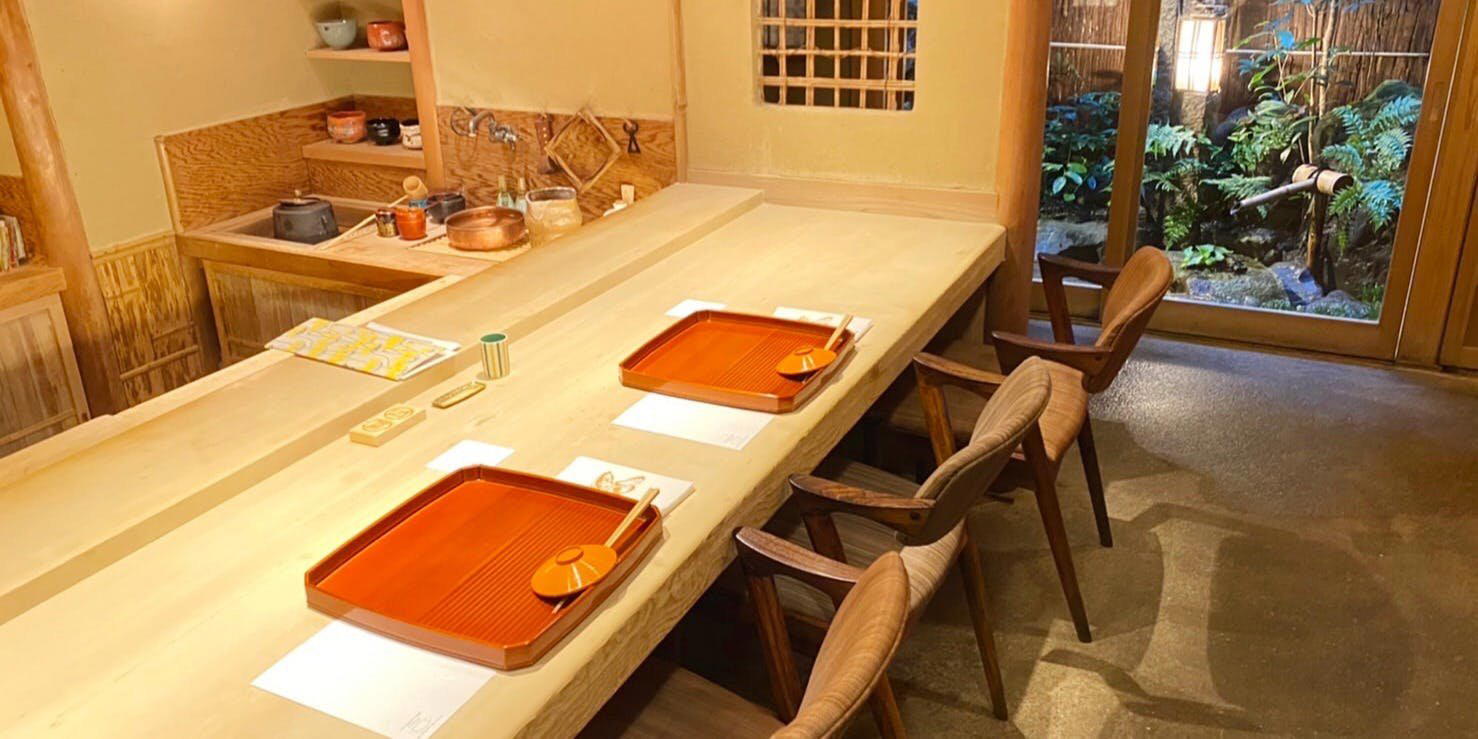
All restaurants in Kyoto →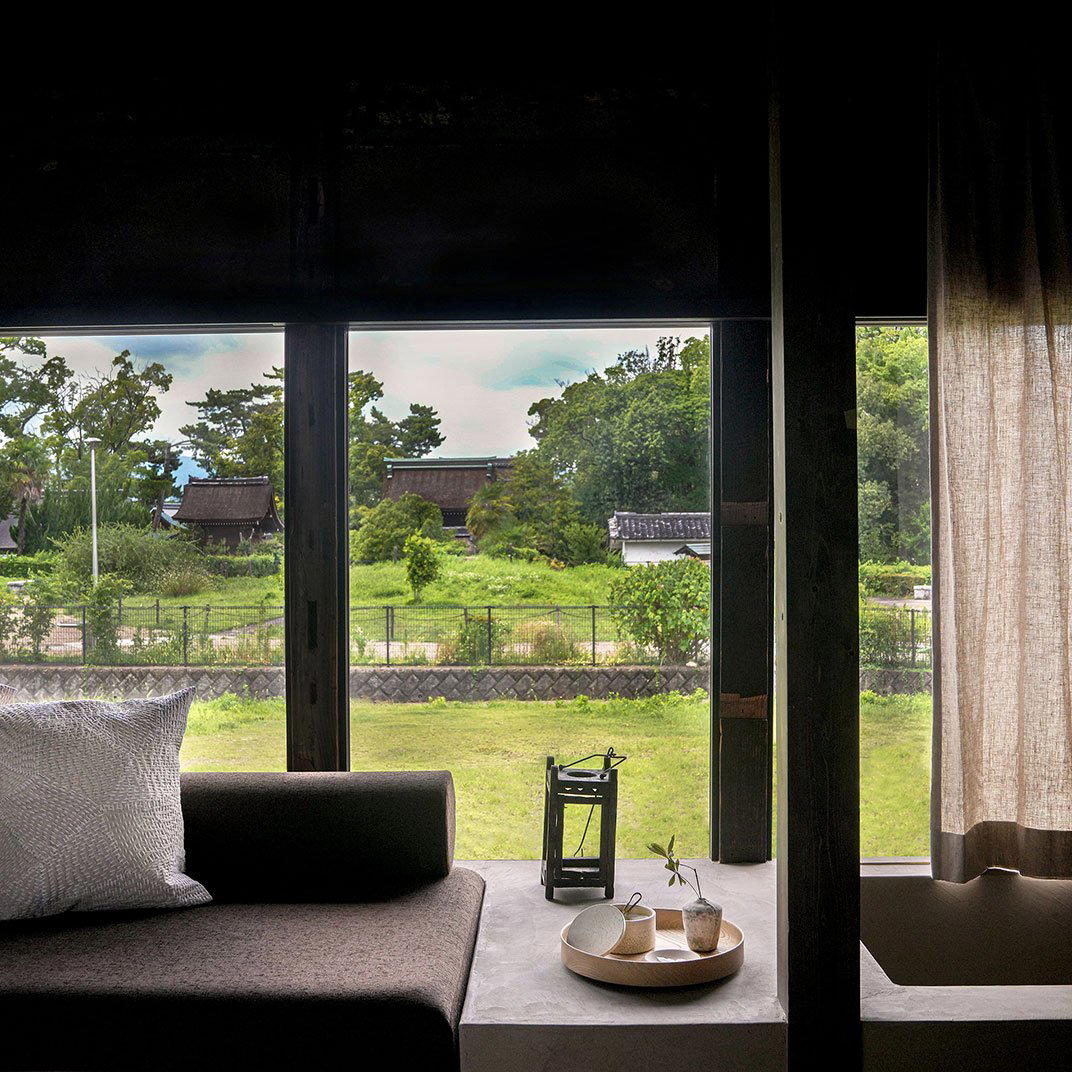

Bars in Kyoto
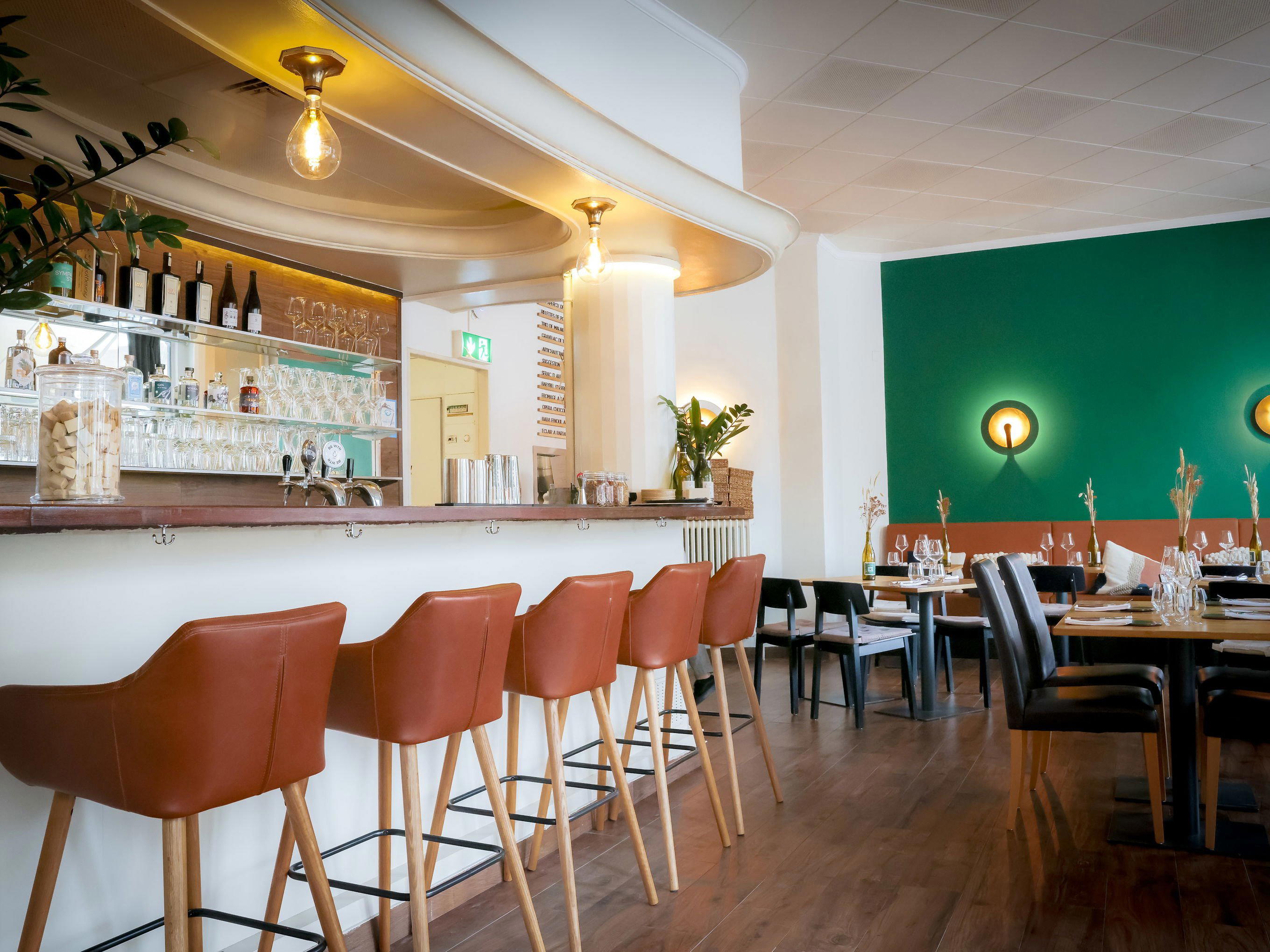
All bars in Kyoto →

Hotels in Kyoto
All hotels in Kyoto →

Wineries in Kyoto
Browse all →
Details
- Classic
- Cozy
- Solo
- Family
- Casual Hangout
- After Work
- Historic Building
- Standalone
- Street Scene
- A La Carte
Current opening hours
- Monday
- 9 AM–6 PM
- Tuesday
- 9 AM–6 PM
- Wednesday
- Closed
- Thursday
- Closed
- Friday
- 9 AM–6 PM
- Saturday
- 9 AM–6 PM
- Sunday
- 9 AM–6 PM
Hours can change for holidays and private events. Last verified .
Tiny, old-school Japanese confectionery shop with a simple counter and takeaway focus, creating a nostalgic, neighborhood feel rather than a sit-down cafe atmosphere.