

Tabelog 100 #46
Our verdict
Kyoto’s Okazaki district gives this udon and soba house its real context: museum traffic, shrine walks, and a dining culture that prizes disciplined comfort over ceremony. Kyo Udon Nama Soba Okakita sits in the casual noodle tier, with Tabelog 100 Udon WEST selection and OAD Casual in Japan recognition placing it above ordinary sightseeing-area lunch stops.

Pearl is the En Primeur Club membership app, where members save venues, book tables and use the concierge.
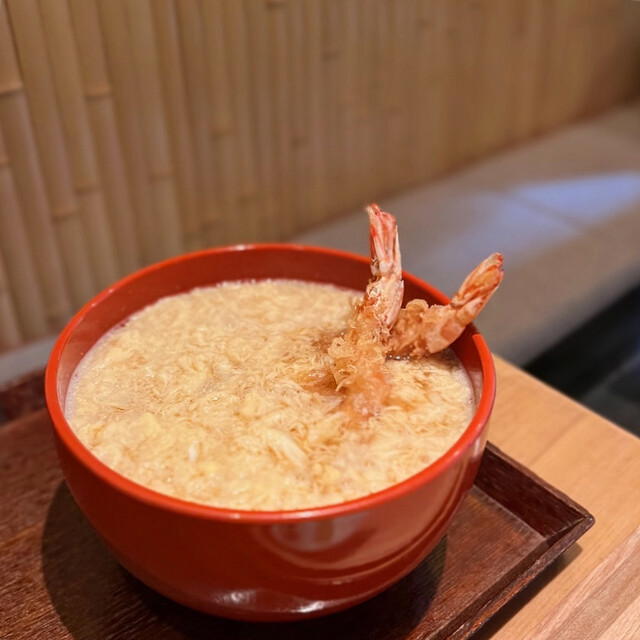
The menu
What to order
- Tempura udon
- Curry udon in clay pot
- Hot soba with tempura
Kyoto has a particular rhythm: temple gates, museum façades, walks through the city, and visitors moving between culture and lunch rather than staging a meal as the day’s main event. In that setting, the appeal of udon and soba is not theatrical. It is practical, regional, and exacting, the kind of cooking that has to satisfy families, solo diners, and regulars without leaning on long tasting-menu choreography.
Kyo Udon Nama Soba Okakita belongs to that part of Kyoto dining. The category matters. Kyoto is often sold through kaiseki, tea, wagashi, and counter dining, but its everyday noodle rooms carry another form of precision: udon, soba, and donburi served in a format that reads quickly yet depends on repetition. Its 2024 Tabelog Hyakumeiten recognition, with a listed score of 3.68, puts the restaurant in a narrower group than the average noodle shop near a sightseeing route.
Kyoto's culture corridor makes noodles feel like the right Kyoto meal
The city shapes the decision. Around Kyoto, a formal lunch can feel out of step with the day, especially when the itinerary moves between cultural stops and everyday dining. A noodle house here works because it matches the tempo: sit down, order within a familiar Japanese format, and let the meal reset the afternoon without turning into a production.
That is also where Kyoto’s casual dining hierarchy becomes useful. At one end are destination kaiseki rooms such as 瓢亭 and higher-spend Japanese counters such as Higashiyama Ogata, where the meal itself becomes the anchor. At the other end are casual specialists, where the measure is consistency, queue tolerance, and whether a narrow category has enough authority to justify planning around it. Okakita sits firmly in the latter camp, closer in casual positioning to Yamamoto Menzou than to the city’s formal Japanese restaurants.
The menu frame is deliberately broad for a specialist room: udon, soba, and donburi. That matters in Kyoto, where mixed-generation dining is common and not every meal should require everyone at the table to want the same degree of intensity. The straightforward noodle-restaurant format keeps it accessible, while the recognition signals that the operation is not merely convenient to Kyoto’s cultural circuit.
A casual noodle specialist, judged by discipline rather than ceremony
Kyoto’s noodle tradition rewards restraint. Udon and soba do not need luxury vocabulary to communicate quality; they depend on noodle texture, broth balance, pacing, and temperature control. Those details are not decoration, and they are the reason casual noodle rooms can occupy serious positions in Japanese dining guides. The useful comparison is not with a chef’s counter, but with other low-friction specialists that deliver a focused meal under pressure.
For travellers building a wider Kyoto dining map, this is the counterweight to reservation-led evenings. A day might carry from old Kyoto sweets to more contemporary rooms, or from central casual addresses to a more formal table. Okakita’s value is different: it gives Kyoto a serious casual meal that does not demand a full evening’s commitment.
The restaurant’s recognition strengthens that reading. Its 2024 Tabelog Hyakumeiten listing indicates relevance in a crowded category. That editorial signal is particularly useful for visitors trying to separate reliable specialist cooking from places that simply benefit from foot traffic. The award does not turn the room into fine dining; it clarifies the competitive set.
How to place it in a Kyoto itinerary
This is a daytime Kyoto decision, not a grand-dinner substitute. It suits a Kyoto plan, especially when the rest of the day involves walking and cultural visits rather than taxis between destination restaurants. As with many casual specialists in the city, timing can matter. That is a useful Kyoto reality check: the city’s noodle rooms can require patience even when the meal itself is inexpensive and informal.
Payment and comfort details should be checked against the restaurant’s current public channels before visiting. The better expectation is simple: a casual Kyoto noodle restaurant built around udon, soba, and donburi rather than occasion dining, private-room formality, or an extended tasting-menu pace.
For a broader Kyoto plan, use Okakita as a practical anchor for a casual meal, then build the rest of the trip by category. See Our full Kyoto restaurants guide for dining across price tiers, Our full Kyoto hotels guide for where to stay, Our full Kyoto bars guide for evening drinking, Our full Kyoto wineries guide for regional wine context, and Our full Kyoto experiences guide for culture-led planning. Travellers comparing casual Japanese formats beyond Kyoto can also look at other unnamed dining rooms in Japan and abroad as generic points of contrast, while keeping Okakita’s appeal focused on Kyoto, udon, soba, and donburi.
Frequently asked questions
Does Kyo Udon Nama Soba Okakita work for a family meal?
It can be a practical casual meal choice in Kyoto, especially for diners looking for udon, soba, or donburi rather than a formal restaurant format. Listed budget guidance is Dinner: JPY 1,000 - JPY 1,999; Lunch: JPY 1,000 - JPY 1,999.
What is the atmosphere like at Kyo Udon Nama Soba Okakita?
It reads as a casual noodle restaurant rather than a formal dining room. The public category listing covers udon, soba, and donburi, which suits a straightforward stop in Kyoto. Check the venue's official channels for the latest details.
How much does it cost to eat at Kyo Udon Nama Soba Okakita?
Pricing at Kyo Udon Nama Soba Okakita is listed as Dinner: JPY 1,000 - JPY 1,999; Lunch: JPY 1,000 - JPY 1,999.
When can I go to Kyo Udon Nama Soba Okakita?
Opening hours for Kyo Udon Nama Soba Okakita should be checked through the restaurant’s official or current public channels before visiting.
What part of town is Kyo Udon Nama Soba Okakita in?
Kyoto.
A Tight Comparison
Comparable venues side-by-side for orientation.
| Venue | Cuisine | Price | Awards | Notes |
|---|---|---|---|---|
| Kyo Udon Nama Soba OkakitaThis venue (the venue you are viewing) | Traditional Kyoto udon and soba | $10–20 | Tabelog 100 #46 | Not listed |
| Yamamoto Menzou | Traditional Kyoto udon noodle shop | $10–20 | Tabelog 100 #87 | JPY 1,000 - JPY 1,999 |
| cheka | Japanese Sweets & Tea House | Not listed | Tabelog 100 #42 | JPY 1,000 - JPY 1,999 |
| Kyoto Modern Terrace | Modern Japanese-Western Fusion | Not listed | Not listed | Not listed |
| Higashiyama Ogata | Modern Kaiseki | $200–300 | Tabelog Bronze #107 | Japanese Cuisine, JPY 30,000 - JPY 39,999 |
Recognition history
Dated appearances from independent guides and award organizations, with the underlying list record or original source where available.
Opinionated About Dining Casual in Japan Ranked #52
Opinionated About Dining
Tabelog 100 #46 · No. 46
Tabelog · Tabelog 100 - Udon - WEST - 2024
Continue exploring
More in Kyoto
Restaurants in Kyoto
All restaurants in Kyoto →
Bars in Kyoto
All bars in Kyoto →
Hotels in Kyoto
All hotels in Kyoto →
Wineries in Kyoto
Browse all →
Details
- Classic
- Cozy
- Solo
- Family
- Casual Hangout
- Standalone
- Historic Building
- Local Sourcing
- A La Carte
Current opening hours
- Monday
- 11 AM–6 PM
- Tuesday
- Closed
- Wednesday
- Closed
- Thursday
- 11 AM–6 PM
- Friday
- 11 AM–6 PM
- Saturday
- 11 AM–6 PM
- Sunday
- 11 AM–6 PM
Hours can change for holidays and private events. Hours as of .
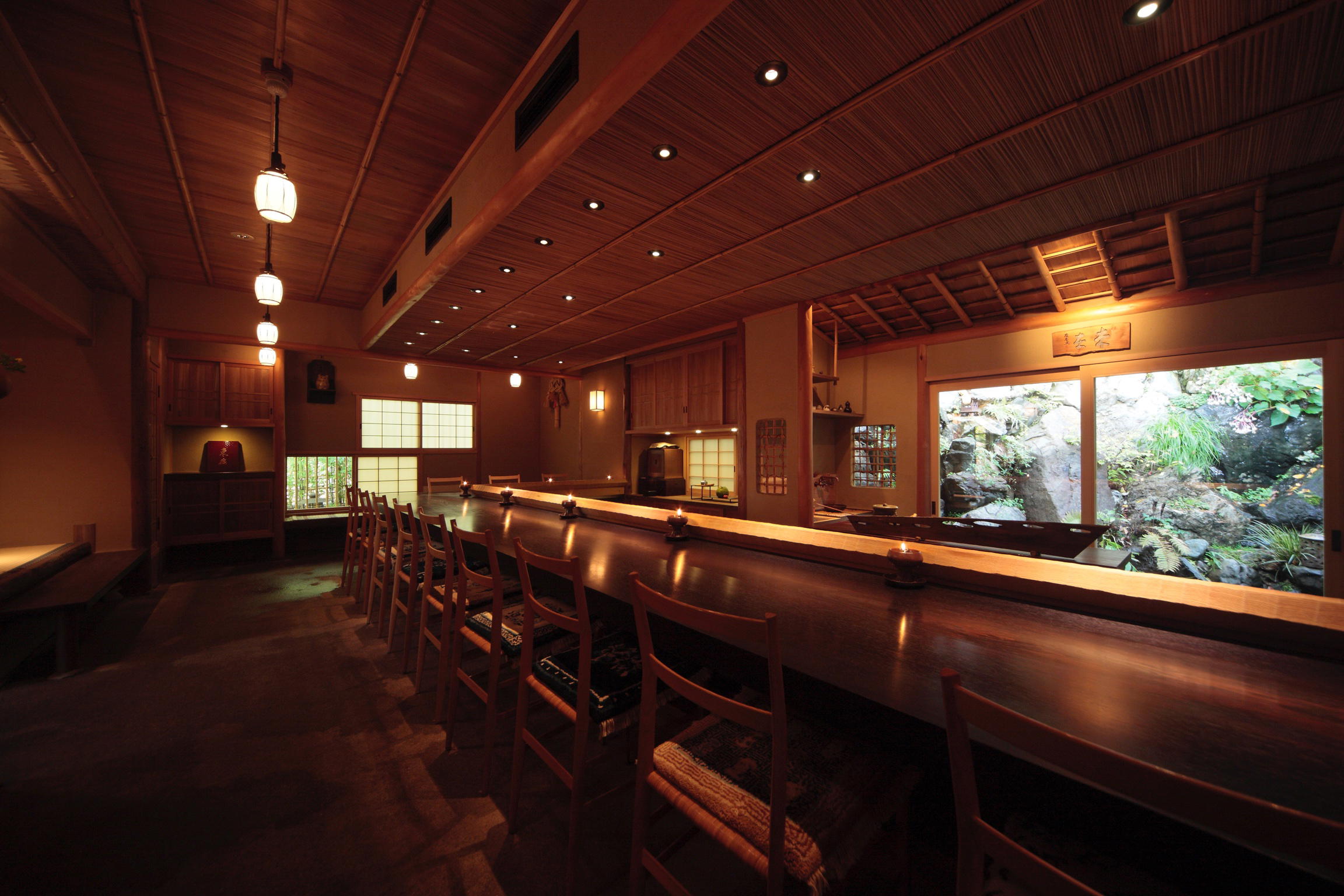
A simple, traditional Kyoto house-restaurant with counter and table seating, bright but unpretentious lighting, and a bustling, casual atmosphere that often includes a waiting line yet still feels warm and low-key.