
La Liste Top Restaurants
Our verdict
Imperial Treasure brings the group's precise, classically rooted Chinese cooking to Shanghai, with a La Liste 76-point recognition in 2026 placing it among the city's most formally credentialed Chinese dining rooms. The kitchen works within a tradition that prizes technical refinement over novelty, positioning it alongside a small tier of Shanghai addresses where the cooking is measured against pan-Chinese fine dining peers rather than local casual standards.

Pearl is the En Primeur Club membership app, where members save venues, book tables and use the concierge.
The menu
What to order
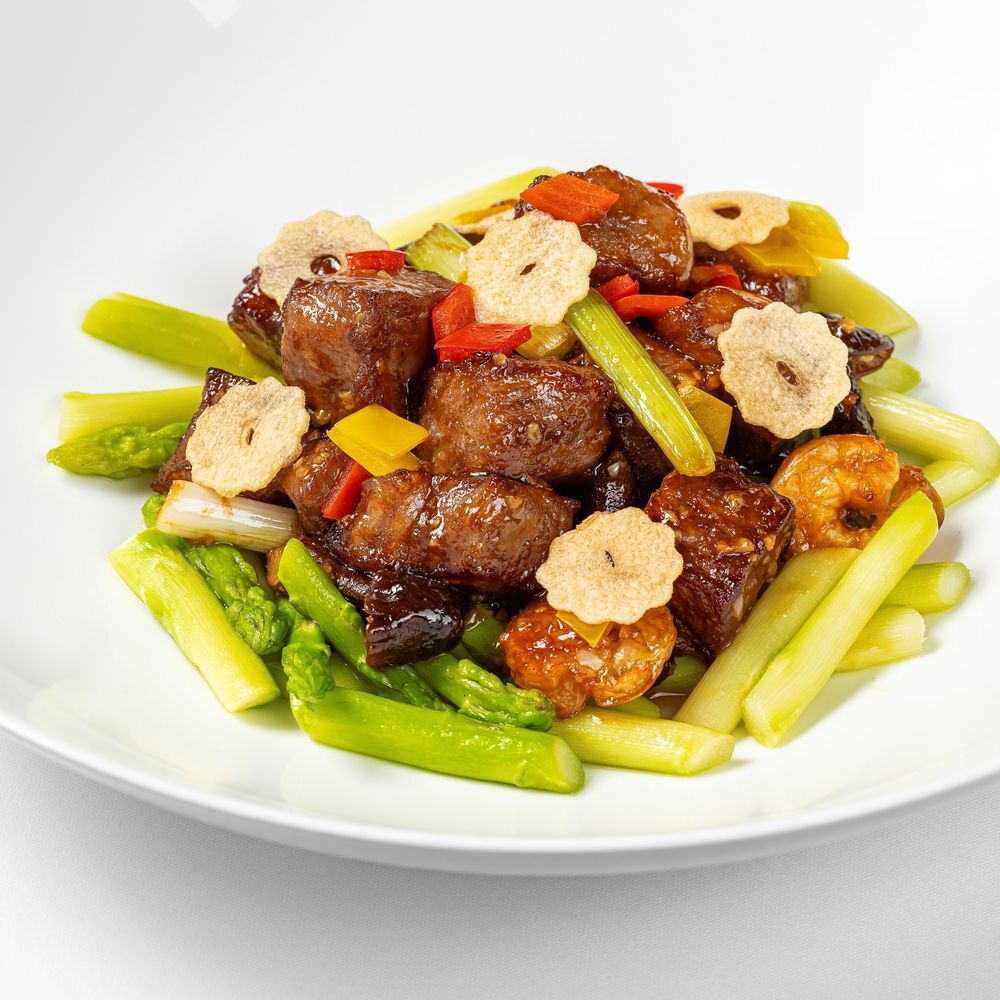
- Scrambled osmanthus egg with crabmeat
- Roasted chicken stuffed with glutinous rice
- Diced chicken with tofu and salted fish in claypot
- Peking duck
- Black pepper beef
- Har gau prawn dumplings
Fine Chinese Dining in Shanghai: Where Tradition Sets the Standard
Shanghai's fine Chinese dining scene has sharpened considerably over the past decade. It is within that upper bracket that Imperial Treasure Shanghai operates, carrying a La Liste score of 76 points in the 2026 rankings, a placement that situates it inside the conversation about where to eat Chinese food at a serious level in mainland China's most internationally watched food city.
Imperial Treasure as a group has built its reputation on classical Chinese cooking executed with consistency across multiple markets: Singapore, Hong Kong, London, Paris. The Shanghai outpost participates in that broader project, which means the kitchen is measured not only against local competitors but against what the group delivers elsewhere. That cross-market accountability shapes the experience in ways that a single-location independent cannot replicate: it tends toward refinement and reliability over the kind of chef-driven experimentation that defines addresses like Taian Table, Shanghai's most internationally discussed modern European tasting-menu room.
The Cultural Weight of Classical Chinese Cooking
To understand what a restaurant like Imperial Treasure is doing, it helps to understand the tradition it draws from. Classical Chinese fine dining, rooted in Cantonese technique, imperial court cooking, and the labour-intensive preparations that define the highest tier of Chinese gastronomy, is a different discipline from the tasting-menu format that dominates Western fine dining. A great roasted suckling pig, a precisely steamed whole fish, or a bowl of double-boiled superior broth represents cooking where the skill lies in sourcing, timing, and restraint rather than in invention. The goal is fidelity to a technique centuries in the making, not departure from it.
Shanghai sits at an interesting position within mainland Chinese food culture: it has its own regional identity in Shanghainese cuisine, characterised by sweeter soy-forward braising and freshwater ingredients, but the city's luxury dining rooms have historically leaned toward Cantonese and pan-Chinese formats that appeal to an international clientele and to Chinese diners from across the country. That pattern holds across much of the top tier, from 102 House, which works in the Cantonese tradition, to the vegetable-focused philosophy at Fu He Hui, which applies a similar level of craft to a plant-based framework. Imperial Treasure fits within this broader convention: classical Chinese cooking, presented formally, for a room that expects precision.
For comparison across Chinese cities, the dynamic repeats with local inflection. Xin Rong Ji (West Nanjing Road) in Shanghai applies the same logic to Taizhou seafood cuisine, a regional specificity that coexists with the formal dining format. The same group operates in Beijing at Xin Rong Ji (Xinyuan South Road), and in Chengdu at Xin Rong Ji Chengdu, evidence that mainland China's high-end Chinese dining circuit now runs with genuine depth across multiple cities, not just within the traditional Hong Kong axis. Chef Tam's Seasons in Macau and Ru Yuan in Hangzhou extend that geography further, and Dai Yuet Heen in Nanjing adds another Cantonese-rooted formal option within reach of Shanghai.
How Imperial Treasure Shanghai Sits Within Its Competitive Set
La Liste's 76-point score is a useful anchor for placing Imperial Treasure Shanghai within the broader dining hierarchy. La Liste aggregates international critical sources and typically reflects sustained quality and formal recognisability rather than a single exceptional season. A score in that range positions the restaurant in a tier where the expectation is consistent execution across multiple visits, not a destination built around one signature moment, but a room that delivers at a high level as a matter of course.
The city's formally credentialed Chinese dining rooms compete with a separate bracket of high-profile international kitchens: 8 1/2 Otto e Mezzo Bombana Shanghai represents the Italian fine dining tier, carrying its own Michelin history from the Hong Kong flagship. The comparison is instructive: both rooms sit at a formal register, both draw on established culinary traditions, and both compete for the same internationally aware Shanghai diner. The difference is in what each kitchen is arguing for, classical Italian craft in one case, classical Chinese craft in the other. For those who come to Shanghai specifically to eat Chinese food at a serious level, the choice is direct.
The Imperial Treasure group's presence in Guangzhou adds another reference point. Imperial Treasure Fine Chinese Cuisine in Guangzhou operates in a city where Cantonese cooking is the home tradition rather than an import, which means the group is tested against higher local expectations there. The Shanghai address benefits from that discipline.
It is also worth noting that the broader restaurant culture around Imperial Treasure in Shanghai is sufficiently deep to build a multi-day itinerary without repetition. The city's dining scene now covers serious international addresses, innovative Chinese formats, and specialist regional cooking at a level that places it alongside Tokyo, Hong Kong, and New York as a destination for structured food travel. Our full Shanghai restaurants guide maps that landscape in detail. For context on where to stay, the Shanghai hotels guide covers the properties closest to the city's restaurant clusters, and the Shanghai bars guide and Shanghai experiences guide complete the picture for visitors planning around food. The Shanghai wineries guide is relevant for those interested in how China's domestic wine culture is evolving alongside its restaurant scene.
For global perspective, the La Liste tier that includes Imperial Treasure Shanghai sits a level below rooms like Le Bernardin in New York City and Atomix in New York City in raw score terms, but cross-cultural comparison at that level is of limited practical use. What matters for a visitor to Shanghai is that the restaurant represents the upper band of formal Chinese dining in a city that now takes that category seriously.
Know Before You Go
- Awards: La Liste Leading Restaurants 2026, 76 points
- Cuisine: Classical Chinese fine dining
- Location: Shanghai, China
- Booking: Reservations recommended; advance planning advisable given the restaurant's recognition tier
- Further Reading: Our full Shanghai restaurants guide
Frequently asked questions
Where exactly is Imperial Treasure (Shanghai)?
Imperial Treasure (Shanghai) is located at Shanghai, China, Shanghai.
Does Imperial Treasure (Shanghai) have a Michelin star or similar recognition?
Imperial Treasure (Shanghai) has received recognition including: La Liste Top Restaurants (2026): 76pts.
What's the signature dish at Imperial Treasure (Shanghai)?
Imperial Treasure's menus draw from classical Chinese culinary traditions, with the kitchen's focus on technique-driven preparation across Cantonese and broader Chinese regional cooking.
How far ahead should I plan for Imperial Treasure (Shanghai)?
Imperial Treasure is a La Liste Top Restaurants entry with 76 points in 2026, placing it among the more sought-after tables in Shanghai's fine dining tier. Reservations at venues ranked at this level in China's major cities typically require at least two to four weeks' advance planning, and considerably more for weekend sittings or special occasions.
What is Imperial Treasure (Shanghai) known for?
Imperial Treasure is known for classical Chinese fine dining executed at a standard that has earned it 76 points on La Liste's 2026 global ranking, which aggregates restaurant criticism and guides across multiple countries. The restaurant group has built its reputation on rigorous adherence to traditional technique rather than fusion or modernist departures, making it a reference point for canonical Chinese cooking in Shanghai.
Cost Snapshot
Comparable venues nearby, for context on price, style, and recognition.
| Venue | Cuisine | Price | Awards | Notes |
|---|---|---|---|---|
| Imperial Treasure (Shanghai)This venue (the venue you are viewing) | Fine Cantonese Cuisine | $50–100 | La Liste Top Restaurants | Not listed |
| NOBLE | Modern Huaiyang | Not listed | Black Pearl 1 Diamond | Lao Bai Du, Modern Huaiyang |
| The Merchants 大酉 | Modern Wood-Fire Chinese Fine Dining | Not listed | Star Wine List | Xujiahui, Modern Wood-Fire Chinese Fine Dining |
| ChengLongHang · YiFeng Garden (HongQiao Branch) | Jiangsu-Zhejiang Hairy Crab Specialist | $50–100 | Black Pearl 1 Diamond | Zhoujiaqiaq, Jiangsu-Zhejiang Hairy Crab Specialist |
| Rong Ji 95 | Modern Seafood Bistro | $50–100 | Star Wine List | Hongkou, Modern Seafood Bistro |
| VALE RESTAURANT | High-end Cantonese | Not listed | Black Pearl 1 Diamond | Yanqiao Xiang, High-end Cantonese |
Recognition history
Dated appearances from independent guides and award organizations, with the underlying list record or original source where available.
La Liste Top Restaurants
La Liste
Continue exploring
More in Shanghai
Restaurants in Shanghai
All restaurants in Shanghai →
Bars in Shanghai
All bars in Shanghai →
Details
- Elegant
- Sophisticated
- Modern
- Business Dinner
- Celebration
- Special Occasion
- Private Dining
- Wine Cellar
- Extensive Wine List
- A La Carte
- Set Menu
- Tasting Menu
- French Wine
- Wine Cellar
- Vegetarian Friendly
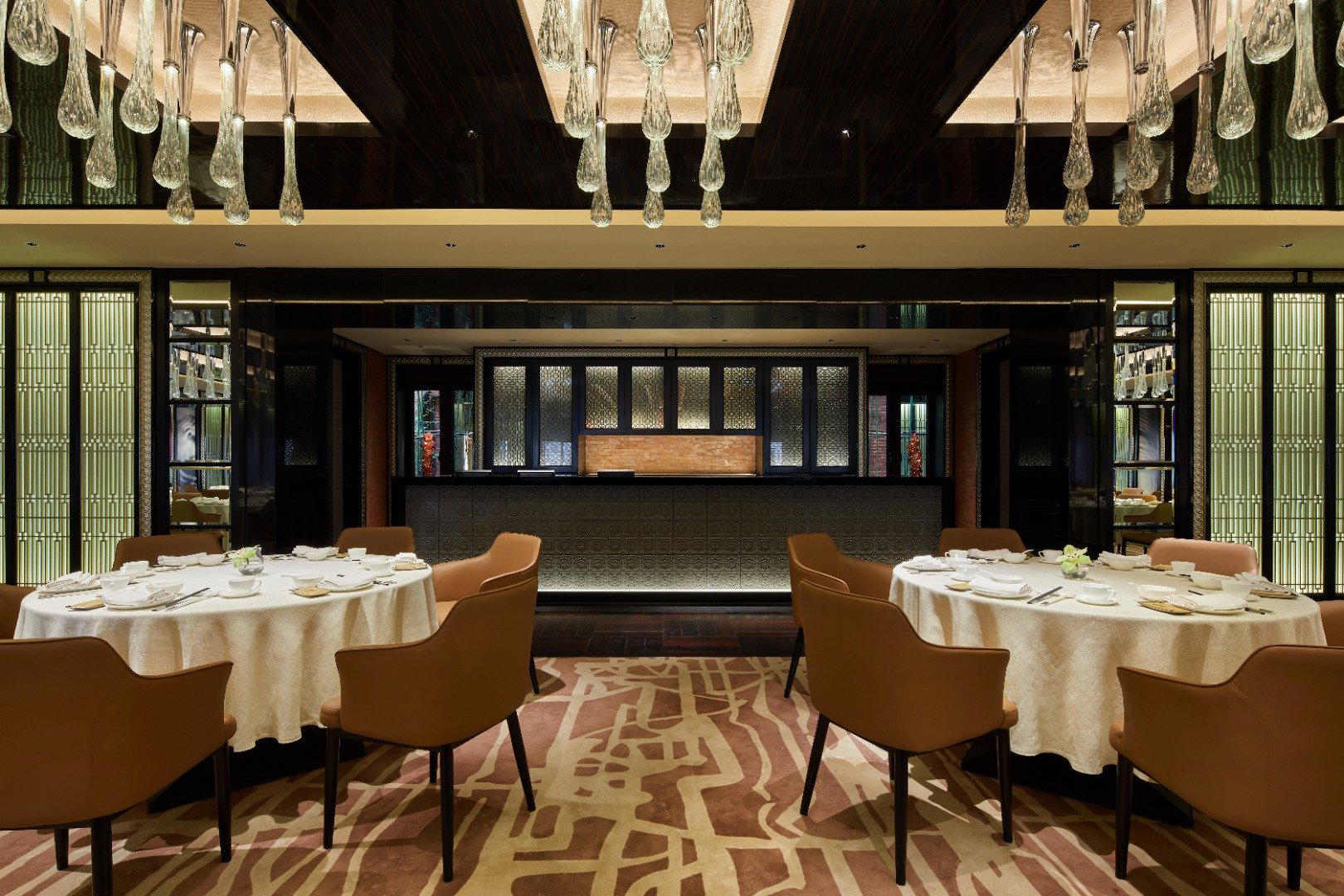
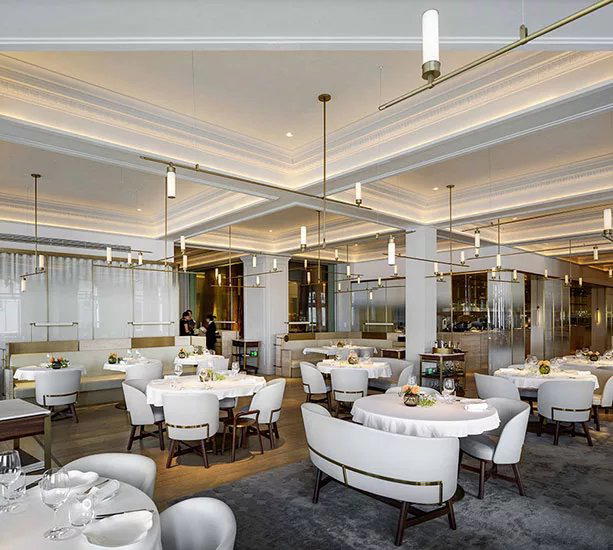
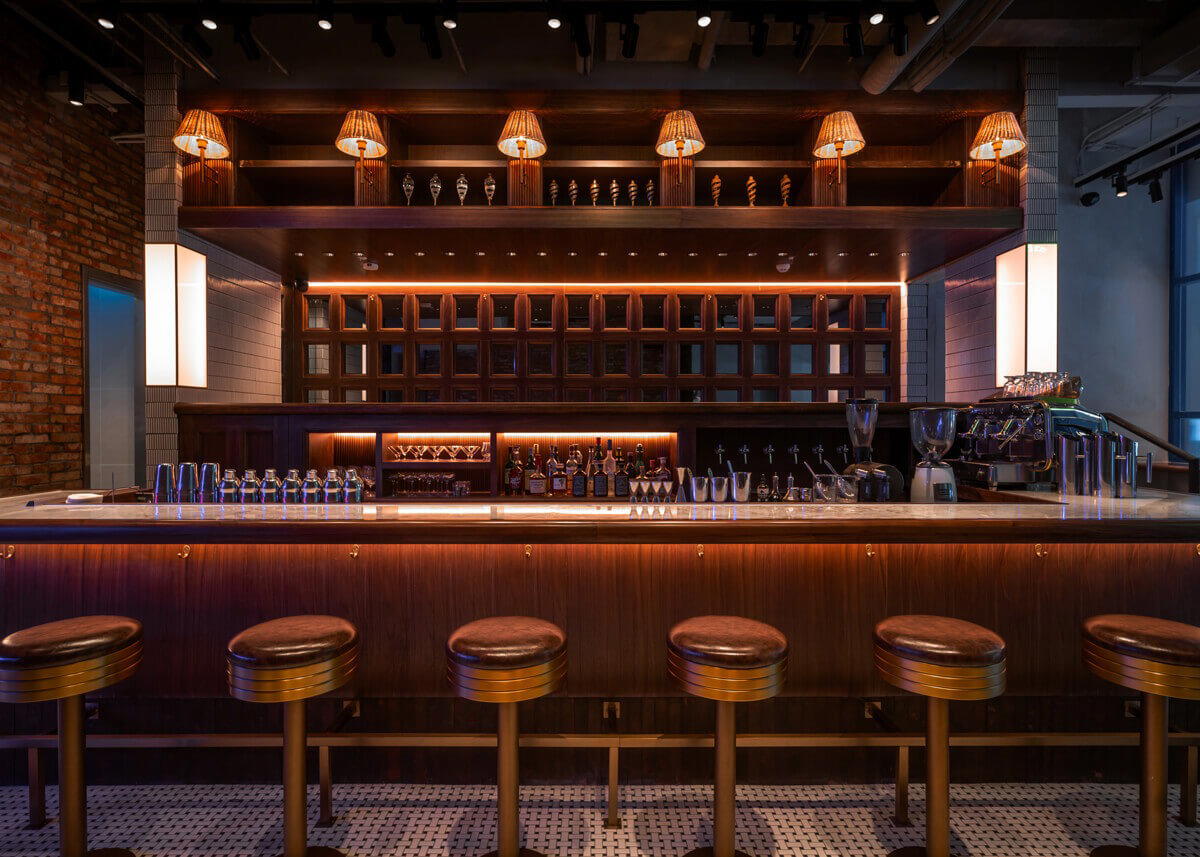
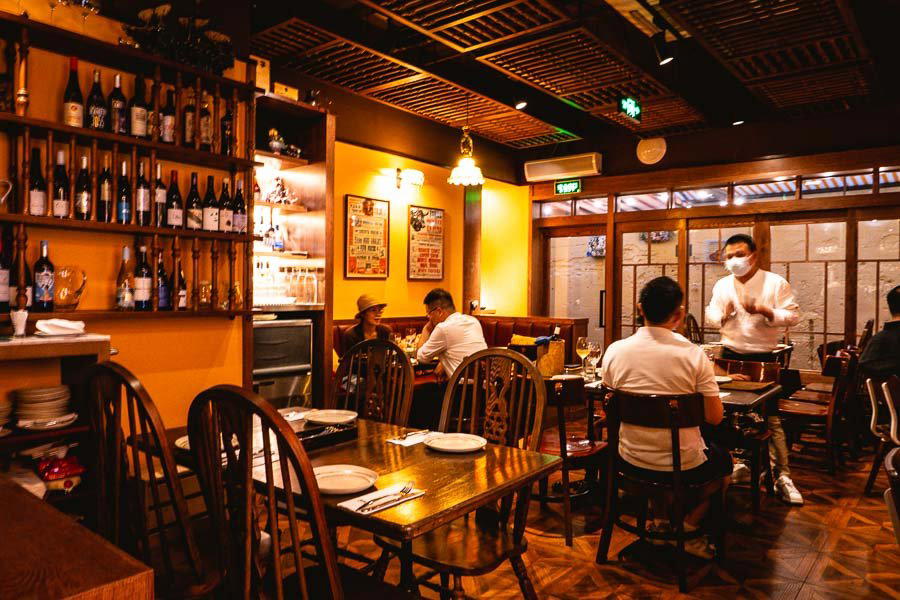
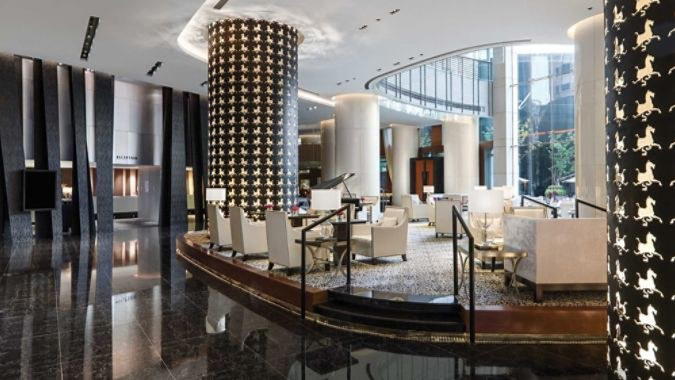
Contemporary art deco design with black color scheme, crystal decorations, and geometric lighting creating a sophisticated yet warm dining environment.