Il Sorriso sits on Kurfürstenstraße in Berlin's Schöneberg district, occupying a corner of the city where Italian dining traditions meet a neighbourhood long accustomed to unhurried, conversation-led evenings. The address places it at a remove from the louder fine-dining circuits of Mitte, making it a reference point for those seeking a quieter register of the same city.
Pearl is the En Primeur Club membership app — saves, bookings, and concierge access live there. Same editors, same standards.
- Address
- Kurfürstenstraße 76, 10787 Berlin, Germany
- Phone
- +4949302621313
- Website
- sorriso-berlin.de
- Directions
- Get directions
 Saves & bookings on Pearl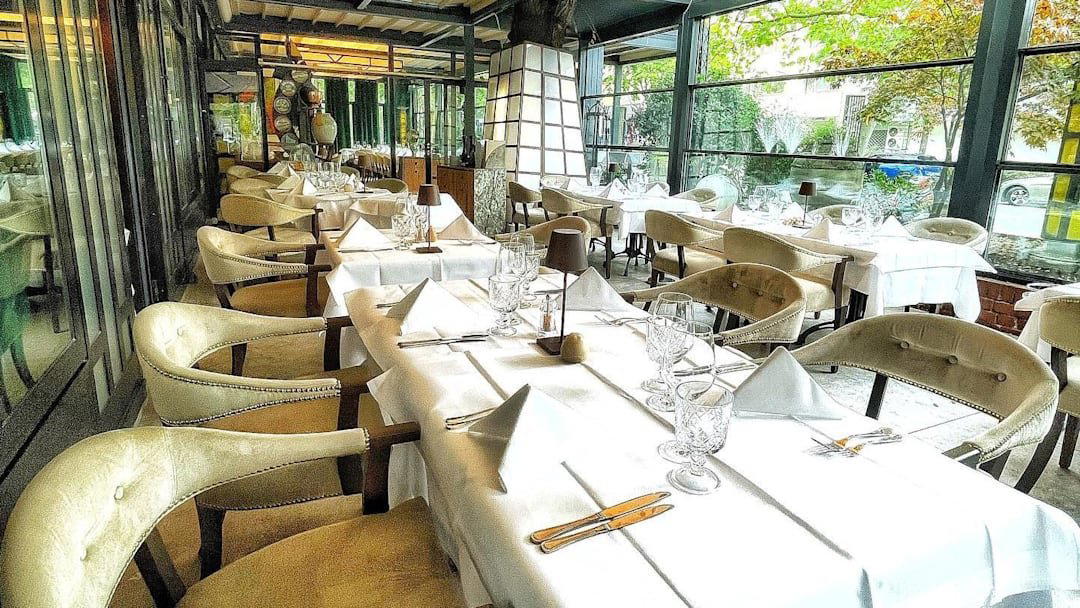
A Different Pace on Kurfürstenstraße
Il Sorriso is an Authentic Italian restaurant at Kurfürstenstraße 76, 10787 Berlin, Germany. Berlin's fine-dining scene has, over the past decade, bifurcated sharply. One track runs through the internationally recognised tasting-menu houses: places like Rutz, Nobelhart & Schmutzig, and FACIL, each with Michelin recognition and a format built around sequential courses, precise timing, and a kitchen-dictated rhythm. The other track is quieter, more neighbourhood-rooted, and less theatrically structured. Il Sorriso on Kurfürstenstraße 76 belongs to the second tradition. Schöneberg, the district it occupies, has historically operated at a different register from Mitte or Prenzlauer Berg: lower-profile, more residential, less interested in being photographed. That context shapes what a meal here feels like before the first course arrives.
The address itself is instructive. Kurfürstenstraße sits between the westward pull of the Ku'damm corridor and the inner-city density of Potsdamer Platz, a stretch that has never fully committed to either the tourist economy or the creative-industry dining scene. Italian restaurants in this part of the city tend to draw a different kind of regular than those in trendier postcodes: professionals, long-term residents, people who measure a room by how comfortable it is to sit in for two hours rather than how it looks in low light.
The Italian Dining Ritual in a German City
Italian cuisine in Berlin occupies an unusual position. The city has many red-sauce trattorias targeting the mass market, but the tier above that, where pacing and sourcing matter, is considerably thinner. Across European capitals, the Italian dining ritual at its most considered form is about duration: the unhurried movement from antipasto through primo and secondo, with wine poured to match each stage rather than to fill a glass. That rhythm is harder to sustain in cities where the dominant dining culture values either speed or theatrical precision. Berlin sits somewhere between the two, which creates genuine space for a restaurant that commits to the Italian pace without the pressure of Michelin-star ambition driving the format.
The question for any Italian restaurant in this tier is whether the ritual holds. Does the meal move at the kitchen's tempo or the guest's? Is pasta made in-house or sourced? Does the wine list reflect Italian regionality or default to the Tuscan and Sicilian standards that travel most easily abroad? These are the structural questions that separate a serious Italian room from a comfortable approximation of one. For context, Le Bernardin in New York City and Atomix both demonstrate how a clear structural philosophy, applied with consistency, becomes one legible form of trust signal a restaurant can offer. The same logic applies at a lower temperature in the Italian mid-fine-dining tier.
Where Il Sorriso Sits in the Berlin Italian Category
Berlin's Italian dining category at the serious end is small. The restaurants that have attempted full-format Italian fine dining in the city, with regional specificity, careful pasta work, and Italian wine depth, have generally done so without the institutional support that comparably ambitious kitchens receive in London, Paris, or Zurich. That makes the few that persist in this register more significant. The restaurant's Schöneberg location puts it in a comparable set defined more by neighbourhood consistency than by award-cycle competition. It is not in direct competition with the creative tasting-menu format of CODA Dessert Dining or the Chinese-inflected precision of Restaurant Tim Raue. Its competitive set is elsewhere: the Italian and Southern European rooms where regulars return not for novelty but for reliability.
Germany's most decorated Italian-adjacent fine dining tends to cluster outside Berlin. Houses like Aqua in Wolfsburg and Vendôme in Bergisch Gladbach operate at the summit of German fine dining with European classical frameworks that include strong Italian influence, while Victor's Fine Dining by Christian Bau in Perl and Schwarzwaldstube in Baiersbronn anchor the upper tier of German gastronomy more broadly. The restaurant operates below that altitude, which is not a criticism. Most of the leading Italian meals in any city happen outside the Michelin-starred tier, in rooms where the format is more flexible and the relationship between kitchen and regular has had time to develop.
Comparable regional patterns appear in cities across Germany. JAN in Munich, Restaurant Haerlin in Hamburg, and Schanz in Piesport each demonstrate how serious European cooking sustains itself in cities and towns without the density of a capital's dining economy. ES:SENZ in Grassau, Waldhotel Sonnora in Dreis, and Bagatelle in Trier reinforce the same point: Germany's serious dining culture is geographically distributed rather than capital-concentrated, which means Berlin's Italian mid-fine-dining tier is not competing for the same audience as these rooms.
Seasonal Considerations and When to Go
Schöneberg's dining rooms tend to operate at higher capacity from October through March, when Berlin's colder months push residents indoors and the neighbourhood's longer-established restaurants benefit from their regulars returning to routine. Summer in Berlin redistributes dining energy toward outdoor terraces and the more tourist-facing districts, which can make the quieter rooms of Schöneberg feel less pressured, with shorter waits and a more settled atmosphere. For Italian cuisine specifically, autumn and winter menus typically engage more directly with the heavier regional traditions, braised preparations, richer pasta formats, and aged cheeses that reward the season's slower pace.
Know Before You Go
- Address: Kurfürstenstraße 76, 10787 Berlin, Germany
- District: Schöneberg
- Booking: Reservations recommended
- Leading season: Autumn and winter for full Italian menu range; summer for a quieter, less pressured room
Comparable Spots
Comparable venues nearby, for context on price, style, and recognition.
| Venue | Cuisine | Price | Notes |
|---|---|---|---|
| Il SorrisoThis venue — the venue you are viewing | Authentic Italian | $$$ | Not listed |
| Como Berlin | Contemporary Italian inspired by Japanese cuisine | $$$ | Charlottenburg |
| Poveracci | Authentic Sicilian Italian | $$$ | Mitte |
| Ponte | Modern Italian Trattoria | $$$ | Schoneberg |
| AMON Restaurant | Modern Italian | $$ | Mitte |
| Café Botanico | Italian Farm-to-Table | $$ | Neukolln |
Continue exploring
More in Berlin
Restaurants in Berlin
Browse all →
Bars in Berlin
Browse all →
Hotels in Berlin
Browse all →

At a Glance
- Elegant
- Classic
- Date Night
- Business Dinner
- Special Occasion
- Standalone
- Extensive Wine List
Current opening hours
- Monday
- 12 PM–12 AM
- Tuesday
- 12 PM–12 AM
- Wednesday
- 12 PM–12 AM
- Thursday
- 12 PM–12 AM
- Friday
- 12 PM–12 AM
- Saturday
- 4 PM–12 AM
- Sunday
- 4 PM–12 AM
Hours can change for holidays and private events. Last verified .
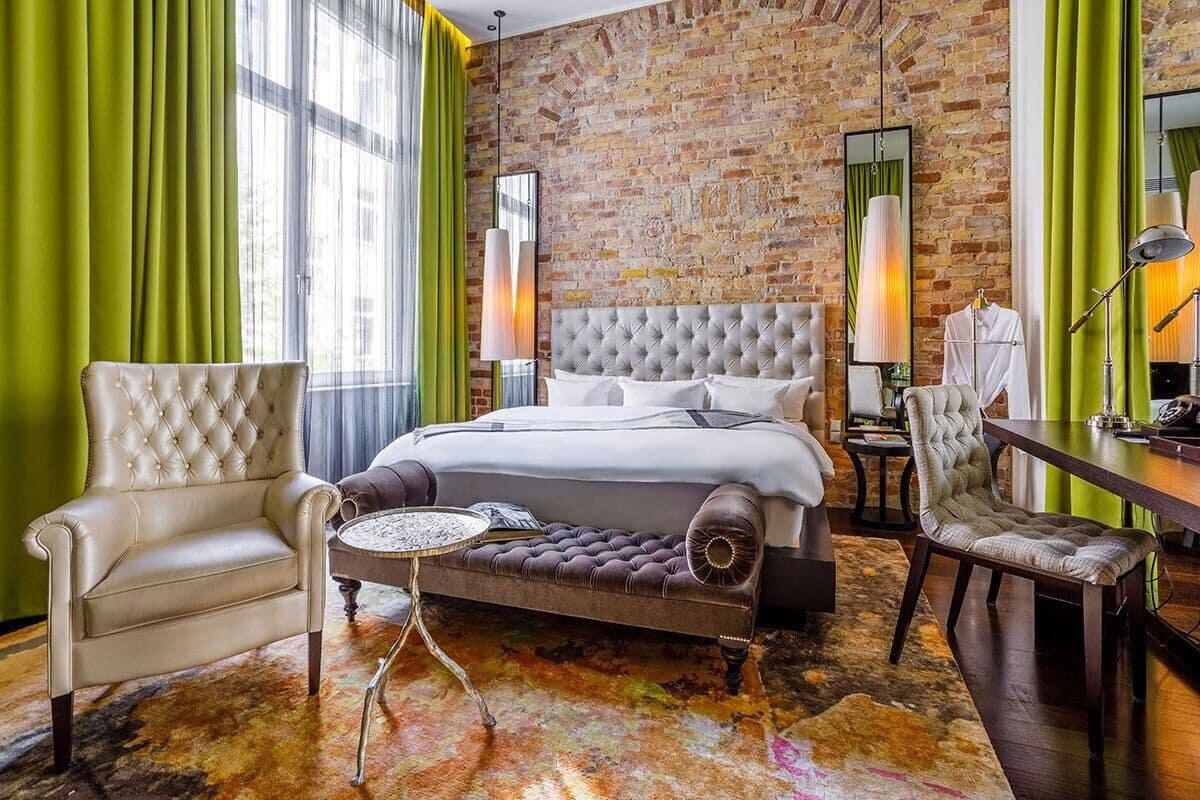
Warm, friendly atmosphere with lavish decor.