Our verdict
Tucked into a back alley southwest of the Hyakumanben intersection in Kyoto's Sakyo ward, this twenty-seat ramen shop occupies a converted standalone house roughly one minute on foot from the Hyakumanben bus stop. The format is counter-forward: twelve of those seats run along a bar, which shapes the experience into something closer to a focused craft workshop than a casual noodle canteen. The kitchen centres on niboshi, the dried sardine stock that defines a particular northern Japanese ramen tradition, applied here with an intensity that reviewers consistently describe as a defining characteristic of the Kyoto two-style (jiro-kei) scene. The menu spans niboshi ramen, niboshi tonkotsu, and a dry abura-soba format, with the oil-soba preparation known as "Mori" drawing particular attention in diner accounts. That breadth across broth and brothless formats within a single small counter is less common in Kyoto than in Tokyo or Osaka. The shop sits within walking distance of Kyoto University, and the Hyakumanben neighbourhood carries the low-key, student-district character that tends to produce exactly this kind of technically serious, low-overhead specialist. Review aggregators have positioned the venue as a pioneer of jiro-kei ramen in the city, a style that arrived in Kyoto considerably later than it did in the capital, which gives the shop a degree of local significance that its modest room size does not immediately suggest. With only twenty covers and a counter-dominated layout, the pace here is deliberate. Visitors arriving without knowledge of the bus stop access point or the alley address tend to miss it, which partly explains why the shop retains a following among Kyoto ramen specialists despite minimal mainstream visibility.
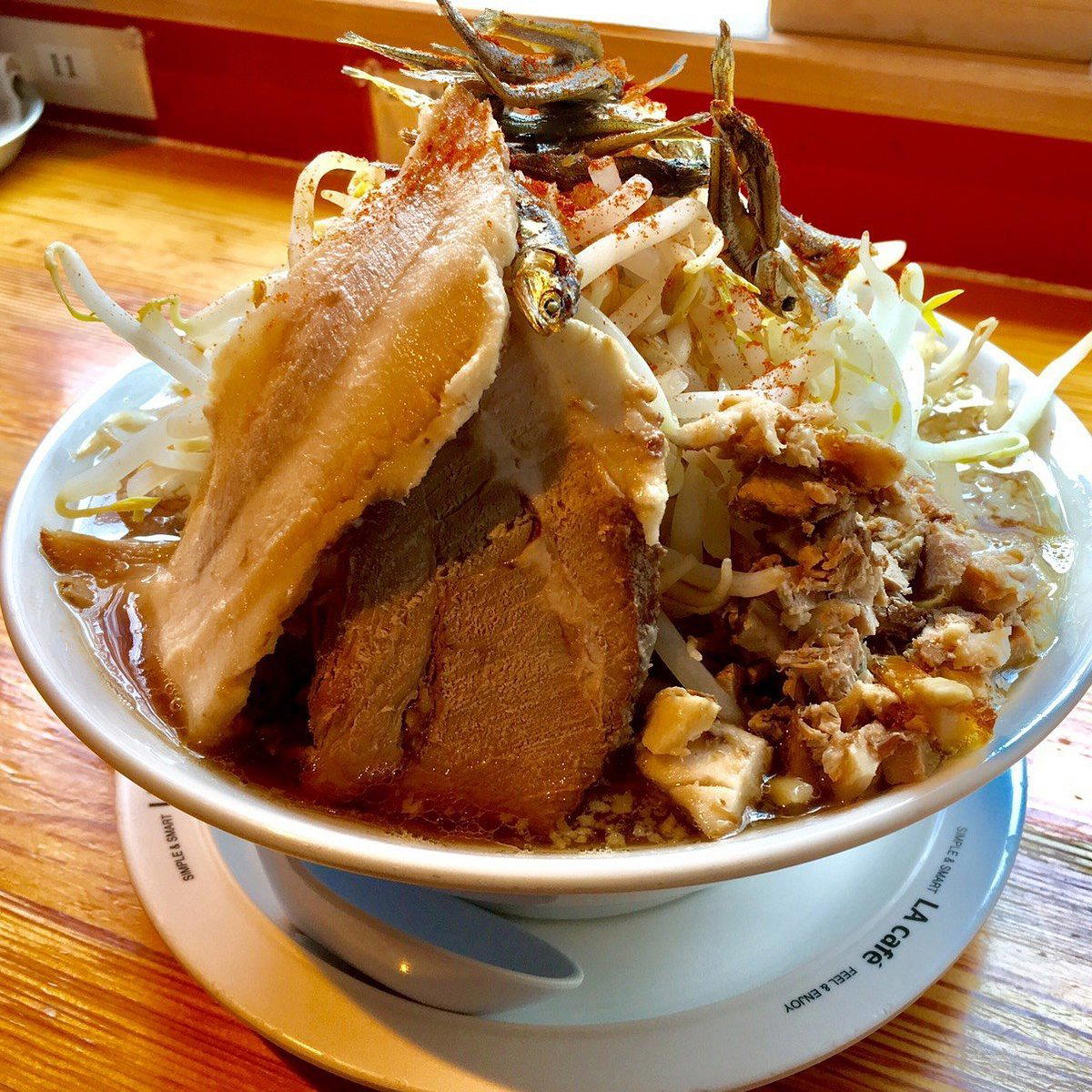
The menu
What to order
- Tonkotsu Niboshi Ramen
- Niboshi Ramen
- Katsuo-Flavored Ramen
Tucked into a back alley southwest of the Hyakumanben intersection in Kyoto's Sakyo ward, this twenty-seat ramen shop occupies a converted standalone house roughly one minute on foot from the Hyakumanben bus stop. The format is counter-forward: twelve of those seats run along a bar, which shapes the experience into something closer to a focused craft workshop than a casual noodle canteen.
The kitchen centres on niboshi, the dried sardine stock that defines a particular northern Japanese ramen tradition, applied here with an intensity that reviewers consistently describe as a defining characteristic of the Kyoto two-style (jiro-kei) scene. The menu spans niboshi ramen, niboshi tonkotsu, and a dry abura-soba format, with the oil-soba preparation known as "Mori" drawing particular attention in diner accounts. That breadth across broth and brothless formats within a single small counter is less common in Kyoto than in Tokyo or Osaka.
The shop sits within walking distance of Kyoto University, and the Hyakumanben neighbourhood carries the low-key, student-district character that tends to produce exactly this kind of technically serious, low-overhead specialist. Review aggregators have positioned the venue as a pioneer of jiro-kei ramen in the city, a style that arrived in Kyoto considerably later than it did in the capital, which gives the shop a degree of local significance that its modest room size does not immediately suggest.
With only twenty covers and a counter-dominated layout, the pace here is deliberate. Visitors arriving without knowledge of the bus stop access point or the alley address tend to miss it, which partly explains why the shop retains a following among Kyoto ramen specialists despite minimal mainstream visibility.
Comparable venues nearby, for context on price, style, and recognition.
| Venue | Cuisine | Price | Awards | Notes |
|---|---|---|---|---|
| 幻の中華そば加藤屋 百万遍にぼ次朗This venue (the venue you are viewing) | Niboshi (Dried Sardine) Jiro-Style Ramen | Not listed | Not listed | Not listed |
| Kasagiya | Traditional Japanese sweets café & tea house | $1–10 | Tabelog 100 #50 | Higashiyama |
| Menya Somie's | Creative ramen | $10–20 | Tabelog 100 #6 | Fukuchiyama |
| Miyoshiya | Japanese Traditional Sweets | Not listed | Tabelog 100 #52 | Higashiyama |
| Ramen Tsurumusha | Kyoto-style Ramen Shop | $10–20 | Tabelog 100 #91 | Ukyō |
| Gyoza Hohei (ぎょうざ 歩兵) | Gyoza specialty shop | $10–20 | Tabelog 100 #38 | Gion |
Continue exploring
More in Kyoto
Restaurants in Kyoto
All restaurants in Kyoto →
Bars in Kyoto
All bars in Kyoto →



Hotels in Kyoto
All hotels in Kyoto →


Wineries in Kyoto
Browse all →
Details
- Lively
- Energetic
- Casual Hangout
- After Work
- Late Night
- Open Kitchen
- A La Carte
- Counter Dining
Current opening hours
- Monday
- 11 AM–11 PM
- Tuesday
- 11 AM–11 PM
- Wednesday
- 11 AM–11 PM
- Thursday
- 11 AM–11 PM
- Friday
- 11 AM–11 PM
- Saturday
- 11 AM–11 PM
- Sunday
- 11 AM–11 PM
Hours can change for holidays and private events. Last verified .
Clean, energetic atmosphere popular with Kyoto University students; lively counter-style dining with active kitchen energy.