
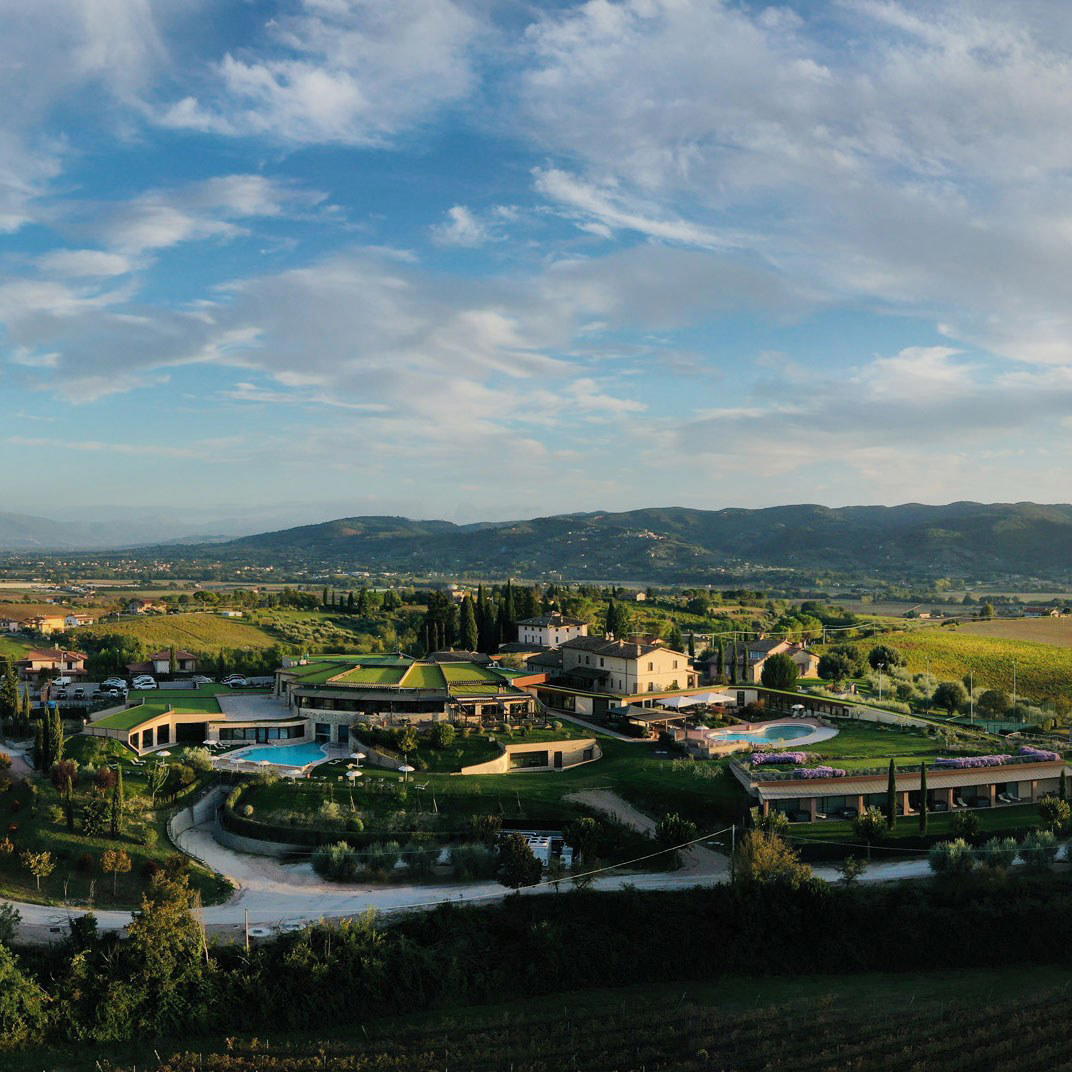
A 17th-century former pilgrim waystation on the edge of Deruta, I Rodella has been shaped by a Venetian family who bridge northern lagoon traditions with Umbrian produce. The kitchen's commitment to home-grown herbs and locally sourced ingredients gives the €€ tasting experience a grounded, seasonal character that holds its Michelin Plate recognition year after year.
Pearl is the En Primeur Club membership app — saves, bookings, and concierge access live there. Same editors, same standards.
- Address
- Str. Esterna Vicinale della Rocca, 2, 06053 Deruta PG, Italy
- Phone
- +39 075 972 4314
- Website
- ristoranteirodella.it
- Directions
- Get directions
 Saves & bookings on Pearl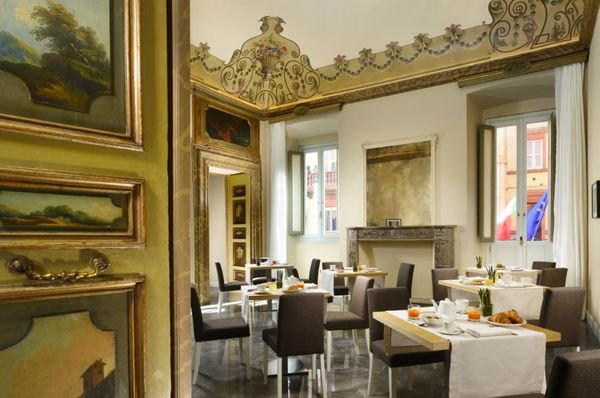
Where the Via Flaminia Once Fed Pilgrims
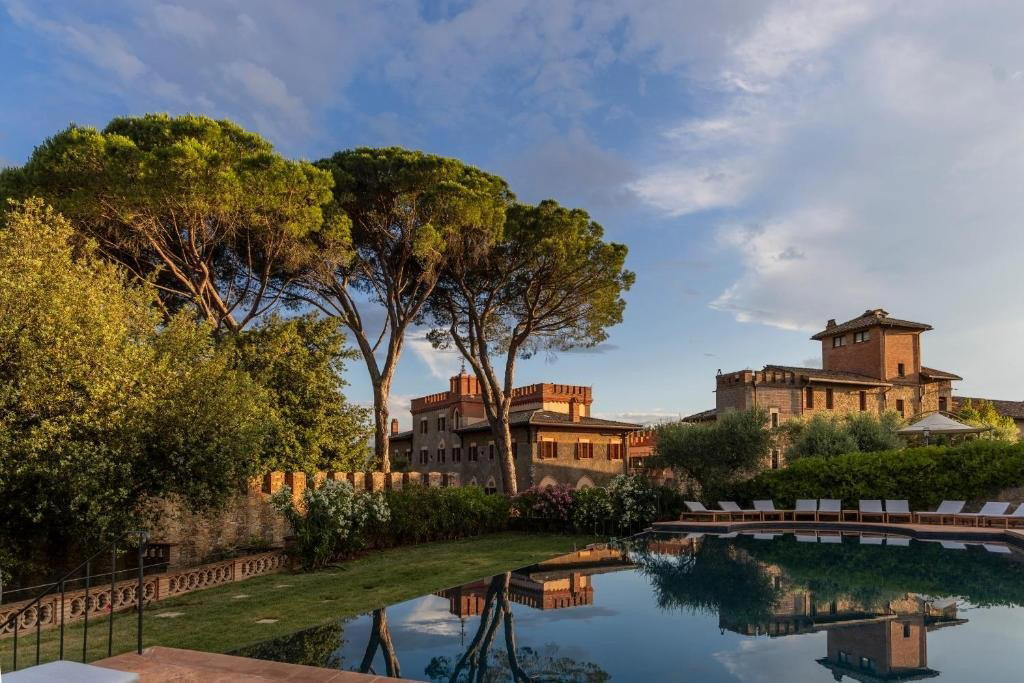
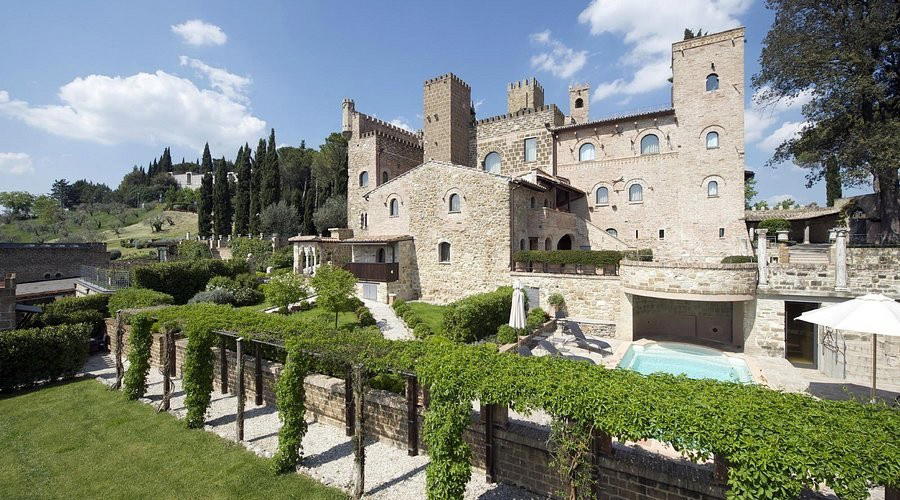
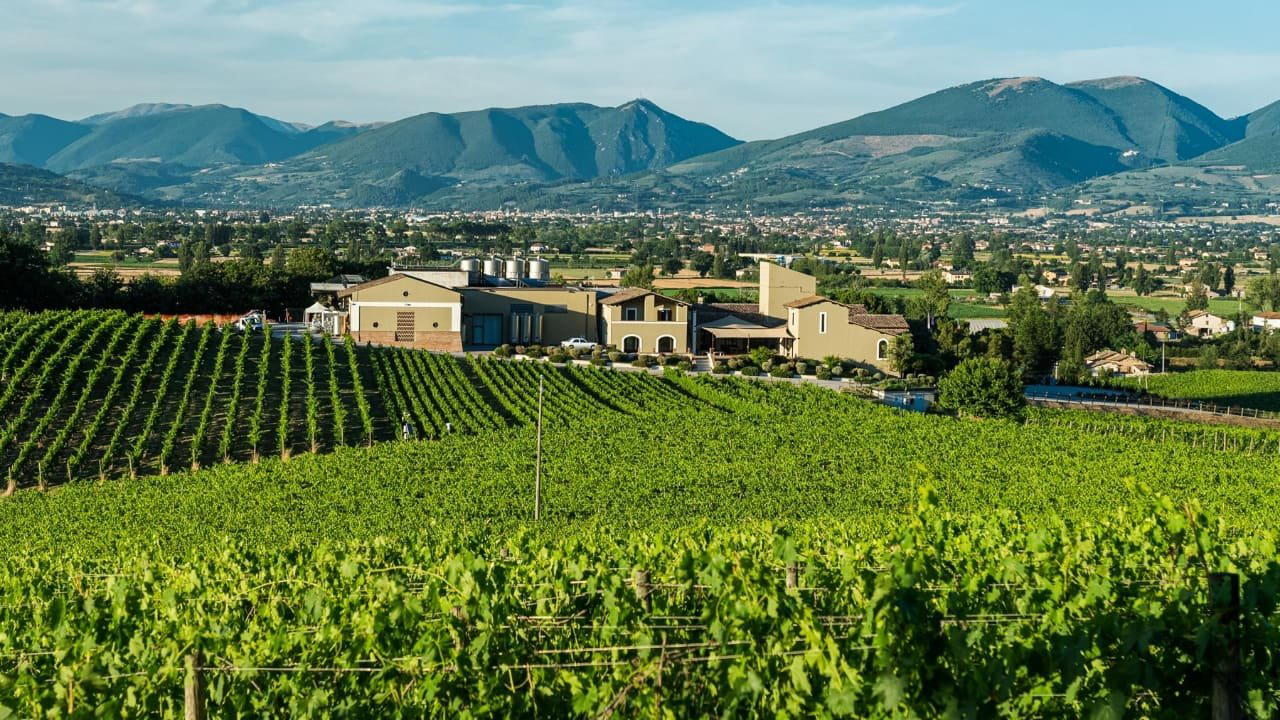
The road approaching Deruta from the south carries the quiet weight of centuries. Umbria's ceramic town sits above the Tiber valley, and the countryside around it is stitched with lanes that once moved pilgrims, merchants, and clergy toward Rome. The stone complex at Strada Esterna Vicinale della Rocca was commissioned by the Church in the early 17th century precisely for this purpose: a rest stop with purpose, a place to eat and sleep before the final push south. That function has not entirely changed. I Rodella is a restaurant in Deruta serving modern Umbrian-inspired Italian cuisine, with a Michelin Plate in 2024 and 2025 and an average spend of about $60 per person. The architecture, thick walls, rooms built for occupation rather than passage, shapes the pace of a meal before any food arrives.
For the traveller arriving from Perugia, roughly 15 kilometres to the north, or passing through en route from the A1 autostrada corridor, the building reads immediately as something older than its neighbours. The property also holds two junior suites and seven guestrooms, which places it in a category that bridges accommodation and serious dining rather than treating either as an afterthought.
The Sourcing Logic Behind a Venetian Table in Umbria
Italy's most compelling regional cooking rarely follows straight lines. The kitchen at I Rodella is guided by twin brothers with considerable professional experience, and their frame of reference is split: Venetian culinary tradition on one axis, Umbrian agricultural reality on the other. That duality is not a marketing device. It shapes what ends up on the plate in concrete ways.
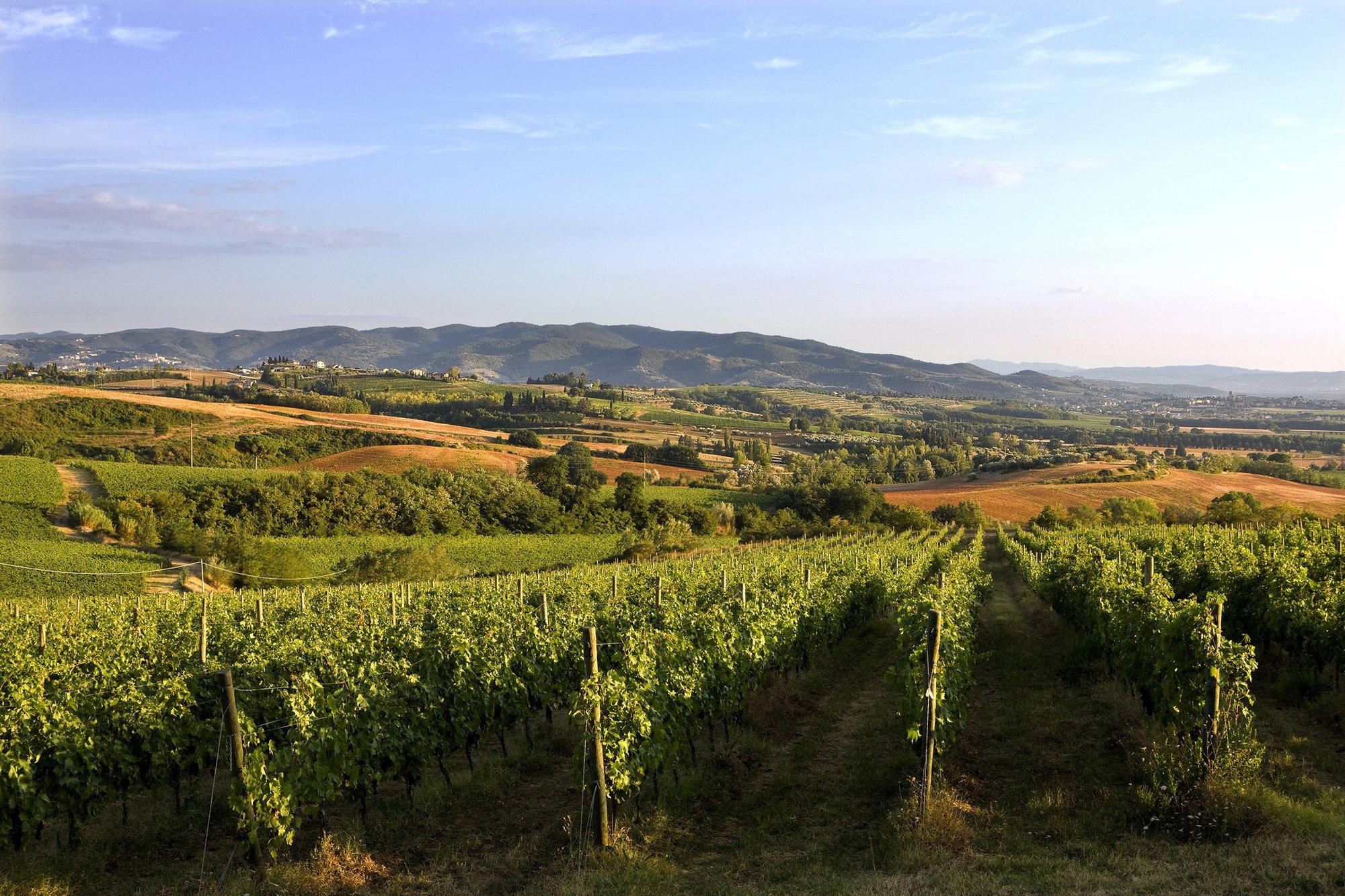
Umbria's larder is built for this kind of cooking. The region produces some of central Italy's most serious black truffles around Norcia and Spoleto, pulses from the Castelluccio plateau that have earned EU protected status, and a cattle and lamb culture that predates organised tourism by several centuries. Deruta itself sits in the lower Tiber valley, where the soil transitions from the higher hill terrain into richer agricultural ground. A kitchen that sources locally here has genuine material to work with.
The Venetian counterpoint arrives through technique and flavour logic: a northern Italian tradition that treats combinations of sweet, savoury, and bitter as compositional tools rather than accidents. Venice's historic trade routes brought spices, preserved fish, and layered preparations into Italian cooking centuries before the rest of the country caught up. A kitchen trained in that tradition and working with Umbrian raw material is engaged in something more interesting than simple fusion. It is applying an inherited palate to a different pantry.
The home-grown herbs at I Rodella are a specific and telling detail. In a region where the market supply chain is already strong, growing your own signals a preference for produce at a particular stage of freshness, cut-to-order rather than held in transit. Herbs lose volatile aromatic compounds quickly after harvest. Kitchens that grow their own are making a commitment to a specific quality threshold that cannot always be purchased. Among the innovative restaurant category across Umbria, that level of sourcing granularity is not the norm at the €€ price tier.
This places I Rodella in an interesting competitive position. Italy's major innovative restaurants, the kind holding three Michelin stars like Dal Pescatore in Runate, Enoteca Pinchiorri in Florence, or Le Calandre in Rubano, operate at €€€€ pricing with tasting menus built around rarefied sourcing networks and multi-course architecture. The restaurant works at a more accessible price point, with sourcing discipline that punches above it. For broader context on where Italy's innovative cooking sits internationally, the format has parallels in venues like alla prima in Seoul and MAZ in Tokyo, where regional produce anchors a globally literate kitchen sensibility.
The Dining Room and How to Use It
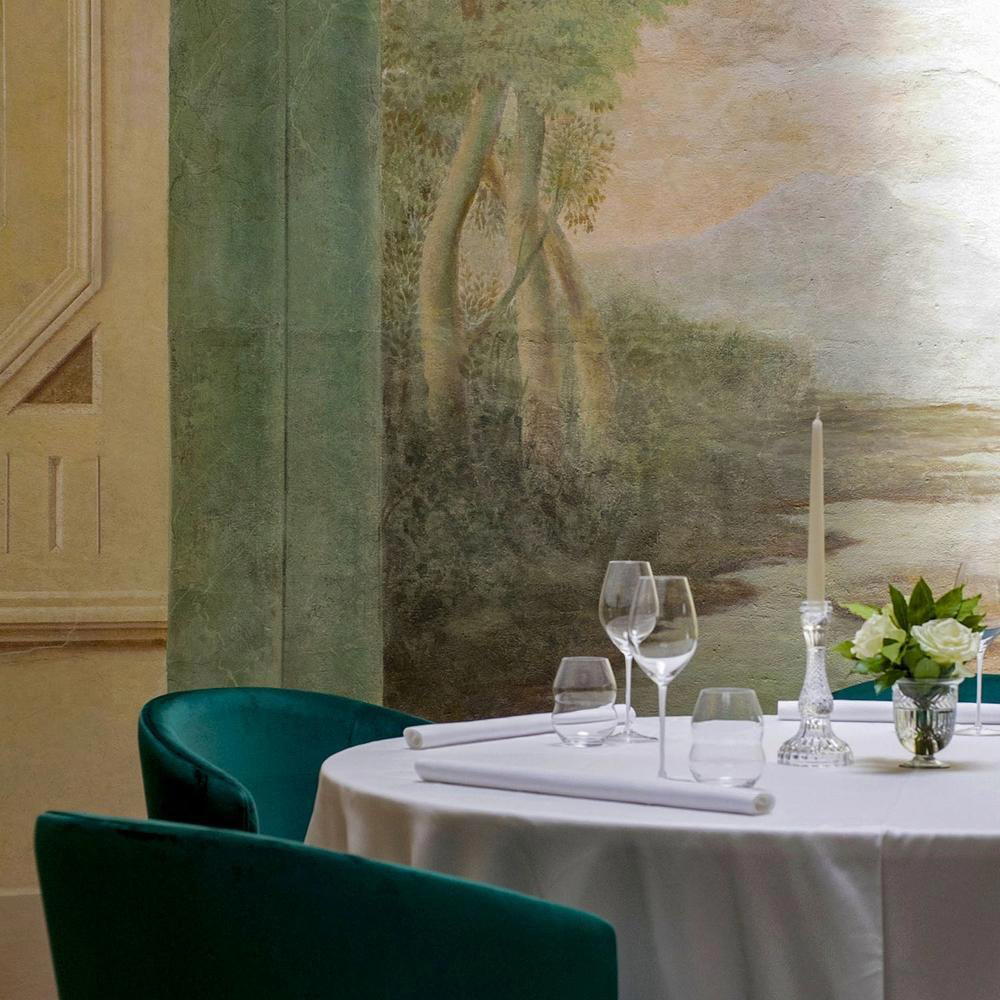
Italian restaurants that occupy historic agricultural or ecclesiastical buildings carry a particular atmospheric logic. The rooms were not designed for theatre. They were designed for function, and that functional austerity often produces a dining environment that feels settled rather than staged. At the restaurant, a complex that dates to the early 1600s, the physical setting predates the contemporary obsession with designed dining atmospheres by roughly four centuries. The walls do the work.
The dining room is anchored in the front of house by Samuele, the third of the three brothers, who works as sommelier and host. In Italian family-run restaurants at this level, the sommelier's role in guiding the meal is often more valuable than the menu itself. A well-chosen wine pairing built around the kitchen's flavour logic, Umbrian Sagrantino, or a northern Italian white that echoes the Venetian tradition in the kitchen, changes the reading of the food. Samuele's guidance on both the wine list and the dish selection is worth following.
Eating at the pace the kitchen intends, rather than against a departure time, is a different experience.
Deruta in Context
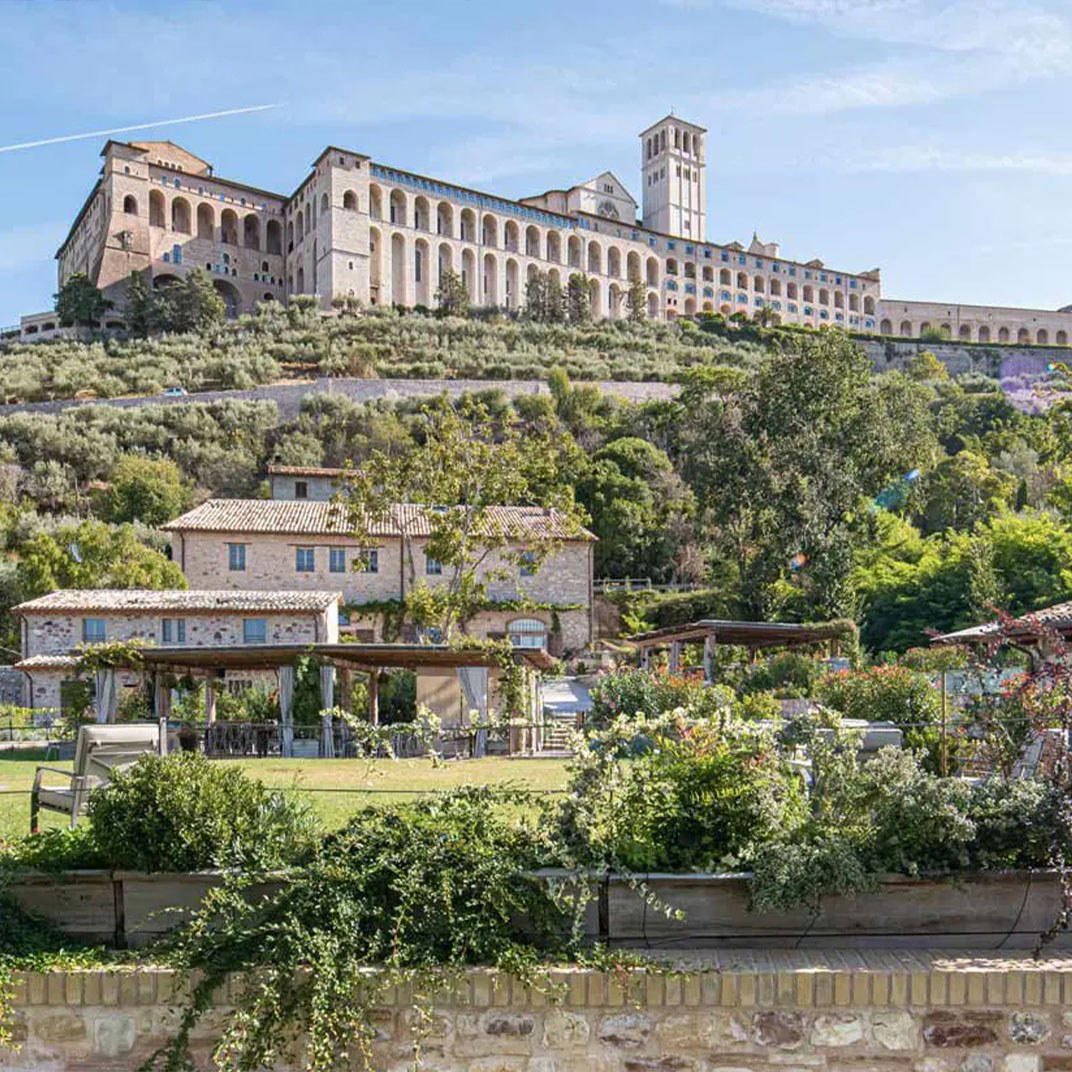
Deruta is not a dining destination in the way that Modena or Alba command international itineraries. It is a working Umbrian hill town known primarily for its hand-painted ceramics, with a tourist infrastructure calibrated to day-trippers rather than serious restaurant seekers. That context matters for understanding the restaurant's position. For those building a journey through central Italy, the town sits conveniently between Perugia and Todi, and the restaurant functions as a serious meal in a location that does not otherwise offer many at this level.
For comparison with other serious Italian regional kitchens working outside the major cities, the range is wide: Reale in Castel di Sangro, Uliassi in Senigallia, and Quattro Passi in Marina del Cantone each represent a different version of this pattern. Closer to the restaurant's Venetian culinary roots, Casa Perbellini 12 Apostoli in Verona offers a useful north-south comparison point. For the creative alpine tradition, Atelier Moessmer Norbert Niederkofler in Brunico represents the northern Italian edge of ingredient-led sourcing taken to its furthest conclusion. And for those interested in how Italy's most celebrated innovative kitchen built its identity, Osteria Francescana in Modena, Piazza Duomo in Alba, and Enrico Bartolini in Milan provide the fuller picture of the tier above.
Planning Your Visit
Booking ahead is advisable.
At-a-Glance Comparison
Comparable venues nearby, for context on price, style, and recognition.
| Venue | Cuisine | Price | Awards | Notes |
|---|---|---|---|---|
| I RodellaThis venue — the venue you are viewing | Modern Umbrian-Inspired Italian | $$$ | Michelin Plate | Not listed |
| Giano | Modern Sicilian | $$$ | Michelin Plate | Ludovisi |
| Cacciani | Traditional Roman-Lazio Cuisine | $$$ | Michelin Plate | Frascati |
| aldìVino | Italian Contemporary Creative | $$$ | Michelin Plate | Corciano |
| Le Chiavi d'Oro | Modern Tuscan Italian | $$$ | Michelin Plate | Historic Centre |
| Osteria dalla Peppa | Traditional Italian Osteria with Marche Specialties | $$$ | Michelin Plate | historic center |
Recognition history
Dated appearances from independent guides and award organizations, with the underlying list record or original source where available.
Michelin Plate
Michelin
Michelin Plate
Michelin
Michelin Plate
Michelin
Continue exploring
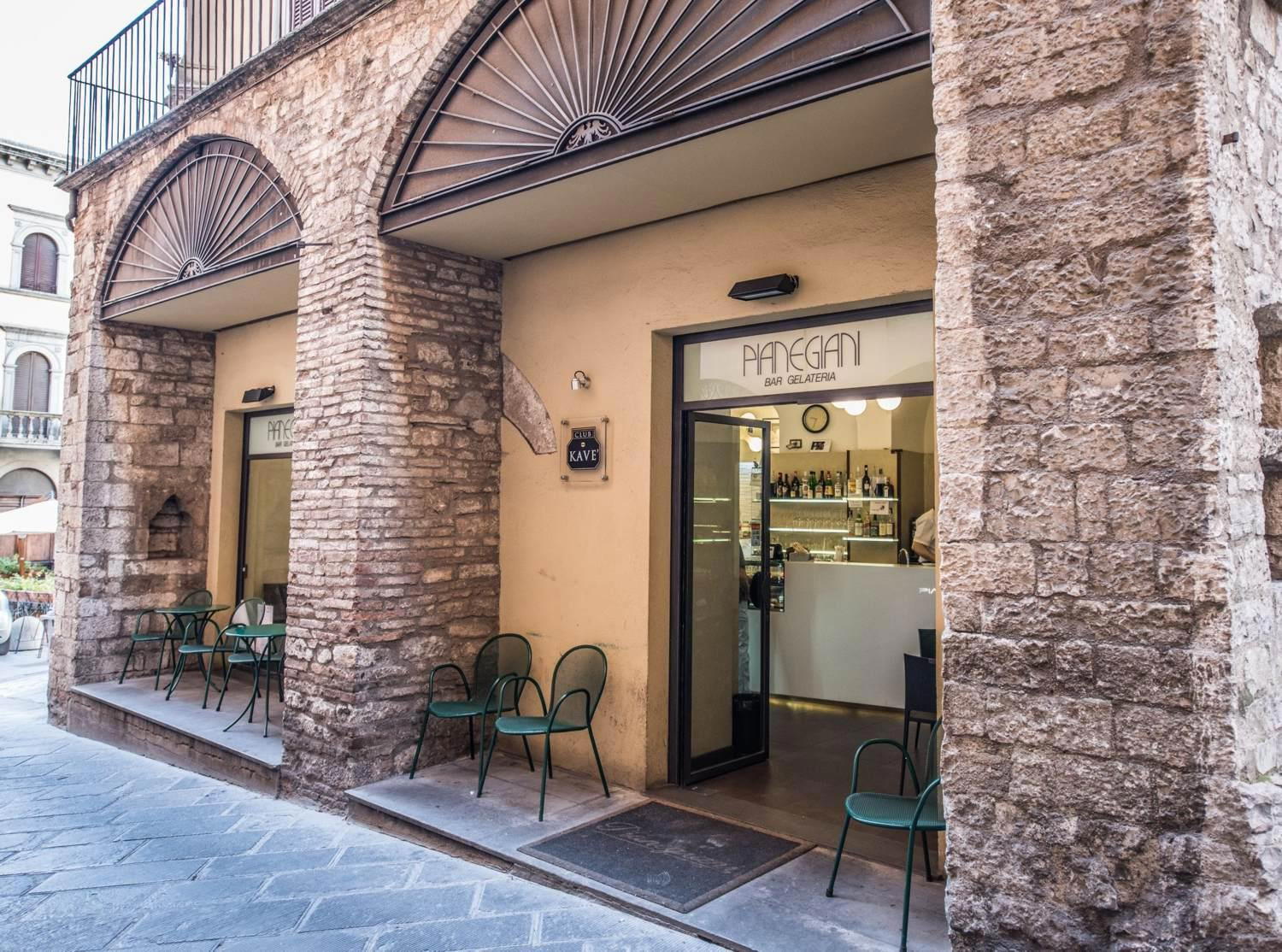
More in Deruta
Restaurants in Deruta
Browse all →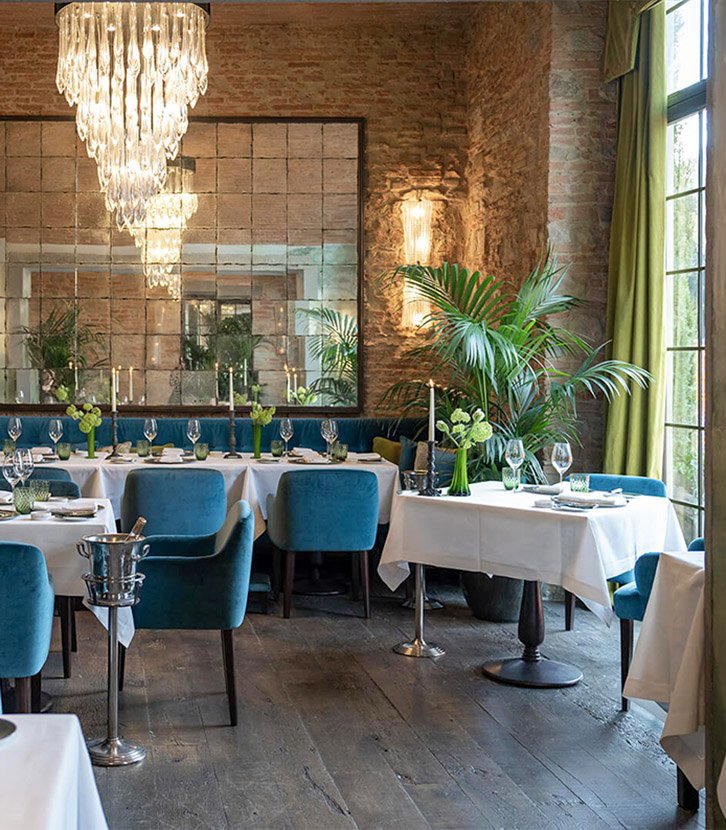
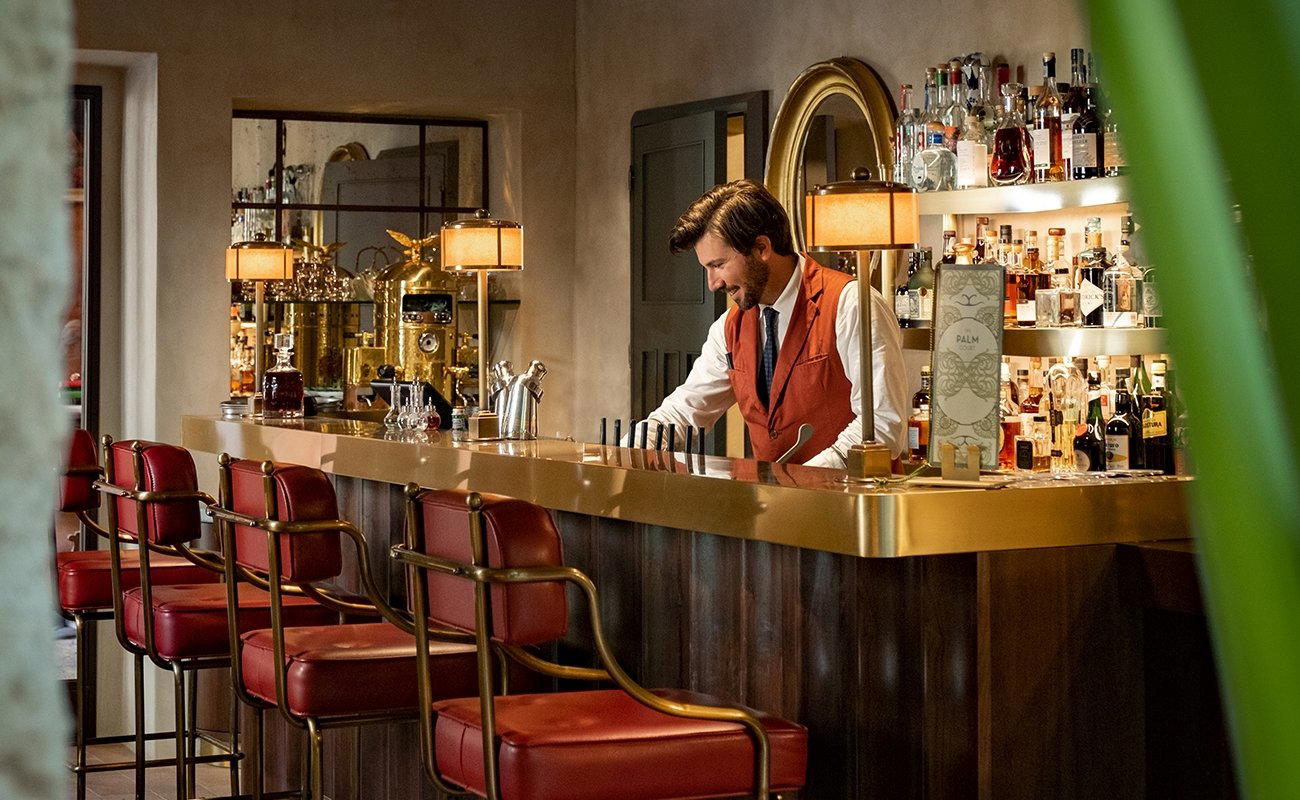
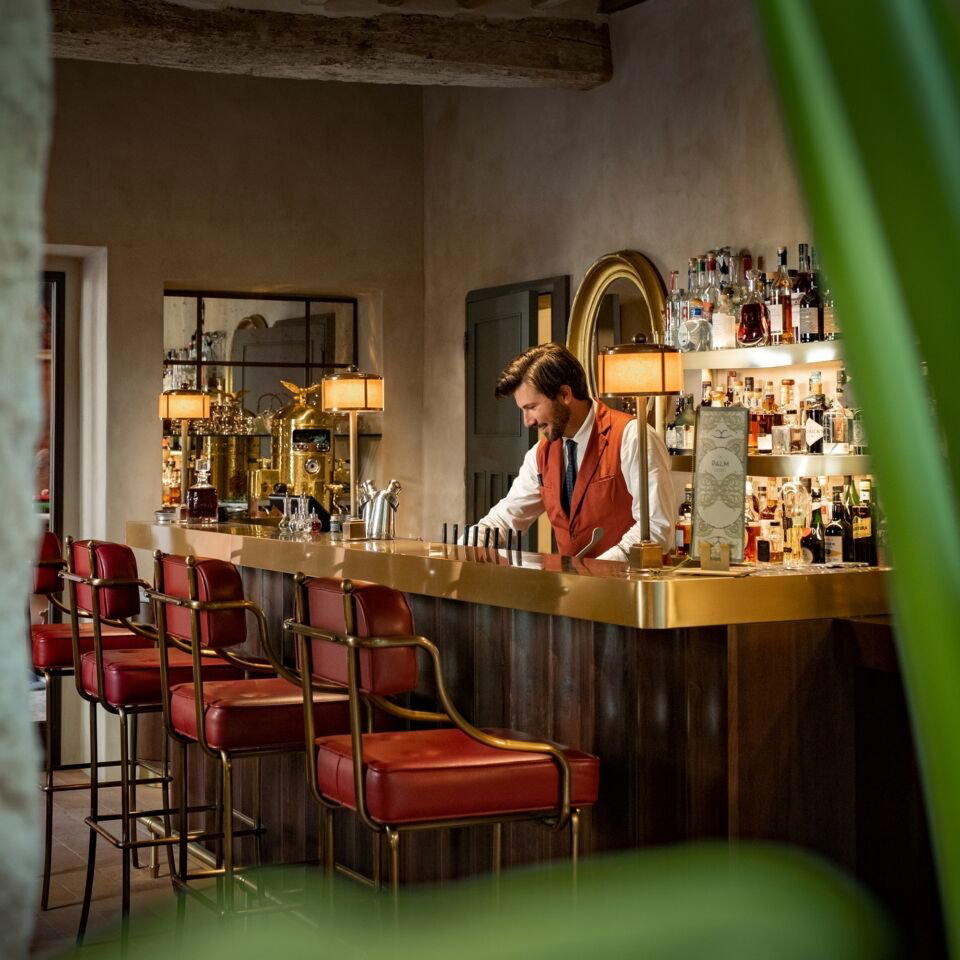
Bars in Deruta
Browse all →
Hotels in Deruta
Browse all →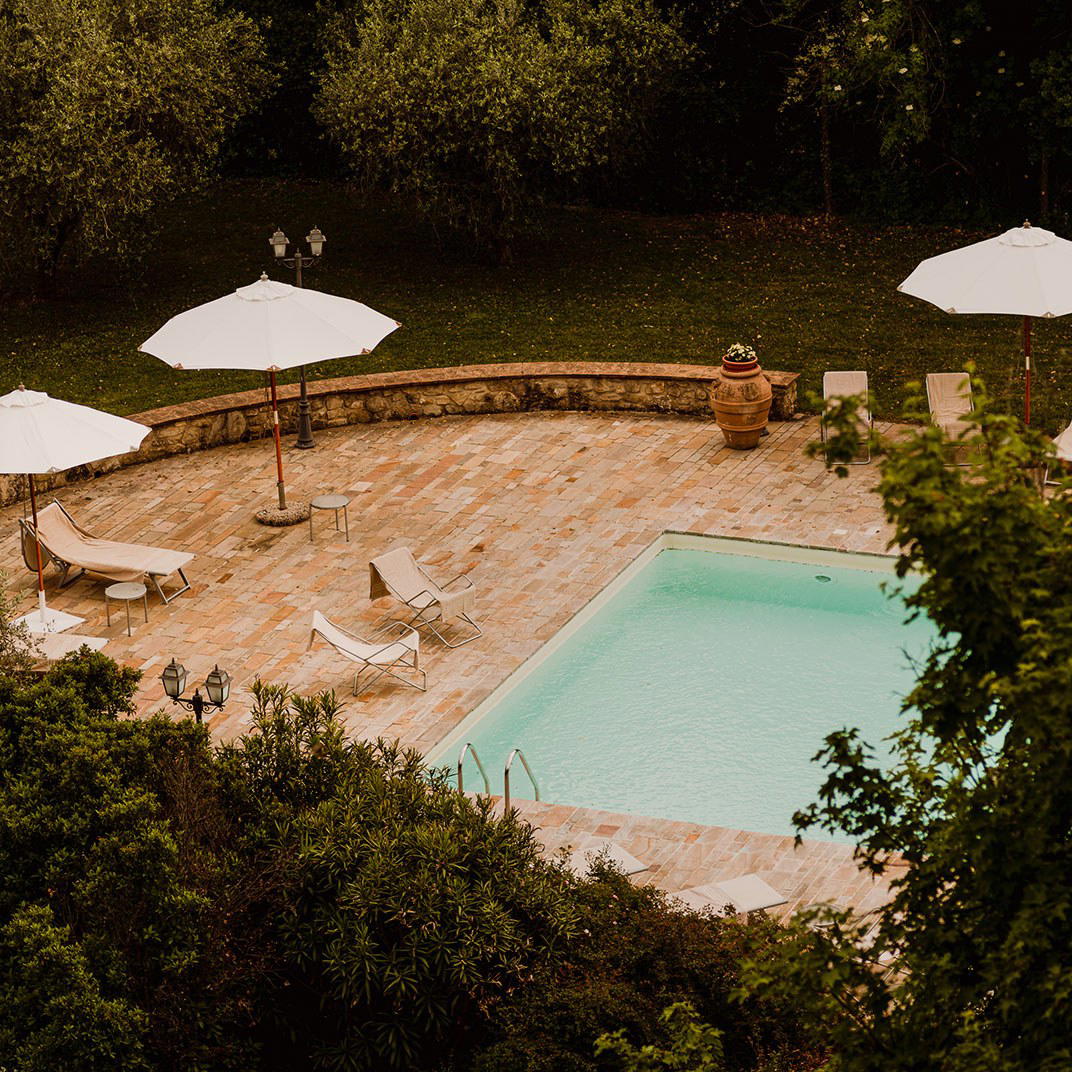

At a Glance
- Elegant
- Cozy
- Sophisticated
- Rustic
- Date Night
- Special Occasion
- Celebration
- Open Kitchen
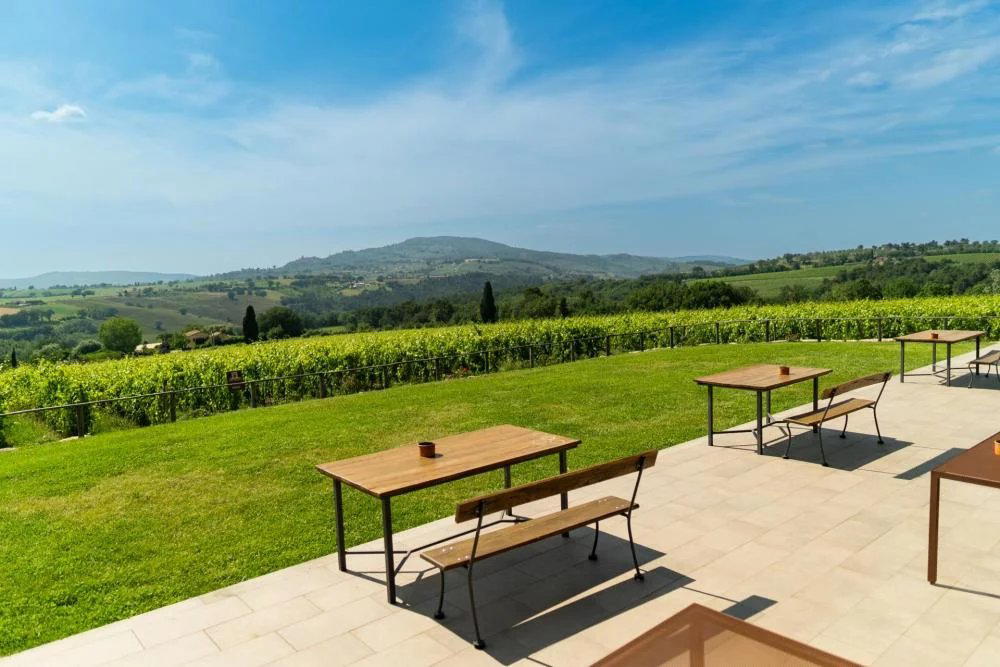
- Terrace
- Extensive Wine List
- Local Sourcing
- Garden
Current opening hours
- Monday
- Closed
- Tuesday
- 12:30–2 PM, 8–10 PM
- Wednesday
- 12:30–2 PM, 8–10 PM
- Thursday
- 12:30–2 PM, 8–10 PM
- Friday
- 12:30–2 PM, 8–10 PM
- Saturday
- 12:30–2 PM, 8–10 PM
- Sunday
- 12:30–2 PM
Hours can change for holidays and private events. Last verified .
Elegant and relaxing atmosphere with brick vaults, well-spaced tables, warm lighting, and a sophisticated yet welcoming feel.