
Michelin Selected
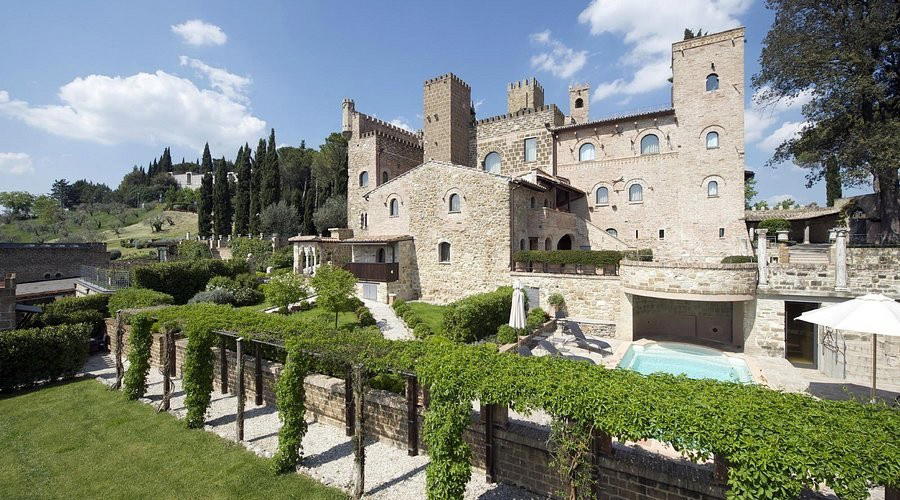
A Michelin Selected property in Assisi, Borgo Antichi Orti sits on Via Pallareto within reach of the Basilica di San Francesco, offering a quietly residential character that separates it from the town's more commercial accommodation tier. The property draws guests who want close proximity to Assisi's medieval core without the noise of its central hotels, and its Michelin recognition signals a standard of presentation and hosting that the selection process specifically validates.

Pearl is the En Primeur Club membership app — saves, bookings, and concierge access live there. Same editors, same standards.
- Address
- Via Pallareto, 1, 06181 Assisi PG, Italy
- Phone
- +39 075 782 7201
- Website
- borgoantichiortiassisi.it
- Directions
- Get directions
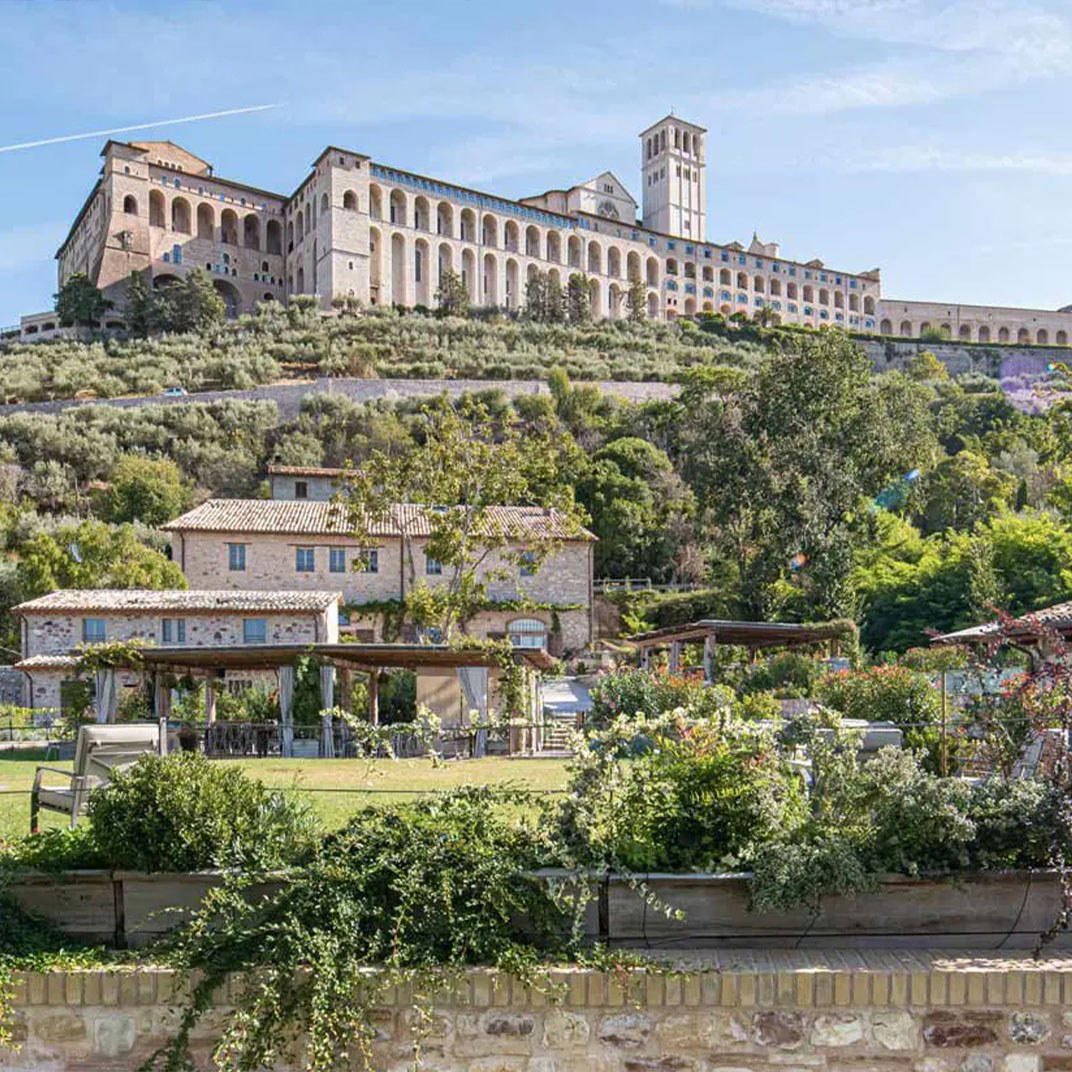
Where Assisi's Stone Walls and Olive Groves Set the Tone
Arriving in Assisi on foot or by car from the valley floor, the town's Umbrian stone announces itself well before any hotel sign does. The medieval layers here are not decorative — they are structural, and the accommodation options that sit most naturally within that context tend to be properties of smaller scale and deliberate restraint. Borgo Antichi Orti Assisi, addressed on Via Pallareto, belongs to that category. The name itself signals the setting: antichi orti translates roughly as ancient gardens or kitchen plots, referencing the cultivated terraces and walled green spaces that have defined Assisi's residential fabric for centuries. The physical approach, through lanes where the town's Franciscan austerity reads in every unadorned facade, conditions the guest experience before any formal hospitality begins.
That context matters when assessing Assisi's accommodation market. The town draws significant pilgrimage and cultural tourism, which means the hotel spectrum runs from large religious retreat houses to a handful of properties pitched at guests whose primary criterion is comfort and editorial credibility rather than proximity to a confessional. Borgo Antichi Orti positions itself in the latter group, earning Michelin Selection in the 2025 guide — a distinction the Michelin hotel programme reserves for properties that demonstrate consistent quality in both physical presentation and guest-facing service.
The Michelin Selection Standard and What It Actually Means Here
Michelin's hotel selection process operates on different criteria from its restaurant stars. Where stars measure culinary precision, hotel selection assesses a broader set of hospitality signals: room quality, setting coherence, service attentiveness, and the degree to which a property delivers on whatever character it projects. For a small borgo-style property in a pilgrimage town with a heavily varied hotel offering, receiving that selection marker places Borgo Antichi Orti in a peer tier that includes some of central Italy's most carefully managed smaller hotels.
Across Umbria and Tuscany, the properties that earn Michelin hotel recognition tend to share certain operational traits: staff ratios that allow personalised attention rather than transactional check-in, physical spaces where materials and maintenance reinforce rather than undercut the setting, and a guest journey where small anticipatory details accumulate into something that reads as care rather than process. That service philosophy, the quiet intelligence of knowing what a guest needs before they ask for it, is particularly legible in a town like Assisi, where the pace is slow enough that any friction becomes disproportionately noticeable. Borgo Antichi Orti's Michelin recognition implies that it operates at the level where that friction is actively managed away.
For comparison, the broader Italian property landscape at this level includes addresses such as Rosewood Castiglion Del Bosco in Montalcino and Castello di Reschio in Lisciano Niccone, where the borgo format is applied at considerable scale and investment. Borgo Antichi Orti operates in a smaller register, which in practice means the hosting is more concentrated and the property's character more directly shaped by its immediate context.
Assisi's Accommodation Tier and Where This Property Sits
Assisi is not a city that has attracted large-format international luxury hotel brands in the way that Florence or Rome have. Four Seasons Hotel Firenze and Bulgari Hotel Roma represent a tier of urban luxury with institutional infrastructure behind them. Assisi's premium accommodation market is smaller and more intimate by structural necessity, the town's UNESCO-listed historic centre places firm limits on what can be built or converted, which means scarcity is baked into the upper tier of the market.
Within Assisi specifically, the Michelin-recognised properties form a short list. Le Silve and Tenuta San Masseo represent the rural-farmstead approach to Assisi-area accommodation, where the property sits in the surrounding hillside rather than within the town walls. Borgo Antichi Orti takes a different position: it occupies the town itself, giving guests immediate pedestrian access to the Basilica di San Francesco, the Piazza del Comune, and the network of lanes that constitute Assisi's daily life. For travellers whose primary interest is the town's architectural and spiritual heritage, that location trades the panoramic isolation of the hilltop agriturismo for something more immersive. You can walk to the Basilica at first light before the tour groups arrive, and return on foot after dinner without coordinating transport.
For those building a broader Italian itinerary, Assisi sits within driving distance of southern Tuscany and northern Lazio, making it a natural stopping point between addresses like Corte della Maestà in Civita di Bagnoregio and the Umbrian lake district. Guests continuing north toward the Italian lakes might consider properties such as Grand Hotel Tremezzo or Il Sereno in Torno. Those routing south toward the coast have options including Borgo Santandrea on the Amalfi Coast and Il San Pietro di Positano.
Planning a Stay: Timing, Access, and What to Know
Assisi's tourist calendar peaks in late spring and early autumn. The town hosts several significant religious observances tied to the Franciscan calendar, including the Feast of San Francesco in early October, which draws large crowds and compresses accommodation availability across all tiers. Booking at Michelin-recognised properties in Assisi during those periods typically requires more lead time than the town's general hotel market would suggest. Spring visits, April and May, offer cooler temperatures, lighter crowds, and the olive groves and terraced gardens at their most active. Summer brings heat and the heaviest Italian domestic tourism; August in particular sees both price pressure and compressed availability across Umbria.
The property's Via Pallareto address places it within Assisi's historic pedestrian zone. Access by car follows the standard approach for the town: driving to one of the peripheral parking areas and continuing on foot, as the historic centre restricts vehicular traffic. Perugia's Sant'Egidio airport is the nearest regional option, with Florence and Rome both accessible by rail via connections through Foligno or Terontola. For guests arriving from elsewhere in Italy, Casa Maria Luigia in Modena, Portrait Milano, and Aman Venice represent the northern departure points for a southward routing through Umbria.
For a fuller picture of eating and drinking in the town, see our full Assisi restaurants guide.
Cuisine Lens
Comparable venues nearby, for context on price, style, and recognition.
| Venue | Cuisine | Price | Awards | Notes |
|---|---|---|---|---|
| Borgo Antichi Orti AssisiThis venue — the venue you are viewing | Restored 15th-century Benedictine hamlet with sustainable design and authentic historical details. | $200–300 | Michelin Selected | Not listed |
| Le Silve | Historic resort blending ancient Franciscan convent architecture with modern comforts | $100–200 | Michelin Selected | Armenzano |
| Tenuta San Masseo | Renovated historic country villa blending modern comfort with traditional Umbrian charm. | $200–300 | Michelin Selected | Assisi |
| Villa Svetoni Wine Resort | Historic Tuscan estate reimagined as luxury wine resort; blends 18th-century architectural heritage with contemporary hospitality and wellness focus. | $100–200 | Michelin Selected | Montepulciano |
| Locanda Fontelupa | Rustic agriturismo with bohemian interiors featuring Anatolian kilims, Berber fabrics, and Suzani tapestries in an ancient hillside farmhouse. | $100–200 | Michelin Guide New Hotels New Hotel · Michelin Selected | Maremma |
| Villa Gina | Independent heritage villa apartments offering self-catering accommodations with historical charm and modern renovations. | Not listed | Not listed | Varenna |
Recognition history
Dated appearances from independent guides and award organizations, with the underlying list record or original source where available.
Michelin Selected
Michelin
Continue exploring
More in Assisi
Hotels in Assisi
Browse all →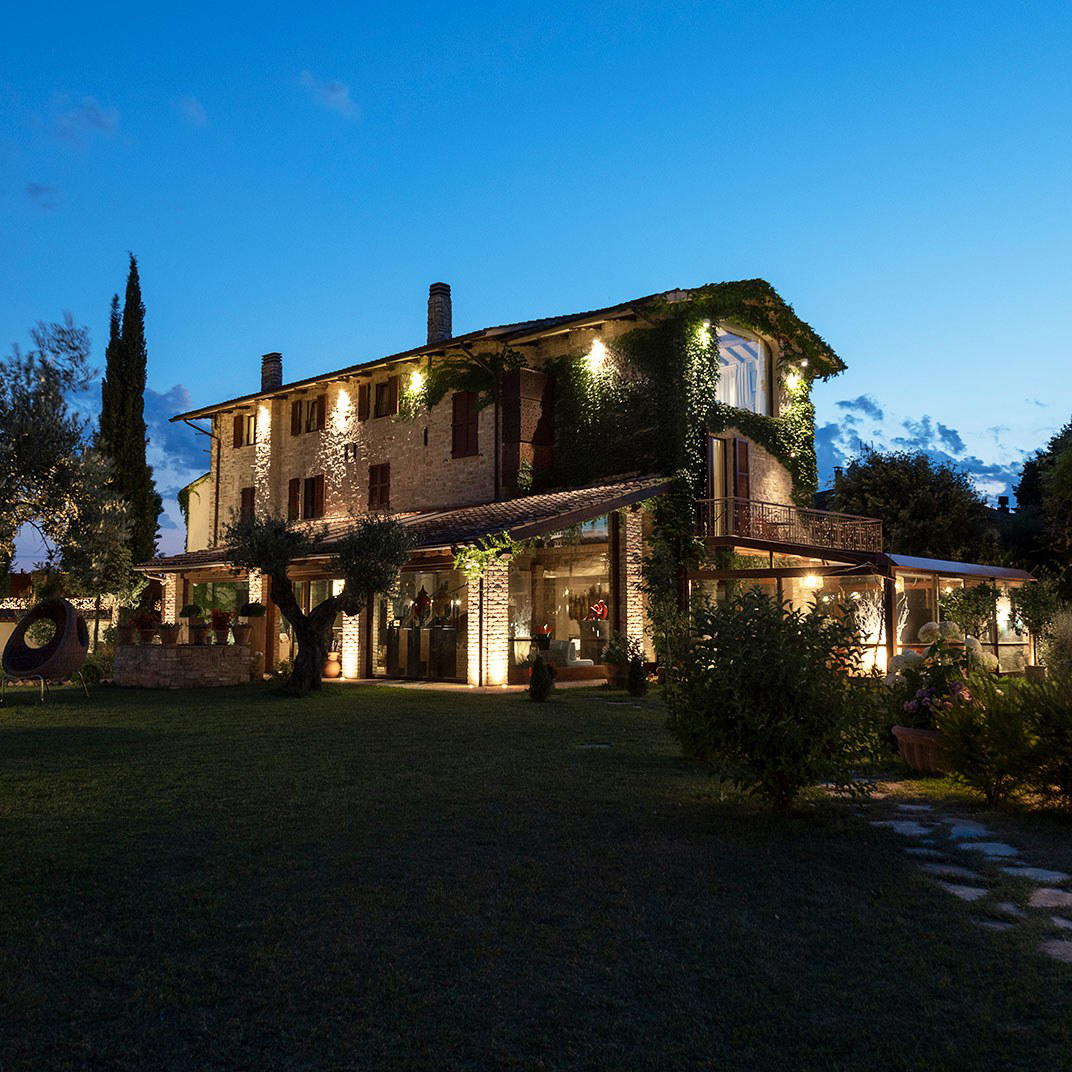
Bars in Assisi
Browse all →
Restaurants in Assisi
Browse all →
Details
- Rustic
- Scenic
- Cozy
- Romantic
- Historic
- Romantic Getaway
- Honeymoon
- Wedding
- Family Vacation
- Historic Building
- Panoramic View
- Garden
- Terrace
- Pool
- Spa
- Sauna
- Restaurant
- Garden
- Wi Fi
- Room Service
- Concierge
- Business Center
- Mountain
- Garden
- Wheelchair Accessible
- Accessible Parking
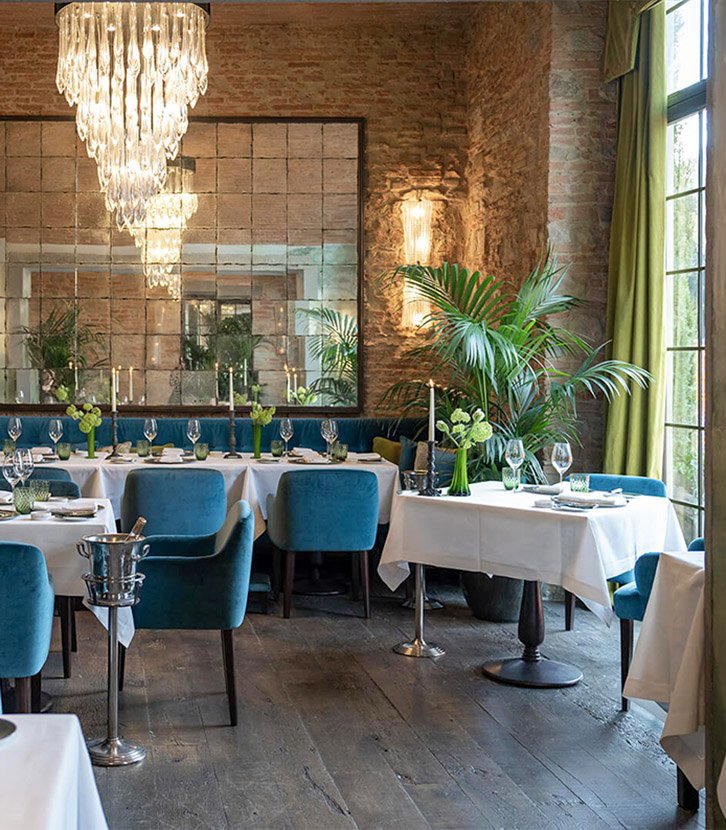
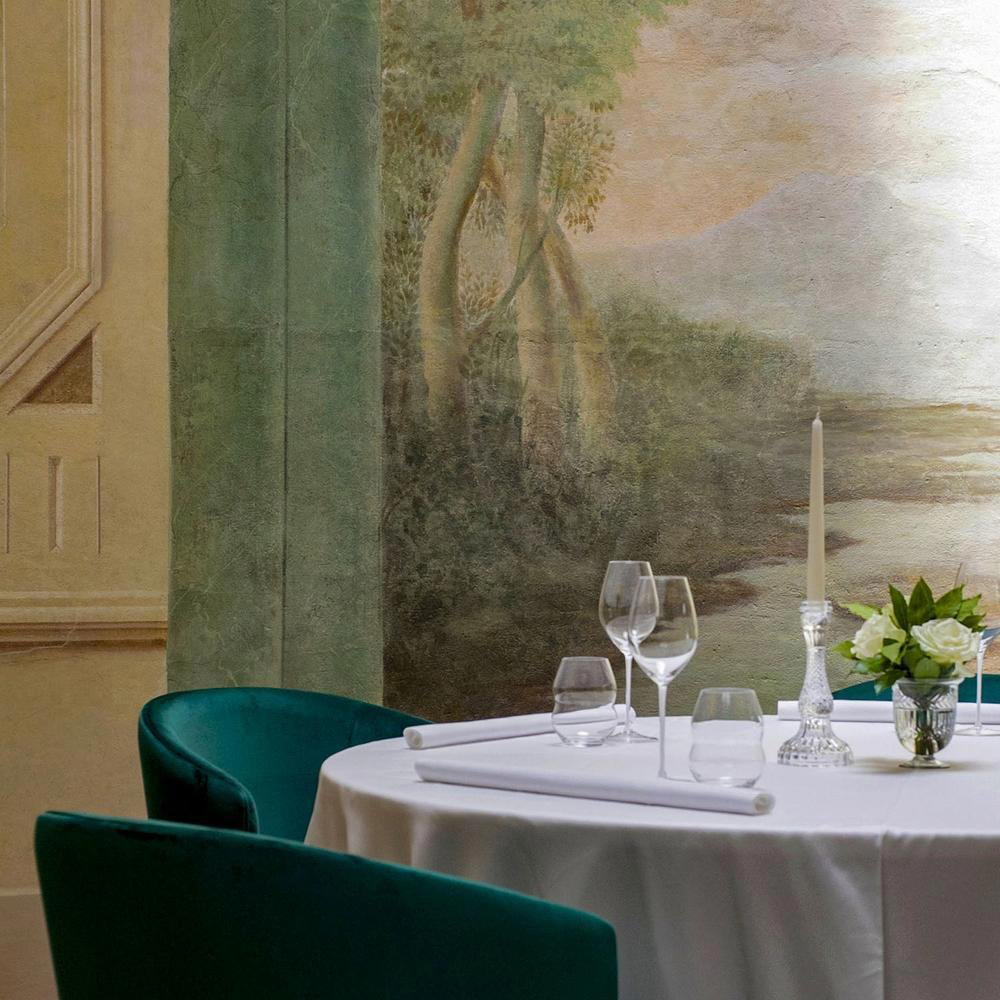
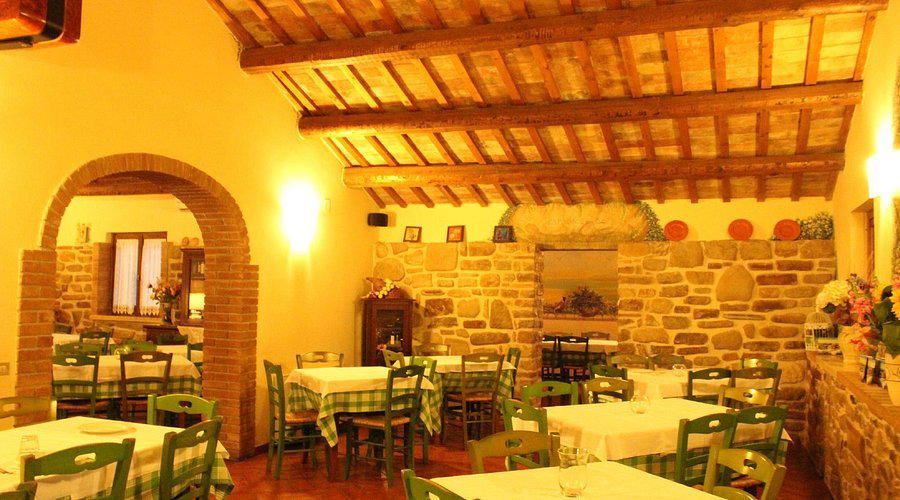
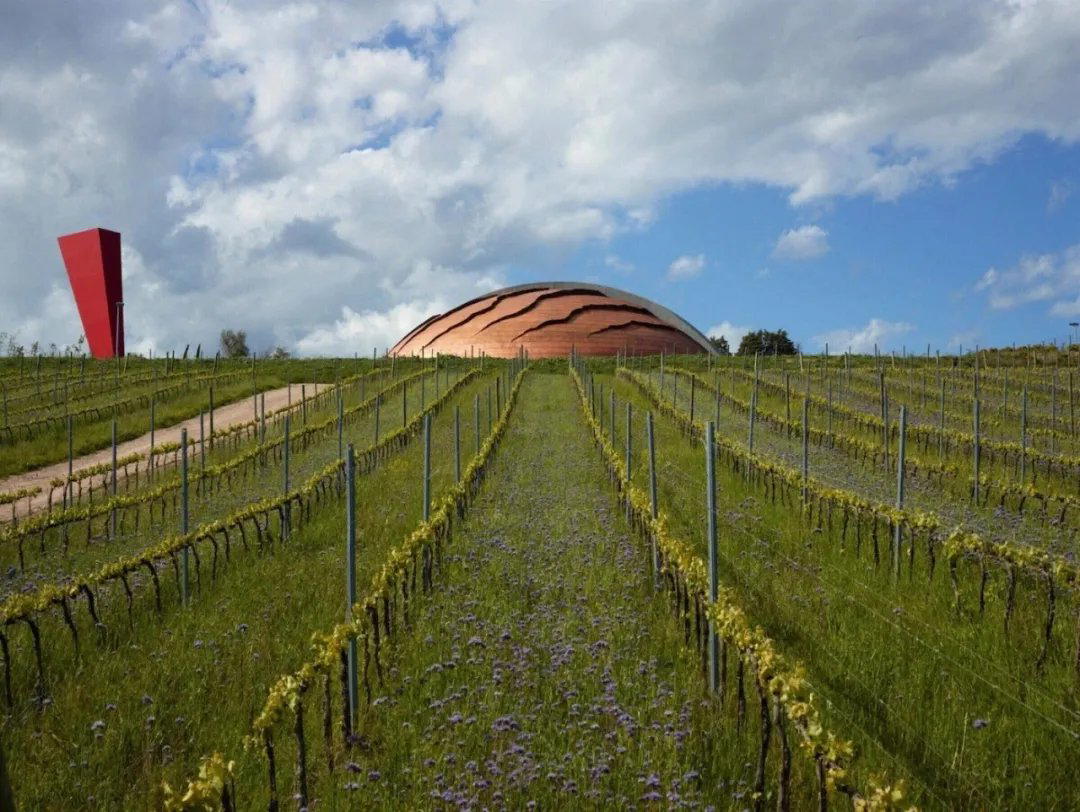
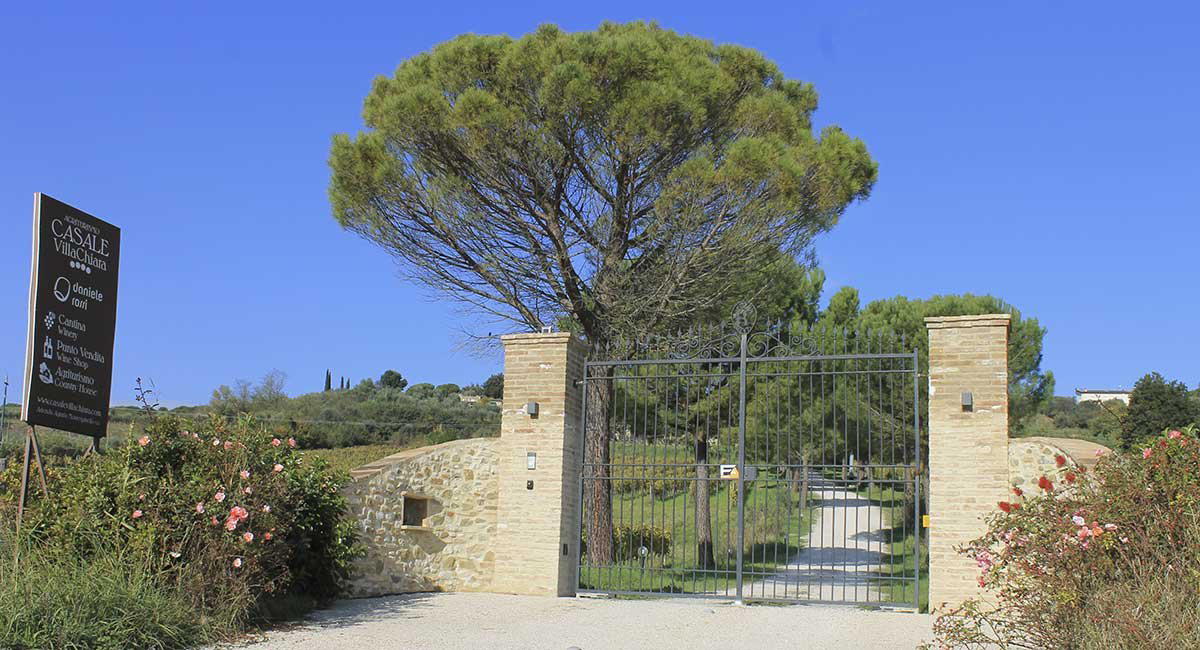
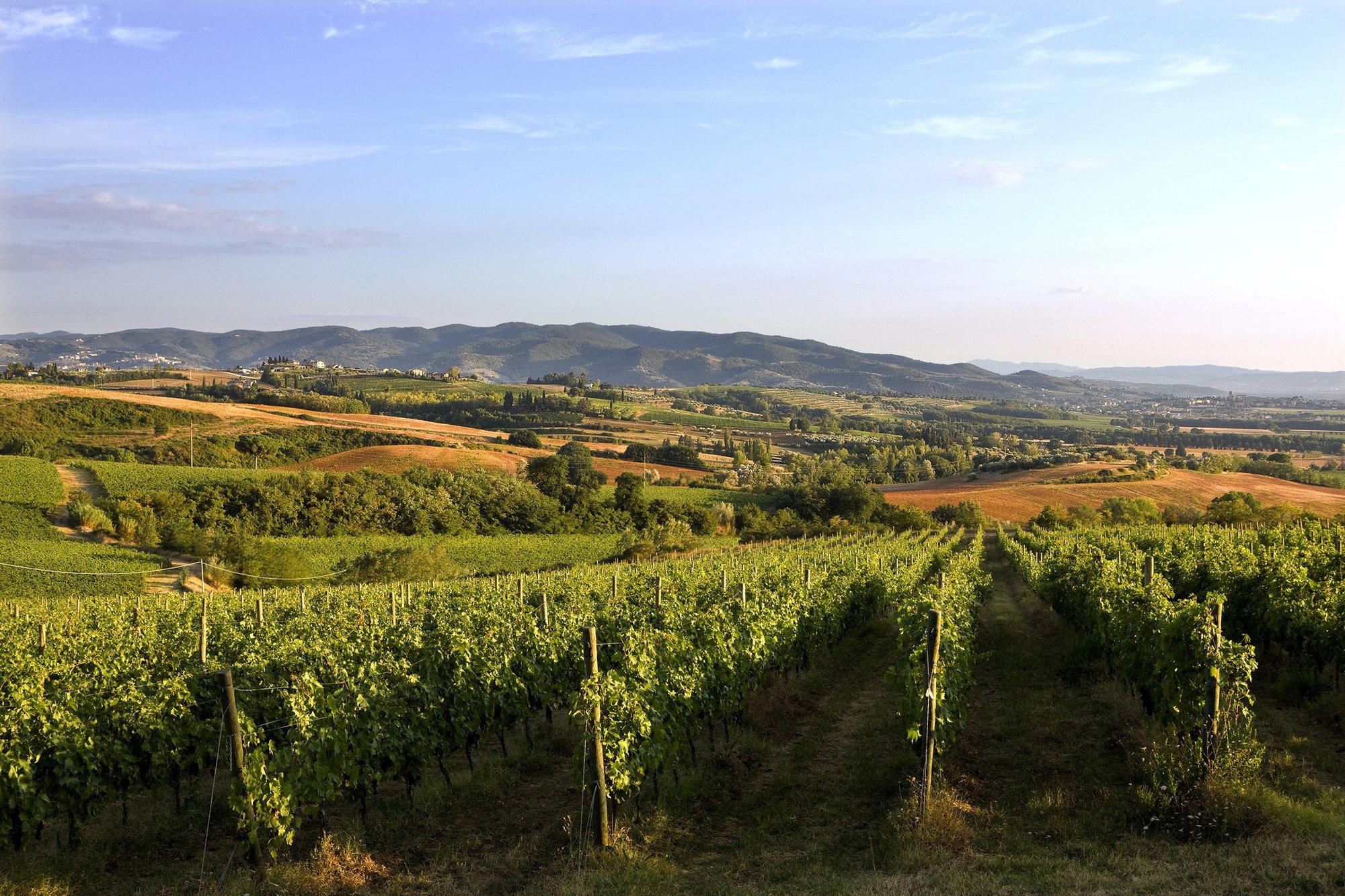
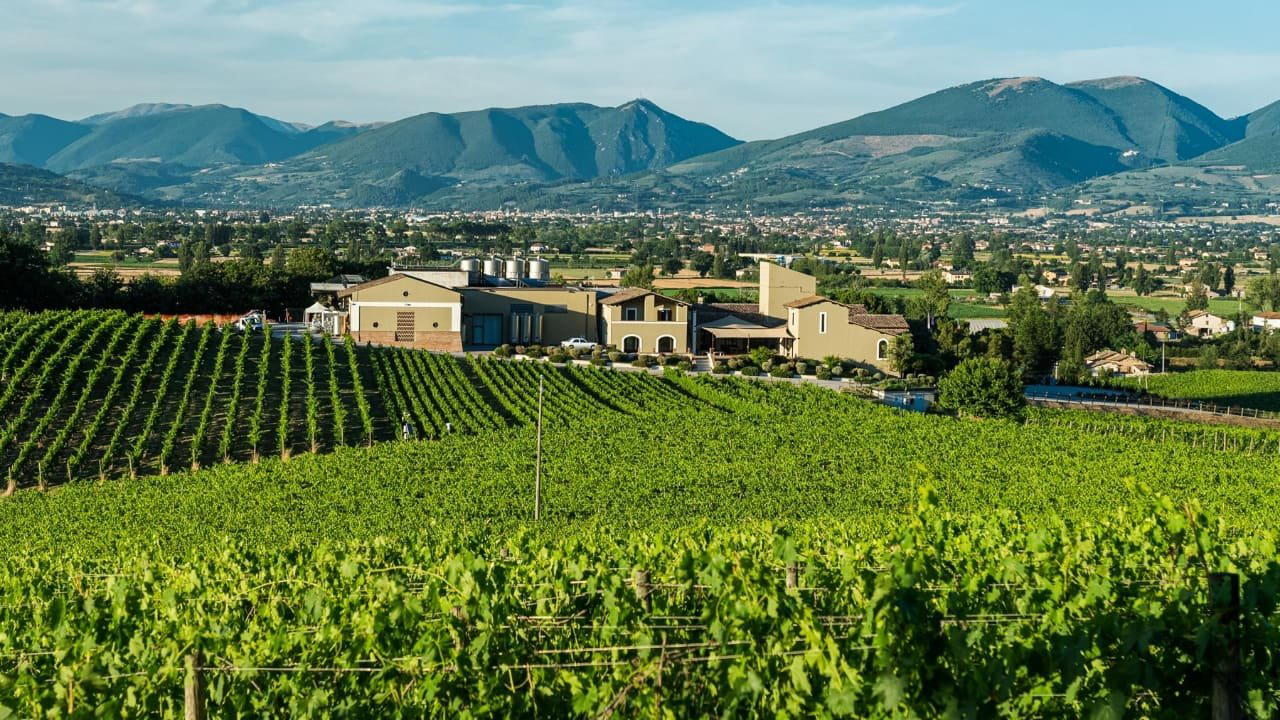
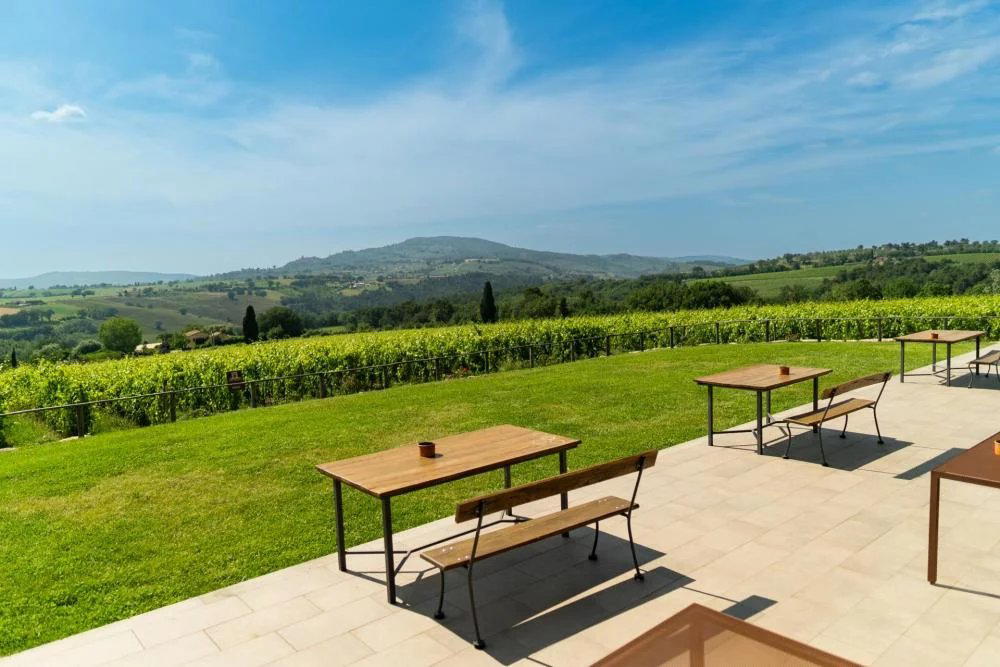
Serene and peaceful retreat with vast gardens, orchards, and endless views, blending historic charm with modern comfort in a tranquil hillside setting.