

2 Michelin Keys · Small Luxury Hotels of the World Member
A 15-room estate on the Tuscany-Umbria border, I Borghi dell'Eremo earned Michelin 2 Keys recognition in 2024 for its sensitive restoration of medieval village buildings into a contemporary-classic retreat. Three distinct "villages" spread across scented gardens and cypress groves, with the San Giovanni cluster housing all guest rooms and the locally sourced restaurant Essenza. Starting from $337 per night, it positions itself in the specialist tier of Italian rural luxury.

Pearl is the En Primeur Club membership app — saves, bookings, and concierge access live there. Same editors, same standards.
- Address
- Vocabolo Crocicchia, 06066 Piegaro PG
- Phone
- +39 366 907 2048
- Website
- borghidelleremo.it
- Directions
- Get directions
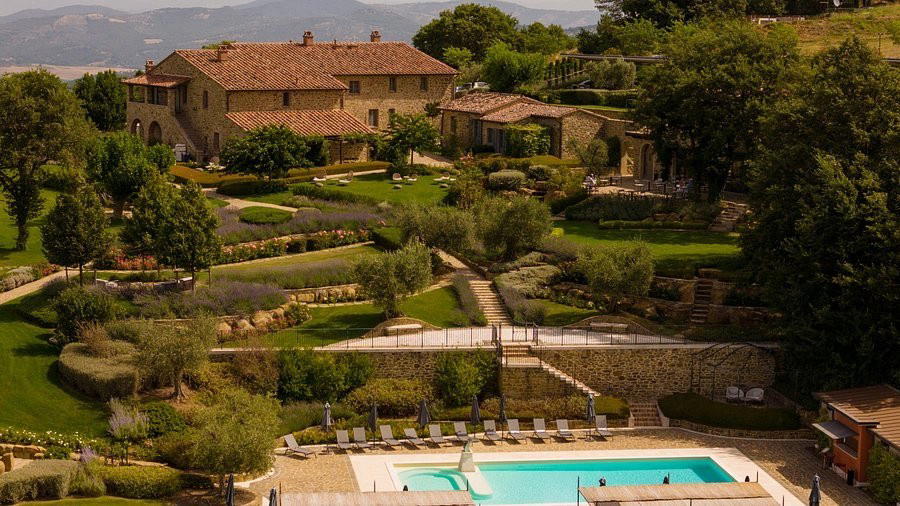
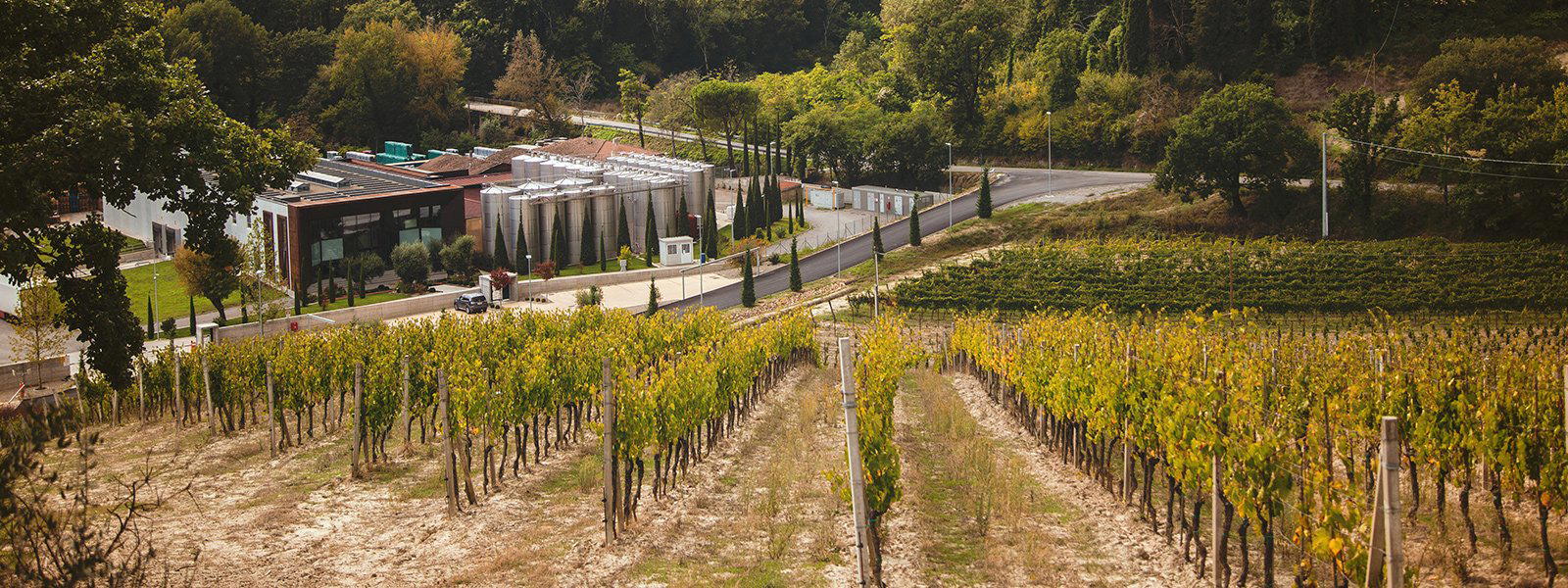
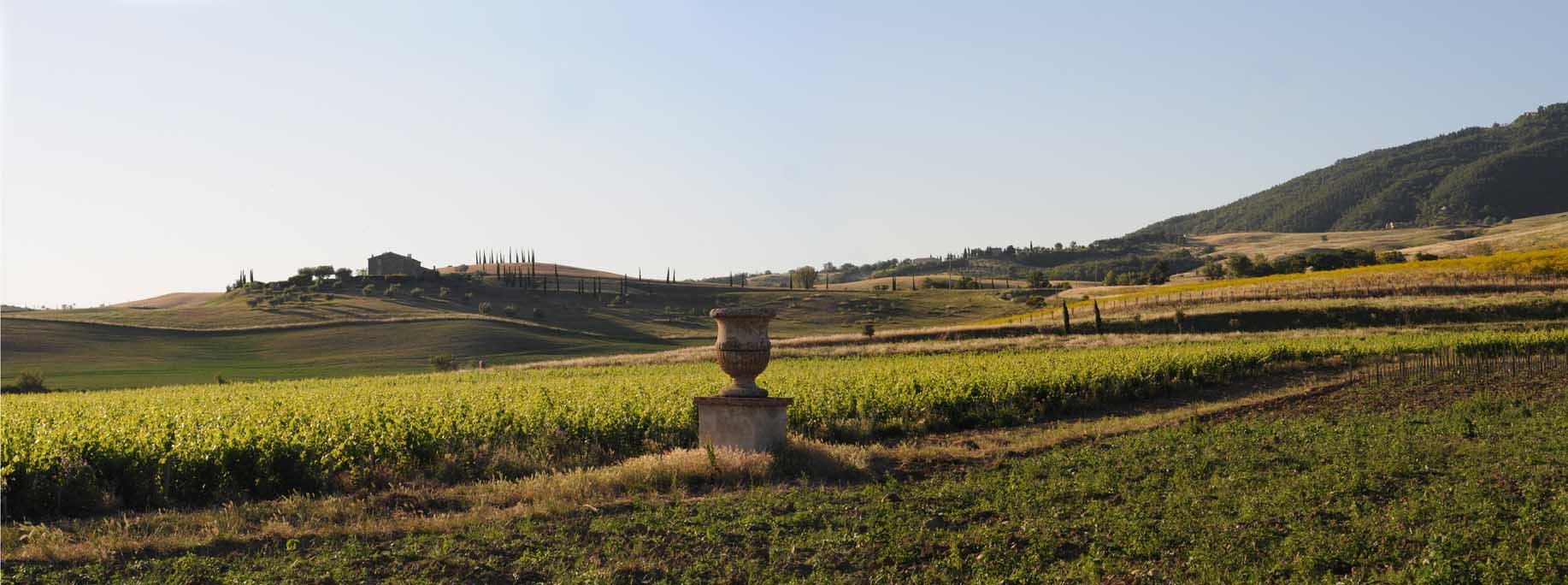
The road into Piegaro drops through a corridor of cypress trees before the stone forms of I Borghi dell'Eremo resolve into view against the hillside. What you are looking at is not a single building but three clusters of restored medieval structures spread across a working landscape on the administrative border between Tuscany and Umbria. The effect is less arrival than discovery: the estate reveals itself in parts, its scented gardens connecting one building group to another along paths that were presumably laid down long before any notion of hospitality entered the picture. This is the architectural grammar of the place, and it shapes everything that follows.
Three Villages, One Coherent Design Logic
Rural Umbria has a particular type of luxury property that has developed over the past two decades: the sensitively restored borgo, in which abandoned agricultural or ecclesiastical buildings are converted into guest accommodation without erasing the evidence of their former lives. The Michelin 2 Keys recognition I Borghi dell'Eremo received in 2024 places it in the upper tier of this category, which has grown competitive as international hotel groups have moved into the region alongside independent operators. What distinguishes the properties that perform well in this format is usually the quality of the restoration decision-making rather than the volume of new amenities layered on leading.
At I Borghi dell'Eremo, the three village clusters each serve a distinct programmatic purpose. Two operate primarily as events venues, accommodating weddings and conferences in interior halls and exterior gardens with woodland and hillside backdrops. The third, San Giovanni, is where hotel guests live. This concentration of the guest experience into one village area is a deliberate organizational choice that keeps the residential atmosphere coherent rather than diffuse. With 15 rooms and suites across the estate, the ratio of space to guest count remains high enough that the property reads as private rather than operational. For context, comparable boroughs in Tuscany and Umbria that have attracted similar recognition, including Rosewood Castiglion Del Bosco in Montalcino and Borgo San Felice Resort in Castelnuovo Berardenga, tend to run larger room counts, which affects the quality of the quiet here.
The Architecture of the Rooms
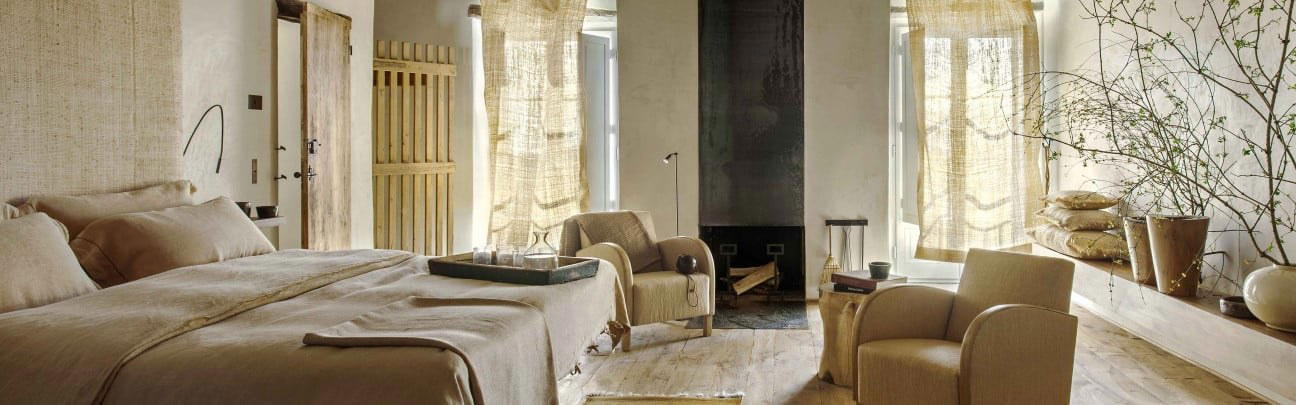
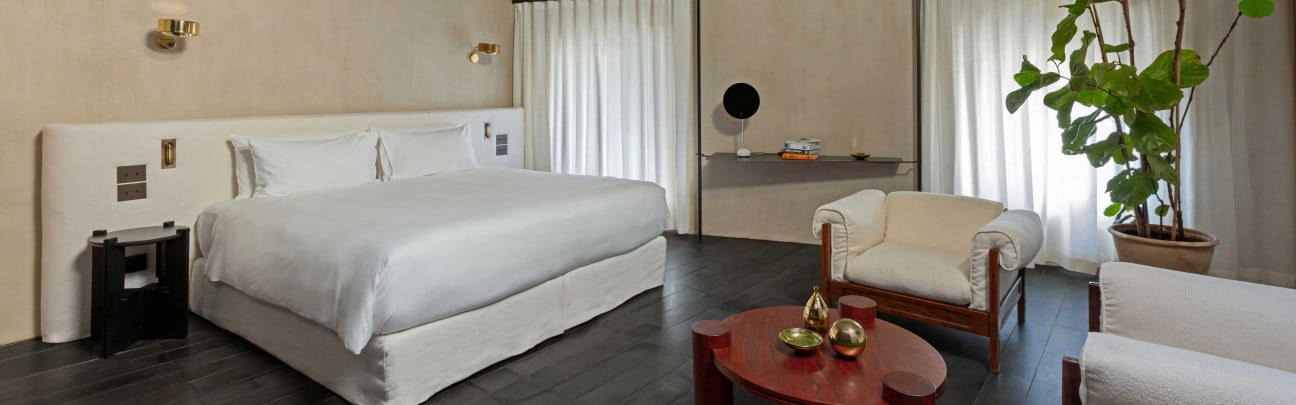
The design approach across the San Giovanni village uses a contemporary-classic register: original structural materials, including timbered ceilings and stone walls, are retained as the primary aesthetic layer, while fixtures and furnishings are updated without attempting to replicate a period style that would read as theatrical. This is a calibrated choice. Too much intervention and you lose the reason people book a restored medieval building; too little and you end up with rooms that are atmospheric but uncomfortable. The base rooms at I Borghi dell'Eremo resolve this in favor of the original fabric, with modern comfort delivered through the quality of the bed and bath rather than through decorative gesture.
The suite tier introduces more elaborate bathroom formats, including jacuzzis and rolltop tubs, and the four-poster bed that functions as much as a design statement as a sleep surface. These are the rooms that work well for honeymoon or anniversary travel, where the symbolic register of the architecture matters as much as the practical specification. The Presidential Suite occupies the first floor of a building that traces its structure to a 12th-century abbey. That provenance is not incidental to the room's identity. Staying in a space with nine centuries of prior use creates a different quality of presence than a room in a purpose-built hotel, however well designed. The suite also contains its own private spa, which separates it further from the rest of the accommodation hierarchy.
Main spa operates on a whole-facility booking model, positioned on a hilltop away from the main guest areas. You book it for the duration of your treatment rather than sharing it with other guests. This format appears in a small number of Italian rural properties and in some specialist wellness retreats in the Alpine region, such as Forestis Dolomites in Plose, and it changes the character of the spa visit substantially. The absence of other guests in the space removes the social dimension of the traditional spa environment and replaces it with something closer to a private appointment. Whether that matters depends entirely on why you are there.
Essenza and the Question of Local Sourcing
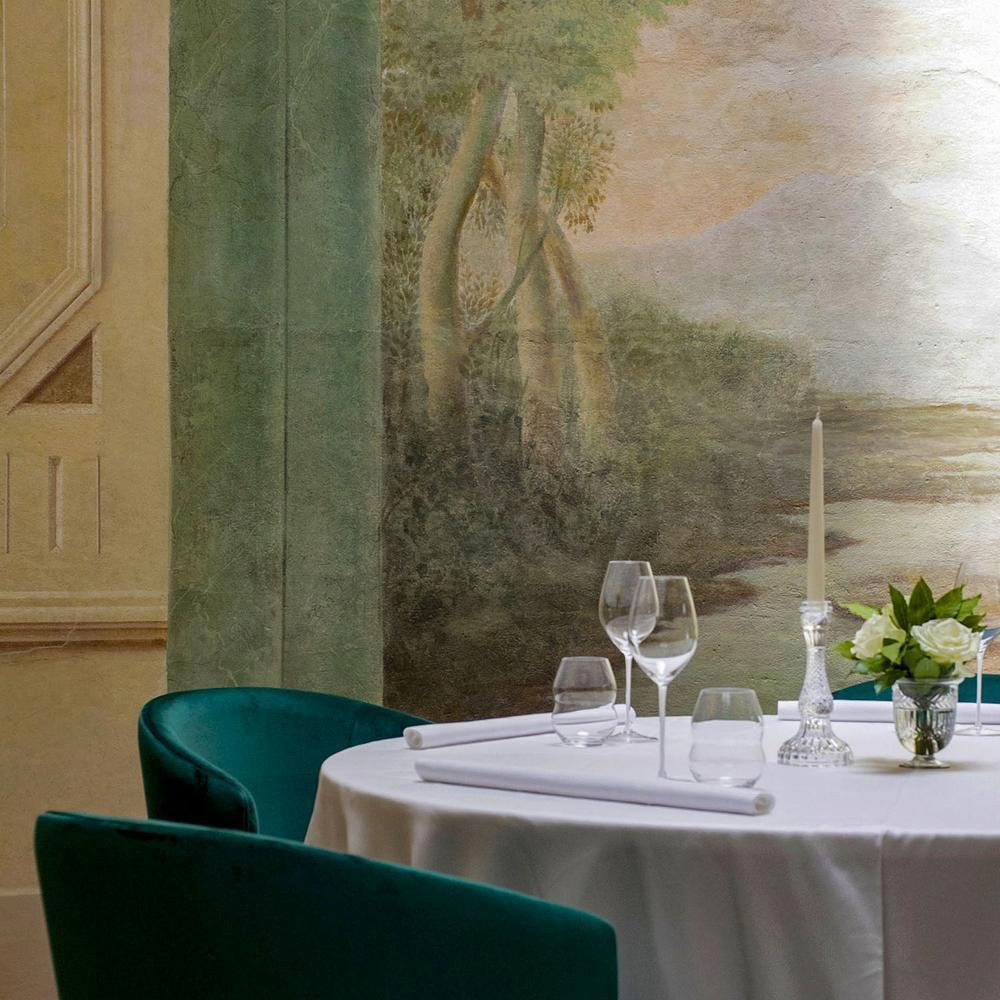
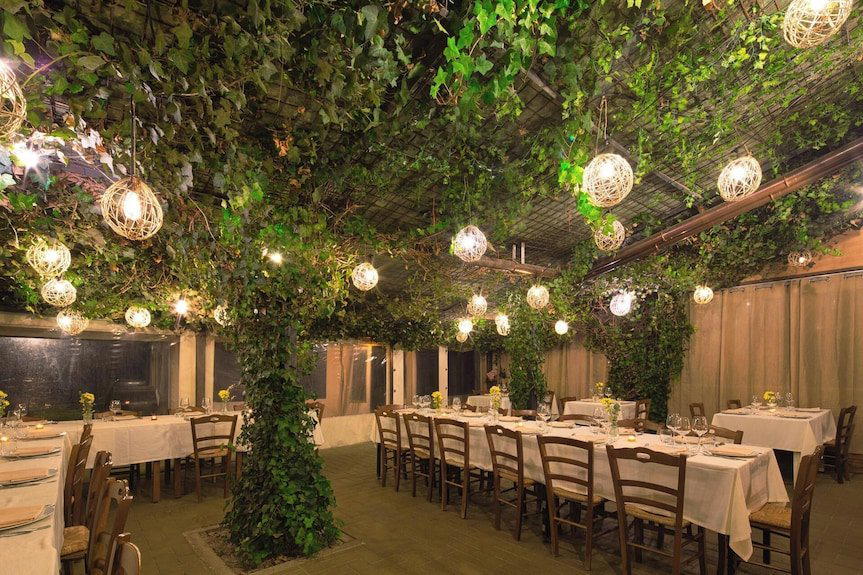
Restaurant Essenza sits within the San Giovanni village and anchors the food and drink program for the estate. Its menu is described as locally sourced with artful composition, which places it in a category that has become standard language for Italian rural luxury dining. The more meaningful question is the quality of the sourcing relationships and the kitchen's ability to compose from what the surrounding agricultural region actually produces, rather than from a curated selection of national premium ingredients that happen to arrive from nearby postcodes.
Umbria has a specific larder: black truffles from Norcia and the hills around Spoleto, lentils from Castelluccio, lake fish from Trasimeno, and a centuries-old tradition of cured pork preparation. A kitchen working seriously with this region has access to ingredients that are genuinely place-specific, not merely Italian. The Michelin Keys recognition signals that the food and lodging program is operating at a level the guide considers worth directing its readership toward, which is a meaningful external reference point in a category where self-description is otherwise difficult to evaluate. Among properties working in the Italian rural format that have earned comparable recognition, the positioning is more aligned with design-led independent operators than with branded estate hotels. Properties such as Casa Maria Luigia in Modena and Corte della Maestà in Civita di Bagnoregio occupy a similar register in their respective regions.
Planning a Stay
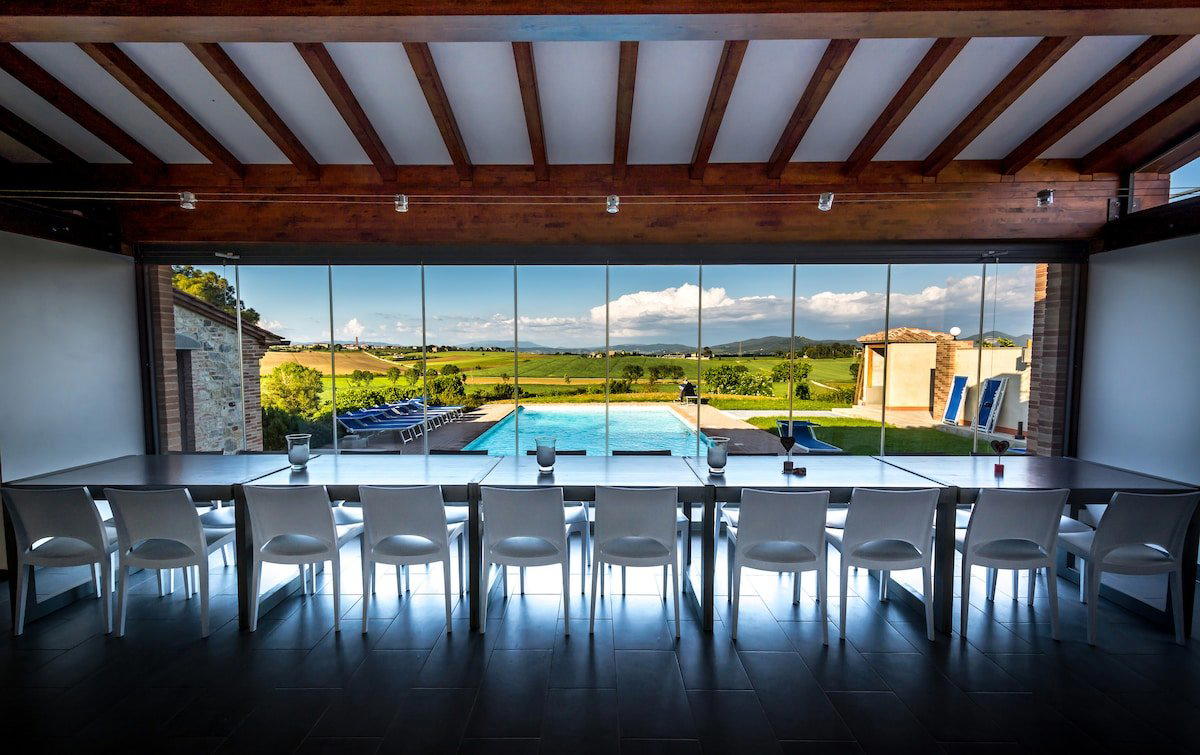
I Borghi dell'Eremo is located in Piegaro, a small hilltop town in the province of Perugia. The property's address at Vocabolo Crocicchia places it on the estate roads outside the town center, reachable by car. Perugia, the regional capital, is the nearest significant transport hub, with connections to Rome and Florence. The estate starts at approximately $337 per night, which positions it below the entry point of branded luxury operators in Tuscany and Umbria while placing it in the upper band of independent borgo properties. Given the 15-room scale and the Michelin 2 Keys recognition from 2024, advance booking is advisable, particularly for the abbey-building Presidential Suite and for periods that overlap with the estate's events calendar. The swimming pool and gardens form part of the daily rhythm of a stay, and the guest-to-space ratio at 15 rooms means neither is likely to feel crowded. For those comparing options in the Italian rural luxury category, Castelfalfi in Montaione and Borgo Egnazia in Savelletri di Fasano offer a sense of how the format scales at larger room counts, while our full Piegaro guide covers the surrounding area in more detail. Other Italian properties in the EP Club collection include Aman Venice, Four Seasons Hotel Firenze, Passalacqua in Moltrasio, Il Pellicano in Porto Ercole, Bulgari Hotel Roma, Portrait Milano, EALA My Lakeside Dream in Limone sul Garda, Grand Hotel Tremezzo, Castel Fragsburg in Merano, Castello di Reschio in Lisciano Niccone, Borgo Santandrea on the Amalfi Coast, Il San Pietro di Positano, Bellevue Syrene 1820 in Sorrento, and JK Place Capri. Beyond Italy, the format of intimate estate retreats with strong design credentials appears in properties such as Amangiri in Canyon Point, Aman New York, and The Fifth Avenue Hotel in New York City.
Comparable Venues
Comparable venues nearby, for context on price, style, and recognition.
| Venue | Cuisine | Price | Awards | Notes |
|---|---|---|---|---|
| I Borghi dell'EremoThis venue — the venue you are viewing | Restored historic hamlet in a vast estate | $300–500 | 2 Michelin Keys · Small Luxury Hotels of the World Member | Not listed |
| Orient Express La Minerva | Historic palace reimagined with Orient Express luxury. | Not listed | 2 Michelin Keys · World's 50 Best #66 | Pigna |
| Bellevue Syrene 1820 | Historic 19th-century villa blending Roman palace elegance with contemporary Italian design. | Not listed | 2 Michelin Keys · Mr & Mrs Smith Seal of Approval | Sorrento |
| Villa Cora | Restored 19th-century aristocratic villa blending opulence with Tuscan serenity | $300–500 | 2 Michelin Keys · La Liste Top Hotels | Bobolino |
| Grand Hotel Principe di Piemonte | Historic seaside grand hotel with modern luxury updates | Not listed | 2 Michelin Keys · Virtuoso Luxury Hotel Partner | Viareggio promenade |
| Palazzo Talìa | Restored Renaissance palace blending historical architecture with modern luxury and informal elegance. | $500–750 | 2 Michelin Keys · Tablet Hotels Best New Hotel Designs (Europe) | Colonna |
Recognition history
Dated appearances from independent guides and award organizations, with the underlying list record or original source where available.
Michelin 2 Keys
Michelin
Small Luxury Hotels of the World Member
Small Luxury Hotels of the World
Full recognition history (4 entries)
Michelin 2 Keys
Michelin
Michelin 2 Keys
Michelin
Continue exploring
More in Piegaro
Hotels in Piegaro
Browse all →
Bars in Piegaro
Browse all →
Restaurants in Piegaro
Browse all →
Details
- Romantic
- Quiet
- Scenic
- Rustic
- Elegant
- Cozy
- Romantic Getaway
- Honeymoon
- Wellness Retreat
- Anniversary
- Historic Building
- Panoramic View
- Garden
- Terrace
- Wi Fi
- Pool
- Spa
- Fitness Center
- Room Service
- Concierge
- Restaurant
- Sauna
- Tennis Court
- Bicycle Rental
- Massage
- Mountain
- Garden
- Accessible Parking
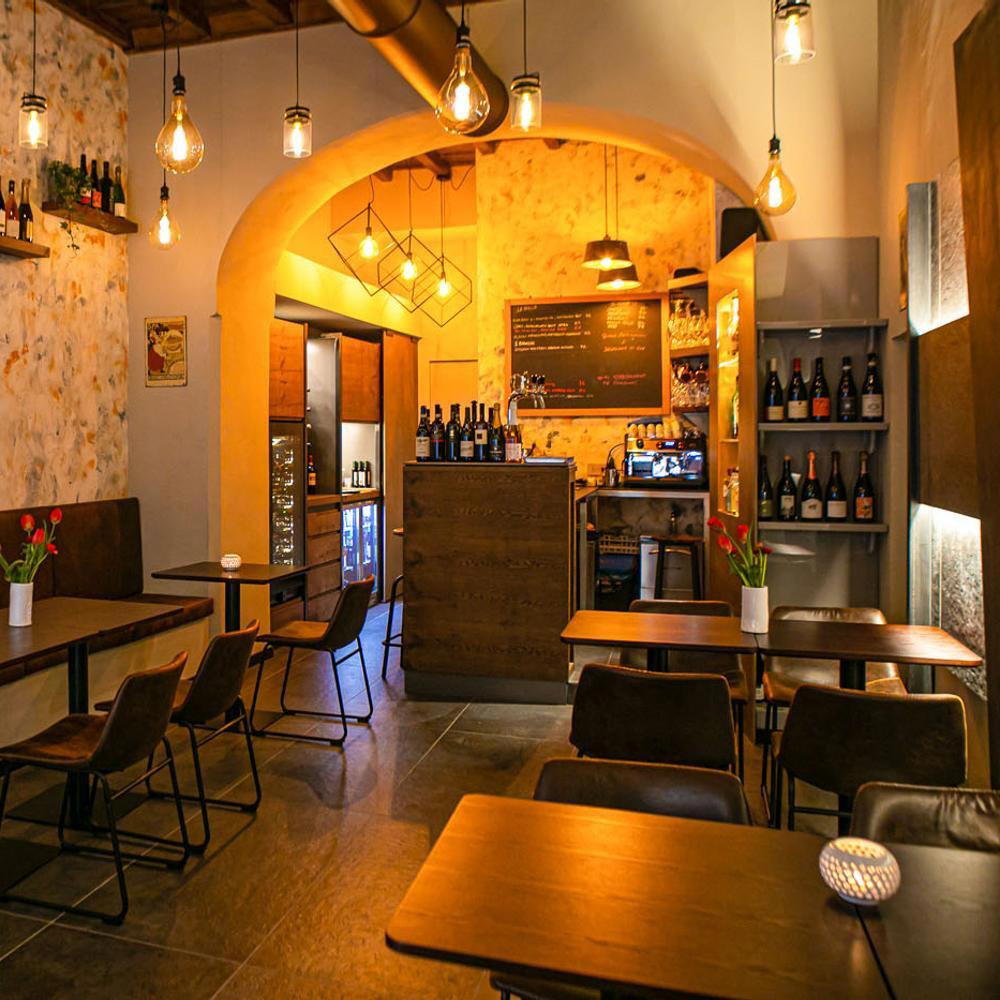
Intimate and serene with soft lighting in the restaurant, twinkling garden lights, and panoramic views creating a magical, relaxing atmosphere.