
50 Top Pizza Italy #35
Our verdict
Meunier in Corciano has built a following across Umbria and beyond on a format that sounds simple on paper: high-quality gourmet pizzas paired with a serious champagne list. Under chef Pietro Marchi, the dough is worked for lightness and digestibility, the ingredients are carefully selected, and the effervescent pairings are drawn from both established houses and small grower producers.

Pearl is the En Primeur Club membership app — saves, bookings, and concierge access live there. Same editors, same standards.
- Address
- Via Aldo Capitini SNC, 06073 Corciano PG, Italy
- Phone
- +39 075 517 9460
- Hours
- Mon–Wed ClosedThu–Sat 8 PM–12 AMSun Closed
- Website
- social.quandoo.com
- Directions
- Get directions
The menu
What to order
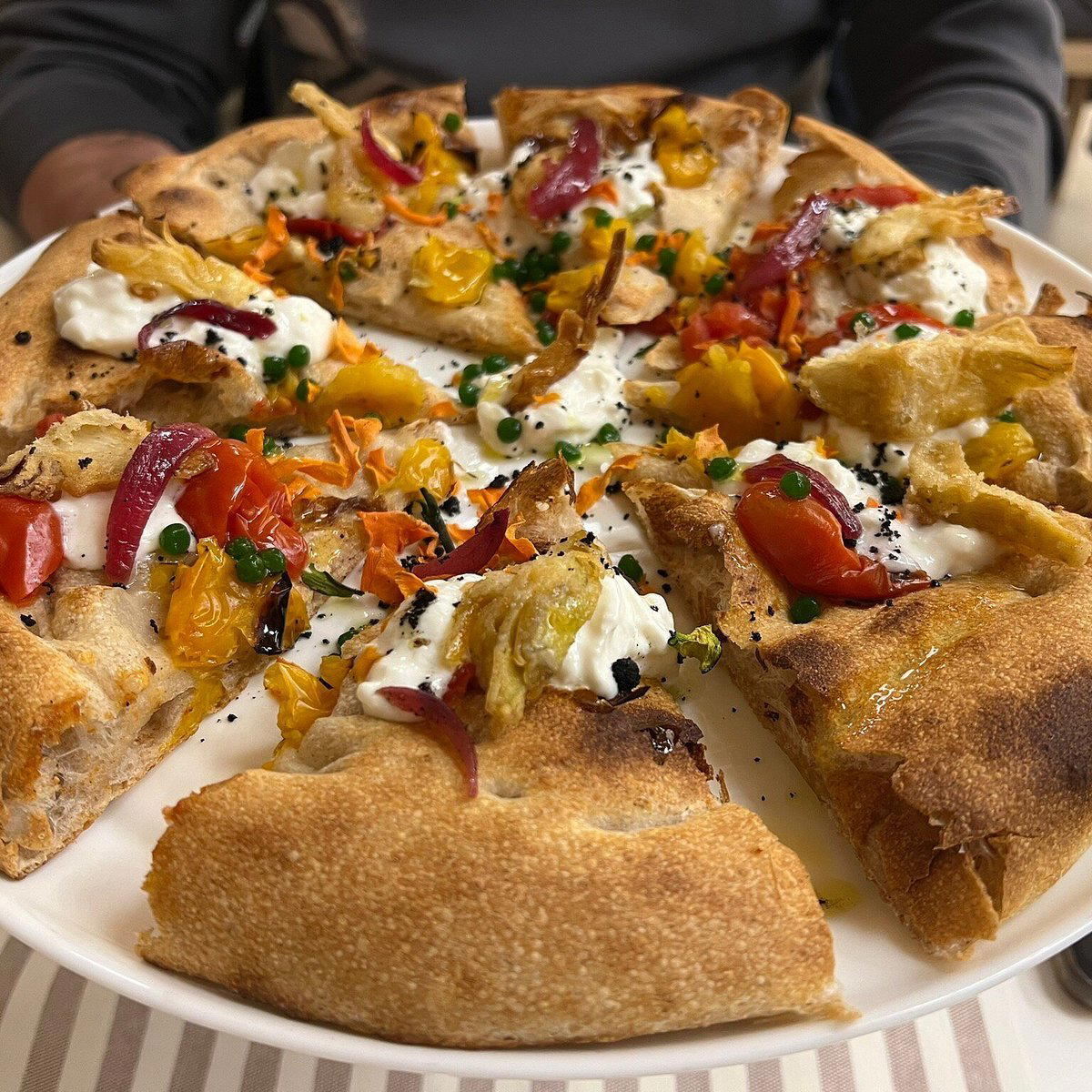
- Orto (award-winning signature pizza)
- Pizza with Figs and Gorgonzola
- Riviera (buffalo mozzarella, pesto, olives)
- Pizza with Cod and Anchovy
A Room Built for a Single Idea
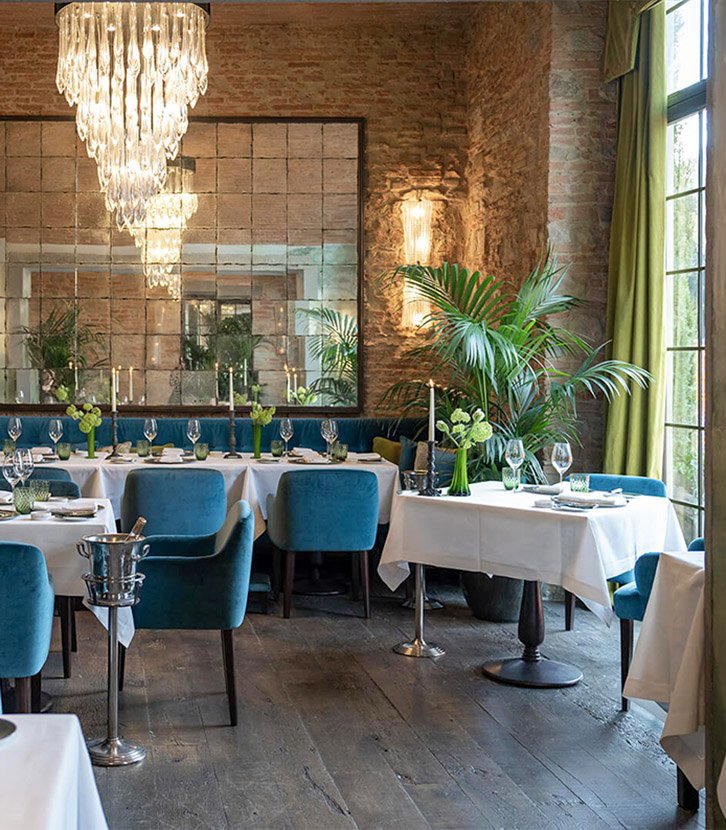
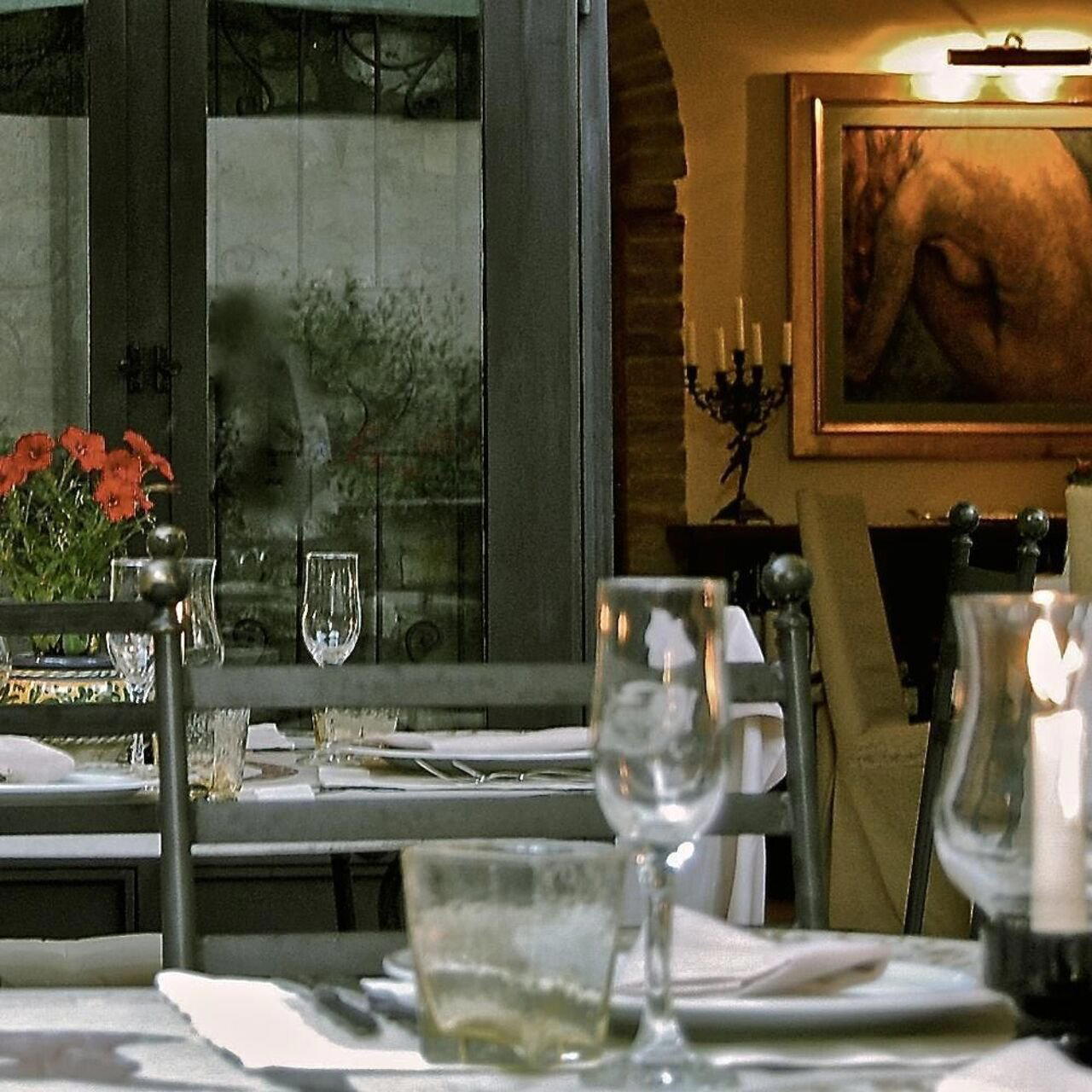
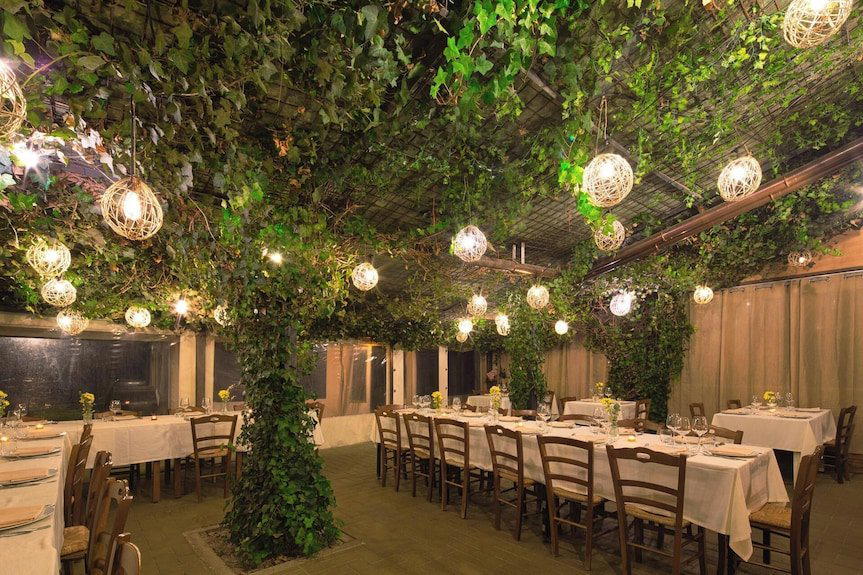
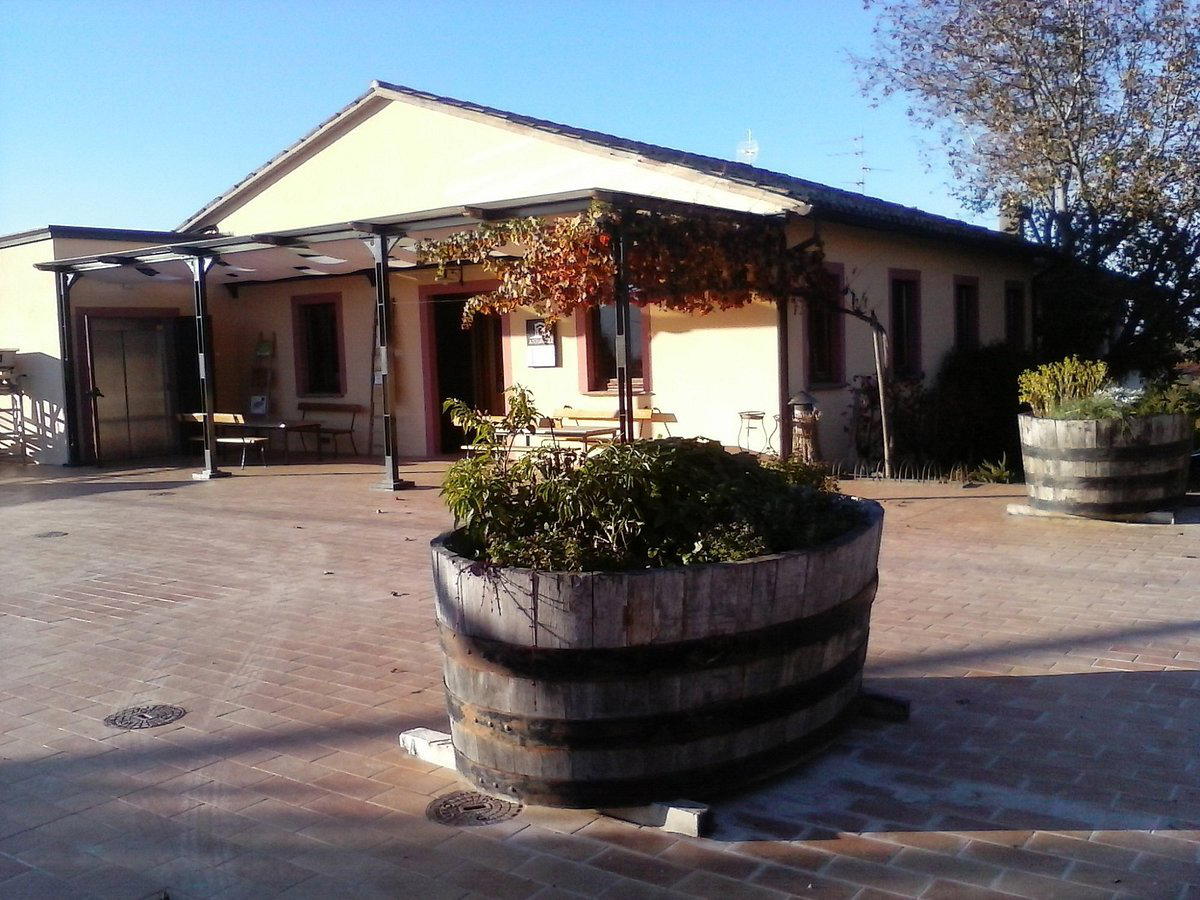
The approach at Meunier begins with the physical space: minimal, bright, and deliberately free of the decorative excess that often signals ambition in Italian dining. The room functions as a frame rather than a statement, which is appropriate for a restaurant whose identity rests entirely on the quality of what arrives at the table. In Umbria, where dining culture tends toward rusticity and terroir-anchored tradition, this kind of considered restraint reads as a position. It places Meunier in a different register from the region's agriturismi and old-town osterie, without positioning itself against them.
The format — serious pizza, serious champagne — is not new to Italy's more progressive dining cities, but it remains unusual at this depth of execution in central Umbria. What makes it legible as a fine-dining proposition rather than an upscale trattoria novelty is the consistency of that execution across the two pillars: the sourcing and fermentation discipline applied to the dough, and the breadth and curation of the champagne list. Both receive the same level of attention.
Where the Ingredients Begin
In any ingredient-led kitchen, the sourcing conversation starts before cooking does. At Meunier, the dough itself is the primary ingredient: the leavening is managed to produce a bite described consistently as crispy, airy, and highly digestible, which requires precision in flour selection, hydration, fermentation time, and baking temperature. These are not incidental variables. The move toward long-fermented, hyper-selected-ingredient pizza has been one of the more significant shifts in Italian dining over the past fifteen years, running parallel to the natural wine movement in its emphasis on process transparency and provenance over superficial elaboration.
The toppings follow the same logic. Ingredients described as hyper-selected signal a sourcing philosophy oriented toward producers rather than commodity supply chains, the same logic that drives the leading ingredient-forward cooking at places like Osteria Francescana in Modena or Piazza Duomo in Alba, even if the formats differ enormously. The point is that the ingredient does most of the work; the kitchen's role is selection and restraint.
The secondary tastings reinforce this. The fried pizza and focaccias served as welcomes, and the leavened holiday products and brioche available for retail, all operate on the same sourcing and fermentation principles as the main menu. They are not afterthoughts. The fact that the leavened products for holidays are described as highly sought after indicates that the kitchen's reputation extends well beyond the dining room into a broader community relationship with the craft.
The Champagne List as a Sourcing Document
Italy's most thoughtful beverage programs have increasingly moved toward treating the wine list as an editorial statement rather than a catalogue. At Meunier, the champagne selection does this by pairing established maison references with small grower producers, the latter a category that has grown substantially in critical standing since the early 2000s, as buyers began tracing champagne back to specific vineyard parcels and individual farming decisions. A list that holds both tiers is making an argument: that provenance and scale are not inversely related to quality.
The pairing of champagne with pizza is, on one level, counterintuitive. On another, it is logical: high-acid, fine-bubble sparkling wine cuts through fat and richness in ways that still red wines cannot, and the textural contrast between a light, airy crust and a mineral-driven blanc de blancs is a legitimate sensory proposition. The format works not as a gimmick but as a considered answer to the question of what actually complements the food. For comparison, consider how Uliassi in Senigallia or Le Calandre in Rubano approach beverage pairing as an extension of kitchen philosophy rather than a separate commercial decision, the principle is the same, even at very different price points and formats.
Where Meunier Sits in the Corciano Scene
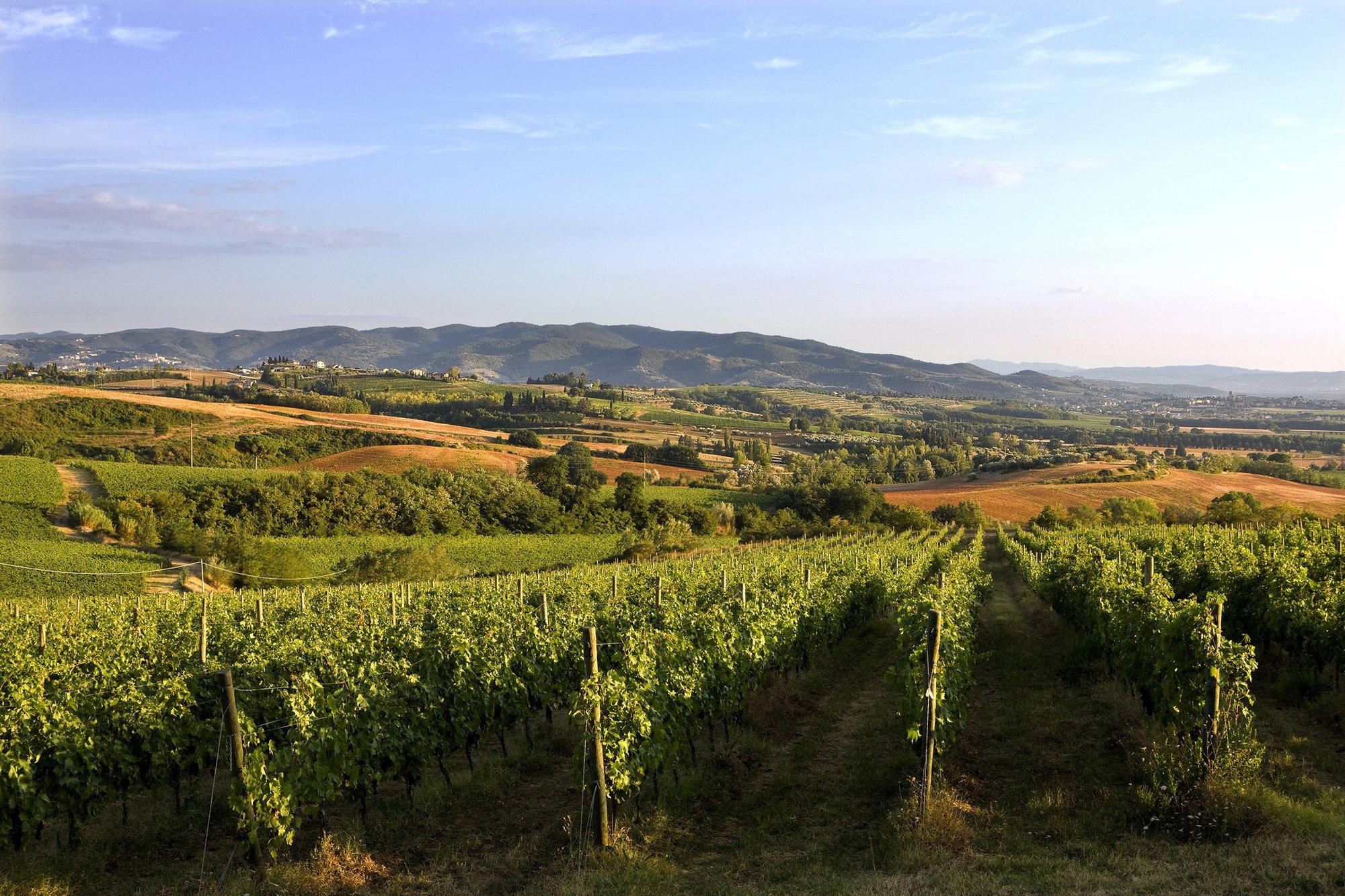
Corciano is a small hilltop comune in the Province of Perugia, and its dining options reflect a town that is neither a major tourist destination nor a purely local market. The restaurants that have built reputations here tend to do so through a specific, defensible proposition rather than broad appeal. Meunier's format, champagne and gourmet pizza, executed with evident rigour, is that kind of proposition. It draws from Umbria and beyond, as its recognition notes, which implies a guest profile that travels specifically for the experience rather than arriving accidentally.
aldìVino and Osteria del Posto represent different points in Corciano's dining range, Italian contemporary and Umbrian respectively, and together with Meunier they suggest a local scene with more range than the town's size might suggest. For visitors building a Corciano itinerary, the full Corciano restaurants guide maps that range in detail, alongside resources for hotels, bars, wineries, and experiences in the area.
The broader Italian fine-dining context is worth noting for visitors calibrating expectations. Italy's highest-tier restaurants, Enoteca Pinchiorri in Florence, Enrico Bartolini in Milan, Atelier Moessmer Norbert Niederkofler in Brunico, Dal Pescatore in Runate, and Quattro Passi in Marina del Cantone, operate in a different price tier and format category. Meunier does not position itself in that bracket. Its distinctiveness comes from depth of execution within a specific format, not from the breadth of a tasting menu program.
Planning a Visit
Meunier is located at Via Aldo Capitini SNC, 06073 Corciano PG, in the Province of Perugia. Chef Pietro Marchi leads the kitchen. The restaurant has built a following that extends regionally, so reservations are advisable, particularly around holidays when the leavened products also generate significant demand. Visitors coming from Perugia will find Corciano a short drive west of the city. The minimal, bright dining room suits a relaxed but considered dress approach, neither formal nor casual, in keeping with the restaurant's tone.
For those planning a broader itinerary around Umbrian dining and want reference points further afield, the formats and beverage philosophies at Le Bernardin in New York City and Atomix in New York City illustrate how format discipline and ingredient sourcing, applied consistently, define a restaurant's identity more reliably than setting or prestige address. Meunier operates on the same principle, at a different scale and in a very different culinary tradition.
Frequently asked questions
Where do I go for Meunier?
Meunier is located at Via Aldo Capitini SNC, 06073 Corciano PG, Italy, Corciano.
Is Meunier award-winning?
Meunier has received recognition including: A contemporary restaurant in Corciano, renowned for its high-quality gourmet pizzas and extensive champagne selection. The menu features creative pizzas made with high-quality ingredients, complemented by a curated list of champagnes from e….
What do people recommend at Meunier?
The gourmet pizzas are the consistent draw, with particular attention paid to the dough: long-leavened, crispy at the edge, airy in the crumb, and built on hyper-selected ingredients. Beyond the pizzas, guests frequently highlight the fried pizza and focaccias served as part of the welcome sequence. The leavened holiday products and brioche for gelato have also built a following outside the restaurant itself.
Who is the chef or culinary lead at Meunier?
The chef associated with Meunier is Pietro Marchi.
How hard is it to get a table at Meunier?
Meunier draws guests from across Umbria and from further afield, which is notable for a hilltop comune in the Province of Perugia that sits outside the main tourist circuits. The minimal room format limits covers, and the restaurant is described as a reference point for the region, so advance booking is advisable. Contacting the venue directly before your visit is the practical approach, particularly for weekend evenings.
Cost and Credentials
| Venue | Cuisine | Price | Awards | Notes |
|---|---|---|---|---|
| MeunierThis venue — the venue you are viewing | Gourmet Italian Pizza with Champagne Pairings | $50–100 | 50 Top Pizza Italy #35 | Not listed |
| Atelier Moessmer Norbert Niederkofler | Italian, Creative | Not listed | Michelin 3 Star | Not listed |
| Dal Pescatore | Italian, Italian Contemporary | Not listed | Michelin 3 Star | Not listed |
| Enoteca Pinchiorri | Contemporary Italian Fine Dining | $200–300 | 3 Michelin Stars · World's 50 Best #32 | Italian - French, Italian Contemporary |
| Enrico Bartolini | Creative | Not listed | Michelin 3 Star | Not listed |
| Osteria Francescana | Avant-Garde Italian Contemporary | $300–500 | 3 Michelin Stars · World's 50 Best #1 | Progressive Italian, Creative |
Recognition history
Dated appearances from independent guides and award organizations, with the underlying list record or original source where available.
50 Top Pizza Italy #35
50 Top Pizza
Full recognition history (2 entries)
50 Top Pizza World Best Pizza #86
50 Top Pizza
Continue exploring
More in Corciano
Restaurants in Corciano
Browse all →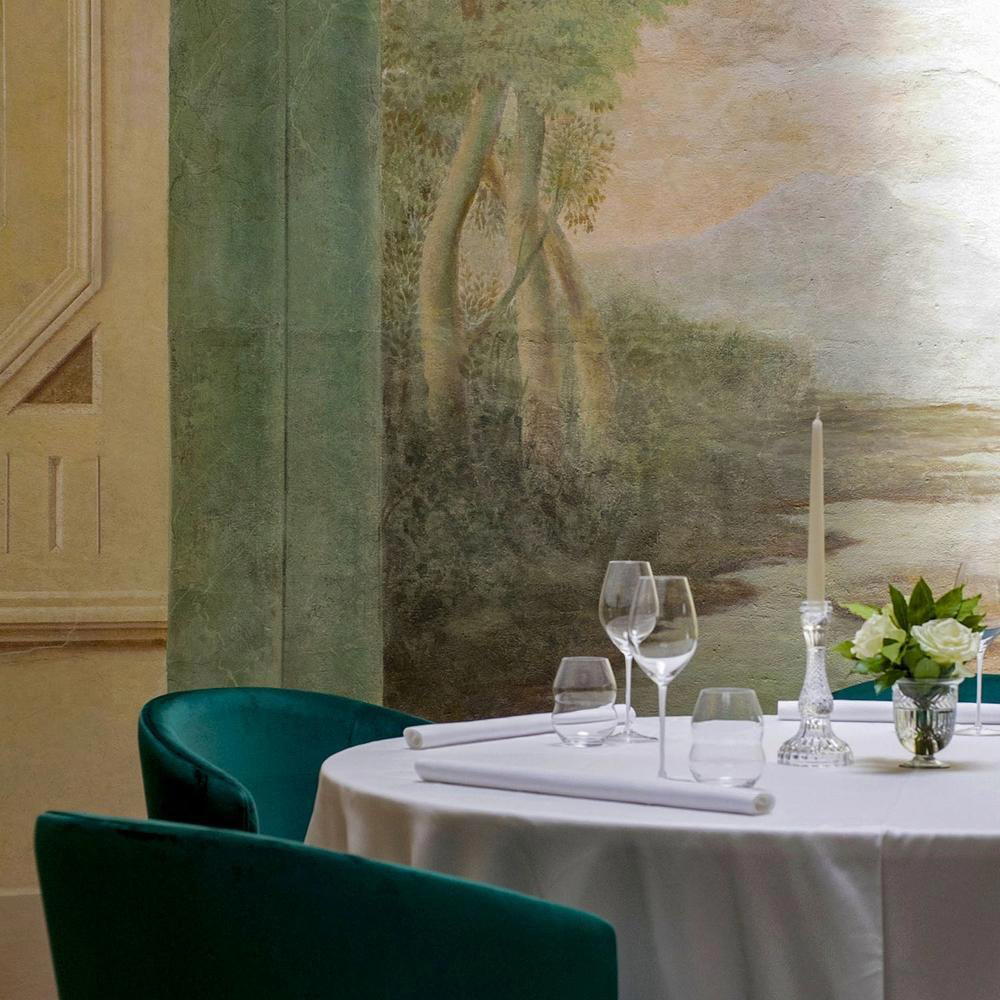
Bars in Corciano
Browse all →
Hotels in Corciano
Browse all →
Details
- Modern
- Elegant
- Romantic
- Sophisticated
- Date Night
- Special Occasion
- Celebration
- Group Dining
- Open Kitchen
- Standalone
- Extensive Wine List
- Sommelier Led
- Local Sourcing
- Tasting Menu
- A La Carte
- Champagne
- Wine
- Vegetarian Friendly
Current opening hours
- Monday
- Closed
- Tuesday
- Closed
- Wednesday
- Closed
- Thursday
- 8 PM–12 AM
- Friday
- 8 PM–12 AM
- Saturday
- 8 PM–12 AM
- Sunday
- Closed
Hours can change for holidays and private events. Last verified .
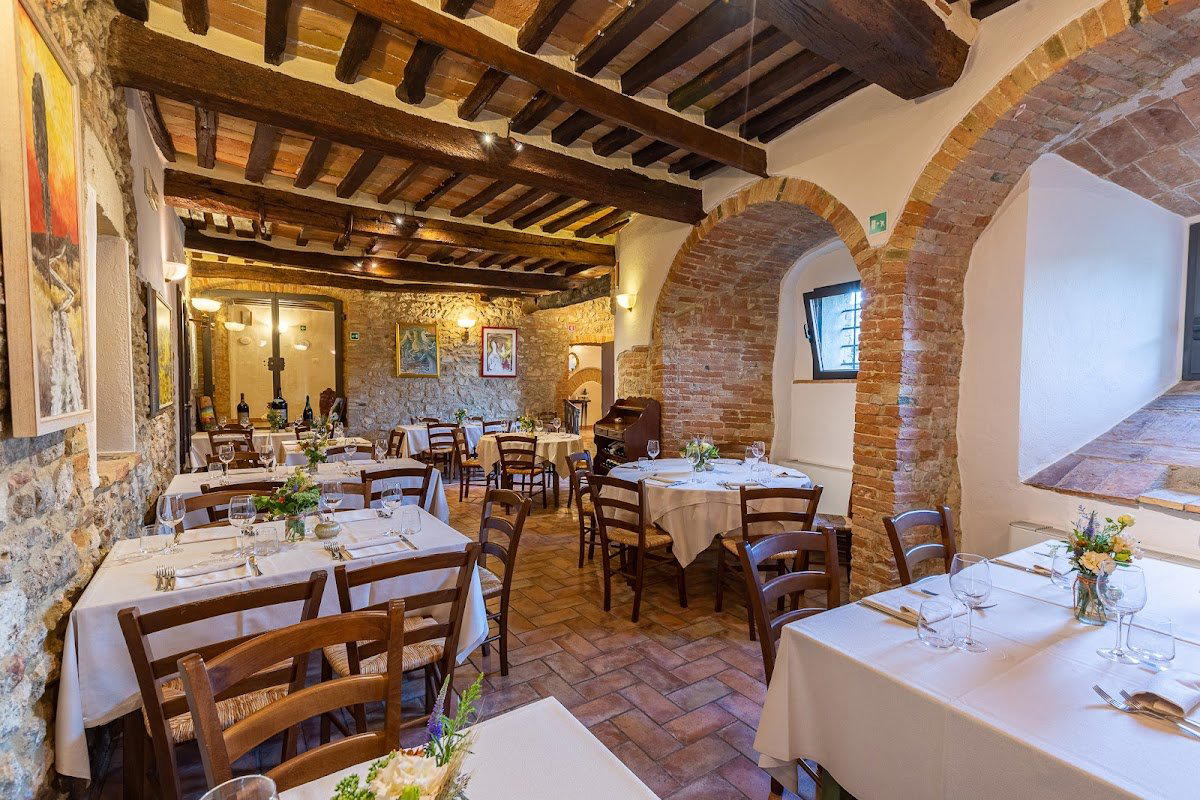
Modern, cozy space with upscale yet traditional atmosphere; small but well-maintained setting that supports both casual and special occasions.