
Hyaku Shiki sits in Fukuoka’s serious izakaya tier, where seafood, seasonal cooking and drinking etiquette matter more than spectacle. Its selection for Tabelog 100 Izakaya WEST in 2024 and 2025 places it among western Japan’s closely watched tavern addresses, with a format built around shared pacing, counter energy and a no-smoking room.
Pearl is the En Primeur Club membership app — saves, bookings, and concierge access live there. Same editors, same standards.
- Address
- Japan, 〒810-0021 Fukuoka, Chuo Ward, Imaizumi, 1 Chome−4−25 1F
- Phone
- +81 92-791-8385
- Website
- tabelog.com
 Saves & bookings on Pearl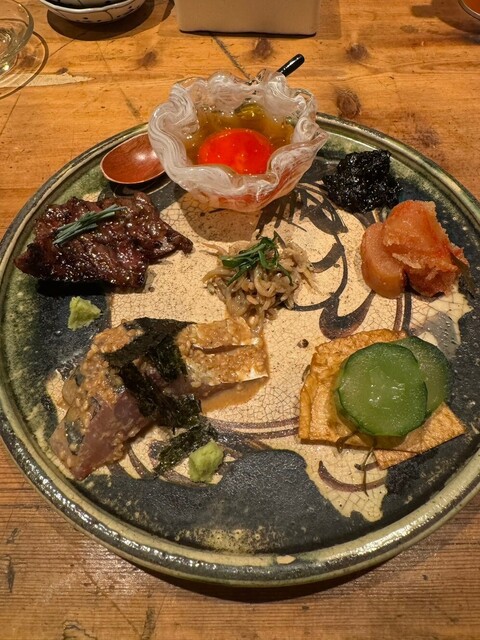
In Imaizumi, the approach to a good izakaya is rarely theatrical. The neighbourhood sits close to Tenjin’s commercial pull but has a looser, after-work rhythm: compact dining rooms, small groups, drinking-led meals and a habit of letting seafood set the pace. Hyaku Shiki belongs to that Fukuoka grammar. The category is izakaya, but the useful reading is narrower: Japanese tavern cooking with a seafood spine, a room where the counter matters, and a meal that works by sequence rather than by a single plate.
Fukuoka has always been a strong city for eating after dark, but its izakaya culture is not just a prelude to ramen or a place to drink cheaply. At the serious end, the format asks for attention. Orders arrive in smaller movements, drinks structure the table, and seasonal ingredients move through grilling, frying, rice and raw or lightly handled seafood preparations. Hyaku Shiki’s selection for Tabelog 100 Izakaya WEST in 2024 and 2025 is the relevant trust signal here: it places the restaurant inside a regional conversation about tavern cooking rather than inside the narrower fine-dining frame that dominates many visitor itineraries.
A Fukuoka izakaya ritual built around seafood, sequence and drinking pace
The meal’s logic is closer to a drinking ritual than a Western three-course structure. In a refined izakaya, the table usually settles first into drinks and quick dishes, then expands toward cooked seafood, fried items, grilled work and rice. The point is tempo. A dish should reset the palate or extend the conversation, not interrupt it. That is why the format rewards diners who order with patience rather than trying to front-load the table.
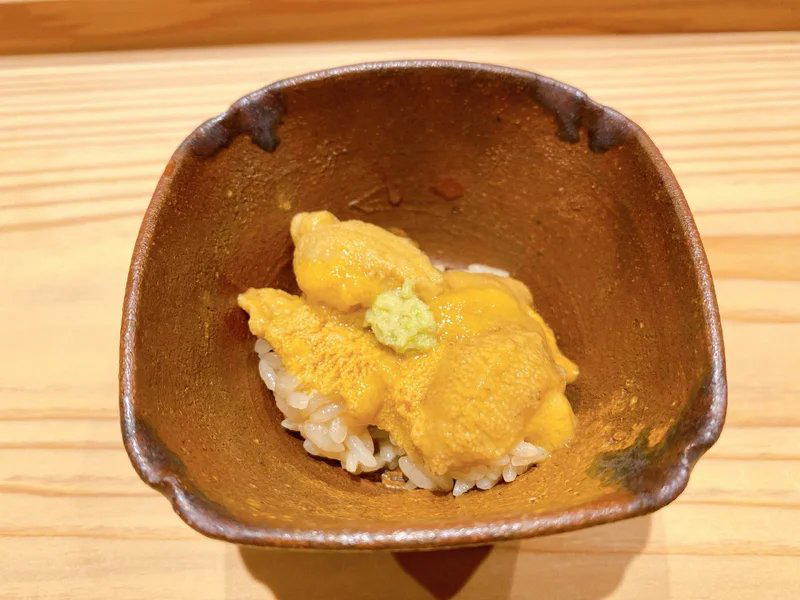
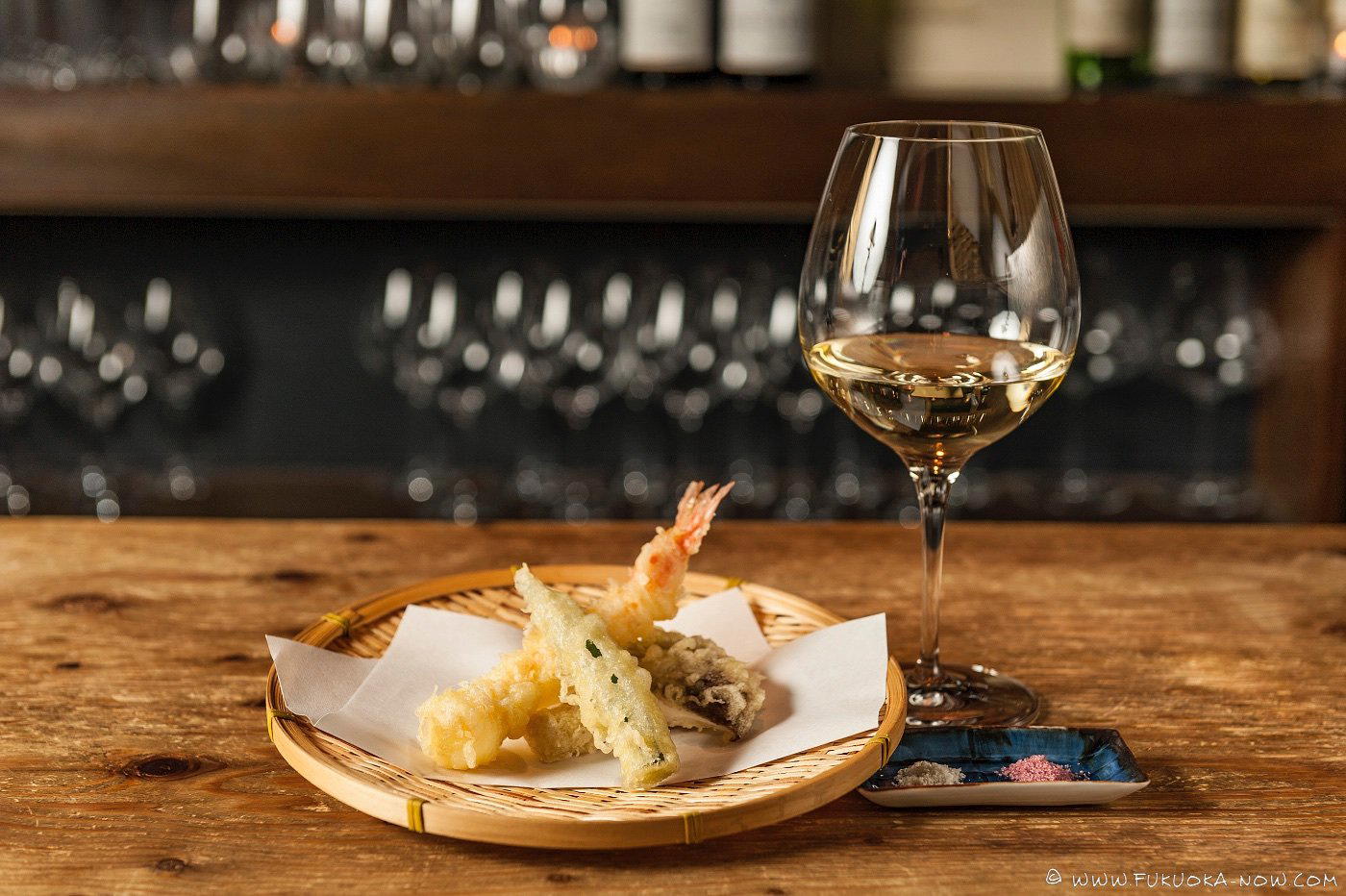
Hyaku Shiki’s stated categories, izakaya and seafood, matter because Fukuoka’s coastal position gives the genre a different weight from an urban pub template. Seafood is not decorative here; it is a core reason to choose this style of meal in the city. The restaurant’s own description points to seasonal ingredients and a menu that changes regularly, which fits the izakaya habit of letting supply shape the evening. The room also places value on visible cooking, including counter-side preparation across rice, grilling and frying. That detail is more than theatre. In Japanese tavern culture, the counter gives the diner a read on pacing, heat, timing and the order in which dishes should land.
The etiquette is simple but firm. Drinks are part of the structure, not an accessory, and dishes are portioned with individual ordering in mind. This is not the place to treat the menu as a casual shared snack board. It works better when each guest commits to the rhythm of the house: drink, order, pause, let the kitchen set the cadence, then add dishes as the table finds its appetite.
Where it sits in Fukuoka's dining map
Imaizumi and nearby Yakuin form one of Fukuoka’s more useful dining corridors for travellers who want depth without leaving the city centre. Tenjin supplies volume and convenience; Yakuin and Imaizumi tend to reward narrower decisions. That could mean a specialist South Indian meal at 106 South Indian Fukuoka tenjin ten, a spice-led table at Afterglow, or a more local Japanese route through places such as Aji Dokoro Taro Gen Sougyou ten, Aji Furai Shokudo Kaba and Aji no Katsueda.
Among nearby reference points, the distinction is useful. Tanakadashiki Seafood Shokudo Uochu sits in a lower everyday seafood bracket, while Daidokoro prices into a higher dinner tier. Hyaku Shiki occupies the serious izakaya lane between casual seafood canteens and full tasting-menu formality. That middle position is often where Fukuoka is strongest: enough technique and sourcing discipline to justify planning, but not so much ceremony that the meal loses its tavern character.
The Tabelog recognition also clarifies the competitive set. Tabelog’s Hyakumeiten lists are category-driven, so the 2024 and 2025 Izakaya WEST selections do not say the room is trying to compete with sushi counters, kaiseki houses or hotel dining rooms. They say it has been noticed within the tavern category, where regularity, breadth of cooking and the balance between food and drink carry more weight than luxury signals. For travellers mapping the city, that makes Hyaku Shiki a sharper choice than another generic “Japanese restaurant” pin.
How to read the room before you order
The practical decision is less about dress code or ceremony and more about group size, appetite and attention span. A compact izakaya with counter energy is better suited to pairs and small groups than to a loose, wandering party. The format rewards diners who are happy to let the meal unfold and who understand that the kitchen’s strongest moments may sit in technique categories rather than named signature dishes. If the counter is part of the experience, watch the cooking methods and order across them: seafood, fried work, grilled dishes and rice give a fuller view of the house than staying in one lane.
For a broader Fukuoka plan, treat this as an evening anchor rather than a quick stop. Build the day around neighbourhood contrast: restaurants via Our full Fukuoka restaurants guide, hotels through Our full Fukuoka hotels guide, and late drinks from Our full Fukuoka bars guide. Travellers extending the itinerary can also scan Our full Fukuoka wineries guide and Our full Fukuoka experiences guide.
Its value is clearest for diners who want to understand Fukuoka’s contemporary izakaya culture from inside the ritual: seasonal seafood, drink-led pacing, visible cooking and a room that does not need fine-dining choreography to feel serious. For comparison across Japan and beyond, EP Club’s wider restaurant map ranges from -Grilled beef Sukiyaki- KAMAKURA TANUKIAN 鎌倉 たぬき庵 in Kamakura and. 鮪と炭火焼き うお炭 秋葉原店 in Tokyo to.cafe in Osaka,.know in Kumamoto, (Shoku) Vietnam in Kawasaki, [Curry Senmon Ten] Maruyama Kyoju. in Sapporo, Jōdo Saké Bar in Los Angeles and Onigiri Time in Pasadena. Hyaku Shiki’s place in that spread is precise: not spectacle, not grand dining, but the disciplined end of the Japanese tavern meal.
Category Peers
Side-by-side context: comparable cuisine and price.
| Venue | Cuisine | Price | Awards | Notes |
|---|---|---|---|---|
| Hyaku ShikiThis venue — the venue you are viewing | Seasonal Japanese Izakaya & Robatayaki | $$$ | , | |
| Inakaan | Traditional Grilled Eel (Unagi) | $$$ | , | Kokura |
| あ三五 | Masterful Soba Kaiseki | $$$ | , | Chūō |
| Kuwaman | Traditional Japanese Izakaya & Sake Bar | $$$ | , | Chūō |
| Seimon Barai | Seafood-focused Japanese Izakaya | $$$ | , | Hakata |
| Yakitori Choji | Yakitori | $$$ | , | Chūō |
At a Glance
- Lively
- Cozy
- Trendy
- Hidden Gem
- Intimate
- Casual Hangout
- After Work
- Solo
- Group Dining
- Chefs Counter
- Open Kitchen
- Standalone
- Sake Program
- Beer Program
- Local Sourcing
- Sustainable Seafood
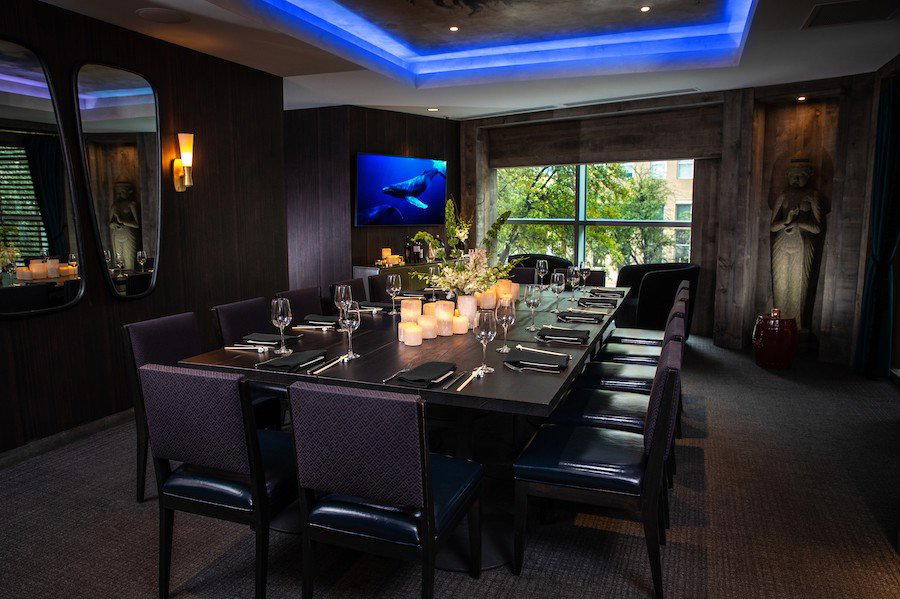
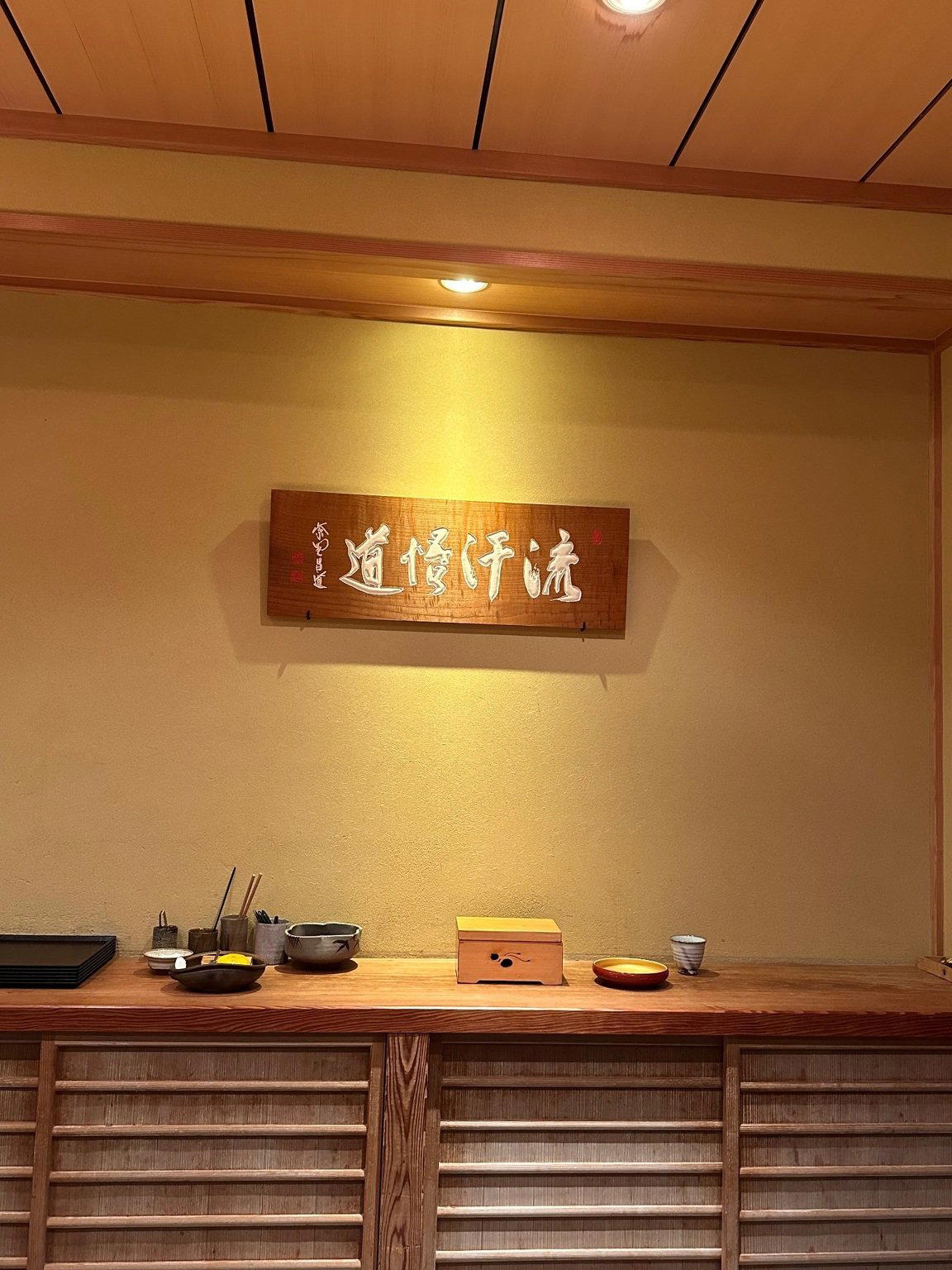
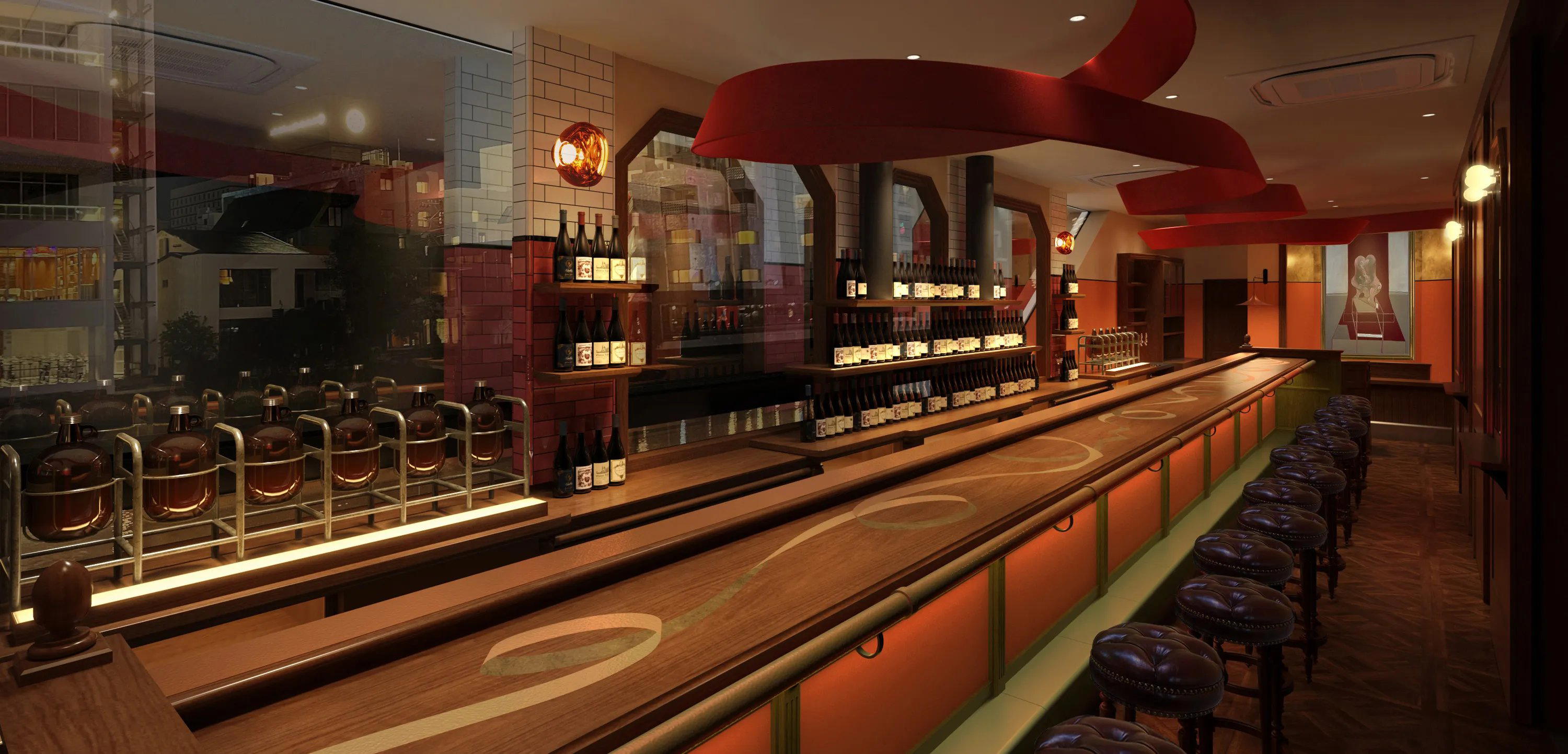
A lively, cozy izakaya atmosphere with distinct seating areas and an open-kitchen feel at the counter.