
Yakitori Choji belongs to Fukuoka’s small-counter yakitori culture rather than the city’s louder ramen-and-yatai shorthand. The cooking is framed around grilled chicken skewers, mizutaki and chicken dishes, with sake, shochu and wine treated as part of the meal’s architecture. Selection for Tabelog 100 Yakitori WEST in 2023, 2024 and 2025 places it among Western Japan’s more closely watched yakitori addresses.
Pearl is the En Primeur Club membership app — saves, bookings, and concierge access live there. Same editors, same standards.
- Address
- 福岡県福岡市中央区大手門1-8-14
- Phone
- +81927154301
- Website
- tabelog.com
 Saves & bookings on Pearl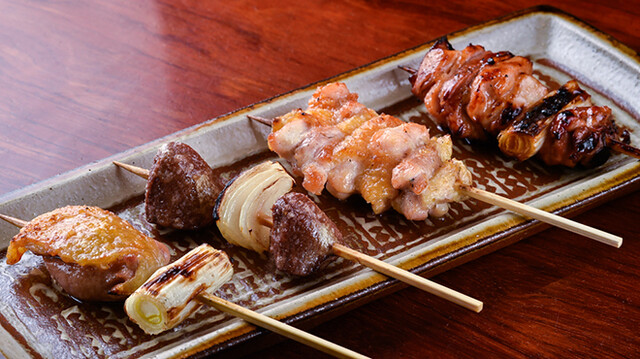
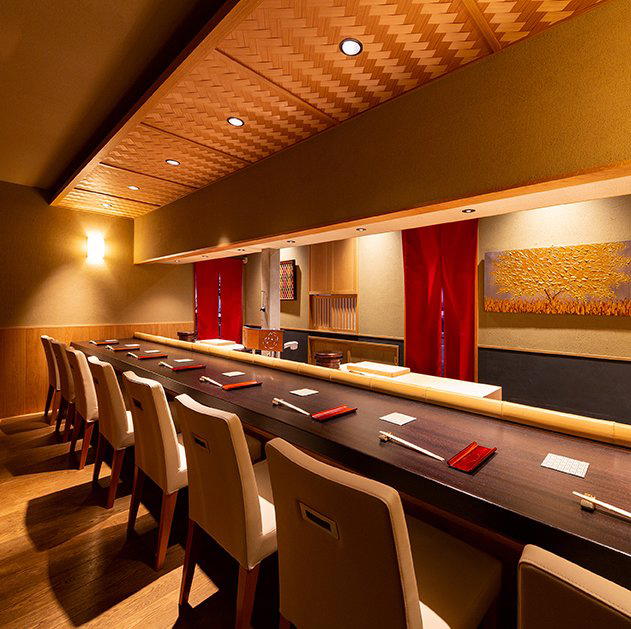
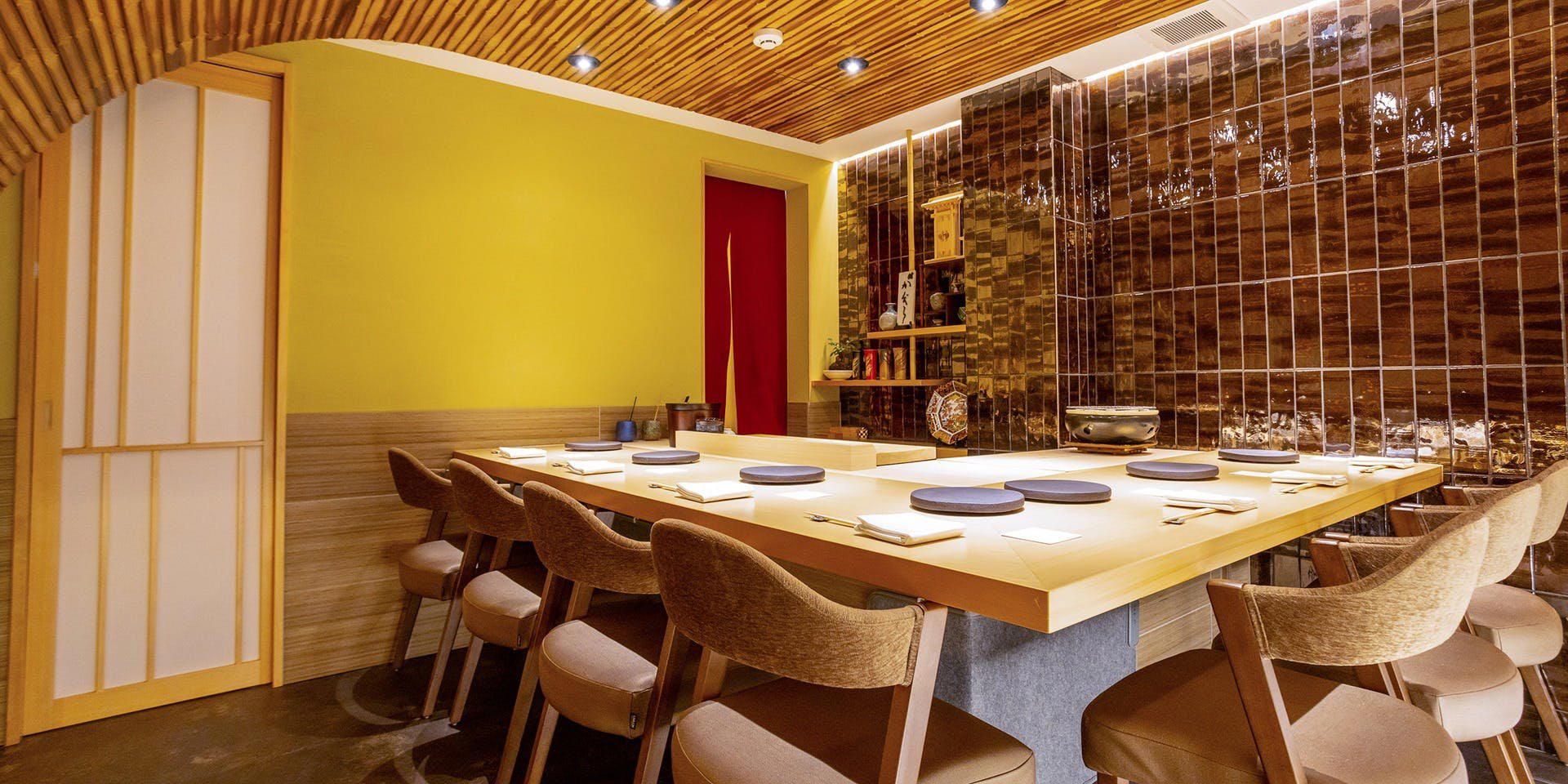
Fukuoka’s serious yakitori rooms tend to reveal themselves at counter level: a narrow field of seats, a grill-led rhythm, and a meal built by sequence rather than spectacle. Yakitori Choji fits that format closely. The room is counter-only, the category is chicken in several forms, and the appeal sits in how a compact restaurant turns skewers, hot pot and drinks into a controlled evening rather than a casual stop for grilled snacks.
That distinction matters in Fukuoka. The city is often reduced to tonkotsu ramen, mentaiko and yatai, but its higher-grade chicken cooking has its own grammar. Yakitori here is not just a late-night add-on; in stronger rooms it becomes a full dinner structure, moving through cuts, textures and heat levels before widening into dishes such as mizutaki. Choji’s inclusion in Tabelog 100 Yakitori WEST for 2023, 2024 and 2025 signals that it belongs in that more deliberate tier of the region’s grill culture.
A counter meal built around chicken, not a skewer checklist
The menu architecture is the reason to pay attention. The listed categories are yakitori, mizutaki and chicken dishes, which gives the meal a broader frame than a simple skewer-by-skewer order. In Japan’s better yakitori counters, progression carries as much weight as individual cuts: lighter items prepare the palate, richer pieces anchor the middle of the meal, and supporting dishes keep the sequence from becoming repetitive. Mizutaki, Fukuoka’s chicken hot pot tradition, adds regional context to the format and keeps the restaurant from reading as a Tokyo-style grill counter transplanted south.
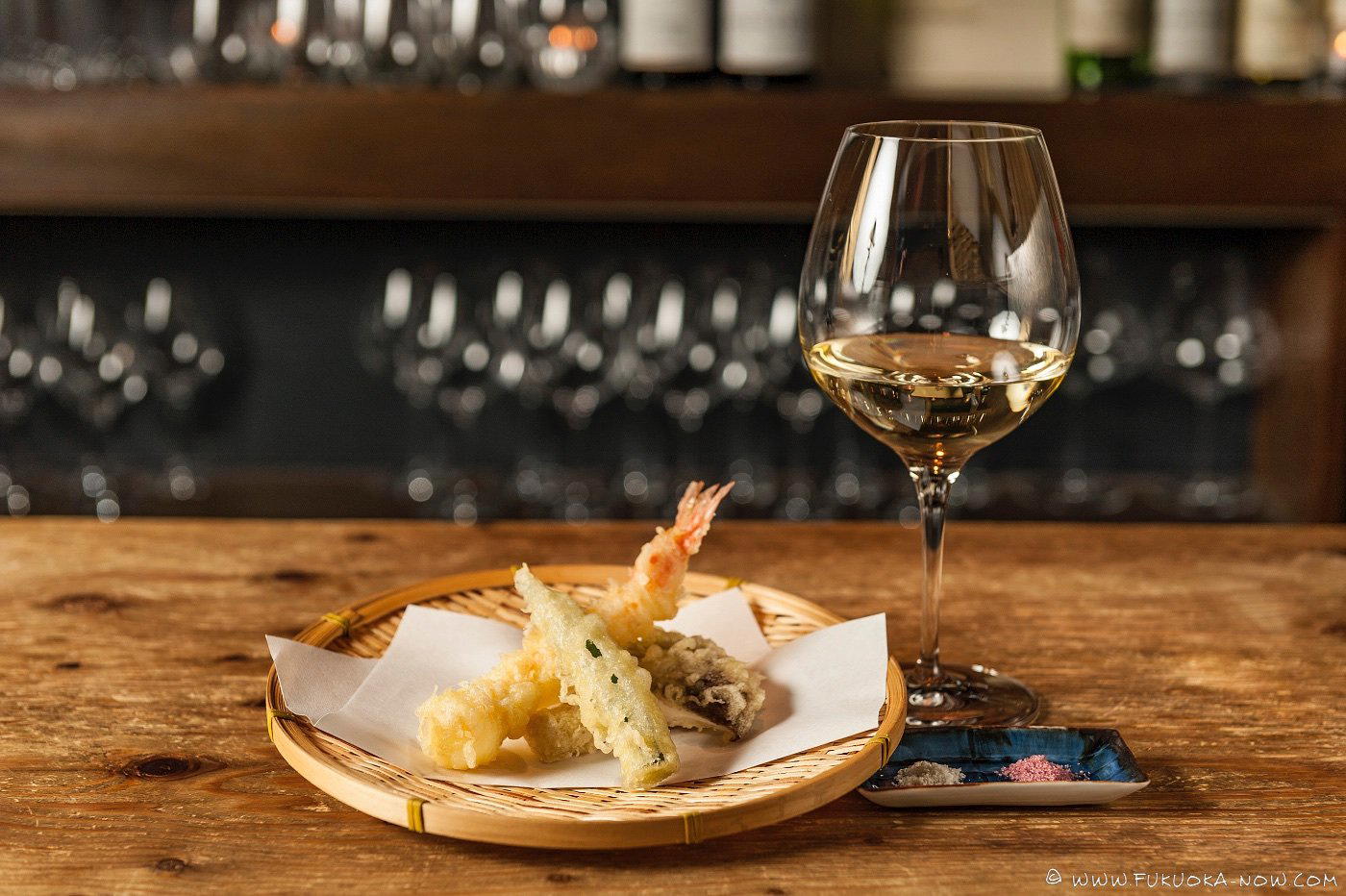
The drinks list also points to intent. Sake, shochu and wine are all part of the stated program, with emphasis placed on sake and wine. That combination is common in contemporary yakitori because chicken fat, tare, salt and smoke respond differently across beverage styles. Sake handles umami and warmth, shochu suits sharper grilled edges, and wine can work when the meal moves into richer portions. The useful point is not breadth for its own sake, but the way the drinks mirror a menu that shifts between grill and chicken cookery.
Choji’s price band places it above everyday yakitori and below the stratospheric omakase counters that have reshaped parts of Tokyo and Osaka dining. In Fukuoka terms, that makes it a serious dinner rather than a splurge defined by luxury signalling. Compared with local lower-priced rooms such as HAKKO Shokudo or meek, it operates in a different dining register; compared with broader destination restaurants such as TTOAHISU or Sushi Ryori Ichitaka, it remains more tightly focused on one Japanese category.
Why Otemon suits this kind of yakitori
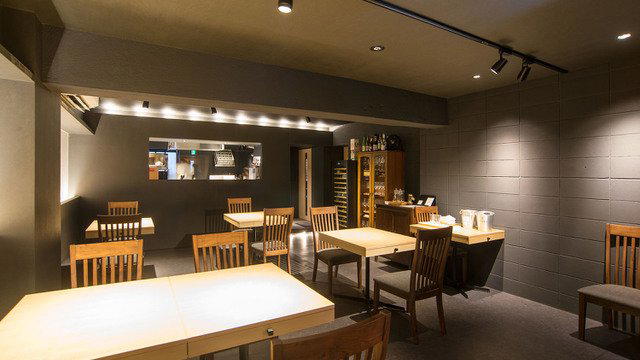
Otemon and the Ohori Park area give the restaurant a quieter setting than Tenjin’s denser drinking streets. That matters for counter dining. Yakitori benefits from concentration: the cooking happens in front of guests, pacing is visible, and the meal depends on attention to sequence rather than a table crowded with shared plates. A counter-only setup reinforces that discipline, narrowing the social field and keeping the grill at the centre of the experience.
The scale also shapes the decision. Fourteen counter seats create a different evening from the larger izakaya model associated with group drinking. This is better understood as a focused chicken dinner for two or a small party than a flexible all-purpose night out. Private rooms and private use are not part of the format, which makes sense for a restaurant whose appeal is tied to the counter rather than separation from it.
Fukuoka travellers building a food itinerary should read Choji as a category-specific stop, not a general introduction to the city. For broader planning, Our full Fukuoka restaurants guide gives a wider view of the city’s dining range, while Our full Fukuoka hotels guide, Our full Fukuoka bars guide, Our full Fukuoka wineries guide and Our full Fukuoka experiences guide help place dinner within a fuller trip.
How to place it within a Fukuoka itinerary
The strongest case for Yakitori Choji is editorial rather than decorative: it shows how Fukuoka’s chicken cooking can operate as a structured dinner. Visitors who already understand the city through ramen counters and seafood izakaya will get a different reading here, one built around grilling, pacing and the regional presence of mizutaki. The Tabelog 100 Yakitori WEST selections give it external recognition, but the more useful signal is the combination of a counter-only room, chicken-focused categories and a drinks program designed for the grill.
It also pairs well with the city’s broader casual-to-specialist dining spectrum. South Indian cooking at 106 South Indian Fukuoka tenjin ten, spice-led cooking at Afterglow, local Japanese meals at Aji Dokoro Taro Gen Sougyou ten, fried fish at Aji Furai Shokudo Kaba and pork cutlet cooking at Aji no Katsueda all show how Fukuoka rewards narrow specialization. Choji belongs to that same logic: choose a category, compress the room, and let repetition reveal skill.
For travellers comparing Japanese specialist formats beyond Fukuoka, the same pattern appears in different registers: beef sukiyaki at -Grilled beef Sukiyaki- KAMAKURA TANUKIAN 鎌倉 たぬき庵 in Kamakura, tuna and charcoal grilling at. 鮪と炭火焼き うお炭 秋葉原店 in Tokyo, café culture at.cafe in Osaka, contemporary dining at.know in Kumamoto, Vietnamese cooking at (Shoku) Vietnam in Kawasaki, curry specialization at [Curry Senmon Ten] Maruyama Kyoju. in Sapporo, sake-bar dining at Jōdo Saké Bar in Los Angeles and Japanese rice-ball focus at Onigiri Time in Pasadena. The lesson is consistent: the narrower the format, the more the details matter.
Comparable Spots
Comparable options at the same price tier.
| Venue | Cuisine | Price | Notes |
|---|---|---|---|
| Yakitori ChojiThis venue — the venue you are viewing | Yakitori | $$$ | Not listed |
| Nishimura | Edomae Sushi Omakase | $$$ | Hakata |
| Inakaan | Traditional Grilled Eel (Unagi) | $$$ | Kokura |
| Mashiko | High-end Yakitori Counter | $$$ | Chūō |
| ginmi | Kyushu Izakaya | $$$ | Chūō |
| Oryori Yamanokuchi | Japanese Izakaya | $$$ | Chūō |
Recognition history
Dated appearances from independent guides and award organizations, with the underlying list record or original source where available.
Tabelog 100 #13 · No. 13
Tabelog · Tabelog 100 - Yakitori - WEST - 2025
At a Glance
- Elegant
- Sophisticated
- Intimate
- Quiet
- Modern
- Date Night
- Business Dinner
- Celebration
- Special Occasion
- Solo
- Chefs Counter
- Standalone
- Natural Wine
- Sake Program
- Beer Program
- Local Sourcing
- Natural Wine
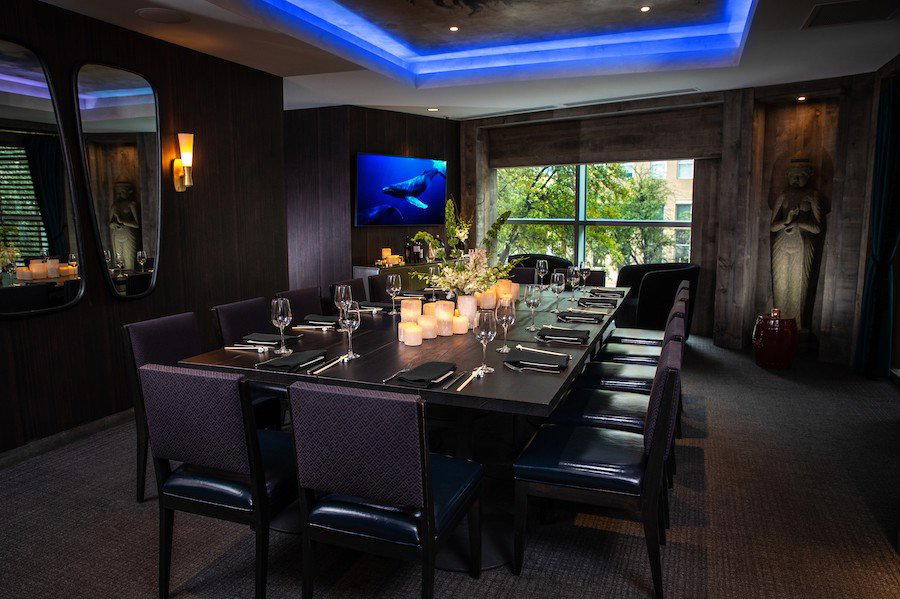
A refined, modern hideout with elegant, relaxing counter seating and a calm, intimate atmosphere.