
On Stuttgarterplatz, a short walk from the Ku'damm corridor, Brasserie Lamazere occupies the gap between Paris and Berlin that few Berlin restaurants genuinely attempt. Régis Lamazere brings a Franco-German sensibility to a neighbourhood better known for transit than destination dining, making it a reliable counterpoint to the city's louder, trendier rooms.
 Discover on Pearl
Pearl is the En Primeur Club membership app — saves, bookings, and concierge access live there. Same editors, same standards.
- Address
- Stuttgarter Pl. 18, 10627 Berlin, Germany
- Phone
- +49 30 31800712
- Website
- lamazere.de
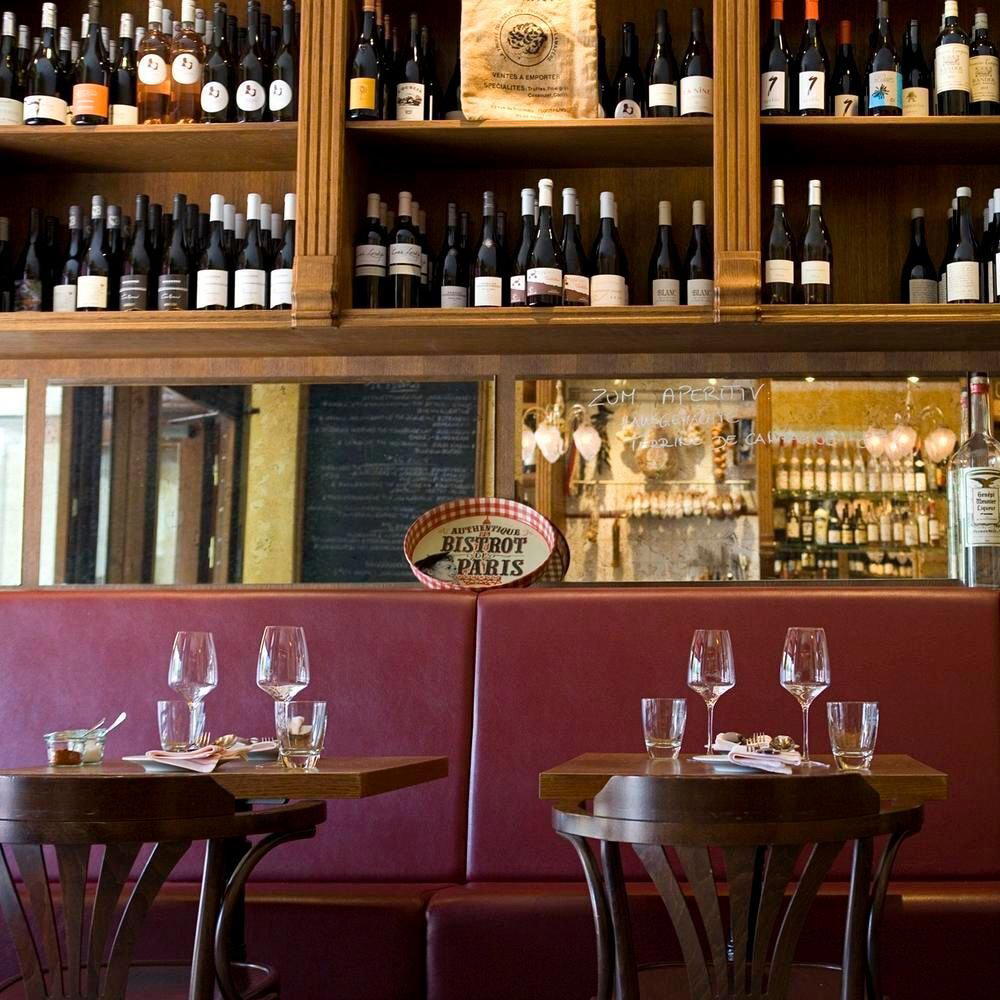
Where the Ku'damm Ends and Something Quieter Begins
Stuttgarterplatz sits at the western edge of the Ku'damm orbit, far enough from the main drag to feel like a different city entirely. The square has a lived-in residential quality that most of Berlin's visitor corridors lack, and it is this setting that frames what Brasserie Lamazere is doing. In a city where the dining conversation is increasingly dominated by hyper-conceptual tasting menus, venues like CODA Dessert Dining, Nobelhart & Schmutzig, and FACIL all operate at the €€€€ tier with strong conceptual frameworks, Lamazere represents a different tradition: the Franco-German brasserie, a format that prizes depth of ingredient and warmth of hospitality over theatre.
The brasserie model, imported from a French dining culture that has always treated the neighbourhood restaurant as a serious institution rather than a stepping stone, requires a specific kind of commitment. It needs a kitchen confident enough to serve classical technique without the scaffolding of a tasting menu structure, and a room prepared to accommodate both the solo diner with a carafe and the table celebrating something. Lamazere is a Modern French Brasserie in Berlin’s Charlottenburg district, at Stuttgarter Pl. 18.
The Wine Approach at a Franco-German Table
The editorial angle on any serious brasserie ultimately runs through its cellar. Classic French brasserie culture developed alongside a particular approach to wine: lists weighted toward the regions that feed the kitchen, with enough breadth to reward a guest who wants to spend an evening working through different producers rather than committing to a single bottle. The Franco-German model at Lamazere implies a list that should move between French appellations, Burgundy and Bordeaux as foundations, Loire and Rhône as points of interest, and German producers whose precision-led style pairs naturally with the richer preparations that define the format.
Berlin's better wine programs have moved in two directions over the past decade. The high-end creative rooms, places comparable to Rutz in the Modern European tier, have built cellar depth that competes with major European capitals, with sommelier teams who treat wine service as equal in status to the kitchen. The brasserie tier has, at its finest, maintained a different kind of expertise: the ability to recommend a bottle at a moderate price point without condescension, to understand what a table actually wants to drink rather than what the list theoretically permits. That intelligence, practical, hospitality-led, is the more useful skill in a neighbourhood room.
For a table coming off a day along the Ku'damm, the wine list functions as a reset. The question is whether a guest can arrive, scan a list without a sommelier lecture, and land on something that makes the food taste better. A cellar curated around the classical French regions, with German options that reflect the seriousness with which German winemaking is now taken internationally, answers that question well. Visitors interested in the broader German fine dining wine context might also cross-reference what establishments like Schwarzwaldstube in Baiersbronn or Vendôme in Bergisch Gladbach have built at a higher price tier, Lamazere operates with the same Franco-German reference points but in a brasserie register rather than a grand restaurant one.
The Charlottenburg Context
Charlottenburg's dining scene carries a different character from Mitte or Prenzlauer Berg. The neighbourhood has an older, more established residential population, a stronger connection to pre-reunification West Berlin culture, and less appetite for the rotating-concept model that dominates the city's east. Restaurants here tend to stay open longer, accumulate loyal regulars rather than tourist cycles, and build reputations through consistency rather than reinvention. That context suits the brasserie format well. A room like Lamazere benefits from the neighbourhood's preference for the known quantity: a kitchen that cooks the same things well, a list that does not change every season for the sake of novelty, a dining room that recognises a returning face.
The comparison set for Lamazere within Berlin sits outside the €€€€ creative tier occupied by Restaurant Tim Raue or the Modern European rooms. It operates in a peer group of mid-to-upper casual dining that includes French and Franco-German formats across the city's western districts. Against that comparable set, the Stuttgarterplatz address is specific: not the tourist centre, not the most photographed square, but a working neighbourhood location that rewards the guest who seeks it out rather than stumbles across it.
Germany's broader French-influenced dining tradition runs from the elaborately formal, Aqua in Wolfsburg, JAN in Munich, Restaurant Haerlin in Hamburg, to the neighbourhood brasserie. The technical lineage is shared, but the register is different. Lamazere sits in the brasserie register deliberately: the proposition is comfort and quality at a table you can occupy for two hours without ceremony, not a progression of small courses designed to demonstrate technical range. For comparison at the other end of the spectrum internationally, the classical French model at its most serious finds expression in places like Le Bernardin in New York City; Lamazere is not attempting that conversation, which is a considered position rather than a limitation.
Planning a Visit
Brasserie Lamazere sits at Stuttgarterplatz 18, 10627 Berlin, accessible by U-Bahn from the Ku'damm corridor in a few minutes. The address is in Charlottenburg, and the Stuttgarterplatz square itself gives the restaurant a street-level presence that makes it easy to locate on foot. Lamazere is recommended for reservations and is open Tuesday through Sunday from 6 to 11 PM; it is closed on Monday. Given the brasserie format and neighbourhood character, walk-ins at quieter service periods are consistent with how rooms of this type typically operate, though dinner service on weekends in a location adjacent to a busy shopping corridor makes advance contact sensible.
For those building a broader German itinerary, ES:SENZ in Grassau and Emeril's in New Orleans offer reference points at different points on the French-influenced dining spectrum.
Budget Reality Check
Comparable venues nearby, for context on price, style, and recognition.
| Venue | Cuisine | Price | Awards | Notes |
|---|---|---|---|---|
| LamazereThis venue — the venue you are viewing | Charlottenburg, Modern French Brasserie | $$ | 1 recognition | |
| Hauptstadtrestaurant Gendarmerie | $$$ | , | Mitte, French Brasserie with German Accents | |
| Louis Laurent | Charlottenburg, Classic French Bistro | $$$ | , | |
| CARTE BLANCHE | Tiergarten, French Brasserie | $$$ | , | |
| Glaserei | Kreuzberg, Mediterranean Grill Bar | $$ | , | |
| STADTSALAT | Mitte, Premium Organic Bowls & Salads | $$ | , |

At a Glance
- Lively
- Cozy
- Elegant
- Charming
- Date Night
- Special Occasion
- Business Dinner
- Open Kitchen
- Extensive Wine List
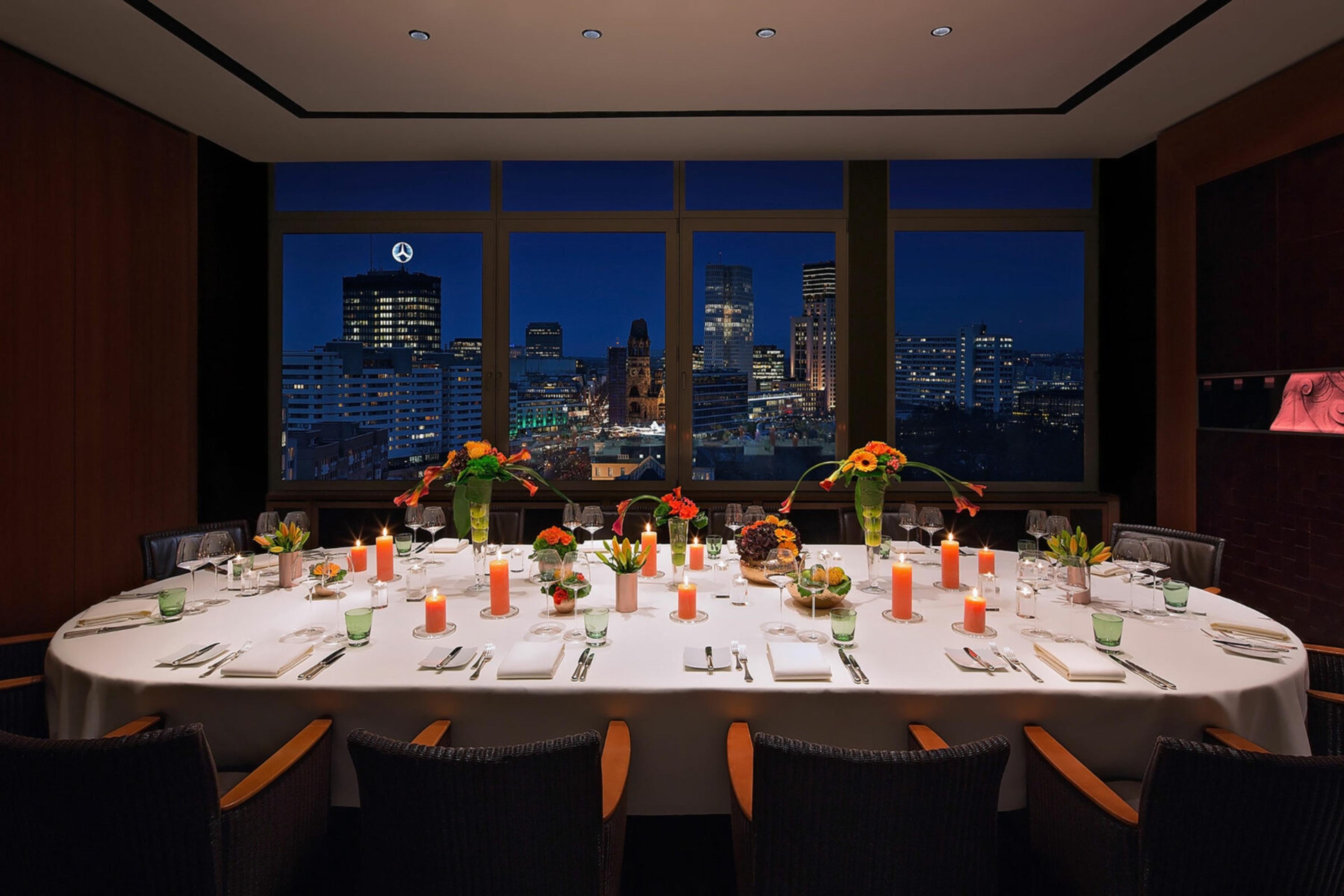
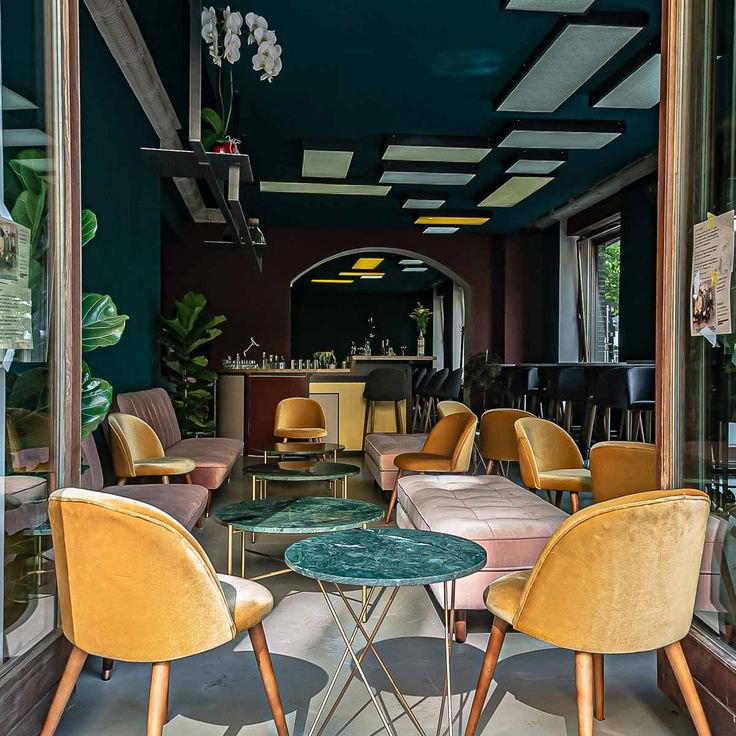
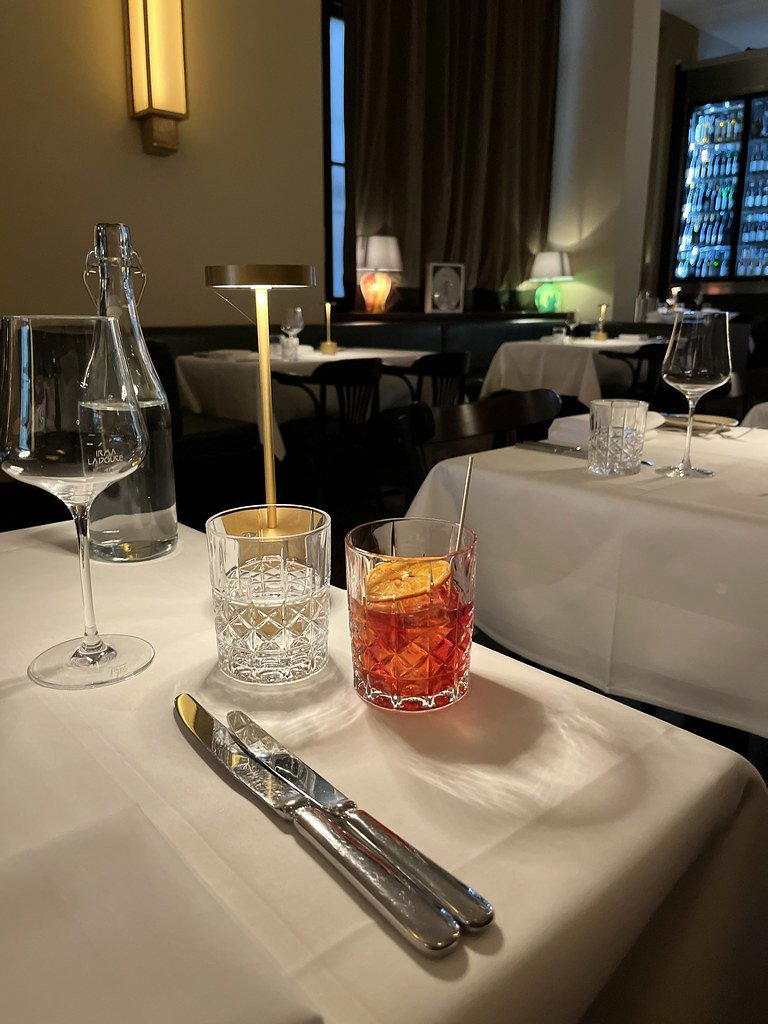
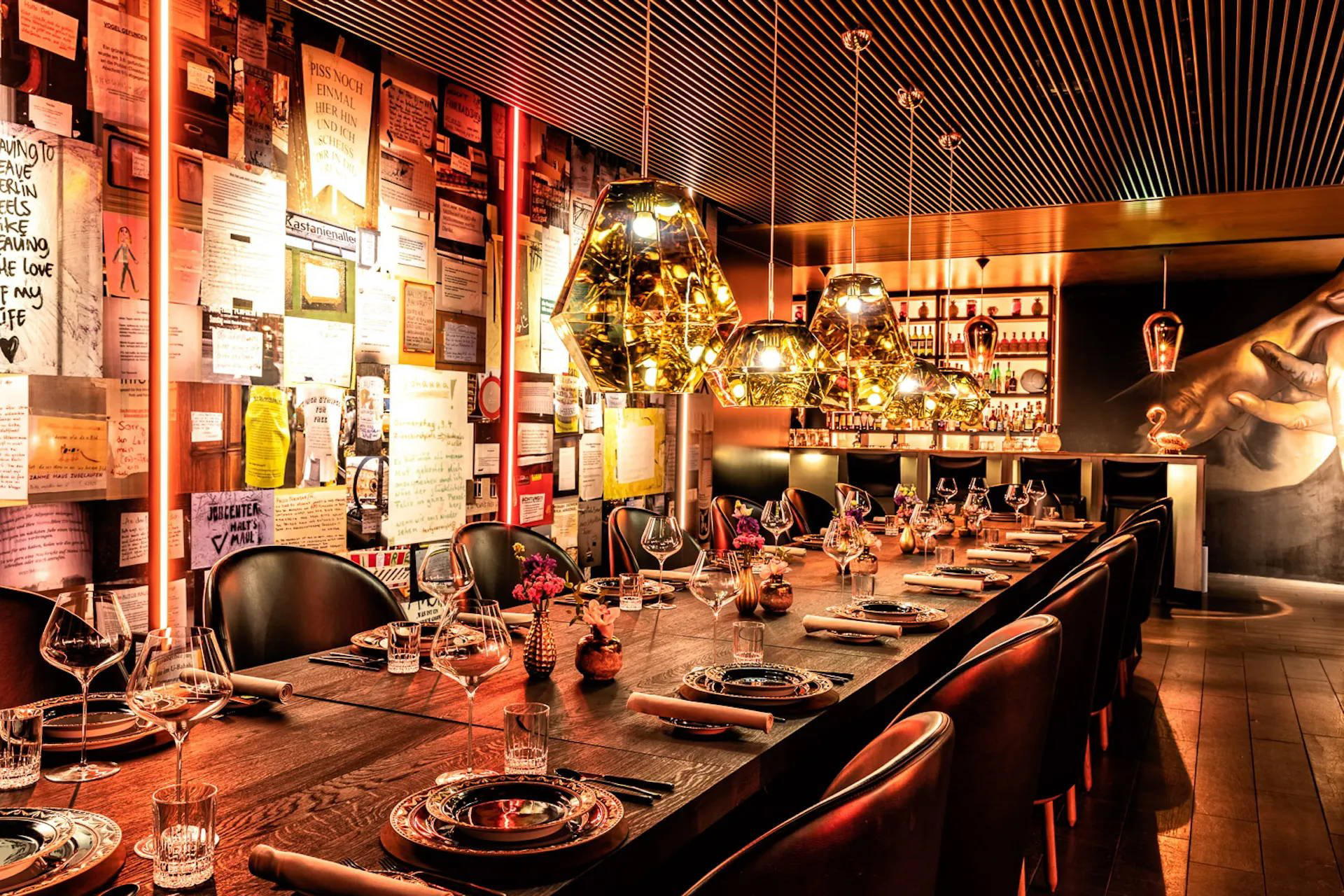
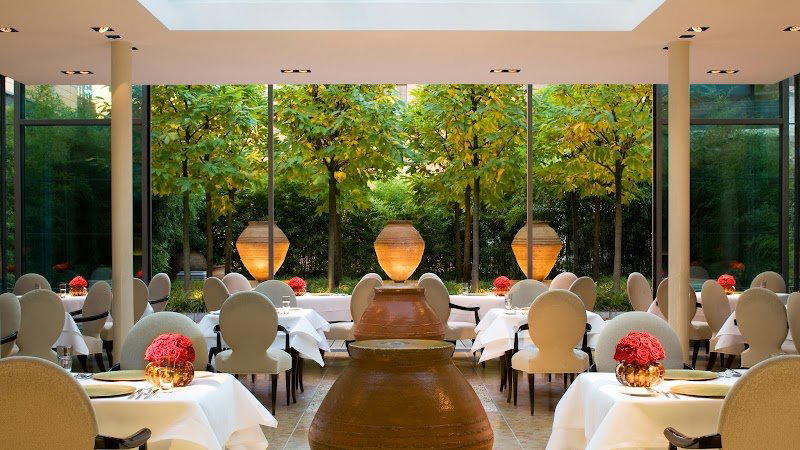
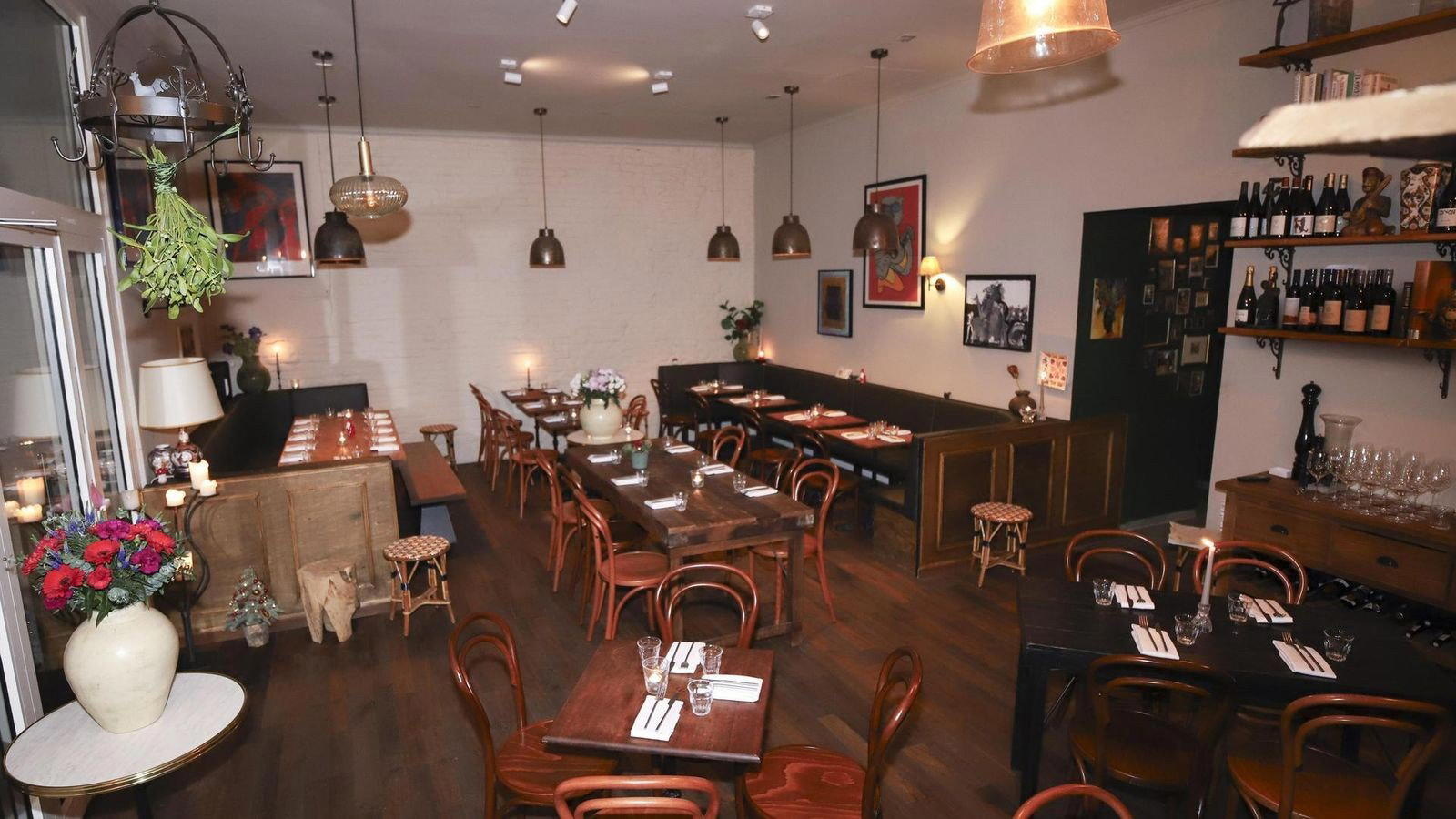
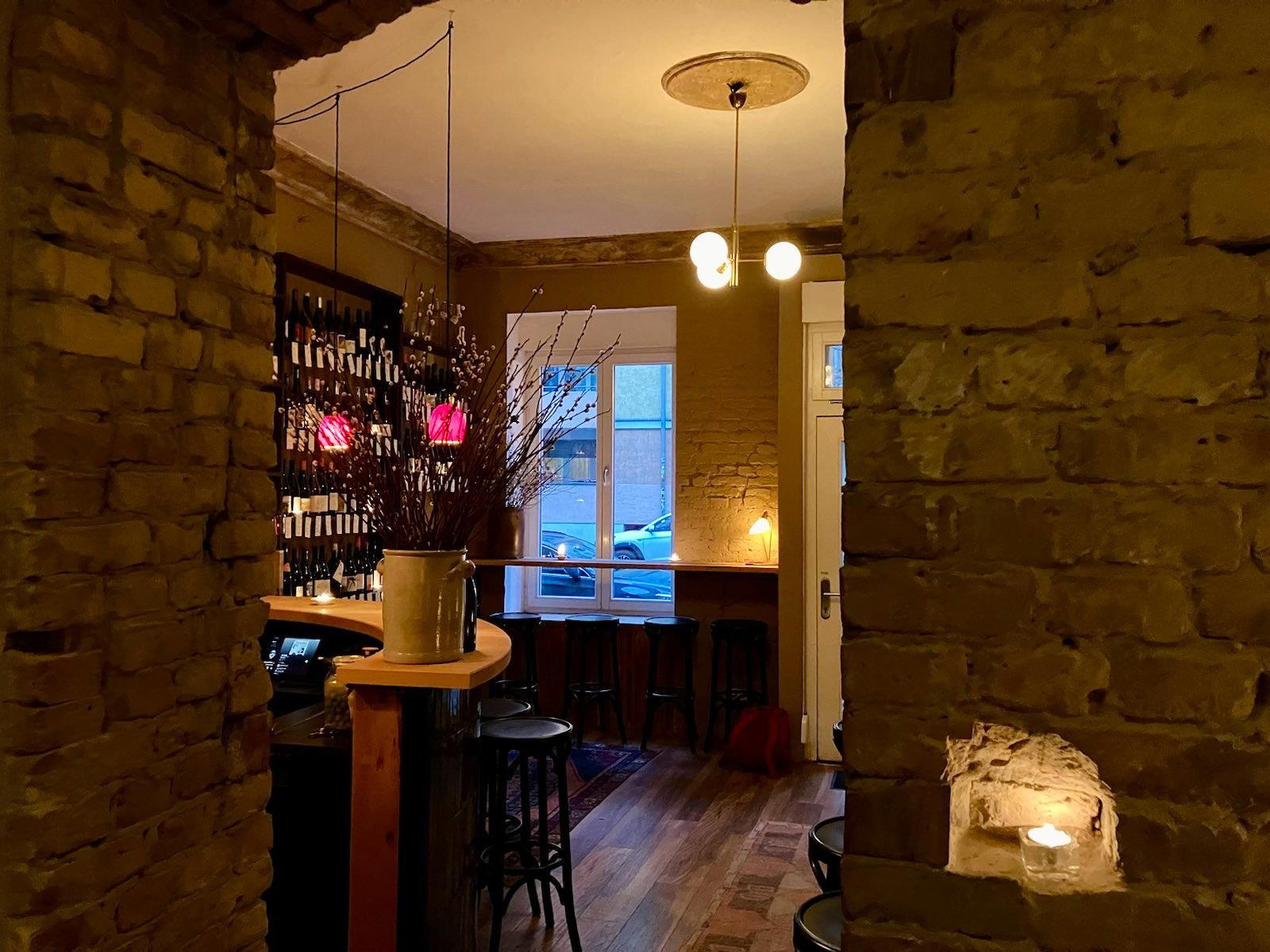
Charming, down-to-earth and lively atmosphere reminiscent of France, with warm decor, soft lighting, and a relaxed bistro feel.