On Via Genova in central Trieste, Nanut sits within a city whose dining identity is shaped by the meeting of Italian, Austro-Hungarian, and Adriatic influences. The address places it among a compact set of neighbourhood restaurants where the local habit of eating close to the water and close to history is most legible. Visitors familiar with Trieste's broader restaurant scene will find Nanut worth considering alongside the city's established dining addresses.
Pearl is the En Primeur Club membership app — saves, bookings, and concierge access live there. Same editors, same standards.
- Address
- Via Genova, 10/E, 34122 Trieste TS, Italy
- Phone
- +393940360642
- Website
- enotecananut.eatbu.com
- Directions
- Get directions
 Saves & bookings on Pearl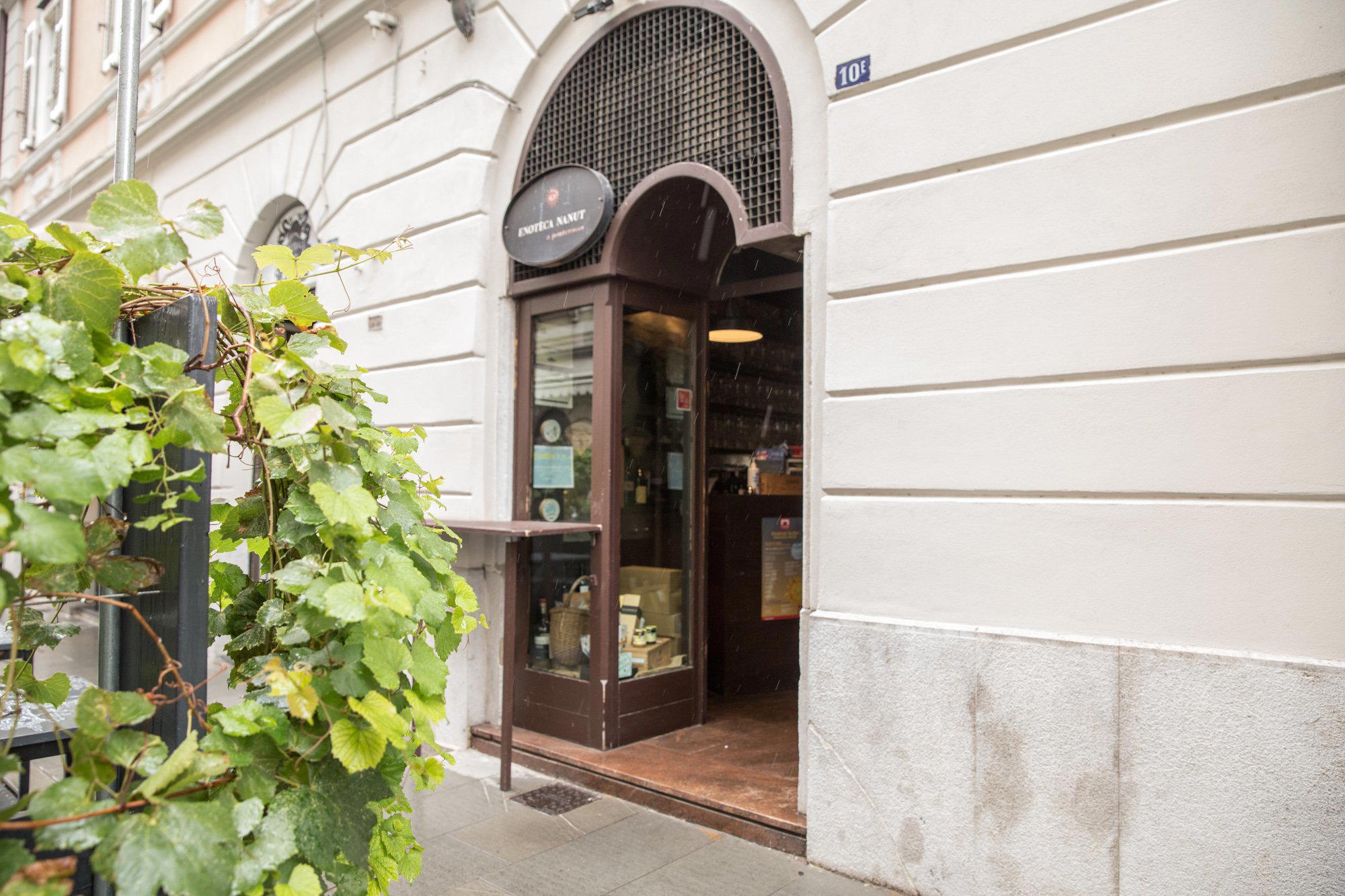
Via Genova and the Weight of Trieste's Dining Character
Approach Via Genova on a weekday evening and you arrive in one of Trieste's quieter residential corridors, a street that sits at some remove from the tourist-heavy Piazza Unità d'Italia circuit without feeling peripheral. The buildings carry the particular heaviness of Habsburg-era construction: thick stone facades, high ceilings visible through street-level windows, a quality of permanence that the city's restaurants have learned to either lean into or gently subvert. Nanut, at number 10/E, occupies a position within this context that tells you something useful about the kind of meal Trieste makes possible at this address: grounded, neighbourhood-facing, connected to the logic of the city rather than performing for visitors.
It does not appear in the same breath as Osteria Francescana in Modena or Enoteca Pinchiorri in Florence, and it is not trying to. What the city offers instead is a dining identity shaped by centuries of border proximity: the Adriatic to the west, Slovenia to the east, a long Austro-Hungarian administrative history layered beneath Italian regional cooking. The result, across Trieste's better tables, is a cuisine that draws from the sea with genuine authority and treats Central European influences as ingredients rather than curiosities.
Where Nanut Sits in Trieste's Restaurant Tier
Trieste's restaurant scene splits broadly between a small number of formally recognised addresses and a larger body of neighbourhood establishments that locals return to on regular rotation. At the formal end, Harry's Piccolo occupies the modern Italian and Italian Contemporary bracket at the city's highest price point, representing the kind of credential-backed cooking that competes on a national level with houses like Le Calandre in Rubano or Piazza Duomo in Alba. Seafood-specialist addresses like Al Bagatto occupy the tier below, with a focused market-led format that anchors the city's Adriatic cooking tradition. Nanut sits at Via Genova, 10/E, in Trieste as an Italian-Friulian enoteca with a local rather than destination-led positioning.
That positioning matters when setting expectations. Trieste's neighbourhood restaurants are not consolation prizes for visitors who couldn't secure a table at a starred address. They are, in many cases, where the city's actual eating culture is most readable: menus that reflect what arrived at the market, rooms that fill with people who live nearby, service that assumes you will return. The same logic applies across Italian coastal cities, and Trieste's version of it carries the additional dimension of that Central European pantry alongside the Adriatic catch.
The Sensory Register of Trieste Dining
The physical experience of eating in a mid-tier Trieste restaurant follows a pattern worth understanding before you arrive. These are generally rooms where the temperature is managed by opening and closing windows rather than climate control, where the acoustics are hard and the light shifts from bright at lunch to warmer by mid-evening. Sound carries: conversations overlap, the kitchen is not hidden behind theatre-grade soundproofing, and the experience of eating is embedded in the texture of the room in a way that high-end tasting-menu formats deliberately suppress.
Trieste's proximity to the Adriatic means that even a neighbourhood restaurant is likely to have access to fish and shellfish caught the same day. The city's fish market, the Pescheria Centrale near the Canal Grande, sets the daily rhythm for kitchens across the price spectrum. The smell of the sea, faint but present, is part of the city's ambient character in a way that shapes even the interior dining experience: menus tilt toward crudo preparations, grilled whole fish, and brodetto variations, with a lightness that reflects the season and what was available before lunch service.
For a sense of what Trieste seafood cooking looks like at a higher register, Uliassi in Senigallia and Quattro Passi in Marina del Cantone offer reference points from Italy's coastal fine-dining tier. Within Trieste itself, Ai Fiori and Al Civicosei represent the local alternatives worth cross-referencing before booking. Ai 3 Magnoni offers another neighbourhood-register option in the same general category.
Seasonal Timing and When to Visit
Trieste's dining calendar is influenced by two seasonal forces: the bora, the cold northeastern wind that arrives in winter and reshapes how the city feels at street level, and the summer pressure of visitors moving through the Friuli Venezia Giulia coast. Winter in Trieste pushes the city's restaurants toward heavier preparations: the Central European side of the pantry becomes more prominent, with braised dishes and game making appearances alongside the year-round Adriatic sourcing. Spring and early autumn are the periods when the city's seafood cooking is at its most responsive to the market, with the catch more varied and the cooking less constrained by either high-summer simplicity or winter richness.
Booking in advance is advisable for any Trieste address with an established local following, particularly at weekends and in the July-August peak. Neighbourhood restaurants in Italian cities of this size tend to operate on a model where regulars take consistent tables, leaving a smaller share of covers for walk-ins. The city's position on Italy's northeastern edge also means it attracts visitors from Slovenia and Austria who are familiar with Trieste's food culture and book accordingly.
Dal Pescatore in Runate and Enrico Bartolini in Milan complete the picture of what northern Italian cooking looks like across its formal registers.
Peers Worth Knowing
Comparable venues nearby, for context on price, style, and recognition.
| Venue | Cuisine | Price | Notes |
|---|---|---|---|
| NanutThis venue — the venue you are viewing | Italian-Friulian Enoteca | $$$ | Not listed |
| Bracerie Venete | Italian Steakhouse | $$$ | Centro |
| Arcoriccardo | Traditional Italian Seafood | $$$ | Old Town |
| Tre Merli | Italian Seafood Trattoria | $$ | Barcola |
| Caffè San Marco | Italian Café & Pastry | $$ | Centro Storico |
| Trattoria Al Sub | Italian Seafood Trattoria | $$ | Barcola |
Continue exploring
More in Trieste
Restaurants in Trieste
Browse all →
Bars in Trieste
Browse all →
Hotels in Trieste
Browse all →
At a Glance
- Cozy
- Intimate
- Classic
- Date Night
- Casual Hangout
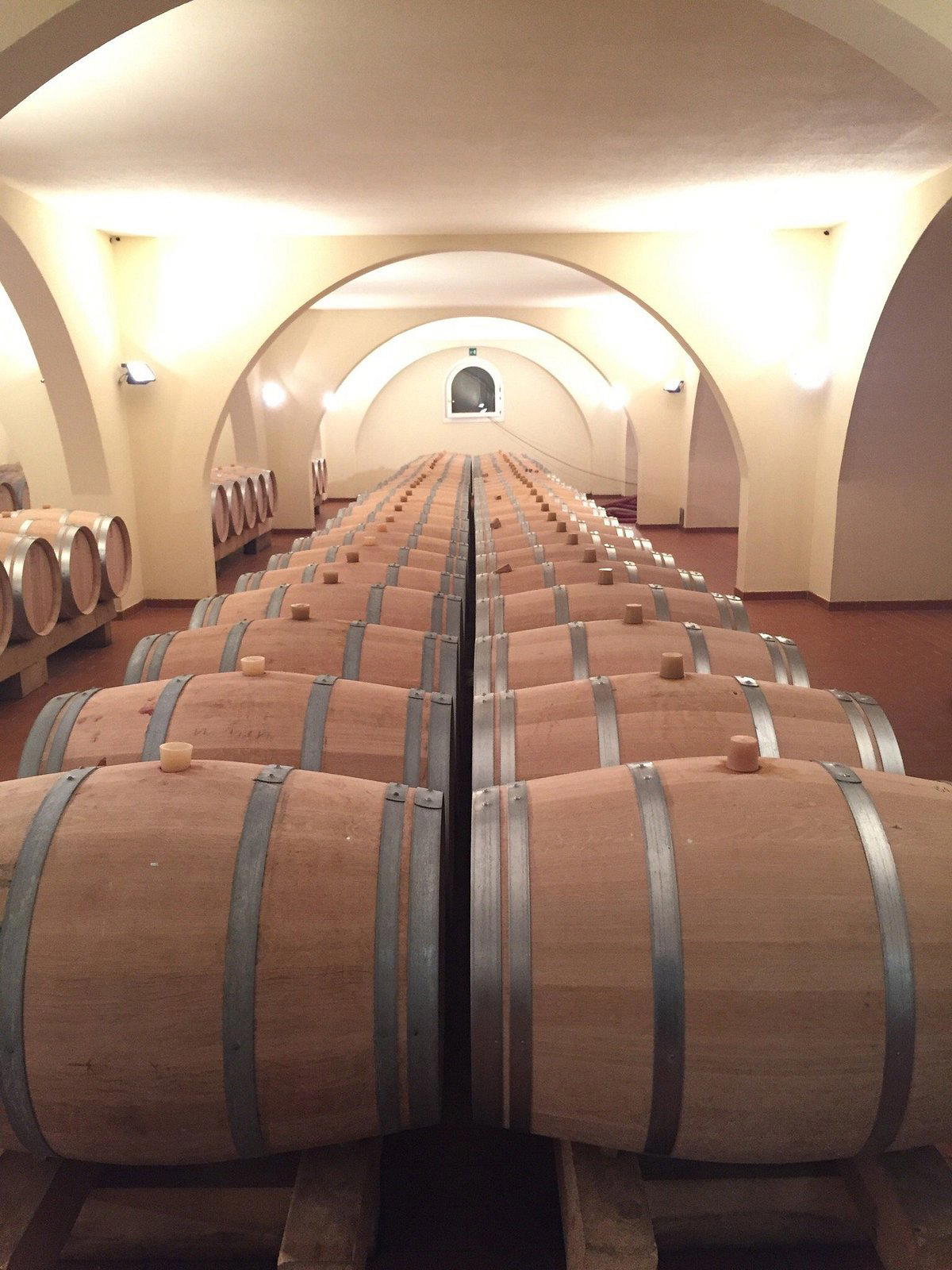
- Wine Cellar
- Extensive Wine List
Current opening hours
- Monday
- Closed
- Tuesday
- 11 AM–2:30 PM, 6–11 PM
- Wednesday
- 11 AM–2:30 PM, 6–11 PM
- Thursday
- 11 AM–2:30 PM, 6–11 PM
- Friday
- 11 AM–2:30 PM, 6–11 PM
- Saturday
- 11 AM–2:30 PM, 6–11 PM
- Sunday
- Closed
Hours can change for holidays and private events. Last verified .
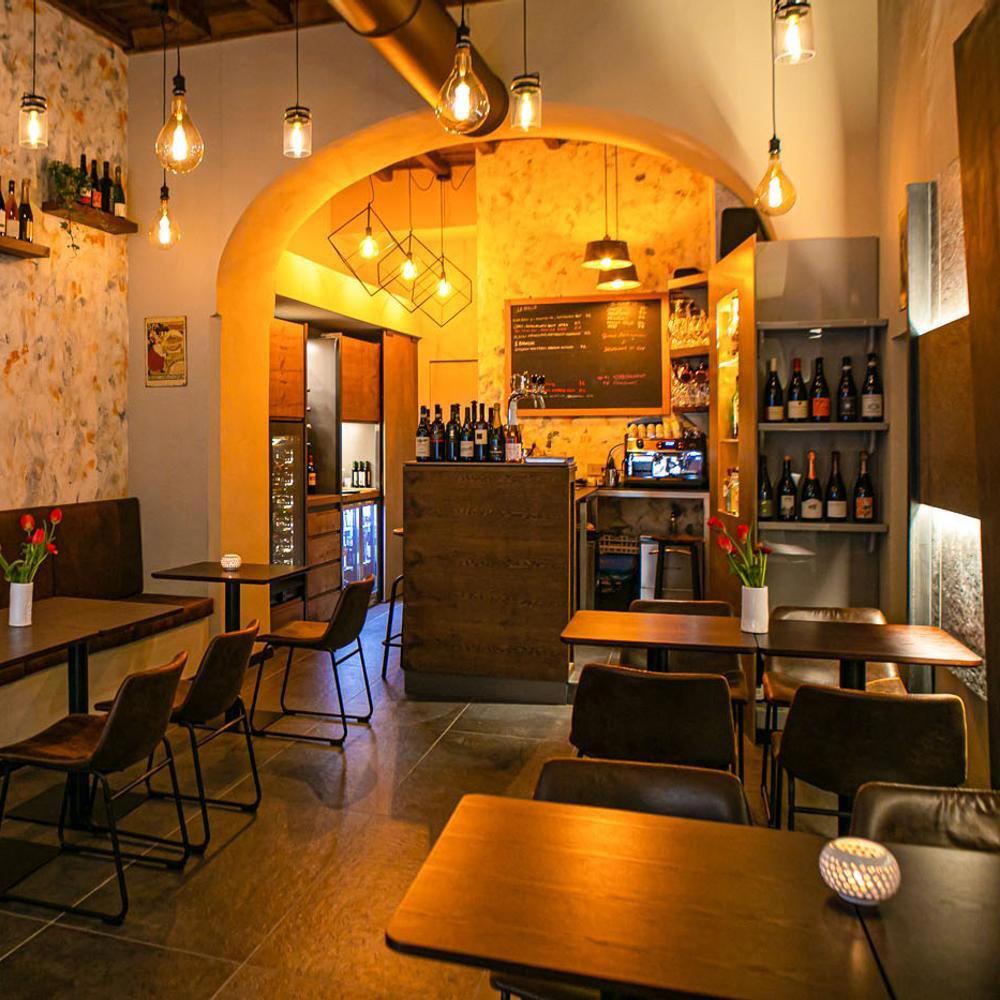
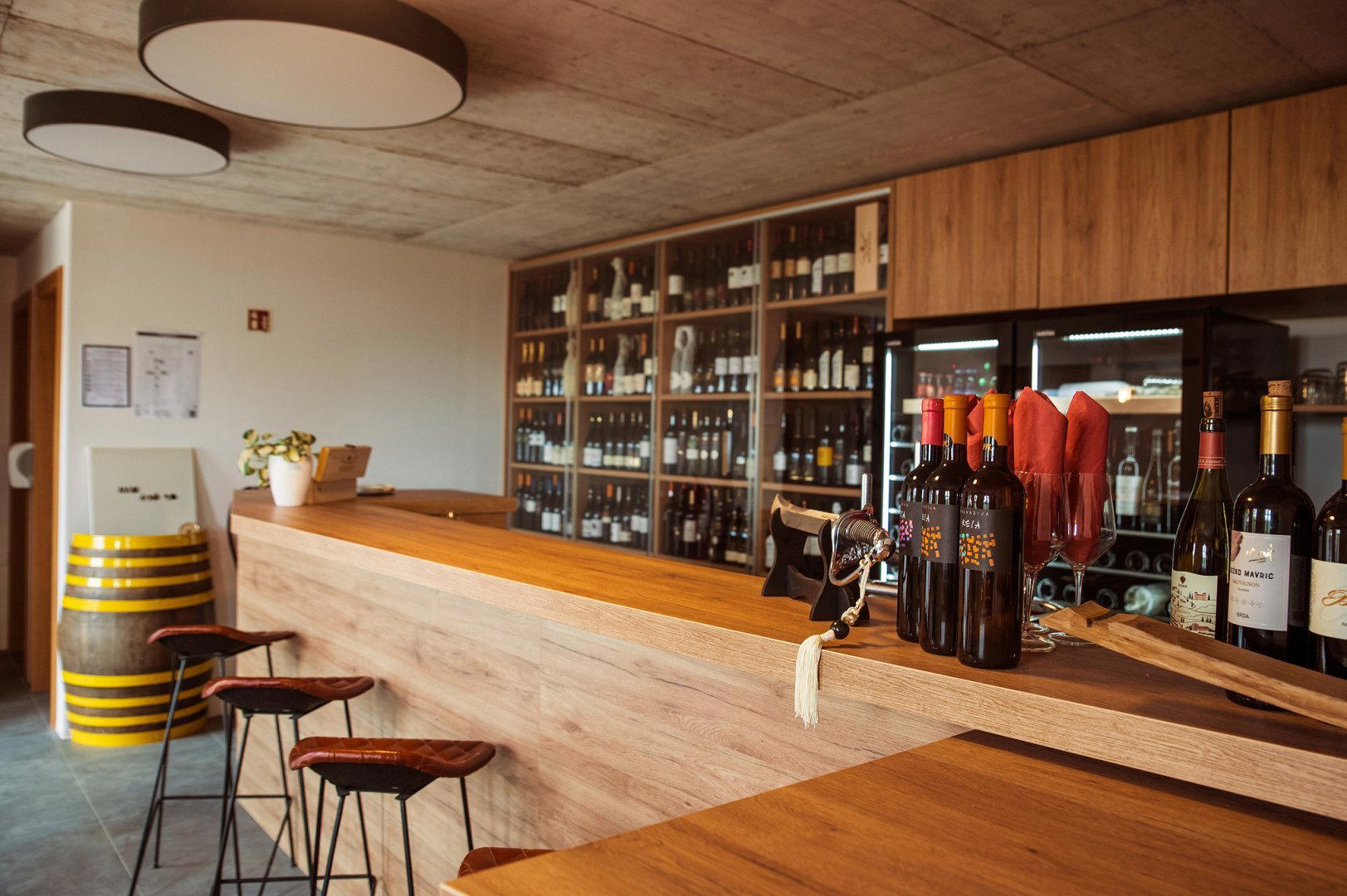
Cozy oenotheque with warm colors, soft lighting, and an intimate, welcoming atmosphere.