A Grünerløkka neighbourhood address on Thorvald Meyers gate, Hos Peder sits in one of Oslo's most active dining streets, where local ingredients and European technique share the same table. The kitchen draws on Norway's larder without retreating into nostalgia, placing it in a comparable set that values seasonality and craft over formality. A reliable choice for diners who want substance without the ceremony of Oslo's fine-dining tier.
 Discover on Pearl
Pearl is the En Primeur Club membership app — saves, bookings, and concierge access live there. Same editors, same standards.
- Address
- Thorvald Meyers gate 40B, 0555 Oslo, Norway
- Phone
- +4794457730
- Website
- hospeder.no
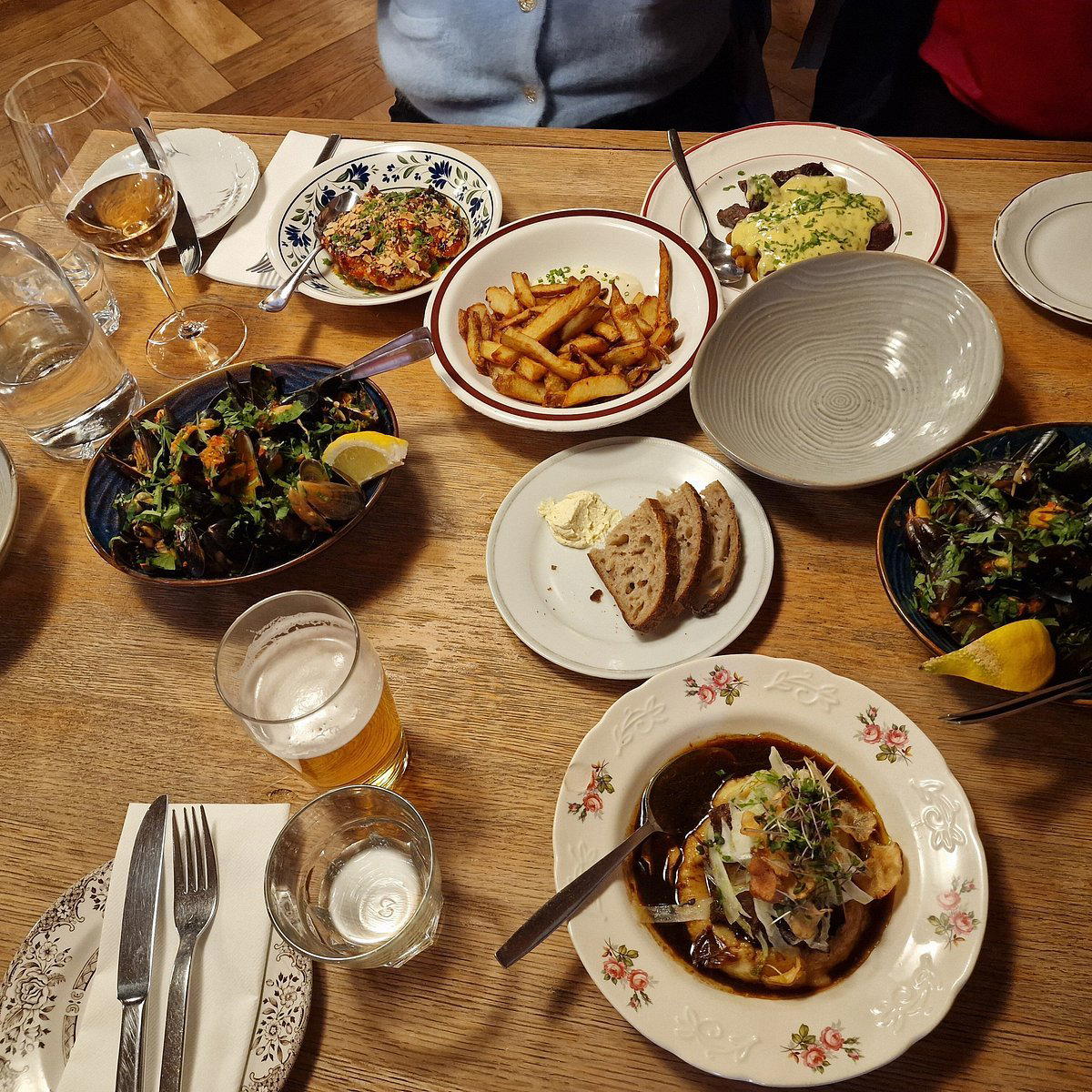
Thorvald Meyers Gate and the Grünerløkka Dining Register
Thorvald Meyers gate is one of those streets where Oslo's appetite for casual precision becomes most legible. The boulevard runs through Grünerløkka with a density of independent restaurants, bars, and coffee houses that functions as a useful cross-section of the city's mid-range dining culture: less ceremonious than the Aker Brygge waterfront, more considered than the fast-casual drift of neighbouring Torshov. Hos Peder sits at number 40B within this corridor, occupying a position in the neighbourhood that aligns it with venues that take their food seriously without requiring guests to treat dinner as an occasion requiring advance planning weeks out. The restaurant serves modern Mediterranean seafood in Oslo and is recommended for reservations, with a casual dress code.
That positioning matters. Oslo's restaurant spectrum has widened considerably over the past decade. At the apex, addresses like Maaemo and Kontrast operate in a rarefied tier where tasting menus, extended booking windows, and Michelin recognition define the conversation. Below that, a productive middle ground has opened up, where kitchens apply technique derived from the New Nordic movement to a format that remains accessible in both price and atmosphere. Hos Peder occupies this middle ground, alongside peers like Hot Shop and Bar Amour, each approaching the balance between locality and method from a slightly different angle.
Norwegian Larder, European Grammar
The editorial angle that makes Grünerløkka addresses like Hos Peder worth understanding is not Norwegian exceptionalism but rather the specific tension between what the country produces and how kitchens choose to frame it. Norway's larder is genuinely distinctive: cold-water fish, foraged coastal plants, cured and preserved meats shaped by long winters, root vegetables with a depth of flavour that shorter growing seasons tend to concentrate. The question every serious Oslo kitchen answers differently is how much of that specificity to foreground and how much to let European culinary grammar do the structural work.
The approach that has proven most durable in this neighbourhood is one where classical European technique acts as the delivery vehicle for ingredients that carry their own argument. This is not the same as fusion, which implies deliberate collision. It is closer to what happens at internationally trained kitchens when a cook who has learned to construct a sauce or handle a protein correctly turns attention to a Norwegian ingredient that has never been treated with that level of precision before. The results tend to be quieter than the dramatic reductions of fine dining but more immediate in their impact. A comparable dynamic plays out at ambitious Norwegian addresses further afield, from RE-NAA in Stavanger to FAGN in Trondheim, each working through the same fundamental tension between local specificity and acquired technique.
What the Season Brings
Oslo dining is unavoidably seasonal in a way that cities with gentler climates are not forced to be. The distance between what is available in January and what arrives in July is not a marketing talking point here; it is a logistical reality that shapes menus in meaningful ways. Winter cooking in Norwegian neighbourhood restaurants tends toward preserved, cured, and root-forward preparations. Spring shifts the focus toward the brief abundance of local greens and the return of lighter fish preparations. Summer, when Oslo's outdoor dining culture comes fully alive and the city's light extends well past midnight, represents the period of widest ingredient variety and the most direct expression of what local farming and fishing can produce.
For a Grünerløkka address like Hos Peder, that seasonal pressure is more visible than in a fine-dining context, where kitchen teams can source at sufficient scale to flatten some of the seasonal variance. Neighbourhood kitchens work with what is in front of them, and the dining calendar consequently feels more honest. Visitors planning around the shoulder seasons of May or September tend to find Norwegian kitchens at an interesting moment: the winter repertoire giving way to spring abundance, or the summer peak contracting toward the more intensive preparations of autumn.
Placing Hos Peder in Oslo's Broader Map
Oslo's restaurant geography has become more distributed over the past few years. The concentration of serious cooking in the city centre and along the waterfront has been supplemented by neighbourhood addresses in Grünerløkka, Majorstuen, and St. Hanshaugen, where lower overheads and a more local customer base allow kitchens to take risks that a waterfront location's rent structure might discourage. Thorvald Meyers gate has been part of that shift, and Hos Peder's address within it places it in a peer group defined less by category than by shared commitment to the neighbourhood format.
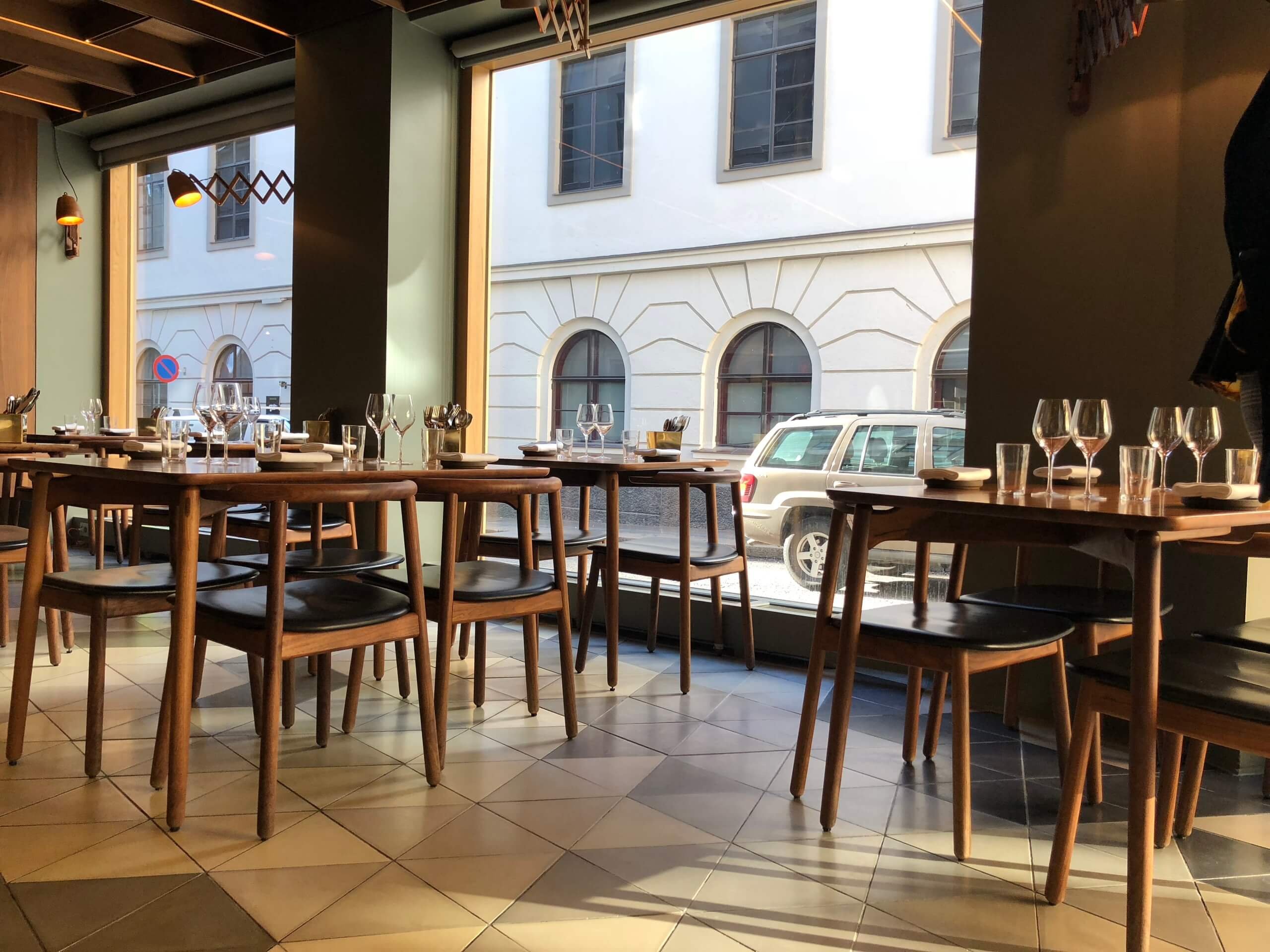
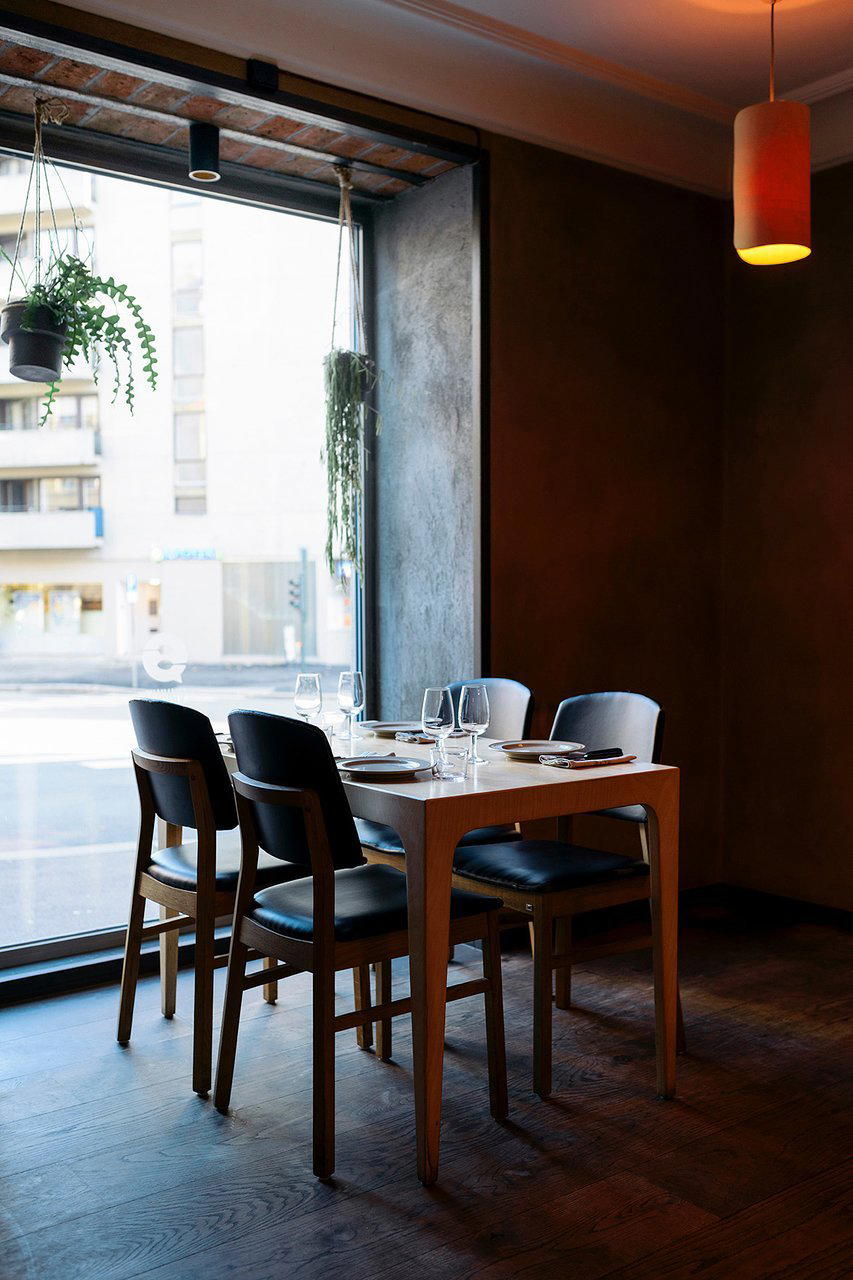
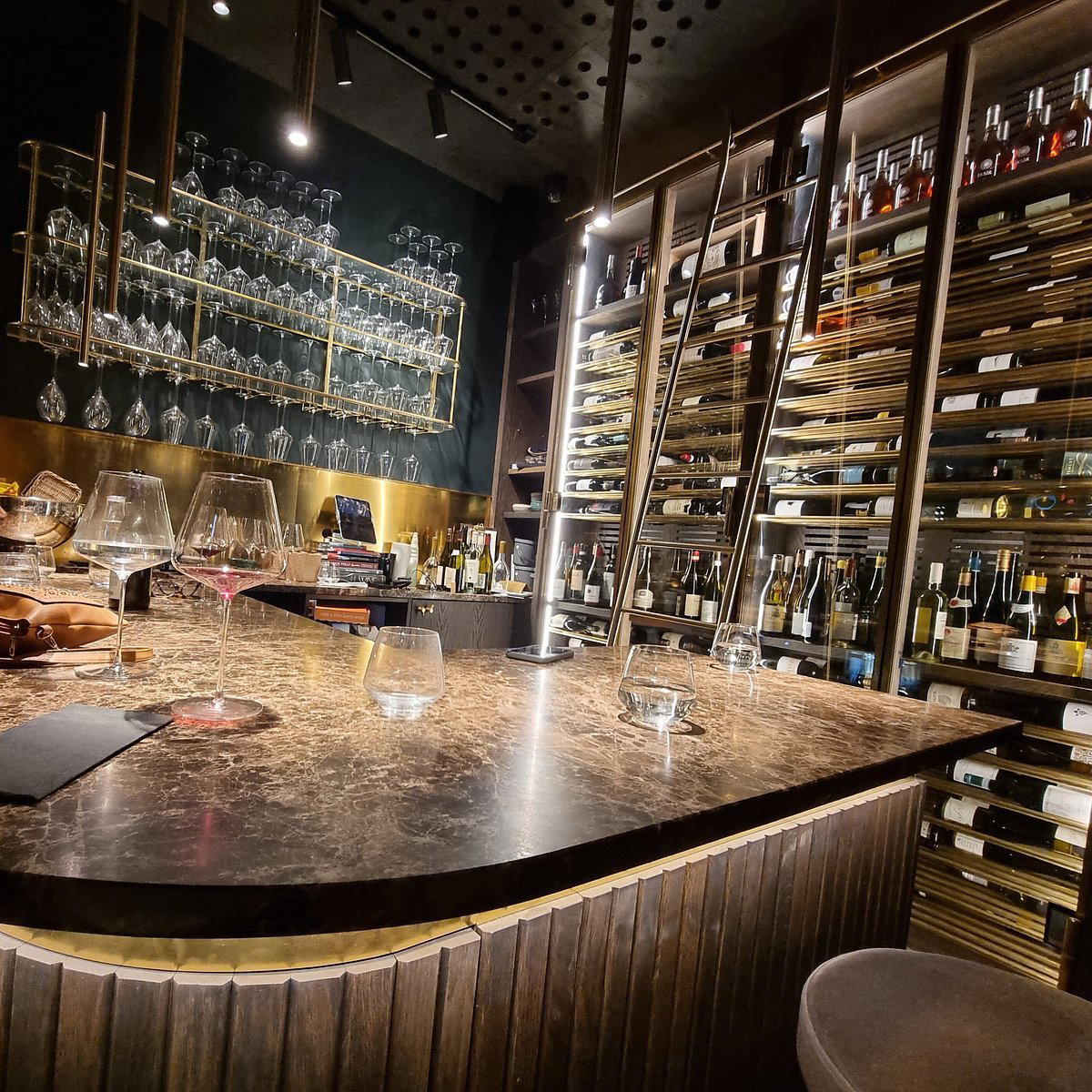
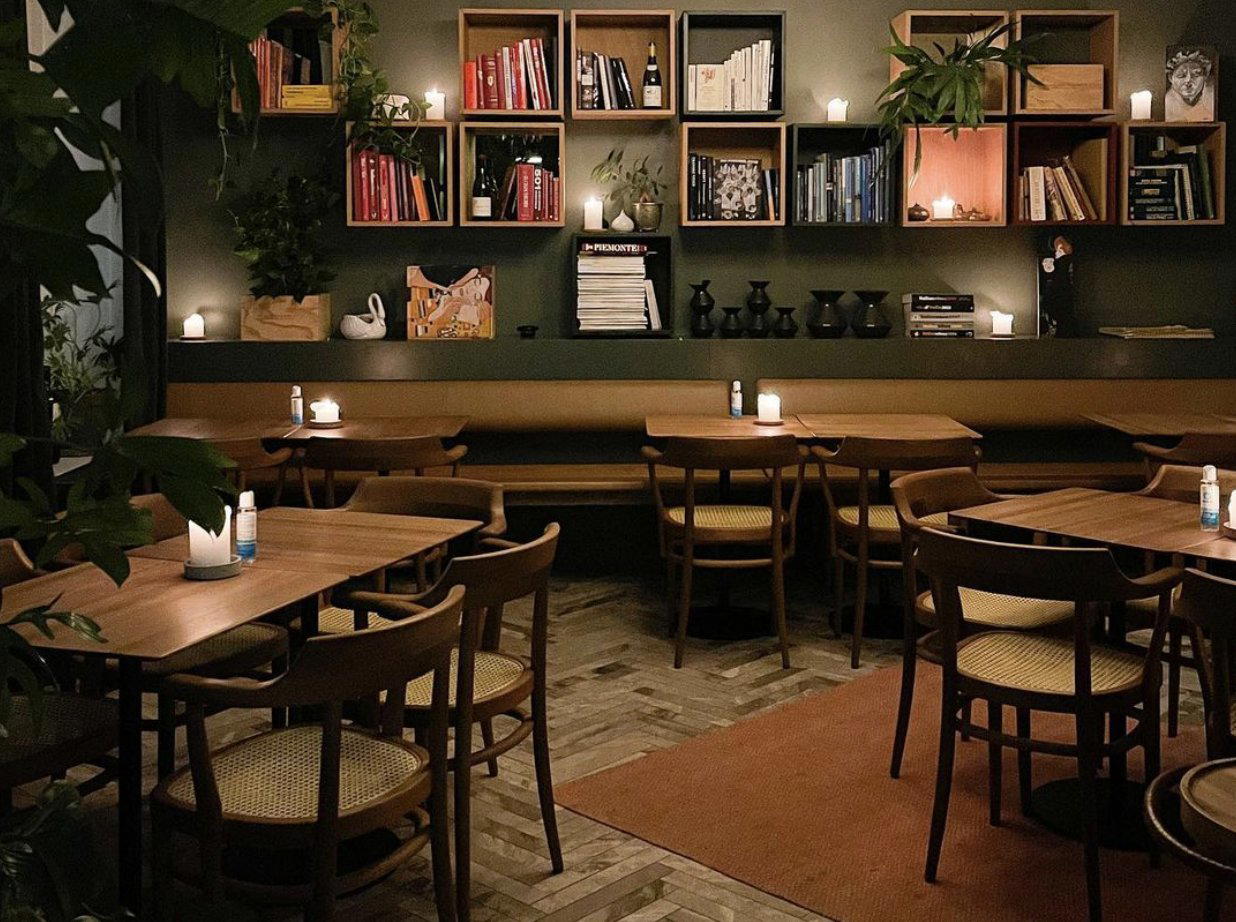
That format has a distinct character. Dining at a Grünerløkka address tends to involve a room that feels lived-in rather than designed for effect, a wine list that leans toward natural and European producers, and a service register that is knowledgeable without being formal. For comparison, the fine-dining cadence at Maaemo or the tasting-menu discipline at Kontrast requires a different kind of commitment from the guest. Mon Oncle occupies the French bistro register further along the neighbourhood spectrum. Hos Peder fits somewhere in between: purposeful without being precious.
Norway's dining culture extends well beyond Oslo, and travellers using the capital as a base often underestimate how strong the regional restaurant scene has become. Gaptrast in Bergen, Under in Lindesnes, and northern addresses like Anita's Sjomat in Lofoten and Fiskekrogen in Henningsværet each work within the same local-ingredient framework but with the specific character of their geography. Hardanger House in Jondal, Aurora Restobar in Kirkenes, Børsen Spiseri in Svolværet, and Underhuset Restaurant in Reine extend that map toward Norway's more remote reaches. For a fuller picture of what Oslo specifically offers, maps the city's dining registers by neighbourhood and price tier.
Planning a Visit
Hos Peder is located at Thorvald Meyers gate 40B in Grünerløkka, reachable by tram from the city centre in under fifteen minutes. The neighbourhood character of the address suggests that walk-in dining is more plausible here than at Oslo's tasting-menu venues, though evening sittings on weekends in peak summer season fill predictably. Arriving earlier in the evening or on a weekday gives more flexibility. Reservations are recommended.
Comparable Spots
Comparable venues nearby, for context on price, style, and recognition.
| Venue | Cuisine | Price | Notes |
|---|---|---|---|
| Hos PederThis venue — the venue you are viewing | Modern Mediterranean Seafood | $$ | |
| Kitchen & Table Fishery | Norwegian Seafood | $$ | Youngstorget |
| Dim Sum Oslo | Authentic Dim Sum | $$ | Vika |
| Bettola | Italian Aperitivo Bar | $$ | Enerhaugen |
| Vesuvio Café og Pizza | Authentic Neapolitan Pizza | $$ | Fredensborg |
| Trattoria Popolare | Rustic Italian Trattoria | $$ | Enerhaugen |
Continue exploring
More in Oslo
Restaurants in Oslo
Browse all →
Hotels in Oslo
Browse all →
Wineries in Oslo
Browse all →
At a Glance
- Cozy
- Trendy
- Intimate
- Lively
- Date Night
- Casual Hangout
- Group Dining
- Open Kitchen
- Extensive Wine List
- Natural Wine
- Local Sourcing
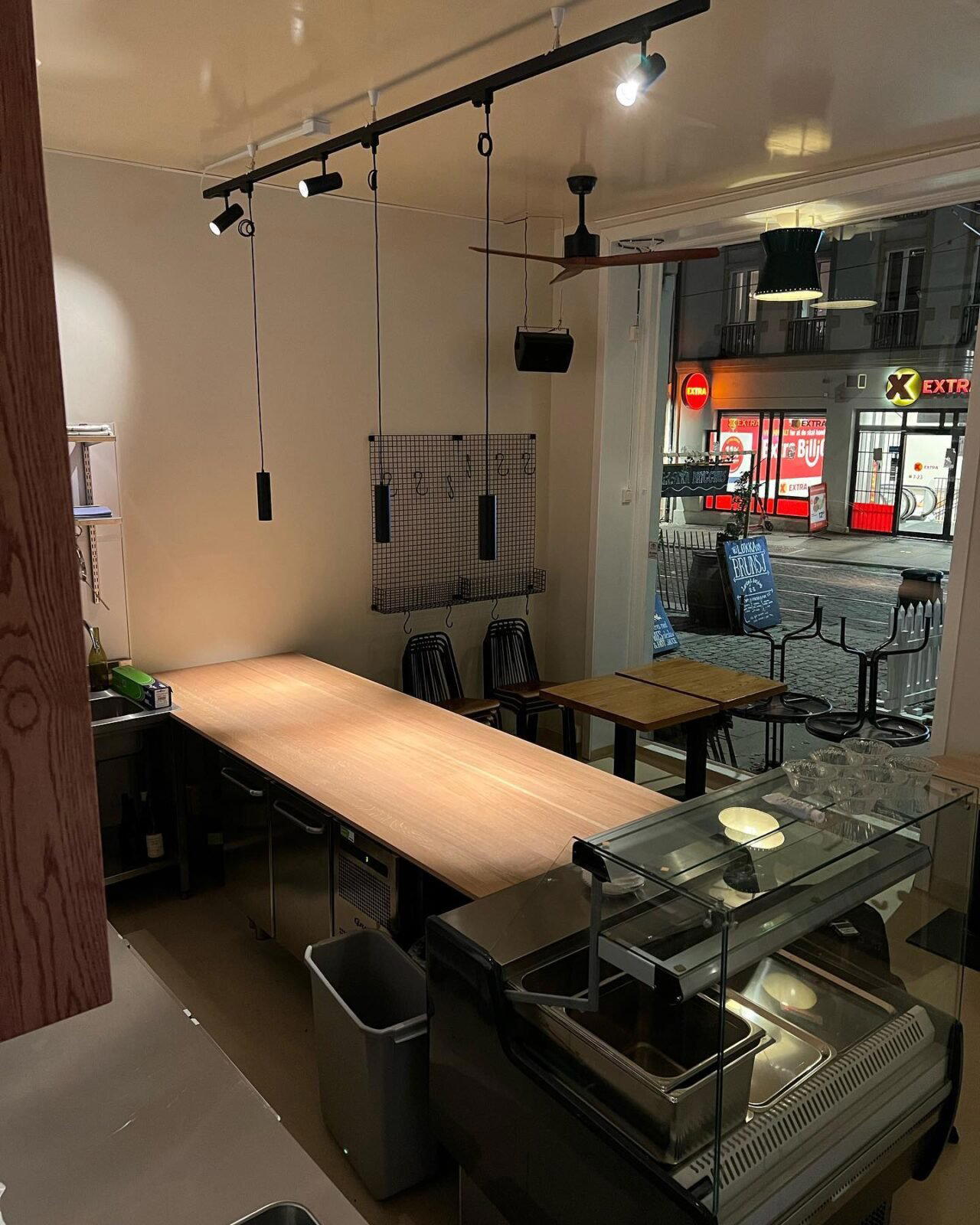
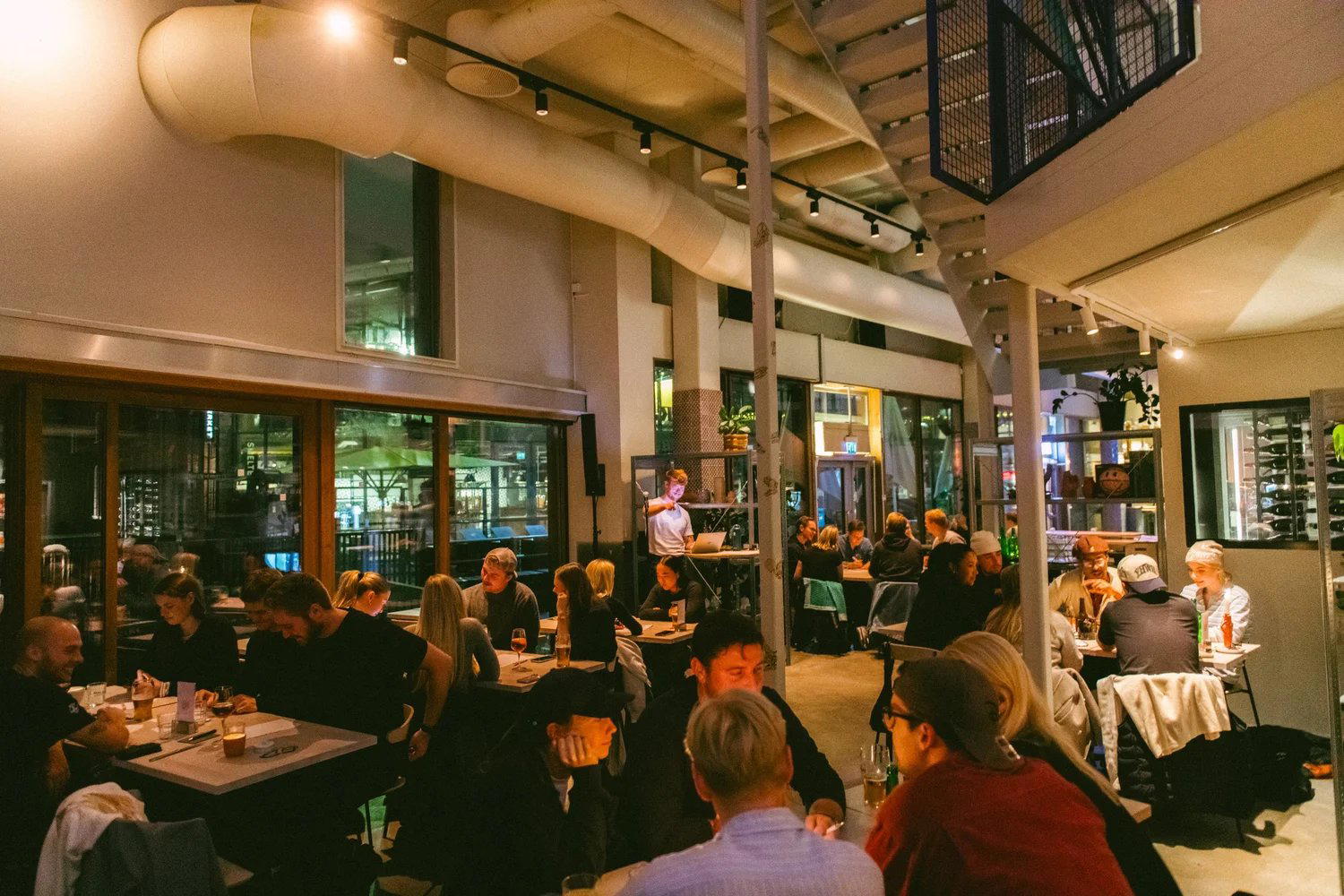
Cozy interior with wooden furniture, vinyl records, soft lighting, warm and welcoming atmosphere, though can get noisy when busy.