


Michelin Plate · SCMP 100 Top Tables Restaurants
Our verdict
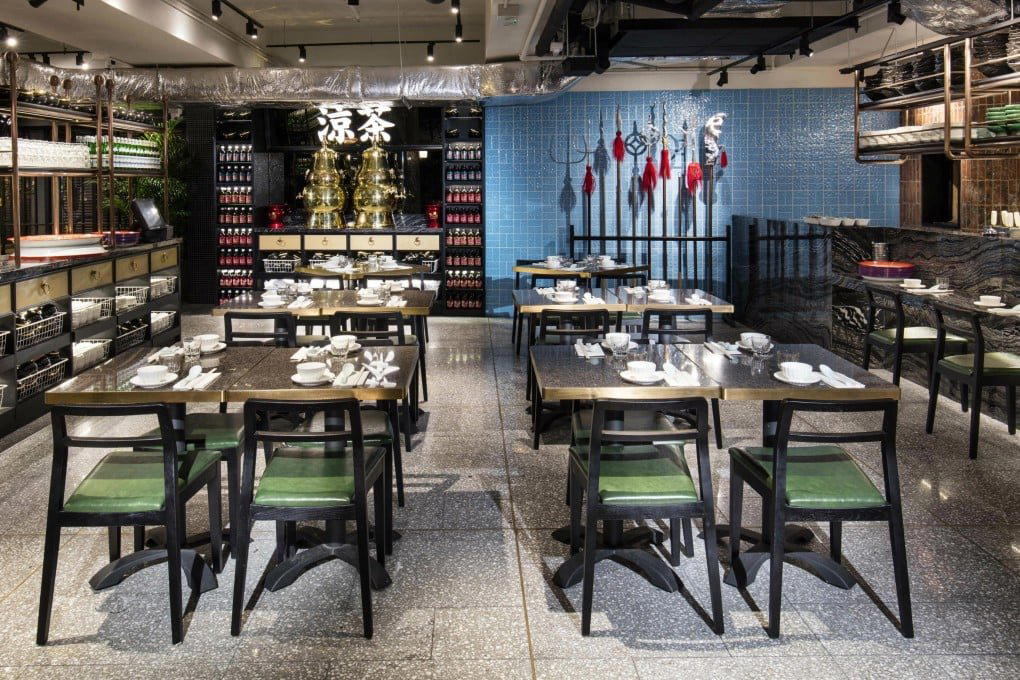
A Michelin Plate recipient in Happy Valley, Hong Kong Cuisine delivers contemporary Chinese cooking under chef Silas Li, operating outside the central fine-dining corridor but ranked #312 on Opinionated About Dining's 2025 Asia list. The first-floor address on Tsoi Tak Street draws a local-leaning crowd for whom the meal follows a slower, more deliberate rhythm than the city's high-volume dining rooms.

Pearl is the En Primeur Club membership app, where members save venues, book tables and use the concierge.
The menu
What to order
- Roasted Peking Duck
- Cheesy Lobster Thermidor
- Crystal King Prawn
A Neighbourhood Room With a Deliberate Pace
Happy Valley sits at a remove from the dense fine-dining concentration of Central and Wan Chai. The neighbourhood is residential and horse-racing adjacent, which gives its restaurants a different register: fewer expense-account tables, more regulars who arrive knowing exactly what they want and how they want the evening to proceed. Hong Kong Cuisine occupies the first floor of Elegance Court on Tsoi Tak Street, a setting that signals nothing spectacular from the street but positions the meal itself as the point of the visit. In a city where many restaurants spend heavily on dramatic entry sequences and rooftop views, that choice is its own editorial statement.
Contemporary Chinese dining in Hong Kong operates across a wide field. At the summit sit rooms like Forum, which carries decades of Cantonese institutional weight, and European-rooted houses such as Amber and Caprice, both Michelin three-star operations working within the luxury hotel model. Ta Vie and 8½ Otto e Mezzo Bombana occupy the $$$$-tier with Michelin recognition to match. Hong Kong Cuisine sits at the $$$ tier with a Michelin Plate awarded in both 2024 and 2025 and a 2025 ranking of #312 on Opinionated About Dining's Asia list, placing it in a mid-premium tier that prioritises craft over ceremony and neighbourhood loyalty over destination traffic.
The Logic of the Contemporary Chinese Dining Ritual
Contemporary Chinese cooking in a room like this one follows a different script from the tasting-menu format that dominates European fine dining. The meal is rarely linear in the way a set progression of courses implies. Dishes arrive according to kitchen logic and table readiness, with sharing understood as the default rather than the exception. This structure demands a certain kind of attentiveness from the diner: you read the table, watch what arrives, and eat with the rhythm of the room rather than against it.
In Hong Kong specifically, that ritual carries additional layers. The city's Cantonese dining culture values restraint in seasoning and precision in technique, a well-executed steamed fish or a properly rendered roast is considered a higher demonstration of skill than elaborate garnish or architectural plating. Contemporary Chinese kitchens working in this city have to locate themselves on a spectrum between classical fidelity and modernist license, and the choices they make in that positioning define their identity more clearly than any single dish. Chef Silas Li's kitchen operates within this framework, using contemporary methods and presentation without severing the connection to the Cantonese sensibility that underpins the city's dining culture.
Across the broader Chinese contemporary category in Asia, similar negotiations are visible in different registers. Da Dong (Xuhui) and Gastro Esthetics at DaDong in Shanghai pursue a more theatrical version of this translation, while Wild Yeast in Hangzhou takes a fermentation-led approach rooted in terroir. The category has also spread globally: Bao Li in Madrid and Demon Duck by Alvin Leung in Dubai represent the export version of Hong Kong's Chinese contemporary confidence. Against that map, Hong Kong Cuisine reads as a locally anchored entry point into the genre: no export ambition, no concept designed for international legibility, just a neighbourhood room doing the work with enough consistency to hold consecutive Michelin Plate recognition and a slot on OAD's Asia ranking.
Reading the Room: Pacing and Etiquette
The Michelin Plate designation, awarded consecutively in 2024 and 2025, signals a kitchen that meets Michelin's quality threshold without yet carrying the starred expectation of a set-menu sequence or a sommelier-led beverage program. This matters for how you approach the meal. Arrive with appetite and flexibility rather than a pre-plotted tasting arc.
In terms of etiquette, contemporary Chinese dining rooms at this tier generally operate with a lighter touch on formality than their starred Western-format counterparts. Dress is typically smart casual; conversation at the table is expected to be audible; the pace of the meal is shaped partly by the diner's engagement with the table and partly by the kitchen's output. Lingering is acceptable, rushing is not required, and the expectation is that you know what the experience is before you arrive. Happy Valley regulars do.
Placing It in the City's Dining Map
For visitors building a Hong Kong dining itinerary, the decision about where Hong Kong Cuisine fits depends on what the rest of the schedule looks like. The $$$ price point and Michelin Plate status make it a credible mid-week dinner rather than a special-occasion anchor, which is precisely its function in the neighbourhood. If your itinerary already includes a starred room in Central or Wan Chai, this is where you might spend a quieter evening with the city's residential side rather than its spectacle-facing one.
For readers building a broader picture of the city, see our full Hong Kong restaurants guide, our full Hong Kong hotels guide, our full Hong Kong bars guide, our full Hong Kong wineries guide, and our full Hong Kong experiences guide. For additional Chinese contemporary context beyond Hong Kong, Gastro Esthetics DaDong in Beijing, Cheng Yuan in Yangzhou, and 24 Suns in Oceanside each represent a distinct regional take on the same broad category.
Know Before You Go
- Address: 1/F, Elegance Court, 2-4 Tsoi Tak St, Happy Valley, Hong Kong
- Cuisine: Chinese Contemporary
- Chef: Silas Li
- Price Range: $$$
- Awards: Michelin Plate (2024, 2025); Opinionated About Dining Asia Ranked #312 (2025)
- Booking: Contact the restaurant directly; Happy Valley location sees regular neighbourhood repeat business, so advance booking is advisable for weekend evenings
- Getting There: Happy Valley Tram terminus is the closest landmark; the street is walkable from Causeway Bay MTR in approximately 15 minutes
What Do Regulars Order at Hong Kong Cuisine?
In the Chinese contemporary format, regulars at this tier typically anchor their orders around the kitchen's handling of protein, whether roasted, steamed, or braised, and use the supporting dishes to read the kitchen's seasonal awareness. The most productive approach for a first visit is to ask the staff which preparations are running well at the time of your reservation and build from there. In a neighbourhood room at this price point, that question is always welcome and usually answered with specificity.
Frequently asked questions
What awards or recognition does Hong Kong Cuisine have?
Hong Kong Cuisine has received recognition including: Opinionated About Dining Top Restaurants in Asia Ranked #312 (2025); Michelin Plate (2025); Michelin Plate (2024).
What do regulars order at Hong Kong Cuisine?
The kitchen operates under chef Silas Li with a contemporary Chinese focus, earning consecutive Michelin Plates in 2024 and 2025 and an OAD Asia ranking of #312 in 2025. Those credentials point to a menu grounded in technical consistency rather than novelty for its own sake. Specific dish recommendations can change without a published menu, but the contemporary Chinese format typically centres on sharing-style plates that reward the table ordering broadly across the menu rather than treating it as a linear tasting progression. Check the venue's official channels for the latest details.
Is Hong Kong Cuisine expensive?
Pricing at Hong Kong Cuisine is listed as $$$.
What part of town is Hong Kong Cuisine in?
Hong Kong Cuisine is located at 1/F, Elegance Court, 2-4 Tsoi Tak St, Happy Valley, Hong Kong, Hong Kong.
Budget Reality Check
| Venue | Cuisine | Price | Awards | Notes |
|---|---|---|---|---|
| Hong Kong CuisineThis venue (the venue you are viewing) | Cantonese | Not listed | Michelin Plate · SCMP 100 Top Tables Restaurants | Not listed |
| 8 1/2 Otto e Mezzo Bombana (Hong Kong) | 3 Michelin-Star Italian Fine Dining | $200–300 | 3 Michelin Stars · World's 50 Best #94 | Italian |
| Ta Vie | Modern French-Japanese Fine Dining | $300–500 | 3 Michelin Stars · World's 50 Best #68 | Japanese - French, Innovative |
| Caprice | Contemporary French Fine Dining | $200–300 | 3 Michelin Stars · World's 50 Best #35 | French, French Contemporary |
| Feuille | Modern Vegetable-Forward French | $200–300 | 1 Michelin Star · World's 50 Best #93 | French Contemporary |
| Neighborhood | Modern French with Asian Influences | $50–100 | 1 Michelin Star · World's 50 Best #24 | International, European Contemporary |
Recognition history
Dated appearances from independent guides and award organizations, with the underlying list record or original source where available.
Michelin Plate
Michelin
Opinionated About Dining Top Restaurants in Asia Recommended
Opinionated About Dining
SCMP 100 Top Tables Restaurants
SCMP 100 Top Tables
Full recognition history (6 entries)
Michelin Plate
Michelin
Opinionated About Dining Top Restaurants in Asia Ranked #312
Opinionated About Dining
Michelin Plate
Michelin
Continue exploring
More in Hong Kong
Restaurants in Hong Kong
All restaurants in Hong Kong →
Bars in Hong Kong
All bars in Hong Kong →
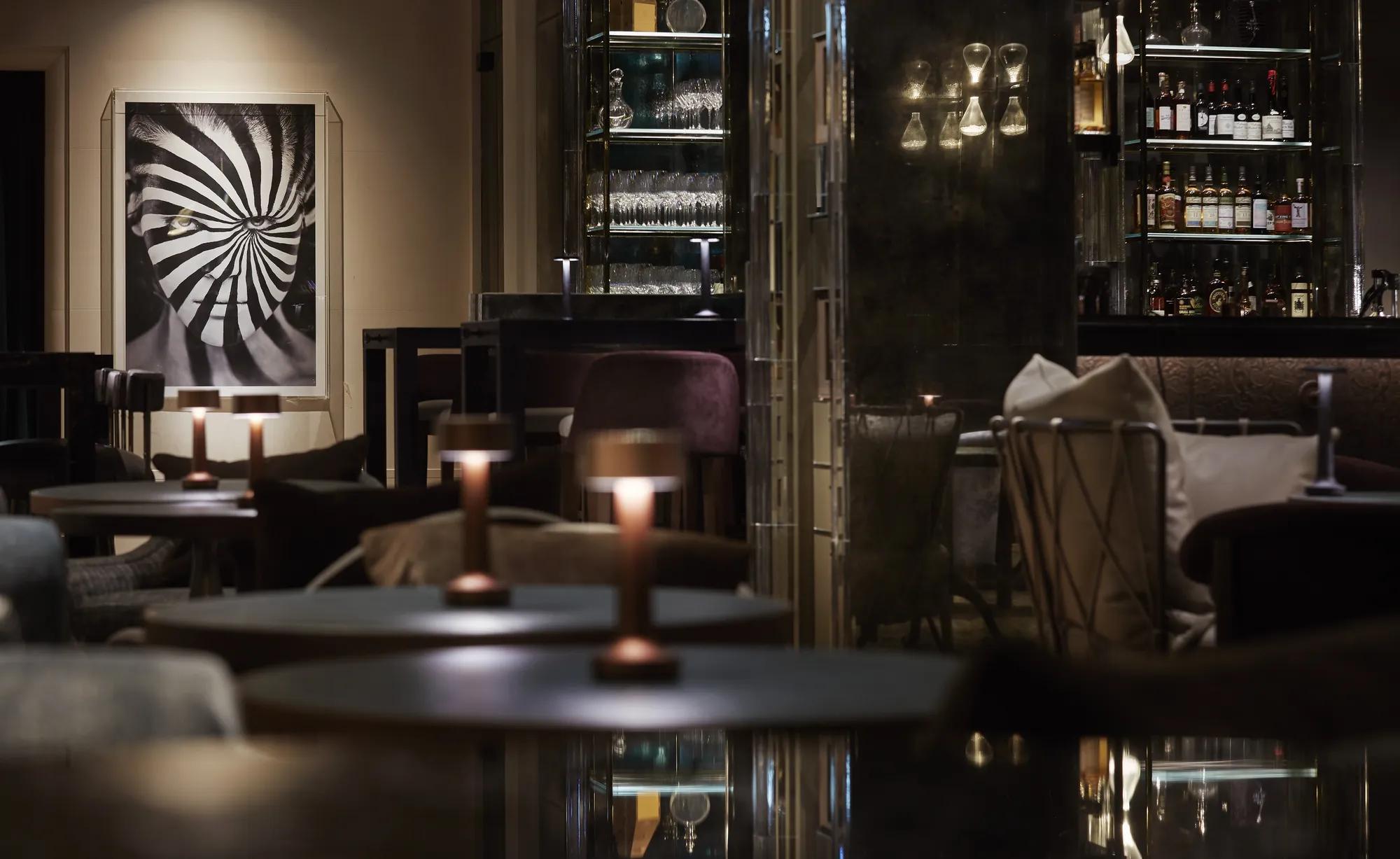
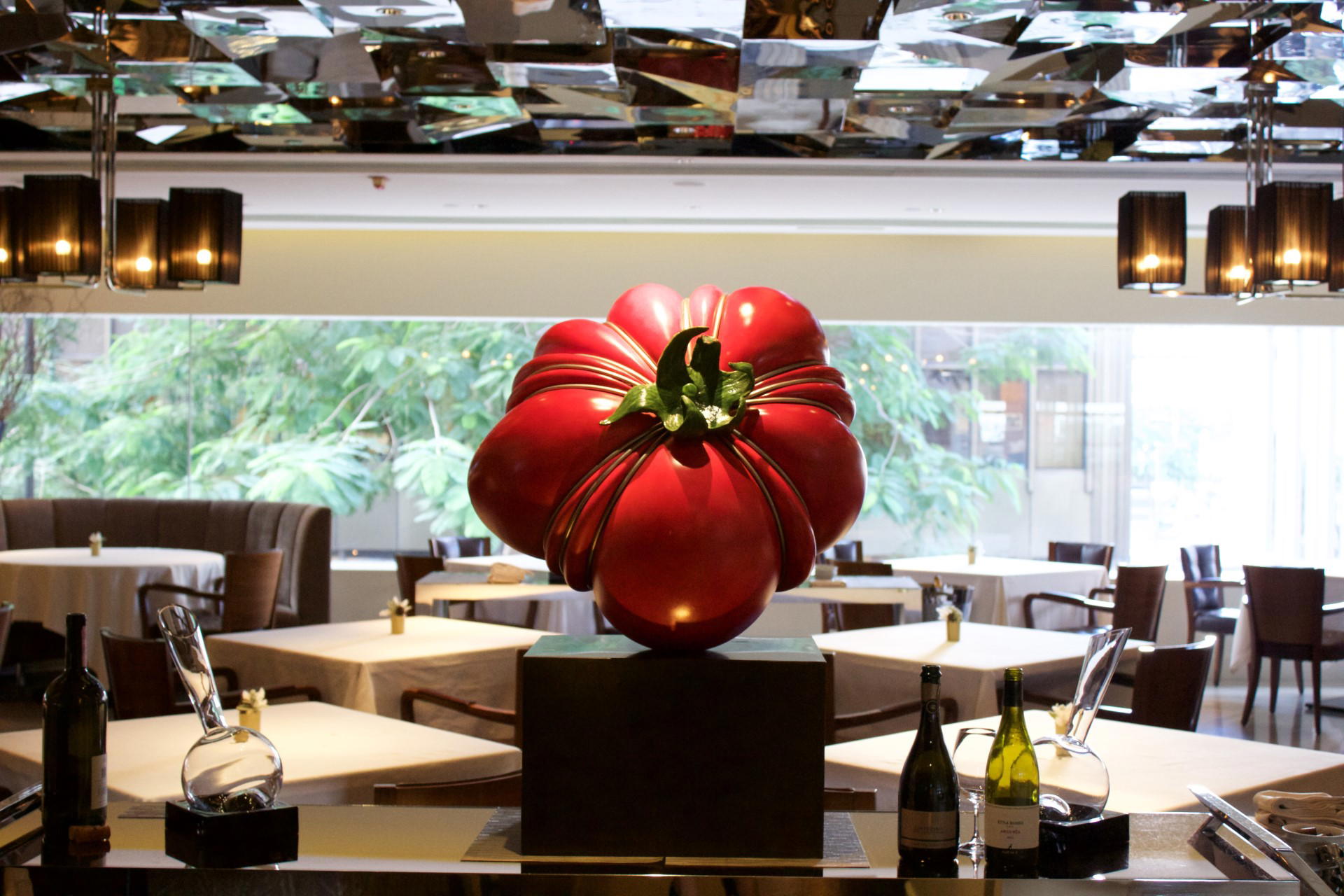
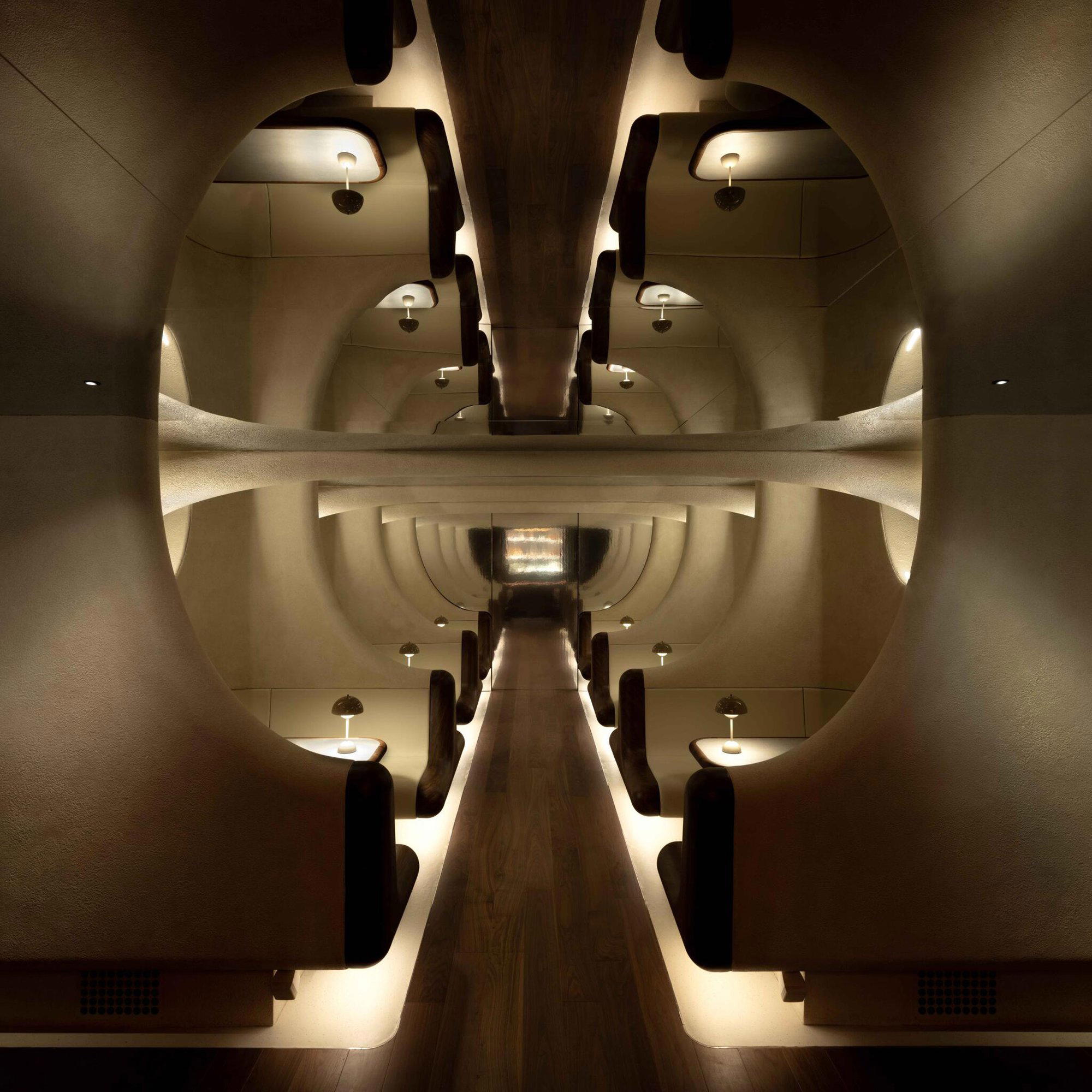
Hotels in Hong Kong
All hotels in Hong Kong →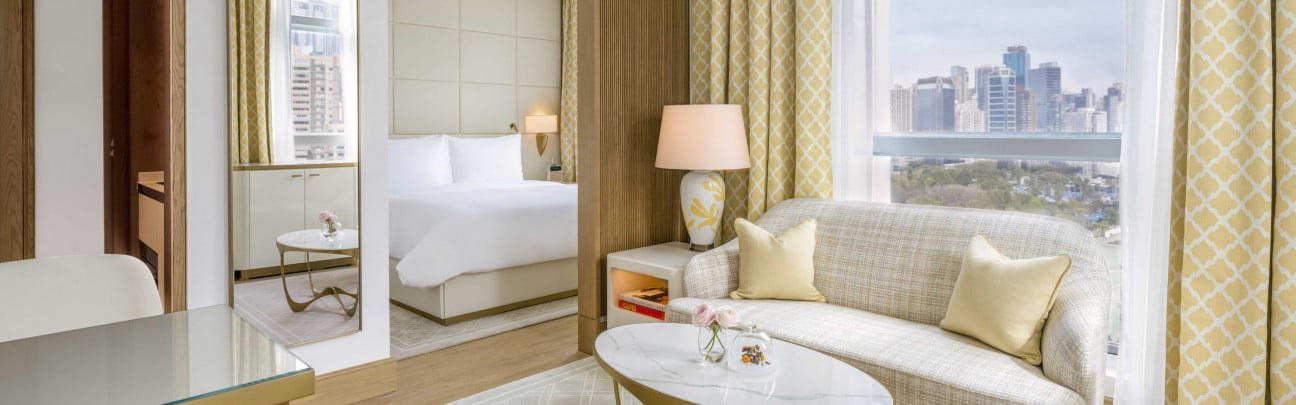
Wineries in Hong Kong
All wineries in Hong Kong →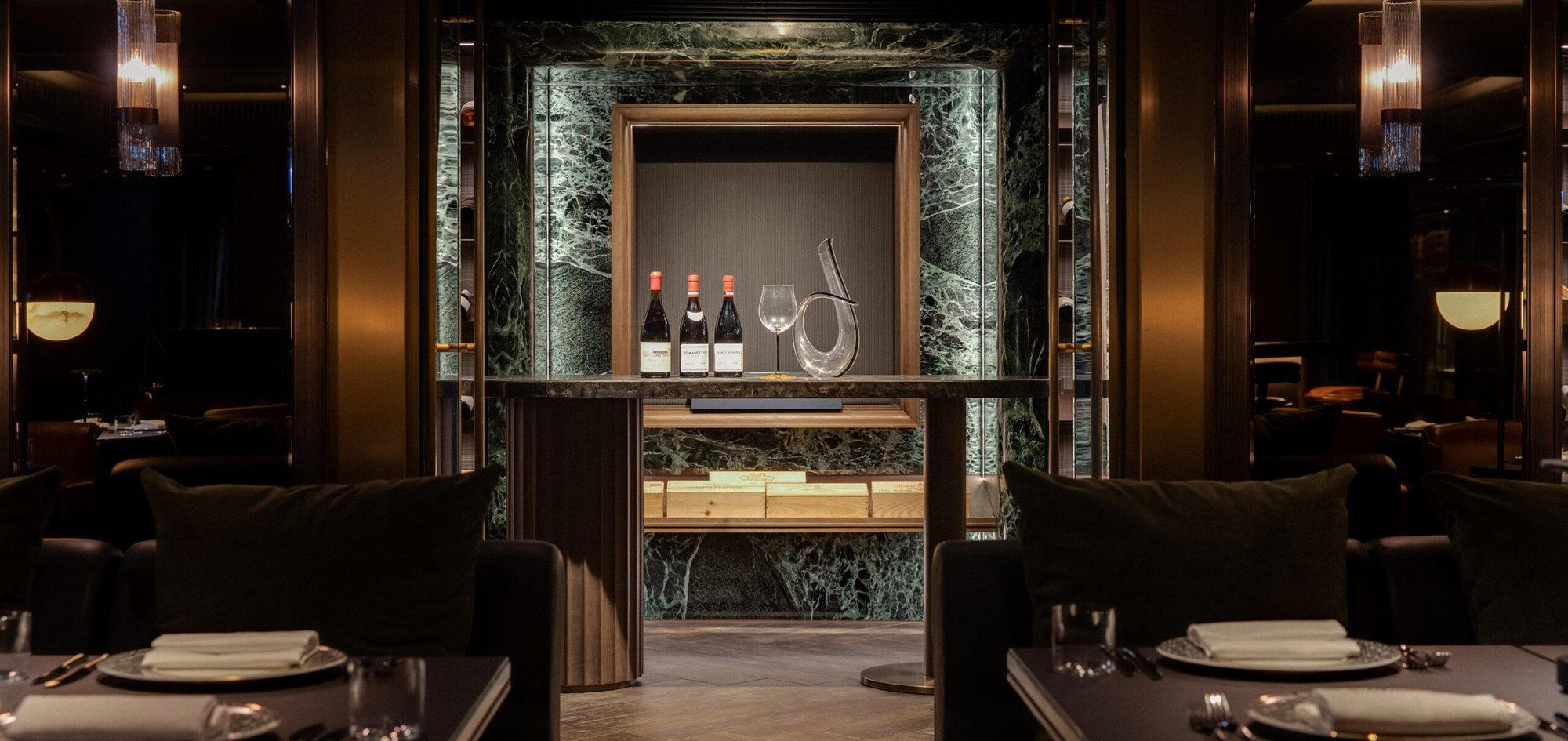
Details
- Elegant
- Sophisticated
- Business Dinner
- Group Dining
- Private Dining
- Skyline
- A La Carte
Current opening hours
- Monday
- 12–3 PM, 6–10:30 PM
- Tuesday
- 12–3 PM, 6–10:30 PM
- Wednesday
- 12–3 PM, 6–10:30 PM
- Thursday
- 12–3 PM, 6–10:30 PM
- Friday
- 12–3 PM, 6–10:30 PM
- Saturday
- 11 AM–3 PM, 6–10:30 PM
- Sunday
- 11 AM–3 PM, 6–10:30 PM
Hours can change for holidays and private events. Hours as of .
Spacious with great city and harbor views, comfortable seating, and a professional atmosphere suitable for business lunches.