
Bao Li brings imperial Cantonese cooking to Madrid's Centro district, operating at a price tier that places it firmly in the city's serious dining bracket. Chef Felipe Bao frames the menu around the philosophical and technical traditions of Chinese court cuisine, earning a Michelin Plate in 2025. The room is pitched toward intimate dining, making it a considered choice for two people with time to eat properly.
Pearl is the En Primeur Club membership app — saves, bookings, and concierge access live there. Same editors, same standards.
- Address
- C. de Jovellanos, 5, Centro, 28014 Madrid, Spain
- Phone
- +34 917 82 29 05
- Website
- baolirestaurante.com
- Directions
- Get directions
 Saves & bookings on Pearl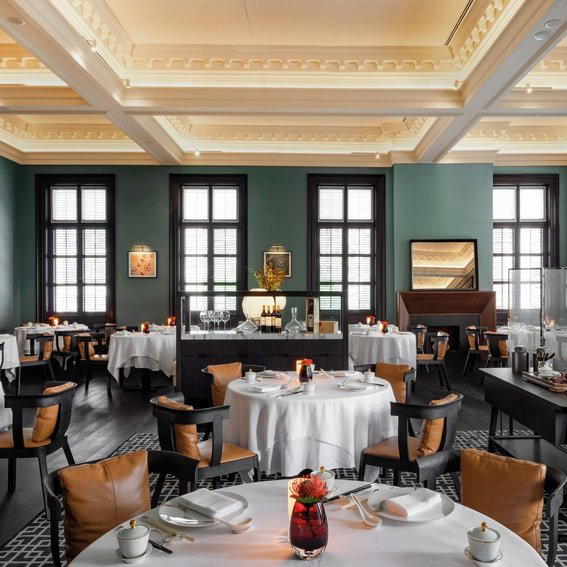
A Different Register for Chinese Dining in Madrid
Madrid's fine-dining scene has long concentrated its energy on Spanish creative cooking, with addresses like DiverXO, Coque, and Deessa anchoring a tier of internationally recognised restaurants. Against that backdrop, serious Chinese cooking has occupied a thinner slice of the premium market, often underrepresented relative to its technical ambition. Bao Li, on Calle de Jovellanos in the Centro district, occupies that gap at the €€€ price point, a bracket that signals intent without reaching the four-symbol tier commanded by the city's multi-Michelin addresses.
The address itself frames the experience before you arrive. Calle de Jovellanos runs through a part of Centro that sits close to the Teatro de la Zarzuela and a short walk from the Paseo del Prado corridor, a neighbourhood with enough cultural density to attract diners who treat the evening as a considered outing rather than a convenience stop. For broader orientation across the capital's dining options, our full Madrid restaurants guide maps the city's premium tier by cuisine and neighbourhood.
The Physical Room as a Statement of Intent
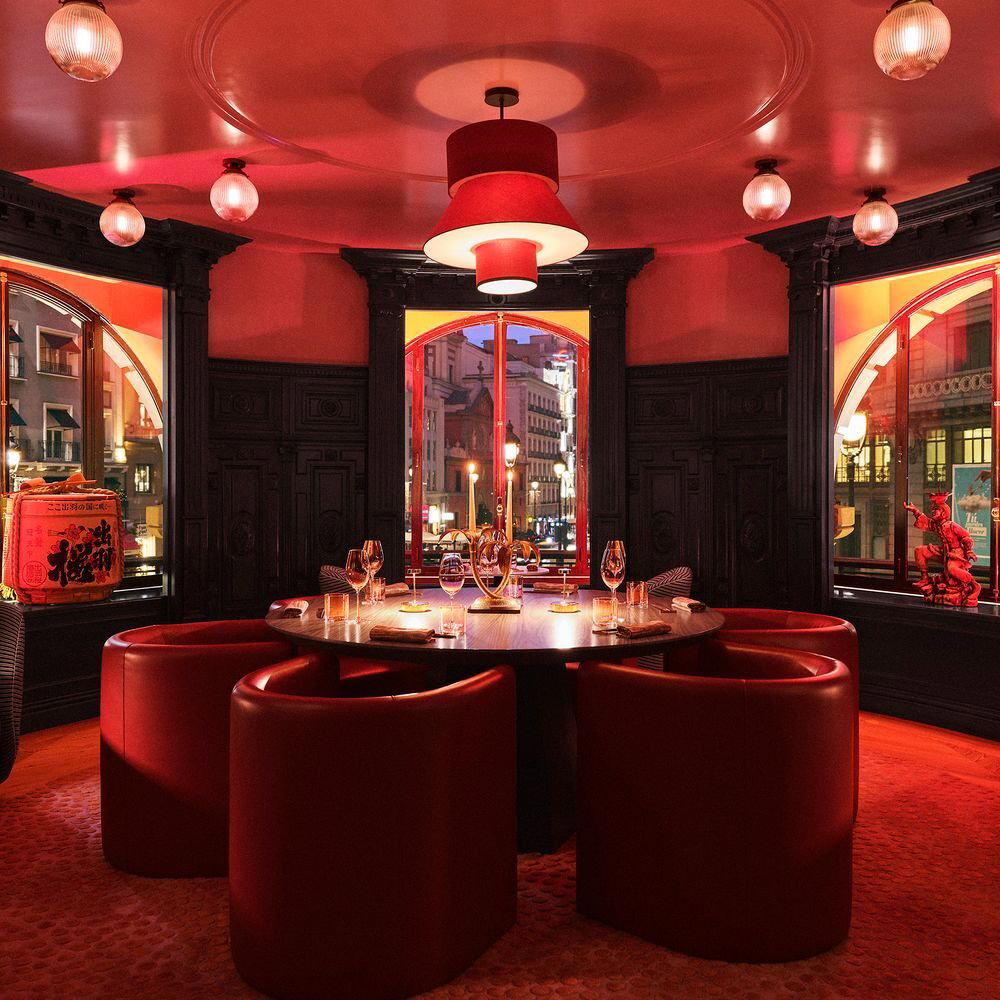
In Madrid's competitive dining environment, the interior of a room communicates pricing logic and target audience before the menu arrives. Bao Li's design operates within an aesthetic informed by imperial Chinese visual culture, working with the kind of considered formality that distinguishes a dining room built around ceremony from one built around throughput. This matters in a city where the dominant aesthetic in high-end Spanish restaurants, places like DSTAgE or Paco Roncero, tends toward industrial-cool or architect-led modernism.
The orientation here runs the other direction: toward warmth, formality, and the visual language of refinement rather than rawness. That spatial choice sets an expectation that carries through to the service register and the pacing of the meal. Seating arrangements at Bao Li are configured for pairs rather than large groups, reinforcing the intimate scale of the experience and distinguishing it from the banquet-hall model that still defines many Chinese restaurants operating at lower price points in European cities. The room is working as an argument for how this cuisine should be received: with attention, not noise.
Cantonese Foundations, Imperial Framework
Chinese contemporary cooking in European cities has taken several different trajectories over the past decade. Some operations have moved toward fusion, blurring the source cuisine into the local idiom. Others have doubled down on regional specificity, using Sichuan, Shanghainese, or Cantonese frameworks as the organising principle. Bao Li sits in the latter current, with chef Felipe Bao anchoring the kitchen's output in Cantonese technique while drawing on the philosophy and plating sensibility associated with imperial Chinese court cooking.
That lineage matters as a culinary reference point. Imperial Chinese cuisine, as a tradition, was characterised by precision in technique, restraint in seasoning, and a formal hierarchy in the sequencing of dishes that has more in common with a European tasting menu than with the shared-plates informality of most casual Chinese dining. Applying that framework to a contemporary menu in Madrid requires translation work, not dilution, and the Michelin Plate recognition the restaurant earned in 2025 suggests that the adjudicators found the execution sufficiently disciplined to merit citation. A Michelin Plate is not a star, but in a city where Chinese cooking has rarely penetrated the guide's formal recognition tier, it registers as a meaningful signal.
For reference, the approach has parallels with what addresses like Da Dong in Shanghai or Gastro Esthetics at DaDong have pursued in China itself: Chinese cooking framed through a fine-dining lens, with presentation and service discipline calibrated to an audience comfortable with that register.
Where Bao Li Sits in the Broader Spain Picture
Spain's serious restaurant culture is heavily concentrated in three or four geographic clusters. The Basque Country holds Arzak and Martin Berasategui; Catalonia has El Celler de Can Roca and Cocina Hermanos Torres; Andalusia contributes Aponiente; and the Basque country also claims Azurmendi. Madrid's premium tier is strong but built almost entirely around Spanish and European creative cooking. Bao Li's presence in the Michelin guide, even at the Plate tier, positions it as the kind of address that opens a different conversation about what Madrid's dining scene can accommodate at the serious level.
At €€€, it prices below the leading Michelin-starred addresses in the city but above the casual Chinese dining market, occupying a middle bracket where the competition is thin and the expectations are specific.
Planning the Visit
Bao Li is at Calle de Jovellanos 5 in the Centro district, a location accessible from multiple Metro lines and within walking distance of several of the city's major hotels. The room's configuration toward paired dining makes it a logical choice for dinner for two, where the intimacy of the space and the formality of the service structure have room to work properly. For context on where to stay nearby, our Madrid hotels guide covers the Centro and adjacent neighbourhoods in detail. If you are building a full evening around the area, the Madrid bars guide covers pre- and post-dinner options, and the Madrid experiences guide and wineries guide are useful for extending a longer stay.
What Regulars Order
The kitchen's declared focus on imperial Cantonese cooking built around Cantonese technique points toward dishes where precision and restraint are the operative values rather than heat or intensity. In Cantonese fine-dining contexts, this typically means seafood preparations where freshness and minimal intervention are the primary signals, alongside meat dishes where slow technique and seasoning balance carry the argument. Regulars drawn back by the 2025 Michelin Plate recognition are likely ordering across the menu's full range rather than targeting a single signature, since the Plate designation reflects kitchen consistency rather than a single standout dish.
Recognition Snapshot
A short peer table to compare basics side-by-side.
| Venue | Cuisine | Price | Awards |
|---|---|---|---|
| Bao LiThis venue — the venue you are viewing | Chinese Contemporary | €€€ | Not listed |
| DiverXO | Progressive - Asian, Creative | €€€€ | Michelin 3 Star |
| Deessa | Modern Spanish, Creative | €€€€ | Michelin 2 Star |
| Smoked Room | Progressive Asador, Contemporary | €€€€ | Michelin 2 Star |
| Coque | Spanish, Creative | €€€€ | Michelin 2 Star |
| Paco Roncero | Creative | €€€€ | Michelin 2 Star |
Recognition history
Dated appearances from independent guides and award organizations, with the underlying list record or original source where available.
Michelin Plate
Michelin
Michelin Plate
Michelin
Michelin Plate
Michelin
Continue exploring
More in Madrid
Restaurants in Madrid
Browse all →
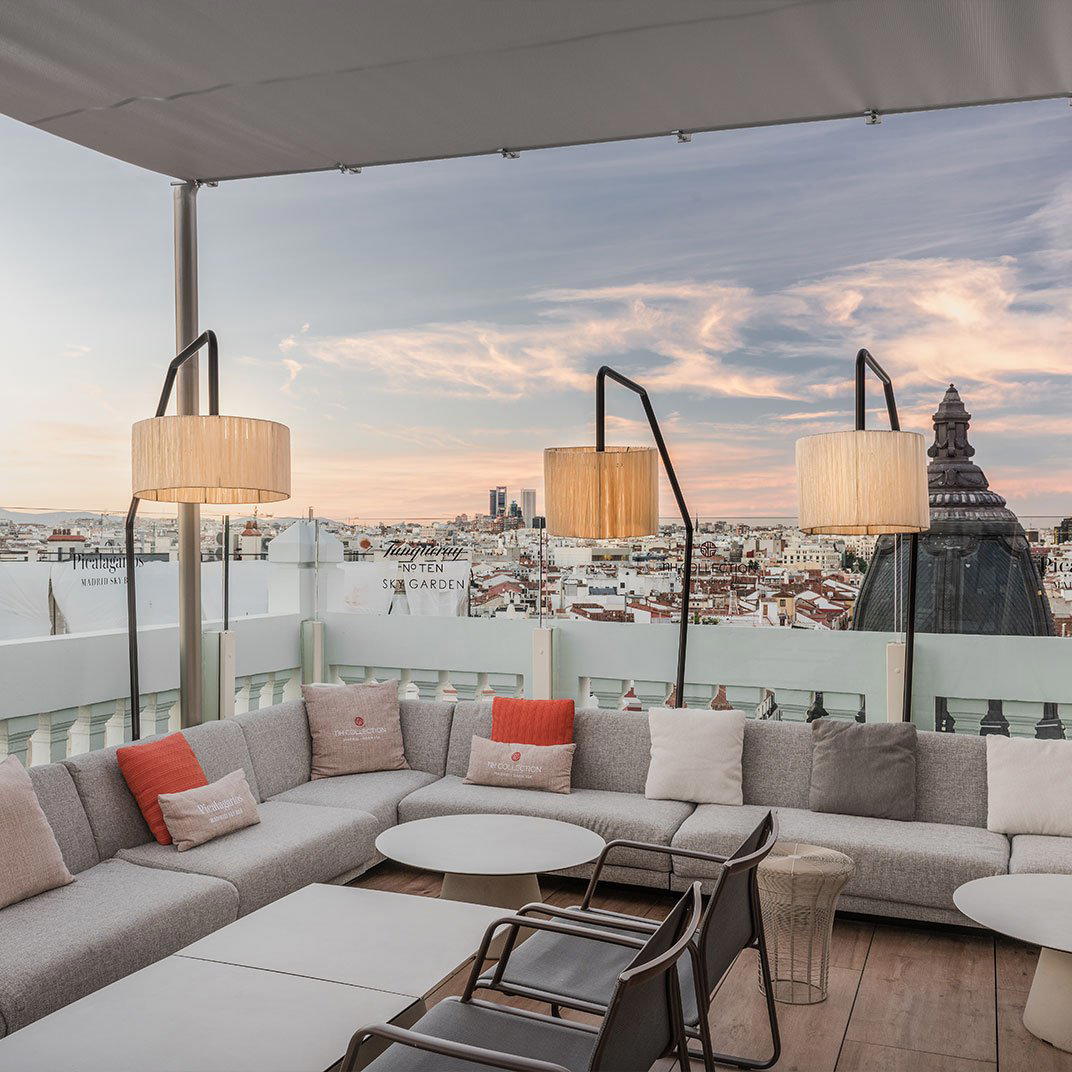
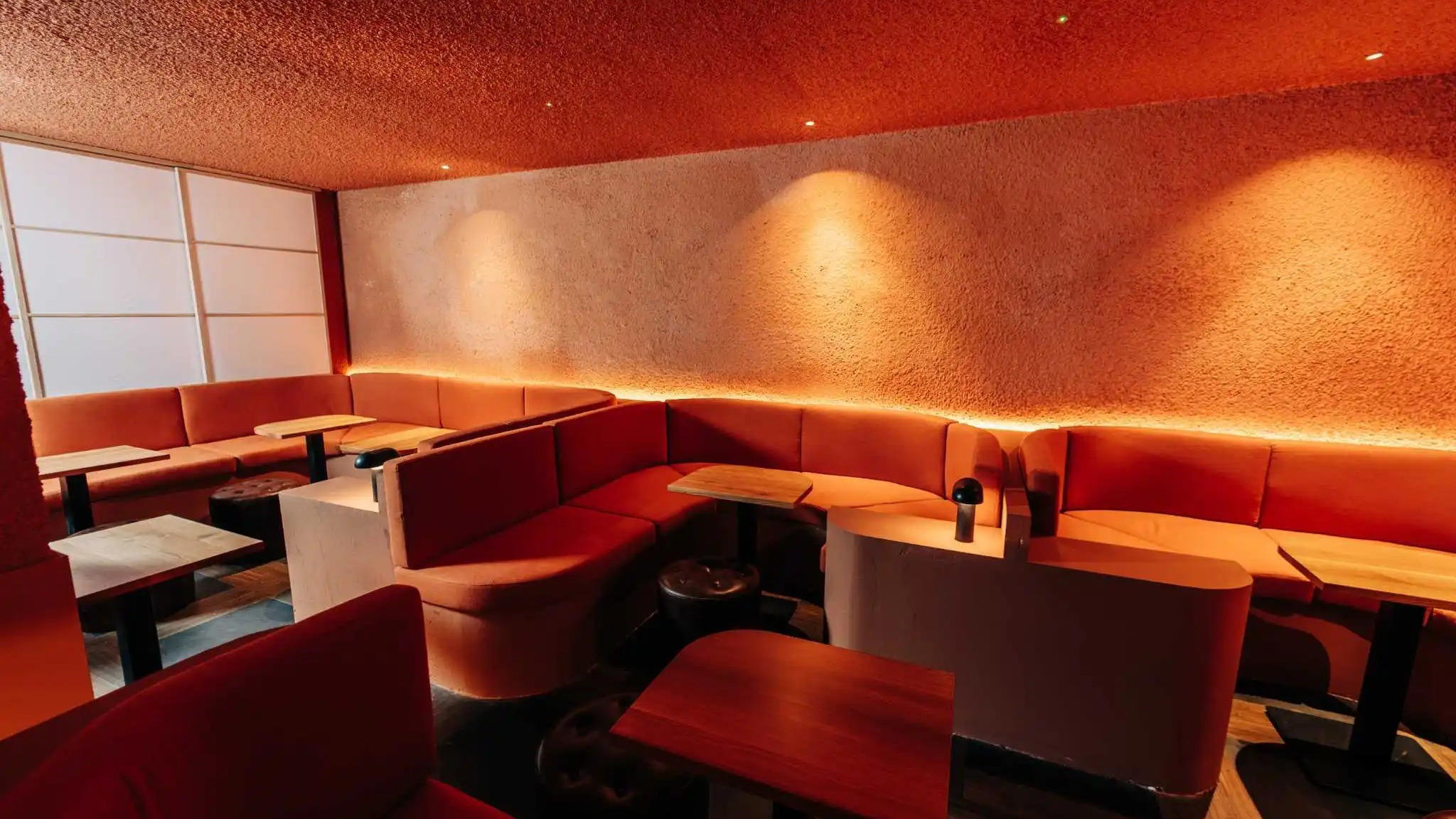
Bars in Madrid
Browse all →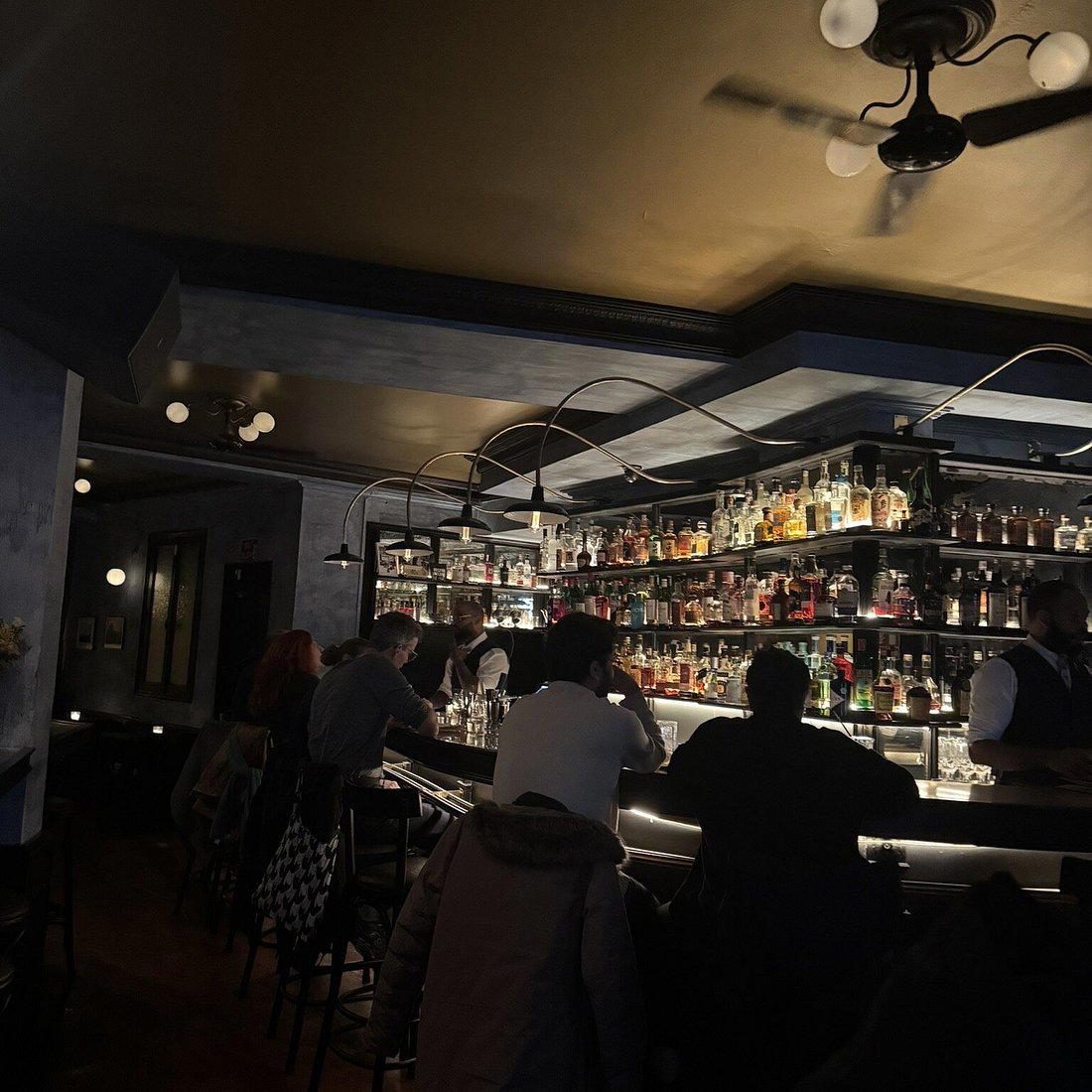
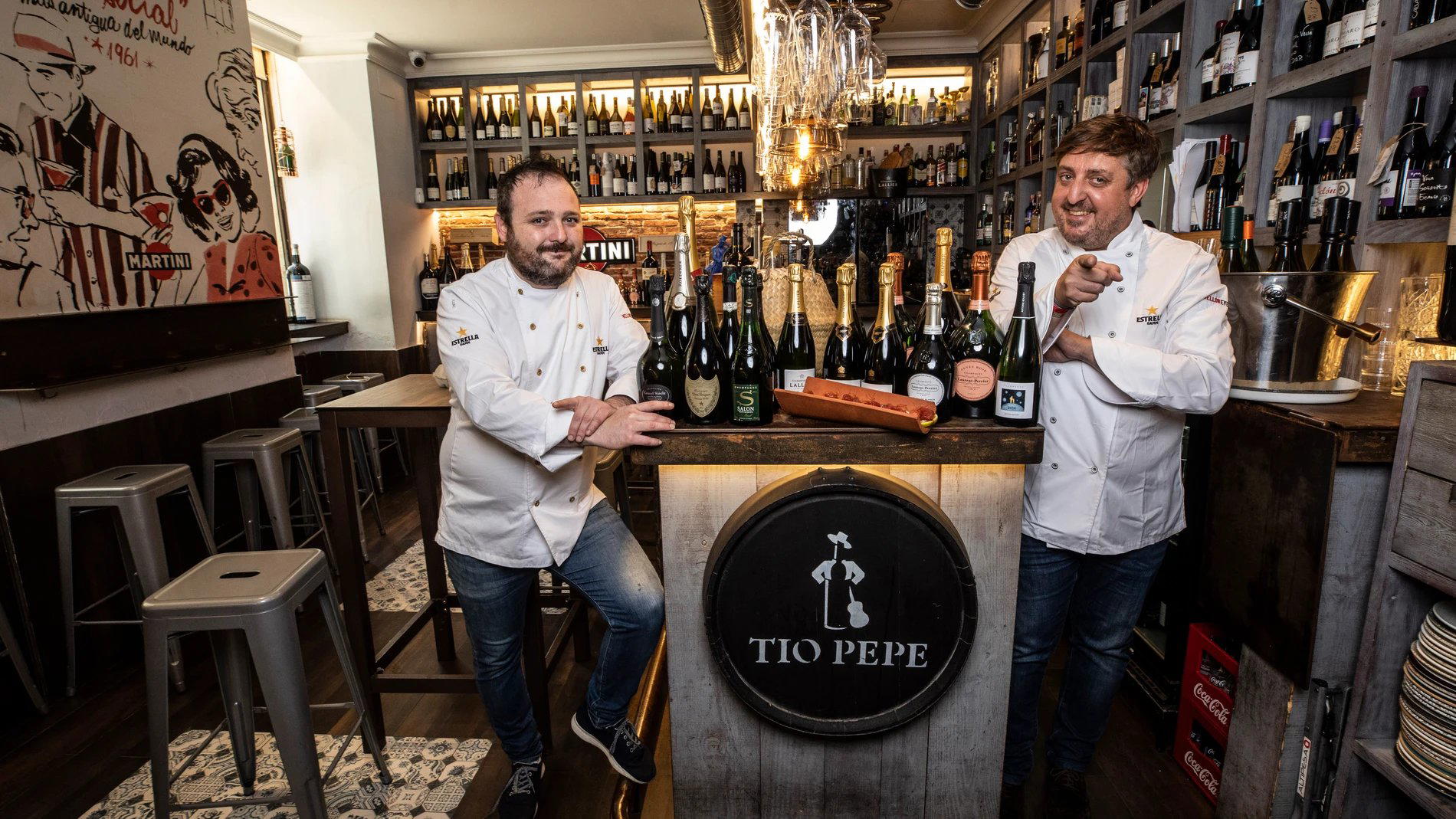
Hotels in Madrid
Browse all →


At a Glance
- Elegant
- Romantic
- Cozy
- Sophisticated
- Date Night
- Special Occasion
- Private Dining
- Extensive Wine List
Current opening hours
- Monday
- Closed
- Tuesday
- 12:30–4:30 PM, 7:30 PM–12 AM
- Wednesday
- 12:30–4:30 PM, 7:30 PM–12 AM
- Thursday
- 12:30–4:30 PM, 7:30 PM–12 AM
- Friday
- 12:30–4:30 PM, 7:30 PM–12 AM
- Saturday
- 12:30–4:30 PM, 7:30 PM–12 AM
- Sunday
- 12:30–4:30 PM
Hours can change for holidays and private events. Last verified .
Luxurious oriental-inspired with refined, cozy decor and polished service.
Know Before You Go
- Getting there
- C. de Jovellanos, 5, Centro, 28014 Madrid, Spain