Demon Duck by Alvin Leung


Alvin Leung's Demon Duck brings Chinese contemporary cooking to Bluewaters Island under back-to-back Michelin Plate recognition in 2024 and 2025. The kitchen works within a Cantonese-rooted framework while pushing against its conventions, offering Dubai a rare entry point into the kind of Chinese fine dining that typically centres on Hong Kong or Shanghai. Price range sits at the higher end of the Dubai market.
Pearl is the En Primeur Club membership app — saves, bookings, and concierge access live there. Same editors, same standards.
- Address
- Marsa Dubai - Bluewaters Island - Dubai - United Arab Emirates
- Phone
- +971 4 556 6401
- Website
- banyantree.com
- Directions
- Get directions
 Saves & bookings on Pearl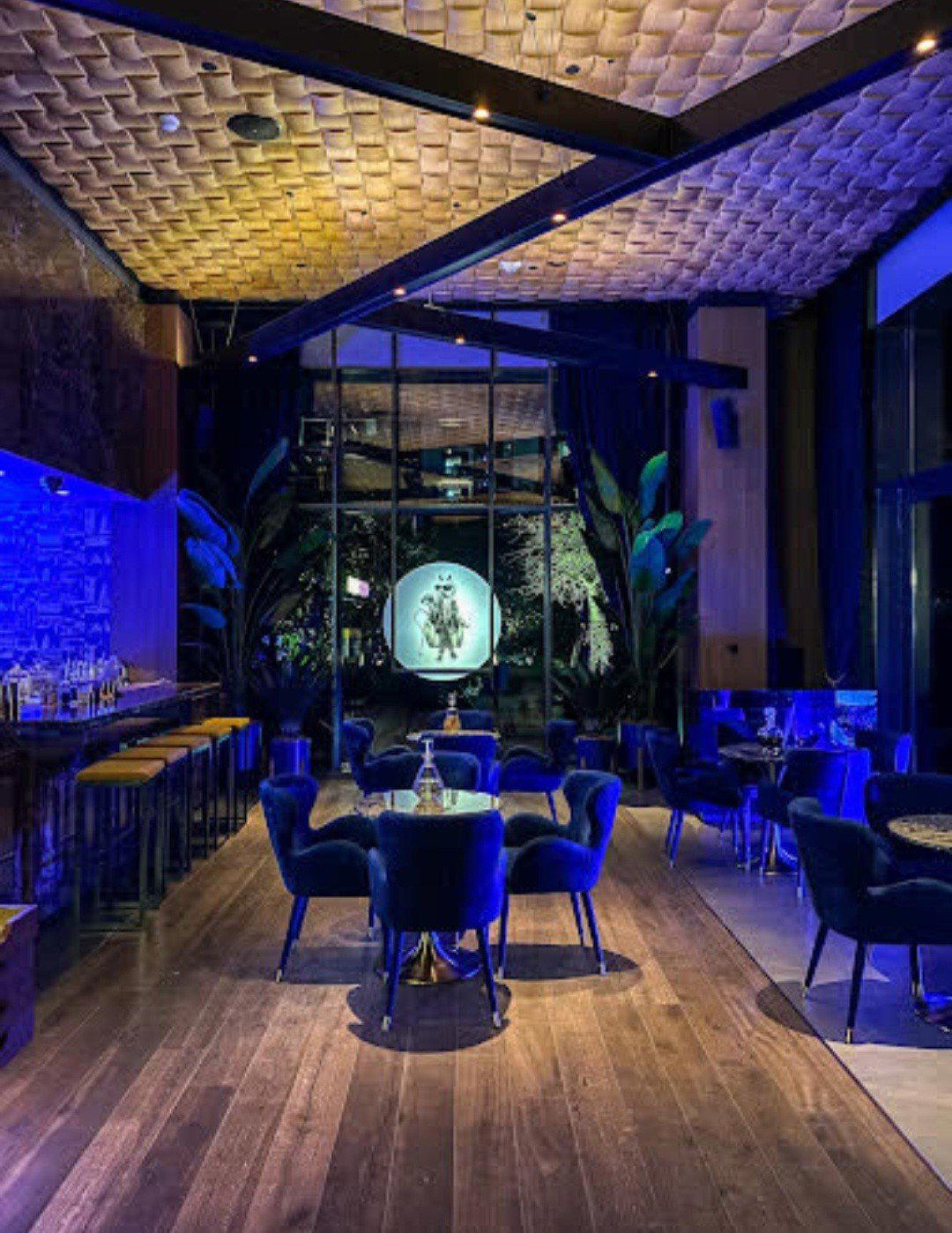
Bluewaters Island and the Argument for Chinese Fine Dining in Dubai
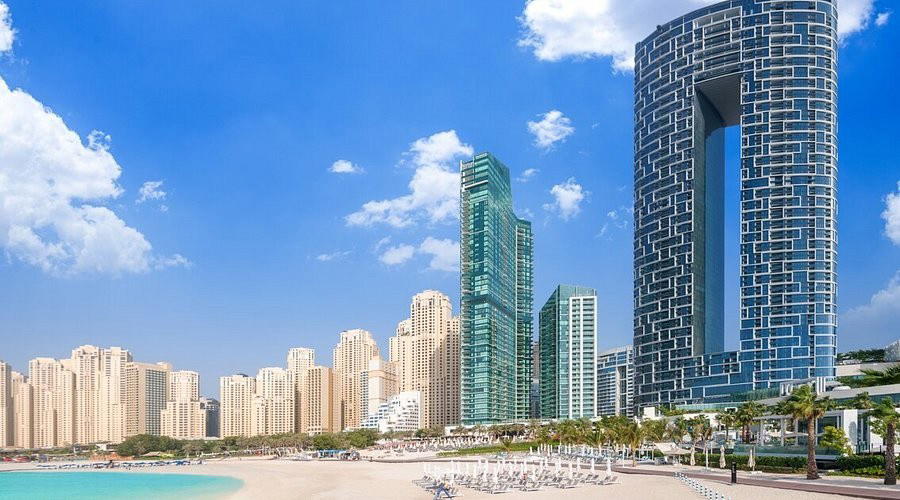
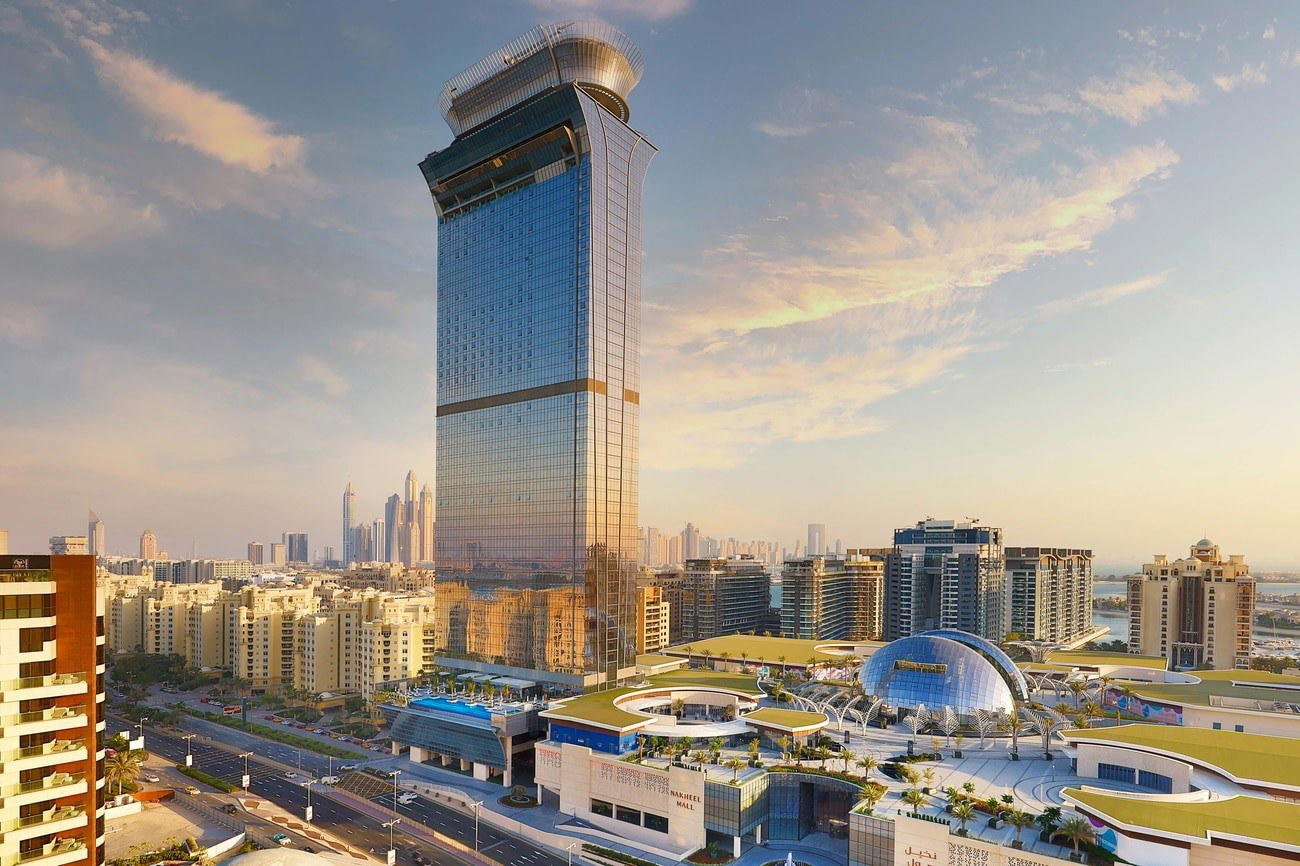
Bluewaters Island sits just off the Jumeirah Beach Residence shoreline, connected to the mainland by a short bridge and anchored by the Ain Dubai observation wheel. The development was designed as a retail and dining destination rather than a residential neighbourhood, which means the restaurants here are competing for attention against a backdrop of spectacle rather than street-level culture. That context matters when reading Demon Duck's presence here. Chinese fine dining in Dubai has historically occupied a narrow lane, squeezed between mass-market dim sum houses and the broader Asian-fusion category. Alvin Leung's project attempts something more specific: a Cantonese-inflected contemporary kitchen that earns its price point through technique and precision rather than theatre.
For context on how the Dubai fine dining tier is structured, our full Dubai restaurants guide maps the city's recognised restaurants across cuisine categories and price bands.
What Cantonese Roots Look Like in a Contemporary Frame
The editorial angle on Demon Duck is not a chef biography. It is a question about what Cantonese technique means when it leaves its geographic base. The cuisine type listed is Chinese Contemporary, a category that, in international contexts, almost always involves tension between regional Chinese foundations and the appetite of a global dining audience. In the hands of a Hong Kong-trained cook operating in Dubai, that tension is the whole point.
Cantonese cooking's reputation rests on its restraint: the preference for clean stocks, the respect for ingredient quality, the willingness to let a single protein carry a dish without heavy sauce intervention. When that framework migrates to Dubai, it encounters a market where bold flavour profiles and visual spectacle tend to drive covers. The Chinese Contemporary category, as seen across venues like Da Dong (Xuhui) in Shanghai, Gastro Esthetics at DaDong in Shanghai, and Gastro Esthetics DaDong in Beijing, tends to resolve that tension by making presentation the primary statement and letting classical technique operate as the foundation beneath it. Demon Duck's approach, based on the Michelin recognition it has accumulated, sits closer to the technique-first end of that spectrum.
The kitchen's name signals a specific Cantonese reference: roasted duck is one of the pillars of Cantonese roasting tradition, ranking alongside char siu pork and suckling pig in the canon. That tradition is technical in ways that tend to be underappreciated outside the culture. Proper Cantonese roasted duck requires precise temperature control across different stages, attention to skin preparation, and sourcing decisions that affect the final texture in measurable ways. Using that reference in the restaurant's name is a statement about where the cooking's allegiances lie, not just a branding choice.
Elsewhere in the contemporary Chinese space internationally, venues like Wild Yeast in Hangzhou and Cheng Yuan in Yangzhou demonstrate how deeply regional Chinese kitchens can go when they stay anchored to local tradition. Demon Duck's position in Dubai is different: it operates as an ambassador for a tradition far from its source, which requires a different editorial argument.
Michelin Recognition and What It Signals in This Market
Demon Duck holds a Michelin Plate for both 2024 and 2025. A Michelin Plate is not a star, but it is not nothing: the designation signals that inspectors found the cooking good enough to flag for readers, placing it in a tier above the general listing. In Dubai's Michelin guide, which launched in 2022, the Plate tier is competitive. The city's starred restaurants include names like Trèsind Studio at the very best of the Indian fine dining category and 11 Woodfire in the Modern Cuisine bracket. Demon Duck sits just below that starred tier, which in practical terms means the kitchen is producing food that Michelin considers worth the detour without yet earning the designation that drives international reservation lists.
That consistency matters more than the number itself.
For comparison with other premium Dubai experiences in adjacent categories, Row on 45 and FZN by Björn Frantzén both operate at the $$$$ tier with international chef credentials, offering a sense of how Demon Duck positions itself within the city's broader premium dining field.
The Bluewaters Dining Context
Dining on Bluewaters Island involves a specific set of logistical choices. The island is accessible by car via the dedicated bridge from the JBR waterfront, and the development has its own parking. Visitors arriving from elsewhere in Dubai should account for the refined traffic around JBR, particularly on weekend evenings. The island's restaurant cluster means competition for attention is literal and physical: Demon Duck is operating in a corridor where multiple concepts compete for the same footfall.
That context positions the restaurant differently from a destination venue buried inside a hotel or occupying a standalone address. Here, the food has to do the work of pulling diners past alternatives. At the $$$$ price point, Demon Duck is asking guests to make a deliberate choice, which means the cooking needs to justify itself without the ambient prestige of a landmark hotel address.
The Chinese contemporary dining category in Dubai is thinner than in comparable cities with large Chinese expatriate populations or tourism corridors rooted in Chinese outbound travel. Tàn Chá offers one adjacent reference point within the city's Chinese dining scene. For a broader regional perspective on premium dining at the $$$$ tier, Erth in Abu Dhabi demonstrates the market's appetite for ambitious cuisine anchored in regional identity, a parallel logic to what Demon Duck is attempting from a Chinese culinary perspective.
For those building a broader Dubai visit around dining, our full Dubai hotels guide, bars guide, and experiences guide provide the surrounding context. The Dubai wineries guide is relevant for those thinking about wine pairing in a market where beverage programs at this price tier vary significantly.
The Chinese Contemporary category globally, including venues like Bao Li in Madrid and 24 Suns in Oceanside, shows how widely the format travels. The Dubai iteration at Demon Duck carries a specific Cantonese signature and consistent Michelin recognition that places it in credible company.
Planning Your Visit
Demon Duck is located on Bluewaters Island, accessible from the Marsa Dubai side of the JBR waterfront. The $$$$ price designation aligns it with Dubai's premium dining tier; diners should budget accordingly. Booking in advance is advisable given the volume of critical attention the restaurant has received since its Michelin Plate designations.
Cuisine Lens
| Venue | Cuisine | Price | Awards |
|---|---|---|---|
| Demon Duck by Alvin LeungThis venue — the venue you are viewing | Chinese Contemporary | $$$$ | Michelin Plate (2025); Michelin Plate (2024) |
| 11 Woodfire | Modern Cuisine | $$$ | Michelin 1 Star |
| Avatara Restaurant | Indian | $$$$ | Michelin 1 Star |
| Al Mahara | Seafood | $$$$ | World's 50 Best |
| Zuma | Japanese - Asian, Japanese, Japanese Contemporary | $$$ | World's 50 Best |
| City Social | Modern British, Modern Cuisine | Not listed | Modern British, Modern Cuisine, $$$$ |
Recognition history
Dated appearances from independent guides and award organizations, with the underlying list record or original source where available.
Gault & Millau UAE Selected Restaurant
Gault & Millau · Gault & Millau UAE 2026 - Selected Restaurant
Michelin Plate
Michelin
Michelin Plate
Michelin
At a Glance
- Trendy
- Whimsical
- Energetic
- Modern
- Sophisticated
- Date Night
- Special Occasion
- Group Dining
- Celebration
- Open Kitchen
- Hotel Restaurant
- Terrace
- Craft Cocktails
- Waterfront
Current opening hours
- Monday
- 12–4 PM, 6 PM–12 AM
- Tuesday
- 12–4 PM, 6 PM–12 AM
- Wednesday
- 12–4 PM, 6 PM–12 AM
- Thursday
- 12–4 PM, 6 PM–12 AM
- Friday
- 12–4 PM, 6 PM–12 AM
- Saturday
- 1–4 PM, 6 PM–12 AM
- Sunday
- 6 PM–12 AM
Hours can change for holidays and private events. Last verified .
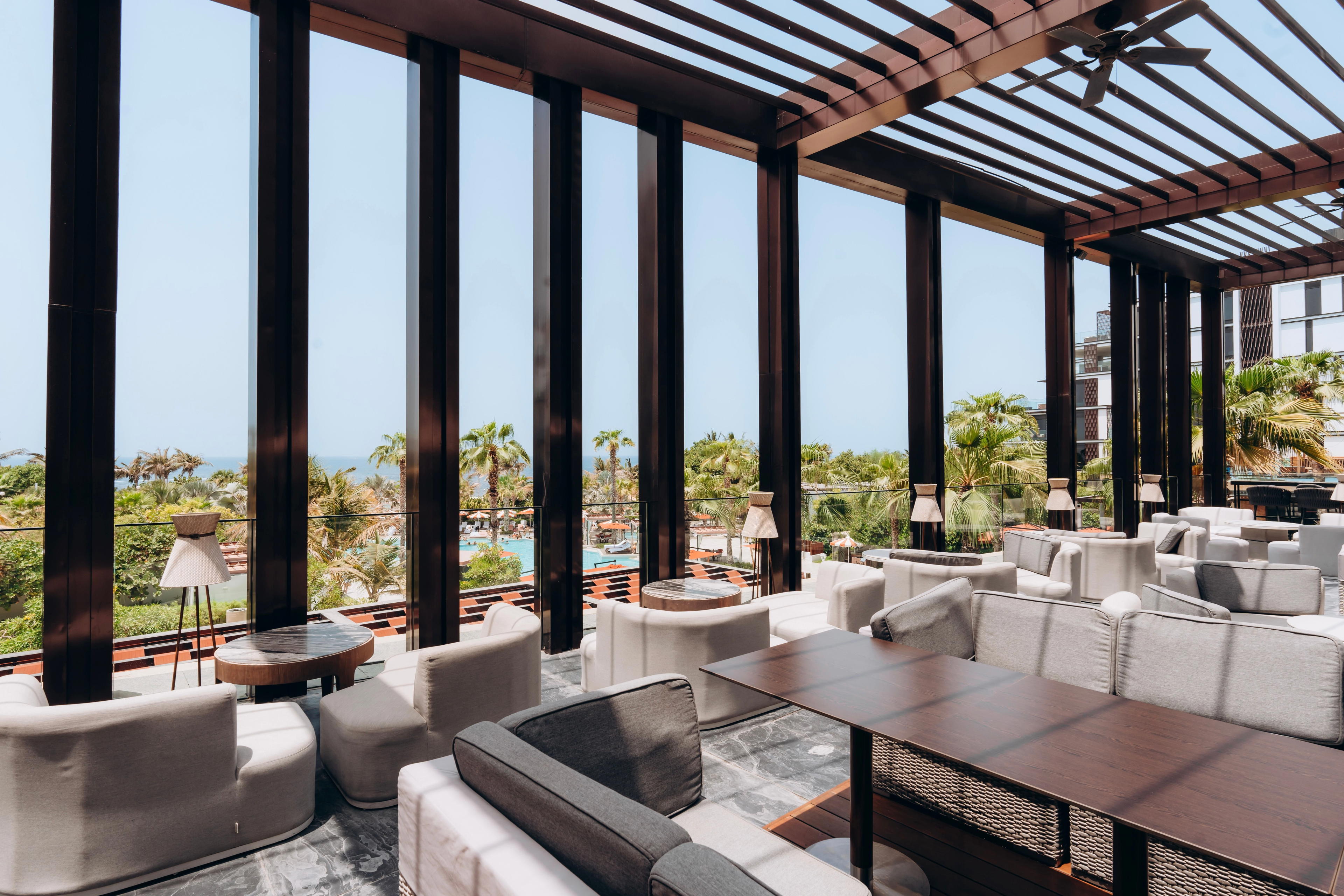
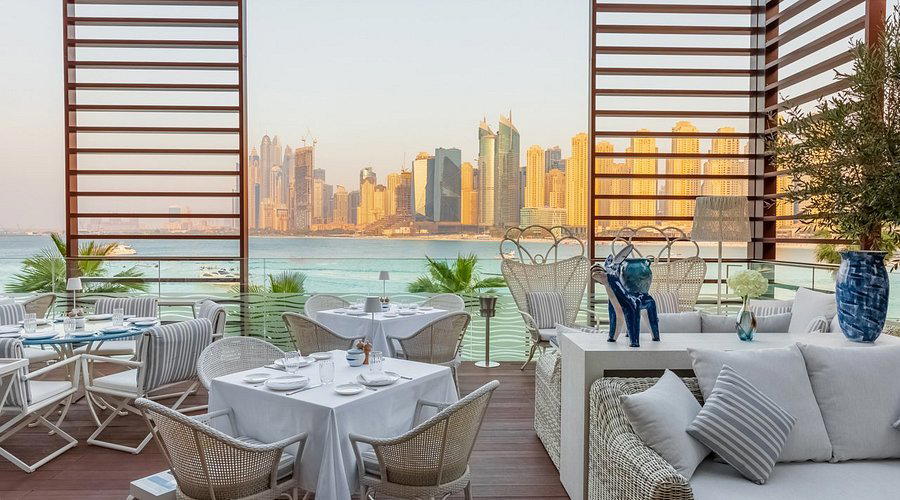
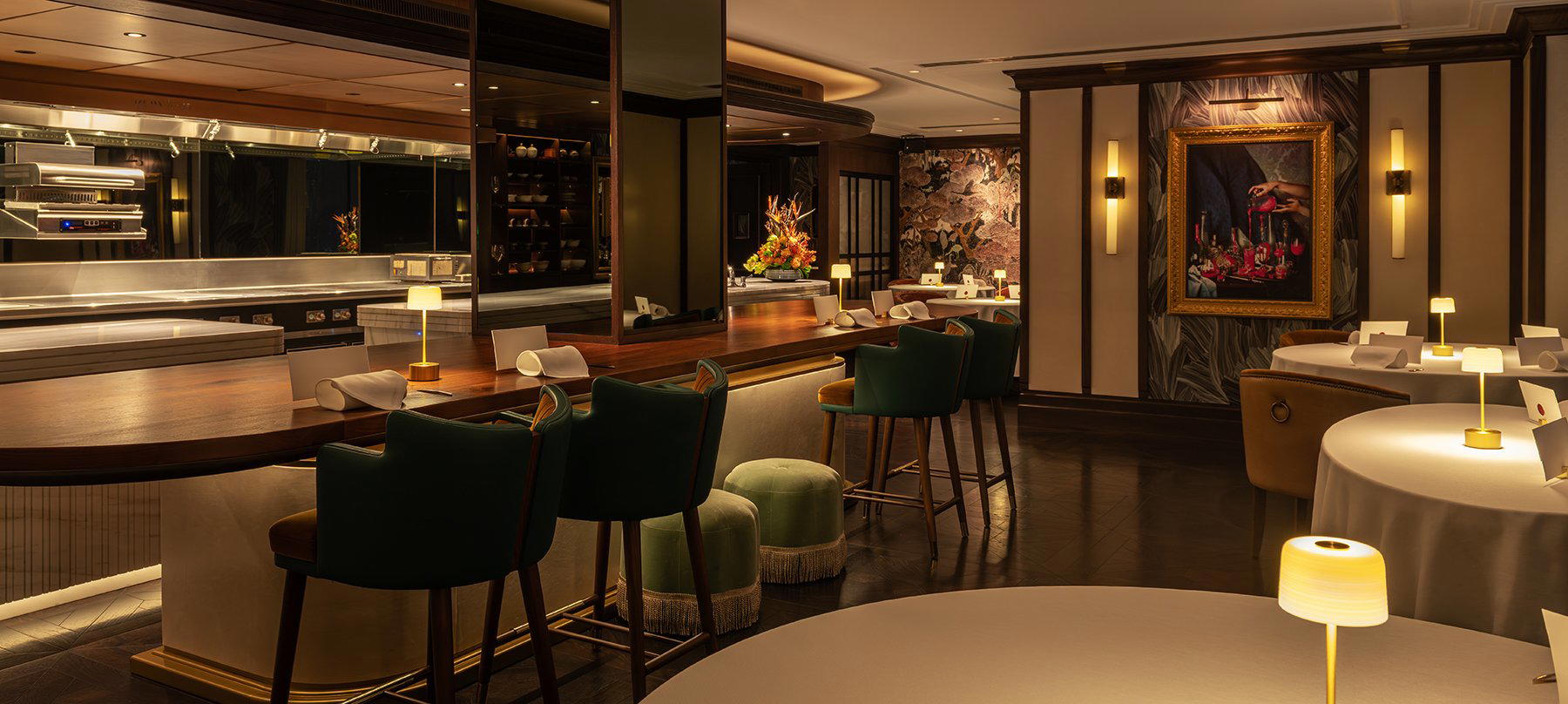
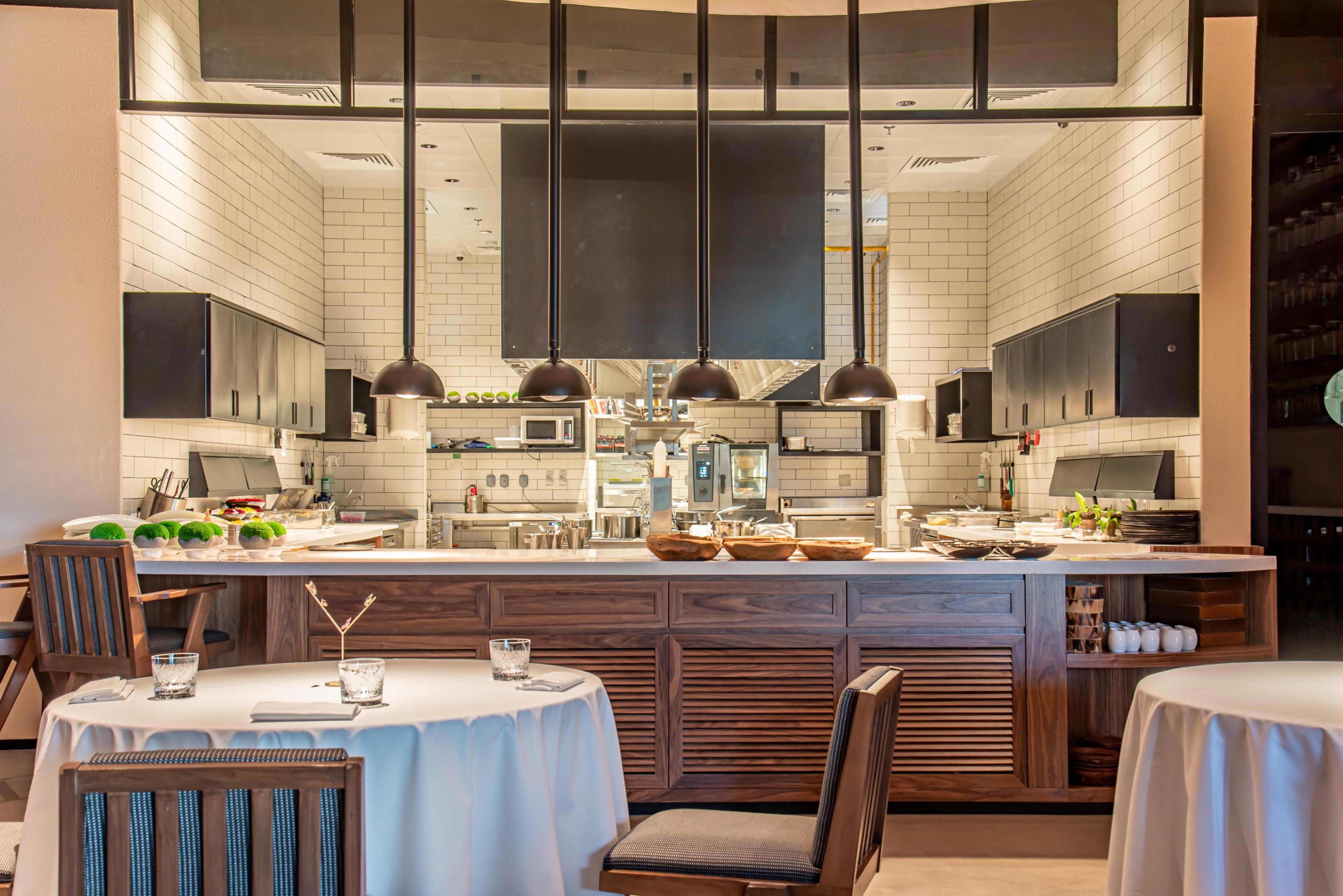
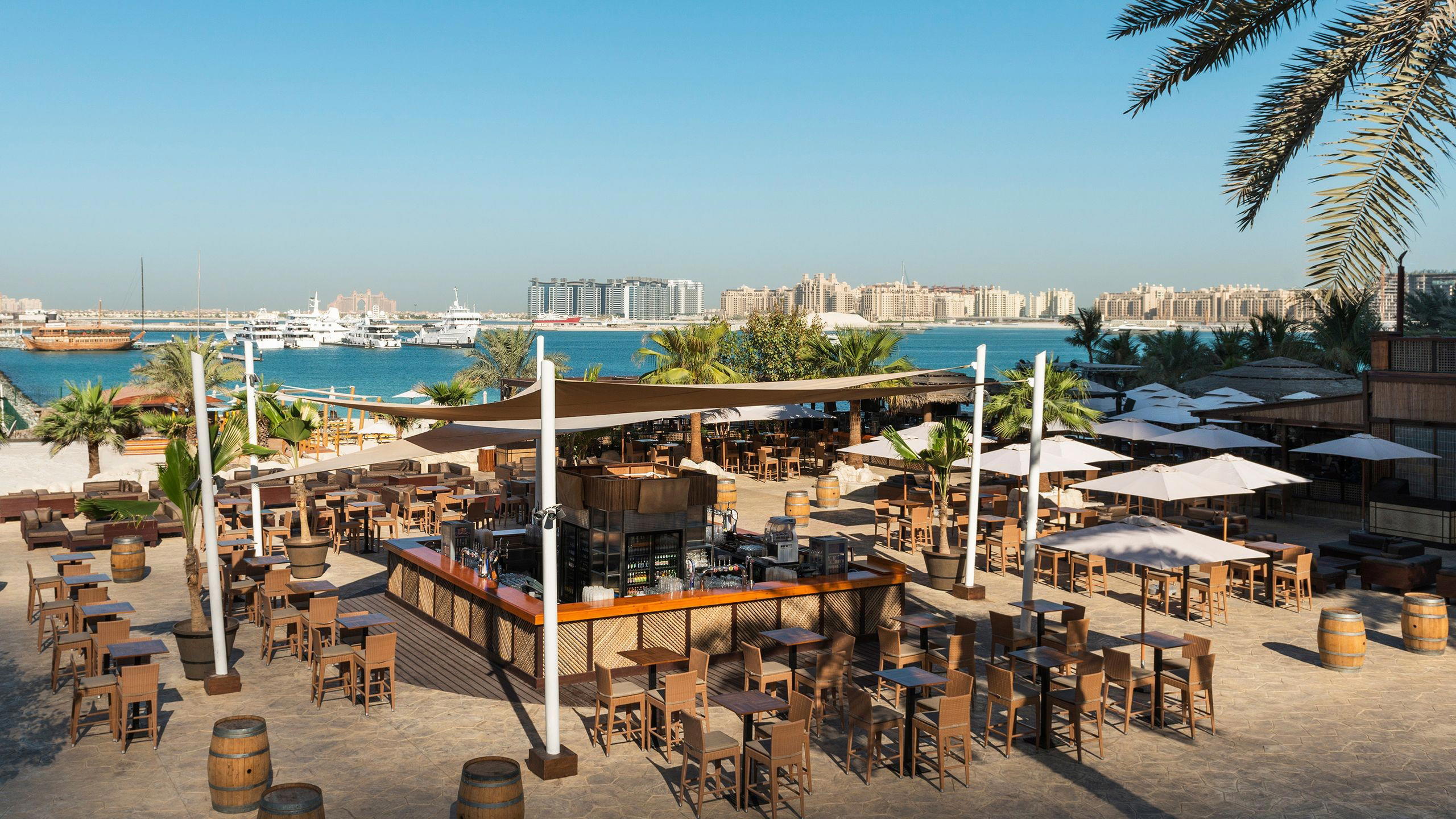
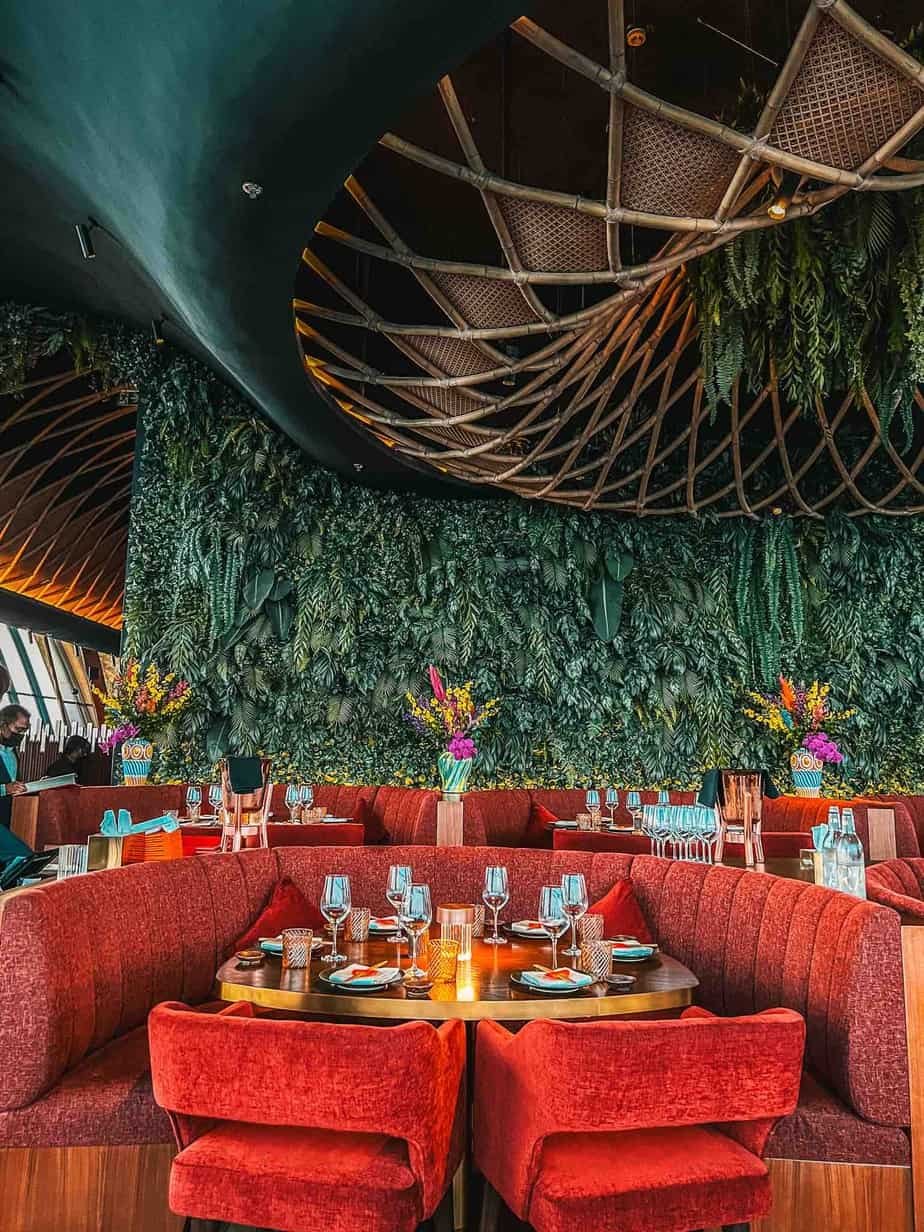
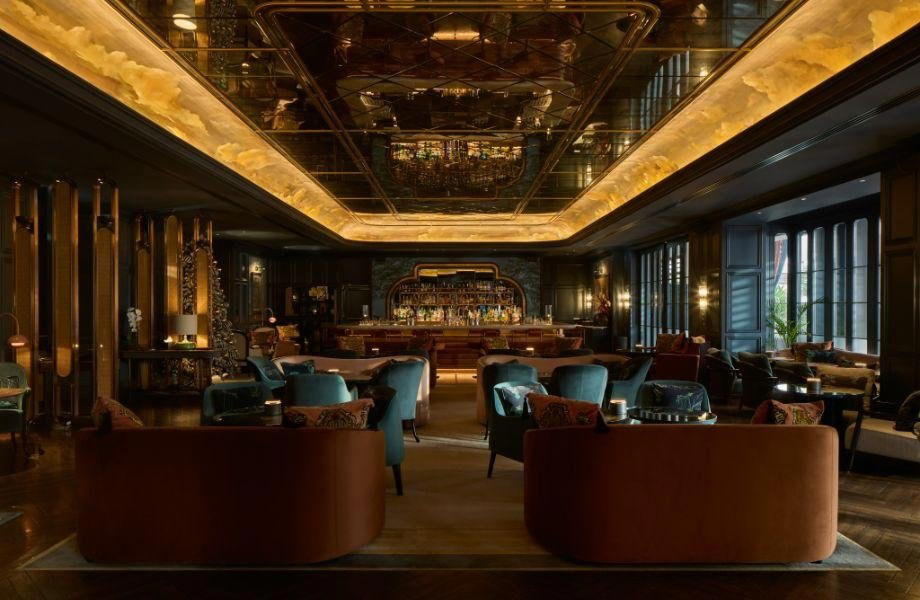
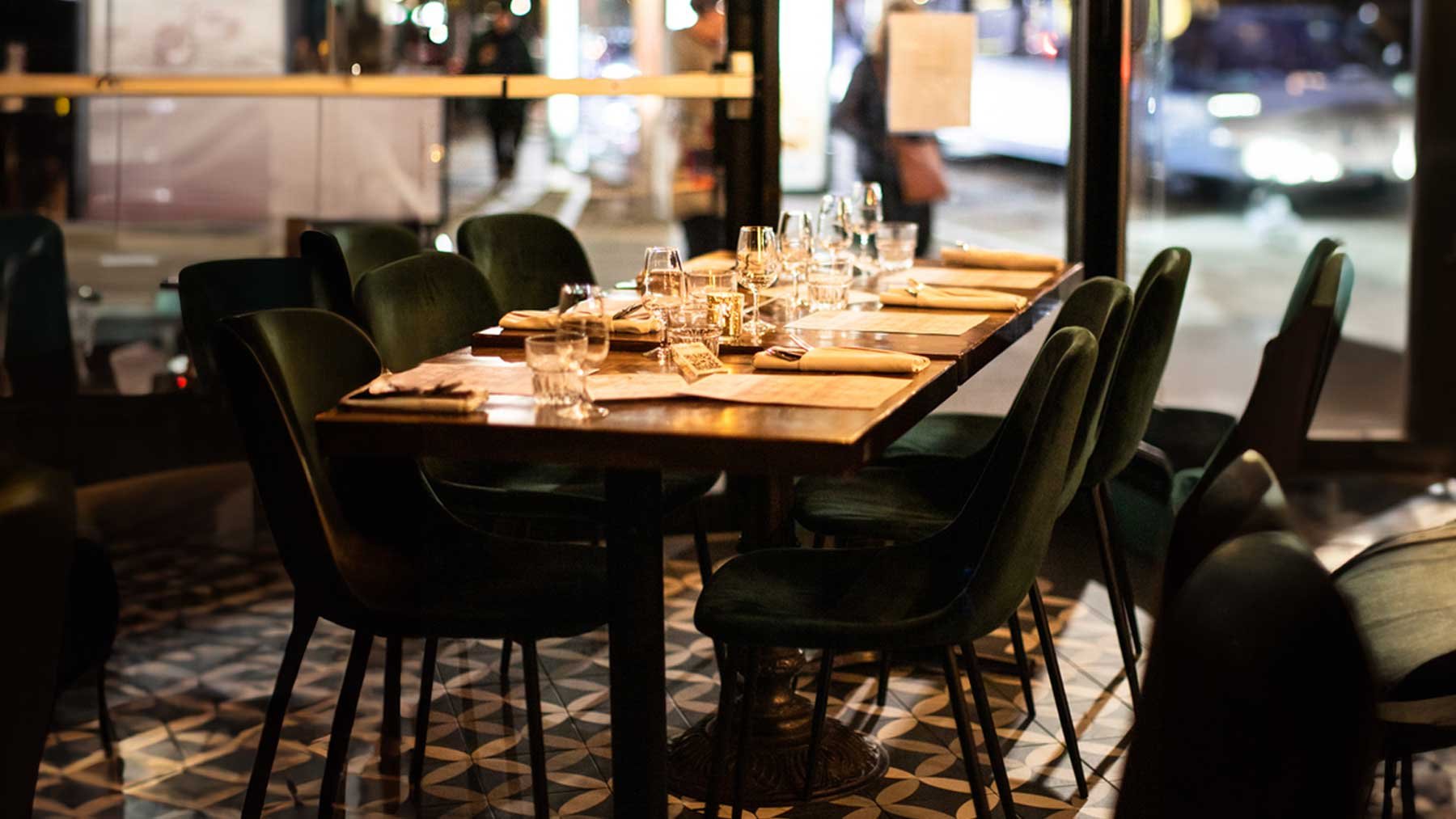
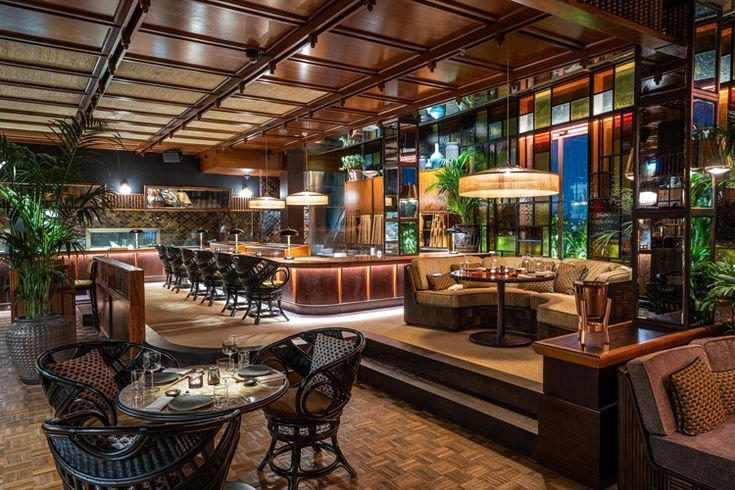
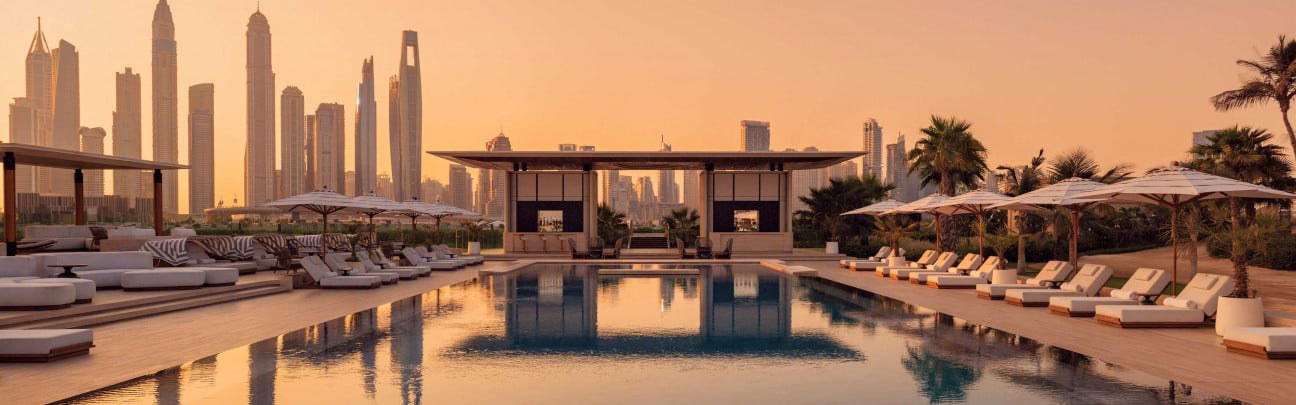
High-energy, playful atmosphere with neon signage, duck-themed art, open kitchen, and DJ music on outdoor decking by the sea.
Know Before You Go
- Getting there
- Marsa Dubai - Bluewaters Island - Dubai - United Arab Emirates