On Hernalser Hauptstraße in Vienna's 17th district, Holzkohlegrill Balkan Burek operates at the intersection of Balkan grill tradition and the flaky, layered pastry culture that defines burek across the former Yugoslav states. The format is direct and unpretentious: charcoal heat, dough, and filling, delivered with the efficiency that defines working-neighbourhood eating in Hernals.
Pearl is the En Primeur Club membership app — saves, bookings, and concierge access live there. Same editors, same standards.
- Address
- Hernalser Hauptstraße 64, 1170 Wien, Austria
- Phone
- +436766452820
- Website
- holzkohlegrillbalkanburek.at
- Directions
- Get directions
 Saves & bookings on Pearl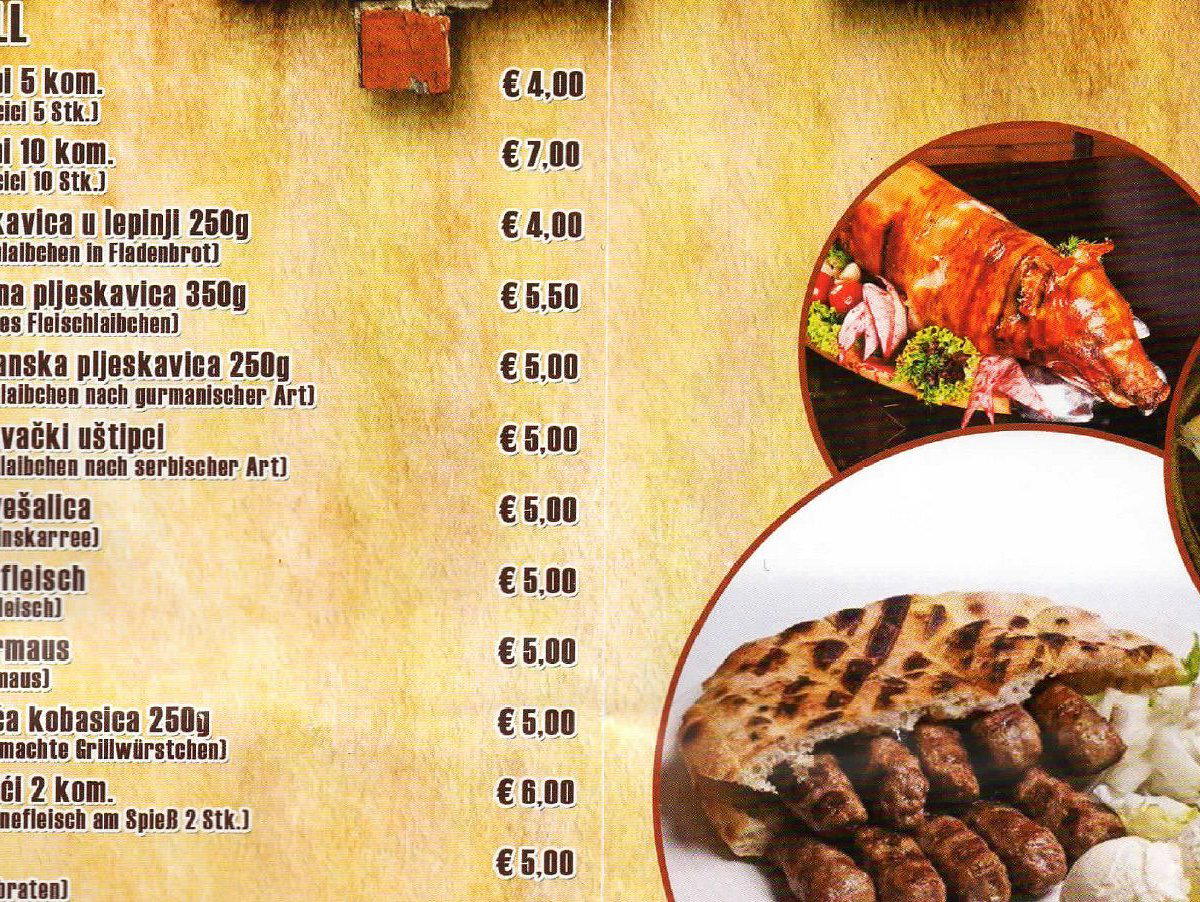
Charcoal and Dough in the 17th: What Hernals Tells You About Vienna's Eating Habits
Holzkohlegrill Balkan Burek is a restaurant in Vienna, serving Balkan Grill Street Food at a casual, walk-in-friendly price point. Cross into Hernals, the 17th Bezirk, and the street-level eating shifts dramatically: döner windows, Balkan grills, and burek shops operating alongside old Viennese Gasthäuser, all within a few hundred metres of each other. Hernalser Hauptstraße runs through this mix with no apology, and Holzkohlegrill Balkan Burek sits on it at number 64, doing exactly what the name says. Charcoal grill. Balkan style. Burek. There is no ambiguity in that proposition, and in a city that can sometimes over-complicate its food identity, the directness is the point.
The neighbourhood context matters here. Hernals has a high proportion of residents with roots in the former Yugoslav states, and the food infrastructure reflects that history. Burek shops and Balkan grills in this part of Vienna are not novelty imports, they are embedded institutions that have served the same communities for decades. The cooking at venues like this one operates within a living tradition rather than a curated interpretation of it, which places it in an entirely different category from the €€€€-tier Austrian creative cooking you find at places like Steirereck im Stadtpark or Amador.
The Ritual of Burek: Pace, Format, and What to Expect at the Counter
Burek eating has its own set of customs that differ sharply from the choreographed service rituals of Vienna's fine-dining circuit. At venues in this category, the interaction is fast and transactional in the leading sense: you approach, you order, you receive. The pacing is dictated by the production of the pastry itself, which moves in cycles tied to the oven or grill rather than to a reservations sheet. At a charcoal grill operation, the fire adds another layer of timing, the meat component of the meal is ready when it is ready, and experienced regulars understand this without needing it explained.
The burek format itself originates in Ottoman pastry traditions and spread across the Balkans into distinct regional variants. Bosnian burek, the widely referenced in Vienna's Balkan dining scene, is made with a single spiral of hand-stretched dough filled with minced meat, while the term burek in Serbia and North Macedonia can refer to filled pastry with cheese, spinach, or potato. In the Viennese Balkan-diaspora context, the meat-filled version often retains the Bosnian structure, served in sections cut from a large coil. The correct way to eat it, and this is regional consensus rather than restaurant policy, is with a glass of cold yogurt on the side, which cuts through the fat of the filling and the richness of the dough in a way that nothing else replicates. Vienna's Balkan grill and burek shops across the 10th, 15th, and 17th districts have all settled on some version of this pairing as the default.
The charcoal grill component at this venue positions it slightly differently from a pure burek shop. Grilled meats in the Balkan tradition, ćevapi, pljeskavica, roštilj cuts, are cooked over direct charcoal heat and served with flatbread and raw onion, sometimes with ajvar on the side. This format has its own ritual logic: the meal arrives assembled but requires the diner to construct each bite, tearing bread and combining it with meat and condiment according to personal preference. It is participatory eating in a way that a plated fine-dining course is not, and the absence of ceremony is the ceremony.
Where This Fits in Vienna's Broader Eating Ecosystem
Vienna has among the more stratified restaurant scenes in Central Europe. At the leading end, venues like Konstantin Filippou and Mraz & Sohn operate in the €€€€ bracket with tasting menus and Michelin recognition. Doubek represents the creative middle ground. Austria's broader fine dining circuit extends out to Döllerer in Golling an der Salzach, Ikarus in Salzburg, and places like Obauer in Werfen and Griggeler Stuba in Lech. Elsewhere in the country, venues such as Gourmetrestaurant Tannenhof, Kräuterreich by Vitus Winkler, Landhaus Bacher, Schwarzer Adler, Restaurant 141 by Joachim Jaud, and Ois in Neufelden represent Austria's regional fine dining. None of that has any bearing on what happens on Hernalser Hauptstraße, where the measure of quality is whether the dough is fresh, the charcoal is hot, and the meat is seasoned correctly.
This is not a competition between formats. It is an illustration of how a genuinely diverse city feeds itself across multiple registers simultaneously. The same Vienna that supports Michelin-starred tasting menus also sustains a Balkan grill and burek economy in its outer districts that serves hundreds of people a day on an entirely different set of values: speed, price accessibility, cultural familiarity, and direct flavour. Internationally, comparisons to this kind of embedded street-food-adjacent tradition might reach as far as Le Bernardin in New York City or Atomix in terms of how a city's food identity operates at multiple price points simultaneously, but the honest point is simpler: working-neighbourhood eating at this level is what keeps a food culture coherent across income brackets.
Planning Your Visit to Hernalser Hauptstraße
Holzkohlegrill Balkan Burek is located at Hernalser Hauptstraße 64, 1170 Wien. The 17th district is reachable by tram from the city centre, and Hernalser Hauptstraße itself is a walkable high street with good public transport connections. The restaurant is open daily from 10 AM to 9 PM. No booking infrastructure is indicated for this type of venue, counter service at Balkan grill and burek shops in Vienna operates on a walk-in basis, with peak hours typically around lunch and in the early evening; it is open daily from 10 AM to 9 PM..
Budget and Context
Comparable venues nearby, for context on price, style, and recognition.
| Venue | Cuisine | Price | Notes |
|---|---|---|---|
| Holzkohlegrill Balkan BurekThis venue — the venue you are viewing | Hernals, Balkan Grill Street Food | $$ | Not listed |
| The Sign | Not listed | $$ | Franz Josefs Bahnhof, Craft Cocktail Lounge |
| Harvest | Not listed | $$ | Praterstern Wien Nord, Vegan Viennese Coffeehouse |
| das weinberg | Gersthof, Modern Austrian Brasserie | $$ | Not listed |
| Food Garden | Sudbahnhof, Garden Restaurant | $$ | Not listed |
| Babenberger Passage | Hofburg, Nightclub | $$$ | Not listed |
Continue exploring
More in Vienna
Restaurants in Vienna
Browse all →
Bars in Vienna
Browse all →

Hotels in Vienna
Browse all →
At a Glance
- Rustic
- Cozy
- Casual Hangout
Current opening hours
- Monday
- 10 AM–9 PM
- Tuesday
- 10 AM–9 PM
- Wednesday
- 10 AM–9 PM
- Thursday
- 10 AM–9 PM
- Friday
- 10 AM–9 PM
- Saturday
- 10 AM–9 PM
- Sunday
- 10 AM–9 PM
Hours can change for holidays and private events. Last verified .
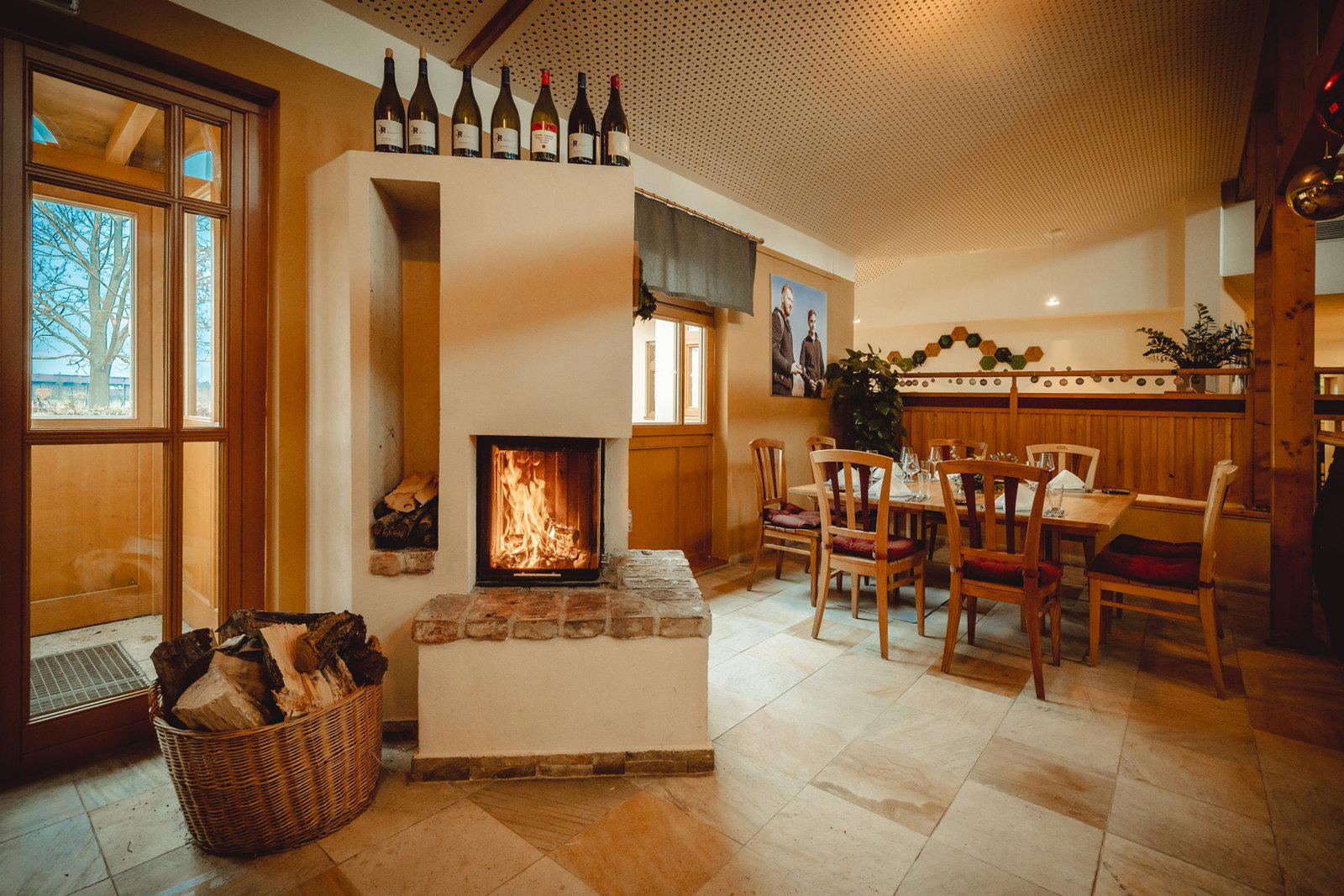
Casual and hearty atmosphere focused on savory grilled meats.