Babenberger Passage sits on Burgring at the edge of Vienna's First District, where the Ringstrasse meets the museum quarter. The address alone signals its position within the city's ceremonial core, a part of Vienna where dining choices carry the weight of imperial architecture and cultural expectation. For visitors anchoring their time in the inner city, it represents a natural reference point.
Pearl is the En Primeur Club membership app — saves, bookings, and concierge access live there. Same editors, same standards.
- Address
- Burgring, 1010 Wien, Austria
- Phone
- +43196166770
- Website
- babenbergerpassage.at
- Directions
- Get directions
 Saves & bookings on Pearl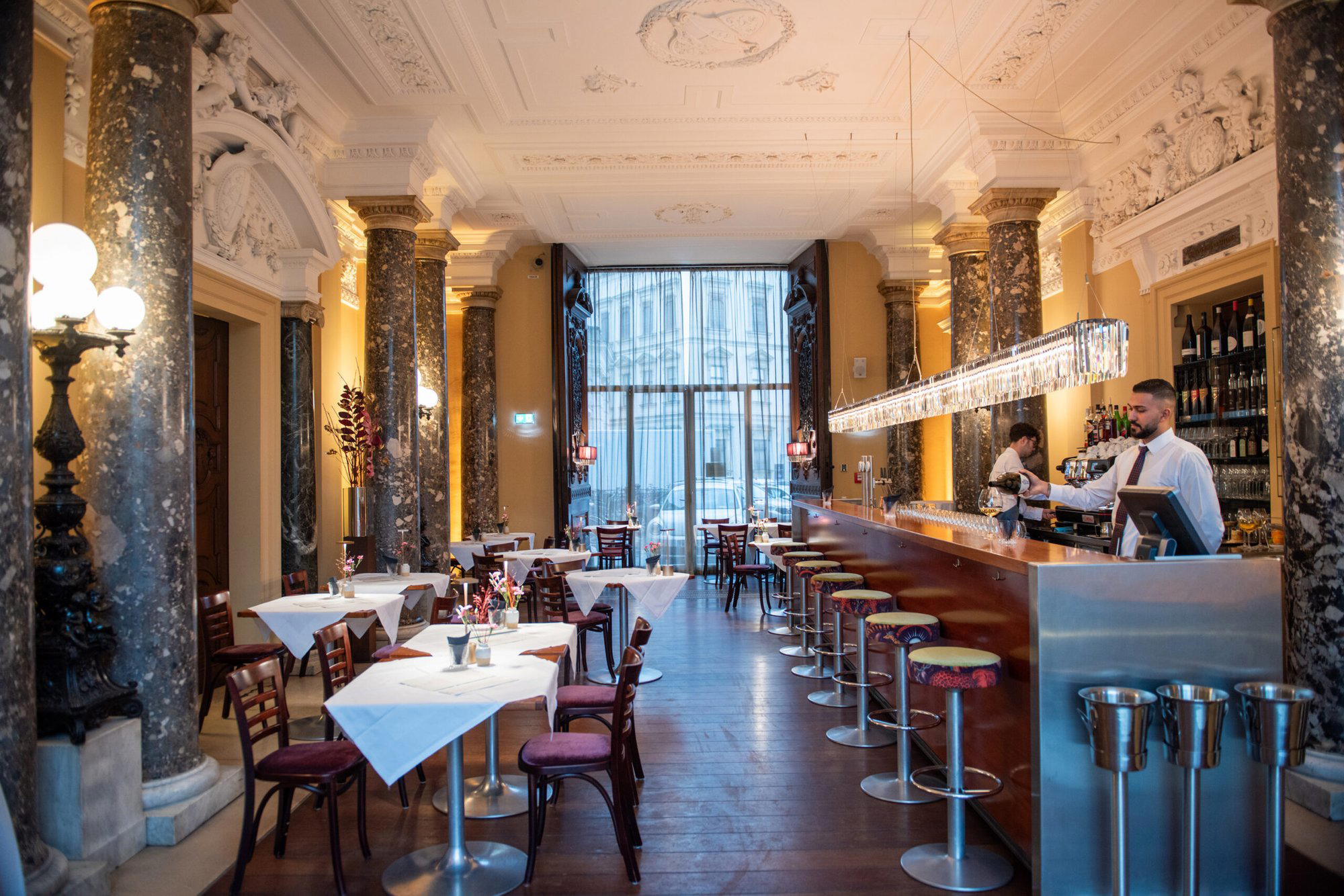
The Ringstrasse Table: What It Means to Eat on Vienna's Grand Boulevard
The Ringstrasse was conceived in the mid-nineteenth century as a statement of civic ambition, a boulevard calibrated to frame institutions rather than merely connect them. The Kunsthistorisches Museum faces the Naturhistorisches Museum across the road. The Burgtheater, the Parliament, the Rathaus and the Opera all sit within walking distance. To dine at Babenberger Passage is to dine inside that frame, and the frame matters as much as what is on the plate.
Vienna's First District operates on a different rhythm from the city's more experimental dining neighbourhoods, such as the chef-driven rooms that have emerged in the fifth and sixth districts. Here, near the Ringstrasse, the expectation is ceremony. Guests arrive from the Kunsthistorisches, from afternoon performances at the Burgtheater, from business meetings conducted against a backdrop of Habsburg-era coffered ceilings. The dining room is not the destination; it is part of a longer cultural sequence. Venues in this corridor succeed or fail depending on how well they understand that sequence.
Vienna's Inner City Dining Set and Where Babenberger Passage Sits
Vienna's premium dining tier has consolidated around a recognisable competitive set. Steirereck im Stadtpark operates from a modernist pavilion in the Stadtpark at the €€€€ tier, with creative Austrian cuisine that has made it a consistent reference point for the city's serious diners. Konstantin Filippou works in modern European and modern cuisine at the same price bracket, while Mraz & Sohn represents the modern Austrian and creative axis. Amador and Doubek extend the city's creative range further.
Babenberger Passage, positioned on Burgring, sits in a different register from that creative tier. The Ringstrasse corridor attracts a more internationally mixed clientele, visitors to the nearby museums and opera rather than locals making a deliberate fine-dining reservation. That distinction shapes everything, from the pace of service to the accessibility of the menu, and it is worth understanding before you book.
The Approach: What You Find When You Arrive at Burgring
The Burgring address places the restaurant in among the more architecturally dense stretches of any European capital. Arriving on foot from the U-Bahn at Volkstheater or Museumsquartier, you pass through a sequence of public squares and monumental facades that few cities can match. The physical approach primes a certain mode of attention, an awareness of scale and formality that is specifically Viennese. Cafes and restaurants in this zone absorb that formality whether they intend to or not.
This is the structural reality for any venue on or near the Ringstrasse: the neighbourhood does not allow for anonymity. The context is too loaded, the foot traffic too specific. Visitors arriving from a morning in the Kunsthistorisches carry different expectations than those wandering into a Neubau wine bar. A room that understands this produces an experience calibrated to it; one that ignores it tends to feel mismatched against its surroundings.
What Austria's Broader Dining Map Tells You About Vienna's Centre
Austria's serious kitchen talent has distributed itself unevenly across the country. Outside Vienna, destinations including Döllerer in Golling an der Salzach, Obauer in Werfen, and Landhaus Bacher in Mautern an der Donau have built reputations that draw visitors from the capital. In the Tyrol and Salzburg regions, rooms such as Gourmetrestaurant Tannenhof in Sankt Anton am Arlberg, Stüva in Ischgl, and Kräuterreich by Vitus Winkler in Sankt Veit im Pongau operate in alpine fine-dining formats at dedicated resort destinations. Further east, Taubenkobel in Schützen am Gebirge and Schwarzer Adler in Hall in Tirol represent the regional restaurant tradition, while Restaurant 141 by Joachim Jaud in Mieming and Ois in Neufelden extend the creative range into smaller towns.
What this map reveals is that Vienna's First District holds a specific function within Austria's dining geography: it serves as the high-traffic, internationally visible face of the country's hospitality. The pressure on venues here is less about regional sourcing credentials and more about managing a cosmopolitan audience efficiently and gracefully. That is a different skill set, and Burgring sits squarely inside the zone where it is most relevant.
Thinking About Vienna in a Wider Frame
The combination of museum visits, opera attendance, and dining is not distinctive to Vienna. Cities including New York, where a room like Le Bernardin sits within the cultural institutions corridor of Midtown, and San Francisco, where Lazy Bear represents a deliberately crafted communal dining format in a city with strong arts programming, have developed their own versions of the culture-and-dinner sequence. What distinguishes Vienna is the density: the Ringstrasse compresses multiple cultural institutions into a walkable arc, which means the dinner decision is more likely to be improvised than planned, more likely to be made by someone with limited local knowledge than by a resident with a regular reservation.
That has concrete implications. Venues on or near Burgring that succeed tend to do so because they read that improvised, slightly formal mood and respond to it with clarity rather than complexity. The format here is not necessarily the right tool for this setting. Accessibility, reliability, and a space that earns its position against the architectural grandeur outside are the relevant criteria.
Know Before You Go
- Address: Burgring, 1010 Wien, Austria
- District: First District, Vienna, adjacent to the Kunsthistorisches Museum and Burgtheater
- Getting There: U2/U3 to Volkstheater, or U2 to Museumsquartier; both are within a short walk of the Burgring address
- Context: The Ringstrasse corridor is best understood as a cultural zone rather than a dining destination; factor in museum and performance schedules when planning your visit
- Further Planning:
How It Stacks Up
Comparable venues nearby, for context on price, style, and recognition.
| Venue | Cuisine | Price | Notes |
|---|---|---|---|
| Babenberger PassageThis venue — the venue you are viewing | Nightclub | $$$ | Not listed |
| Tatarie Marie | Raw Tartare Street Food | $$ | Innere Stadt |
| Grüner Kakadu | International Cocktail Bar with Tapas | $$ | Stephansdom |
| Erbsenzählerei | Organic Vegetarian Café | $$ | Margareten |
| Augora Fermente | Fermentation-Focused Contemporary | $$ | Mariahilf |
| Nobilis | Modern Austrian Fine Dining | $$ | Wien-Mitte |
Continue exploring
More in Vienna
Restaurants in Vienna
Browse all →
Bars in Vienna
Browse all →
Hotels in Vienna
Browse all →
At a Glance
- Lively
- Modern
- Energetic
- Trendy
- Late Night
- Group Dining
- Casual Hangout
- Live Music
- Design Destination
- Craft Cocktails
- Beer Program
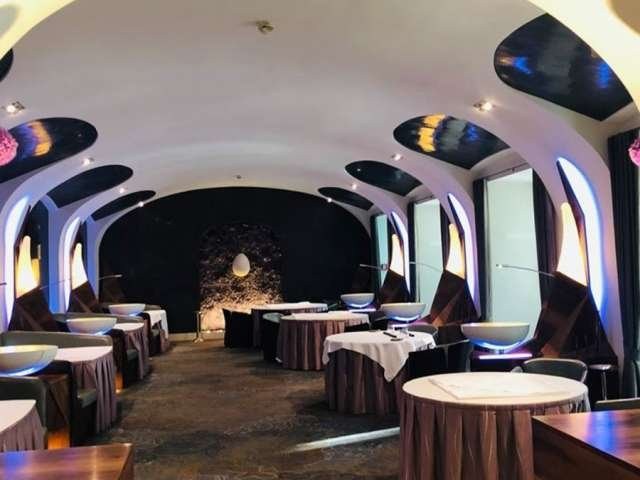
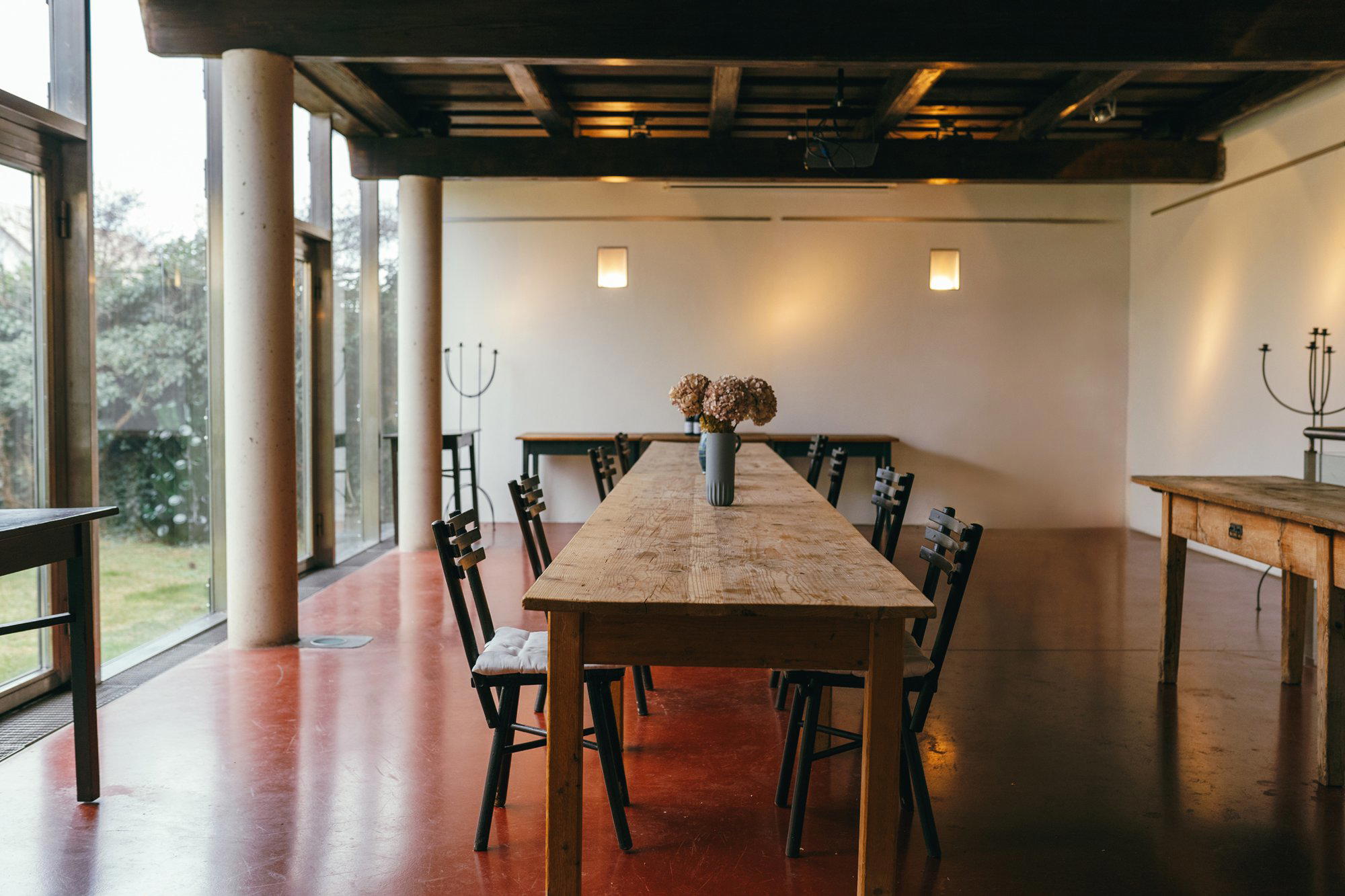
Futuristic atmosphere with state-of-the-art lighting systems creating an almost spaceship-like environment; flexible design elements and dynamic lighting transform the former underpass into a high-energy dance venue.