.png)
Ho Hung Kee brings a Hong Kong-rooted noodle and congee tradition into the heart of Shanghai's Jing'an district, earning consecutive Michelin Bib Gourmand recognition in 2024 and 2025. The ¥¥ price point places it firmly in the everyday-premium bracket, where craft and consistency matter more than ceremony. Located on Level 3 of 288 Shimen Yi Road, it draws a steady crowd of regulars who treat it as a reliable fix rather than an occasion.
Pearl is the En Primeur Club membership app — saves, bookings, and concierge access live there. Same editors, same standards.
- Address
- China, L324CN 上海市 静安区 石门一路 288 288号L3层 邮政编码: 200041
- Phone
- +86 21 5218 8019
 Saves & bookings on Pearl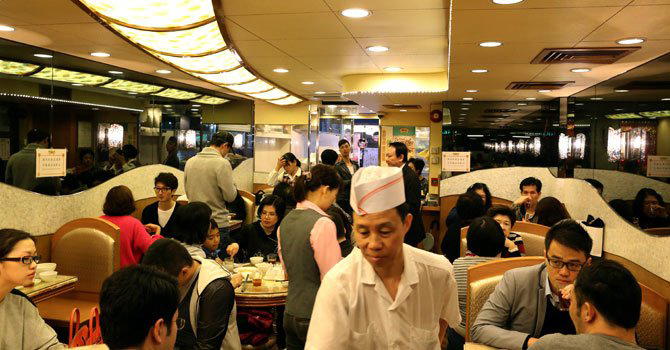
Steam, Broth, and the Architecture of a Good Bowl
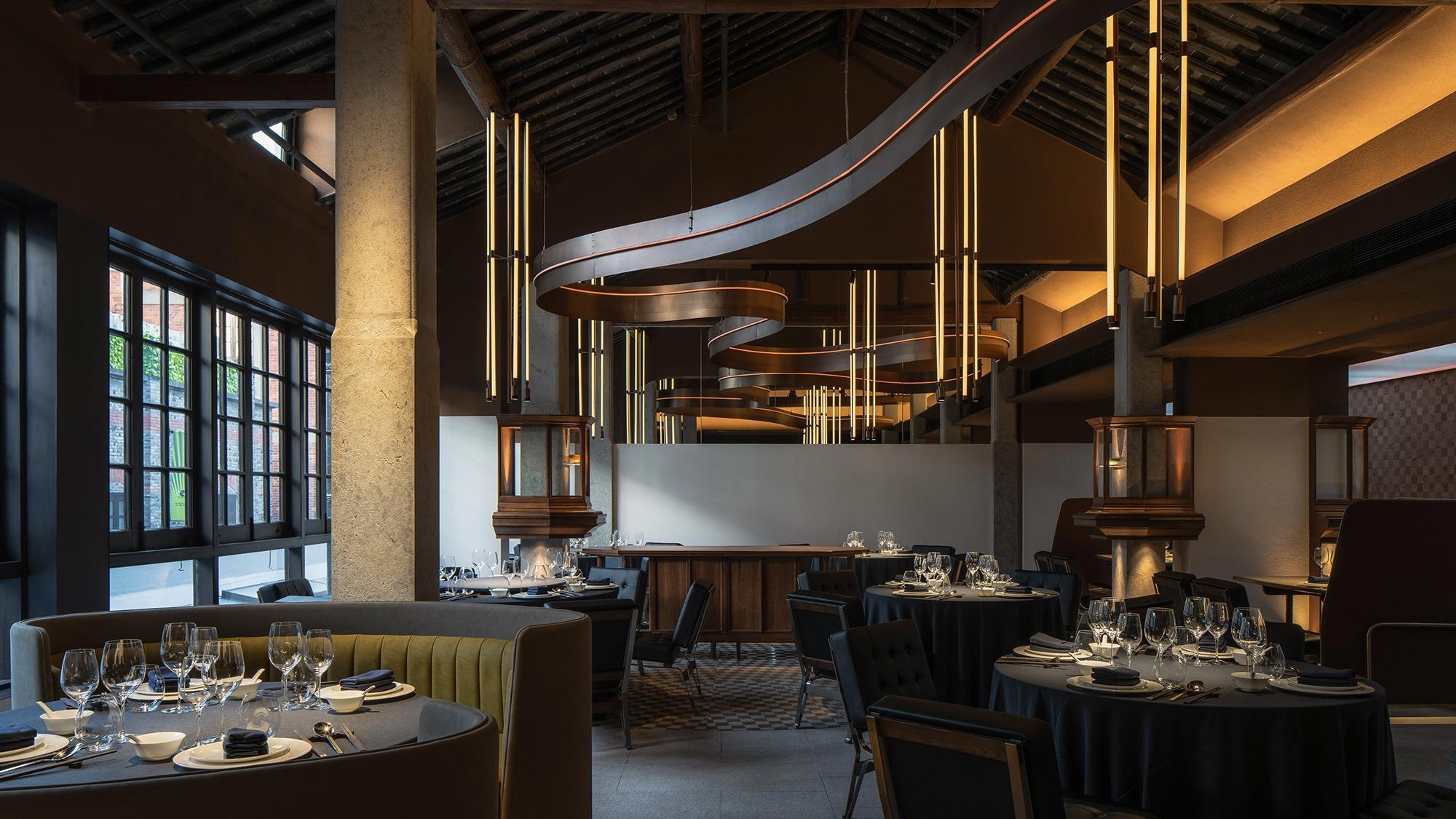
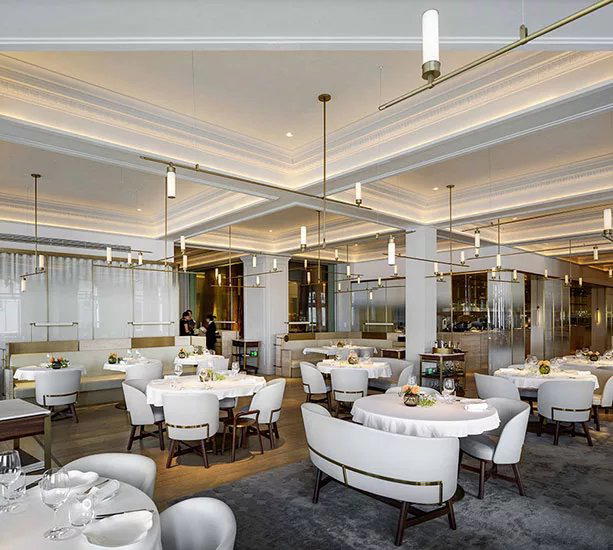
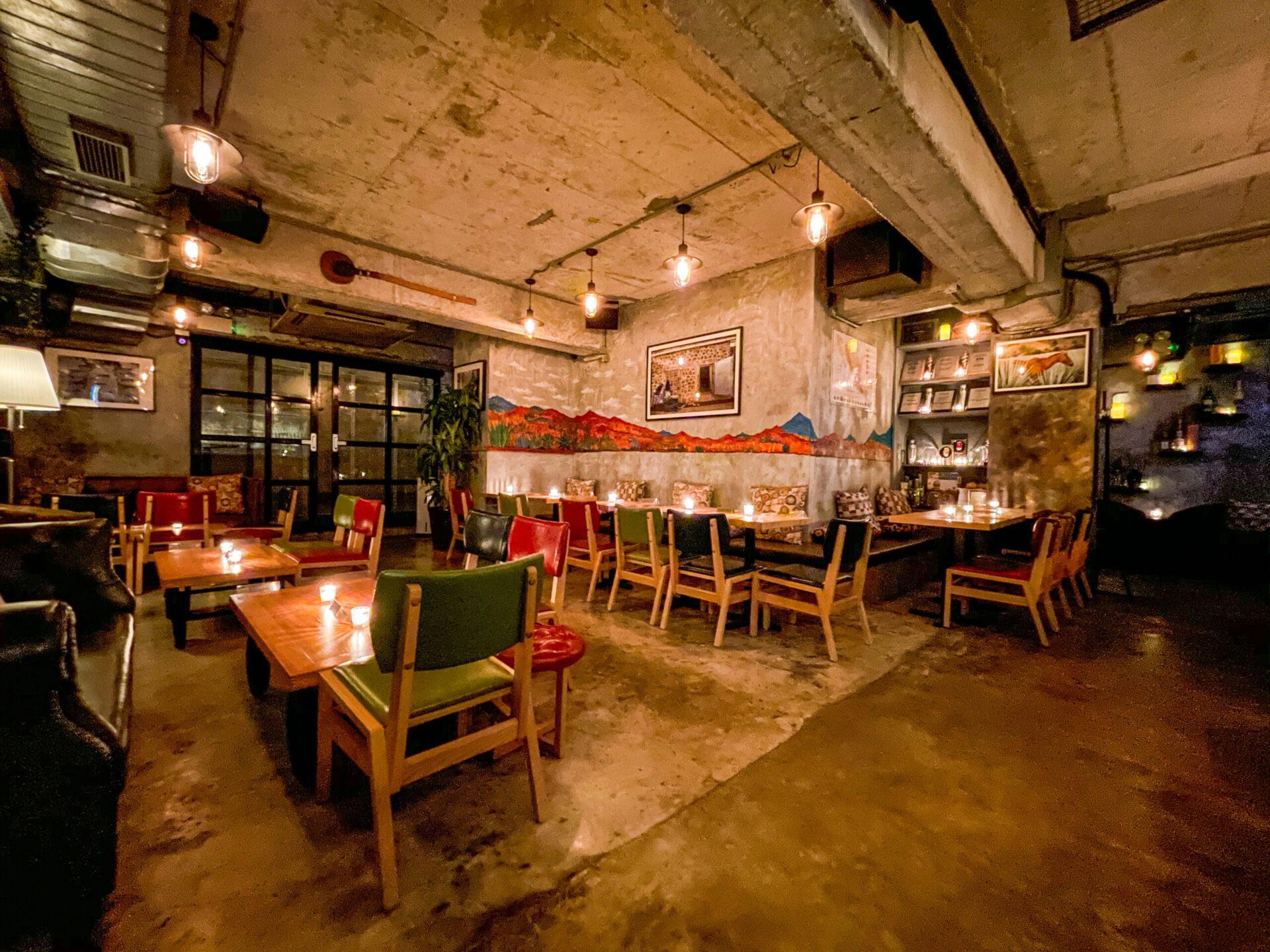
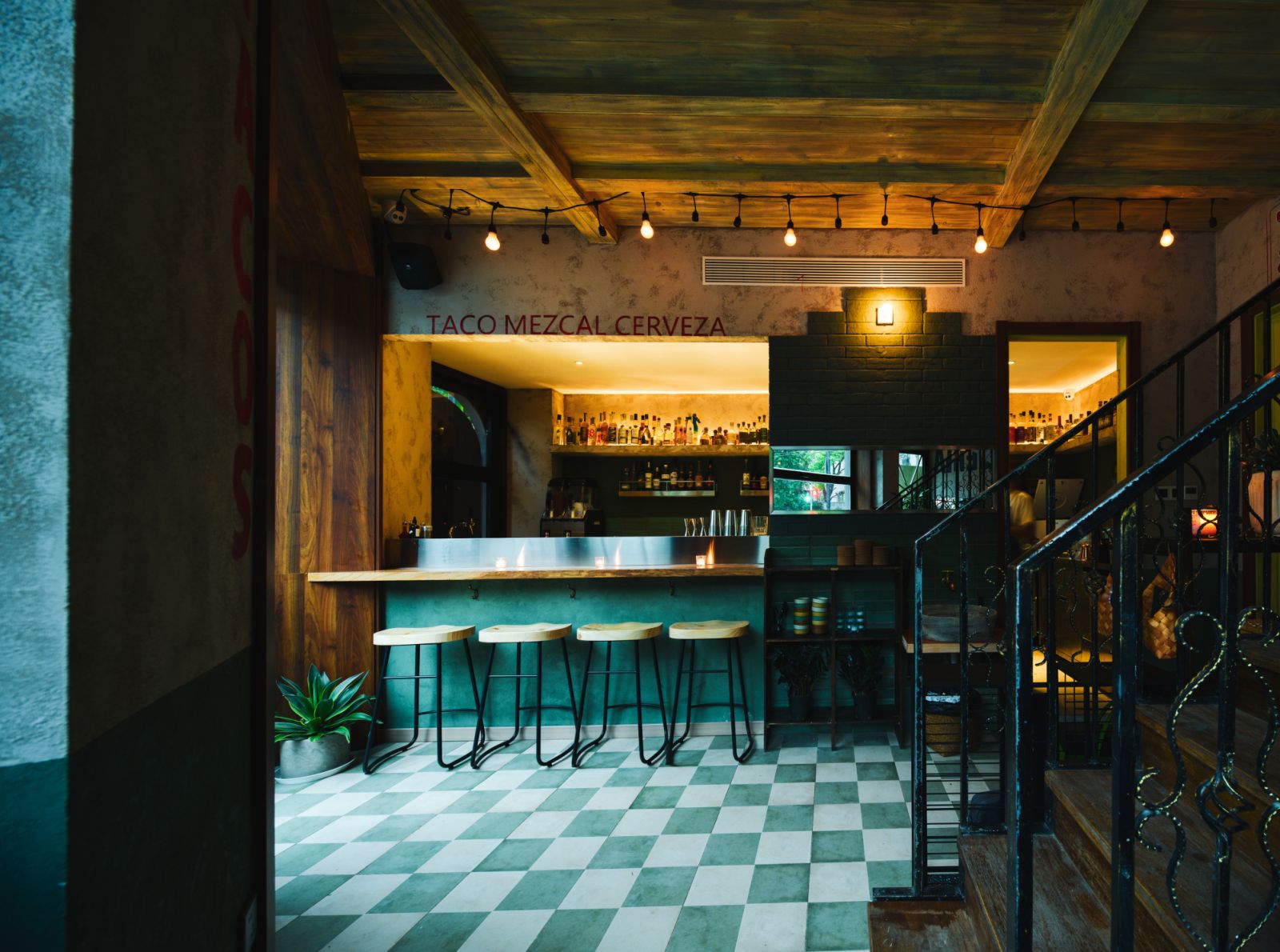
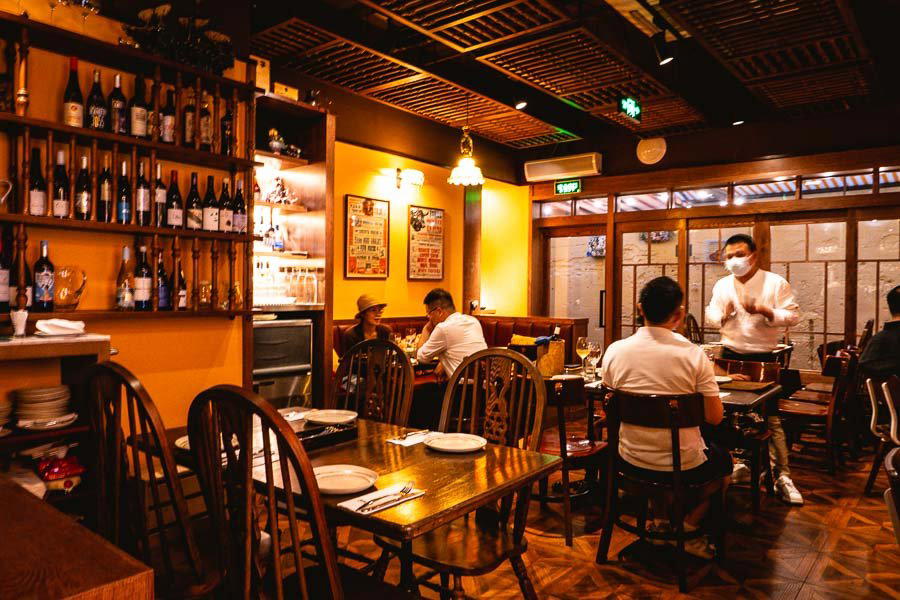
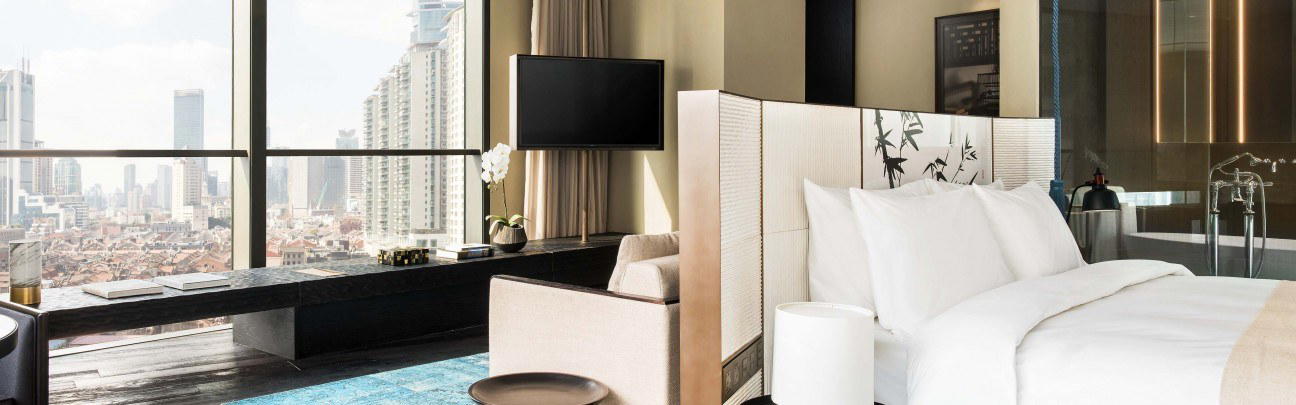
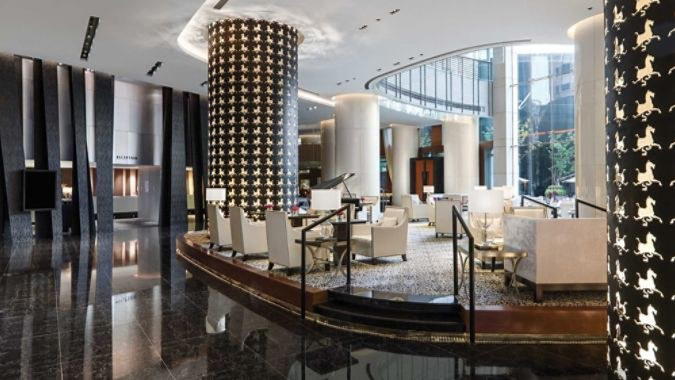
There is a particular quality of noise that belongs to a serious noodle shop: the clatter of ceramic against laminate, the low percussion of a ladle against a stockpot, conversation running at a pitch that never quite settles into quiet. Ho Hung Kee is a restaurant in Shanghai's Jing'an district serving Hong Kong-style Cantonese wonton noodles and congee at a ¥¥ price point. The room itself signals intent before a single bowl lands on the table: this is a space organised around throughput and comfort, not theatre.
The Bib Gourmand designation from Michelin, awarded in both 2024 and 2025, operates as a specific kind of endorsement. Where a star argues for a destination-level experience, the Bib Gourmand argues for quality at a price that makes repeat visits possible. In the context of Shanghai's noodle and congee category, that distinction matters: it places Ho Hung Kee in a tier where the comparison set is other high-consistency, moderate-price specialists.
Where Ho Hung Kee Sits in Shanghai's Noodle Scene
Shanghai's relationship with noodle culture is layered. The city has its own traditions, from scallion-oil noodles to thick-sauced dry mixes, but it has also absorbed Cantonese congee-and-noodle culture through decades of migration and commerce. The result is a category that operates across a wide price spectrum, from pavement-facing operations charging single-digit yuan to mall-based specialists at the ¥¥ bracket and above. Ho Hung Kee sits in that middle register, with a format built for regular visits.
For comparison, the city's recognised noodle and congee category includes Ding Te Le Zhou Mian Guan, which anchors a different neighbourhood entirely and draws a clientele with its own loyalty patterns. The overlap in category makes the differences in location and format instructive: Jing'an's commercial density means Ho Hung Kee operates in a higher-footfall environment, with a customer base that includes office workers, shoppers, and deliberate visitors in roughly equal measure.
That positioning also separates it clearly from the refined end of Shanghai's Chinese dining scene. Fu He Hui, the two-Michelin-starred vegetarian restaurant, operates at ¥¥¥¥ and asks the diner to commit to a very different kind of attention. Xin Rong Ji on West Nanjing Road handles Taizhou cuisine at ¥¥¥, a tier above. Ho Hung Kee's ¥¥ bracket is a deliberate choice about who the meal is for and how often it should be possible to eat it.
The Cantonese Congee and Noodle Tradition in a New Context
The Ho Hung Kee name carries history from Hong Kong. The original Ho Hung Kee Congee and Noodle in Hong Kong is one of the most recognised operations in that city's congee-and-wonton-noodle tradition, holding its own Michelin recognition over multiple years. The Shanghai iteration operates in that lineage but functions within a different dining ecosystem, where the reference points for what a bowl of congee or a plate of noodles should deliver are shaped by both Cantonese expectations and Shanghainese appetite.
Cantonese congee at this level is a precision exercise. The rice is cooked until the grains dissolve into a smooth, dense porridge, a process that requires time and the right ratio of liquid to grain. The result should carry weight without heaviness, warmth without blandness. Noodles, typically wonton-style in this format, demand fresh pasta with a specific bite and a broth that reads clean on the first sip and builds across the bowl. These are the standards the tradition sets, and they are what a Bib Gourmand in this category implicitly endorses.
For readers who want to trace this congee-and-noodle format across different regional expressions, Khao Tom Thanon Di Buk in Phuket provides an instructive comparison: a Southeast Asian rice porridge tradition that shares structural DNA with Cantonese congee while diverging in seasoning and garnish logic.
Jing'an and the Mall-Floor Restaurant Format
There is a reasonable critical conversation to be had about mall-floor dining in Chinese cities. The format is pragmatic: high footfall, managed infrastructure, climate control, and lease terms that can sustain a mid-range operation without the rent volatility of street-level Jing'an real estate. The tradeoff is a certain reduction in neighbourhood texture. You arrive through a shopping atrium rather than a lane, and the ambient sounds of retail commerce replace the street-level hum of a more embedded address.
Ho Hung Kee makes that tradeoff and wins on execution. The Google rating of 4.5 across 13 reviews reflects a small but positive customer base. It is a rating shaped by ordinary visits, including off-peak lunches and quick weeknight meals, which is precisely what a Bib Gourmand venue should be sustaining.
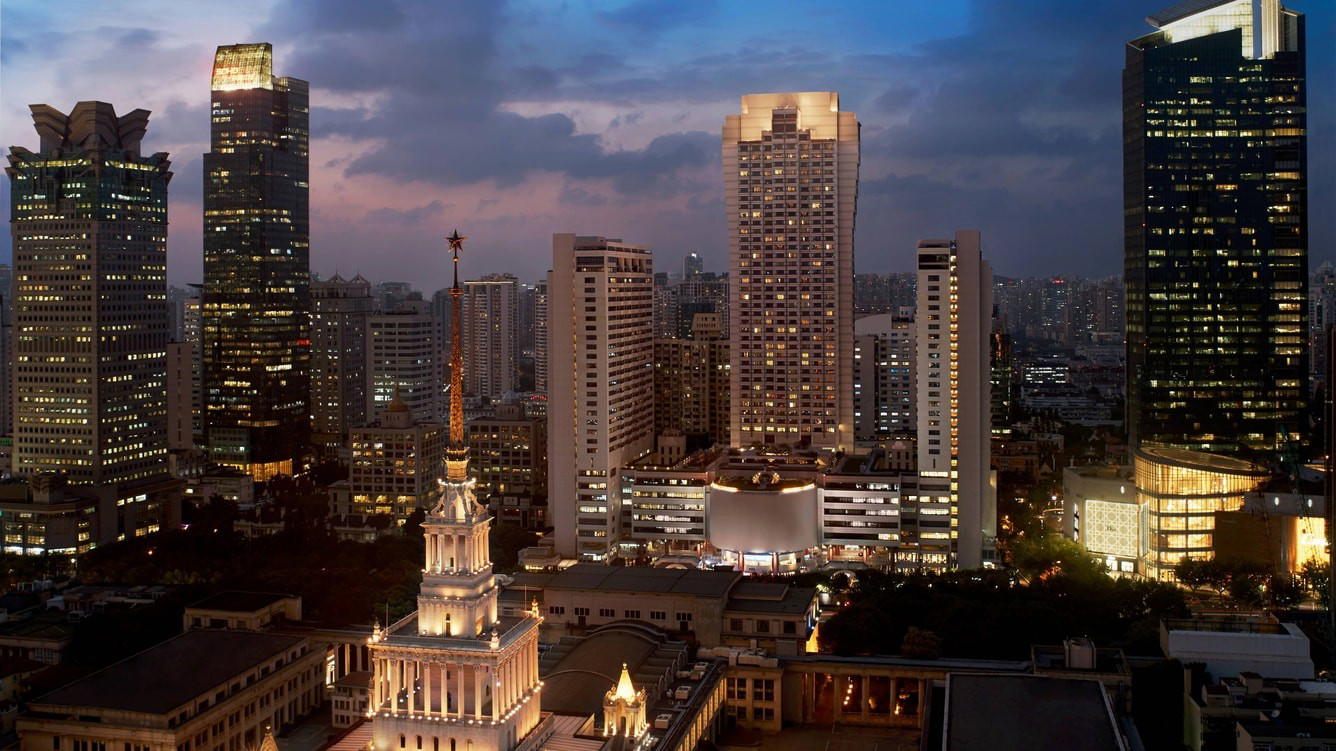
The address, Level 3 of 288 Shimen Yi Road, Jing'an, places it in a district with strong transport links.
Planning a Visit
The ¥¥ price point means Ho Hung Kee suits a mid-week lunch or a casual dinner, and reservations are recommended. It is the kind of place that rewards visiting slightly outside peak hours, when the kitchen has room to operate at its own pace. The Level 3 location within a commercial complex means arrival by metro is practical; Jing'an Temple and Changshu Road stations both serve the area.
For readers building a broader Shanghai itinerary, 102 House and Taian Table represent the city's more formal Cantonese and modern European registers, while Xin Rong Ji handles regional Chinese at a higher price tier. A full survey of the city's options is available through our full Shanghai restaurants guide. and . For broader regional context, Ru Yuan in Hangzhou, Dai Yuet Heen in Nanjing, and Chef Tam's Seasons in Macau offer useful reference points for how premium Chinese dining formats vary across East and South China. Xin Rong Ji on Xinyuan South Road in Beijing, Xin Rong Ji in Chengdu, and Imperial Treasure Fine Chinese Cuisine in Guangzhou extend that comparison further across the mainland. Our full Shanghai wineries guide and our full Shanghai experiences guide complete the picture for readers spending more than a day in the city.
City Peers
Comparable venues nearby, for context on price, style, and recognition.
| Venue | Cuisine | Price | Notes |
|---|---|---|---|
| Ho Hung KeeThis venue — the venue you are viewing | Hong Kong-Style Cantonese Wonton Noodles | $$$ | |
| Easeful Cuisine (Jingan) | Jiangzhe Cuisine | $$$ | Da Pu Qiao |
| Rong Cuisine | Modern Taizhou Seafood | $$$ | Lao Ximen |
| Lu Bo Lang | Traditional Shanghainese Dim Sum | $$ | Lan Ni Du |
| Hang Yuen Hin | Authentic Cantonese Dim Sum | $$$ | Xujiahui |
| Lan Xin (Jinxian Road) | Authentic Shanghainese Home-Style Cooking | $$ | Da Pu Qiao |
At a Glance
- Elegant
- Modern
- Sophisticated
- Casual Hangout
- Open Kitchen
- Sake Program
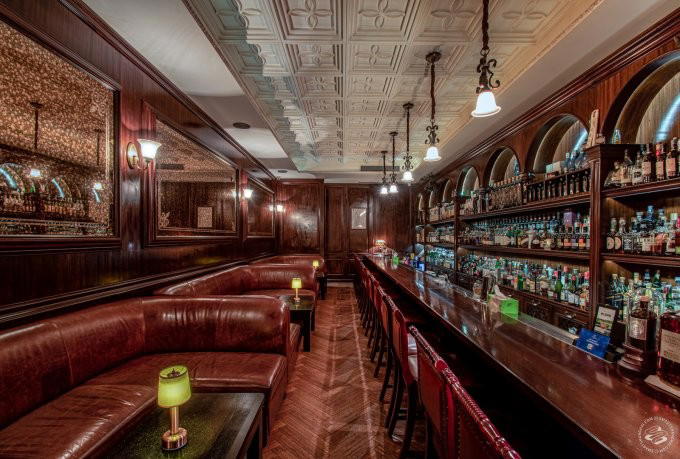
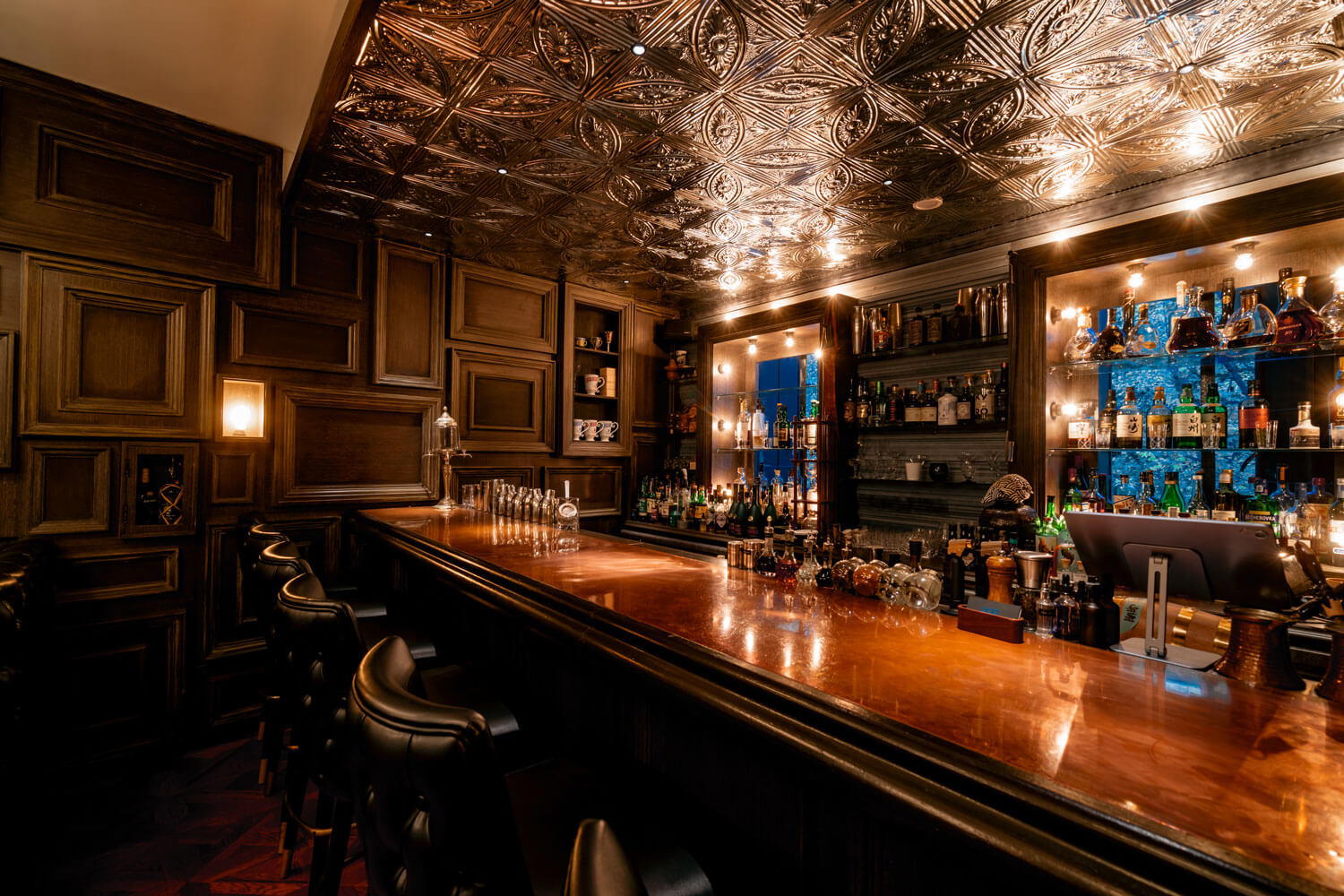
Lavish Chinese-inspired faux-industrial decor with brushed brass pendant lamps and black wrought-iron arches, creating a warm, cinematic glow in a bright red, imposing interior.