
A Michelin Plate-recognised Cantonese address in Xuhui, Hang Yuen Hin brings Guangzhou and Hong Kong technique to a dining room bordered by lush greenery on Wanping Road. The menu centres on restrained, low-salt, low-oil cooking, almond-crusted shrimp rolls and crispy pigeon among the signatures, with dim sum that draws family groups and Sunday regulars in equal measure.
Pearl is the En Primeur Club membership app — saves, bookings, and concierge access live there. Same editors, same standards.
- Address
- 290 Wanping Rd, Xujiahui, Xuhui District, Shanghai, China, 200030
- Phone
- +86 21 6472 9778
- Website
- hyhgroup.cn
- Directions
- Get directions
 Saves & bookings on Pearl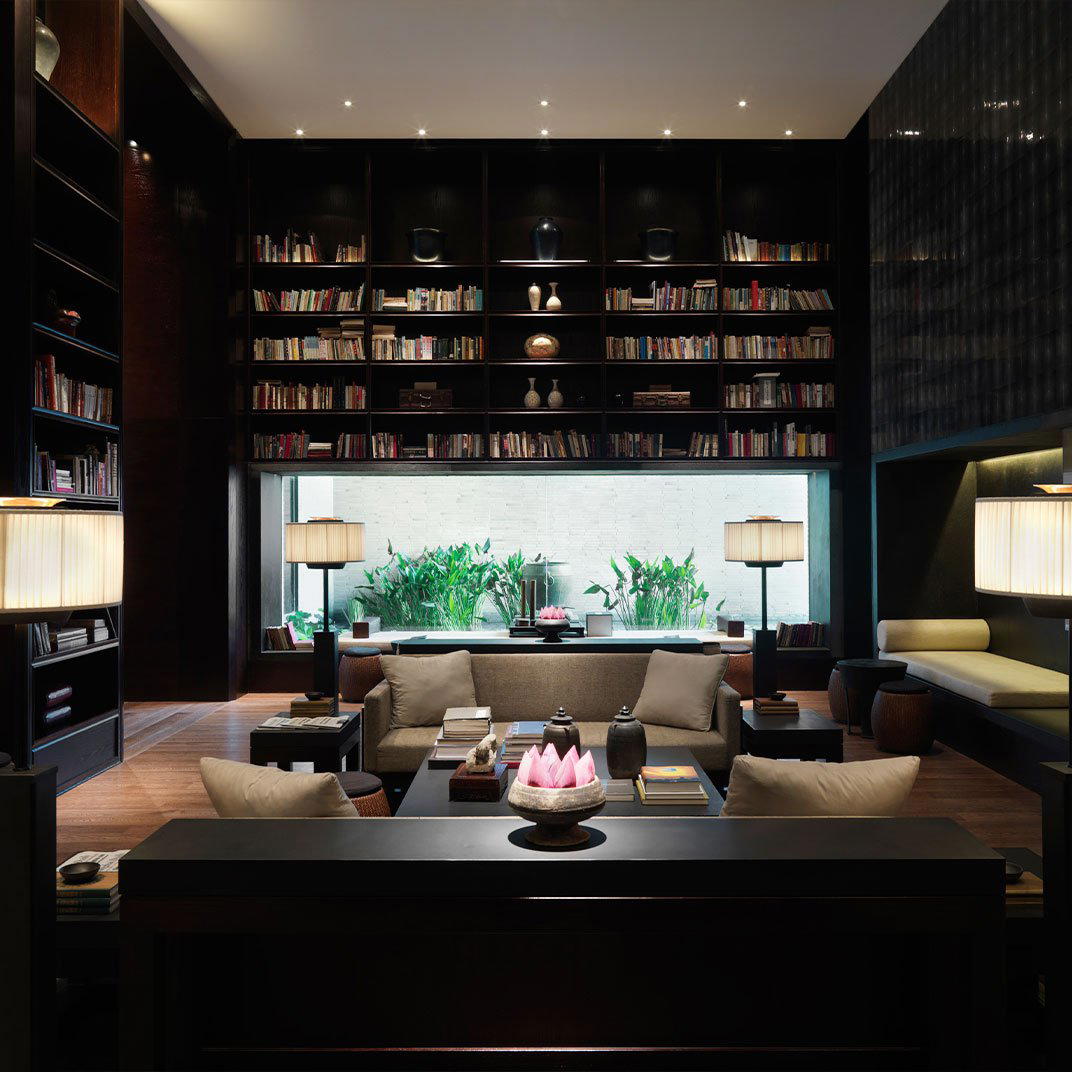
Green Light Through the Windows: Cantonese Restraint in Xuhui
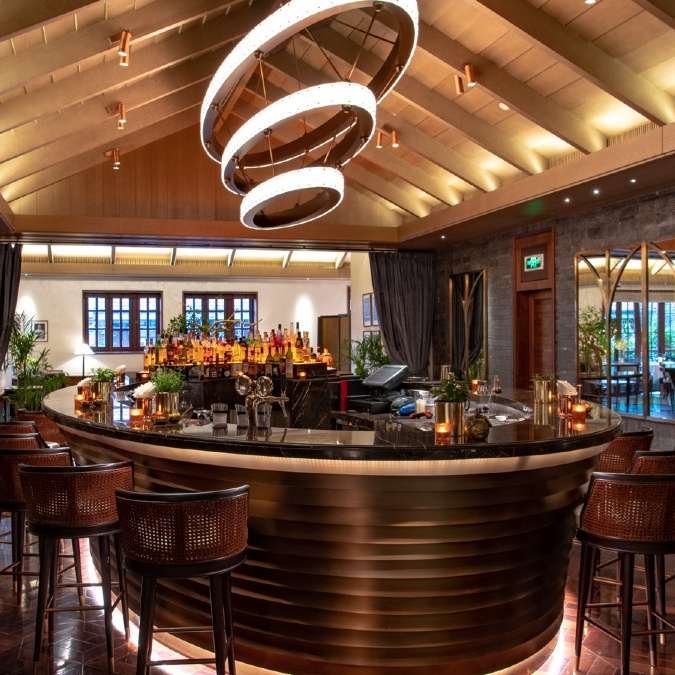
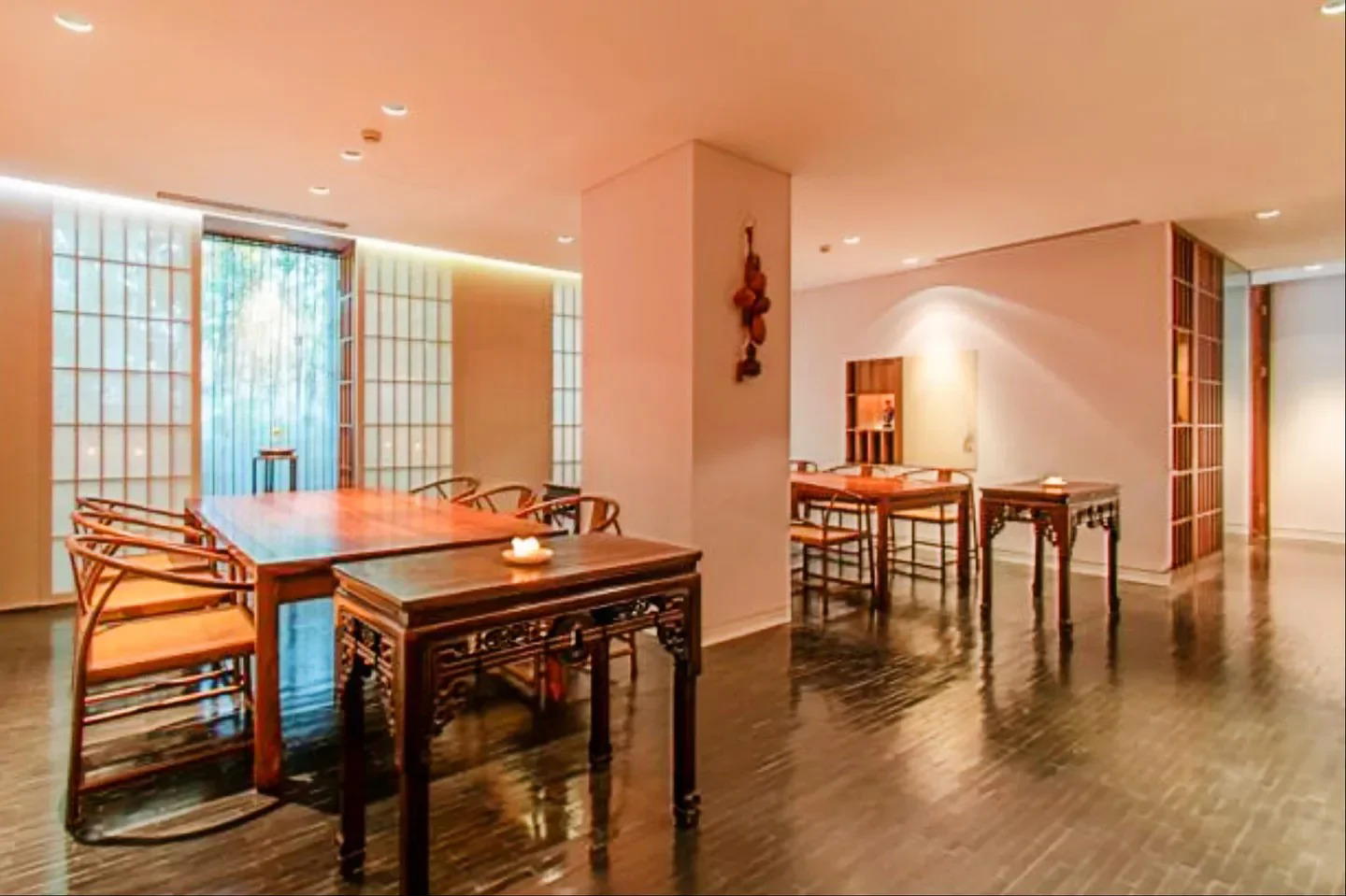
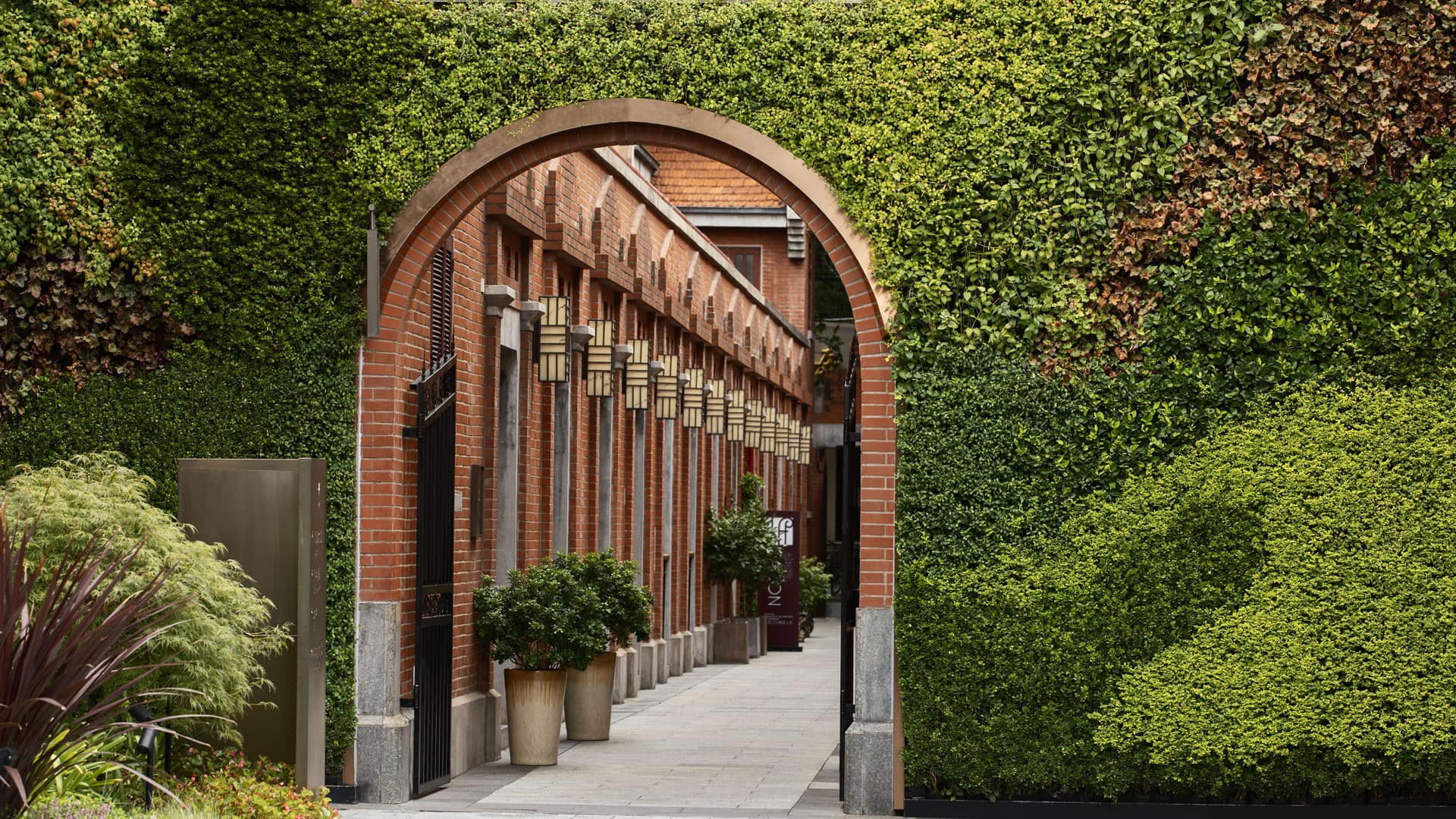
Xuhui's tree-lined streets do particular work for certain kinds of restaurants. On Wanping Road, where the canopy closes overhead and the noise of central Shanghai softens to a murmur, the dining room at Hang Yuen Hin receives a quality of light that most city restaurants spend a fortune trying to manufacture. The greenery pressing against the windows is not incidental, it shapes the room's mood in a way that matters for a cuisine built on subtlety. Cantonese cooking at its most considered asks you to pay attention: to broth clarity, to the precise moment a shrimp filling holds together in a roll, to the difference between skin that shatters and skin that merely crackles. That kind of attention is easier to summon when the room itself is calm.
What the Menu Architecture Reveals
The structure of a Cantonese menu tells you more about a kitchen's ambitions than any single dish. At the broad end sits dim sum, the social format that functions as both entry point and proof of technical range. At the narrow end sit the whole-bird and whole-animal preparations that demand the highest technical control and the confident sourcing. Hang Yuen Hin positions itself across both ends without inflating into the ¥¥¥ tier that defines Shanghai's Cantonese fine-dining addresses. That mid-range price bracket (¥¥) is a deliberate signal: this is a restaurant for regular use, not occasion-only visits.
The signature dishes confirmed in the Michelin Plate recognition, almond-crusted fried shrimp rolls and crispy pigeon, illustrate a kitchen comfortable with classical Cantonese technique. The almond crust on a shrimp roll is a textural calculation: it must provide contrast without masking the sweetness of the filling, which means oil temperature and coating thickness are non-negotiable variables. Crispy pigeon is similarly unforgiving. The dish requires a sequence of blanching, marinating, drying, and frying that leaves no room for shortcuts, and the skin's colour at service is a direct readout of whether the process held. Both dishes reward kitchens that have done them repeatedly, and the Michelin Plate recognition awarded in 2025 suggests this one has.
Salt and oil in excess are tools for masking, not for cooking. A kitchen that restrains both is making a claim about the quality of its primary materials and the confidence of the cook behind them.
Dim Sum as the Room's True Pulse
In Shanghai's Cantonese dining scene, dim sum occupies a specific social register that differs from how it functions in Guangzhou or Hong Kong. Here it is rarer, which gives it a slightly heightened status, weekend dim sum at a credible address draws a crowd that treats the occasion as an event rather than a routine. Hang Yuen Hin's dim sum offering sits within that context, and the family-and-friends framing in its Michelin citation points toward a round-table format where the ordering is communal and the pacing is relaxed. That format suits the Wanping Road setting: the room's greenery and relative calm make a long dim sum session feel supported rather than rushed.
For comparison, Shanghai's heavier-hitting Cantonese addresses, Canton 8 (Huangpu), Ji Pin Court, and Imperial Treasure Fine Chinese Cuisine, operate at the ¥¥¥ tier and above, with formal service formats and tasting-menu options. Bao Li Xuan and 102 House each bring their own emphasis to Chinese dining in the city. The restaurant's ¥¥ position makes it functionally different from those addresses: it is the kind of restaurant you return to weekly rather than quarterly.
Kitchen Credentials and the Guangzhou-Hong Kong Axis
The chef's dual formation in Guangzhou and Hong Kong is a meaningful credential in Cantonese cooking. Those two cities represent distinct inflections of the same tradition: Guangzhou's approach tends toward the pure and austere, while Hong Kong's has absorbed decades of international influence and demand, producing a more technically elaborate register. A cook trained across both has exposure to the discipline of the former and the precision of the latter, a combination that maps directly onto what the menu at the restaurant appears to be attempting. The low-salt, low-oil philosophy aligns with Guangzhou; the technical demands of the signature dishes reflect Hong Kong training standards.
For readers interested in how this positioning compares across mainland China and the broader region, Xin Rong Ji (Xinyuan South Road) in Beijing and Xin Rong Ji in Chengdu represent the East China fine-dining tier at higher price points. Chef Tam's Seasons in Macau and Jade Dragon in Macau show what Cantonese cooking looks like at the starred level in a different regulatory and hospitality context. Forum in Hong Kong remains one of the reference points for classical Cantonese in the city that shaped the cuisine's contemporary form. Imperial Treasure Fine Chinese Cuisine in Guangzhou and Dai Yuet Heen in Nanjing extend the comparison further across the region. Ru Yuan in Hangzhou offers a useful counterpoint in a city where classical Chinese cooking takes a different regional character.
Planning a Visit
The restaurant is on Wanping Road in the Xujiahui area of Xuhui District, an address that sits within walking distance of Xujiahui's main transit hub, making it accessible from most parts of the city without a significant journey. The ¥¥ price range positions a meal, whether a full dinner or a dim sum session, at a level where spending is modest by Shanghai dining standards, and the Michelin Plate recognition in 2025 provides external confirmation that the kitchen is operating at a consistent level. Given the family-format appeal and the neighbourhood's residential character, weekend mornings and early afternoons are the likely peaks for dim sum service; weekday evenings will be calmer. Booking ahead is recommended.
Category Peers
Comparable venues nearby, for context on price, style, and recognition.
| Venue | Cuisine | Price | Awards | Notes |
|---|---|---|---|---|
| Hang Yuen HinThis venue — the venue you are viewing | Authentic Cantonese Dim Sum | $$$ | Michelin Plate | Not listed |
| Min He Nan Huan Xi | Fujian Cuisine | $$$ | Michelin Plate | Changning |
| 大董海参店 Da Dong - Shanghai | Modern Beijing-Shandong Sea Cucumber | $$$ | Not listed | Jing'an |
| Canton Disco | Modern Cantonese Fusion | $$$ | Michelin Plate | Lan Ni Du |
| The yidao restaurant | Modern Huaiyang Chinese with Tea Pairings | $$$ | Not listed | Lan Ni Du |
| Shanghai | Shanghai (Haipai) Cuisine | $$ | Michelin Plate | Huangpu |
Recognition history
Dated appearances from independent guides and award organizations, with the underlying list record or original source where available.
Michelin Plate
Michelin
Michelin Plate
Michelin
Michelin Plate
Michelin
At a Glance
- Elegant
- Relaxed
- Scenic
- Family
- Group Dining
- Brunch
- Garden
- Private Dining
- Garden
Current opening hours
- Monday
- 11 AM–2:30 PM, 5–10 PM
- Tuesday
- 11 AM–2:30 PM, 5–10 PM
- Wednesday
- 11 AM–2:30 PM, 5–10 PM
- Thursday
- 11 AM–2:30 PM, 5–10 PM
- Friday
- 11 AM–2:30 PM, 5–10 PM
- Saturday
- 11 AM–2:30 PM, 5–10 PM
- Sunday
- 11 AM–2:30 PM, 5–10 PM
Hours can change for holidays and private events. Last verified .
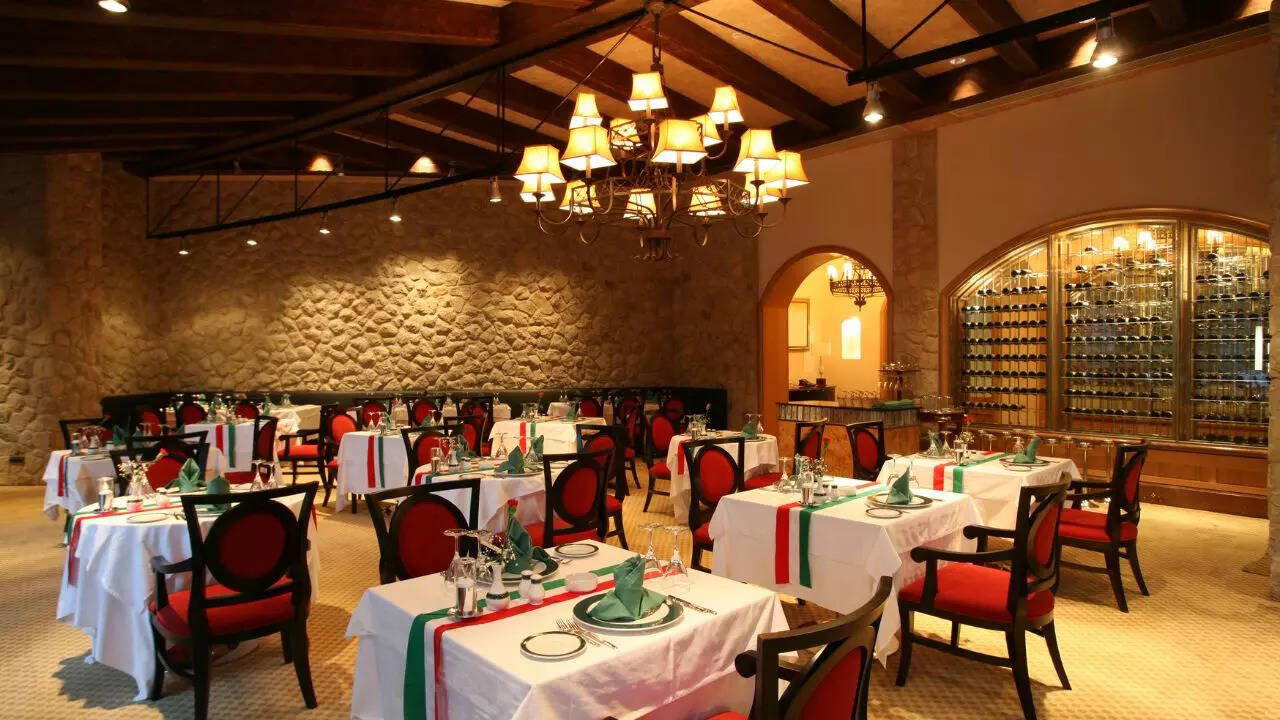
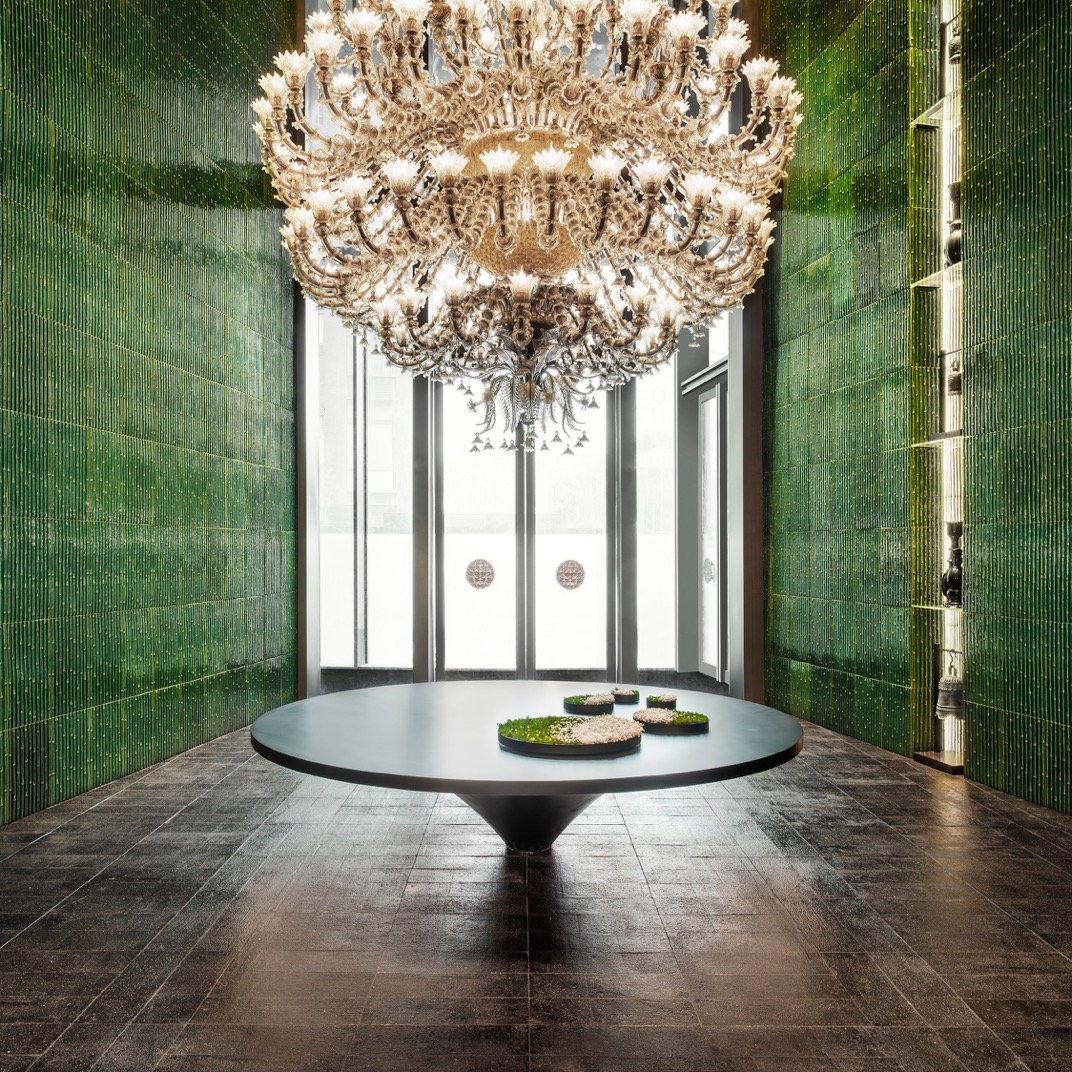
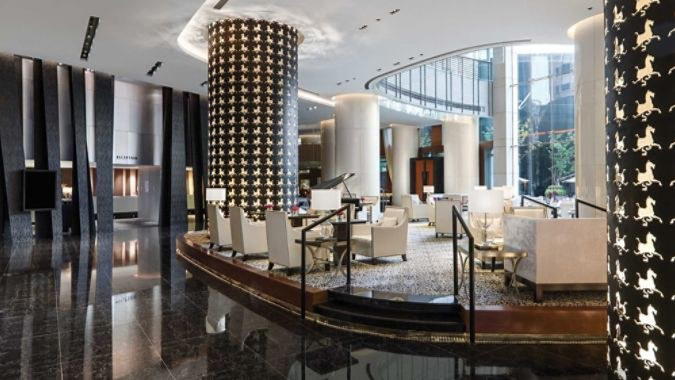
Relaxing ambiance enhanced by lush greenery outside the windows and elegant decor.