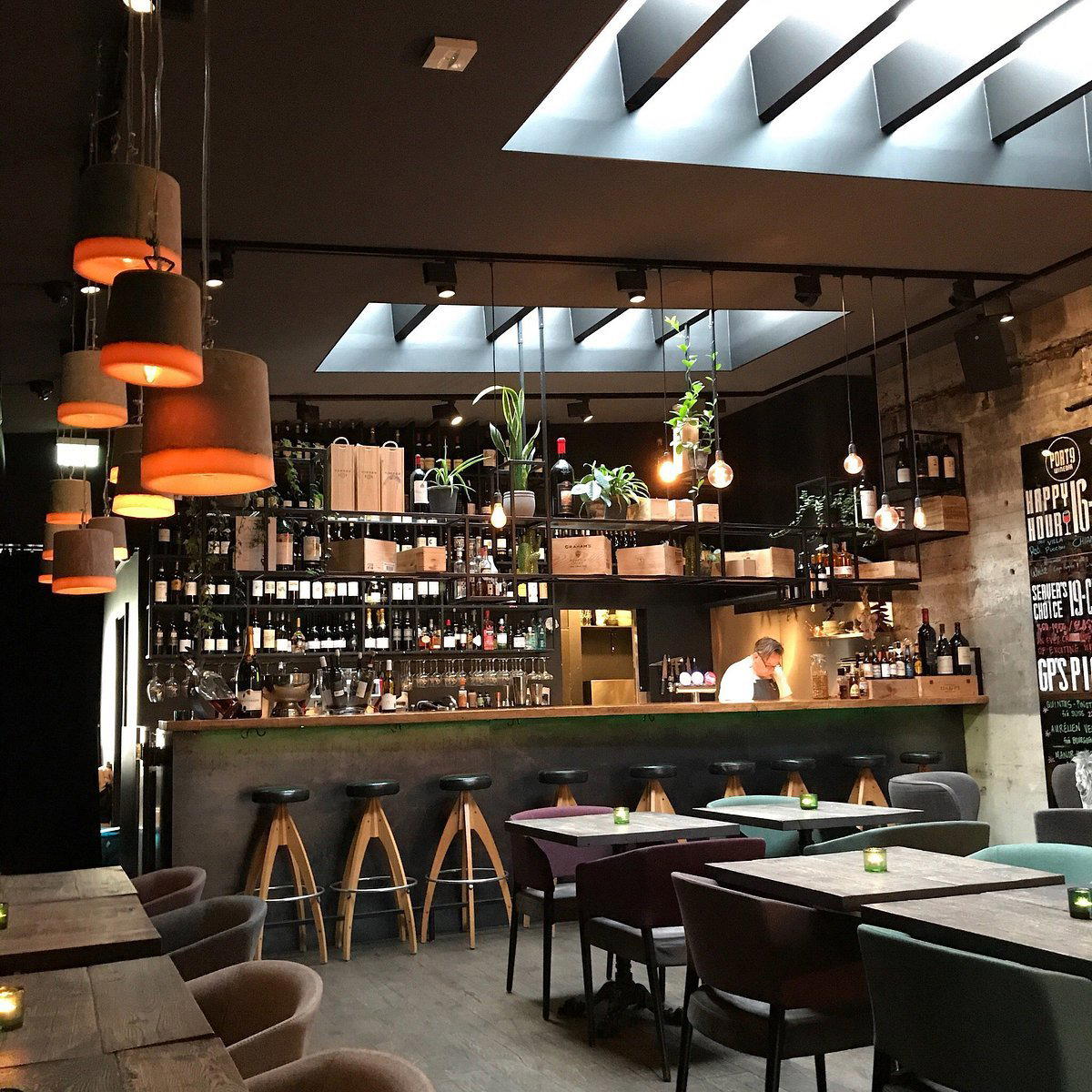
Hlemmur Mathöll occupies a renovated bus terminal at Laugavegur 107, operating as one of Reykjavik's most-visited food hall addresses. The format puts Icelandic produce, international street food, and craft drinks under one roof in the city's inner east — a practical entry point into the local eating scene without the formality of a sit-down restaurant.
Pearl is the En Primeur Club membership app — saves, bookings, and concierge access live there. Same editors, same standards.
- Address
- Laugavegur 107, 105 Reykjavík, Iceland
- Phone
- +354 787 6200
- Website
- hlemmurmatholl.is
- Directions
- Get directions
 Saves & bookings on Pearl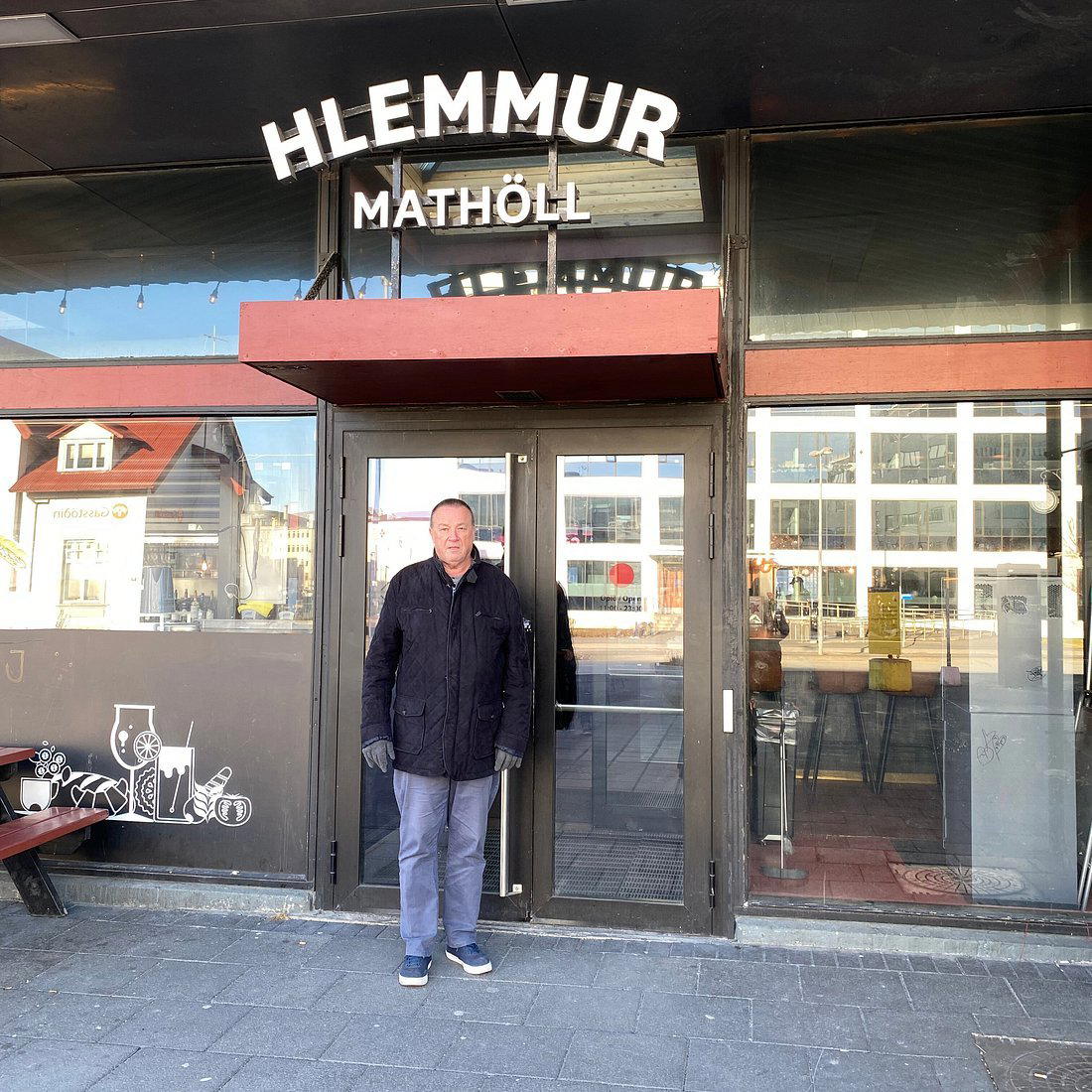
The Old Bus Station and What It Became
Reykjavik's food culture has never quite followed the European model of grand central markets. The city is too small, the population too spread, and the history of Icelandic eating too domestic for that kind of civic institution to have taken hold naturally. What emerged instead, particularly in the decade after 2008's financial crash, was a more improvised infrastructure: small producers, pop-up formats, and eventually the food hall as an urban anchor. Hlemmur Mathöll, located at Laugavegur 107 in the capital's inner-east district, represents the most prominent example of that shift. The building itself was once the Hlemmur bus terminal, a piece of mid-century civic architecture that for decades served as the functional hub of Reykjavik's public transport network before buses moved on and the structure was left to find a second life. That second life arrived in 2017, when the hall reopened as a collection of independent food vendors and bars.
The Hlemmur neighbourhood sits at the upper end of Laugavegur, the city's main commercial artery, where the boutique-heavy tourist stretch begins to give way to more everyday Reykjavik. This positioning matters. It places the food hall within walking distance of the dense cluster of restaurants and bars in the 101 postal district — including addresses like Brút and Bon Restaurant — while occupying a slightly less saturated block where rents have historically allowed more experimental formats to survive.
Food Hall Logic in a City This Size
In most major cities, food halls exist as solutions to a density problem: they concentrate variety in a single space for a population large enough to sustain multiple operators under one roof. In Reykjavik, a capital of fewer than 140,000 people, the logic works differently. Here, the food hall functions less as a convenience aggregator and more as a social infrastructure, a place where the eating-out population of a small city can gather across different tastes and price tolerances without the commitment of a reservation. This is the context in which Hlemmur Mathöll operates, and it explains why the format has proven durable in a market that many outside observers might assume too small to support it.
The vendor mix at Icelandic food halls of this type typically reflects the tension between local identity and cosmopolitan appetite that characterises Reykjavik more broadly. Icelandic ingredients, lamb, skyr, fish from cold North Atlantic waters, appear alongside Asian street food, Middle Eastern preparations, and European baked goods. This is not fusion in the culinary sense; it is parallel coexistence, with stalls operating independently rather than in dialogue. The format rewards browsing over planning, which suits the neighbourhood's foot traffic patterns, particularly on evenings when Laugavegur activates as a social corridor rather than a shopping street.
For visitors comparing options in the 101 district, the hall offers a different proposition to the more structured dining at places like DILL in Reykjavík, which holds a Michelin star and operates an omakase-adjacent tasting format, or to the focused single-dish experience at Bæjarins Beztu Pylsur, the downtown hot dog stand that has served as an informal institution since 1937. Hlemmur Mathöll sits in a different register: higher in format than a street stall, lower in ceremony than a tasting menu, and wider in scope than either.
The Hall's Place in Iceland's Wider Dining Map
Reykjavik occupies a specific position in the Nordic food conversation. It lacks the institutional weight of Copenhagen or Stockholm's fine dining scenes, but it has produced a generation of chefs and producers with strong ideas about Icelandic ingredients and their international potential. The country's restaurant output extends well beyond the capital: Moss in Grindavík operates inside a hotel near the Blue Lagoon with a menu built around volcanic landscape ingredients; Fjöruborðið in Stokkseyri is known specifically for langoustine in a coastal village about an hour from the capital; Friðheimar in Reykholt centres its menu on greenhouse-grown tomatoes, a direct expression of Iceland's geothermal agriculture. These are destination-specific propositions, each anchored to a place and a single strong idea.
The food hall model, by contrast, is explicitly non-specific. It is a format that absorbs and reflects a city's eating habits rather than asserting a singular culinary identity. In this sense, Hlemmur Mathöll functions as a useful orientation point for visitors arriving without a fixed itinerary, a place to read the city's appetite before committing to more particular addresses like Amma Don, Bergsson Mathús, or Nesjavallavirkjun in Selfoss for those extending their trip beyond the capital.
The Icelandic food scene also has international reference points worth noting for context. The kind of produce-led cooking that defines the country's better restaurants shares methodological DNA with the ethos behind places like Lazy Bear in San Francisco, where a tasting menu format is used to make an argument about local ingredients and seasonal constraint. At the other end of the formality spectrum, the food hall and casual communal eating tradition connects loosely to what addresses like Emeril's in New Orleans demonstrated about making serious culinary culture accessible to a broad dining public.
Planning a Visit
Hlemmur Mathöll is located at Laugavegur 107, within walking distance of most central Reykjavik accommodation. The hall operates as a drop-in format, no reservations are required for the food stalls, and the open layout means peak hours on weekend evenings are the most crowded windows. Visitors arriving in the quieter early afternoon tend to find more space and shorter waits. For those building a wider Reykjavik itinerary, the hall sits logically alongside an evening walk up Laugavegur toward the 101 district's bar and restaurant cluster. The our full Reykjavik restaurants guide covers the broader dining scene in detail, including addresses across different price points and formats. Visitors extending to the north should consider Strikið in Akureyri, and those transiting through Keflavik airport have options including Malai-Thai in Keflavik. The neighbouring Hafnarfjörður also hosts Von Mathús-Bar, a bar-restaurant format with a different character to the capital's main drag. For the most structured fine dining in Iceland, the Chef's Table at Moss Restaurant and Le Bernardin in New York City represent opposite ends of the global fine dining register, useful reference points when calibrating expectations for what Reykjavik's own top-tier addresses are attempting.
Continue exploring
More in Reykjavík
Restaurants in Reykjavík
Browse all →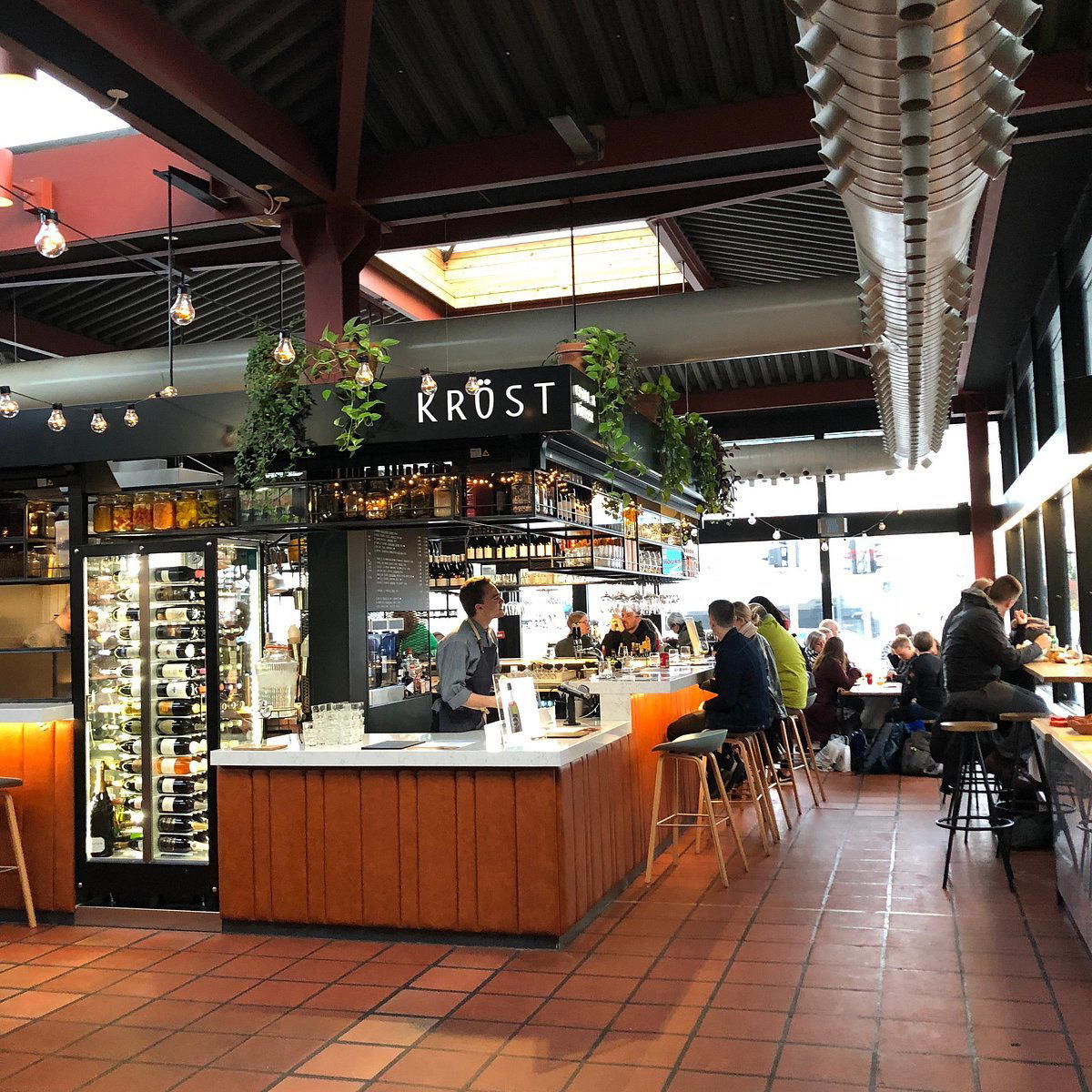
Bars in Reykjavík
Browse all →
At a Glance
- Lively
- Energetic
- Trendy
- Industrial
- Casual Hangout
- Group Dining
- Solo
- Family
- After Work
- Brunch
- Historic Building
- Open Kitchen
- Design Destination
- Beer Program
- Craft Cocktails
- Local Sourcing
- Organic
Current opening hours
- Monday
- 11 AM–10 PM
- Tuesday
- 11 AM–10 PM
- Wednesday
- 11 AM–10 PM
- Thursday
- 11 AM–10 PM
- Friday
- 11 AM–10 PM
- Saturday
- 11 AM–10 PM
- Sunday
- 11 AM–10 PM
Hours can change for holidays and private events. Last verified .
Know Before You Go
- Getting there
- Laugavegur 107, 105 Reykjavík, Iceland