Google: 4.5 · 79 reviews

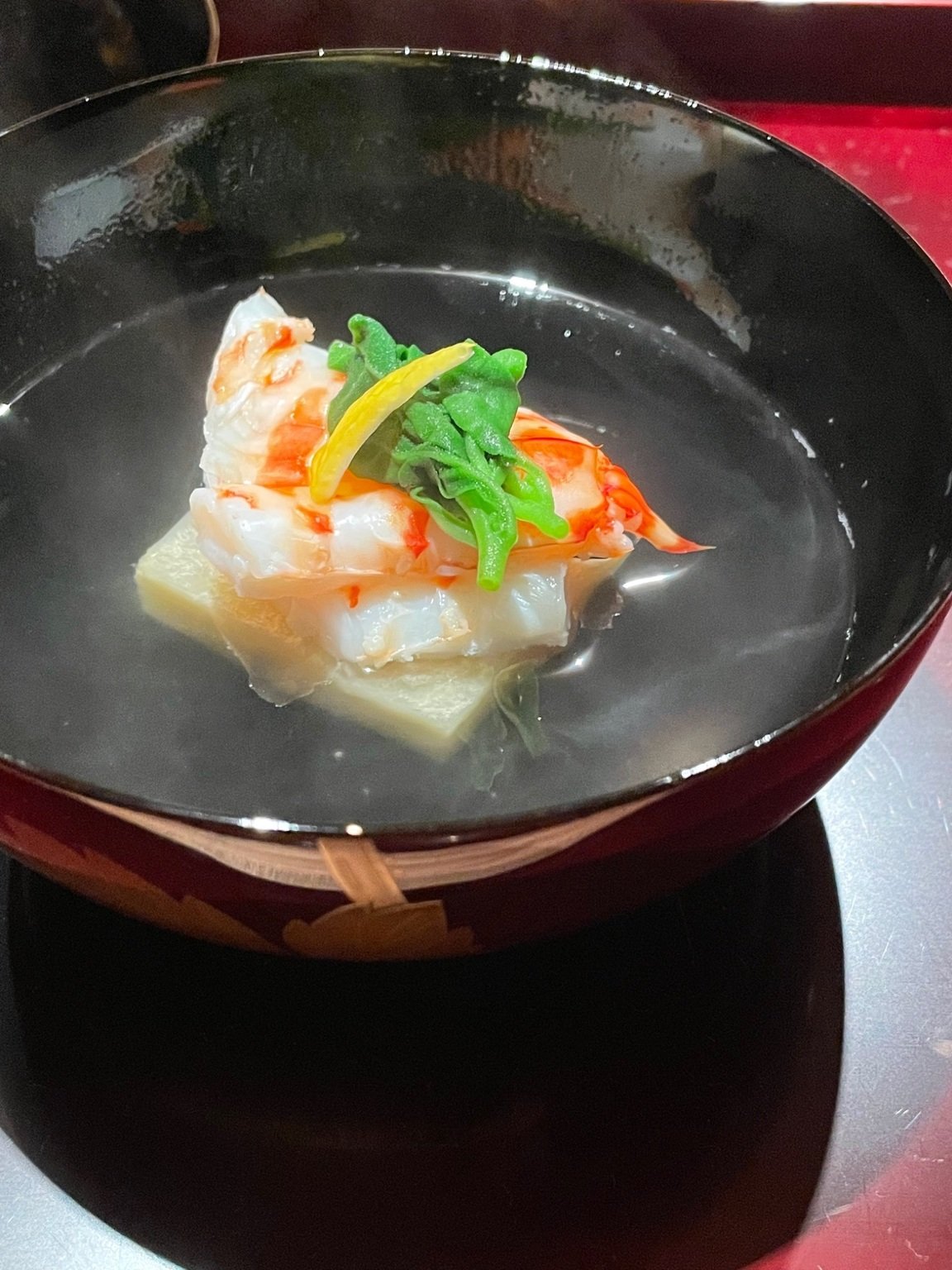
Hirovanna is a 15-seat Italian restaurant in Nagoya's Nakono district, recognised by the Tabelog Award Bronze in both 2025 and 2026, and selected for the Tabelog Italian EAST Top 100 in 2023 and 2025. Set-course lunches and dinners draw on ingredients sourced directly from Aichi's coastline and mountain farms. Dinner runs JPY 15,000–19,999; lunch from JPY 10,000–14,999.
 Discover on Pearl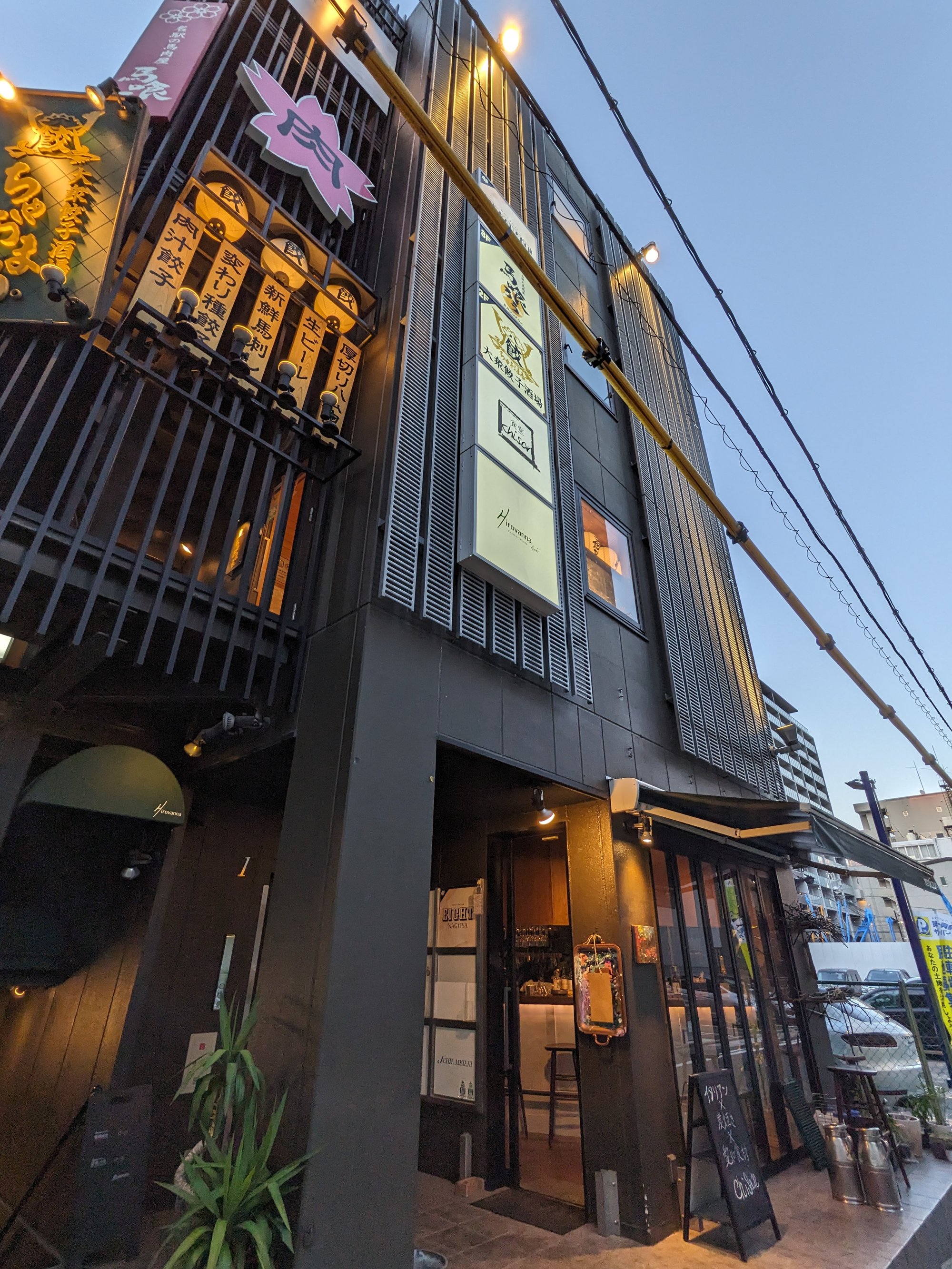
A Basement Room With a Considered Point of View
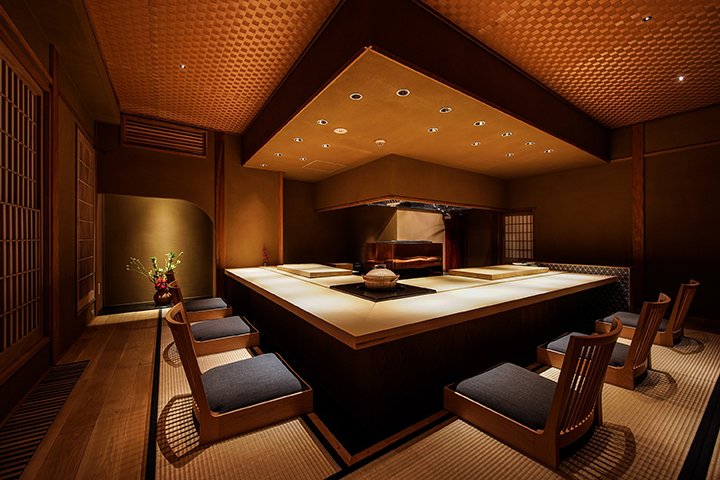
Basement Italian restaurants in Japanese cities tend to signal one of two things: either a narrow, canteen-style counter built around a single chef's ego, or a cavernous wine-bar format where the food plays second to the list. Hirovanna, which operated from a basement level in Nagoya's Meieki district before relocating to Nakono 2-chome in March 2026, occupied a different position. The room held 15 seats, split between three counter positions and 12 at table, and the Tabelog listing categorises the space as stylish, relaxing, and spacious for its scale. That balance of containment and ease is not accidental: in Japan's premium Italian tier, small rooms are a deliberate signal of format discipline, placing focus on the course sequence rather than volume turnover.
The physical approach to the original Meieki address reinforced that intention. The restaurant sat in the B1F of the J-Chiru Meieki Building, reachable in seven minutes on foot from Nagoya Station or three minutes from Exit 1 of International Center Station. A destination that requires a short descent to find tends to self-select its audience, and the clientele at a Tabelog-recognised Italian counter in Nagoya is a specific one: regulars who book months ahead, visitors who plan around the reservation rather than the sightseeing itinerary, and local professionals who treat the meal as the evening's entire event.
What the Awards Signal About the Peer Set
Tabelog's scoring system is one of the most granular restaurant evaluation tools in Japan, aggregating thousands of user reviews into a weighted score that accounts for visit frequency, reviewer credibility, and recency. A score of 4.03, which Hirovanna held for its 2026 Bronze Award, places a restaurant in the upper 2–3% of all venues listed in Japan. For context, Tabelog Bronze begins around 3.8 and narrows sharply above 4.0. The restaurant also held a 2025 Bronze at 3.98 and was selected for the Tabelog Italian EAST Top 100 in both 2023 and 2025, a regional list that covers Italian restaurants across eastern and central Japan and is recalibrated annually.
Within Nagoya's Italian scene, that consistency across three consecutive award cycles is notable. The city has a broader European dining culture than many international visitors expect: Nagoya's industrial wealth and its position between Tokyo and Osaka have historically supported a cosmopolitan restaurant market, and Italian cuisine in particular has found a sustained audience here. Hirovanna's peer set, positioned by price and score, sits alongside other Tabelog-recognised Italian counters in Aichi rather than the city's more casual trattoria tier. For wider regional comparison, the Italian format at this level in Japan draws comparisons to European-influenced fine dining elsewhere in the country, including venues like HAJIME in Osaka, which applies a similar discipline to sourcing and course architecture, and akordu in Nara, which integrates Japanese agricultural ingredients into a European framework.
The Sourcing Logic Behind the Format
Nagoya sits within Aichi Prefecture, which runs from the Chita Peninsula on the Ise Bay coast north into the Kiso and Mikawa mountain ranges. That geography produces significant variety: Pacific-facing fishing ports supply flatfish, shellfish, and seasonal pelagics, while inland farms at altitude grow vegetables and cereals with characteristics distinct from lowland production. For a kitchen that describes itself as working directly with Aichi's seas and mountains, including its own farm labour, the prefecture functions as a larder with genuine range rather than a marketing shorthand.
Farm-to-table as a concept has become diffuse globally, attached to everything from hotel breakfast buffets to celebrity chef tasting menus with token herb gardens. In Japan, however, the practice carries a more specific meaning at the premium Italian tier: chefs at this level often develop proprietary relationships with named producers, adjusting menus in response to what is available rather than building backward from a fixed dish list. Hirovanna's listing specifically notes attention to fish and a wine program described as particular, with a sommelier available and sake alongside the wine list. That pairing of Italian structure with Japanese fermented beverages is a regional habit in Nagoya's better European restaurants, reflecting both local drinking culture and the practical reality that Aichi's agricultural produce often pairs as naturally with nihonshu as with Burgundy.
The course format runs as set lunches and dinners with no à la carte option listed. Lunch service starts simultaneously for all diners at 12:00, with the room opening at 11:55. Dinner staggered across three seatings at 18:00, 19:00, and 20:00, with food last orders at 20:00. That staggered dinner structure is common at Japanese tasting-menu counters where the kitchen needs to pace courses without collisions between tables at different stages of a meal. For a 15-seat room, three seatings allow the kitchen to operate at full intensity across a longer evening window without compromising the pace of any single service.
The Relocation and What It Means
The Tabelog listing carries a formal note that Hirovanna concluded operations at the Meieki address on January 18, 2026, with a new location launching in Nagoya's Nakono 2-chome district from March 2026. The current EP Club address reflects the Nakono location at 2 Chome-12-2 Nagono, Nishi Ward. Relocations at this level in Japan's restaurant scene are rarely distress signals. Premium Japanese counters move when lease terms shift or when a better space becomes available, and the transition typically preserves the team, the format, and the supplier network. The award trajectory at Hirovanna, Bronze in 2025 and again in 2026, suggests the critical standing was built on the kitchen's output rather than the original address's atmosphere alone.
Nakono sits to the northwest of central Nagoya, a neighbourhood that has grown its dining density over the past decade as rents in the Meieki and Sakae cores have pushed independent operators outward. For visitors, the practical calculus is similar to the original location: the area is accessible by rail, and a destination-driven restaurant at this price point draws its audience regardless of the postcode.
Booking and Practical Details
Reservations at Hirovanna can be made online or by phone up to two months in advance. For reservations beyond three months, the listing notes that bookings must be made in person. That policy is unusual and worth noting: it effectively creates a two-tier booking window, with the in-person requirement acting as a soft gate on long-horizon planning. Online booking via the Tabelog page is the most accessible route for visitors without Japanese-language fluency. The website is listed as hirovanna.com.
Dinner pricing runs JPY 15,000–19,999 per person, with review-based estimates suggesting some guests spend into the JPY 20,000–29,999 range once wine is included. Lunch runs JPY 10,000–14,999. A 10% service charge applies. Payment accepts Visa, Mastercard, JCB, and Amex; PayPay QR code payments are also accepted. Electronic money (IC card tap payments) is not accepted. The room is non-smoking with a designated smoking space near the entrance. Private rooms are not available, and the maximum party size matches the room's full capacity at 15.
For broader Nagoya dining context, Our full Aichi restaurants guide covers the wider scene, and the Tabelog-recognised peer set within the city includes Amaki, aru, Fujisawa, GapricE, and HIRO NAGOYA. Visitors planning around dining often combine a Nagoya stay with itineraries that include Harutaka in Tokyo, Gion Sasaki in Kyoto, or Goh in Fukuoka for comparison across Japan's regional fine-dining spectrum. For those drawing transatlantic comparisons on sourcing-led European tasting menus, Le Bernardin in New York City and Atomix in New York City represent different but instructive reference points on how ingredient-first cooking functions at the premium counter format. See also our guides to Aichi hotels, Aichi bars, Aichi wineries, and Aichi experiences for planning context beyond the restaurant.
Peers in This Market
A quick context table based on similar venues in our dataset.
| Venue | Cuisine | Price | Notes |
|---|---|---|---|
| Hirovanna | This venue | ||
| Amaki | |||
| Fujisawa | |||
| GapricE | |||
| HIRO NAGOYA | |||
| La Floraison de TAKEUCHI |
Continue exploring
More in Aichi
Restaurants in Aichi
Browse all →
At a Glance
- Elegant
- Intimate
- Modern
- Cozy
- Date Night
- Special Occasion
- Open Kitchen
- Extensive Wine List
- Sake Program
- Farm To Table
- Local Sourcing
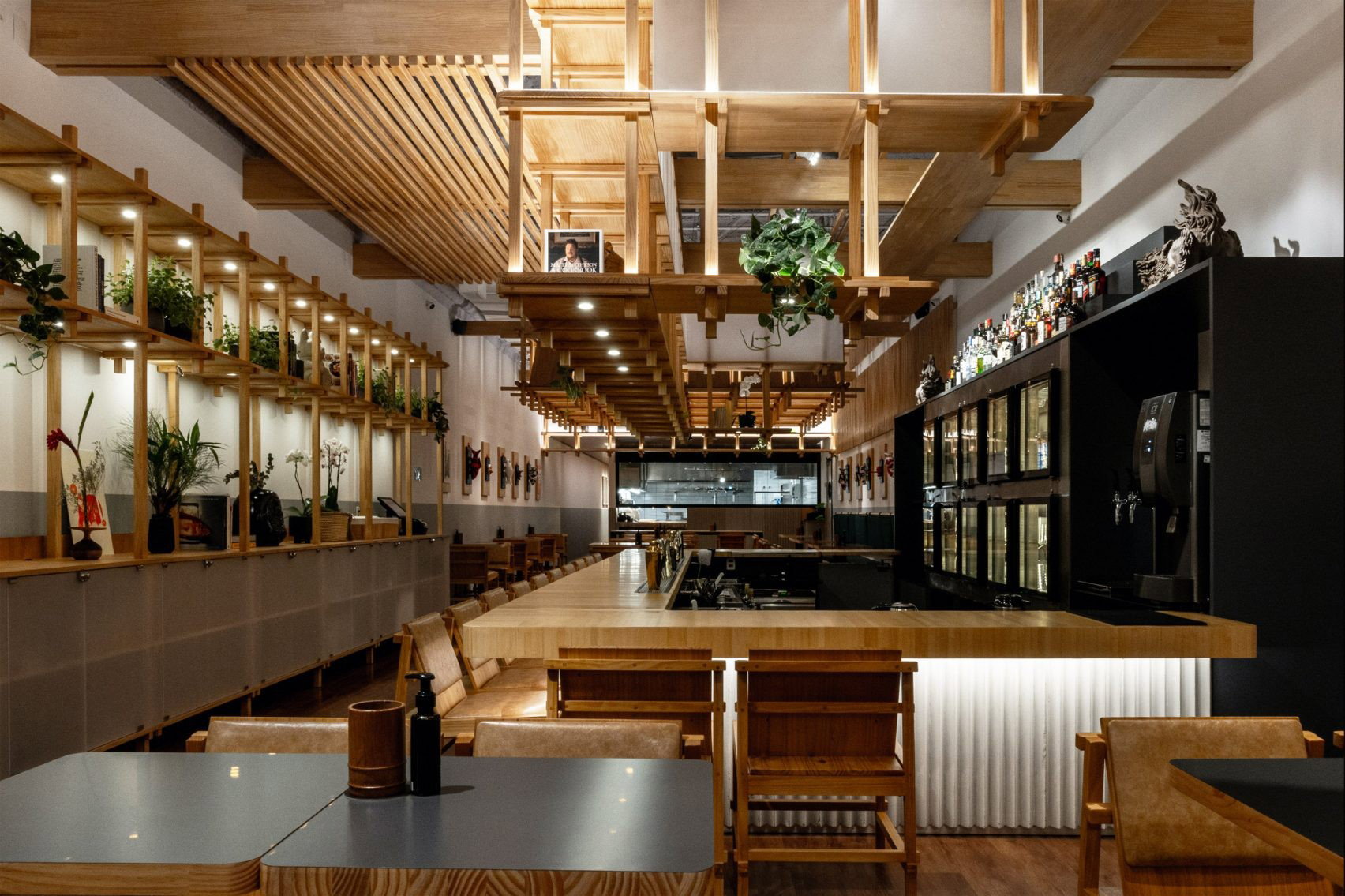
Compact quiet dining room with concrete and warm wood surfaces, measured lighting, open kitchen counter, and calm refined atmosphere.