Het Prentenkabinet
Our verdict
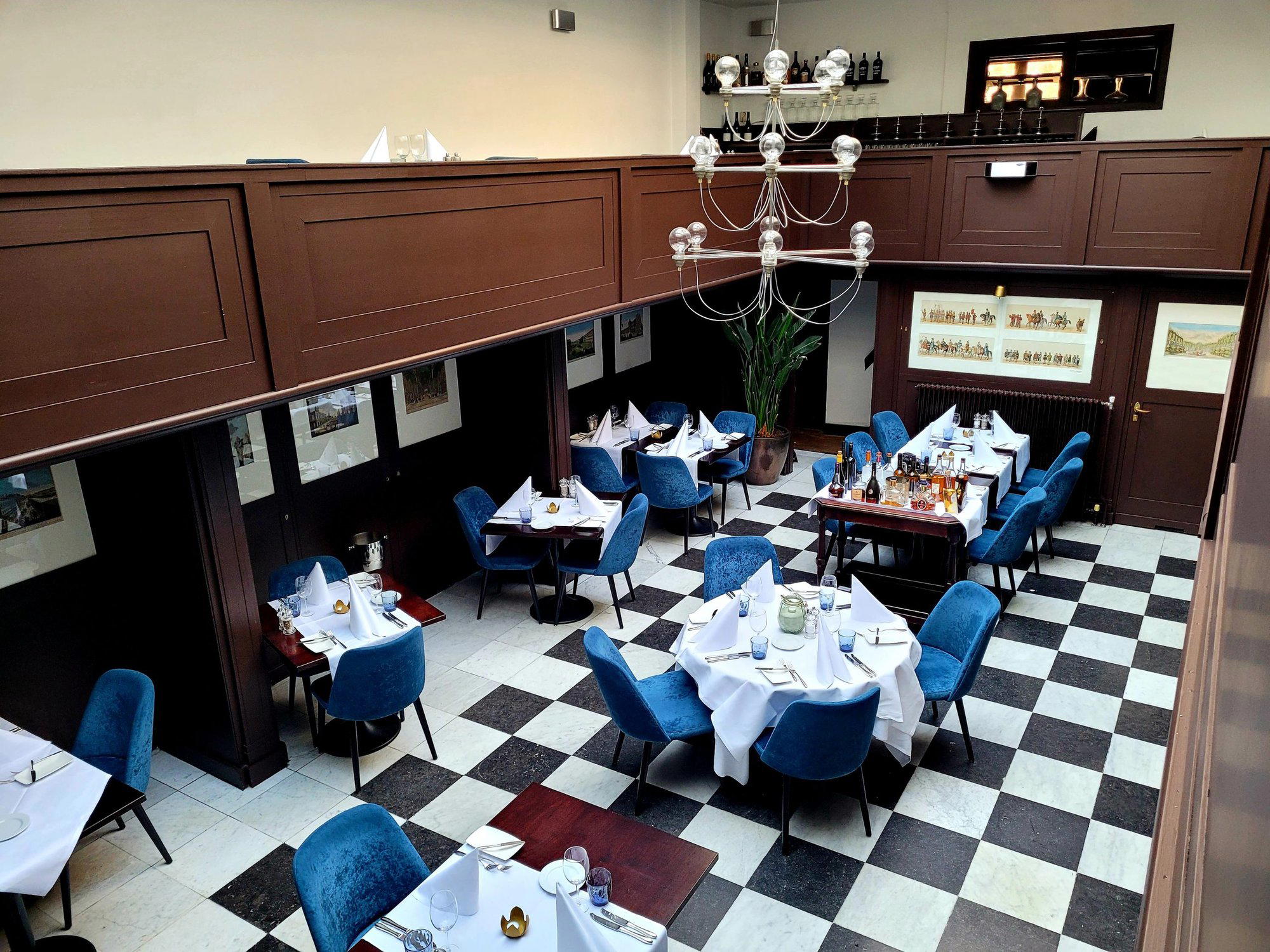
Occupying a historic address on Kloksteeg in Leiden's canal-threaded centre, Het Prentenkabinet operates in a city where heritage buildings and serious dining have long kept close company. The venue sits within a dining scene that increasingly looks to regional Dutch produce and classical technique, positioning it alongside Leiden's more considered mid-to-upper tier. For visitors exploring the city's restaurant options, it warrants attention as part of a neighbourhood worth walking slowly.

Pearl is the En Primeur Club membership app — saves, bookings, and concierge access live there. Same editors, same standards.
The menu
What to order
- Grilled turbot fillet with shiitake duxelles and yuzu-miso sauce
- Wild pâté with truffle mayonnaise
A Street, a Building, a Particular Kind of Leiden Afternoon
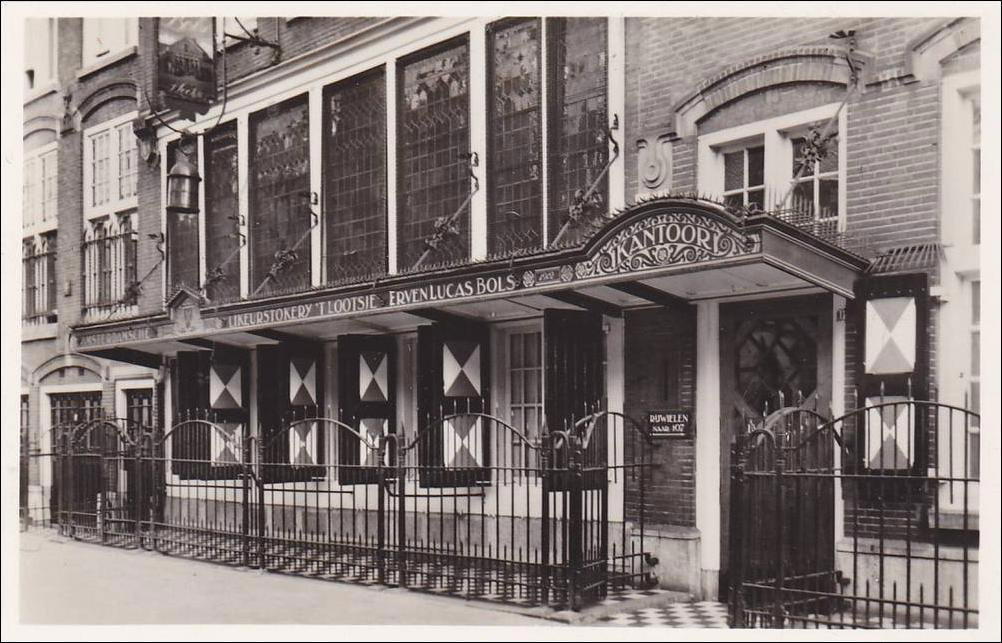
Kloksteeg is one of those Leiden streets that earns attention before you reach your destination. The lane connects Breestraat to the Pieterskerk square, running past gabled facades and the kind of low-traffic calm that the historic centre offers once you step off the main shopping routes. At number 25, Het Prentenkabinet occupies a building whose address alone signals a certain historical gravity: this is the kind of location that, in a university city like Leiden, tends to attract institutions with a long view. The physical approach sets expectations, and the interior, housed within a structure that reflects the city's seventeenth-century confidence, reinforces them.
Leiden's dining scene has been quietly recalibrating over the past decade. The city sits between Rotterdam and Amsterdam on the rail corridor, which means it draws a professional and academic crowd with access to both cities' more celebrated restaurant culture, yet it has developed its own tier of serious cooking rather than simply deferring to its neighbours. Venues like Café de Gaper and Café Visscher represent the French-inflected, approachable end of that tier, while Bistro Bord'o and Aperitivo occupy the contemporary mid-range. Het Prentenkabinet sits within this city-specific conversation, and understanding where it lands requires reading the broader pattern first.
What the Address Tells You About the Food
In the Netherlands, the question of ingredient sourcing has moved from a marketing claim to an operational discipline. The country's agricultural infrastructure is among the most sophisticated in Europe, which creates an interesting tension: Dutch kitchens have access to excellent domestic produce, but the tradition of looking to France, Spain, and Italy for culinary authority means that local sourcing is often a deliberate ideological choice rather than simply a practical one. Restaurants that commit to it are making a statement about their relationship to place, and in a city with Leiden's historical identity, that relationship carries weight.
The broader Dutch fine-dining conversation is anchored at the upper end by houses like De Librije in Zwolle and Ciel Bleu in Amsterdam, where sourcing decisions are documented, celebrated, and woven into the identity of the menu. Further along the regional spectrum, De Nieuwe Winkel in Nijmegen has built a reputation around plant-forward cooking tied to specific Dutch growers. These are reference points for understanding the direction the country's serious kitchens have been moving: towards traceability, regionality, and a closer relationship between what grows in Dutch soil and what appears on the plate. Leiden's own restaurants increasingly operate within that framework, even at the mid-range price points where the conversation is less explicit but no less present.
Leiden's Mid-Tier and Where Het Prentenkabinet Fits
Comparison with the city's established venues helps locate Het Prentenkabinet in practical terms. The Leiden dining tier that includes Bistro Noroc by Jarko and Woods at the more casual end runs up through Bistro Bord'o and Café Visscher into the creative and modern French territory occupied by In den Doofpot and Wielinga. That spread, from roughly €€ to €€€, covers most serious dining situations in the city. Het Prentenkabinet's position within this spread is worth examining on its own terms rather than through assumptions about historic venue types.
The Kloksteeg address places it physically close to the Pieterskerk and the university's older buildings, which has traditionally drawn an academic and internationally minded clientele to businesses in this pocket of the city. That demographic tends to engage with food at a considered level, and restaurants in proximity to the university district have historically responded with menus that reward attention rather than those built purely on spectacle. This is a generalisation with exceptions, but it holds as a useful frame for approaching Het Prentenkabinet with calibrated expectations.
For context on what the higher end of Dutch regional cooking looks like in smaller city settings, it is worth noting how venues like De Bokkedoorns in Overveen, Aan de Poel in Amstelveen, and De Lindehof in Nuenen have each built identities around strong sourcing narratives within compact, neighbourhood-scale operations. That model, where the producer relationship is as much a part of the restaurant's identity as the chef's technique, has influenced how mid-sized Dutch cities think about what serious dining means. Leiden is not exempt from that influence.
Planning a Visit: What to Know Before You Go
Leiden is accessible by direct train from Amsterdam Centraal in approximately thirty-five minutes and from The Hague in around twelve, making it a realistic day-trip or evening destination from either city. Kloksteeg itself is a short walk from Leiden Centraal station, with the historic centre compact enough to reach without a taxi. For visitors combining a meal with the city's other attractions, the Rijksmuseum van Oudheden and the Hortus Botanicus both sit within comfortable walking distance of the Pieterskerk quarter.
Given the limited data currently held on Het Prentenkabinet's booking method, hours, and price point, the practical advice here is to verify directly before visiting. The address at Kloksteeg 25 is confirmed, and the venue is traceable through local Leiden dining platforms and the city's tourism infrastructure. Checking current opening days and reservation availability through those channels will give the most accurate picture. For broader orientation on where Het Prentenkabinet sits relative to Leiden's full dining offer, our full Leiden restaurants guide covers the city's options across price tiers and styles.
Those interested in the wider Dutch dining context at the ambitious end of the spectrum may also find value in looking at Brut172 in Reijmerstok, De Groene Lantaarn in Staphorst, and De Lindenhof in Giethoorn, each of which operates in smaller Dutch cities and demonstrates that serious kitchen ambition is not confined to the Randstad. Internationally, the sourcing-first model is visible at very different scales in venues like Le Bernardin in New York City and Atomix in New York City, where the relationship between supplier and kitchen is equally central to the restaurant's identity, if expressed through very different culinary traditions. And 't Nonnetje in Harderwijk offers another Dutch reference point for how a historic setting and serious cooking ambition can coexist in a smaller city context.
Frequently asked questions
How would you describe the vibe at Het Prentenkabinet?
The address sets the tone before you step inside: Kloksteeg is a narrow lane threading between Breestraat and the Pieterskerk square, one of Leiden's most architecturally concentrated stretches. The surrounding built environment — gabled facades, cobbled stone, the church tower overhead — frames the experience as something rooted in place rather than passing trend. It reads as a neighbourhood room with historical weight behind it.
How do I find Het Prentenkabinet?
Het Prentenkabinet is located at Kloksteeg 25, 2311 SK Leiden, Netherlands, Leiden.
Is Het Prentenkabinet worth visiting as a day trip from Amsterdam or The Hague?
Leiden sits approximately thirty-five minutes from Amsterdam Centraal and around twelve from The Hague by direct train, which makes Kloksteeg 25 a practical lunch destination from either city without an overnight stay. Het Prentenkabinet occupies a position in Leiden's mid-tier dining range, comparable in register to the city's established bistro addresses near the university quarter. If you are already planning time around the Pieterskerk or the university, the location adds no detour.
What do people recommend at Het Prentenkabinet?
What draws repeat visitors to the Kloksteeg address is the setting itself: a Leiden street that rewards the walk regardless of what lands on the table. For current menu intelligence, checking recent local food coverage or the venue directly will give you a more reliable picture than any static guide.
Side-by-Side Snapshot
Comparable venues nearby, for context on price, style, and recognition.
| Venue | Cuisine | Price | Awards | Notes |
|---|---|---|---|---|
| Het PrentenkabinetThis venue — the venue you are viewing | French-International Fine Dining | $100–150 | Not listed | Not listed |
| La Diva | French Contemporary Seasonal Tasting Menu | $50–100 | Not listed | Leiden city center |
| De Stadthouder | Dutch Tapas & European Casual | $20–30 | Not listed | Leiden city center |
| Paco Ciao | Contemporary Fusion | $20–30 | Not listed | >null |
| Just Meet | Modern Steakhouse | $50–100 | Not listed | city center |
| Restaurant IDD | Modern French Fine Dining | $50–100 | Michelin Plate · Star Wine List | De Camp |
Continue exploring
More in Leiden
Restaurants in Leiden
All restaurants in Leiden →
Bars in Leiden
Browse all →
Hotels in Leiden
Browse all →
Wineries in Leiden
Browse all →
Het Prentenkabinet
The wine
- Wine program
- Curated wine list
- Extensive wine list
- Sommelier-led
Details
- Romantic
- Elegant
- Intimate
- Classic
- Sophisticated
- Date Night
- Business Dinner
- Special Occasion
- Celebration
- Historic Building
- Terrace
- Garden
- Private Dining
- Extensive Wine List
- Sommelier Led
- Local Sourcing
- A La Carte
- Tasting Menu
- Prix Fixe
- Wine Pairing
- Craft Beer
- Vegetarian Friendly
- Vegan Options
- Gluten Free Options
Current opening hours
- Monday
- 5–11 PM
- Tuesday
- 5–11 PM
- Wednesday
- 5–11 PM
- Thursday
- 12:30–2:30 PM, 5–11 PM
- Friday
- 12:30–2:30 PM, 5–11 PM
- Saturday
- 12:30–2:30 PM, 5–11 PM
- Sunday
- Closed
Hours can change for holidays and private events. Last verified .
Stylish and intimate with warm, welcoming service in a centuries-old monumental building; sophisticated yet comfortable atmosphere.