Aperitivo
On Leiden's main Breestraat, Aperitivo takes its name from the Italian pre-dinner tradition but operates squarely within the Dutch city's mid-range dining scene. The address places it steps from the university quarter and canal network, making it a practical choice for both residents and visitors. Compared to the formal Modern French rooms nearby, it occupies a more accessible register.
Pearl is the En Primeur Club membership app — saves, bookings, and concierge access live there. Same editors, same standards.
- Address
- Breestraat 49, 2311 CJ Leiden, Netherlands
- Phone
- +31718888440
- Website
- aperitivoleiden.nl
- Directions
- Get directions
 Saves & bookings on Pearl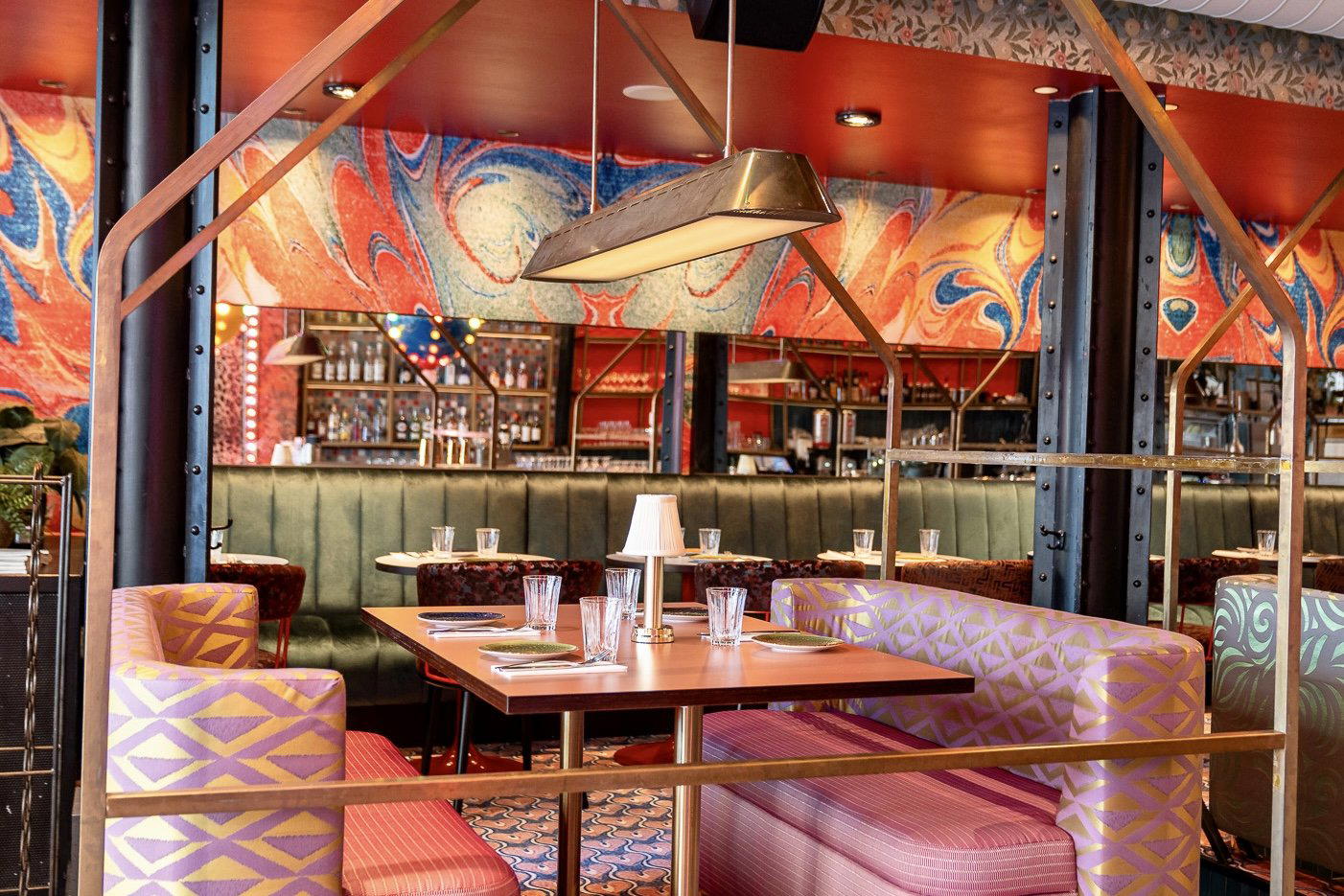
Breestraat and the Aperitivo Hour
Leiden's Breestraat is one of the longer commercial arteries in the Dutch university city, running through a stretch that mixes student cafes, specialist shops, and sit-down restaurants at several price tiers. At number 49, Aperitivo sits near enough to the Pieterskerk and the canal network that the foot traffic outside shifts through the day: academics on lunch breaks, tourists orienting themselves against a map, and locals heading somewhere specific by early evening. The name gestures at the Italian aperitivo tradition, that pre-dinner window of small drinks and small food that structures the social hour in Milan or Turin far more deliberately than it does in northern Europe. Aperitivo in Leiden leans into that ritual as a casual Italian Pizza & Pasta Bar in central Leiden, with a price point around $25 per person, making it part of the city's accessible dining tier rather than its formal end.
Leiden's restaurant scene has a cluster of Modern French and creative rooms that operate at the €€€ level, including In den Doofpot in the creative bracket and Wielinga in the Modern French register. At the more accessible €€ tier, the city has Bistro Bord'o, Café Visscher, and Café de Gaper, all of which share the broadly international or French-leaning character that mid-range Dutch dining gravitates toward. Aperitivo sits among this peer group on Breestraat itself, which means the competition for walk-in diners is direct and the pressure to be a reliable, unpretentious room is real.
The Sourcing Question in Dutch Mid-Range Dining
The Italian-facing name raises a sourcing question worth examining, because it is one of the more consequential decisions any restaurant in this register makes. Dutch kitchens have genuine access to strong raw material: North Sea fish landed at Scheveningen and IJmuiden, greenhouse vegetables from the Westland cooperatives, and dairy from the polder farms that have defined Dutch agriculture for centuries. A restaurant that leans into this supply chain, even informally, tends to produce more coherent food than one that imports the idea of a cuisine without the underlying produce.
Italian-leaning venues outside Italy face a version of this tension acutely. The aperitivo tradition is built on local produce presented simply: a slice of mortadella, a wedge of Parmigiano, a pour of Lambrusco or Aperol. Translating that into a Dutch context means either sourcing Italian ingredients with enough fidelity to justify the reference, or finding Dutch equivalents that carry equivalent weight. The restaurants that resolve this well, at this price tier across the Netherlands, tend to be explicit about where things come from. Those that don't often produce food that is serviceable but conceptually thin.
Nationally, the Dutch kitchens that have earned greater recognition for ingredient integrity include De Nieuwe Winkel in Nijmegen, which has pushed plant-forward sourcing into Michelin-starred territory, and De Lindehof in Nuenen, which has built a reputation around regional Dutch produce at the fine dining level. Further afield, De Librije in Zwolle and Inter Scaldes in Kruiningen operate at the summit of the national market with sourcing programs that inform their menus at a granular level. Aperitivo is not in that bracket by format or price, but the underlying question, of where the food comes from and whether the concept maps onto available produce, is one that applies across tiers.
Leiden's Mid-Range Scene in Context
Leiden is a city that punches above its population in dining density, partly because of the university, which keeps a year-round population of students and academics who eat out frequently, and partly because of its position between Amsterdam and The Hague, close enough to both that it attracts day visitors who want something more grounded than a tourist-district meal in either city. That combination produces a dining culture that is reasonably adventurous at the mid-range and willing to support new formats if they are credible.
The Breestraat corridor specifically has a mix of established cafes and newer entrants. Bistro Noroc by Jarko and City Hall are part of the same mid-range layer, and the collective character of these rooms shapes what Leiden diners expect at the €€ level: a recognisable format, attentive but not stiff service, and food that reflects some genuine point of view rather than pure assembly. For a broader map of where Aperitivo sits relative to the city's full range, the EP Club Leiden restaurants guide covers the scene across price tiers and cuisines.
At the international level, the aperitivo format as a dining concept has parallels in how ambitious casual rooms in cities like New York and San Francisco have reframed the pre-dinner hour into a fuller experience. Le Bernardin in New York City operates at a completely different register, but its discipline around sourcing and simplicity is a useful reference point for what ingredient clarity looks like when it is applied rigorously. Lazy Bear in San Francisco has shown how a communal, convivial format can carry serious culinary intent without formality. Neither comparison applies directly to a mid-range Leiden address, but they frame what the aperitivo concept can mean when it is taken seriously as a hospitality philosophy rather than just a naming choice.
Among the Dutch restaurants that operate with a similar regional spirit but at higher ambition, De Lindenhof in Giethoorn, Tribeca in Heeze, De Groene Lantaarn in Staphorst, Brut172 in Reijmerstok, De Bokkedoorns in Overveen, and De Treeswijkhoeve in Waalre all demonstrate that Dutch dining outside Amsterdam has developed enough depth to sustain serious food at multiple price points and in smaller cities.
Planning a Visit
Aperitivo is located at Breestraat 49 in central Leiden, a street that is walkable from the main train station in under fifteen minutes and directly on the route between the station and the historic canal district. The address is practical for a pre- or post-museum stop, given that Leiden's cluster of museums sits within easy reach of the same central area. The restaurant is open daily from 5 to 11 PM, and reservations are recommended, particularly for group bookings or weekend evenings when the Breestraat dining strip tends to fill early.
Fast Comparison
Comparable venues nearby, for context on price, style, and recognition.
| Venue | Cuisine | Price | Notes |
|---|---|---|---|
| AperitivoThis venue — the venue you are viewing | Italian Pizza & Pasta Bar | $$ | Not listed |
| City Hall | Trattoria Italiana | $$ | historical centre |
| Pannenkoekenhuys Oudt Leyden | Dutch Pancakes | $$ | d'Oude Morsch |
| Het Prentenkabinet | French-International Fine Dining | $$$$ | Pieterswijk |
| Paco Ciao | Contemporary Fusion | $$ | >null |
| Restaurant IDD | Modern European Fine Dining | $$$$ | De Camp |
Continue exploring
More in Leiden
Restaurants in Leiden
Browse all →
Bars in Leiden
Browse all →
Hotels in Leiden
Browse all →
Wineries in Leiden
Browse all →
At a Glance
- Cozy
- Lively
- Group Dining
- Casual Hangout
- Date Night
- Open Kitchen
- Craft Cocktails
Current opening hours
- Monday
- 5–11 PM
- Tuesday
- 5–11 PM
- Wednesday
- 5–11 PM
- Thursday
- 5–11 PM
- Friday
- 5–11 PM
- Saturday
- 5–11 PM
- Sunday
- 5–11 PM
Hours can change for holidays and private events. Last verified .
Cozy and lively atmosphere with friendly service, ideal for people-watching from window seats.