
In the Paznaun valley village of See, Hermanns Kitchen operates at the intersection of Alpine terrain and kitchen discipline. The address, Neder 400, tucked into a community where the mountain environment shapes what ends up on the plate, places it within a small but serious cohort of Tyrolean restaurants treating local sourcing as a structural commitment rather than a marketing footnote. For those travelling through western Austria's dining circuit, it belongs in the conversation.
Pearl is the En Primeur Club membership app — saves, bookings, and concierge access live there. Same editors, same standards.
- Address
- Neder 400, 6553 See, Austria
- Phone
- +43544120077
- Website
- bergwiesenglueck.at
- Directions
- Get directions
 Saves & bookings on Pearl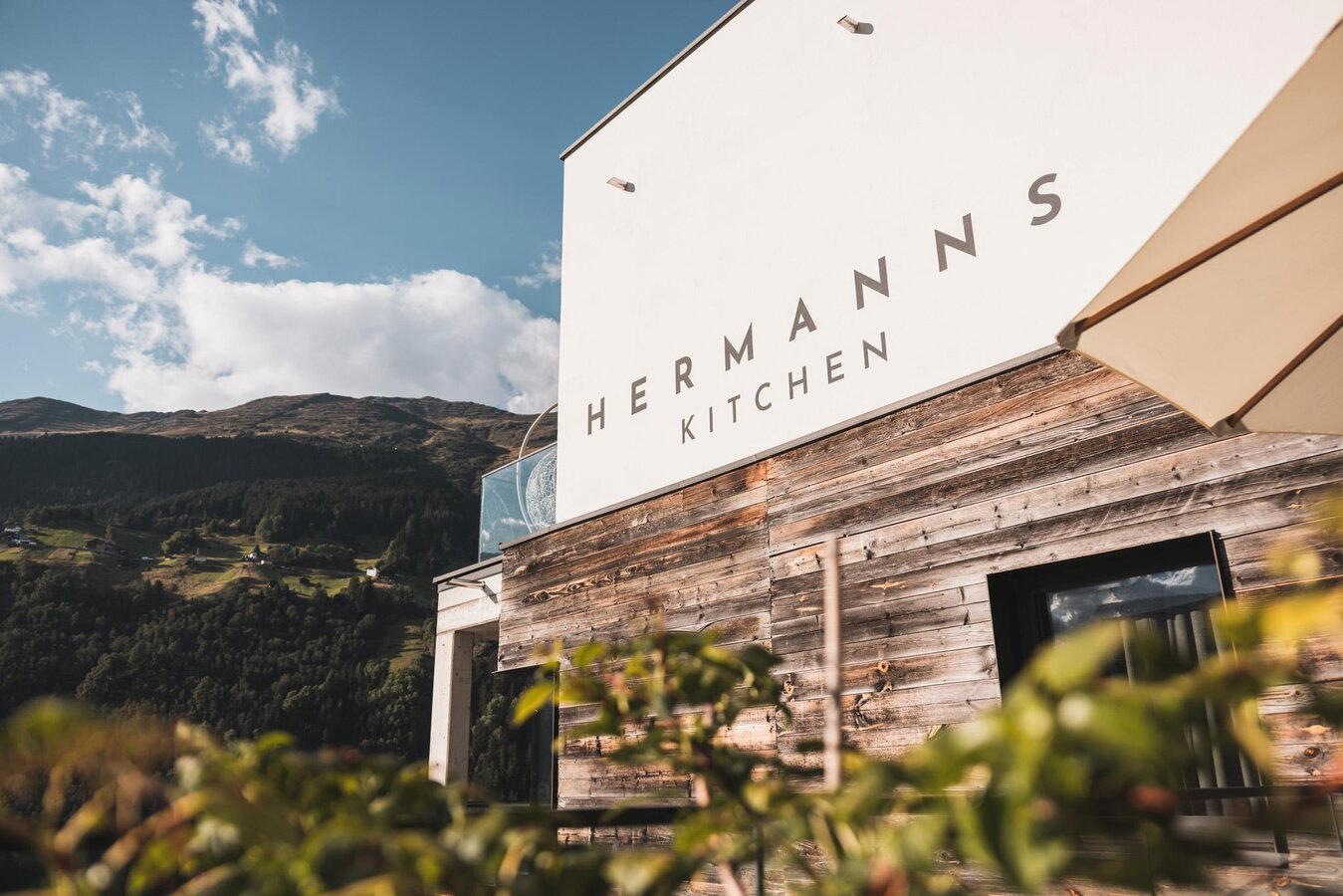
Where the Valley Shapes the Menu
The Paznaun valley does not announce itself the way Ischgl does. See is quieter, more deliberate, a village where the surrounding peaks function less as backdrop and more as supplier. In this part of Tyrol, the gap between what grows or grazes within a short radius and what ends up on a restaurant plate is unusually small. That compression is the defining characteristic of kitchens that take the Alpine environment seriously, and it is the lens through which Hermanns Kitchen works well.
This is a region where the sourcing logic behind a dish is often legible before the first bite. Dairy from high-altitude pastures carries a different fat profile than lowland alternatives. Herbs gathered from meadows above 1,500 metres have a concentration and intensity that dried or imported equivalents cannot replicate. Kitchens in See and the surrounding Paznaun area that commit to this supply chain are making a culinary argument with geography rather than with technique alone. Hermanns Kitchen sits at Neder 400 in See, Austria.
Alpine Sourcing as a Culinary Argument
Across Austria's serious restaurant tier, the sourcing conversation has matured considerably over the past decade. What once read as regional novelty, the chef who sources exclusively from named farms, has become a structural commitment at the country's more considered tables. Kräuterreich by Vitus Winkler in Sankt Veit im Pongau built an entire format around herb cultivation and Alpine botanical sourcing. Döllerer in Golling an der Salzach extended its contemporary Austrian identity through a documented commitment to regional producers and seasonality. Obauer in Werfen has spent decades translating Salzburg-region ingredients into a kitchen vocabulary that reads as simultaneously classical and place-specific.
The pattern these kitchens share is that sourcing decisions precede cooking decisions. The question is not what technique to apply but what the season and the landscape are currently offering. Hermanns Kitchen, operating in the Paznaun, has access to a larder that includes some of Austria's most distinctive mountain produce. The discipline required to build a kitchen around that supply, accepting what is available rather than reverse-engineering availability to suit a fixed menu, is the same discipline that separates the serious Alpine kitchens from those that simply cite local names for credibility.
The Tyrolean Restaurant Context
Western Austria's dining scene has developed a distinct character that diverges from Vienna's creative fine-dining axis and from the more classical Salzburg tradition. The Tyrolean and Vorarlberg corridor, stretching from Innsbruck through the ski valleys to the Swiss border, contains a concentration of high-intent kitchens that trade on their mountain context. Gourmetrestaurant Tannenhof in Sankt Anton am Arlberg and Griggeler Stuba in Lech represent the upper bracket of this corridor, where resort affluence and serious culinary ambition intersect. Stüva in Ischgl, a few kilometres from See in the same valley, has established a recognised position within the regional comparable set.
See itself is not a resort village in the Ischgl sense. It does not carry the same volume of international visitors or the infrastructure that resort recognition generates. That means the kitchens operating there are making a different wager, that the quality of the immediate environment and the seriousness of the cooking are sufficient draws in themselves, independent of après-ski positioning. It is a smaller, more deliberate bet, and it tends to attract a guest who has done more research and arrives with more focused expectations.
For reference points further afield, the broader Austrian fine-dining conversation is anchored by Steirereck im Stadtpark in Vienna and informed by the creative approaches at Ikarus in Salzburg. The ambitions of kitchens like Landhaus Bacher in Mautern an der Donau and Taubenkobel in Schützen am Gebirge demonstrate how seriously regional Austria takes the relationship between place and plate outside the capital. The restaurant occupies a quieter node in this network, but the network itself provides the context for understanding what it is attempting.
The Paznaun Table: What to Expect
Kitchens in Alpine villages of this scale typically operate within formats shaped by the seasons and by their guest mix, winter visitors skewing toward the ski circuit, summer walkers and cyclists arriving with different pacing. The ingredient calendar in the Paznaun shifts meaningfully between seasons: root vegetables and preserved preparations dominate the colder months, while the summer window opens access to fresh mountain herbs, wild greens, and early-season game. Restaurants that track this calendar closely tend to run shorter menus that change more frequently, which is both a sourcing discipline and a quality signal.
The sister property, Hermann's Jagdstube, operates in the same village and shares the same family of identity, the Jagdstube name referencing the hunting-lodge tradition that runs through Tyrolean hospitality culture. That context is relevant: game cookery, venison, and mountain fowl are not decorative references in this environment but genuine expressions of the local food system. Kitchens with access to that supply, and the kitchen knowledge to handle it correctly, are working from an ingredient base that few urban restaurants can access on the same terms.
Planning Your Visit
See sits in the Paznaun valley in Tyrol, reachable from Landeck via the valley road, a drive of roughly 20 kilometres from the Inn valley junction. The village functions as a quieter base for guests who want proximity to Ischgl and the Silvretta Arena without the resort pricing structure. The restaurant is located at Neder 400, See, within the compact village centre. Given the limited number of dining options at this standard in the immediate area, booking ahead is advisable, particularly during the winter ski season and the summer hiking period when occupancy in the valley peaks. Those building a wider western Austria dining itinerary may want to cross-reference Restaurant 141 by Joachim Jaud in Mieming and Schwarzer Adler in Hall in Tirol as part of the same circuit. Further context on the wider Austrian scene can be found through Ois in Neufelden and Artis in Graz, both of which represent the range of serious contemporary cooking across the country.
At-a-Glance Comparison
Comparable venues nearby, for context on price, style, and recognition.
| Venue | Cuisine | Price | Awards | Notes |
|---|---|---|---|---|
| Hermanns KitchenThis venue — the venue you are viewing | Authentic Tyrolean Regional Cuisine | $$$$ | Not listed | Not listed |
| Hermann's Jagdstube | Alpine Game Tasting Menu | $$$$ | Michelin Plate | See |
| Alpenhaus VIP | Tyrolean & International Fine Dining | $$$$ | Not listed | Idalp |
| Hotel Sonnenburg | Alpine Austrian with Creative Vegan Options | $$$$ | Not listed | Oberlech, Lech am Arlberg |
| Hotel Rössle Galtür | Traditional Tyrolean & Austrian | $$$ | Not listed | Galtür |
| Goldener Berg Johannesstübli | Plant-based Alpine Gourmet | $$$$ | Not listed | Oberlech |
Recognition history
Dated appearances from independent guides and award organizations, with the underlying list record or original source where available.
Michelin Plate
Michelin · 2026 Michelin Plate
At a Glance
- Cozy
- Rustic
- Elegant
- Intimate
- Special Occasion
- Celebration
- Terrace
- Open Kitchen
- Extensive Wine List
- Local Sourcing
- Mountain
- Garden
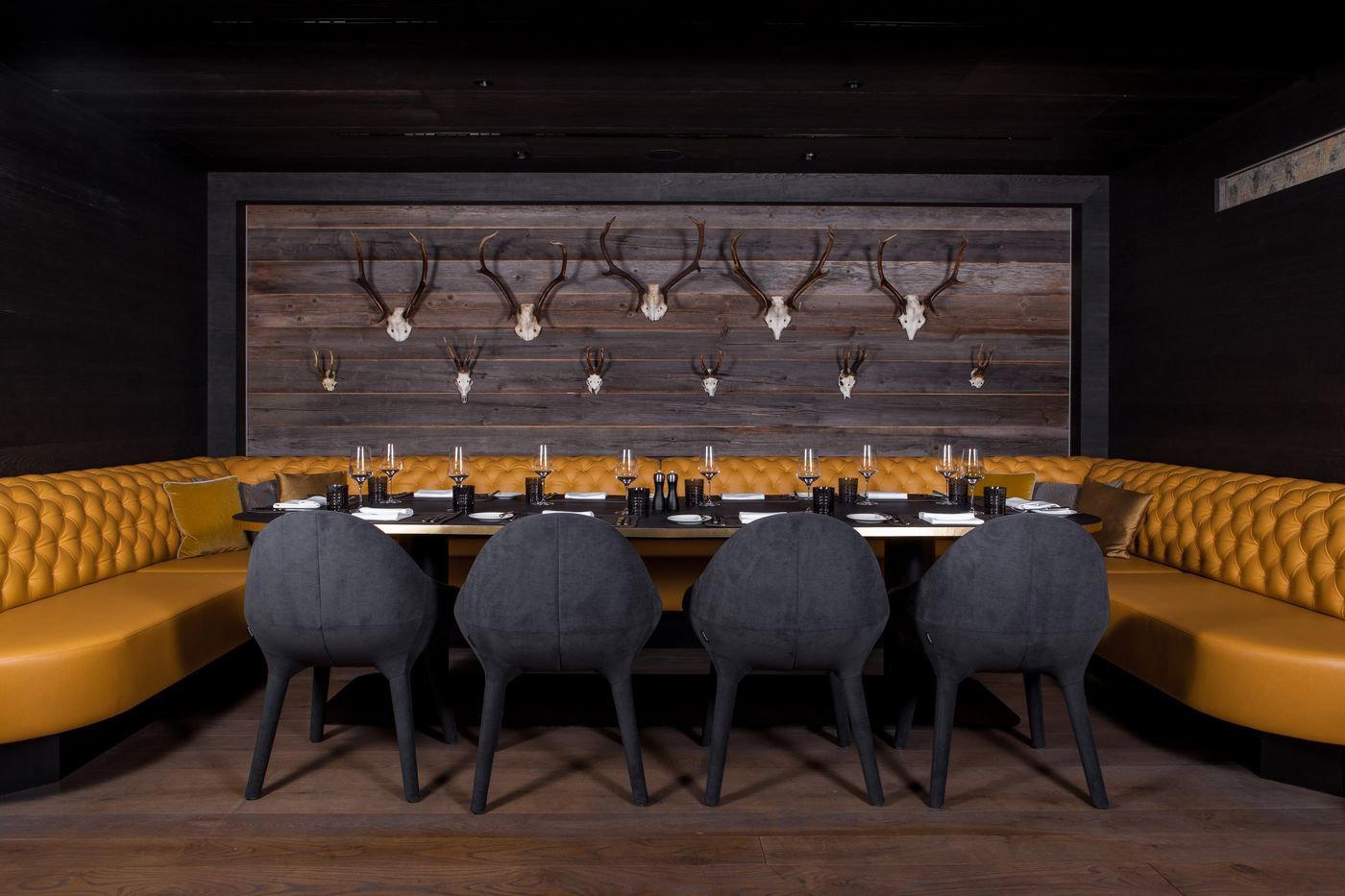
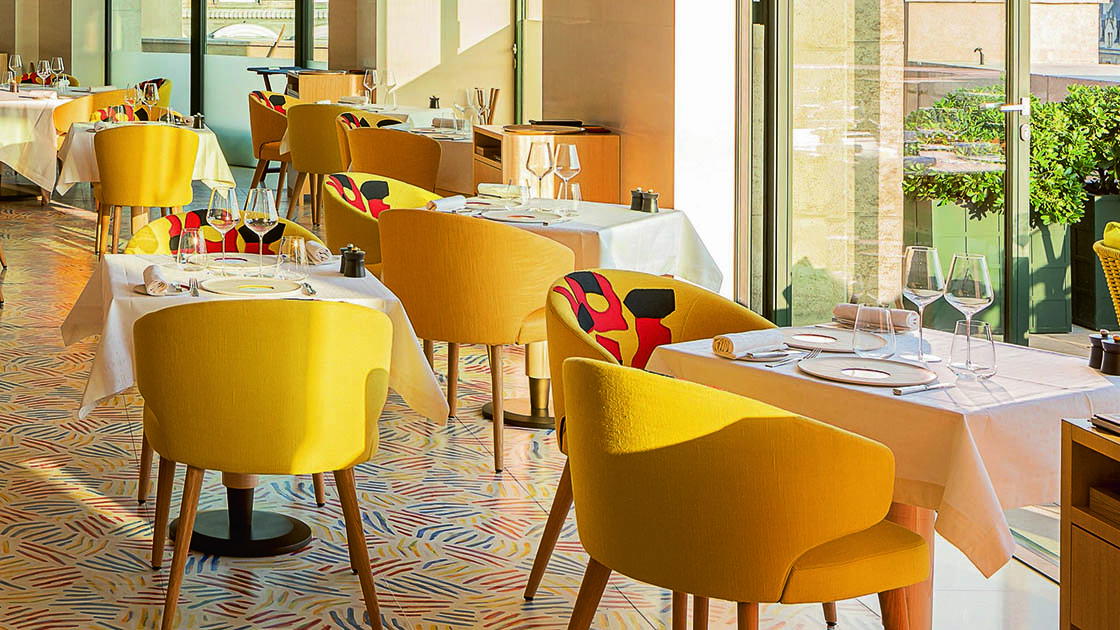
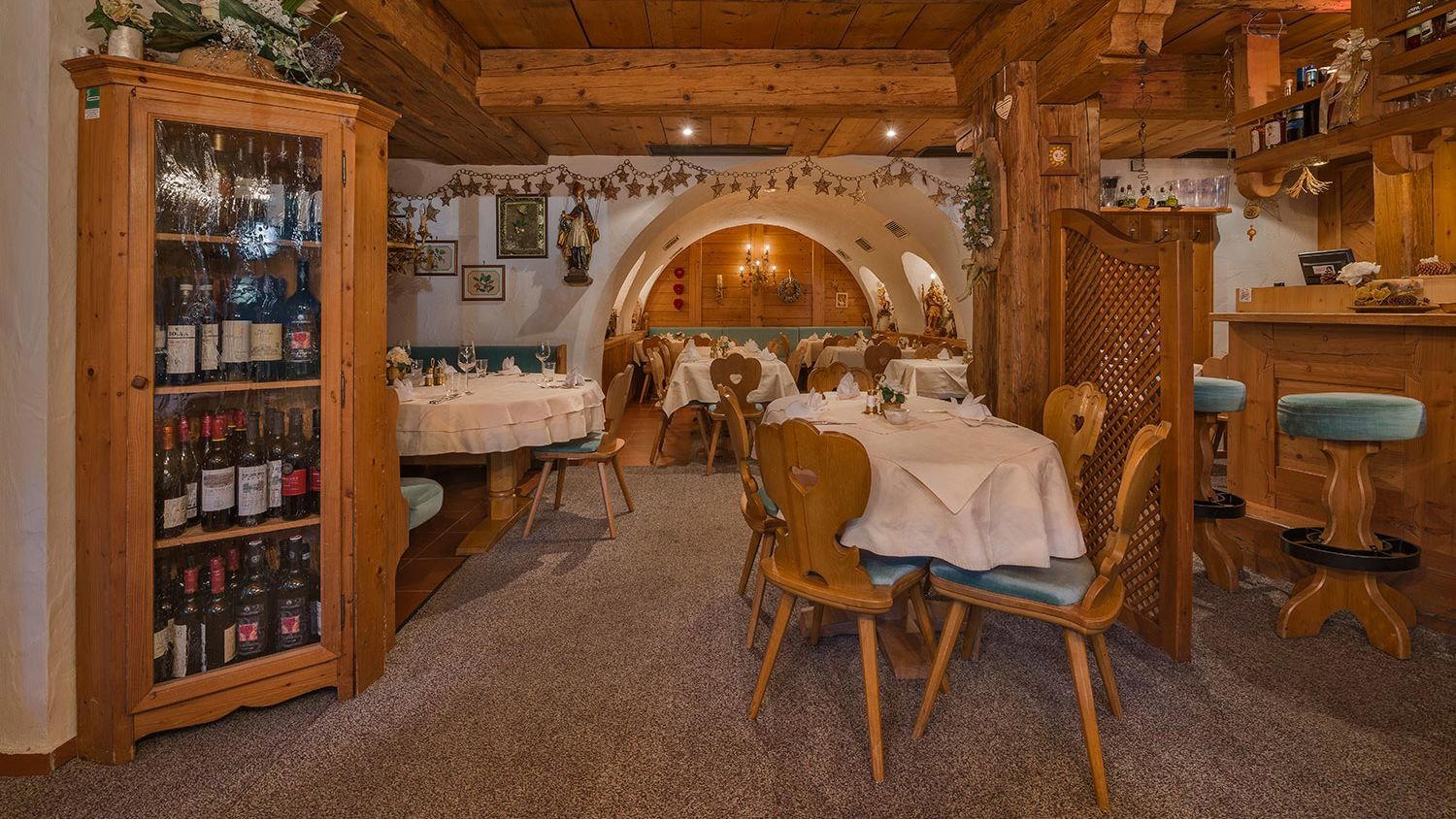
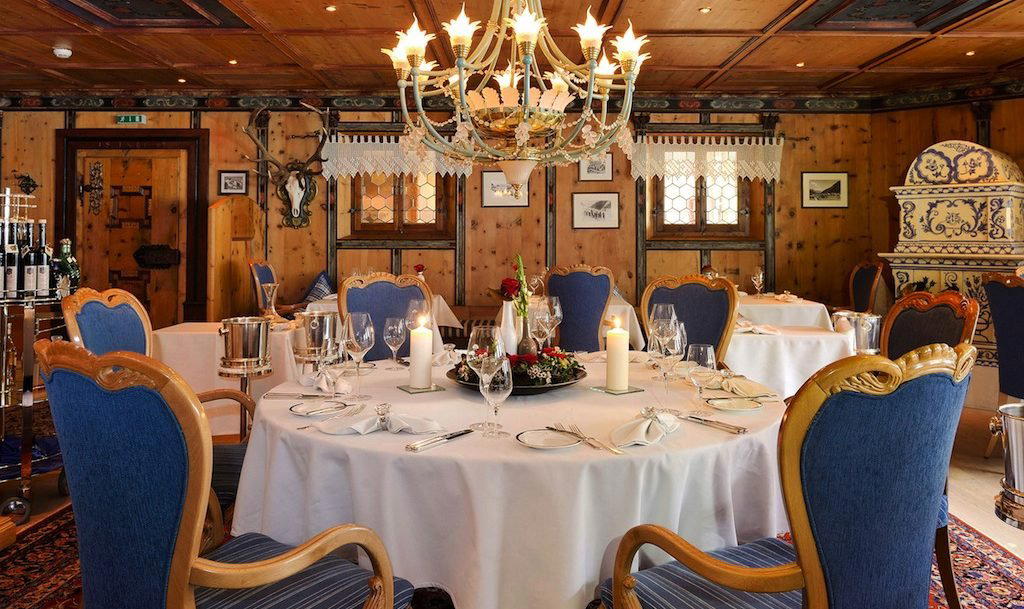
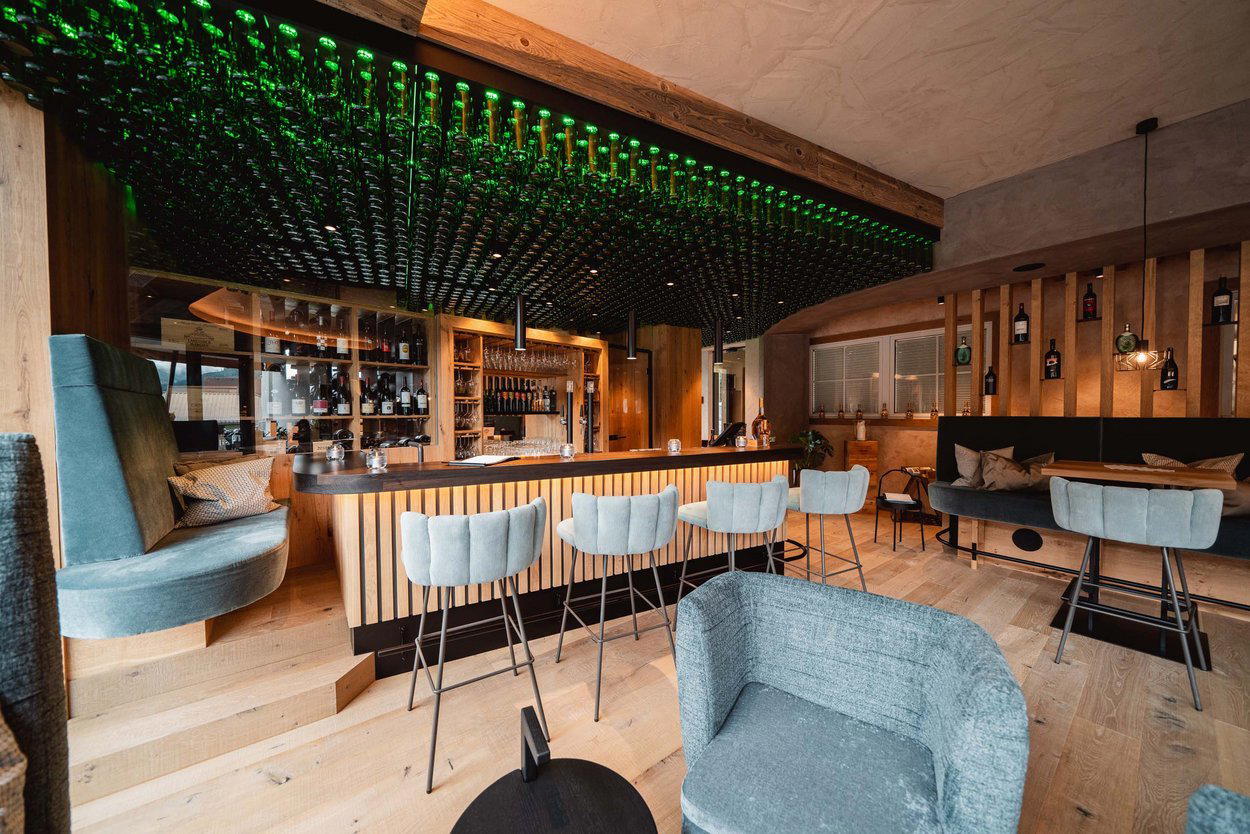
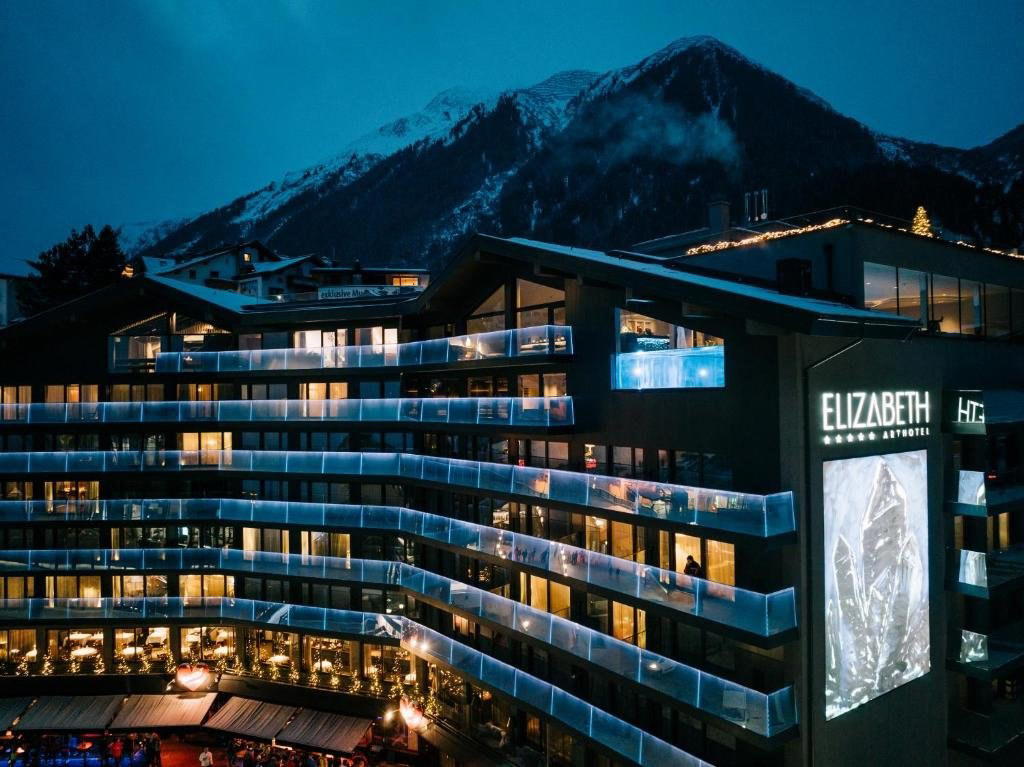
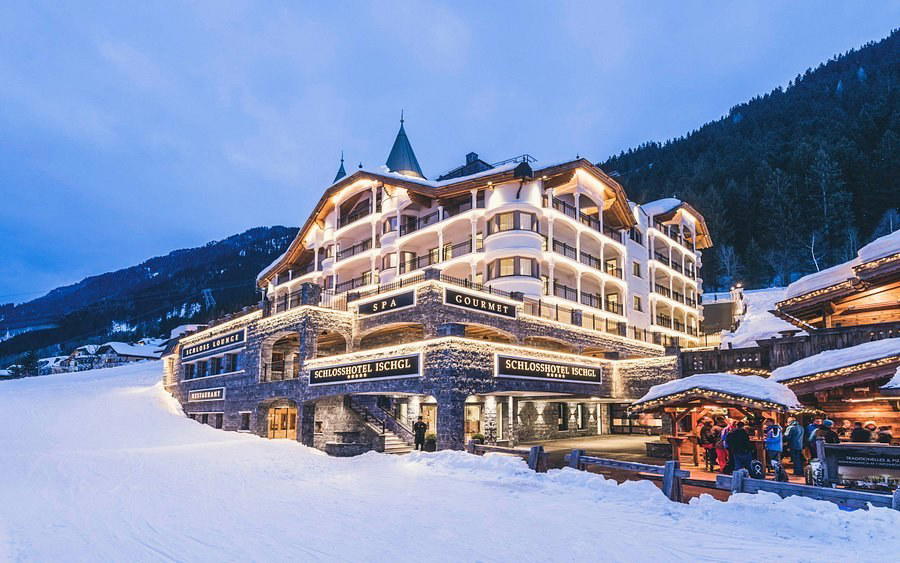
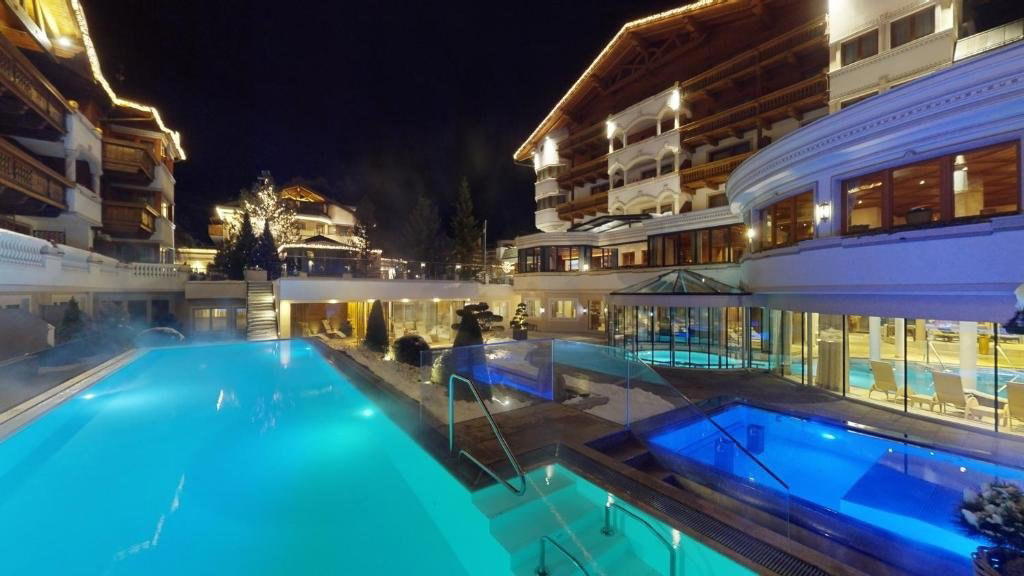
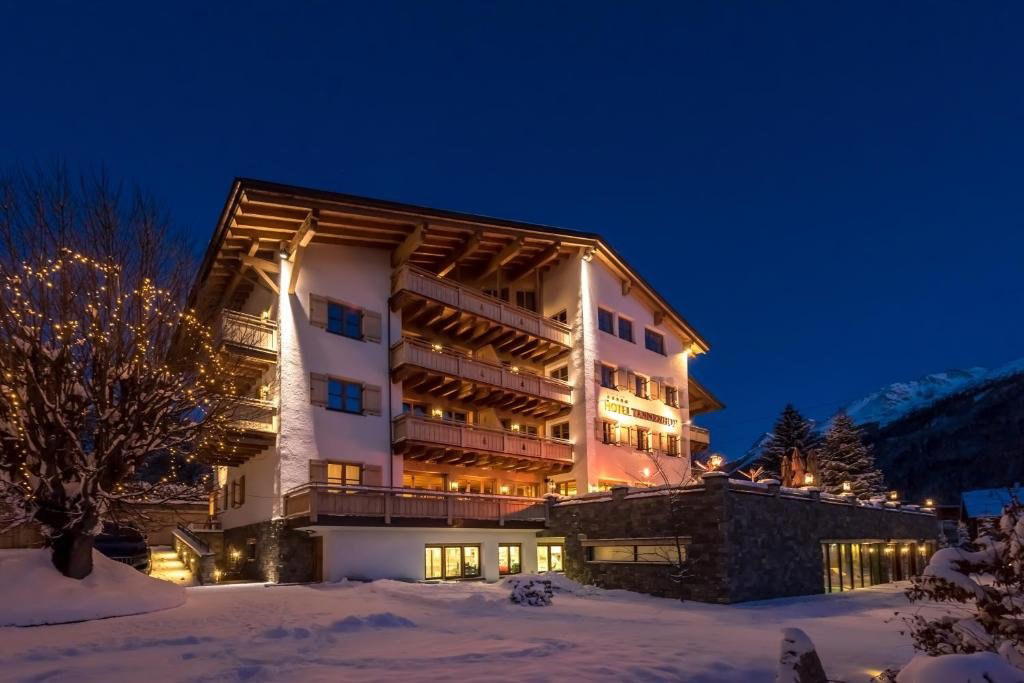
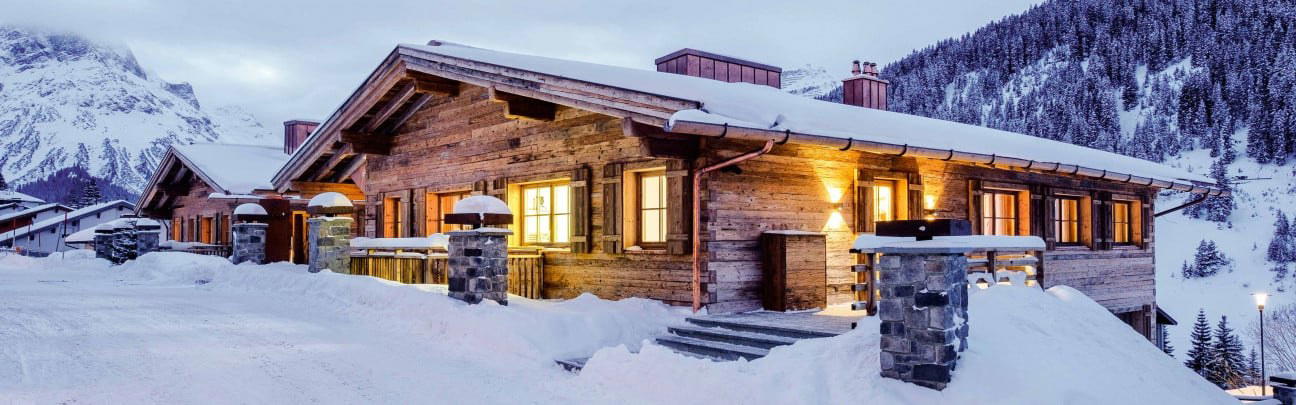
Warm wood and clean lines create a chic and modern Alpine interior with floor-to-ceiling glass facade offering mountain views.