

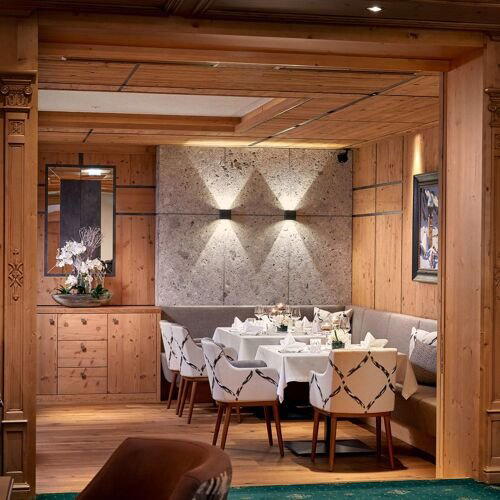
Among Ischgl's small tier of destination dining rooms, Schlossherrnstube operates at the intimate scale: five tables, a warm-wood interior inside the Schlosshotel, and a French-influenced set menu by Patrick Raaß. The format places it in a different competitive bracket from the resort's other upper-end options, closer in spirit to a private dining room than a conventional restaurant.
Pearl is the En Primeur Club membership app — saves, bookings, and concierge access live there. Same editors, same standards.
- Address
- Dorfstr. 85, 6561 Ischgl, Austria
- Phone
- +43 5444 5633
- Website
- schlosshotel-ischgl.com
- Directions
- Get directions
 Saves & bookings on Pearl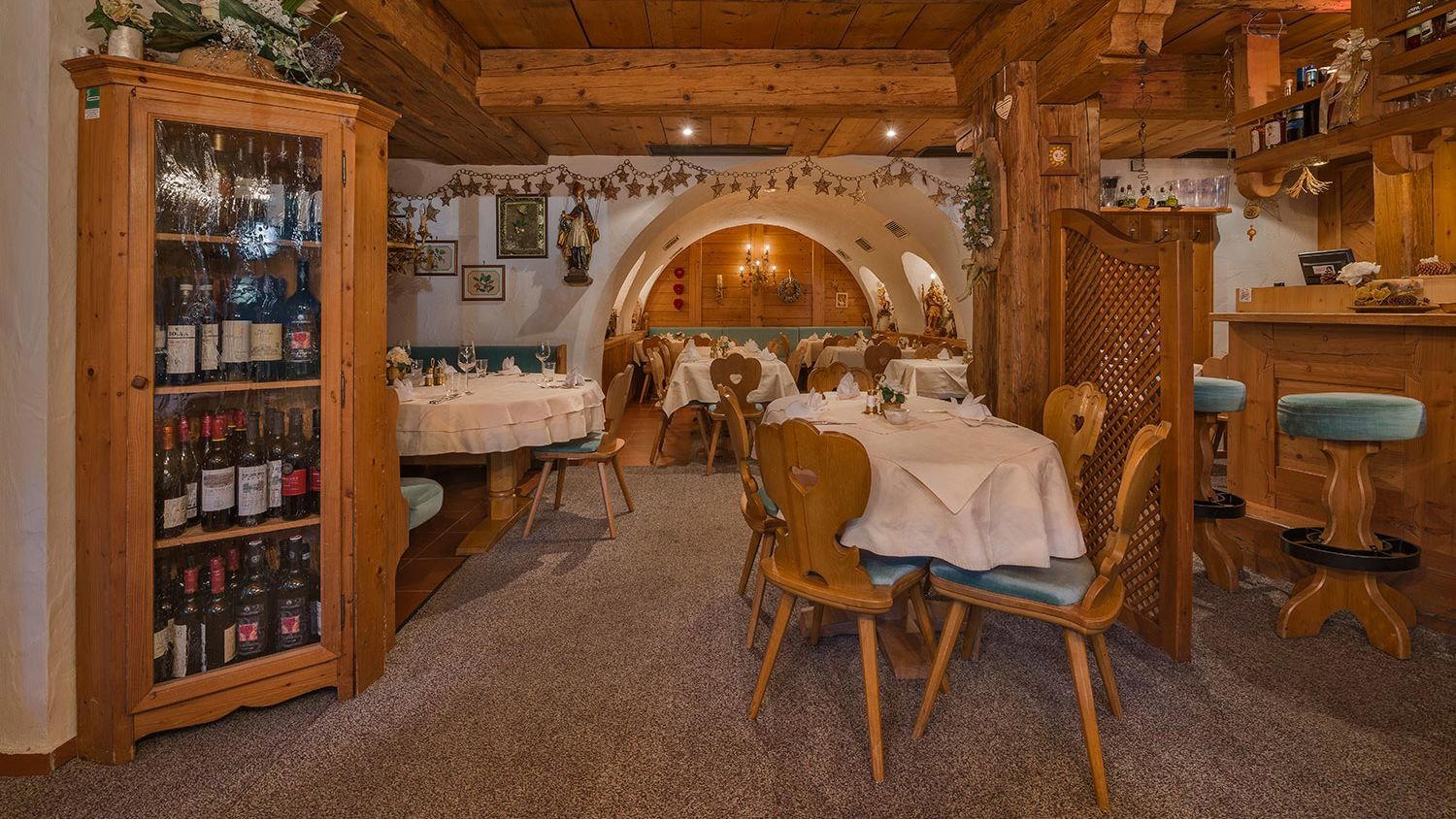
Where Alpine Setting Shapes the Dining Format
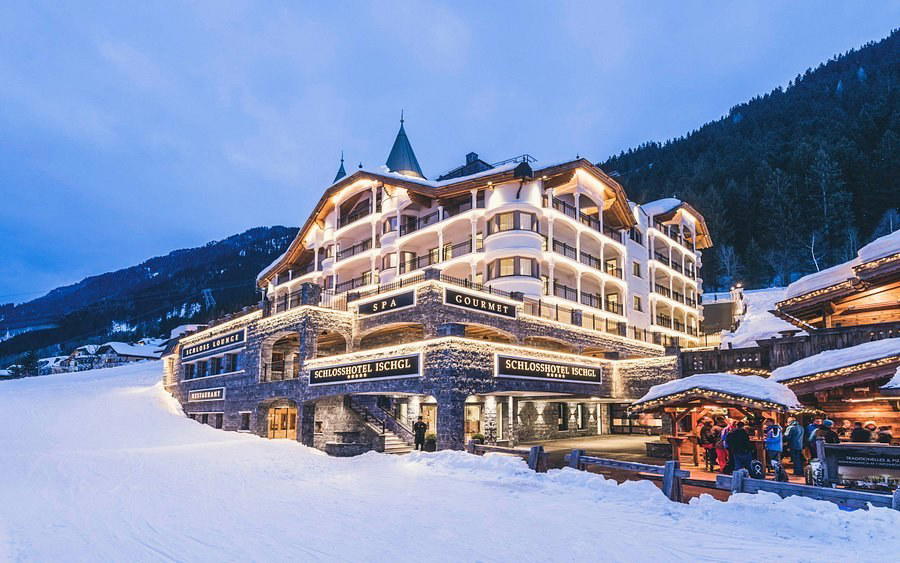
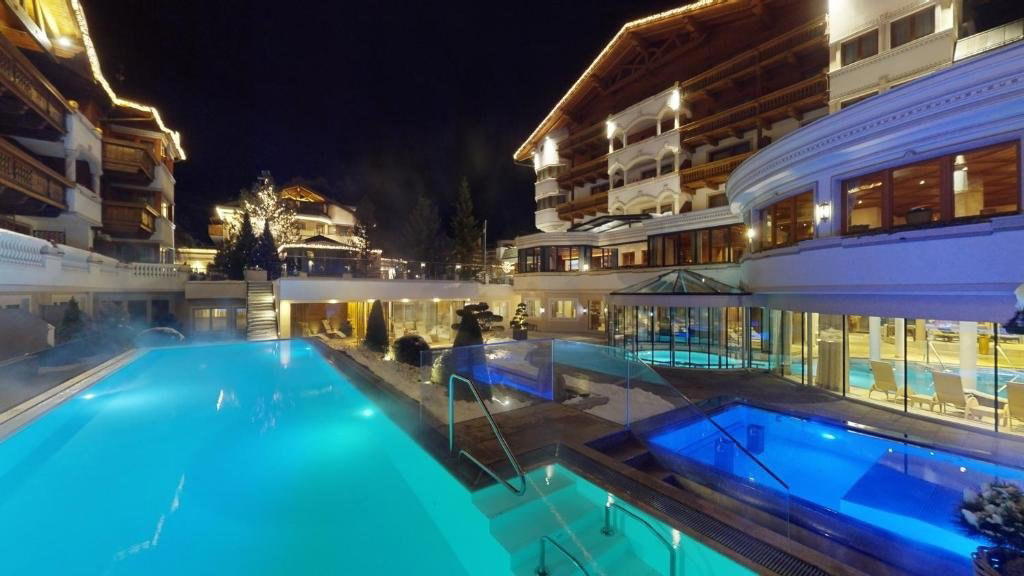
Ischgl has built its reputation on a particular compression: world-tier skiing and, operating in its shadow, a restaurant scene that outperforms what a high-altitude ski resort might be expected to sustain. The village sits in the Paznaun Valley at around 1,400 metres, and its serious dining options are embedded within hotels, shielded from the transient après-ski crowd, and oriented toward guests who treat dinner as seriously as the morning's first run. Within that group, Schlossherrnstube represents one controlled format: five tables, a single set menu, and an interior defined by warm panelled wood inside the Schlosshotel on Dorfstr. 85.
The physical scale is the first signal. A five-table room inside a luxury hotel shapes every element of the experience, from the pace of service to the kitchen's ability to source and prepare ingredients at a level the format demands. Across the broader Austrian Alpine dining circuit, from Griggeler Stuba in Lech to Gourmetrestaurant Tannenhof in Sankt Anton am Arlberg, the rooms that hold particularly serious culinary programs tend to be the smallest. Schlossherrnstube follows that pattern precisely.
The French-Alpine Axis in Austrian High-Altitude Cooking
Contemporary Austrian fine dining has spent the past two decades working out its relationship with French technique. At the flagship urban level, restaurants like Steirereck im Stadtpark in Vienna have moved toward a distinctly regional identity, reducing the French influence in favour of Austrian produce and tradition. In the mountains, the calculation is different. Resort kitchens at the leading end often maintain a closer dialogue with classical French methods, the internationalism of the clientele, the luxury hotel context, and the logistical realities of mountain supply chains all push in that direction.
The kitchen works within that French-influenced register, applying it to high-quality ingredients through a set menu format. The approach places Schlossherrnstube in a peer group that includes Stüva, Ischgl's other French-leaning option at the €€€€ tier, though the two rooms differ in atmosphere and scale. For context on how French technique continues to shape contemporary menus across European dining, the trajectory is visible from Alpine rooms to urban destinations like César in New York City and Jungsik in Seoul, where classical foundations underpin contemporary idioms.
Reading the Menu Format
The set menu structure at Schlossherrnstube removes the ambiguity of à la carte ordering and replaces it with a curated sequence built around whatever the kitchen is working with at its highest level. This format is common across serious Austrian Alpine rooms, Döllerer in Golling an der Salzach and Obauer in Werfen both operate on similar principles at their respective levels, and it places the burden of decision on the kitchen rather than the guest.
The documented menu at Schlossherrnstube includes Tristan lobster paired with mandarin and spinach, and a raviolo with soft egg yolk and Périgord truffle. These combinations signal a kitchen working in a precise, classically grounded register: acidity used structurally (the mandarin against the lobster's richness), and luxury ingredients deployed with enough restraint that they read as composition rather than accumulation. Périgord truffle alongside a carefully cooked pasta format is a combination with deep roots in French and northern Italian tradition, in this context, it speaks to a kitchen confident enough in classical reference points to use them without irony.
Maître d' and sommelier Daniela Wille manages both the floor and the wine program, which in a five-table room keeps the service experience tightly coordinated. The dual role is a structural feature of small-format rooms: when one person carries both responsibilities, the wine pairings and the pace of the meal are calibrated together rather than managed in parallel.
Schlossherrnstube in Ischgl's Dining Context
Ischgl's upper-tier restaurant group sits almost entirely at the €€€€ price point. Paznaunerstube and Fliana Gourmet occupy the same price tier with distinct format and cuisine identities. One step down, Heimatbühne operates at the €€€ level with an Austrian-focused menu that offers a different kind of evening entirely, less technical, more rooted in regional cooking traditions. The choice between these rooms is not simply about price; it is about what kind of dinner you are making time for at the end of a day on the mountain.
Schlossherrnstube is especially private among the group. The five-table count means availability is structurally limited regardless of season, and the hotel context (the Schlosshotel, Dorfstr. 85) means it operates primarily for hotel guests and informed visitors willing to seek it out.
For the wider Austrian fine dining circuit, the reference points are spread across the country. Ikarus in Salzburg operates on a rotating guest-chef model that puts it in a different category entirely, while Kräuterreich by Vitus Winkler in Sankt Veit im Pongau represents the herb-forward Alpine-Austrian direction. Schlossherrnstube sits closer to the French-influenced, luxury-hotel end of this spectrum than to the forage-and-alpine-herb school.
Reservations are essential, and proximity to the Schlosshotel gives hotel guests an advantage in securing a table. Given the price tier and the format, this is a room where the investment is in the full evening, not a quick dinner between activities. Those also exploring Ischgl's wine scene and local experiences will find the resort rewards the kind of unhurried approach this room is designed for.
Compact Comparison
Comparable venues nearby, for context on price, style, and recognition.
| Venue | Cuisine | Price | Notes |
|---|---|---|---|
| SchlossherrnstubeThis venue — the venue you are viewing | Contemporary | $$$$ | Not listed |
| Paznaunerstube | Ischgl, Modern Austrian Fine Dining | $$$$ | Not listed |
| Fliana Gourmet | Ischgl, Modern Austrian Fine Dining | $$$$ | Not listed |
| KOYA | Ischgl, Japanese Cuisine & Brasserie | $$$$ | Not listed |
| Heimatbühne | Not listed | $$$$ | Ischgl village center, Modern Tyrolean Alpine Cuisine |
| Genussrestaurant Sunna | centre, Modern Tyrolean Austrian | $$$ | Not listed |
Recognition history
Dated appearances from independent guides and award organizations, with the underlying list record or original source where available.
Falstaff Restaurant - 95 Falstaff Points
Falstaff
Michelin 1 Star
Michelin
Michelin 1 Star
Michelin
Michelin 1 Star
Michelin
At a Glance
- Elegant
- Cozy
- Rustic
- Sophisticated
- Intimate
- Special Occasion
- Date Night
- Celebration
- Hotel Restaurant
- Historic Building
- Extensive Wine List
- Sommelier Led
- Local Sourcing
- Mountain
Current opening hours
- Monday
- 6–10 PM
- Tuesday
- 6–10 PM
- Wednesday
- 6–10 PM
- Thursday
- Closed
- Friday
- Closed
- Saturday
- 6–10 PM
- Sunday
- 6–10 PM
Hours can change for holidays and private events. Last verified .
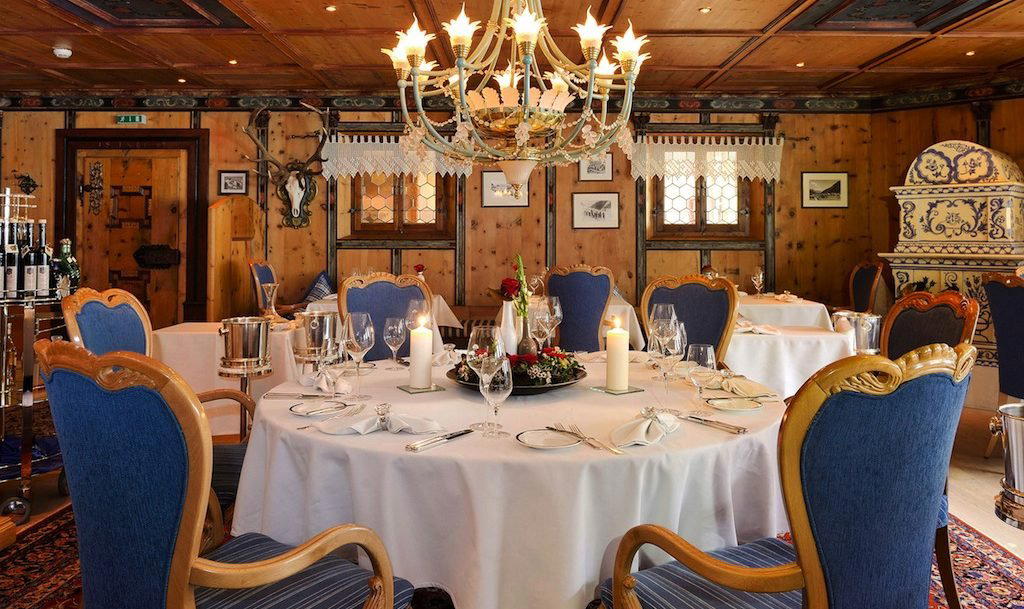
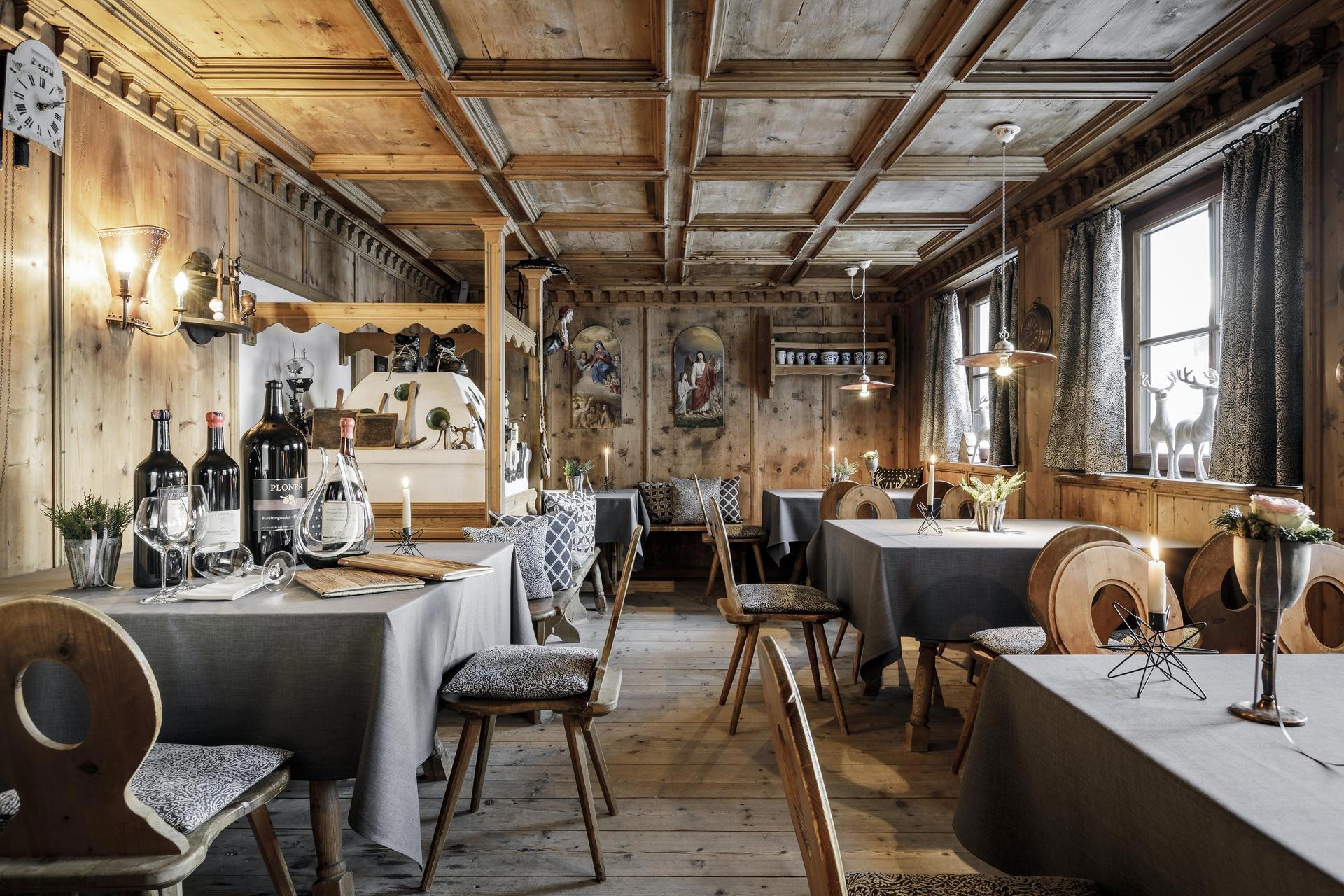
Warm wood interior blending elegance and Alpine charm with rustic Tyrolean elements like a tiled stove and sophisticated modern touches.