Severins – The Alpine Retreat



2 Michelin Keys · La Liste Top Hotels · Mr & Mrs Smith Seal of Approval
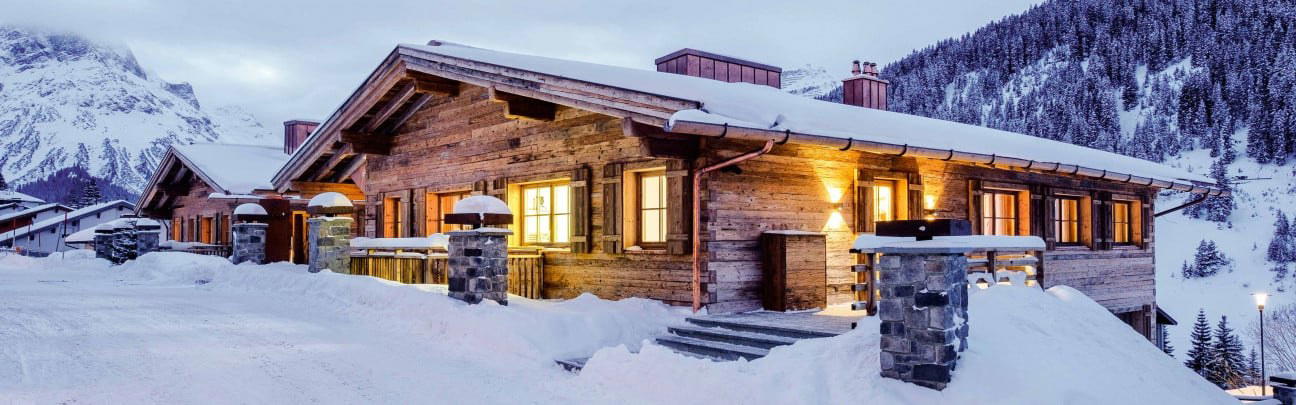
Severins – The Alpine Retreat occupies a ten-suite footprint in Lech am Arlberg, constructed from ancient Tyrolean wood, stone, and copper, and recognised with both Michelin 2 Keys (2024) and a 97-point score in the La Liste Top Hotels 2026 ranking. The property sits in the smaller, design-led tier of Austrian alpine hospitality, where limited capacity and material authenticity define the competitive set rather than scale.

Pearl is the En Primeur Club membership app, where members save venues, book tables and use the concierge.
Where Lech's Premium Tier Places Severins
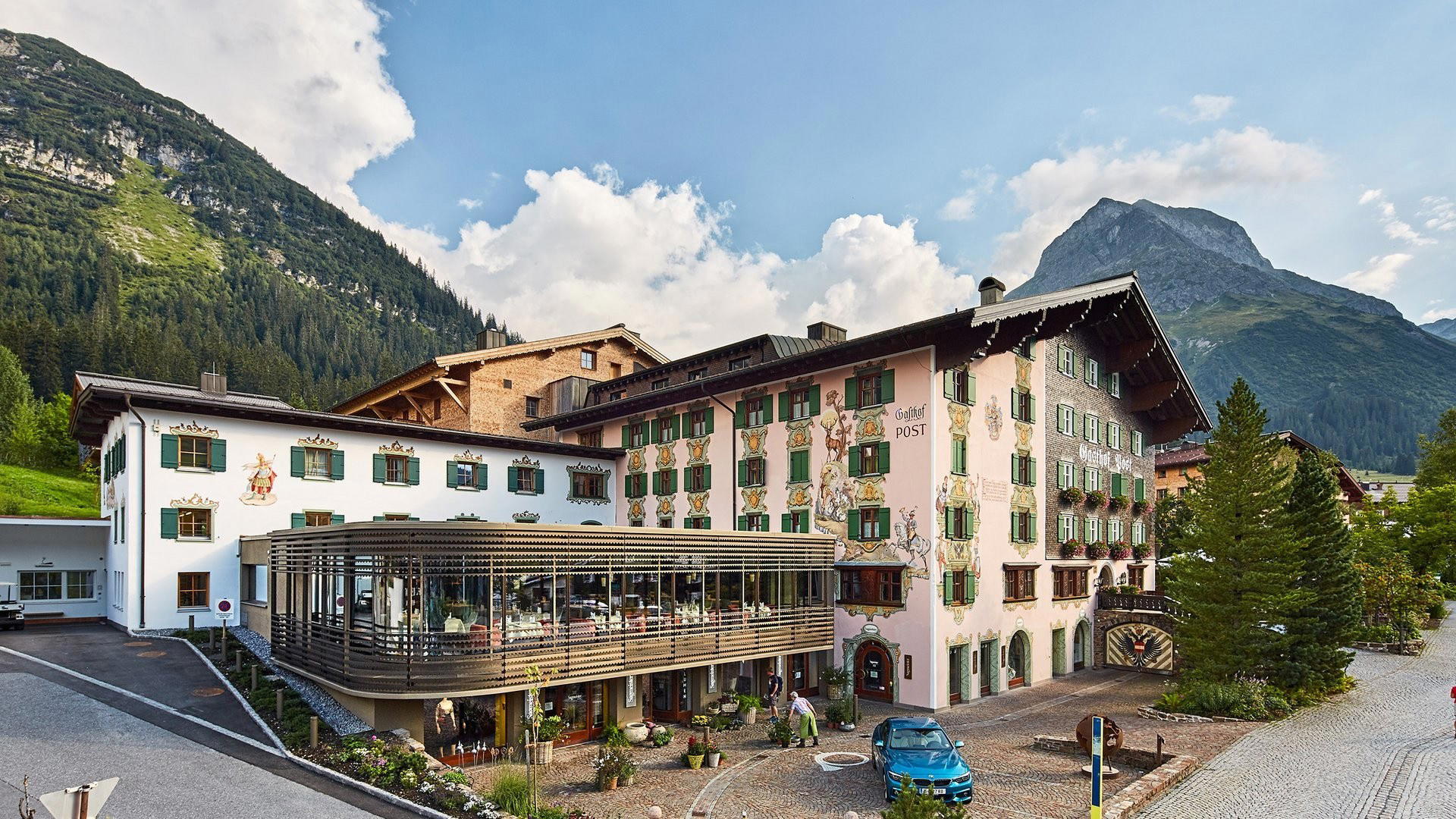
Lech am Arlberg has long attracted a quieter, more deliberate kind of alpine visitor than its noisier Austrian counterparts. The village sits in the Arlberg region at roughly 1,450 metres, and its accommodation market has split decisively over the past decade between large, brand-affiliated properties and a smaller cohort of boutique hotels that compete on material quality, spatial restraint, and depth of service rather than room count. Severins – The Alpine Retreat belongs firmly to that second cohort. With ten suites and a score of 97 points in the La Liste Leading Hotels 2026 ranking, alongside Michelin 2 Keys recognition in 2024, it sits in the upper bracket of Lech's premium set, measured against properties like Hotel Almhof Schneider, Aurelio Hotel & Chalet Lech, and Post Lech Arlberg.
The Michelin Keys distinction is worth contextualising. Michelin extended its hotel evaluation programme into Austria with rigorous attention to the relationship between architecture, service quality, and sense of place. Two Keys places Severins among the most architecturally coherent and experientially consistent hotels in the country, not simply among the most luxurious in a conventional sense. It is the kind of credential that separates properties with genuine material and spatial investment from those that achieve luxury through volume and amenity count alone.
The Physical Environment at Arrival
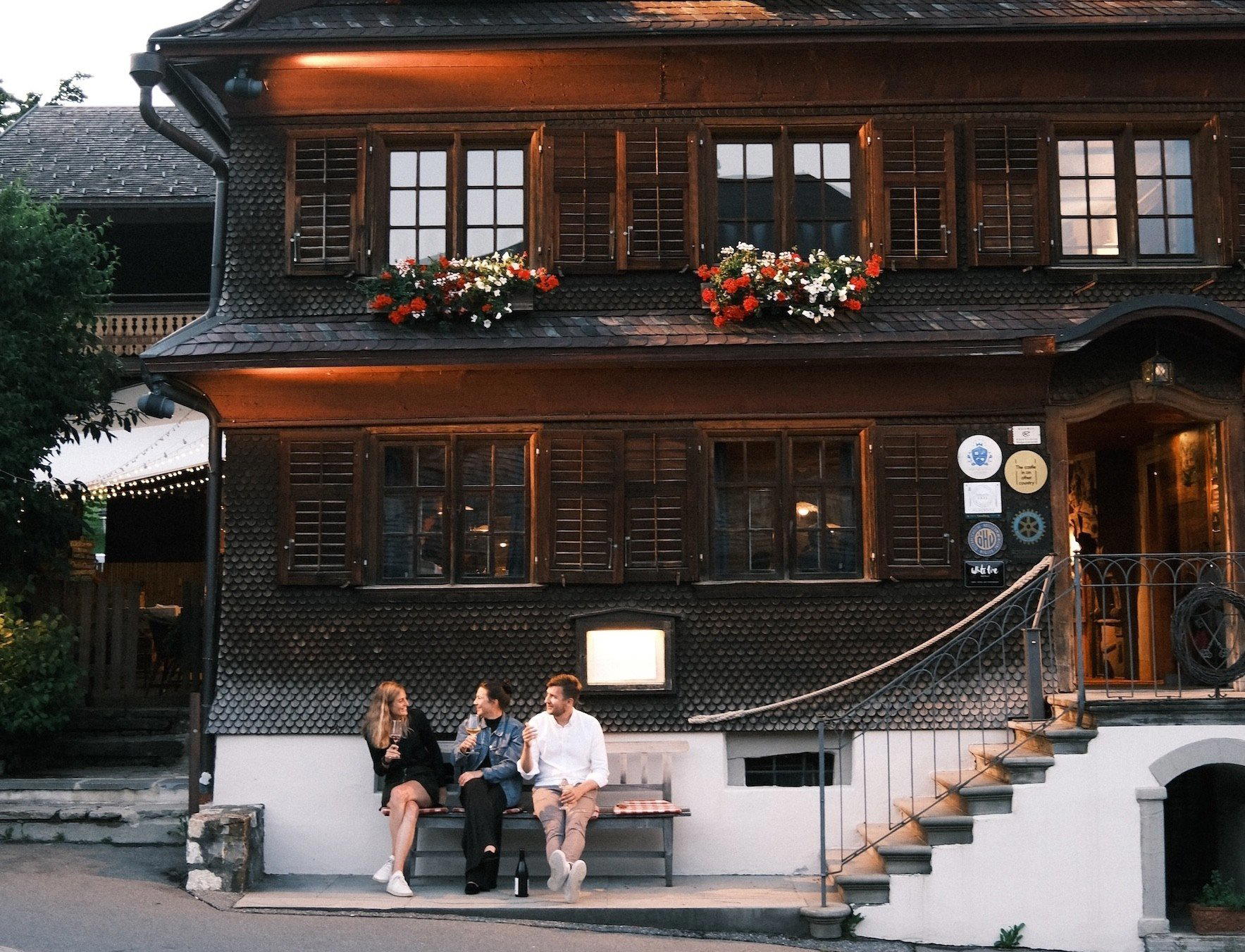
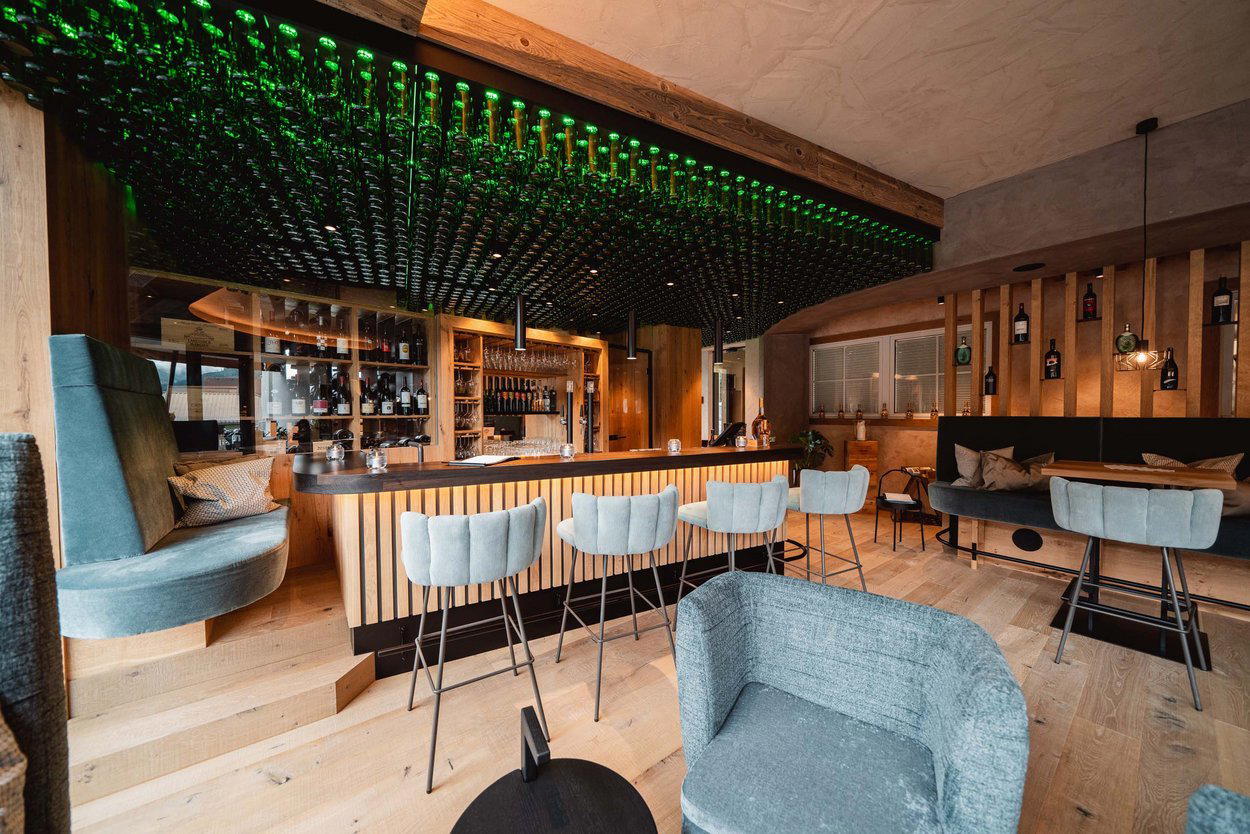
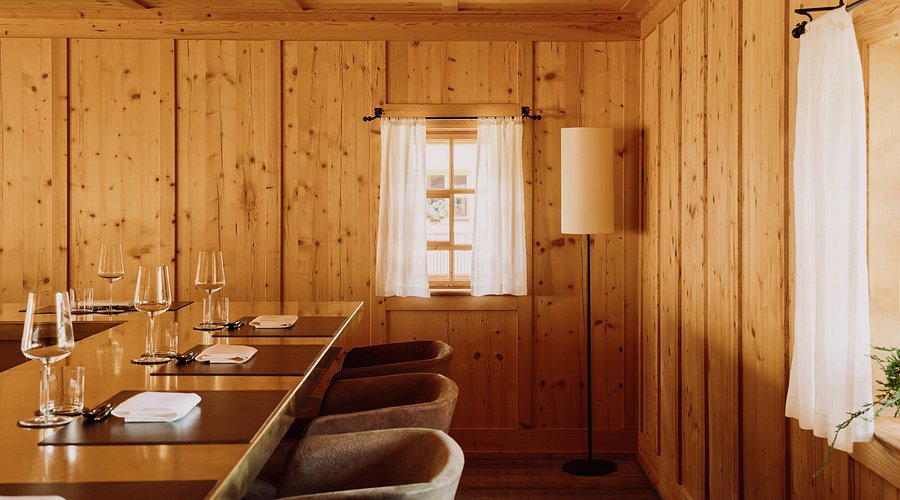
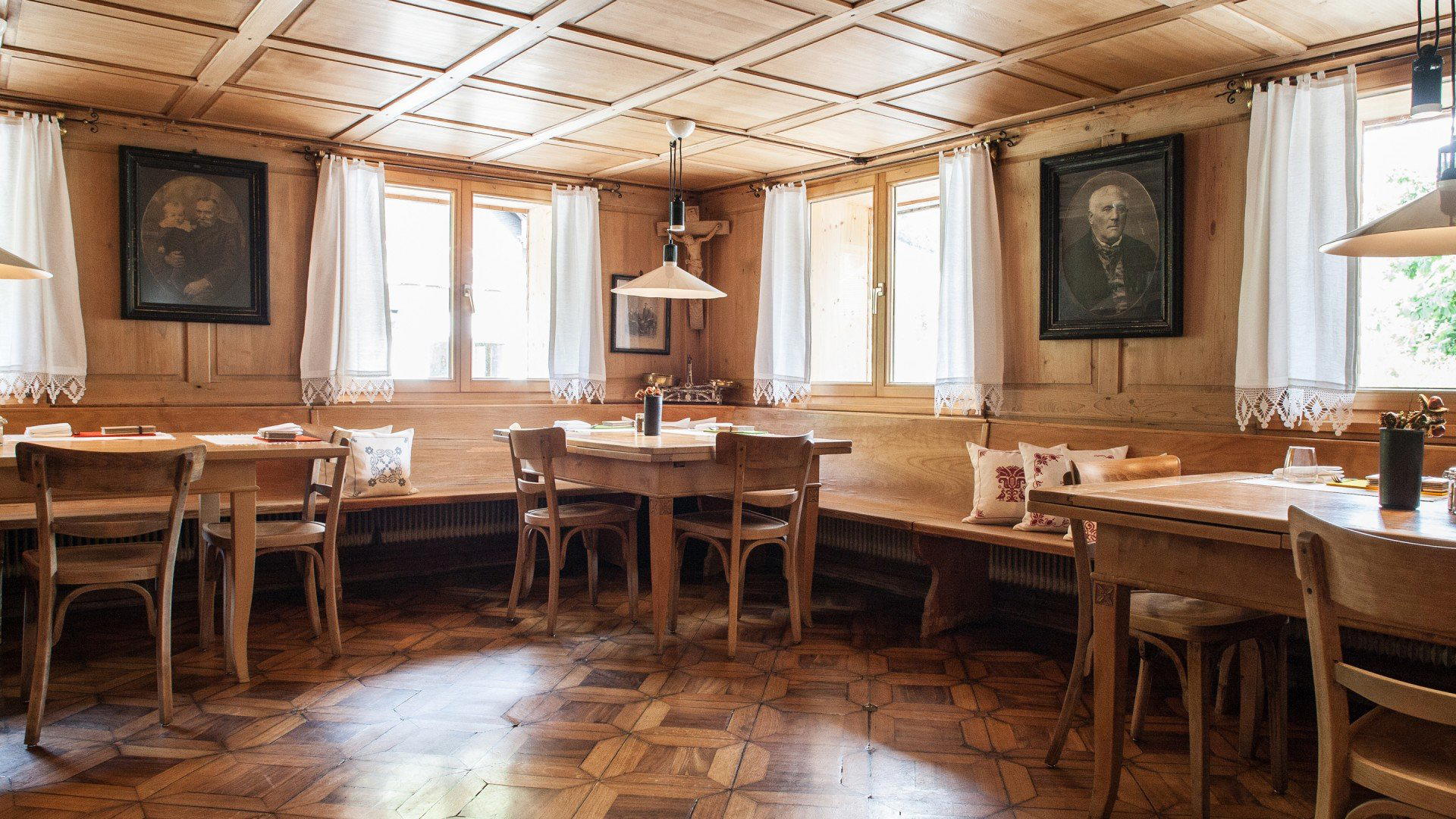
The building at Stubenbach 273 presents itself through the materials that define traditional Tyrolean construction: aged wood, local stone, and copper detailing. These are not decorative references to alpine vernacular applied over a generic shell. The structure uses these materials in ways that produce warmth in the literal sense, surfaces that absorb and reflect the light differently depending on the hour and season. Italian furnishings sit against those rustic surfaces without creating a conflict of register, a design decision that reflects the broader trend in Austrian alpine hospitality toward international craft within a regional material vocabulary.
Spatial consequence of ten suites is meaningful. At that scale, corridors do not feel trafficked, common areas operate at a register closer to private residence than hotel lobby, and the library lounge with its fireplace functions as it would in a private chalet rather than as a branded amenity. That quality of quiet density is one of the structural differences between Lech's boutique upper tier and its larger competitors, including properties like Hotel Arlberg Lech. For comparable small-footprint approaches elsewhere in Austria, Schloss Mönchstein in Salzburg and Rosewood Schloss Fuschl in Hof bei Salzburg operate within a similar philosophy, though in entirely different terrain contexts.
Local Materials and the Logic Behind Them
Editorial angle worth pressing on at a property like Severins is not simply what materials were used, but why that sourcing decision matters in an alpine context. Tyrolean wood, particularly the centuries-old timber used in traditional Vorarlberg construction, carries a density and patina that newer materials cannot replicate. Buildings constructed with it respond differently to cold: they insulate through mass rather than through engineered barrier systems, and they age in ways that reinforce rather than undermine their character. Stone from the surrounding region carries similar properties, and copper, long used in Tyrolean craftsmanship, oxidises over decades into surfaces that read as belonging to the landscape rather than imposed upon it.
This is not a trivial distinction. In the alpine hospitality market across Austria, Switzerland, and northern Italy, the gap between properties that use regional materials authentically and those that reference them decoratively has become a defining quality marker. Severins sits in the former category, and the Michelin Keys assessment reflects that. Guests arriving from properties like LEADING Hotel Hochgurgl in Hochgurgl or Alpen-Wellness Resort Hochfirst in Obergurgl, which approach alpine luxury through different material and spatial strategies, will notice the distinction immediately.
Wellness, Fitness, and the Contemporary Alpine Format
The post-pandemic alpine hotel market has seen a pronounced shift toward properties that can credibly offer both mountain sport access and substantive wellness programming within a single stay. Severins addresses this directly: the combination of slopes access and forward-looking fitness and wellness facilities means guests do not face the trade-off between athletic and restorative itineraries that still characterises many traditional Tyrolean properties. The library lounge and fireplace are genuine counterweights to a full day on the Arlberg's pistes, rather than afterthoughts.
For context, the Arlberg ski area is among the largest and most technically varied in the Alps, and Lech's position within it gives Severins guests direct access to that network. Properties like Chalet 1551 and pepper-collection address the same dual-use demand within Lech's boutique tier, each with different spatial and service emphases. The wellness-forward approach at Aktiv & Wellnesshotel Bergfried in Tux and Naturhotel Waldklause in Längenfeld represents a different regional interpretation of the same market evolution, one rooted more explicitly in therapeutic and nature-immersion programming.
How Severins Sits Within Austria's Broader Hotel Market
Austria's upper hotel tier has been evaluated more systematically since Michelin's expansion of its hotel keys programme and La Liste's integration of accommodation into its global scoring. The 97-point La Liste result for 2026 places Severins in company with properties that have either deeper historical prestige or larger operational scale. Comparisons inevitably arise with Hotel Sacher Wien in Vienna, which operates in an entirely different urban and institutional register, and with destination-estate properties like Falkensteiner Schlosshotel Velden in Velden am Wörthersee or DAS EDELWEISS in Grossarl. What distinguishes Severins from those peers is the deliberate rejection of scale as a quality signal. Ten suites is a structural commitment, not a limitation.
Internationally, the positioning is clearer when set against boutique alpine properties or low-key city luxury operations. Aman New York in New York City and Aman Venice in Venice occupy an analogous niche in their respective cities: small key counts, exceptional material investment, and a service model calibrated to guest-to-staff ratios that large hotels cannot sustain. Severins operates on the same logic in Lech.
Planning a Stay
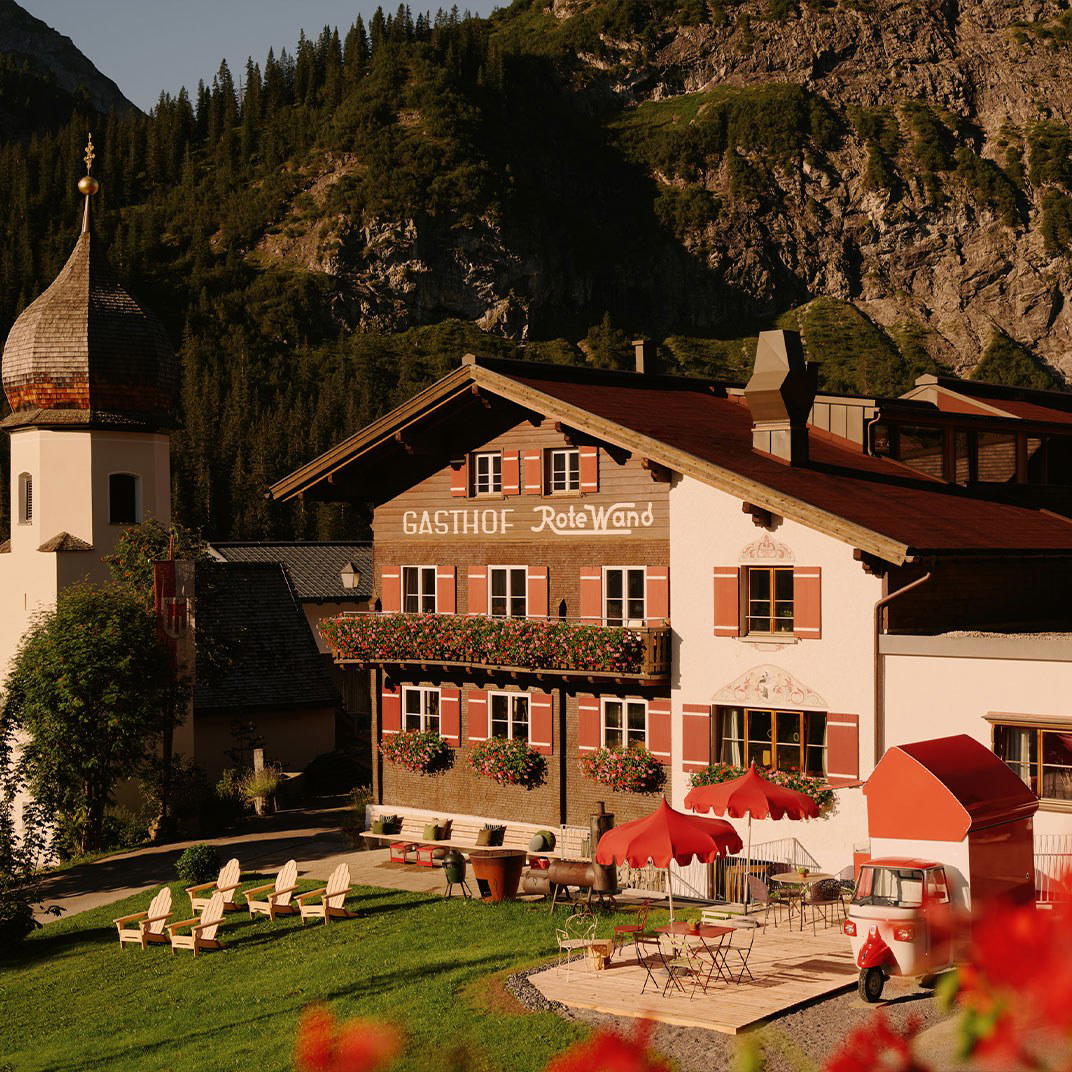
Lech's season runs from late November through late April, with peak booking pressure falling in December and February, when Arlberg snow conditions are typically at their most reliable and the village is at its most animated. Guests considering Severins should book well in advance for those windows, as ten-suite capacity means availability closes quickly when demand concentrates. The property's address at Stubenbach 273 places it within Lech proper, accessible by the village's electric bus network and within reach of the main gondola infrastructure. For those comparing the full Lech accommodation picture, Rote Wand Gourmet Hotel and Aurelio Lech round out the upper tier with different emphases on gastronomy and design respectively. A wider view of dining and hospitality in the area is available through our full Lech restaurants guide.
At this scale, individual stay experiences carry more weight in both directions, and the rating's stability across that sample is a reasonable indicator of service consistency.
What It’s Closest To
Comparable venues nearby, for context on price, style, and recognition.
| Venue | Cuisine | Price | Awards | Notes |
|---|---|---|---|---|
| Severins – The Alpine RetreatThis venue (the venue you are viewing) | Contemporary Alpine luxury combining traditional Tyrolean heritage with modern design; positioned as an exclusive boutique retreat for informed travelers seeking both mountain adventure and refined relaxation. | $750–1,000 | 2 Michelin Keys · La Liste Top Hotels | Not listed |
| Hotel Almhof Schneider | Modern Alpine chalet blending contemporary luxury with traditional motifs | Not listed | 2 Michelin Keys · La Liste Top Hotels | Lech am Arlberg |
| Post Lech Arlberg | historic inn evolved into luxury Alpine hotel | $500–750 | 1 Michelin Key · La Liste Top Hotels | Lech am Arlberg |
| Hotel Arlberg Lech | Family-run luxury Alpine resort blending heritage hospitality tradition dating to 1956 with contemporary design and state-of-the-art facilities. | $300–500 | Not listed | Lech |
| The Arula Chalets | luxury alpine chalet with international design details and local craftsmanship | Not listed | World Luxury Hotel Awards WLHA Continent Winner | Oberlech |
| Aurelio Lech | Contemporary alpine chalet with refined luxury. | $750–1,000 | World Travel Awards | Lech am Arlberg |
Recognition history
Dated appearances from independent guides and award organizations, with the underlying list record or original source where available.
Michelin 2 Keys
Michelin
La Liste Top Hotels
La Liste
Mr & Mrs Smith Seal of Approval
Mr & Mrs Smith
Small Luxury Hotels of the World Member
Small Luxury Hotels of the World
Full recognition history (6 entries)
Michelin 2 Keys
Michelin
Michelin 2 Keys
Michelin
Continue exploring
More in Lech am Arlberg
Hotels in Lech am Arlberg
All hotels in Lech am Arlberg →
Bars in Lech am Arlberg
Browse all →

Details
- Elegant
- Sophisticated
- Cozy
- Scenic
- Romantic
- Romantic Getaway
- Wellness Retreat
- Family Vacation
- Anniversary
- Weekend Escape
- Ski In Ski Out
- Destination Spa
- Panoramic View
- Private Dining
- Terrace
- Wi Fi
- Pool
- Spa
- Fitness Center
- Room Service
- Concierge
- Valet Parking
- Restaurant
- Sauna
- Mountain
- Elevator
- Accessible Restroom
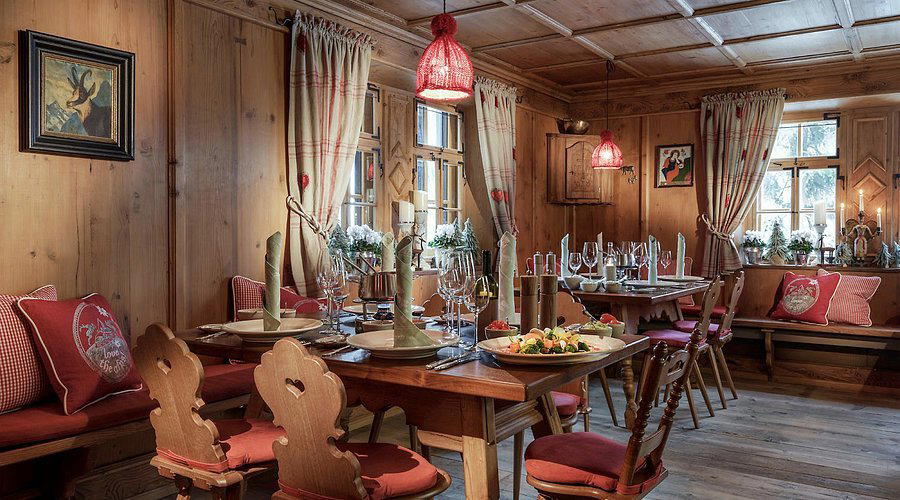
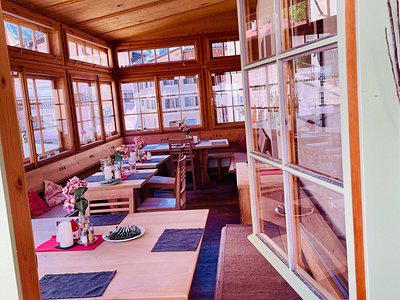
Warm and inviting with crackling fireplaces, rustic wood accents, and soft lighting creating a cozy yet sophisticated atmosphere; mountain views from private balconies and terraces enhance the serene alpine setting.