

1 Michelin Star · Falstaff Restaurant - 95 Falstaff Points
Our verdict
Beef Club holds a Michelin star inside the Schlosshotel at 1,436 metres above Fiss, serving a four- or six-course menu that moves between delicate modern constructions and prime cuts from the Big Green Egg. The wine list reaches Romanée-Conti and Ornellaia, with pairing options by the glass or non-alcoholic accompaniment. Evenings run Tuesday through Saturday from 6:30 PM.

Pearl is the En Primeur Club membership app — saves, bookings, and concierge access live there. Same editors, same standards.
- Address
- Laurschweg 28b, 6533 Fiss, Austria
- Phone
- +43 5476 6397
- Hours
- Mon ClosedTue–Sat 6:30–11 PMSun Closed
- Website
- schlosshotel-fiss.com
- Directions
- Get directions
- Booking
- Book on the venue's website
The menu
What to order
- Chateaubriand Austria
- Beef filet Austria
- Tomahawk USA
Altitude, Sourcing, and the Case for a Michelin Star at 1,436 Metres
There is a particular tension in alpine fine dining between the drama of the setting and the discipline required to sustain serious cooking at elevation. Supply chains are longer, seasonal windows are shorter, and the audience shifts with every ski season. The restaurants that succeed are the ones that convert those constraints into a coherent identity.
Fiss sits in the Tyrolean highlands of the Serfaus-Fiss-Ladis ski region, where the hospitality economy runs on seasonal guests who arrive with high expectations and limited time. In that context, a restaurant that earns Michelin recognition is signalling something specific: that the kitchen is operating to a standard that has nothing to do with the captive audience, and everything to do with sourcing decisions, technical execution, and menu architecture. Beef Club's position in that tier is worth examining closely, because the cooking reflects a clear editorial point of view about where ingredients come from and why that matters.
What the Menu Reveals About Sourcing Philosophy
The structure of the Beef Club menu splits into two distinct registers, and that split is itself an argument about ingredient provenance. On one side, the tasting menu, available in four or six courses with amuse-bouches and petits fours, builds dishes around produce that rewards precision handling: Tristan crayfish paired with wakame, radish, and green apple is a documented example, a combination that asks each component to maintain its own integrity while contributing to a composite picture. Wakame sourced for its mineral salinity, crayfish for sweetness, green apple for acidity. The logic is sourcing-first.
On the other side, the à la carte section centres on beef cuts grilled in a Big Green Egg, a ceramic charcoal kamado cooker that maintains consistent high heat and allows for controlled smoke levels. This is not incidental equipment. The choice of a Big Green Egg for grilling premium cuts indicates a kitchen that understands radiant heat management and wants the quality of the meat to read clearly on the plate without distraction. In an alpine setting, where proximity to quality beef producers in the broader Tyrol and Bavaria region is genuine rather than marketing, this format has real geographic logic. The name Beef Club is not decorative; the à la carte section treats grilled beef as a serious discipline with sourcing implications.
A vegetarian set menu is also available alongside the main tasting format, which matters as a signal: the kitchen is not treating plant-forward cooking as an afterthought or a dietary accommodation, but as a parallel program with its own identity. Across Austrian fine dining, from Steirereck im Stadtpark in Vienna to Döllerer in Golling an der Salzach, the integration of vegetarian tasting menus into the core offer has become a marker of kitchen range rather than a gesture toward dietary preference.
The Room and the Atmosphere
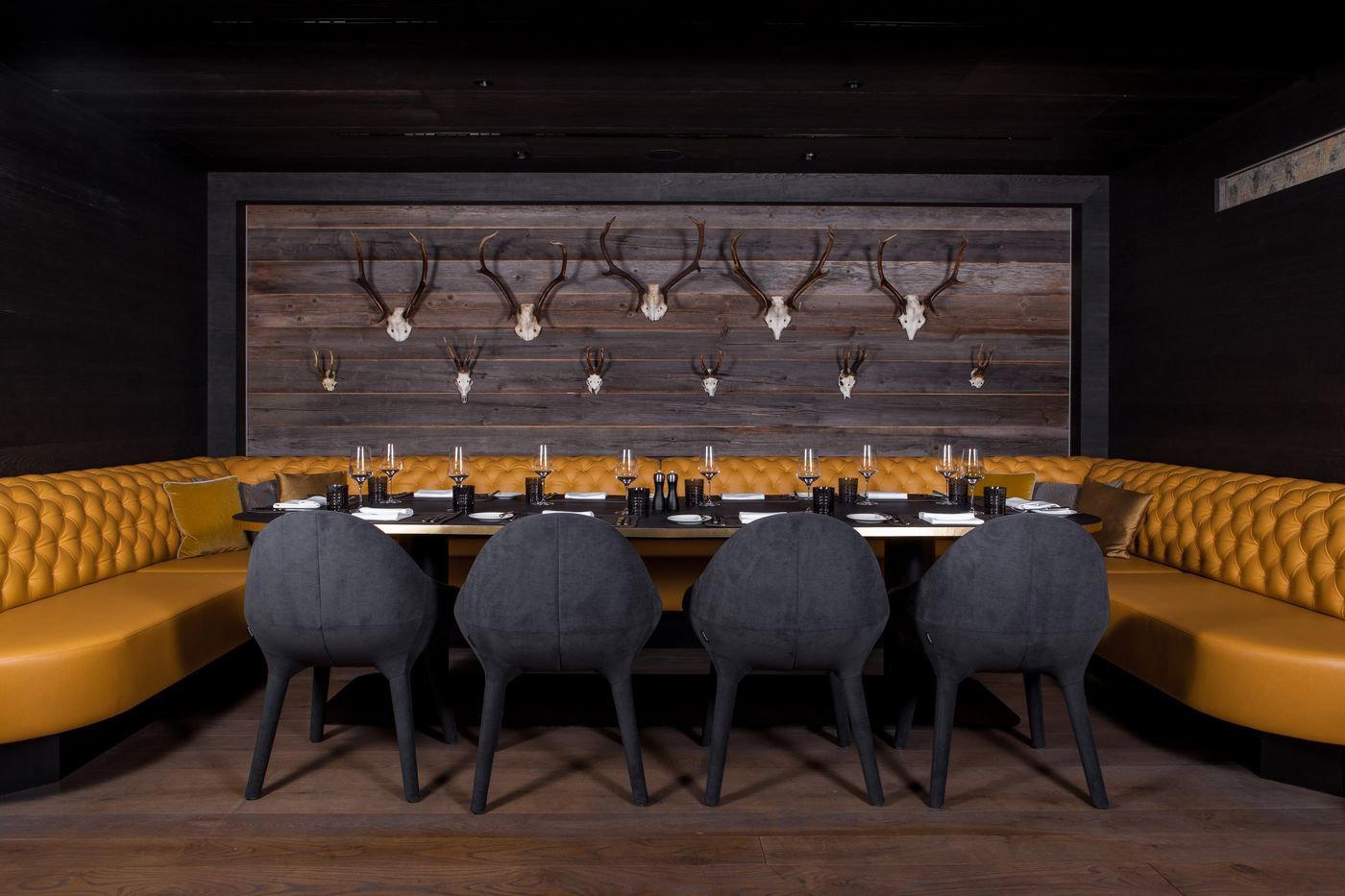
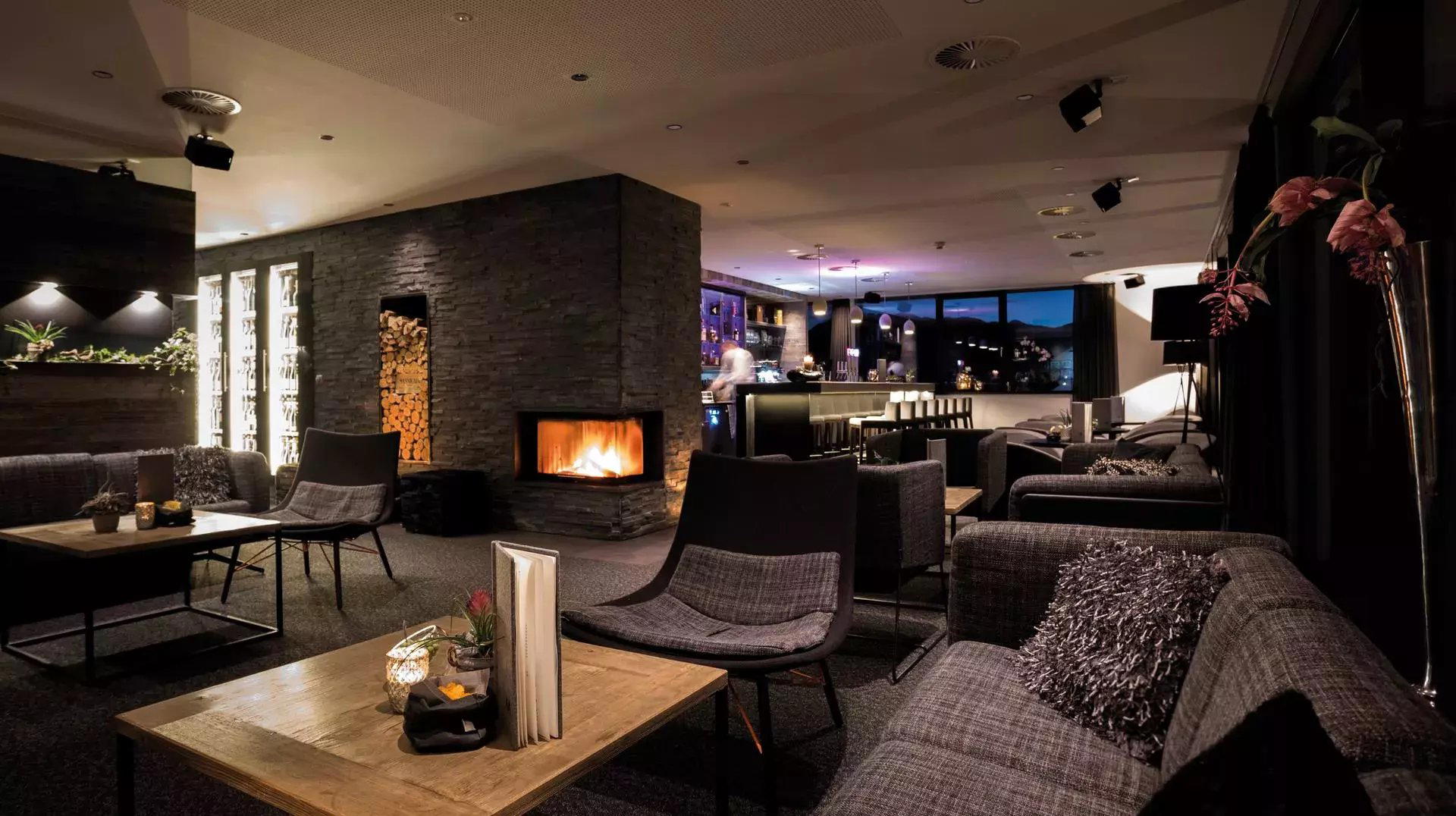
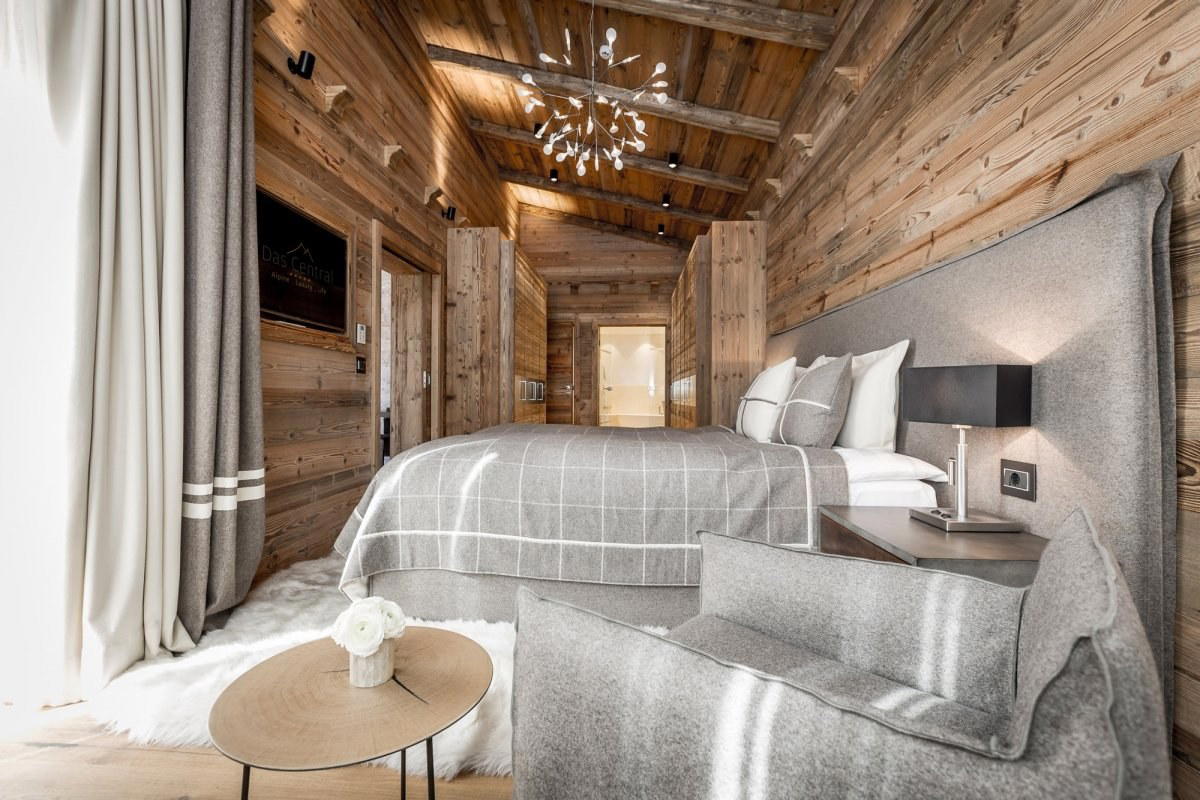
The dining room at the Schlosshotel operates with a deliberate visual register: dark colours, sophisticated materials, an atmosphere that reads as lively rather than hushed. This is the opposite of the white-tablecloth formalism that many alpine resort restaurants default to, and it places Beef Club closer to the urban European fine dining aesthetic that the Michelin assessment itself noted, describing it as a concept that would sit comfortably in Vienna or Munich. At 1,436 metres, that equivalence is an achievement of design intent, not accident.
The comparison to Vienna and Munich is worth holding onto. Both cities have active, competitive fine dining scenes where modern cuisine restaurants at the €€€ price tier have to justify themselves against strong peer sets. For Beef Club to read as credible in that context, the room, the service, and the cooking all have to cohere. The Michelin inspector's note suggests they do. The service is described as skilful, which in Michelin language is a substantive credential rather than a courtesy remark.
For context on how Beef Club compares within Austrian alpine fine dining, Gourmetrestaurant Tannenhof in Sankt Anton am Arlberg and Griggeler Stuba in Lech represent the same regional tradition of high-altitude serious cooking, while Ikarus in Salzburg shows what a two-star operation in the broader Austrian context looks like at the €€€€ tier above.
The Wine Program as a Second Argument
The wine list at Beef Club makes a second, parallel argument about the restaurant's ambitions. An Austrian and international list that includes Romanée-Conti and Ornellaia, with magnum and double magnum bottle options, is not a functional list designed to support dinner service. It is a cellar with a point of view, one that positions the restaurant against urban fine dining peers rather than resort competitors.
Romanée-Conti from Burgundy and Ornellaia from Bolgheri represent two of the most closely watched wine programs in Europe; their presence on a list at 1,436 metres in Tyrol is a statement of intent about the quality of the guest the restaurant is targeting. The pairing by the glass is also noted as accomplished, which matters for guests who want the full menu experience without committing to a bottle. The non-alcoholic beverage accompaniment, offered as an alternative to wine pairing, reflects the broader shift across European fine dining toward parity between alcoholic and non-alcoholic programs.
For guests with a particular interest in Austrian wine, the regional selections on the list connect naturally to a broader exploration. Our full Fiss wineries guide covers the local wine picture, while the Tyrolean setting positions Beef Club within reach of some of Austria's more interesting alpine wine producers.
Planning a Visit
Beef Club operates Tuesday through Saturday, with service from 6:30 PM until 11:00 PM; the restaurant is closed on Sundays and Mondays. The €€€ pricing tier places it below the €€€€ bracket occupied by two-star Austrian peers like Landhaus Bacher in Mautern an der Donau and within the range that serious diners associate with single-star modern cuisine in the broader Alpine region. The four-course format offers a more accessible entry to the kitchen's range, while the six-course version with amuse-bouches and petits fours gives the full picture of where the sourcing decisions lead.
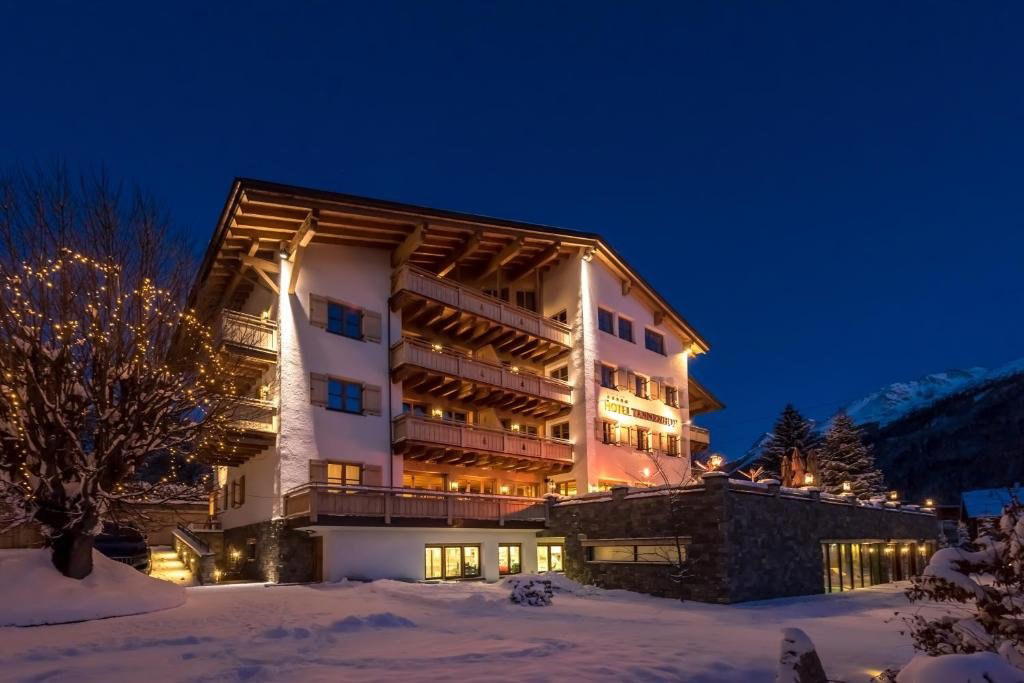
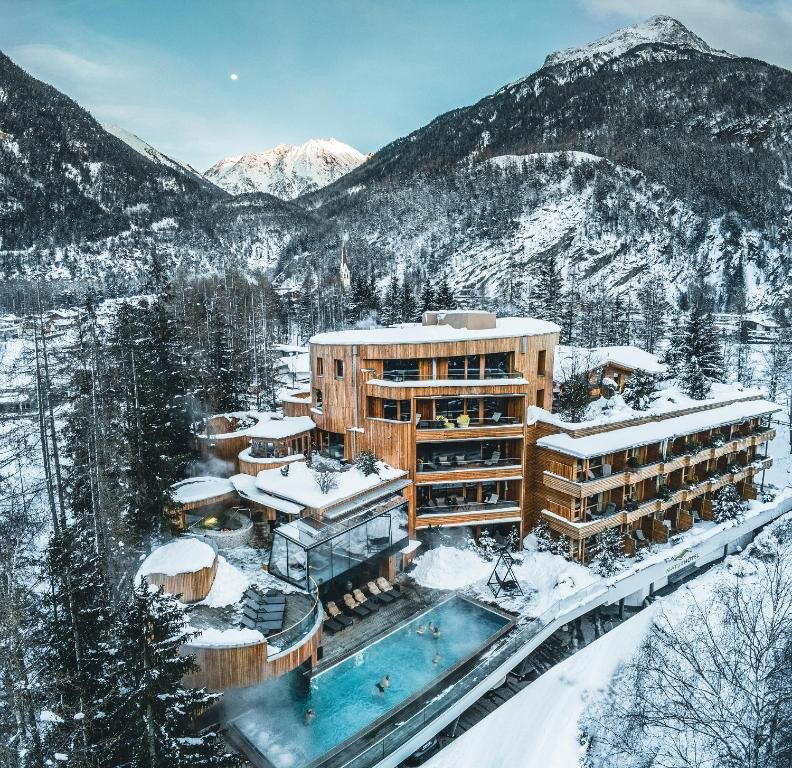
The Schlosshotel address at Laurschweg 28b, 6533 Fiss, places the restaurant in a hotel context, which means advance reservations are advisable, particularly during the winter ski season and summer hiking periods when the Serfaus-Fiss-Ladis region sees its heaviest visitor numbers. Guests staying in Fiss or the surrounding area should account for the mountain approach when planning arrival times. For broader orientation to what else Fiss offers, our full Fiss restaurants guide maps the dining options across price tiers, and our full Fiss hotels guide covers accommodation alongside the Schlosshotel itself. The Fiss bars guide and Fiss experiences guide round out the picture for a multi-day stay.
For comparison at the international modern cuisine level, Frantzén in Stockholm and FZN by Björn Frantzén in Dubai show what the format looks like at the three-star tier.
The closest Fiss competitor for serious dining is Bruderherz Fine Dine, which operates a creative format in the same village and gives guests a genuine choice of register: the precise, sourcing-driven architecture of Beef Club's tasting menu against a different creative approach within walking distance.
Frequently asked questions
What kind of setting is Beef Club?
Beef Club operates inside the Schlosshotel in Fiss at 1,436 metres elevation in the Tyrolean Alps. The dining room is designed around dark, sophisticated tones with a lively rather than formal atmosphere, which the Michelin guide noted would read equally well in Vienna or Munich. It is a hotel restaurant in geography but an urban fine dining room in register, priced at the €€€ tier and holding a Michelin star since 2024.
What should I eat at Beef Club?
The tasting menu, in four or six courses, is where the kitchen's sourcing logic is most visible: dishes like Tristan crayfish with wakame, radish, and green apple show the kitchen working with precision ingredients across multiple provenance points. The à la carte section centres on grilled beef cuts from the Big Green Egg, which is the more direct expression of the restaurant's name and a serious format in its own right. Both programs have real merit; the six-course menu with wine pairing by the glass is the fuller argument for what the kitchen can do. A vegetarian set menu is also available for those who want the tasting format without the meat focus.
Is Beef Club good for families?
Fiss is a family-oriented ski and hiking resort, and the broader Serfaus-Fiss-Ladis area has significant family infrastructure. Beef Club, however, is pitched at a different register: the €€€ price tier, a Michelin-starred tasting menu format, and evening-only service from 6:30 PM place it firmly in the adult fine dining bracket. Families with older children who are comfortable in a lively but sophisticated fine dining room may find it works; for younger children, the format and timing are less suited. The Fiss dining landscape has options across a wider range of formats, covered in our full Fiss restaurants guide.
A Quick Peer Check
| Venue | Cuisine | Price | Awards |
|---|---|---|---|
| Beef ClubThis venue — the venue you are viewing | Modern Steakhouse with Big Green Egg Grill | $150–200 | 1 Michelin Star · Falstaff Restaurant - 95 Falstaff Points |
| Steirereck im Stadtpark | Creative | Not listed | Michelin 3 Star |
| Döllerer | Contemporary Austrian, Innovative | Not listed | Michelin 2 Star |
| Ikarus | Modern European, Creative | Not listed | Michelin 2 Star |
| Mraz & Sohn | Modern Austrian, Creative | Not listed | Michelin 2 Star |
| Obauer | Classic Cuisine | Not listed | Michelin 2 Star |
Recognition history
Dated appearances from independent guides and award organizations, with the underlying list record or original source where available.
Michelin 1 Star
Michelin
Falstaff Restaurant - 95 Falstaff Points
Falstaff
Full recognition history (4 entries)
Michelin 1 Star
Michelin
Michelin 1 Star
Michelin
Continue exploring
More in Fiss
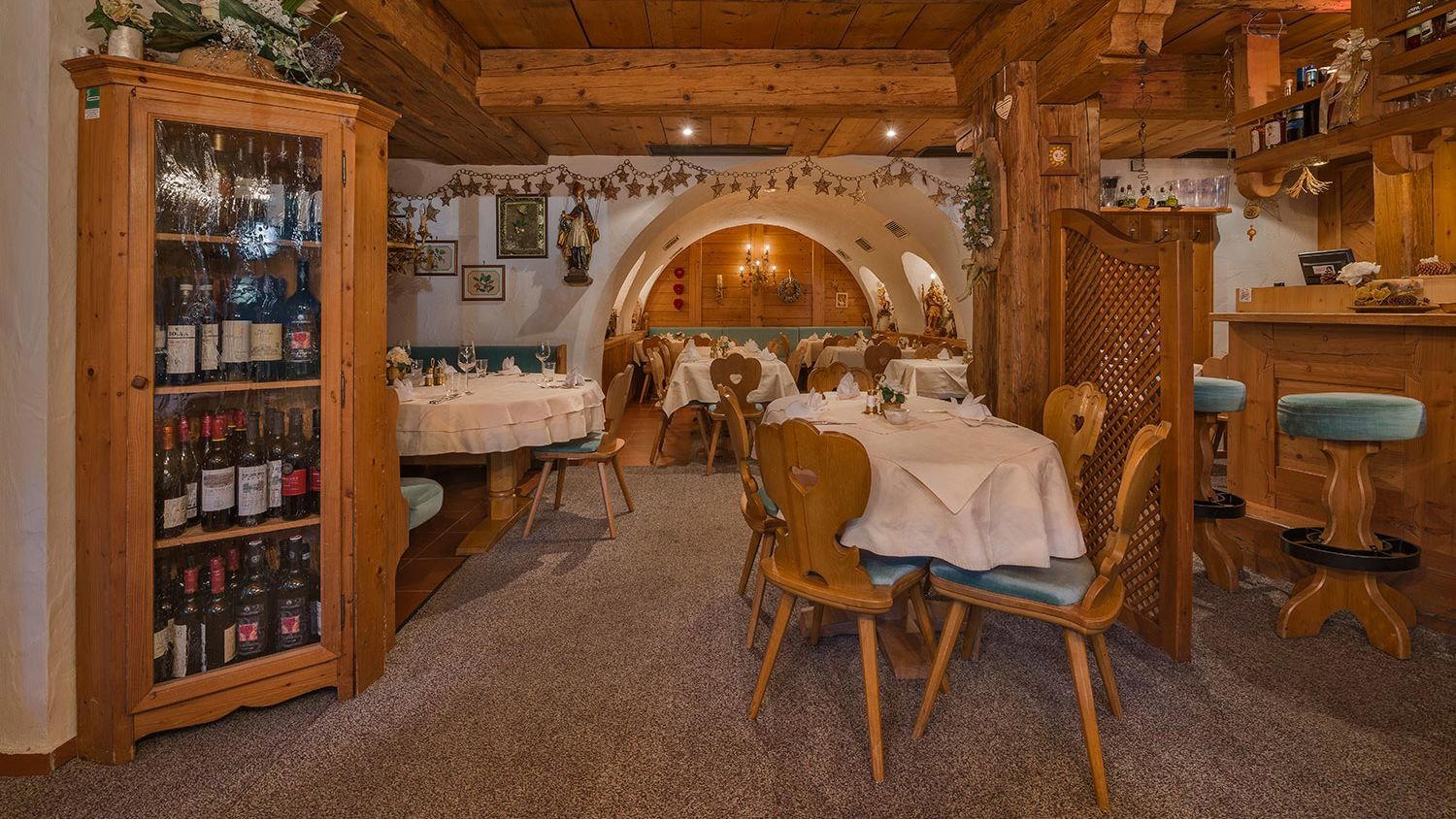
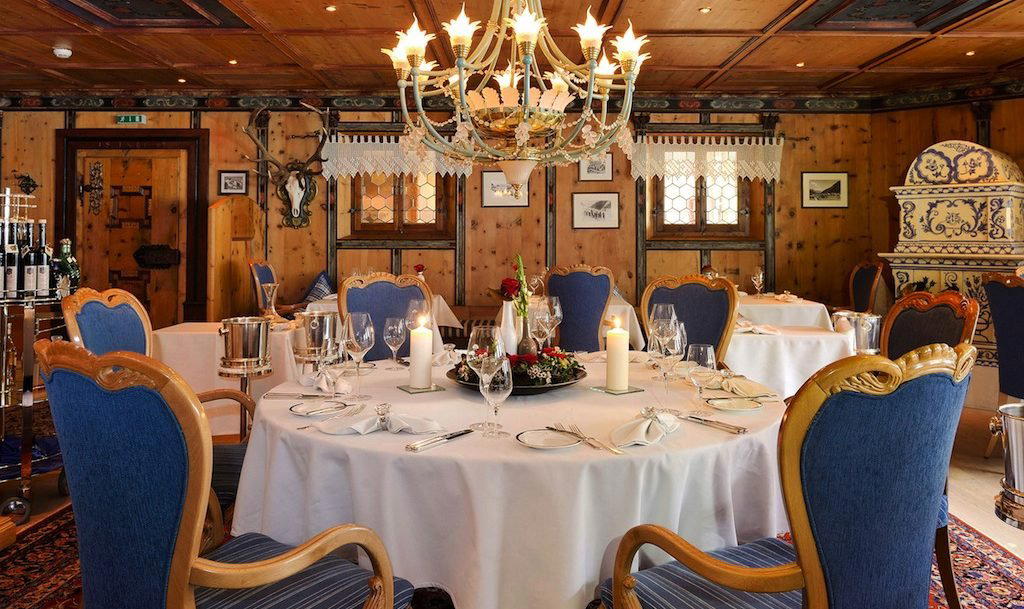
Restaurants in Fiss
Browse all →
Bars in Fiss
Browse all →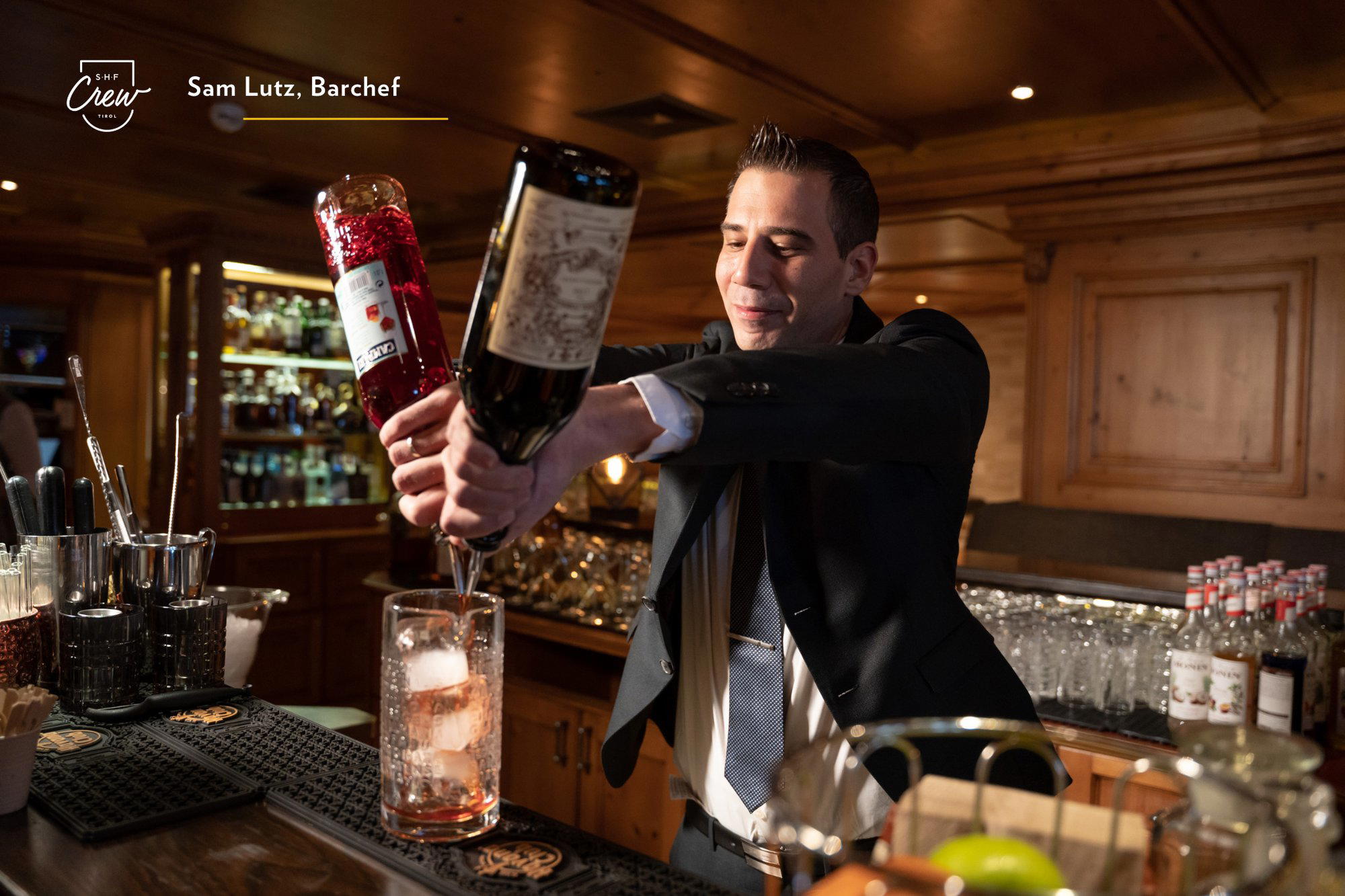
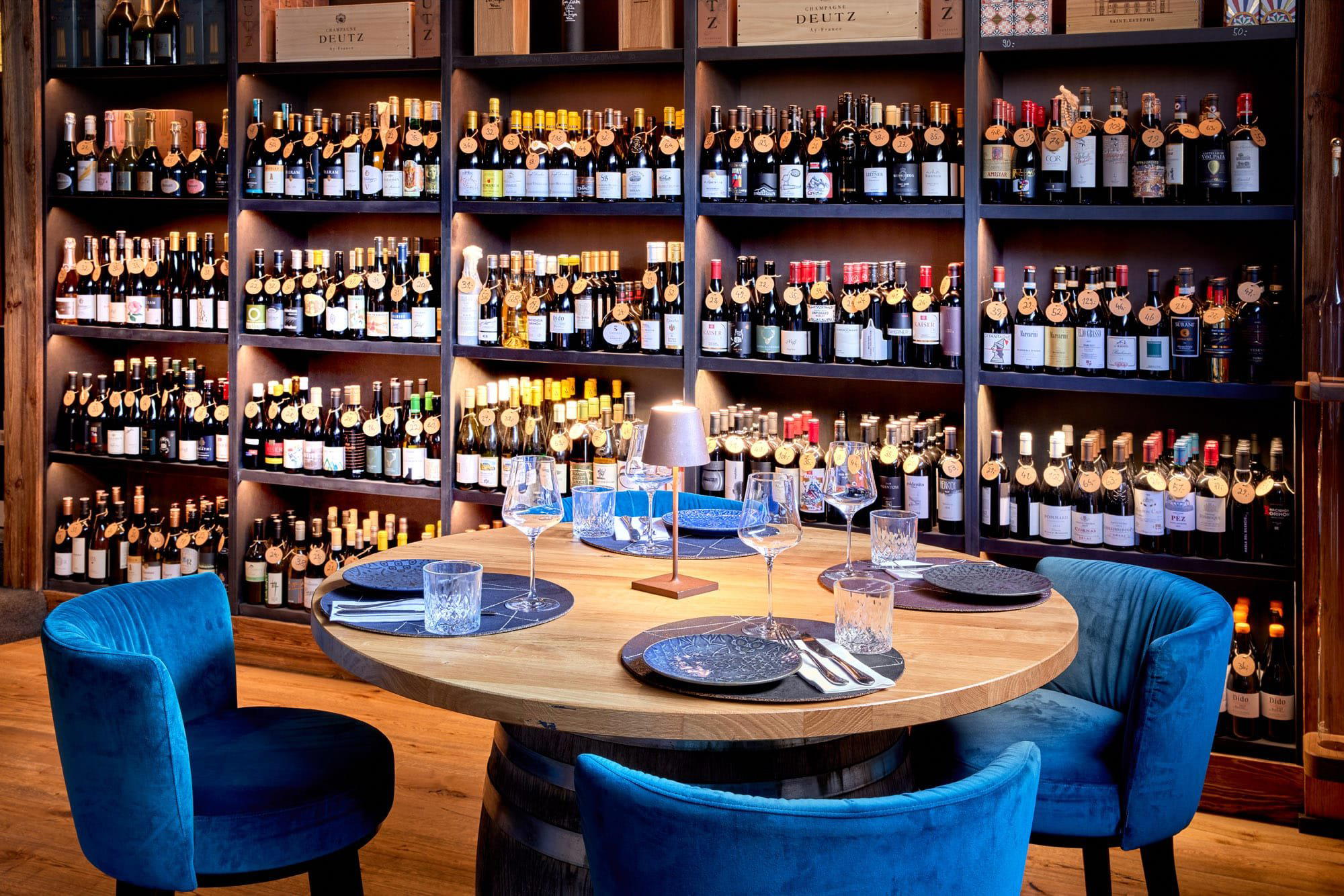

Hotels in Fiss
Browse all →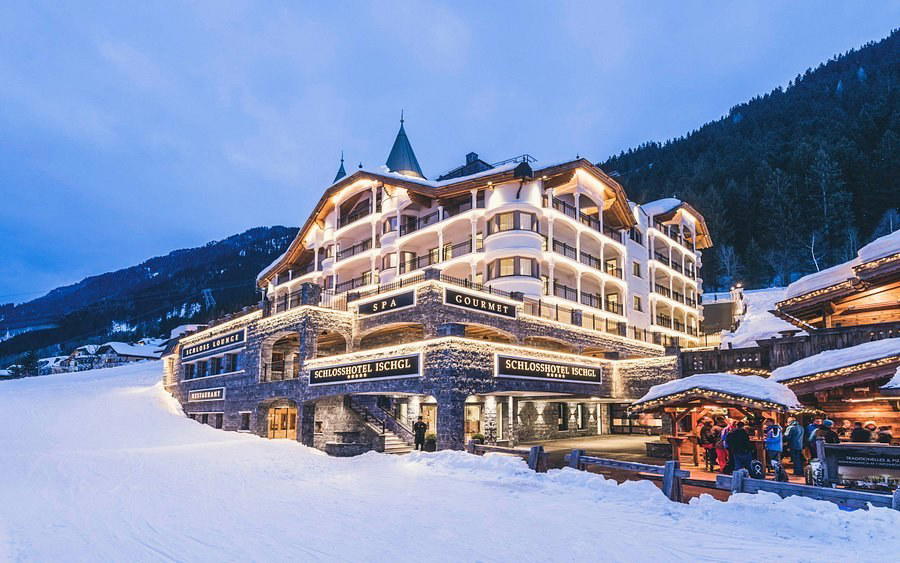

Details
- Elegant
- Sophisticated
- Modern
- Cozy
- Lively
- Date Night
- Special Occasion
- Celebration
- Open Kitchen
- Extensive Wine List
- Sommelier Led
- Local Sourcing
- Mountain
- A La Carte
- Tasting Menu
- Vegetarian Friendly
Current opening hours
- Monday
- Closed
- Tuesday
- 6:30–11 PM
- Wednesday
- 6:30–11 PM
- Thursday
- 6:30–11 PM
- Friday
- 6:30–11 PM
- Saturday
- 6:30–11 PM
- Sunday
- Closed
Hours can change for holidays and private events. Last verified .
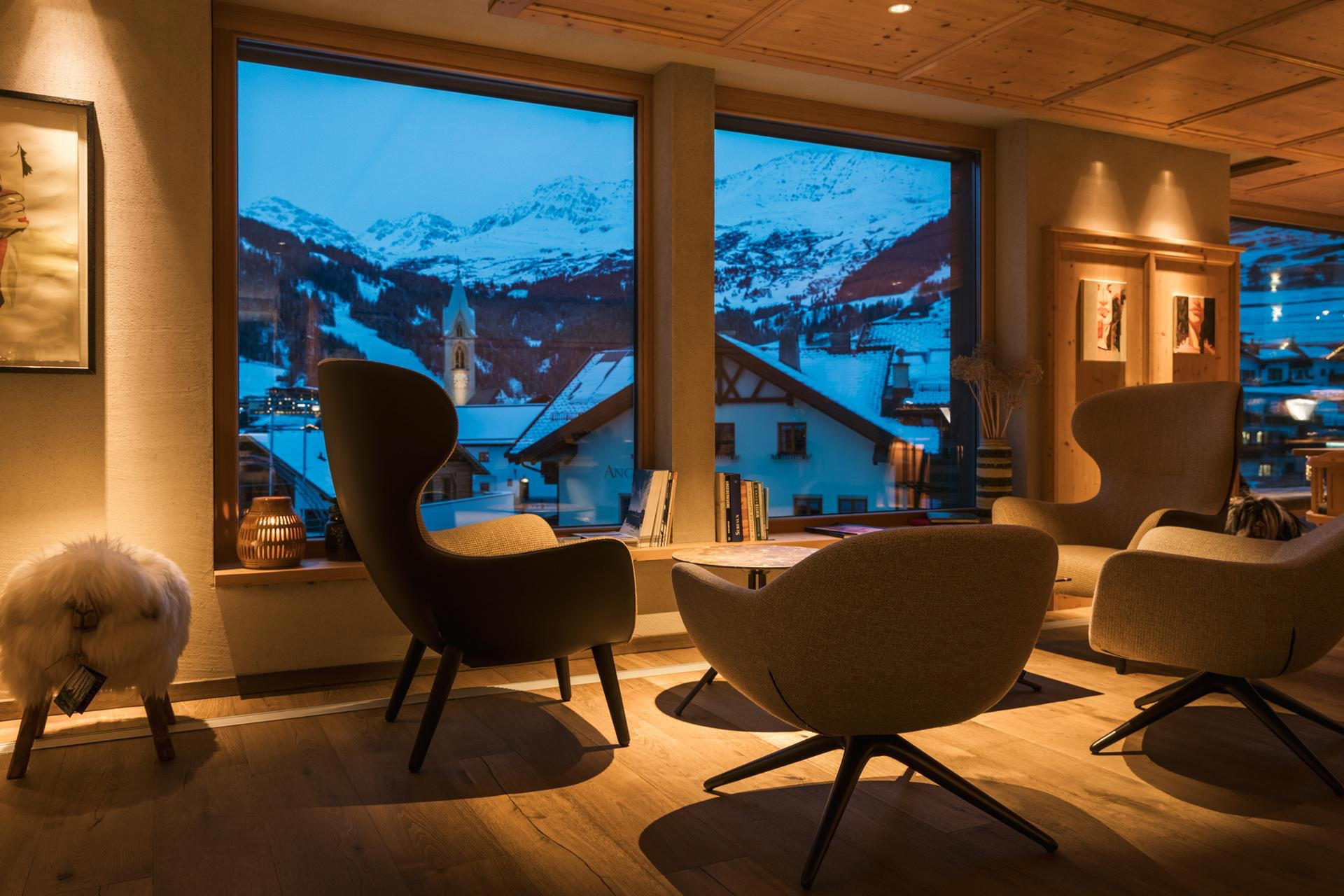
Sophisticated upscale decor in elegant dark colors with a lively yet cozy atmosphere.