

Star Wine List · Falstaff Wine Bar - 87 Falstaff Points
In the Tannheim Valley, TOVINO holds a Star Wine List recognition for 2026, placing it among Austria's more serious drinking destinations outside the major cities. The wine program pulls weight in a village setting where that kind of curation is rare, and the alpine context shapes what ends up in the glass as much as any list editor does.

Pearl is the En Primeur Club membership app — saves, bookings, and concierge access live there. Same editors, same standards.
- Address
- Berg AT, Berg 54, 6675 Tannheim, Austria
- Phone
- +43 5675 6788
- Hours
- Mon 4–11:30 PMTue–Wed ClosedThu–Sun 4–11:30 PM
- Website
- tovino.tirol
- Directions
- Get directions
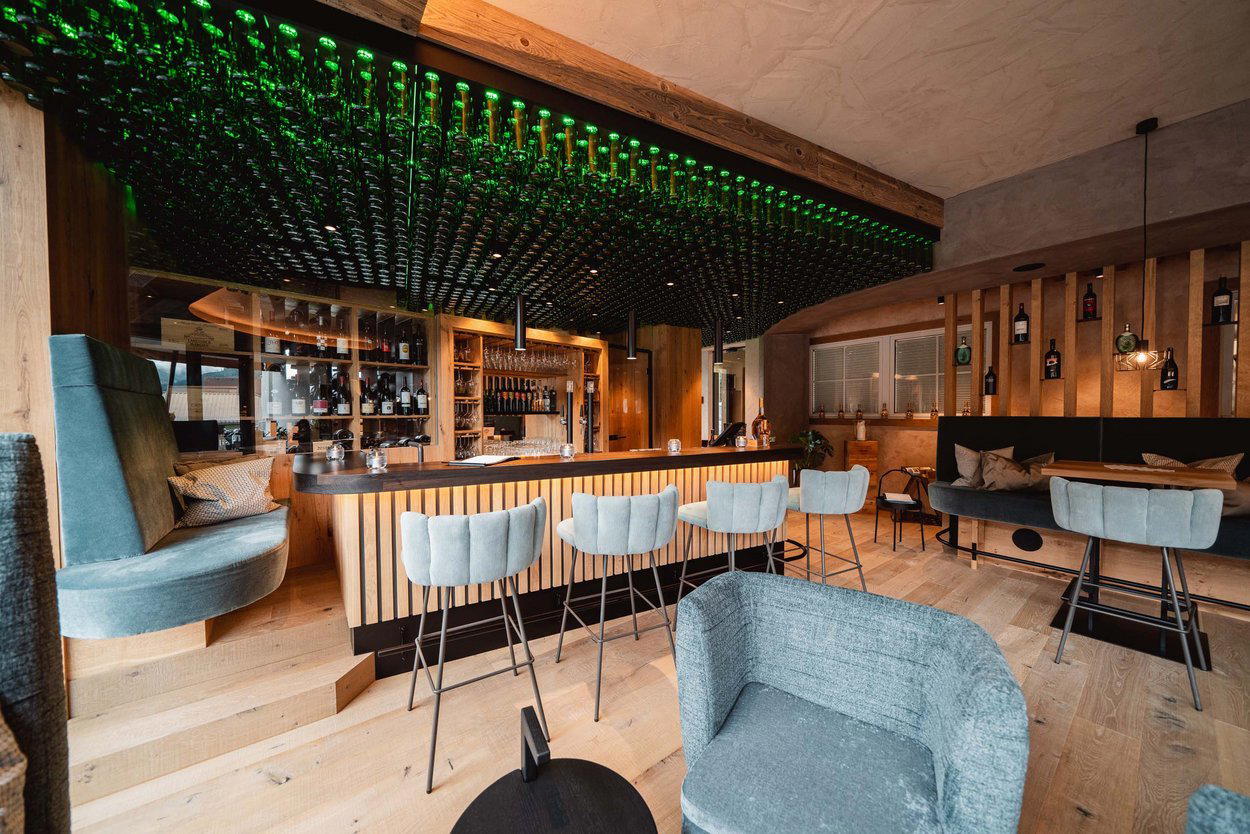
Where the Alps Set the Drinking Context
Tannheim sits in the Zugspitz Arena region of the Austrian Tyrol, a valley floor village at roughly 1,100 metres where the mountains compress the sky and the pace of life runs on snow seasons and hiking calendars rather than urban rhythms. Drinking here has always been functional before it was fashionable: the huts, the gasthäuser, the après-ski rooms. Against that backdrop, a venue earning Star Wine List recognition in 2026 reads as something genuinely different from what the valley has historically offered. TOVINO, addressed at Berg 54 on the road into the Berg hamlet above Tannheim proper, sits at a slight remove from the village center — a physical distance that signals something about its positioning before you've crossed the threshold. For a broader look at where TOVINO fits among places to eat and drink in the area, see our full Tannheim restaurants guide.
The Star Wine List Standard and What It Signals Here
Star Wine List, the Swedish-founded global wine recognition platform, evaluates wine programs on the strength of their list construction, range, and depth rather than restaurant prestige or Michelin alignment. In major Austrian cities, the credential appears at addresses with serious cellar investment. In a village the size of Tannheim, it operates as a different kind of signal entirely: it suggests that someone here has built a wine and drinks program with genuine rigor, and that the curation reaches beyond the regional house pours and the ski-week carafes that characterize most alpine drinking rooms at this altitude. Austria's wine culture is anchored in the east, in Burgenland and the Wachau and the Weinviertel, but those wines travel well into the Tyrol when someone has the contacts and the conviction to bring them.
The Drinks Programme as the Main Event
Austrian alpine venues that earn drinks recognition tend to do so in one of two ways: they either inherit a regional producer relationship that pre-dates the venue itself, or they build a list from scratch with deliberate outside-in sourcing. Either approach, in a mountain village, requires more logistical and financial commitment than the same effort in Innsbruck or Salzburg. The wine programs at addresses like Hotel Schwarzer Adler Innsbruck and Hotel Schöne Aussicht in Sölden benefit from the infrastructure of larger resort towns; TOVINO operates without that structural advantage. That the program has attracted formal recognition anyway is the editorial point. What ends up in the glass at serious alpine wine venues often reflects a tension between the local instinct to pour Tyrolean and South Tyrolean bottlings and the broader Austrian canon, with Grüner Veltliner, Blaufränkisch, and Riesling from the country's eastern regions pulling against the geographical gravity of the address. How TOVINO resolves that tension is, by all available signals, worth the drive up the valley.
Atmosphere and Setting
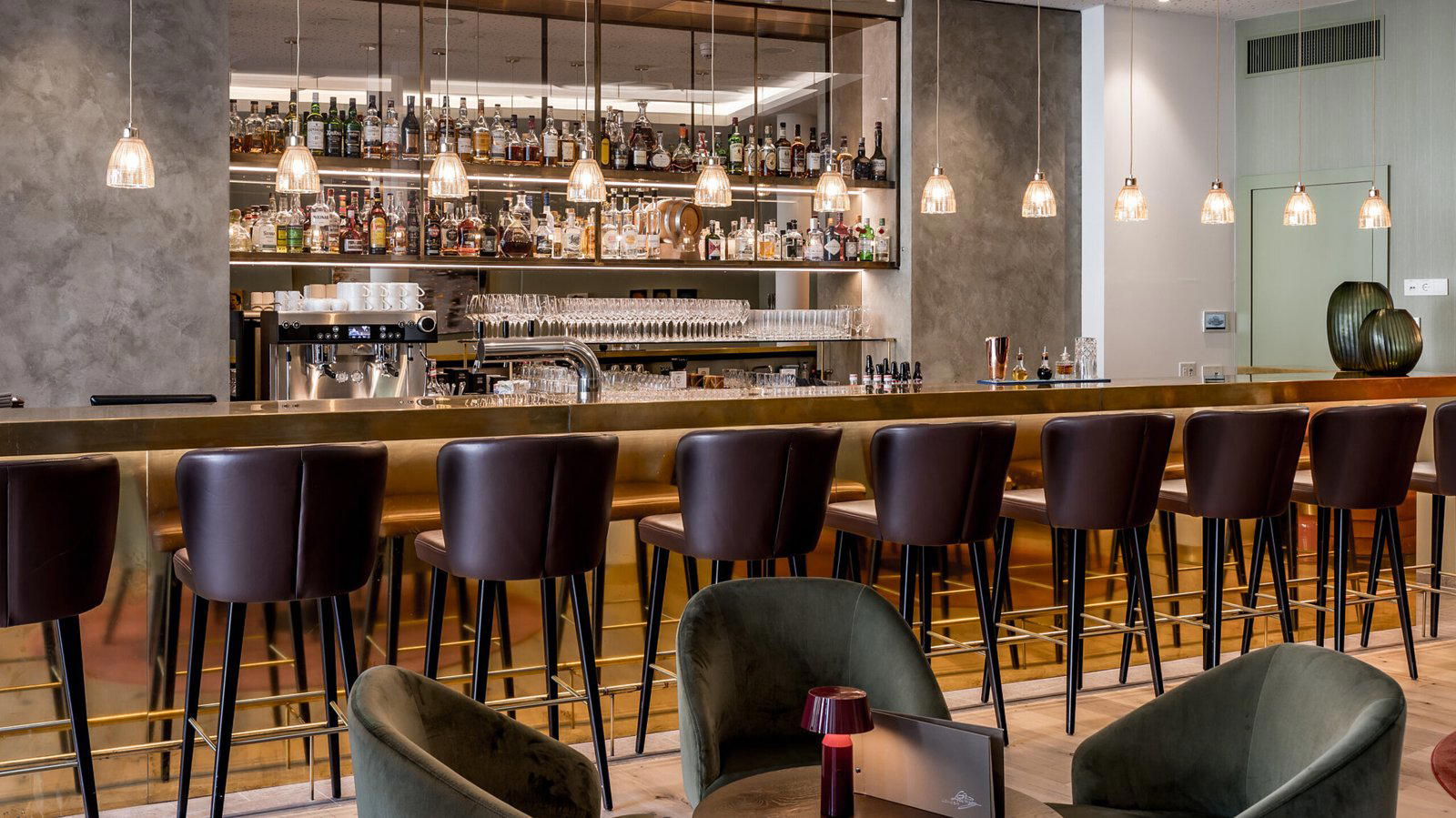
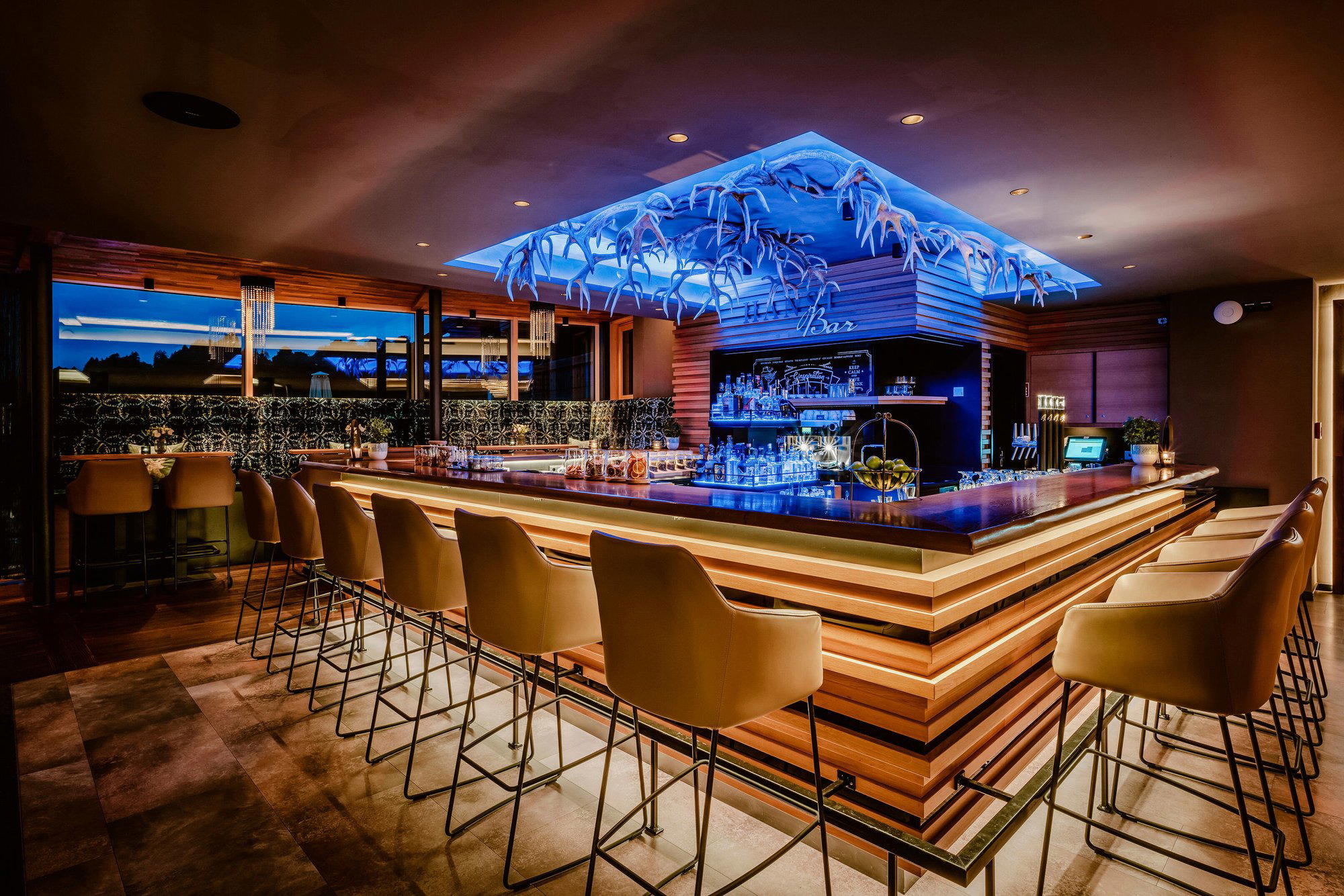
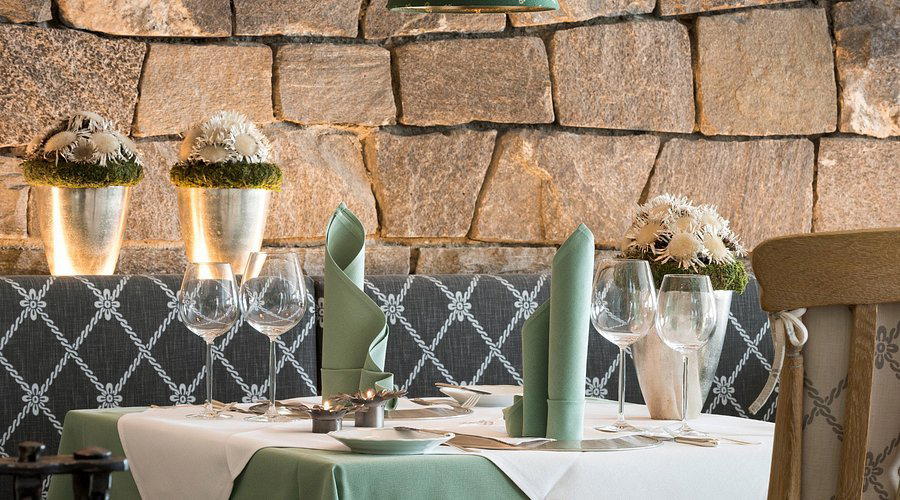
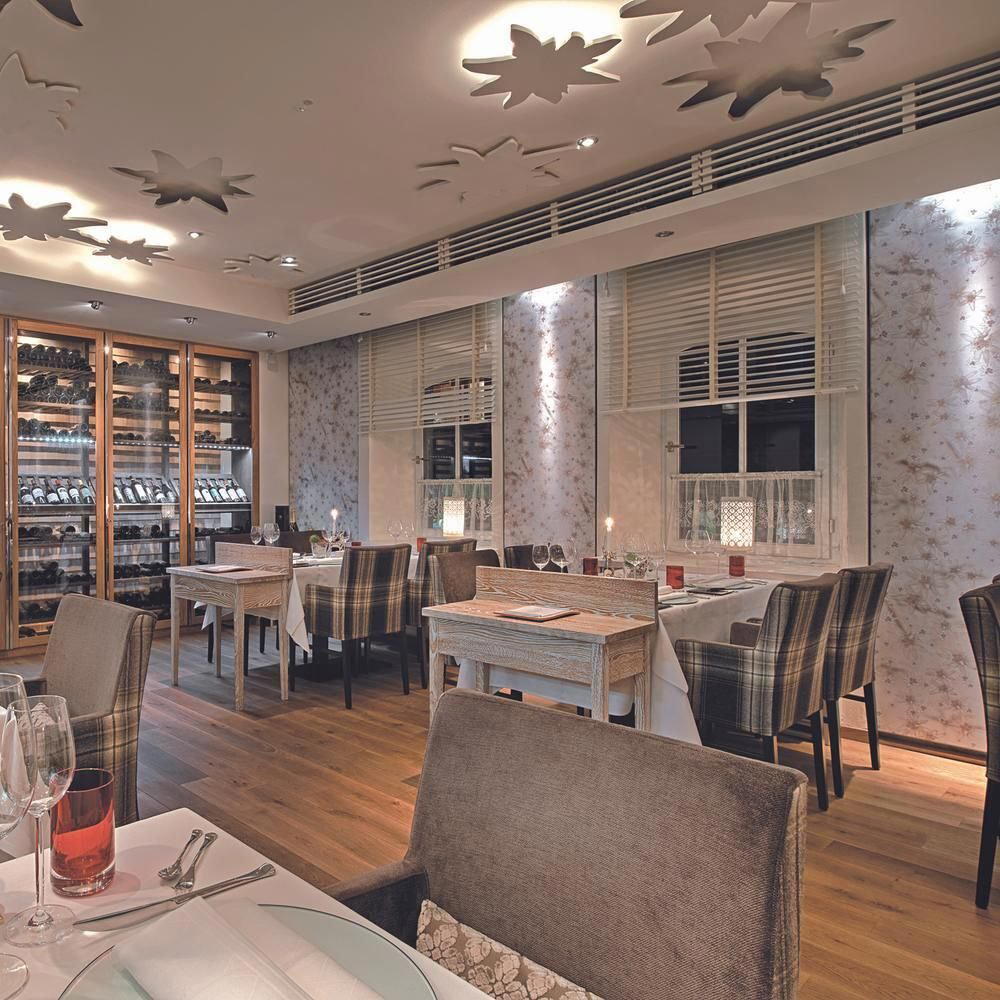
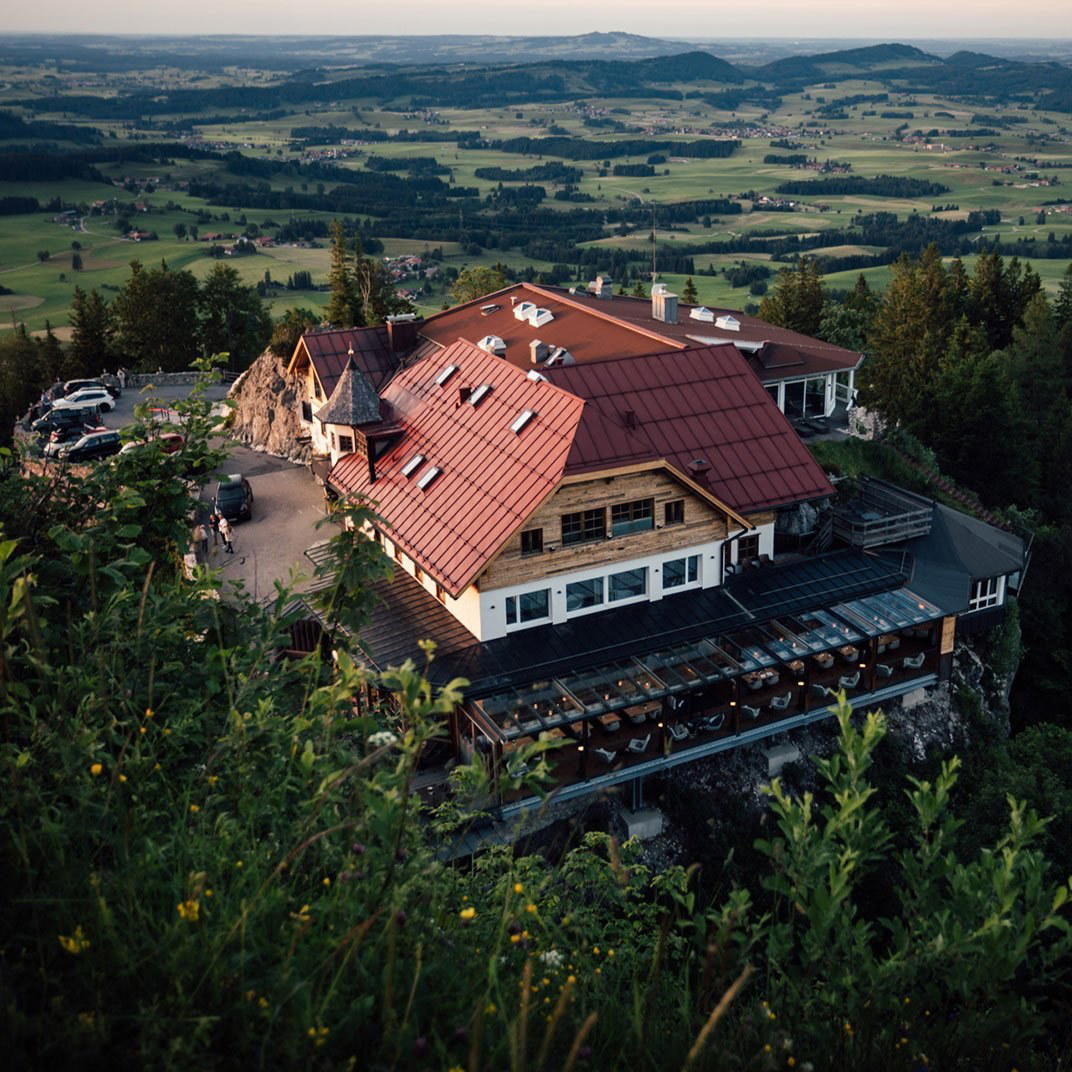
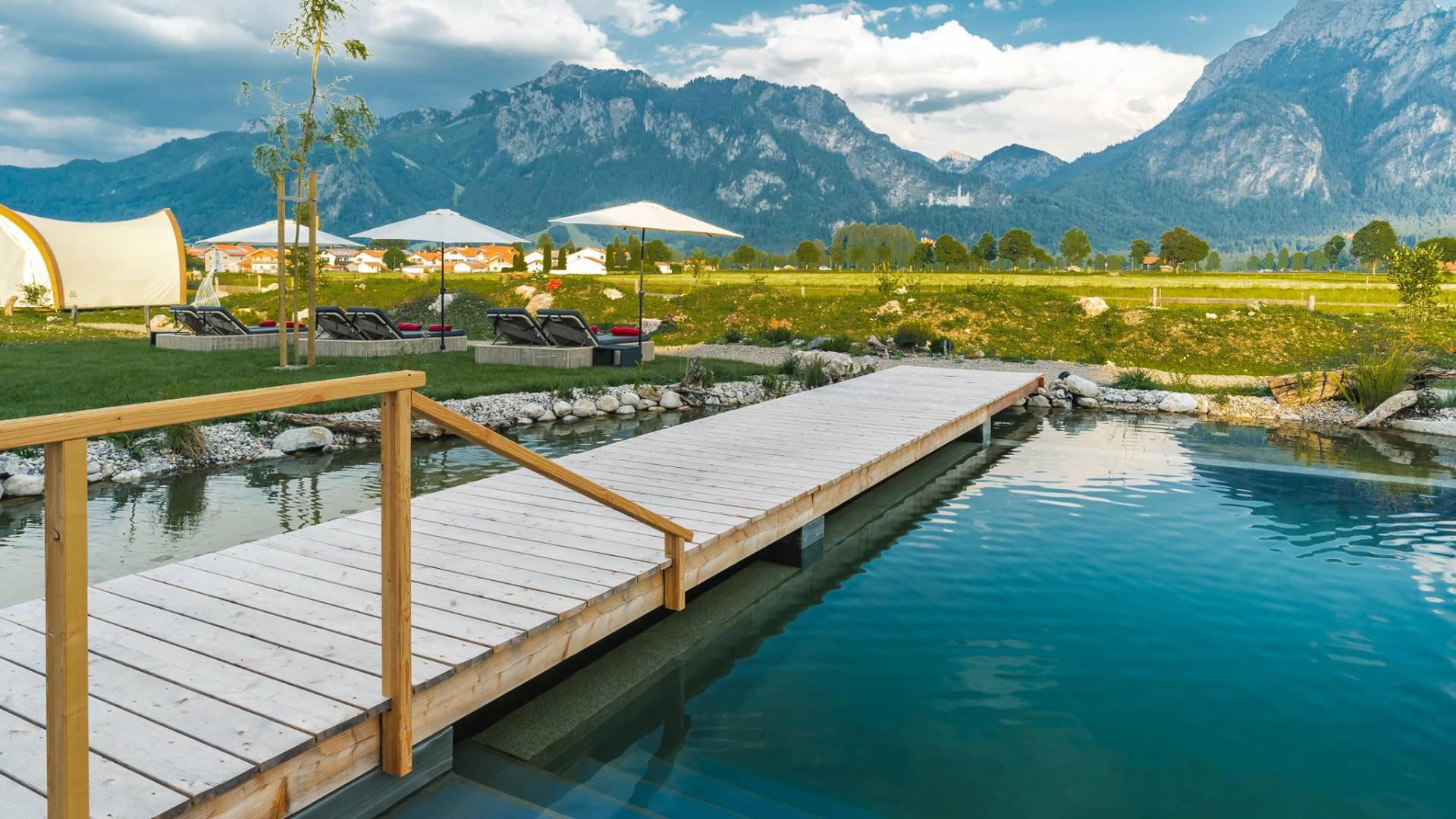
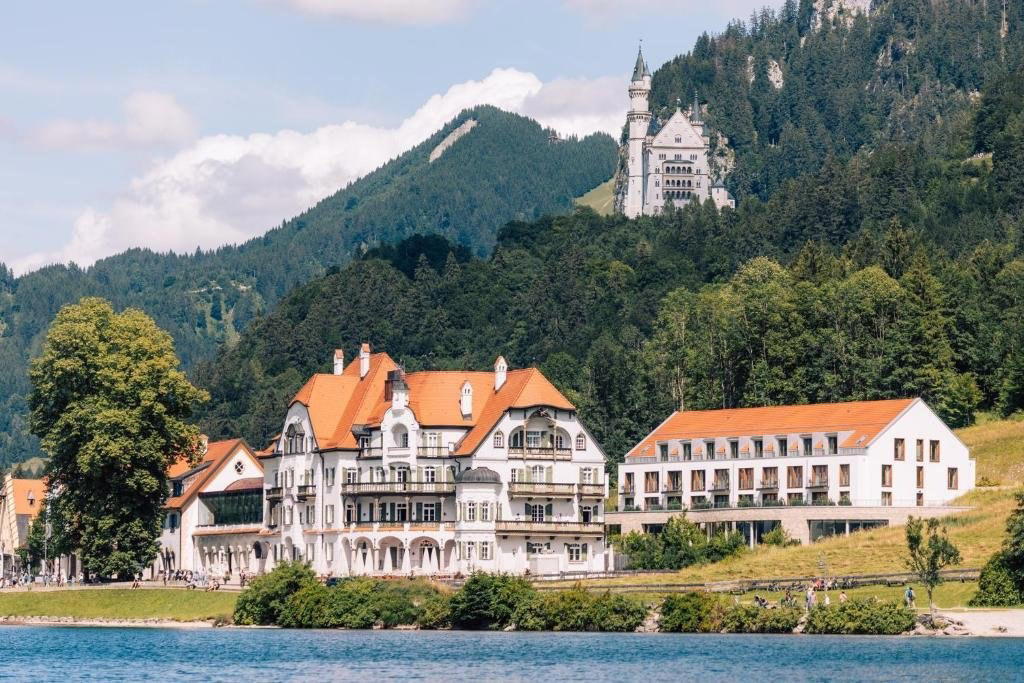
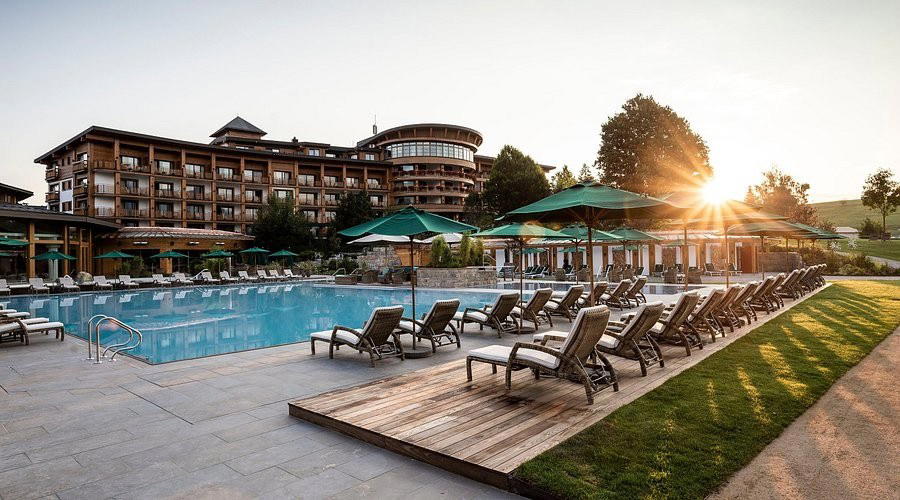
The Berg hamlet sits fractionally above the main valley floor, and the approach to Berg 54 carries the characteristic Austrian alpine aesthetic of stone, timber, and pitched roofline. Village-scale venues in the Tyrol rarely pursue the kind of conspicuous design language you find at destination restaurants in Lech or Kitzbühel; the environments tend toward the warm and functional, with the quality of what's served doing more communicative work than the interiors. This restraint can be read as either limitation or editorial choice depending on what you're looking for. For visitors arriving from the urban Austrian bar scene, from the programmatic rigour of Club U in Vienna, or the historical weight of Augustiner Bräu Mülln in Salzburg, the scale shift is real. TOVINO operates in a quieter register than those addresses, and that quietness is appropriate to the valley. The energy here is shaped by season: winter brings the ski crowd from the Zugspitz Arena slopes, while summer draws hikers and cyclists along the valley trails. Both audiences skew toward people who have chosen the Tannheim Valley specifically, which means the clientele tends to be self-selecting in ways that favour a more considered drinking atmosphere.
The Alpine Drinks Context in Wider Austria
Austria's most talked-about drinking destinations cluster predictably: Vienna's first district, Salzburg's old town, the wine-producing villages of the Wachau. Beyond those obvious coordinates, serious drinks culture in Austria often surfaces in less anticipated places, lakeside wine bars in Carinthia, hotel programs in the Ötztal, specialist formats in market towns. The pattern tracks internationally: Achen Lake in Eben am Achensee demonstrates that alpine adjacency and serious drinks programming are not mutually exclusive. Venues like Red Bull Hangar-7 in Himmelreich take a different approach entirely, using spectacle and scale. TOVINO's positioning is closer to the former: site-specific, low-key, built around the quality of what's poured. For a point of international comparison in how specialist bar programs operate outside major cities, Bar Leather Apron in Honolulu offers a useful model of credential-backed curation in a non-metropolitan setting. The Landhauskeller in Graz shows what a historically rooted Austrian venue looks like when it takes the drinks list seriously; TOVINO arrives at a similar seriousness from the opposite direction, through contemporary recognition rather than institutional longevity.
Planning a Visit
Tannheim is accessible by road from Innsbruck in roughly an hour, and from Munich or Augsburg in under two hours via Füssen and the Gaichtpass. The valley has no rail connection, so arrival is almost entirely by car or the regional bus services from Reutte. Seasonal access matters here: the Gaichtpass closes in heavy snow conditions, routing winter traffic via Reutte regardless. TOVINO's address at Berg 54 places it slightly off the main valley road, and given that contact details and booking information are not currently published through standard channels, visiting as part of a wider Tannheim stay rather than as a standalone day trip is the more reliable approach. The Star Wine List recognition makes it worth building into a Tannheim itinerary for anyone whose travel in the Austrian Alps is shaped as much by what's in the glass as by what's on the trail.
Quick Comparison
Comparable venues nearby, for context on price, style, and recognition.
| Venue | Cuisine | Price | Awards | Notes |
|---|---|---|---|---|
| TOVINOThis venue — the venue you are viewing | wine_bar | $30–50 | Star Wine List · Falstaff Wine Bar - 87 Falstaff Points | Not listed |
| Achen Lake | hotel_bar | $20–30 | Not listed | Eben am Achensee |
| Carinthia Weinbar | wine_bar | Not listed | Star Wine List · Falstaff Wine Bar - 92 Falstaff Points | Velden am Wörthersee |
| Wein & Co | wine_bar | $30–50 | Star Wine List · Falstaff Wine Bar - 96 Falstaff Points | Innere Stadt |
| Hotel Schöne Aussicht | hotel_bar | Not listed | Star Wine List | Hochsölden |
Recognition history
Dated appearances from independent guides and award organizations, with the underlying list record or original source where available.
Star Wine List
Star Wine List
Falstaff Wine Bar - 87 Falstaff Points
Falstaff
Continue exploring
More in Tannheim
Bars in Tannheim
Browse all →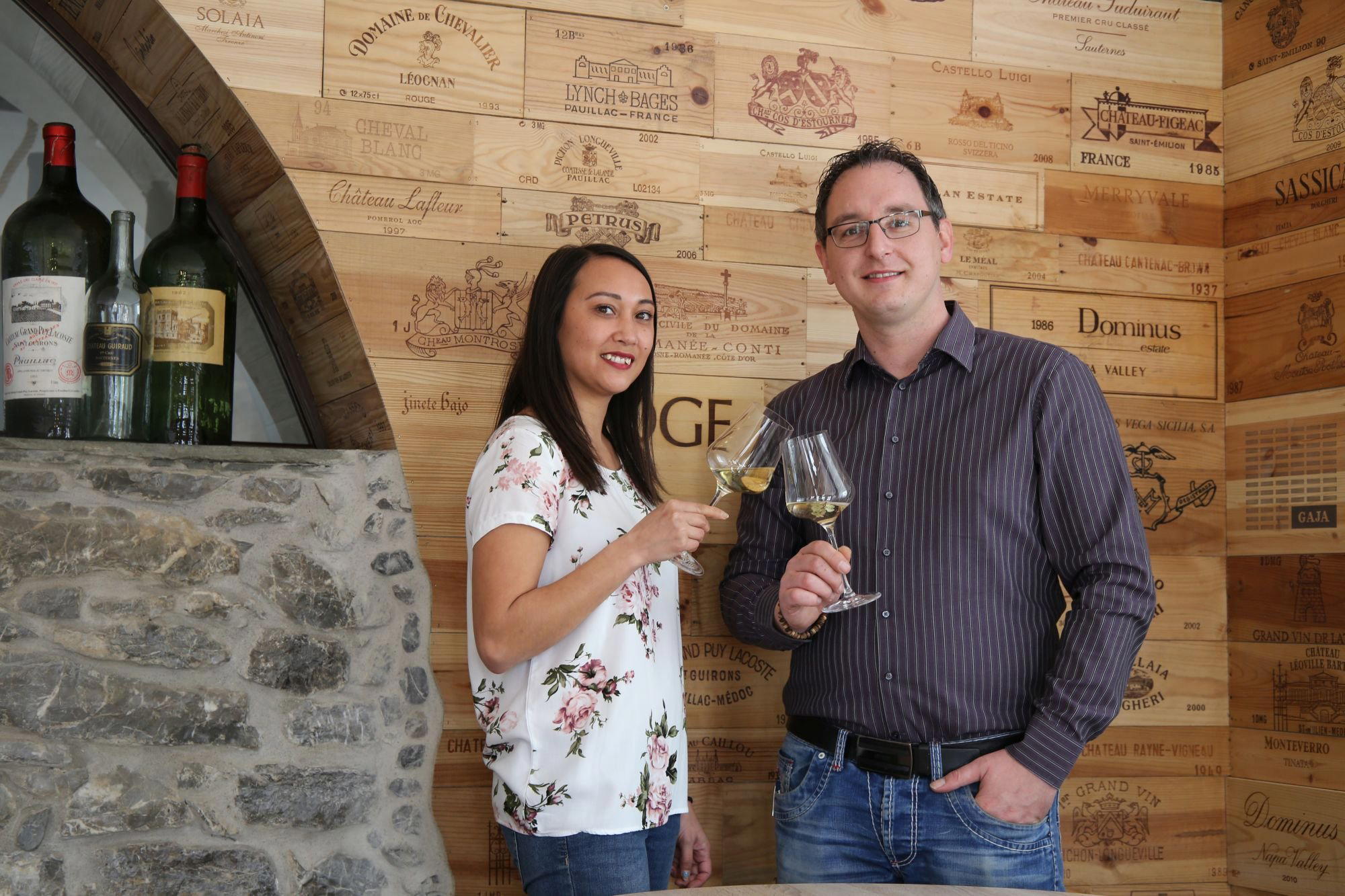

Restaurants in Tannheim
Browse all →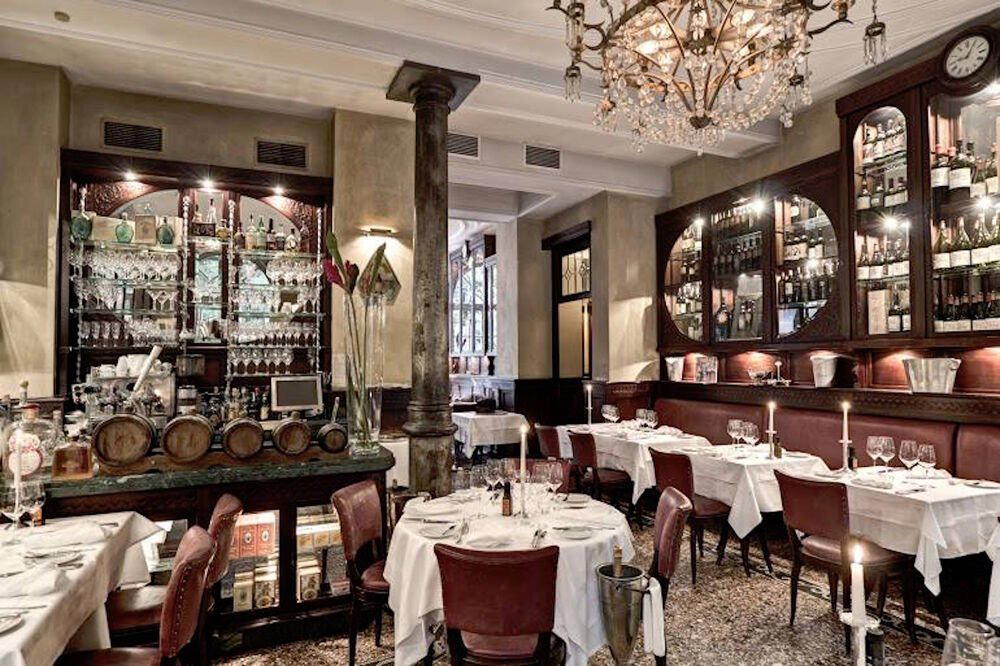
Hotels in Tannheim
Browse all →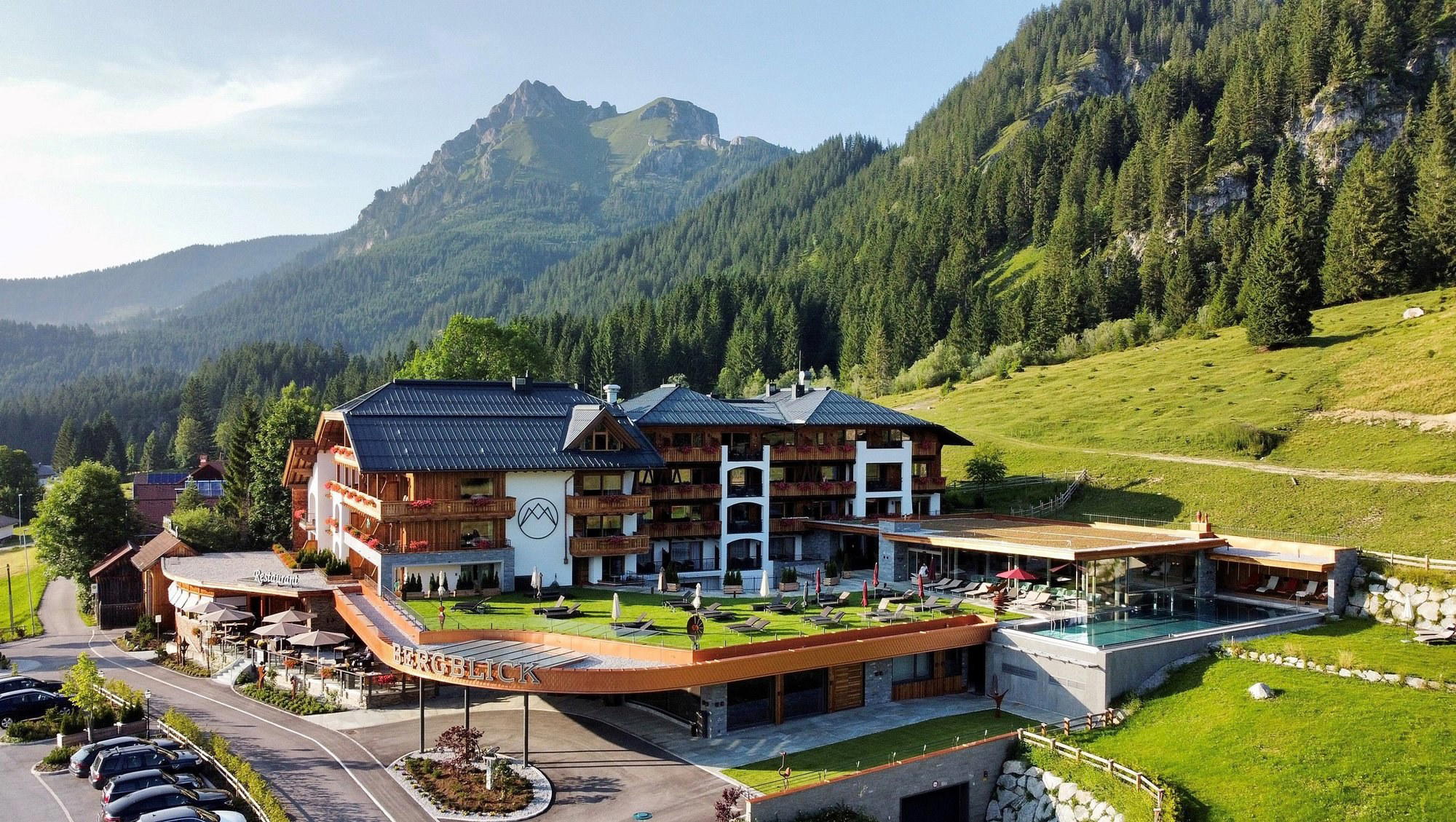

Details
- Cozy
- Elegant
- Scenic
- Modern
- Date Night
- Casual Hangout
- Terrace
- Panoramic View
- Hotel Bar
- Lounge Seating
- Outdoor Terrace
- Natural Wine
- Conventional Wine
- Mountain
Current opening hours
- Monday
- 4–11:30 PM
- Tuesday
- Closed
- Wednesday
- Closed
- Thursday
- 4–11:30 PM
- Friday
- 4–11:30 PM
- Saturday
- 4–11:30 PM
- Sunday
- 4–11:30 PM
Hours can change for holidays and private events. Last verified .
Schick (chic) atmosphere with modern-alpine design, relaxed and sunny terrace vibes, cozy for wine enjoyment.